















Once Upon a Time in the La La Land of Pixar…
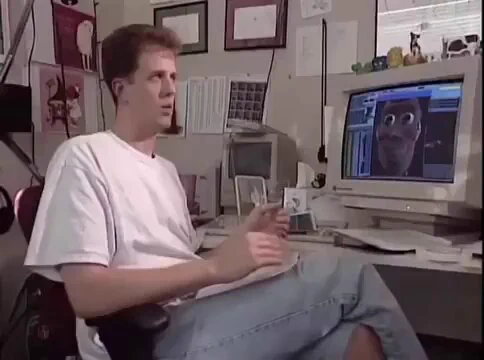
Way Back When: Once upon a time in the la la land of Pixar, circa 1995, thee animation studio was asking computers to do something no feature film had ever done before: build an entire movie inside them.
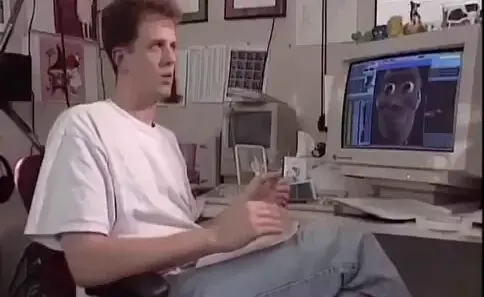
Toy Story became the first entirely computer-animated feature film, but getting Woody, Buzz and the rest of Andy’s room onto the big screen was anything but instant. Pixar’s artists created the film on Silicon Graphics and Sun workstations, then sent completed shots into a render farm powered by 117 Sun SPARC 20 systems.
entertainment
Way Back When Pixar Changed Animation
Revisit the film that took computer animation from experiment to feature-length history.
Some links may be affiliate links. INYIM may earn from qualifying purchases.
A Single Toy Story Frame Could Take Hours
And here is where today’s brain starts to short-circuit. Contemporary 1995 reporting from WIRED said Pixar averaged roughly three hours to render a single frame on its fastest machines. Depending on the complexity of the shot, RenderMan could spend anywhere from two to 15 hours working on just one frame.
One frame. Not one scene. Not one minute. One frame.
The 77-minute movie ultimately required around 800,000 machine-hours to reach its final cut. Pixar was essentially running a small digital factory around the clock just to turn all that modeling, shading, lighting and animation into finished pictures.
The Patience Behind Something That Now Looks Effortless
The tedious and forced patience of it all. Yet the discipline and perseverance behind that process are the kind of things you can’t simply buy — and can be easy to forget in today’s technological, fast-paced world.
There was no tapping “export” and checking back after lunch. A complex frame could occupy a machine for most of a day, and the artists still had to make creative decisions about modeling, movement, lighting, textures and camera placement before the render farm ever got involved.
That is what makes looking back at Toy Story in 1995 so wild. The movie now feels visually familiar because it helped create the language of modern computer animation, but at the time Pixar was inventing the workflow while making the film.
Toy Story Wasn’t Just New — It Changed the Medium
The Academy later described Toy Story as an animation game-changer, and for good reason. The film proved that a fully computer-animated feature could carry character, comedy and emotion for an entire theatrical runtime — not just a short sequence or special-effects shot.
All these years later, that history makes those hours-long renders feel less like an old-tech inconvenience and more like part of the movie’s DNA. Every finished frame was a tiny piece of a filmmaking process that did not yet have a proven roadmap.
How Pixar Rendered Toy Story in 1995
Watch INYIM Media’s throwback to the painstaking computer-rendering process behind Pixar’s first feature film.

Don’t have TikTok? Watch on IG.
Sources: WIRED (1995); Academy of Motion Picture Arts and Sciences; INYIM Media social video.