









Before Bottle Service, L.A. Nightlife Ran on Warehouses, Word of Mouth and Nerve
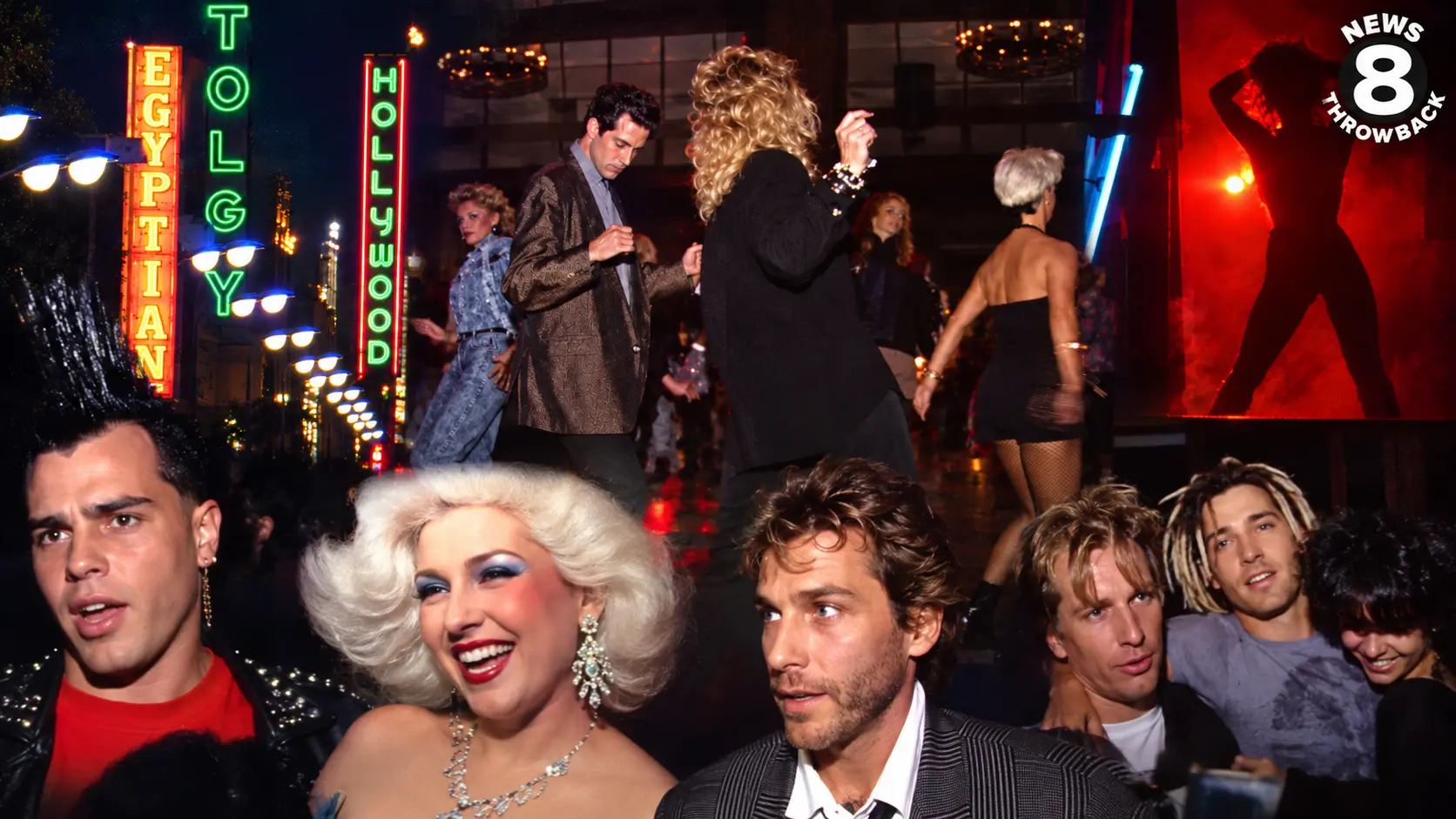
From Hollywood to MacArthur Park’s Park Plaza Hotel to Downtown L.A., let’s look back at what nightlife used to be. Long before phones told you where the party was, before guest lists lived in apps, and before half the city seemed to shut down by midnight, Los Angeles ran on flyers, phone numbers, whispered directions, warehouse addresses and knowing somebody who knew somebody.
This fascinating 1987 time capsule from CBS 8 San Diego drops straight into that world — one we remember with a particular kind of ache. As a six-year-old cruising down Hollywood Boulevard in the back seat of my dad’s white Chevy Impala, all that neon, color, people and late-night movement was my first intoxicating introduction to Hollywood.
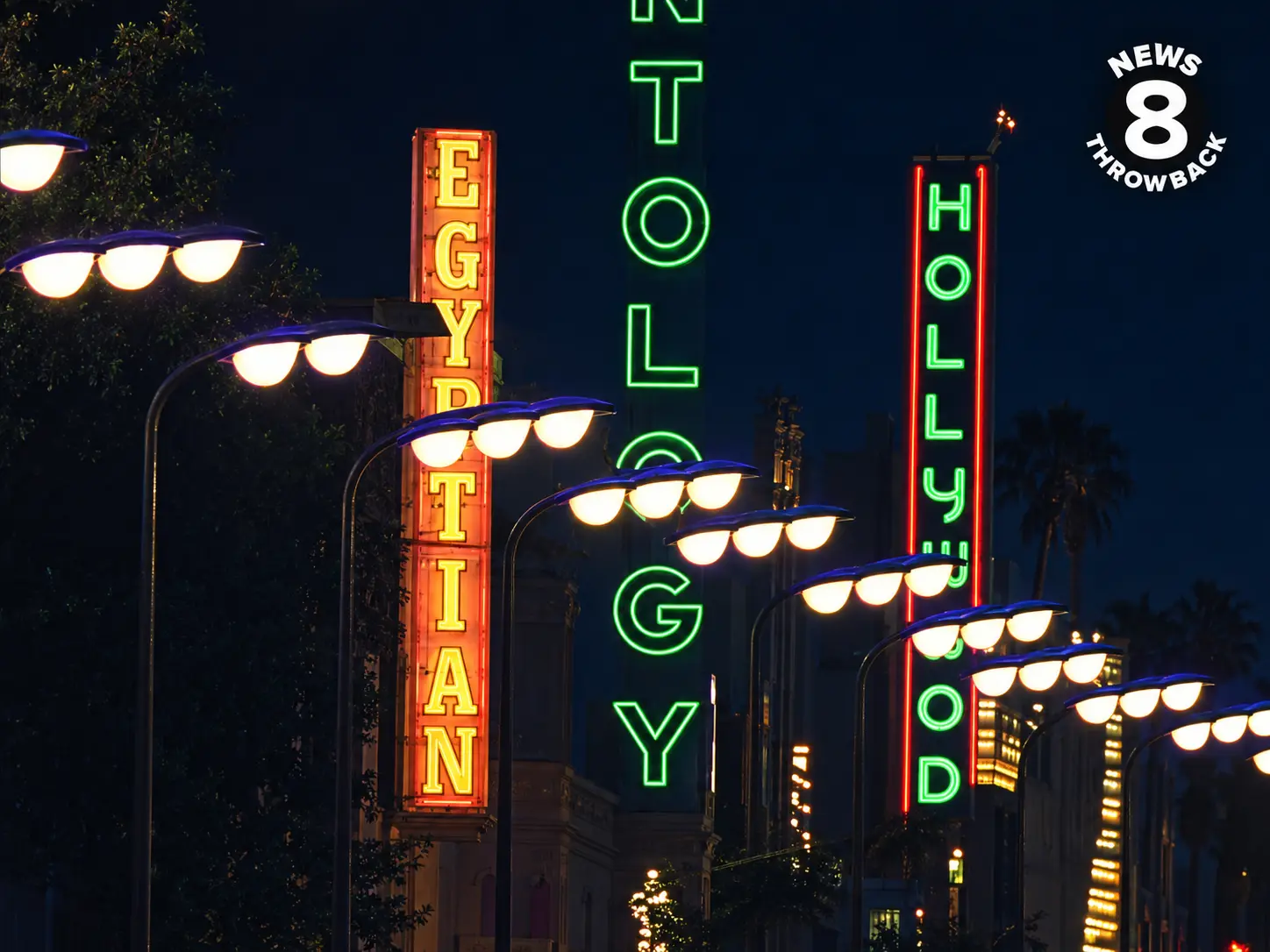
Today, L.A. and Hollywood can feel tragically quiet by comparison, especially after COVID. The high cost of living has pushed out plenty of young creatives, beloved venues have disappeared and dance floors have literally been demolished. Which makes footage like this more than nostalgia. It is evidence.
Discover More
Los Angeles After Dark — 1987
A CBS 8 San Diego time capsule of the clubs, warehouse parties, scene makers and beautiful weirdos who kept Los Angeles moving after midnight.
Some links may be affiliate links. INYIM may earn from qualifying purchases.
The report understands almost immediately that there was no single L.A. nightlife scene. There were scenes stacked on top of scenes: polished rooms, post-punk dance floors, gay and straight crowds mixing, fashion people, artists, actors, restaurant people, musicians and an underground network of temporary clubs that could disappear almost as quickly as they appeared.
Among the names that fly by are the Stock Exchange, Vertigo, Flaming Colossus and White Trash A-Go-Go. Downtown’s Atomic Cafe becomes a literal navigation point: partygoers are instructed to head to 1st Street and Alameda, across from the Atomic Cafe, and wait there for the next set of directions. No Eventbrite. No pinned location. Just trust the process.
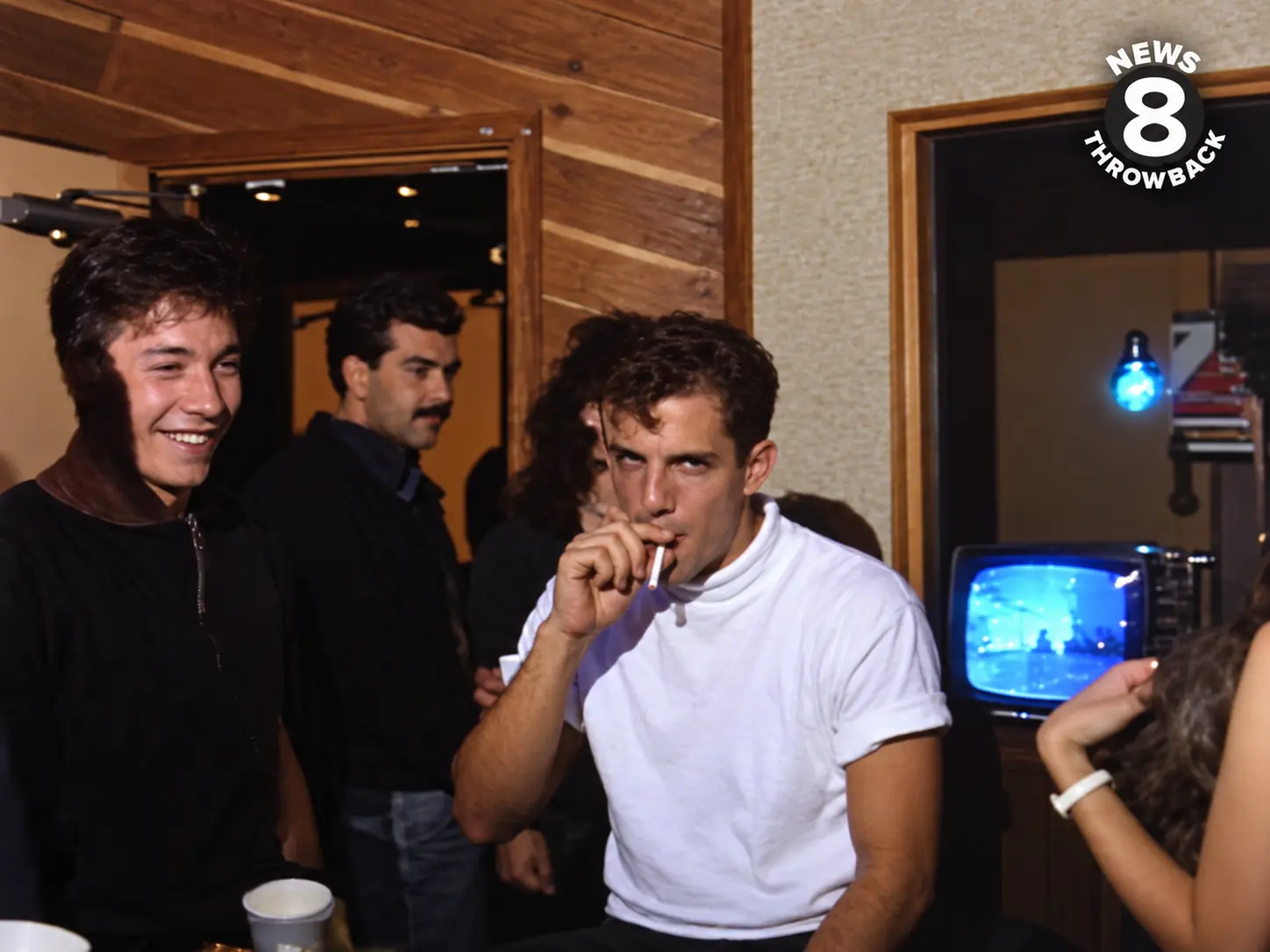
The underground was even harder to pin down. The report describes clubs moving through warehouses, condemned buildings and borrowed spaces, sometimes operating without the permits or liquor licenses that conventional venues needed. One organizer remembers a condemned building being used only a couple of times before police arrived and shut it down. Another describes a space with toxic waste in one corner, four stories of height and little rooms and catacombs scattered throughout it. Glamour!
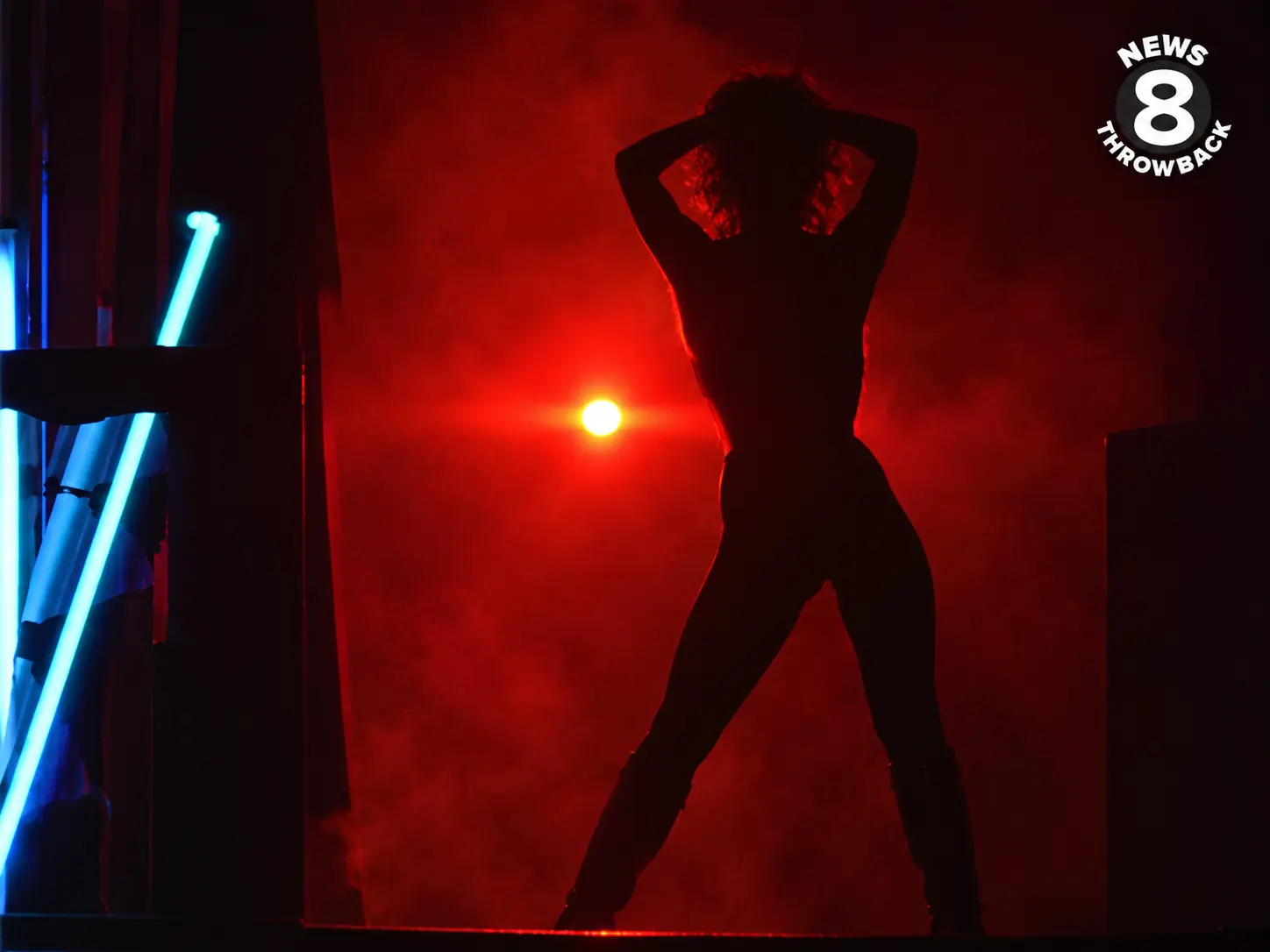
The Clubs, Nights and Rooms That Kept 1987 Los Angeles Moving
Look closely and the report becomes a roll call of vanished L.A. nightlife. Along with the Stock Exchange and Vertigo, it name-checks White Trash A-Go-Go, Flaming Colossus and a new underground night called Jackie’s Big O. The phrase “Friday Underground” also surfaces as part of the constantly shifting calendar — because permanence was almost beside the point. The scene expected clubs to mutate, relocate or vanish.
Contemporary accounts from the same year fill in even more of the map. The infamous L.A. Party Bus bounced between Zombie Zoo, Funky Reggae, Scream at the Park Plaza Hotel and Alcoholic Salad at the Variety Arts Center, while underground guide editor Myryah Flint helped arrange which clubs could be visited on a given night. The city was not one circuit. It was a maze.
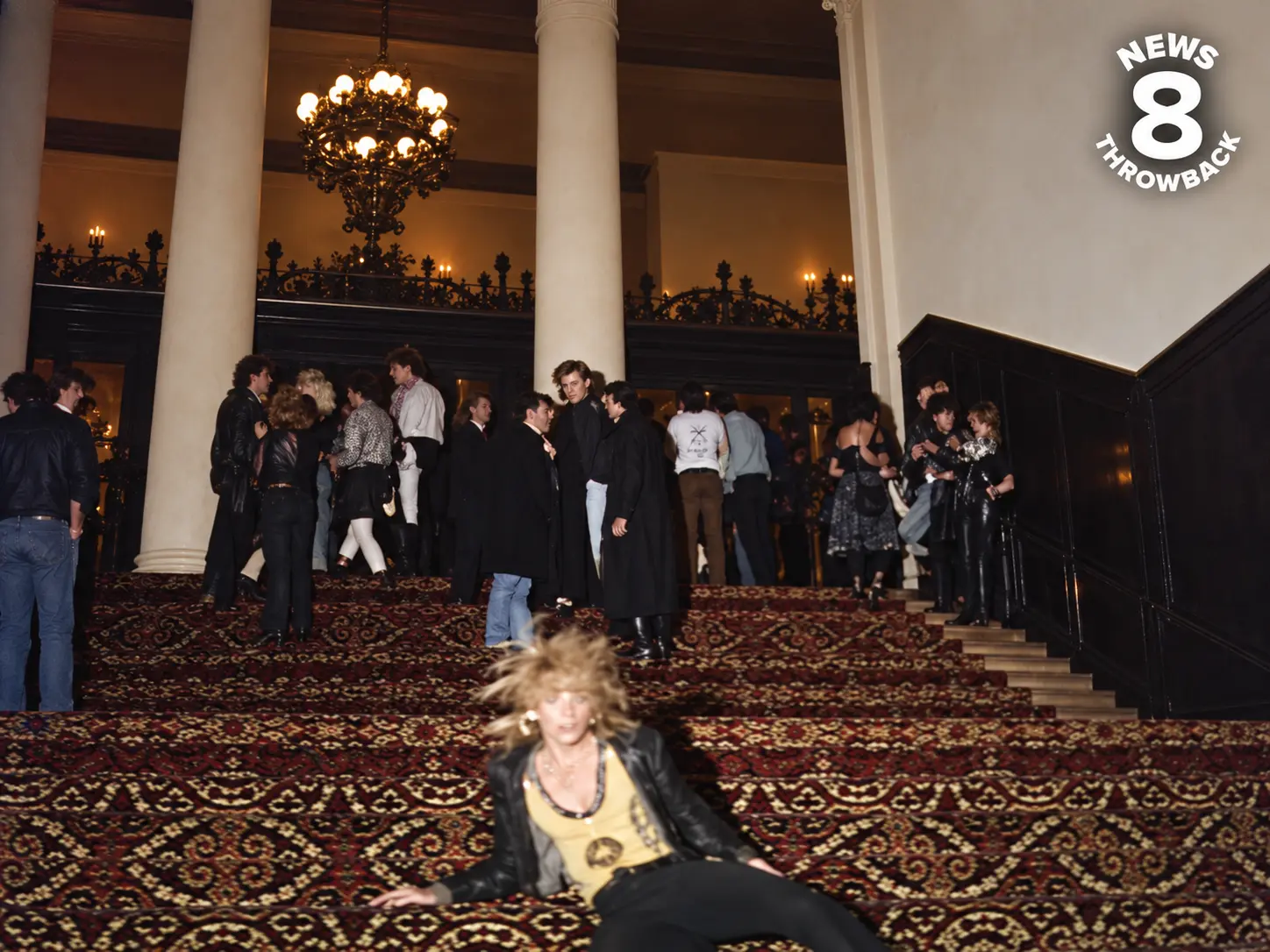
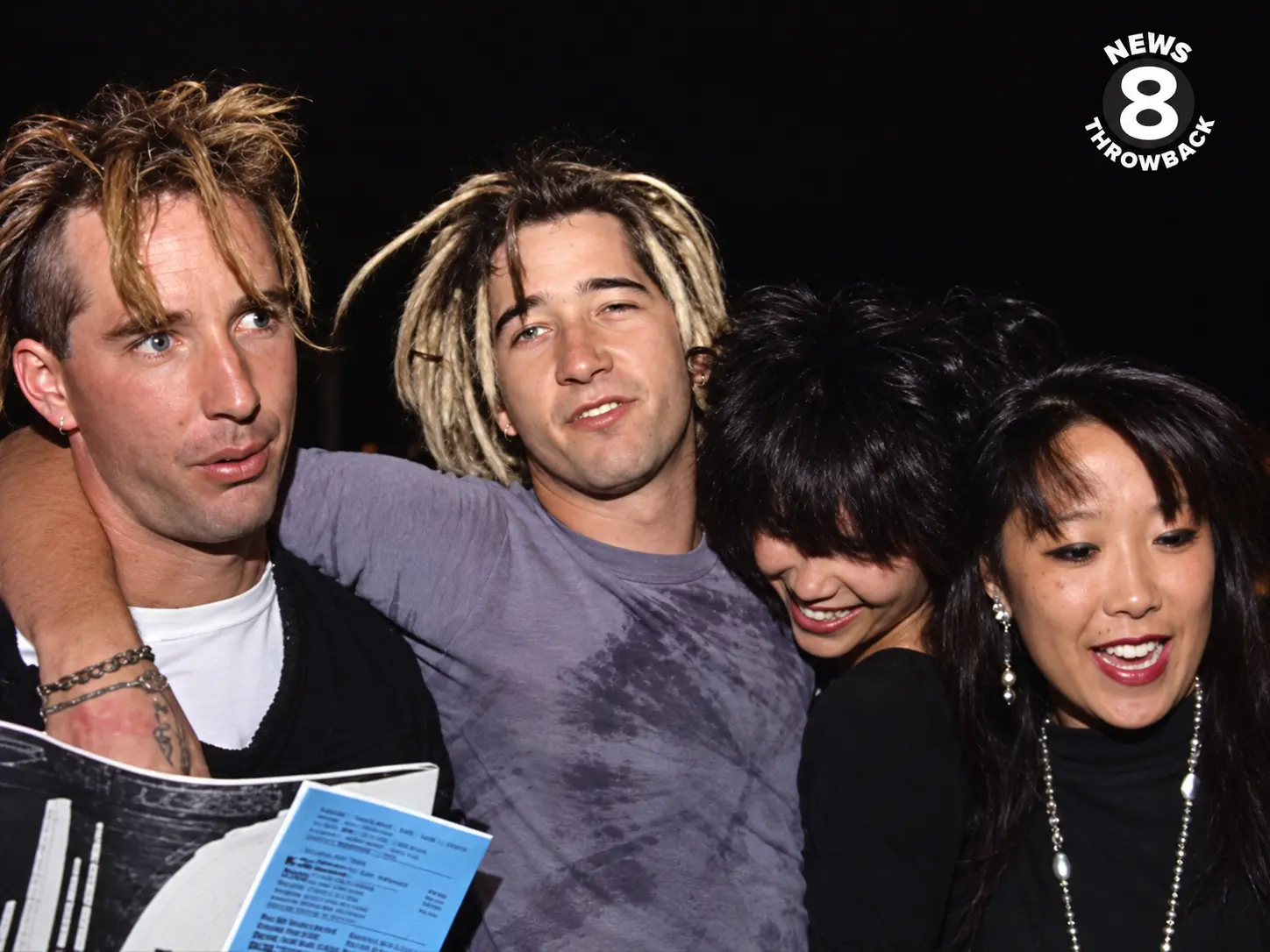
Anne Crawford, Mario Tamayo, BillyBoy* and the People Who Made the Scene
The best part of the report is that the clubs are only half the story. The other half is the people. Anne Crawford, then the social-scene columnist for LA Style, explains that she was out at least six nights a week. Contemporary coverage later described her as one of the city’s most connected chroniclers of parties and fashion — exactly the kind of person who could tell you which room mattered before everybody else got there.
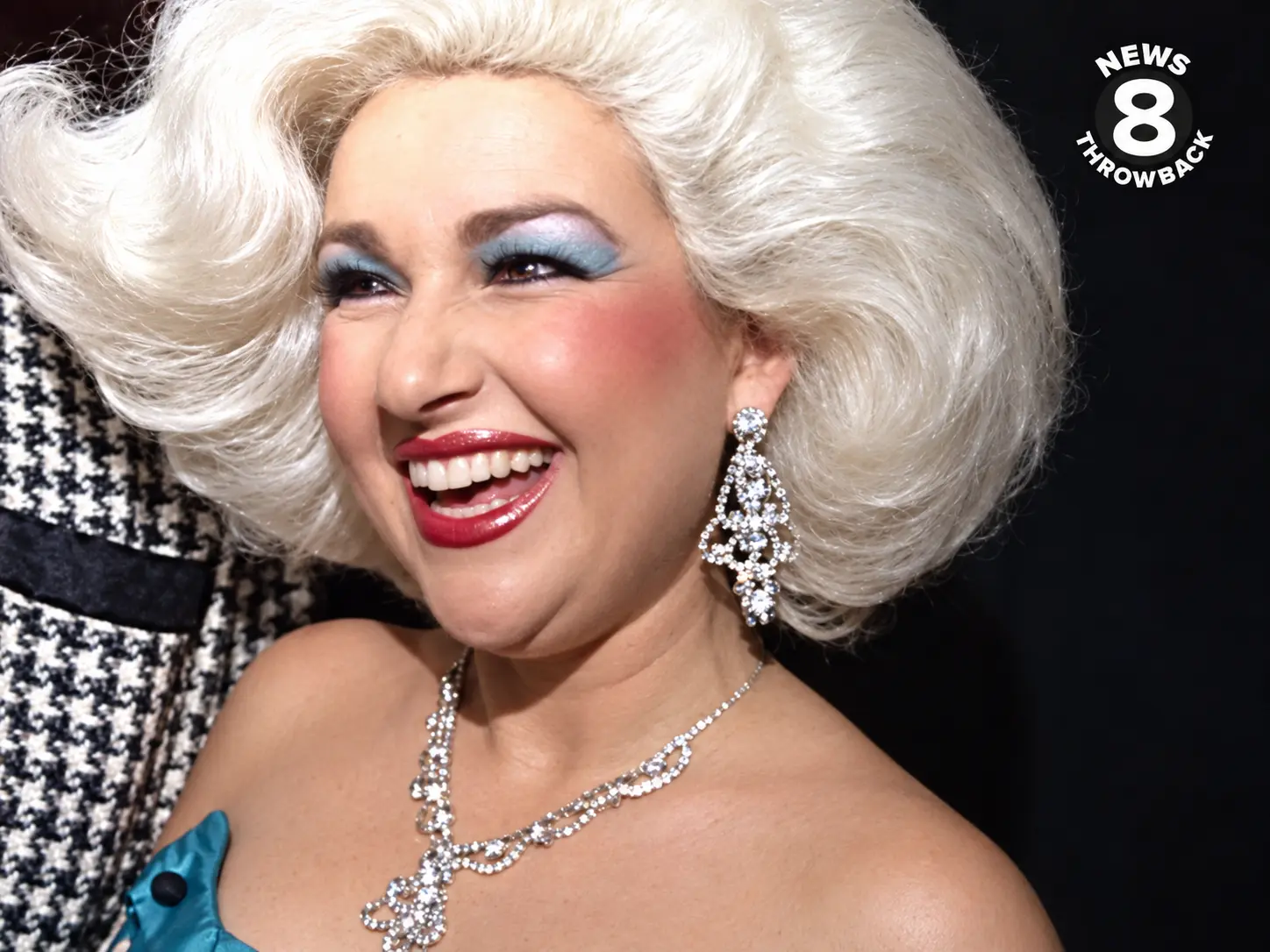
Then there is restaurateur and nightlife fixture Mario Tamayo, ponytail intact, moving through the city with a Barbie doll in tow. Tamayo was one of the founders of Cha Cha Cha, the wildly influential East Hollywood restaurant that became a magnet for artists, fashion people and scene creatures. If this footage needed a single human embodiment of late-’80s L.A. social life, Mario is a pretty strong candidate.
Jeff Conaway, already familiar from Taxi and Grease, also appears, talking about growing up in New York and watching Los Angeles turn into more of a 24-hour city. His presence is the perfect reminder that celebrity and underground nightlife were not separate ecosystems. They were standing next to each other at the bar.
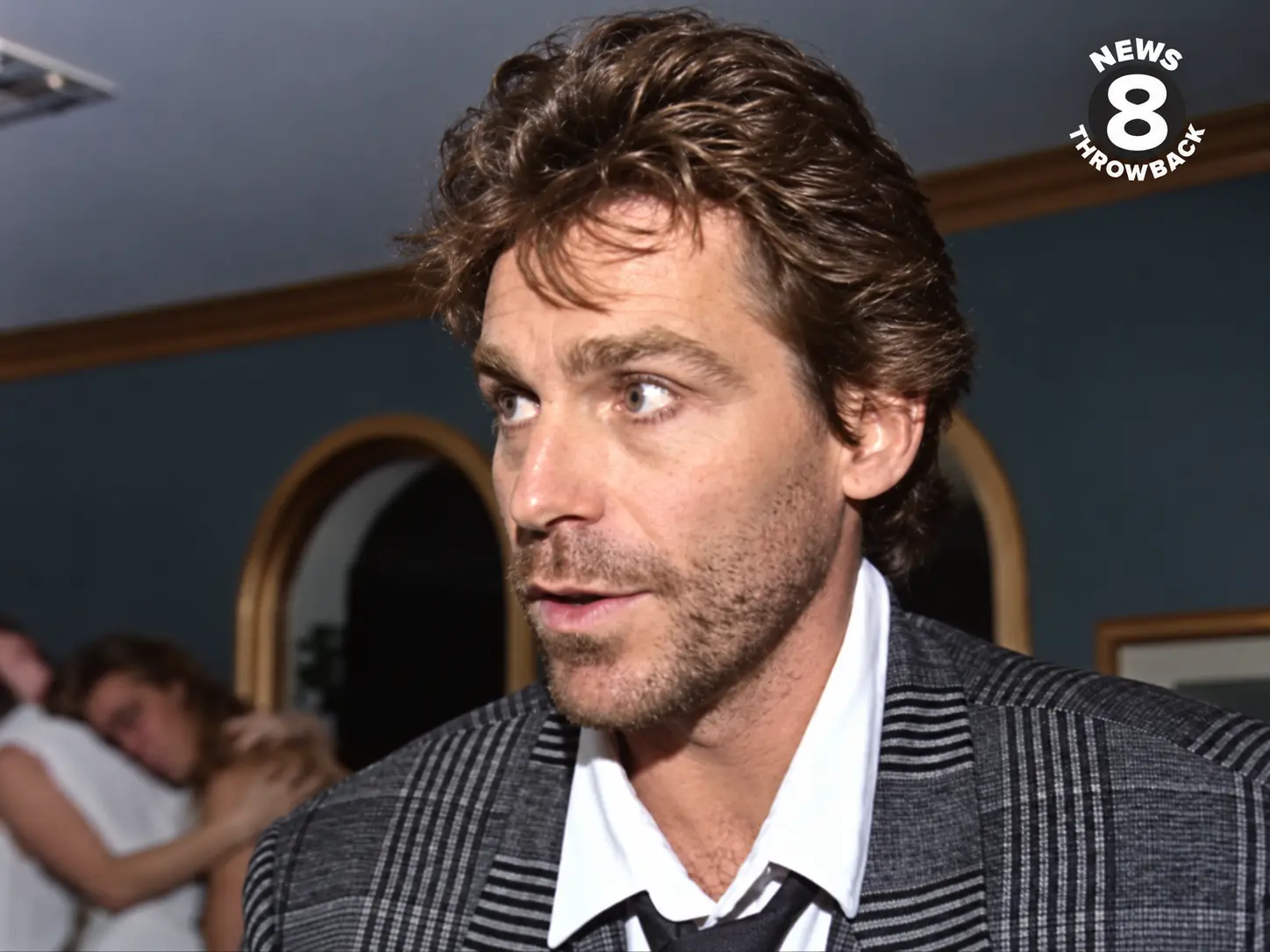
And then, magnificently, comes BillyBoy*. The Paris-based designer, artist, socialite and obsessive Barbie collector escorts Barbie herself to a party at the Stock Exchange, held in her honor. BillyBoy* had just published Barbie: Her Life and Times in 1987, and treats the doll less like a prop than a fully credentialed member of the scene. In a report full of nightlife eccentricity, Barbie somehow emerges as the one with the moral standards.
Another crucial figure is Myryah Flint, described as a publisher and guide to the underground. Her job was essentially analog nightlife infrastructure: knowing where the temporary clubs were, who ran them, which spaces were active and how to get people there without blowing up the entire operation. A contemporary Los Angeles Times piece from December 1987 called her one of the unofficial “gurus” of the L.A. club scene and credited her with editing several club guides.
The report even captures the era’s dress code in one perfect line: “Black is the Los Angeles underground uniform.” Fashion, access and attitude were intertwined. The real passport at the door was not a QR code. It was being judged sufficiently hip by somebody standing behind a rope.
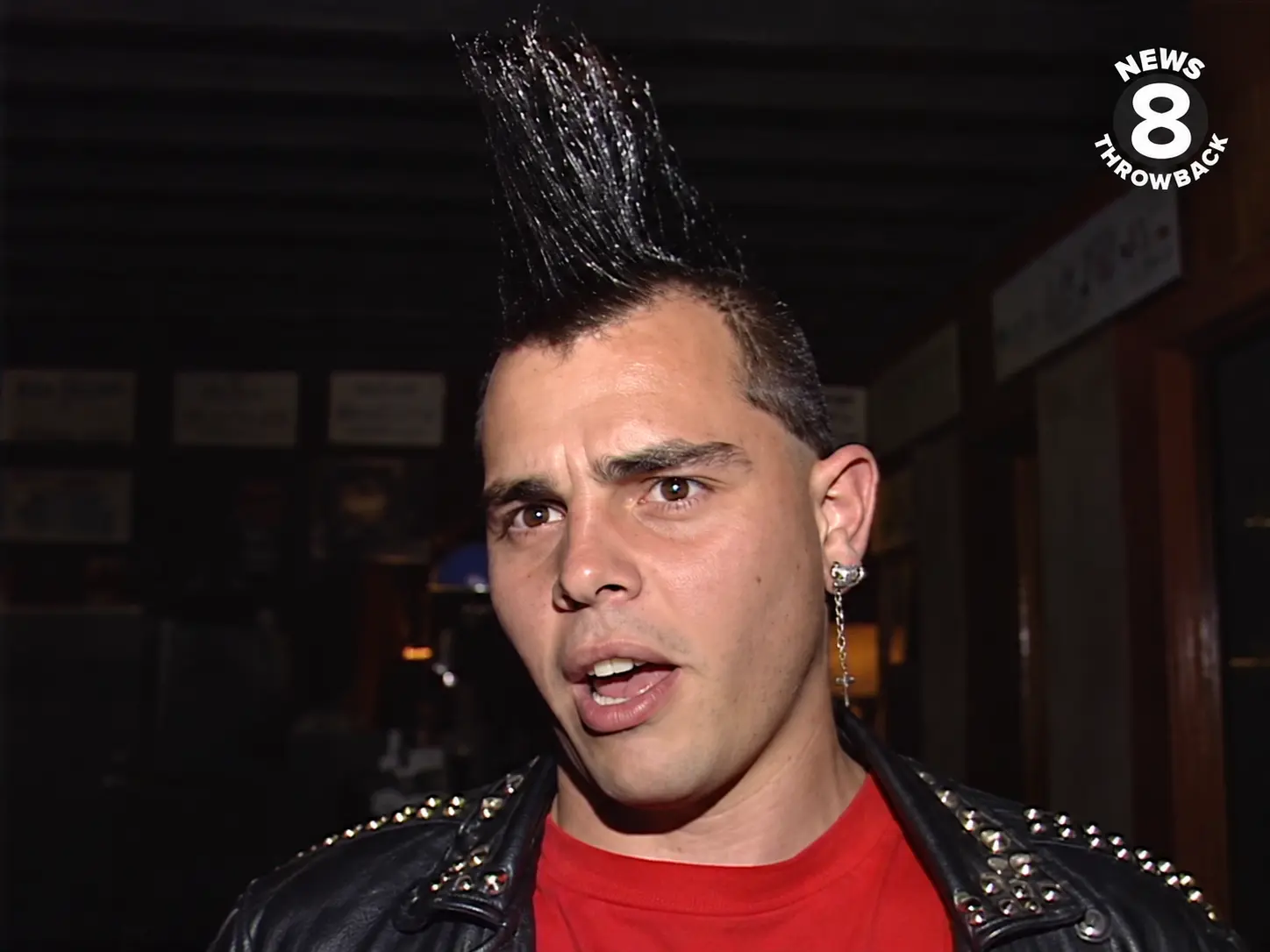
Cover charges started around $6. Many underground spots pushed beyond the normal 2 a.m. closing hour. And the promoters openly admit that money was not always the point. One gives perhaps the most honest nightlife answer ever recorded: passion — and social climbing. Become popular and famous “on the underground level.” At least they said it out loud.
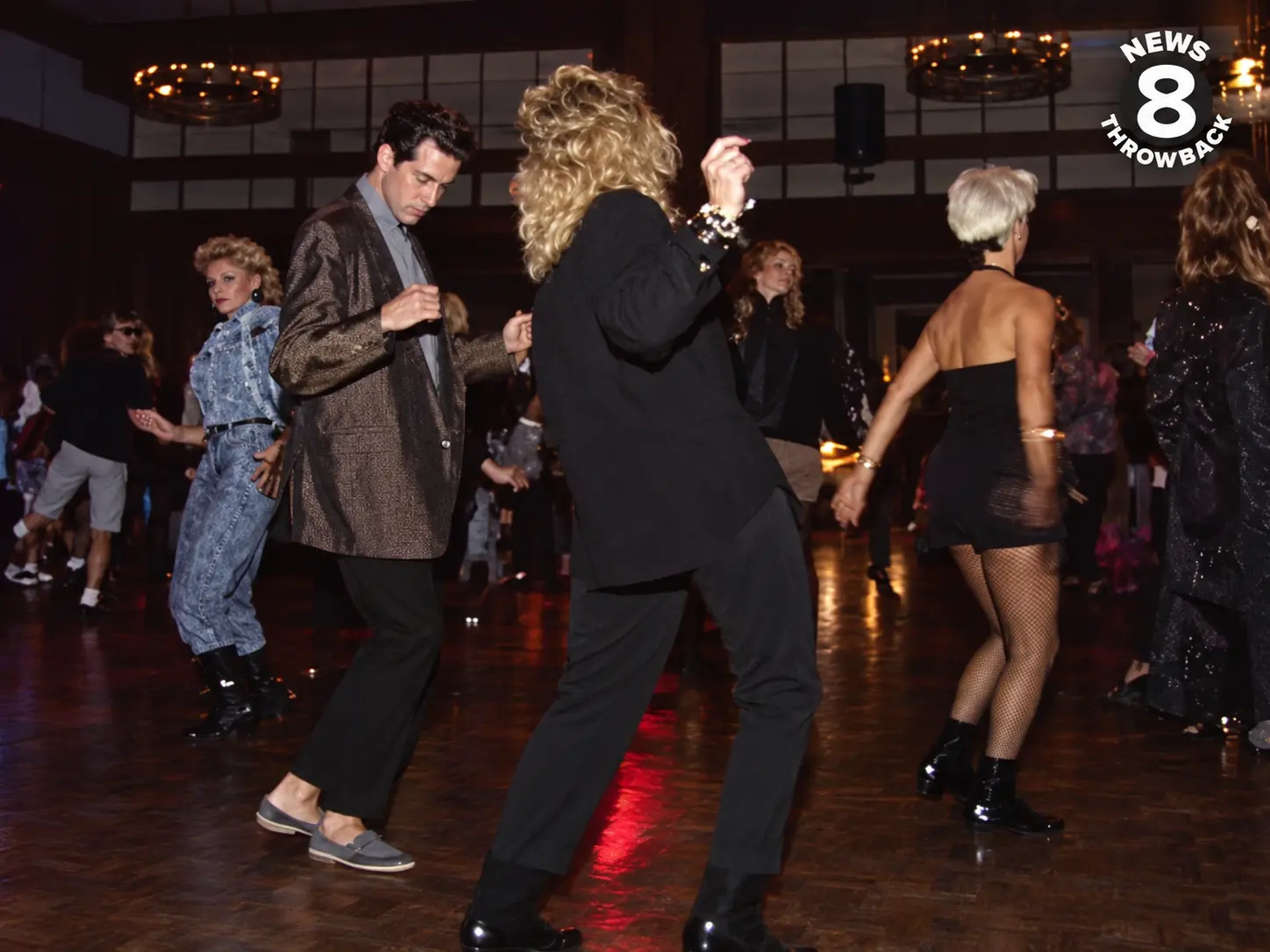
Watching it now, what feels most distant is not the hair, the clothes or even the possibility of following handwritten directions into a condemned building. It is the sheer density of nighttime life. One room leads to another, then another, then maybe another after that. A club closes and somebody finds a warehouse. A night gets busted and another one appears. Planned obsolescence was part of the thrill.
And for those of us who remember Los Angeles when going out meant actually going out, this footage hits hard. Hollywood Boulevard glowing through the window of a white Chevy Impala. Downtown after midnight. The Park Plaza packed. Someone calling a number for directions to a party you may or may not legally be allowed to attend. It is messy, funny, dangerous, stylish and alive.
CBS 8 San Diego’s 1987 Los Angeles Nightlife Time Capsule
The two-part CBS 8 San Diego report travels through Los Angeles nightclubs, warehouse parties and the underground social circuit, capturing the venues, promoters and scene people who made 1987 L.A. nightlife its own ecosystem.
Source: CBS 8 San Diego / YouTube; contemporary context from the Los Angeles Times. Images: CBS 8 San Diego / YouTube. Restored by INYIM Media.