













Past Blast Spins Six Top of the Pops Time Capsules
Past Blast: Get your century’s worth of specially curated UK Top of the Pops.
Stick some sweet money in the jukebox or pay a streaming subscription service. But if you’re feeling nostalgic for some 1980s, 1990s or turn-of-the-millennium throwback performances, we have you musically covered to make your eyes and ears sing.
From thee famed Brit TV music show broadcast by the BBC from 1964 to 2006, Top of the Pops became a weekly pop-history machine: chart hits, left-field bookings, awkward miming, genuinely live performances and artists caught right in the middle of whatever era they were helping define.
Hear our heartbeats: this jukebox skips from Depeche Mode’s early-’80s synth tension to 1999 turns from Eminem, Candi Staton, Sixpence None the Richer and Mary J. Blige, before landing on Sam Sparro’s shimmering “Black and Gold” in 2008.
Discover More
Top of the Pops Jukebox
Six performances, three decades and one very British pop institution — from Depeche Mode and Mary J. Blige to Eminem and Sam Sparro.
Some links may be affiliate links. INYIM may earn from qualifying purchases.
Sam Sparro — “Black and Gold” (Christmas 2008)
A sleek late-2000s electro-soul flashback, with “Black and Gold” landing right in the middle of the song’s breakout year. The single became Sam Sparro’s breakthrough, climbing to No. 2 on the UK Singles Chart and staying in the Top 10 for 12 weeks. It also anchored his self-titled 2008 debut album, where gospel-trained vocals, electro-funk production and a little Prince-shaped swagger all met in the same room.
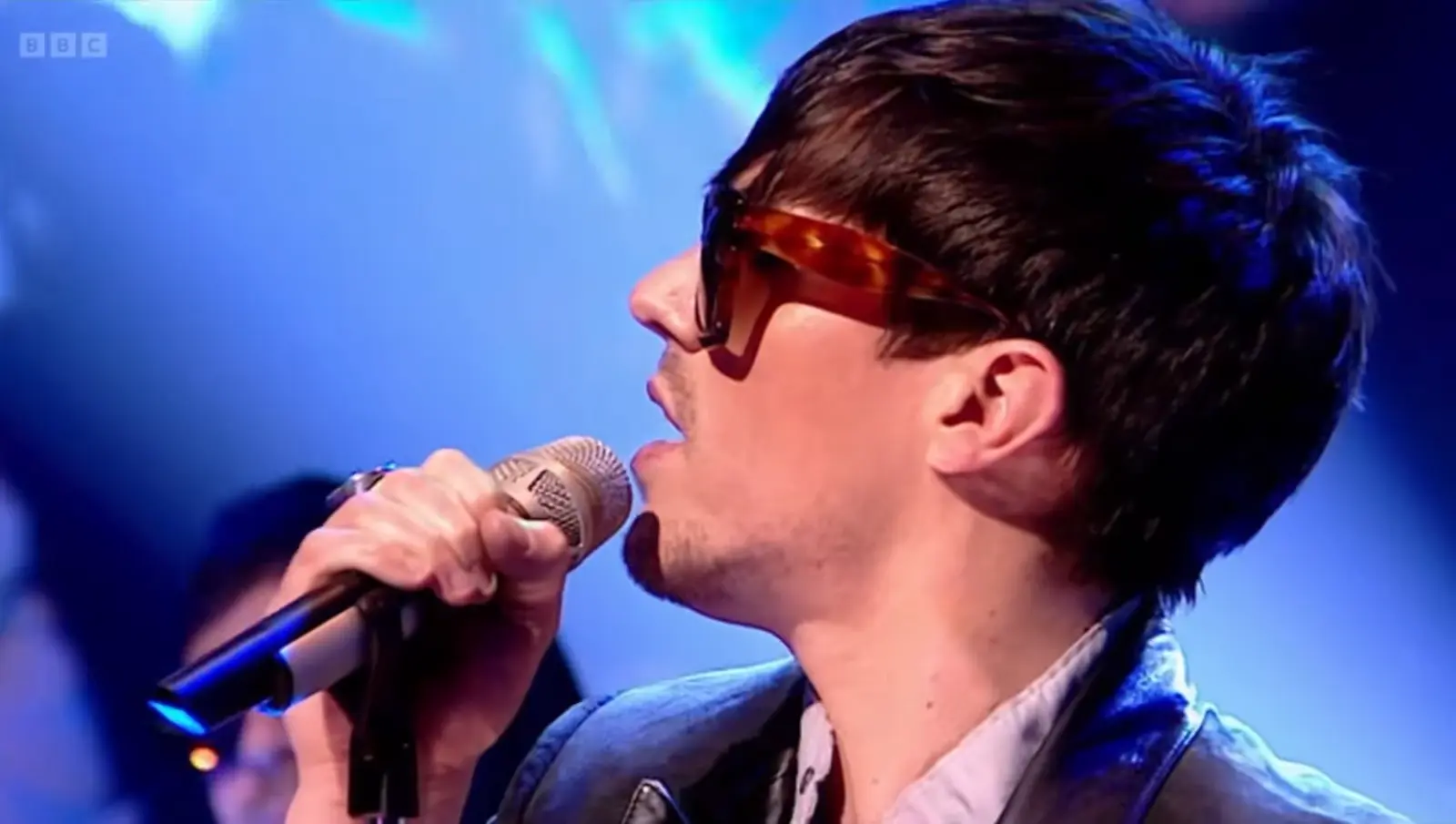
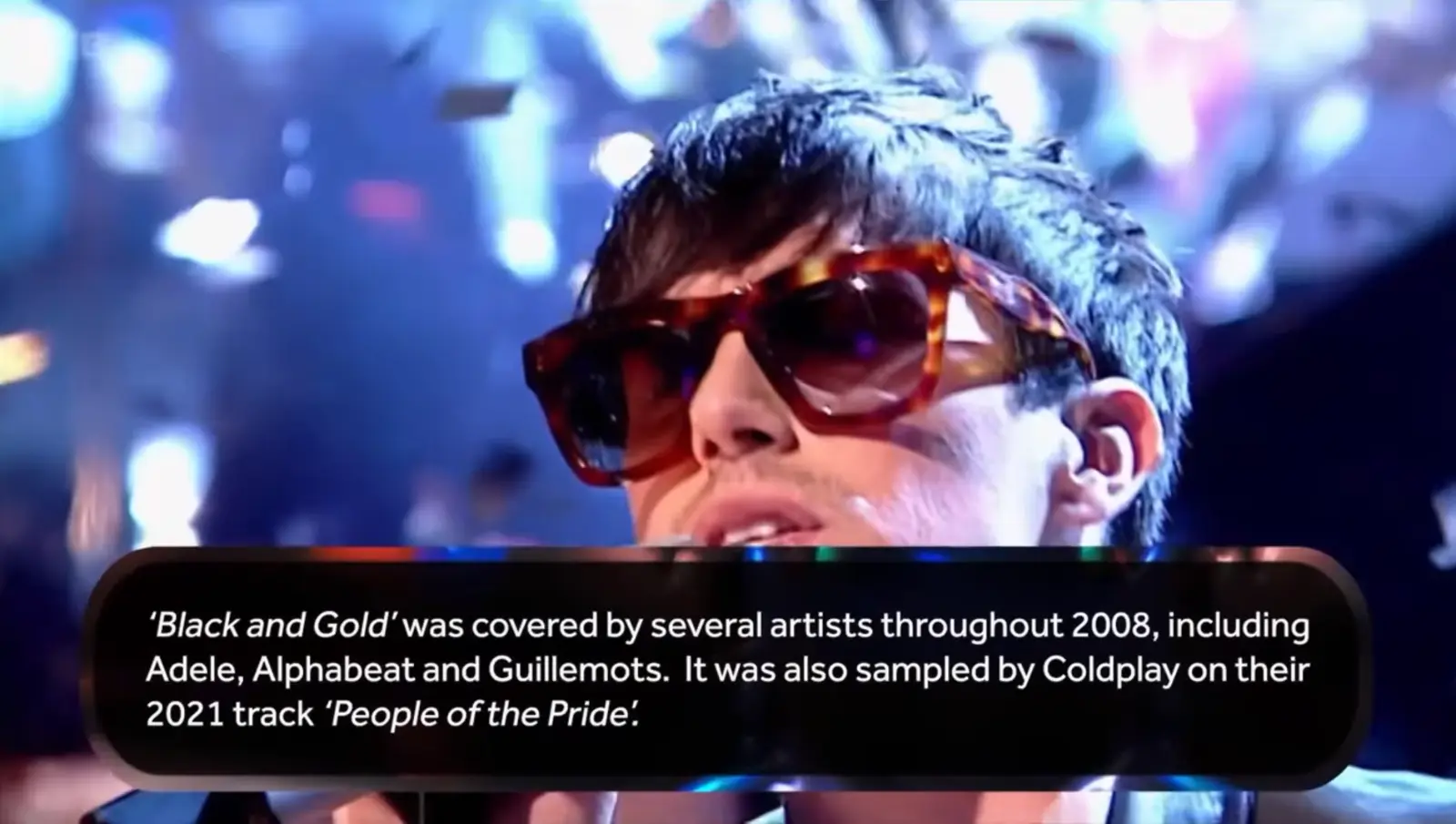
Sam Sparro performs “Black and Gold” on Top of the Pops.
Eminem — “My Name Is” (April 9, 1999)
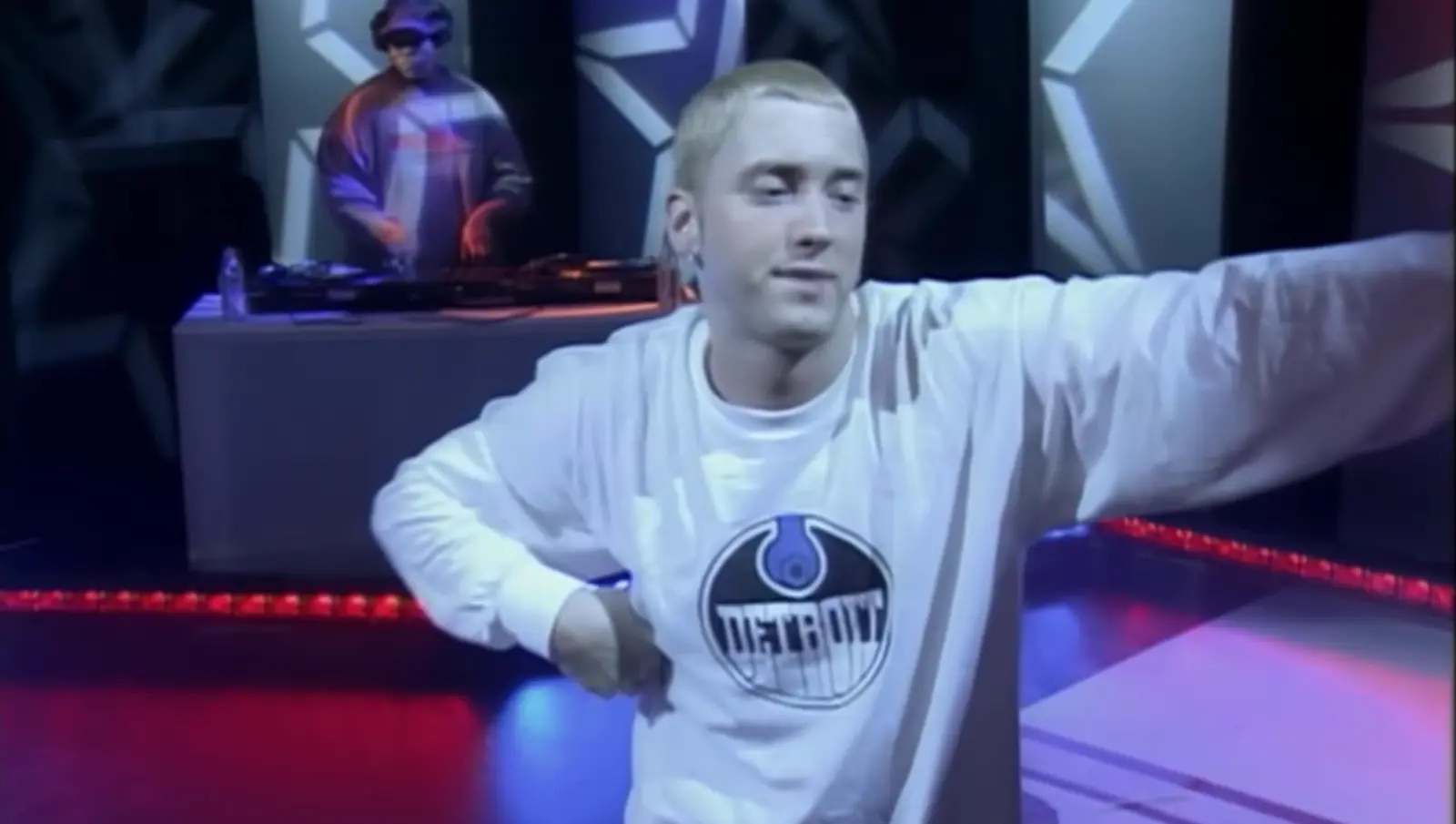
Early Eminem, still in the first blast of the Slim Shady era, bringing “My Name Is” onto the Top of the Pops stage. The single was his first UK chart hit and arrived like a warning shot for everything that followed, peaking at No. 2 in April 1999. It introduced mainstream audiences to the Slim Shady persona and helped turn The Slim Shady LP era into a full-on international breakthrough rather than just a stateside rap story.
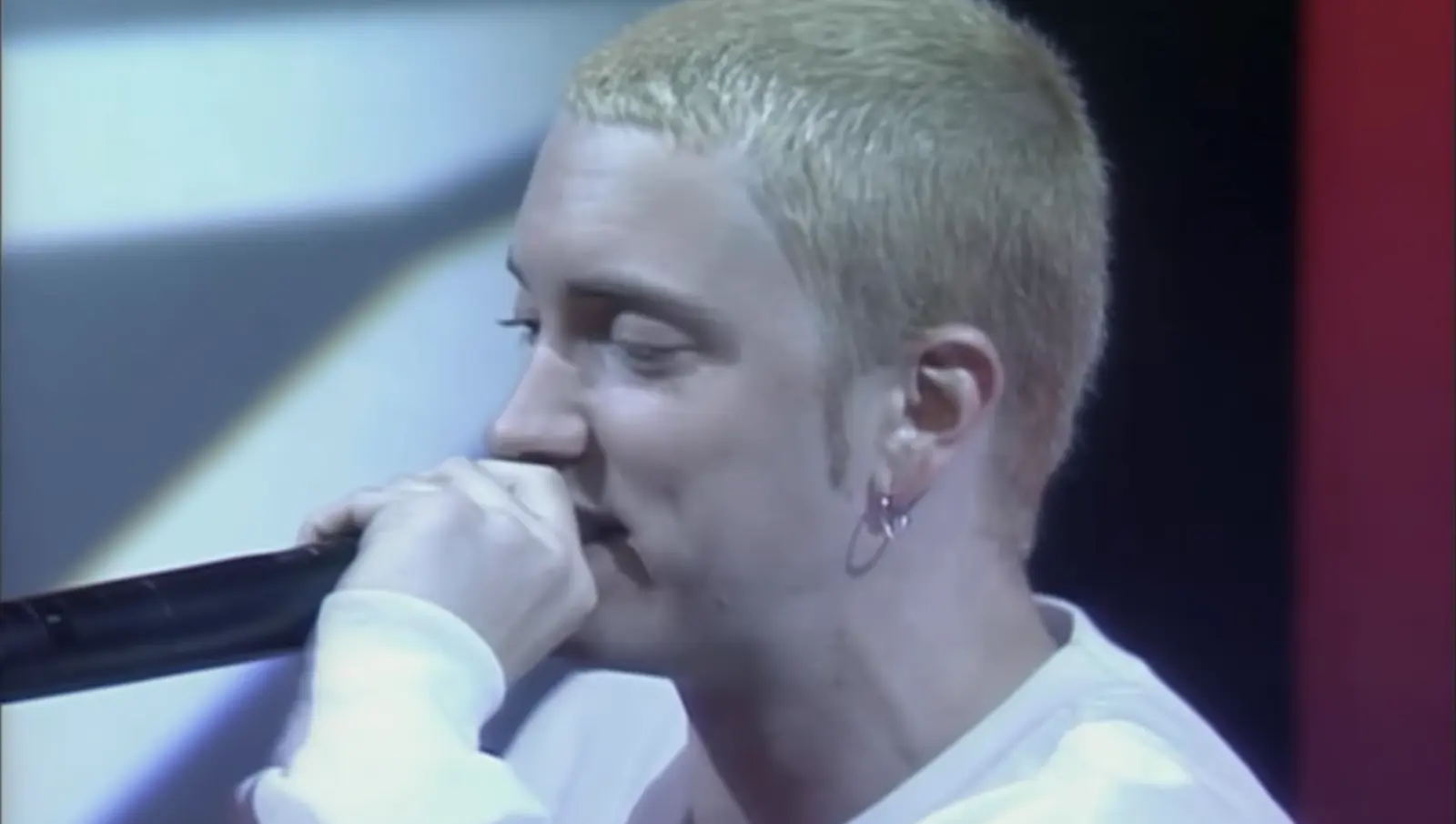
Eminem performs “My Name Is” on Top of the Pops.
Candi Staton — “Young Hearts Run Free” (July 1999)
A disco classic getting another turn on British television decades after its original release. “Young Hearts Run Free” first hit the UK chart in 1976, peaking at No. 2 and becoming one of Candi Staton’s signature records. By 1999 it had returned to the chart again, this time peaking at No. 29, proving that the song’s bittersweet warning about love, independence and knowing when to run still had serious legs more than two decades later.
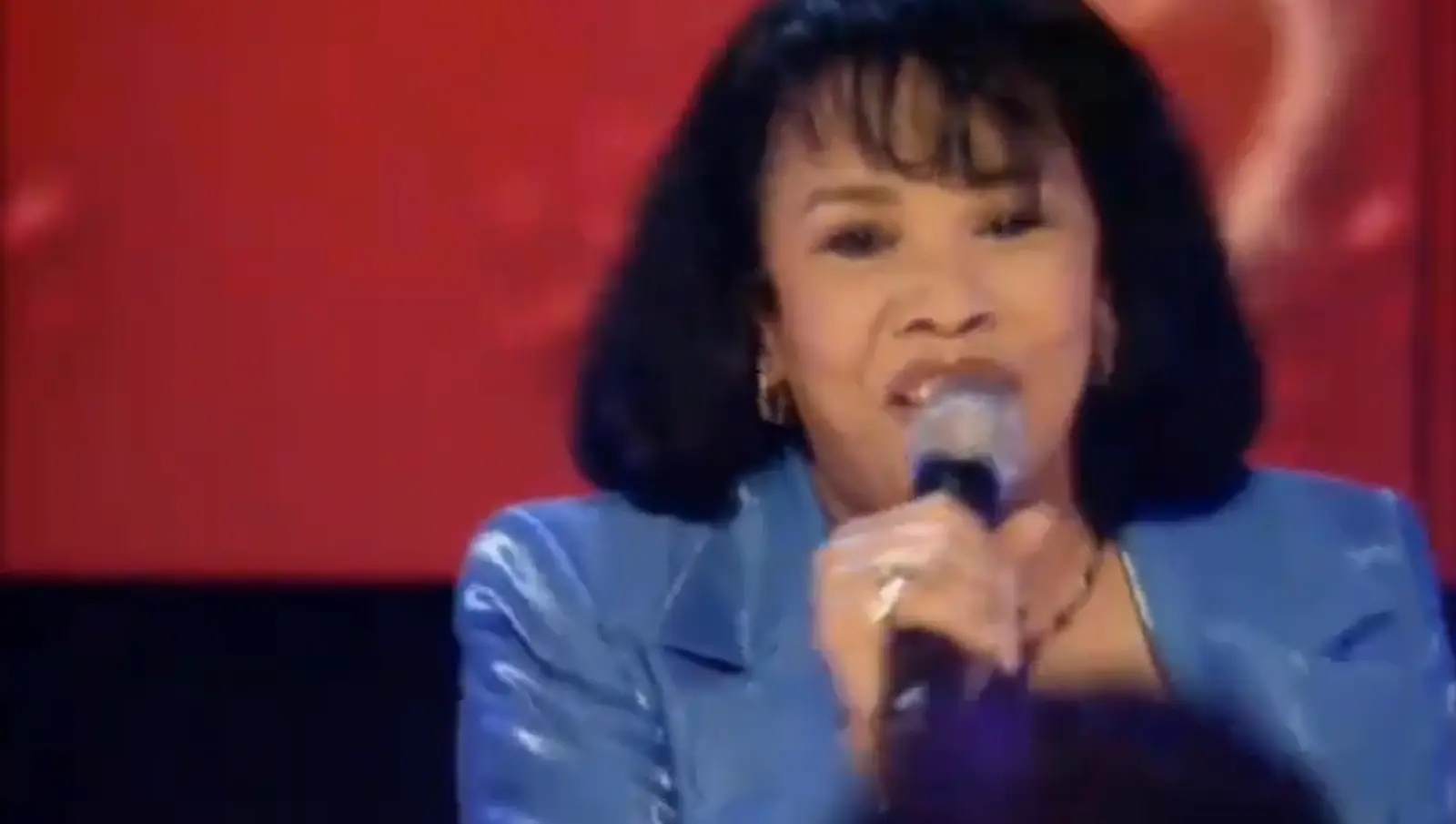
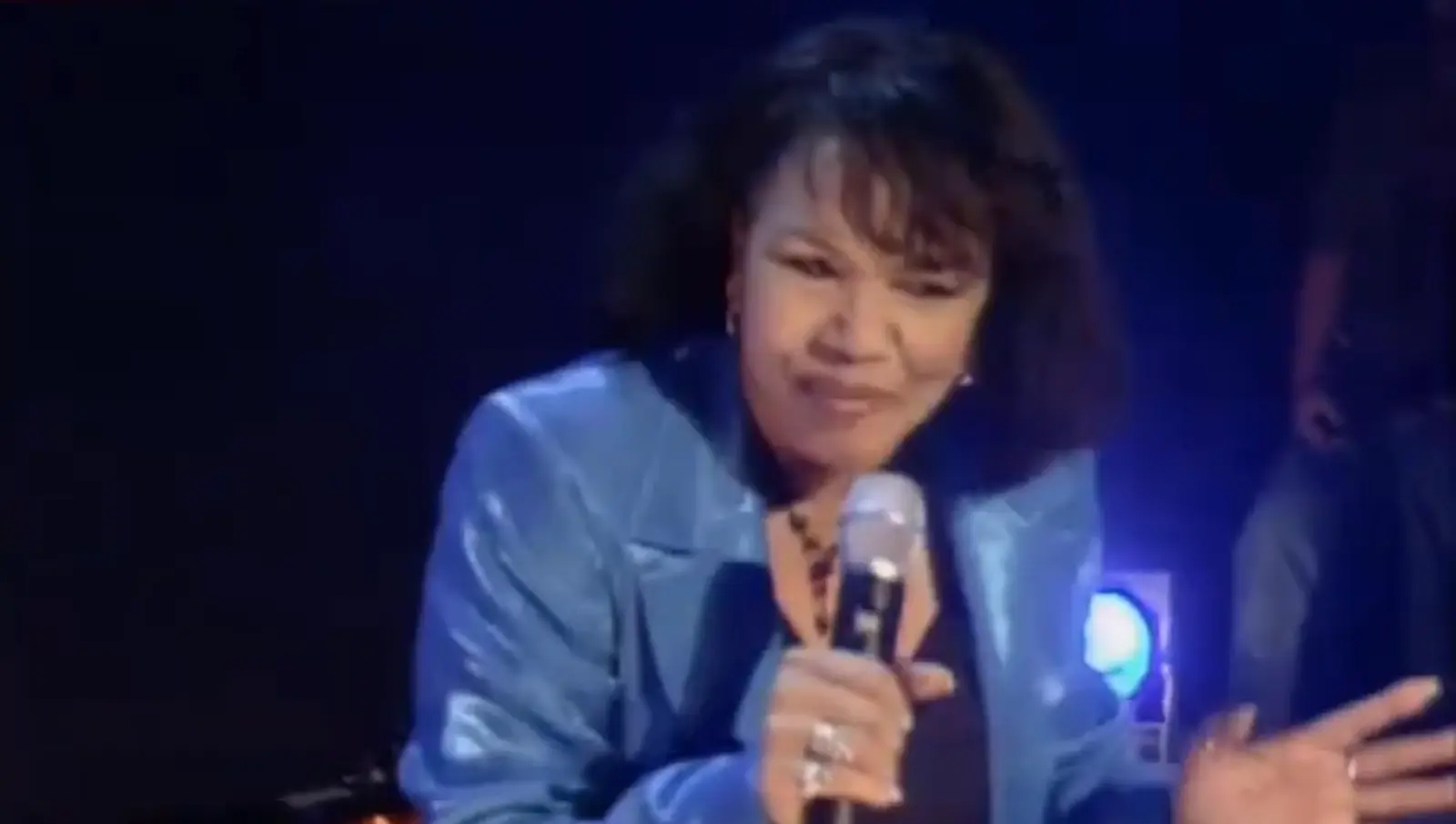
Candi Staton performs “Young Hearts Run Free” on Top of the Pops.
Sixpence None the Richer — “There She Goes” (September 17, 1999)
Sixpence None the Richer slipping their dreamy cover of “There She Goes” into one of 1999’s most instantly recognizable pop-rock runs. Originally recorded by The La’s, the song became another crossover moment for Sixpence after “Kiss Me,” with their version reaching No. 14 in the UK. Their take softened the track into something airier and sweeter without losing the melody that had already made the original a British indie-pop standard.
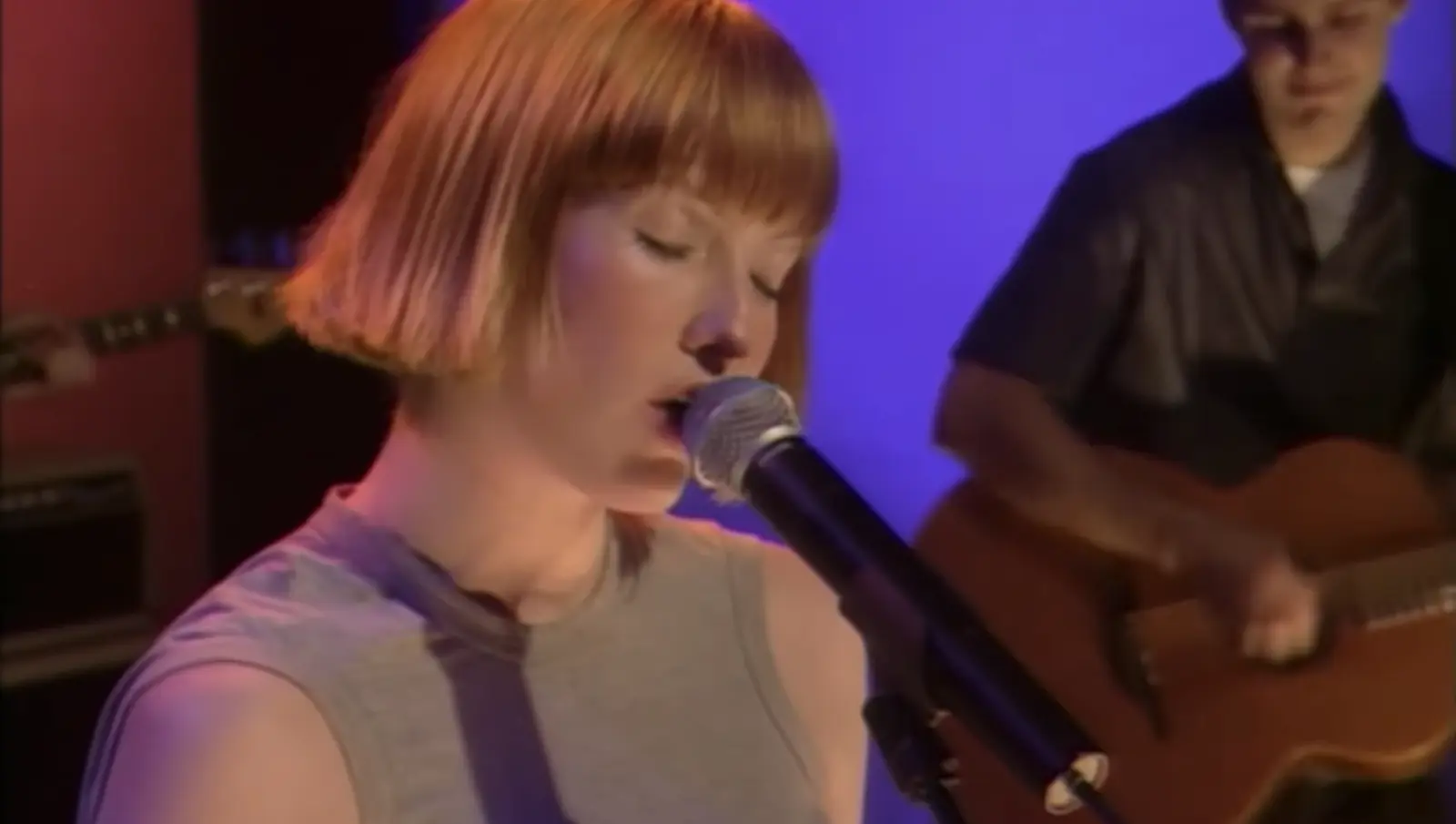
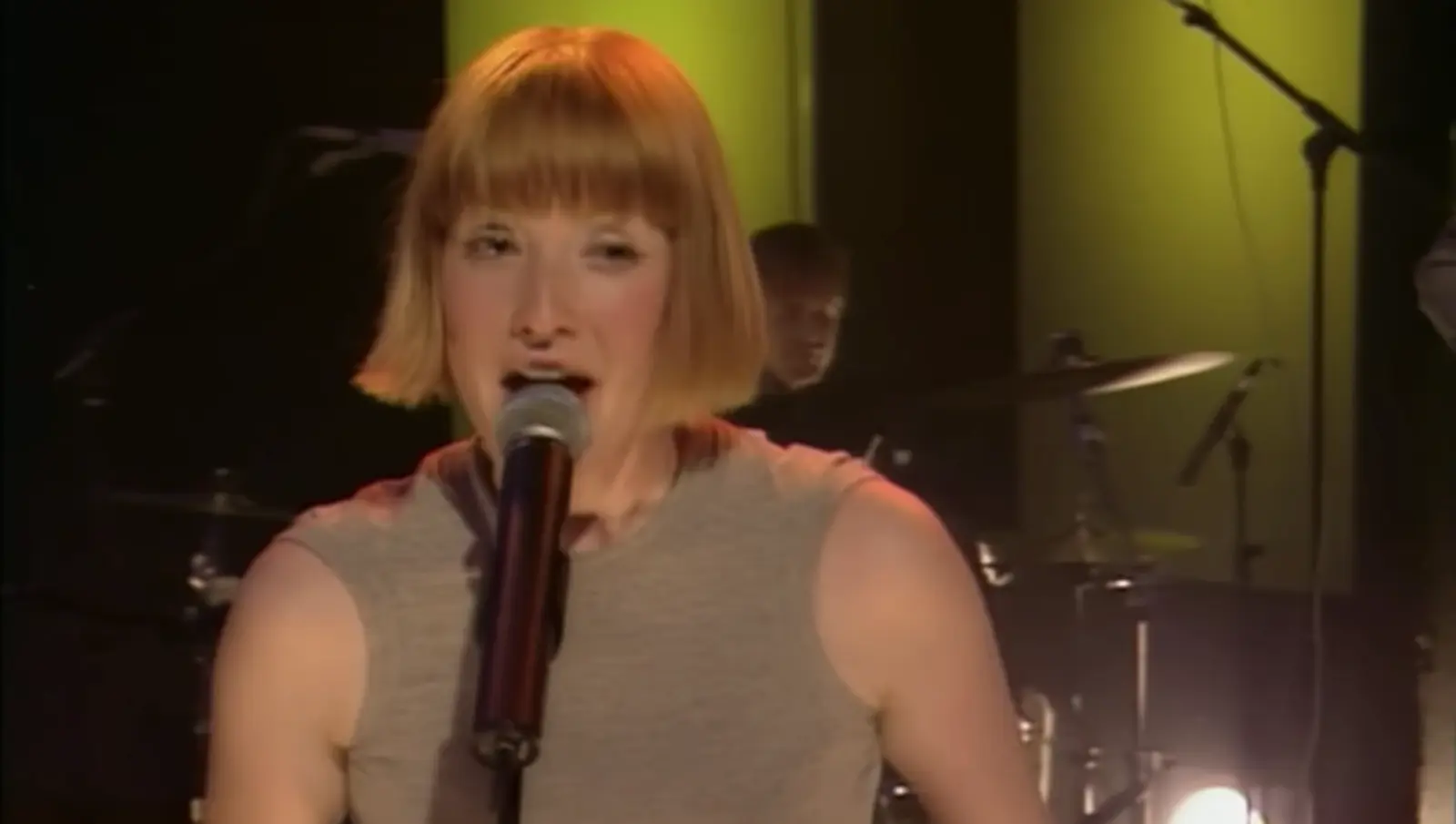
Sixpence None the Richer performs “There She Goes” on Top of the Pops.
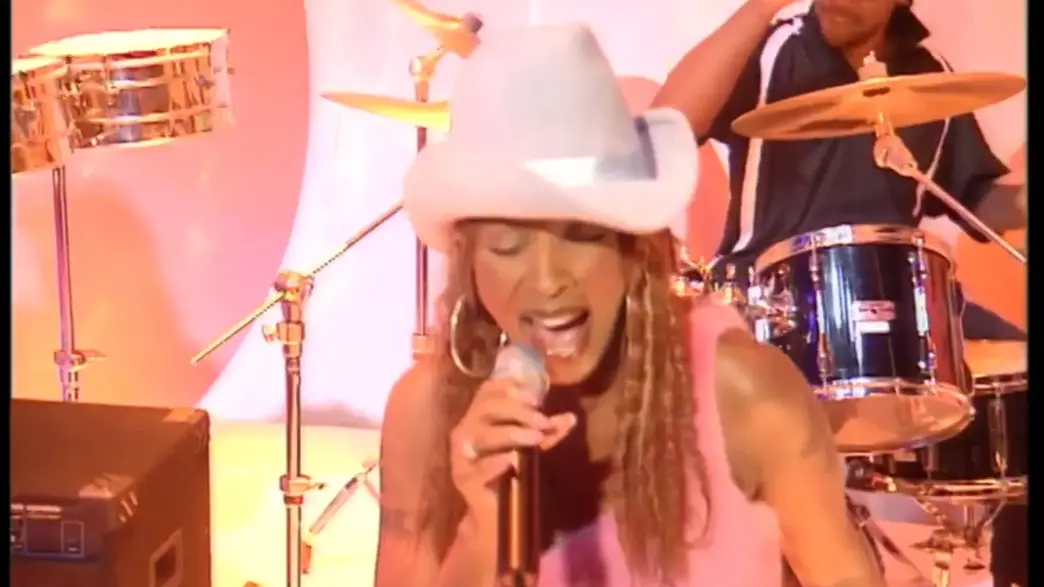
Mary J. Blige — “All That I Can Say” (August 20, 1999)
Mary J. Blige in full late-’90s command, carrying “All That I Can Say” into a compact Top of the Pops performance. Released in 1999 as the opening track from her album Mary, the single was written by Lauryn Hill and helped introduce a smoother, more soul-forward chapter for Blige. In the UK it peaked at No. 29, while the song’s restrained groove and stacked vocals showed a different kind of power than the harder-edged Mary records that came before it.
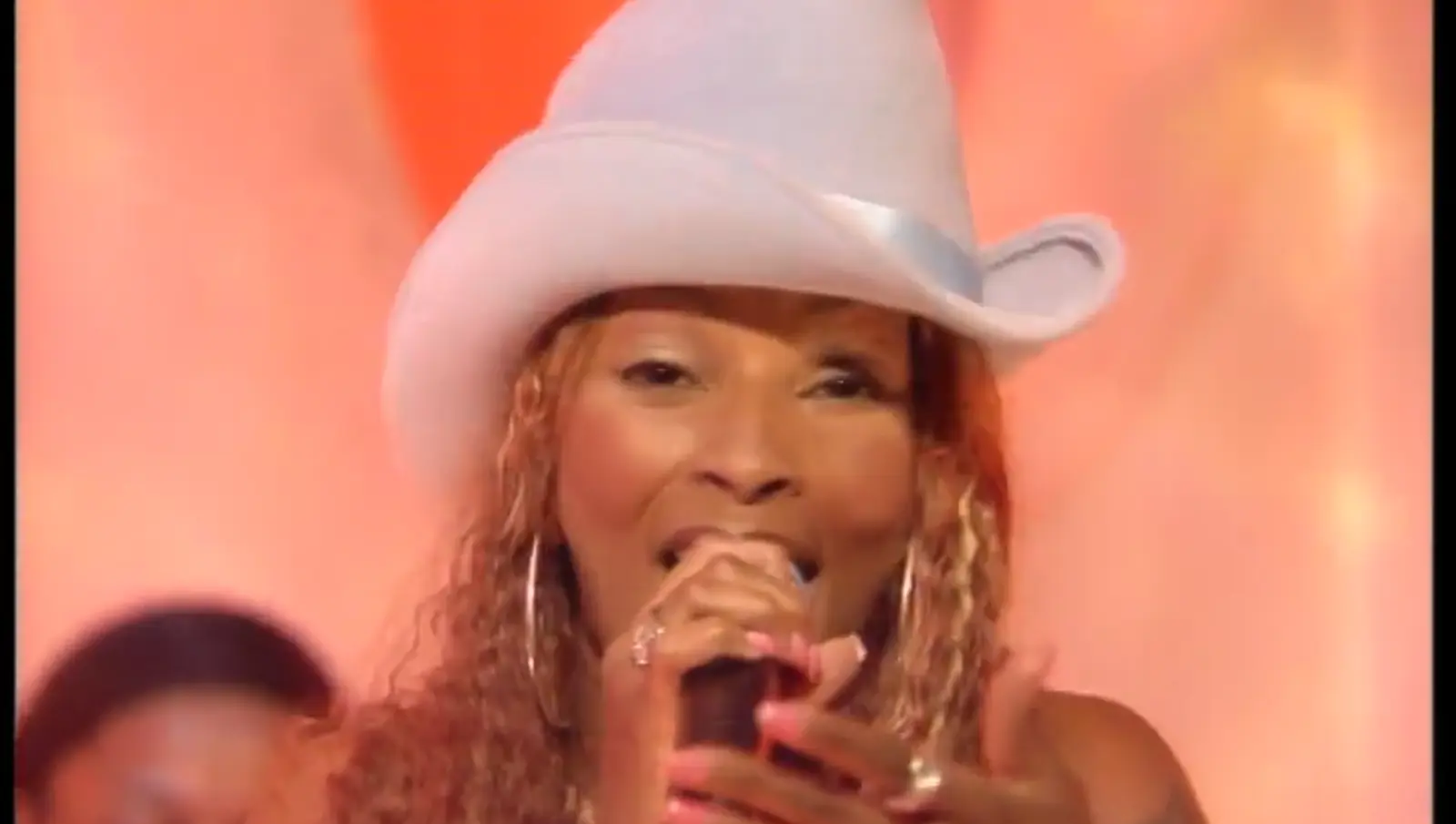
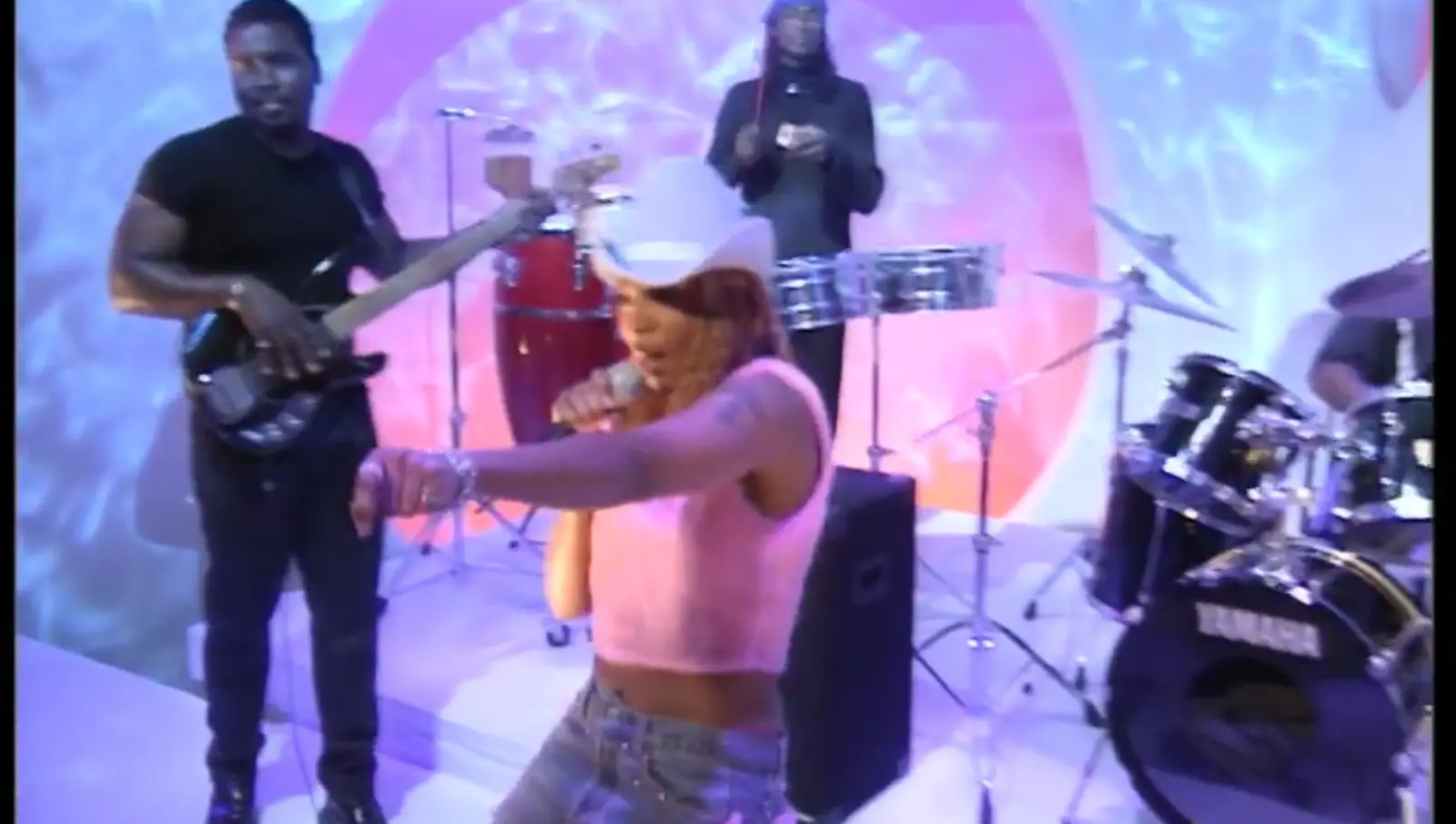
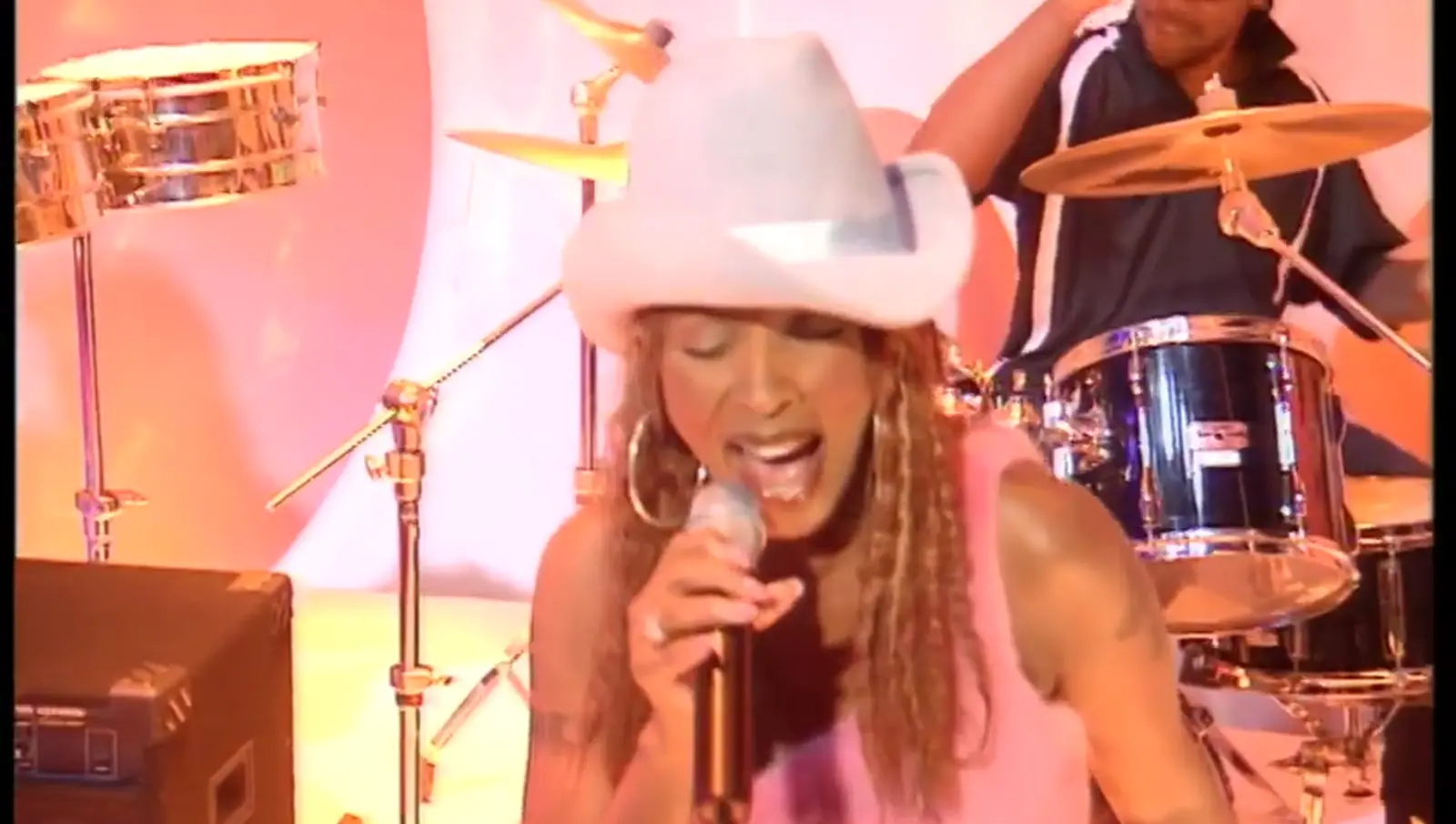
Mary J. Blige performs “All That I Can Say” on Top of the Pops.
That is the fun of the Top of the Pops archive: six songs can make three decades collapse into one strange little television universe.
Depeche Mode — “Everything Counts” (August 11, 1983)
Depeche Mode in 1983, catching “Everything Counts” in the exact moment their industrial-leaning synth-pop identity was sharpening. The single came from Construction Time Again and reached No. 6 in the UK, becoming one of the band’s biggest hits to that point. Its clipped electronics, metallic percussion and famously pointed take on greed pushed Depeche Mode beyond bright early synth-pop and toward the darker, more politically charged sound that would define much of their next decade.
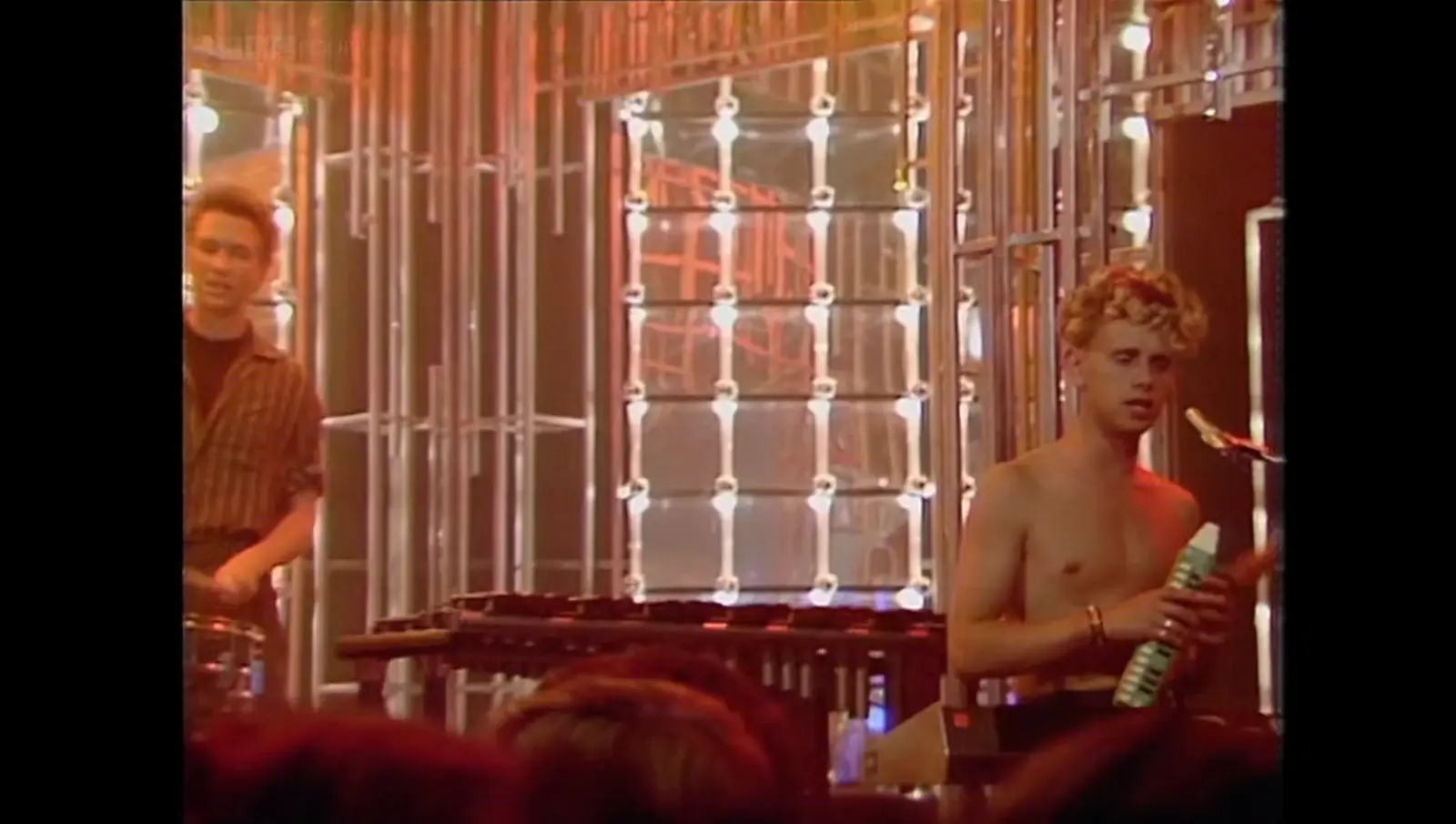
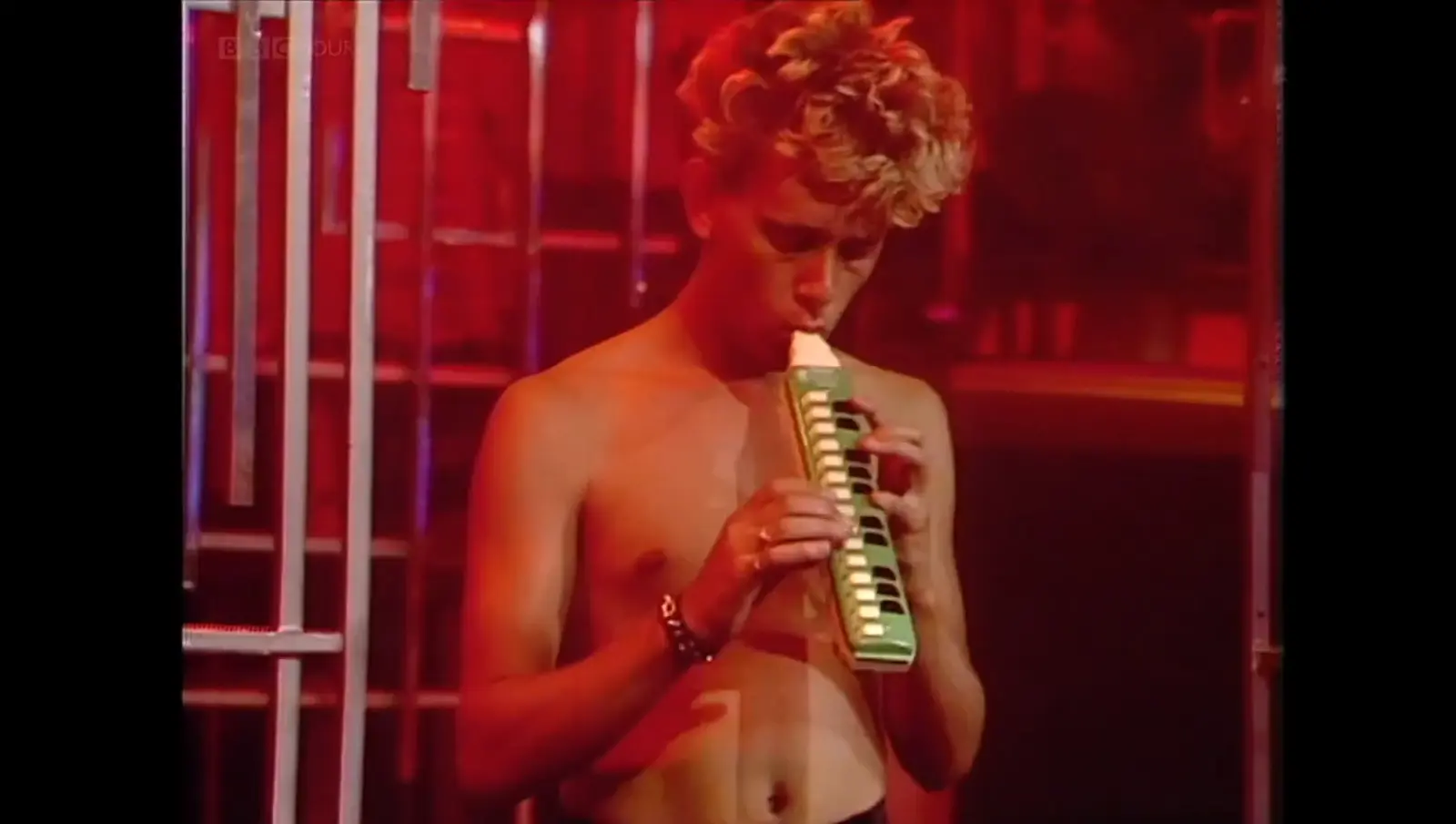
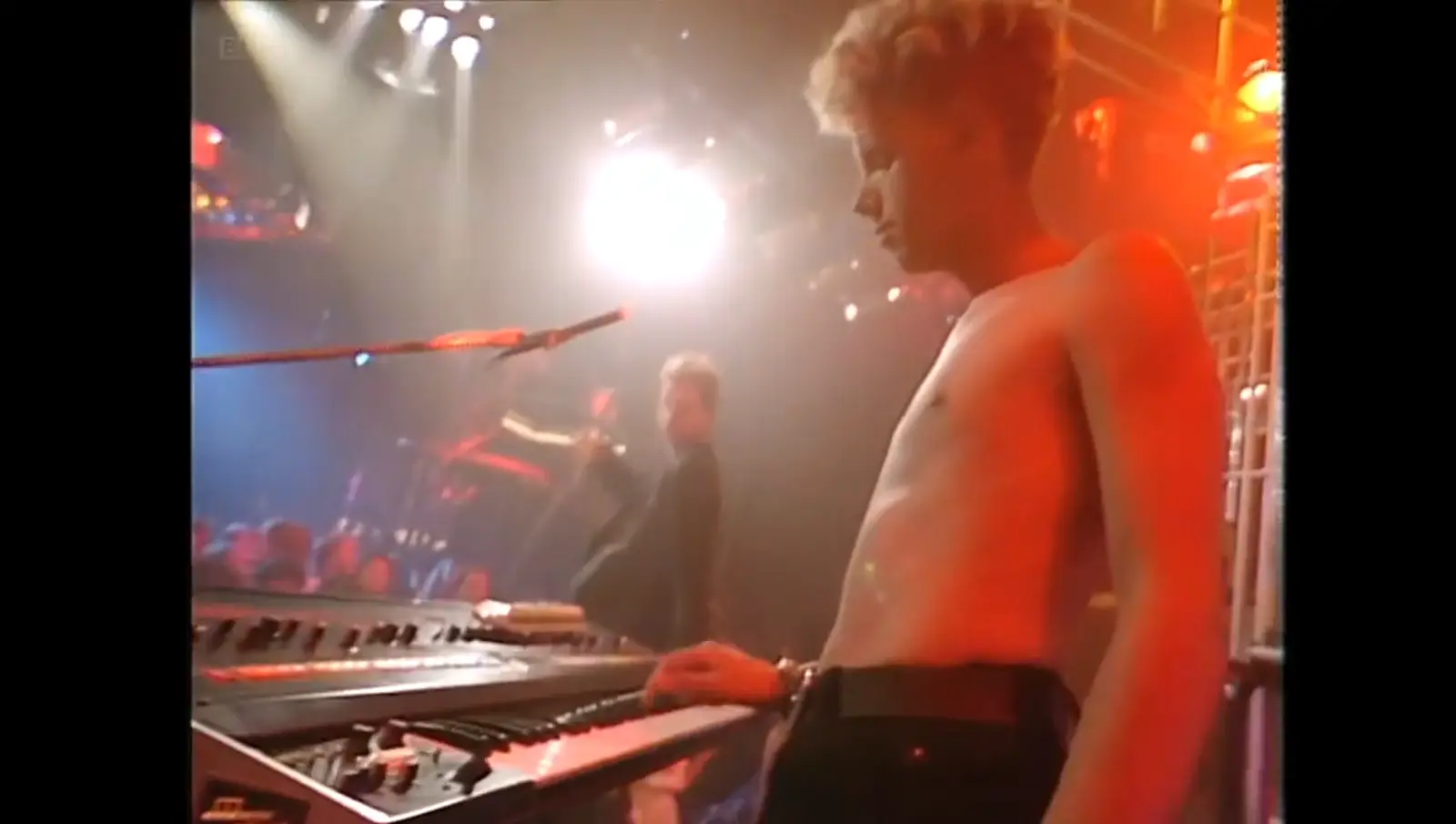
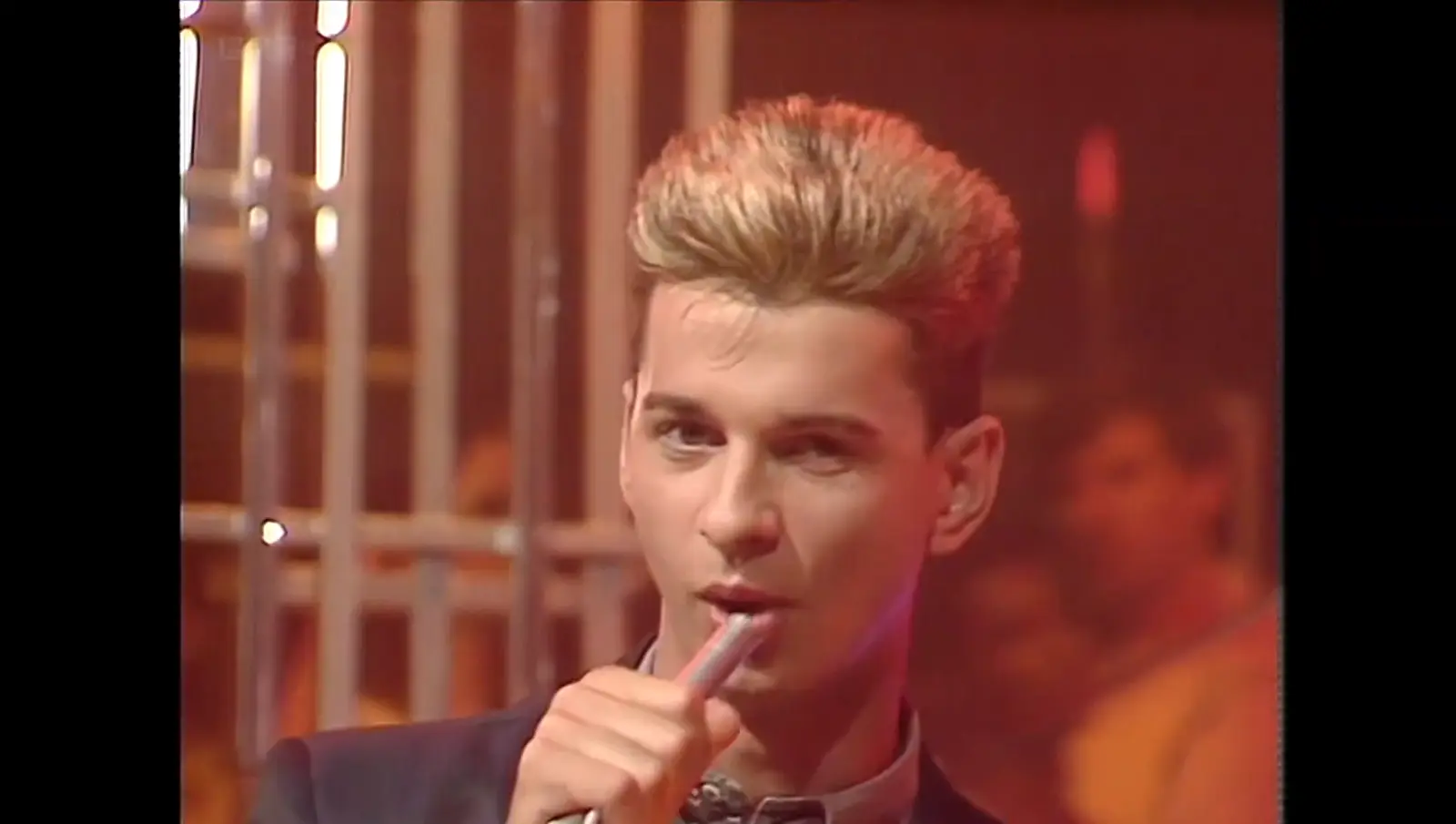
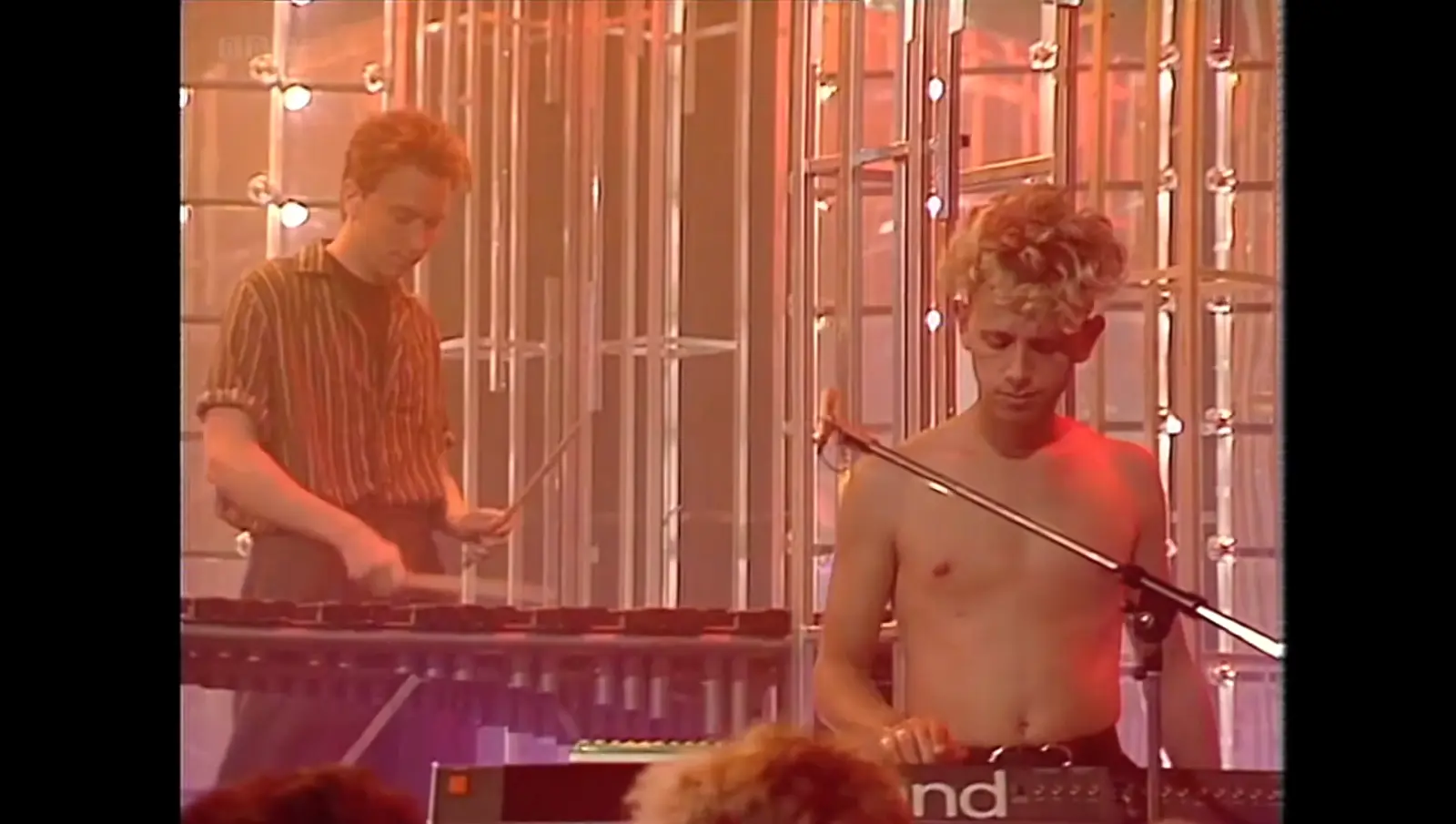
Depeche Mode performs “Everything Counts” on Top of the Pops.
Source: Top of the Pops performance videos via YouTube. Images are frames from the corresponding embedded videos.