


















Likweli Was Never New To Congo, Only To Science
Allow us to introduce you to one cool, furry branch-shaker living it up high in the rainforests of the Democratic Republic of Congo.
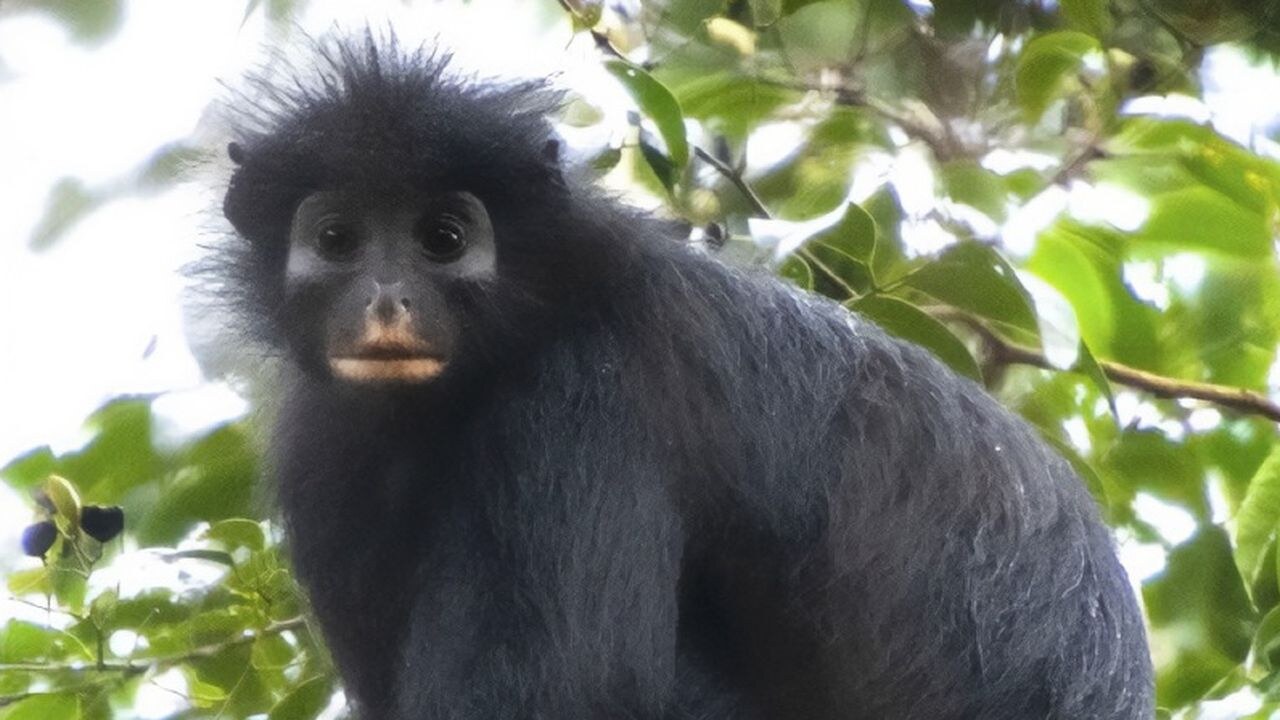
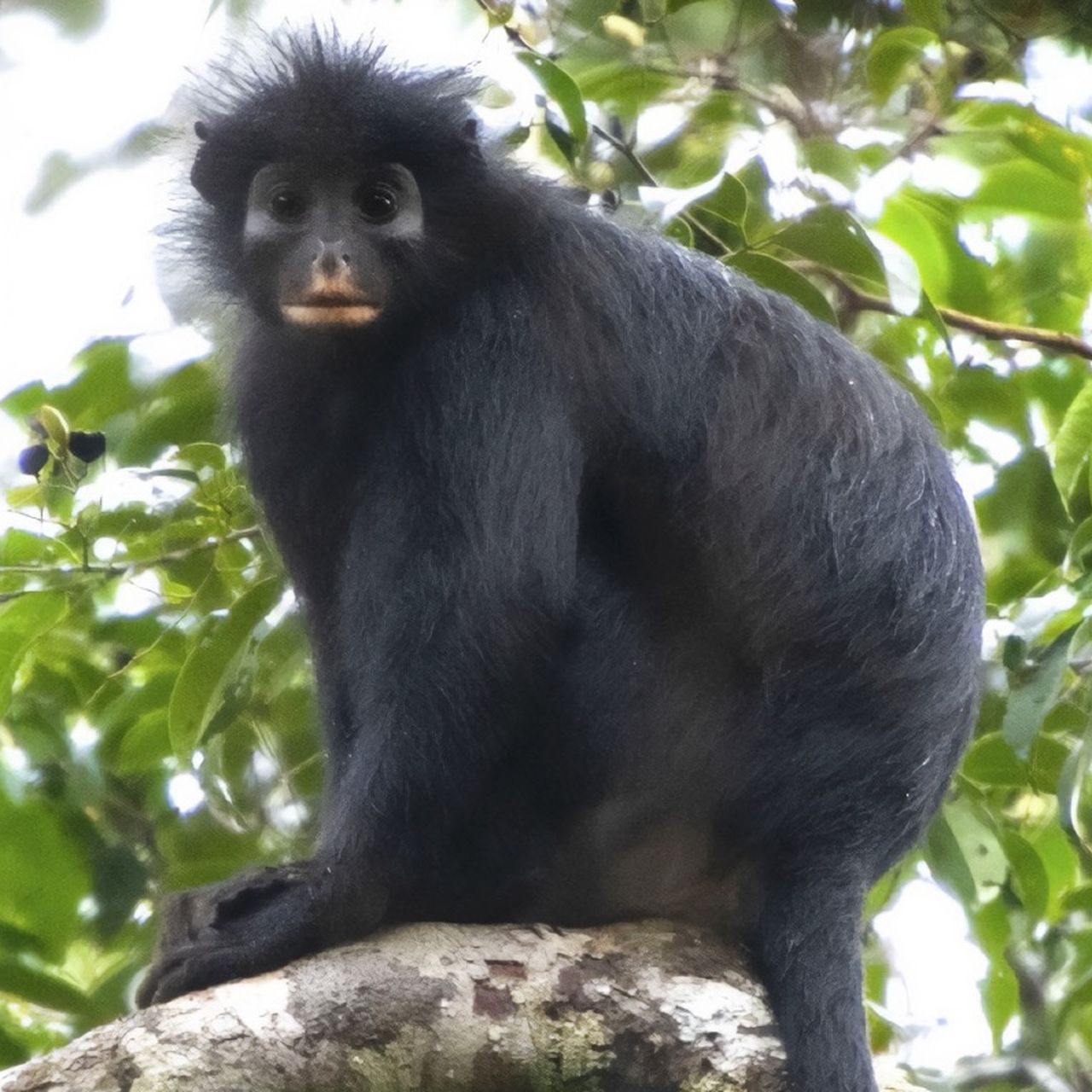
Meet Likweli, now formally described as Colobus congoensis—a rare black colobus monkey with striking orange-cream markings around its mouth and nose, an exceptionally long tail and a deep voice built for roaring across the canopy.
The animal is newly recognized by science, but it was never unknown to everyone. Some Balanga communities within its range already called it Likweli, while Mituku communities used “kasaba nkoni,” or “branch shaker.” Researchers recommended preserving Likweli as its common name rather than pretending the scientific world arrived first.
wildlife
A Rare Voice From The Congo Canopy
The newly described colobus lives inside one of Earth’s richest rainforests—and its formal recognition strengthens the case for protecting Lomami National Park and its surrounding forest.
Some links may be affiliate links. INYIM may earn from qualifying purchases.
The first scientific clue arrived in 2008, when researchers photographed part of an unfamiliar monkey high in the forest canopy east of the Lomami River. The image was tantalizing but incomplete, and the elusive animal then kept its distance for another decade.
A patrol team finally captured clear photographs in November 2018. From there, researchers began the patient work required to establish a species rather than simply announce one from a striking face: repeated field observations, community interviews, anatomical comparisons, genetic testing and recordings of its calls.
Between 2018 and 2022, the team recorded 114 field observations across an estimated range of only about 1,700 square kilometers between the Lomami and Congo—or Lualaba—river systems in east-central DRC.
That evidence was published in PLOS ONE on July 15, 2026, confirming Colobus congoensis as a distinct species. It is only the fifth new African monkey species formally described in the past 75 years, making this curious one a genuinely rare revelation in modern primatology.
Likweli is built to be noticed and nearly impossible to see. Its glossy black fur is interrupted by orange-cream around the mouth and nose, grey skin over the cheekbones and a pale patch near the rump. Yet it spends much of its life high inside closed-canopy forest, where researchers may hear the monkey long before catching a glimpse.
And what a soundtrack. Its calls include deep, resonant roars broken by distinctive snorts. The acoustic pattern helped separate Likweli from other African colobus monkeys just as clearly as its appearance and DNA.
Genetic analysis produced another surprise. Although Likweli shares the forest with Angola colobus monkeys, its closest known living relative is the black colobus, Colobus satanas, found more than 1,200 kilometers away in west-central Africa and on Bioko Island.
The two lineages appear to have split roughly 4.1 to 5 million years ago. Rivers, shifting forests and ancient changes across the Congo Basin may have stranded Likweli’s ancestors inside the compact pocket of habitat where the species survives today.
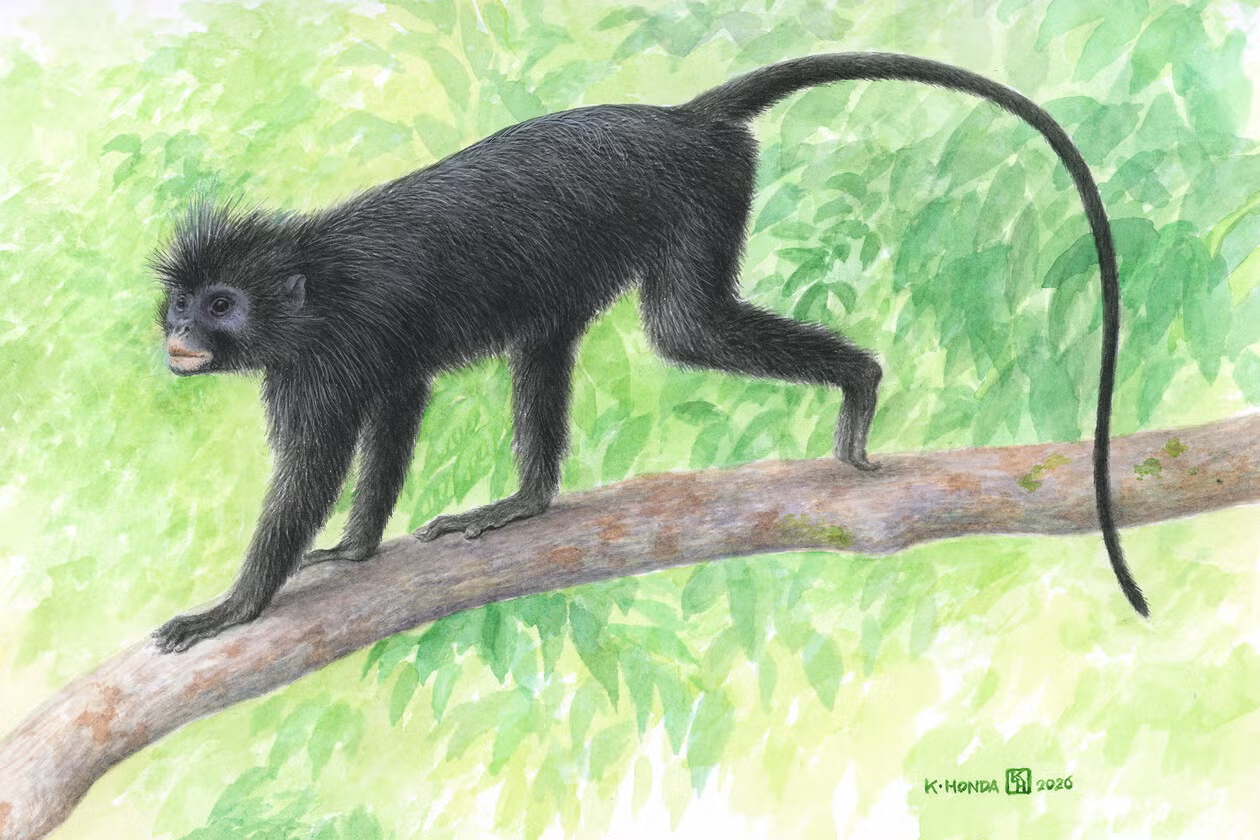
Field teams most often observed Likweli in small groups averaging about six individuals, sometimes traveling in mixed-species associations with other colobus monkeys. Despite those loud calls, it remains cryptic and poorly known—even among many communities bordering its limited range.
Only eight of the 52 localities surveyed included people who could reliably recognize or describe the animal. That rarity makes the discovery thrilling, but it also raises an immediate question: how do you protect a species that science has only just learned how to identify?
The researchers recommend that Likweli be assessed as Endangered because of its narrow distribution, apparent scarcity and threats from hunting and habitat disturbance. That is a proposed preliminary status—not yet a final IUCN Red List designation—but the warning arrives at the same moment as the celebration.
Lomami National Park and its surrounding buffer zone now carry even greater conservation importance. The forests already shelter an extraordinary collection of primates found nowhere else, and Likweli is fresh proof that the Congo Basin still holds lives and evolutionary histories the wider world has barely begun to document.
So dig all thee new revelry—but give the locals their due. Likweli did not suddenly appear in 2026. The orange-lipped branch shaker has been roaring, snorting and minding its canopy business for millions of years. Science finally learned how to listen.
Watch How Scientists Confirmed Likweli As A New Monkey Species
The research video introduces Colobus congoensis and explains how field observations, photographs, anatomy, DNA and its distinctive roaring-and-snorting calls established Likweli as a separate African colobus species.
Sources: PLOS ONE; Yale News; Florida Atlantic University and the Lomami National Park research team.