













No AI, no million‑dollar effects — just pure talent, craft, and creativity. Today’s textures!
No CGI. No digital trickery. Just old‑Hollywood magic.
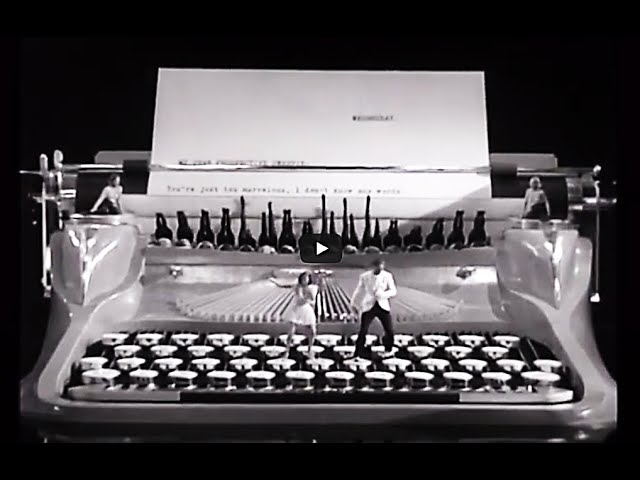
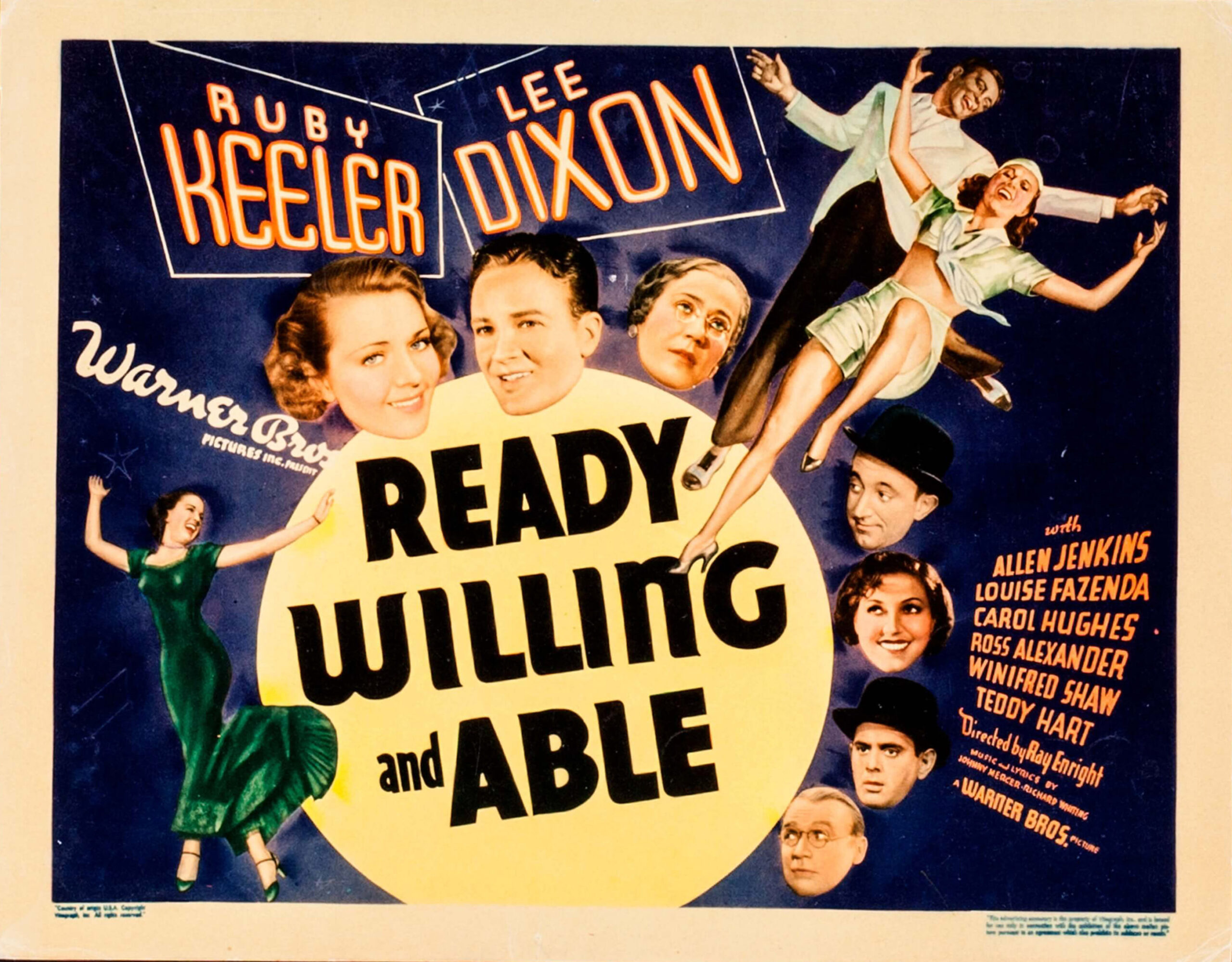
This dazzling sequence — “Too Marvelous for Words” from the 1937 musical Ready, Willing, and Able — transforms a giant typewriter into a fully functioning dance floor for Ruby Keeler and Lee Dixon. It’s a full‑scale set piece built entirely by hand, engineered to move, respond, and perform like a real machine.
Old Hollywood built the impossible before CGI had a chance
A giant typewriter, tap timing, camera craft, and pure studio imagination — this is the kind of practical movie magic that still makes modern effects look overworked.
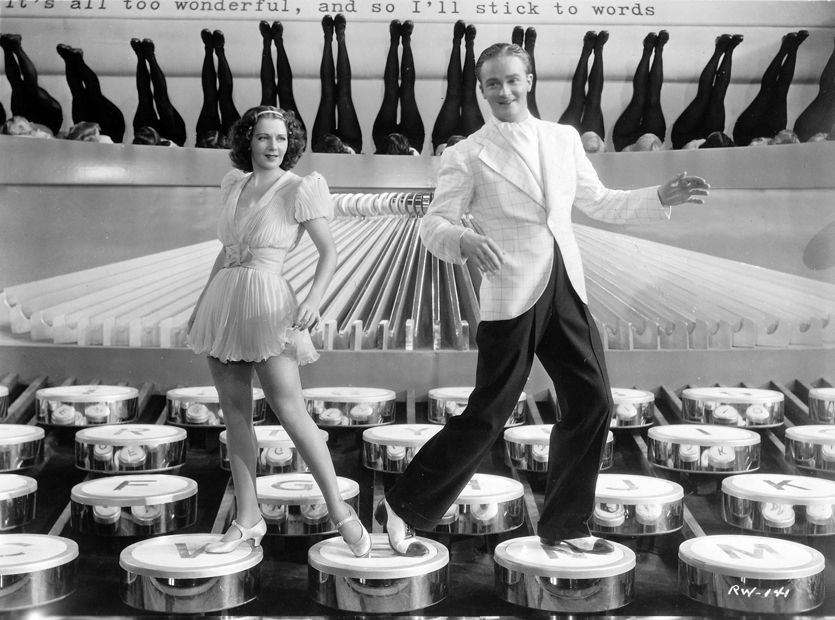
As Keeler and Dixon tap across the oversized keys, real dancers’ legs pop up behind the set, mimicking typebars striking letters in perfect rhythm. It’s a clever visual pun turned into choreography — a reminder of how much imagination, precision, and physical craft defined the era.
Old Hollywood didn’t rely on pixels. They relied on craft, timing, and pure ingenuity.
INYIM DID YOU KNOW?
- The film’s soundtrack featured early arrangements by Heinz Roemheld, who later won an Oscar for Yankee Doodle Dandy.
- The film was directed by Ray Enright, a Warner Bros. workhorse known for fast‑paced musicals and comedies.
- Dick Powell was originally considered for the male lead before the studio shifted the pairing to Lee Dixon.
- The typewriter number was filmed on Stage 7 at Warner Bros., one of the few stages large enough to house the full mechanical set.
- The production used custom‑built springs and pneumatic lifts to create the illusion of responsive typewriter keys under the dancers’ feet.
- Ruby Keeler’s tap shoes were modified with rubber‑lined plates to protect the painted metal keys from denting during takes.
- The number was shot over five consecutive nights, allowing the lighting team to maintain consistent shadows across the reflective set.