









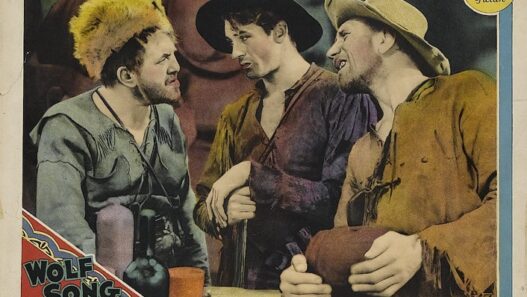
Silent‑Era Smolder, Western Swagger, and Peak Gary Cooper
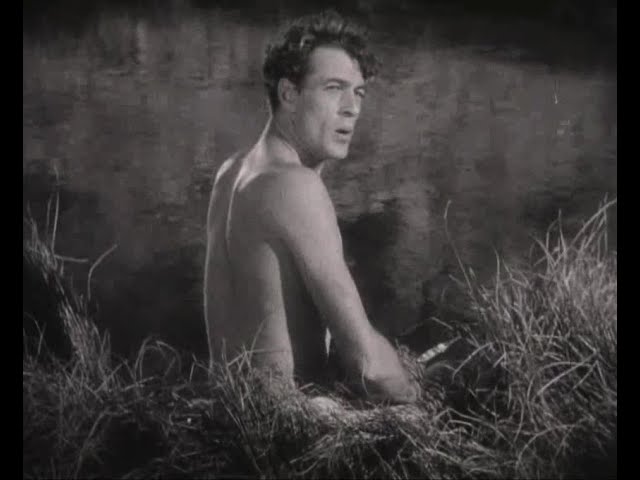
Gary Cooper as Sam Lash in “Wolf Song” (1929) is early‑Hollywood magnetism at full wattage — the kind of smolder that doesn’t need dialogue, just a look, a stance, a frame of light. Before the Oscars, before the legend, Cooper was already radiating the quiet intensity that would define an entire generation of leading men.
Gary Cooper in Wolf Song is silent-era smolder before the cowboy myth fully set
Before the full Golden Age legend locked in, Cooper’s Sam Lash gave rugged romance, mountain-man mood, and that impossible old-Hollywood face doing half the storytelling on its own.
As an Amazon Associate, I earn from qualifying purchases.
And yes — even in 1929, Hollywood knew exactly what it was doing. Wolf Song famously features Cooper in a pond‑bathing scene, stripped down to near‑nothing, with other men in the film watching him with unmistakable interest — a reminder that pre‑Code cinema was far bolder than the decades that followed.
But the real story of Cooper in this era goes far beyond the screen.
The Queer Hollywood Behind the Curtain
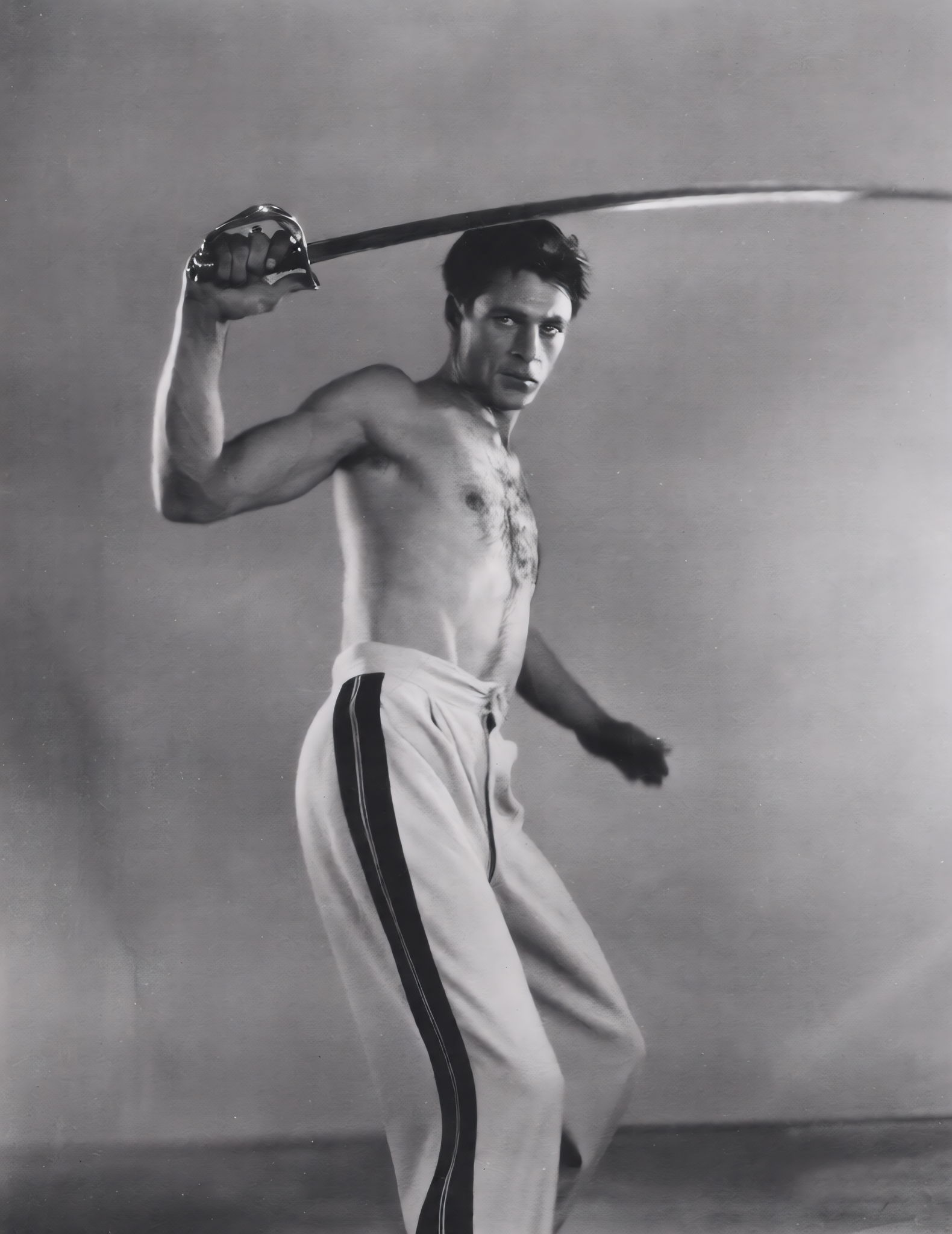
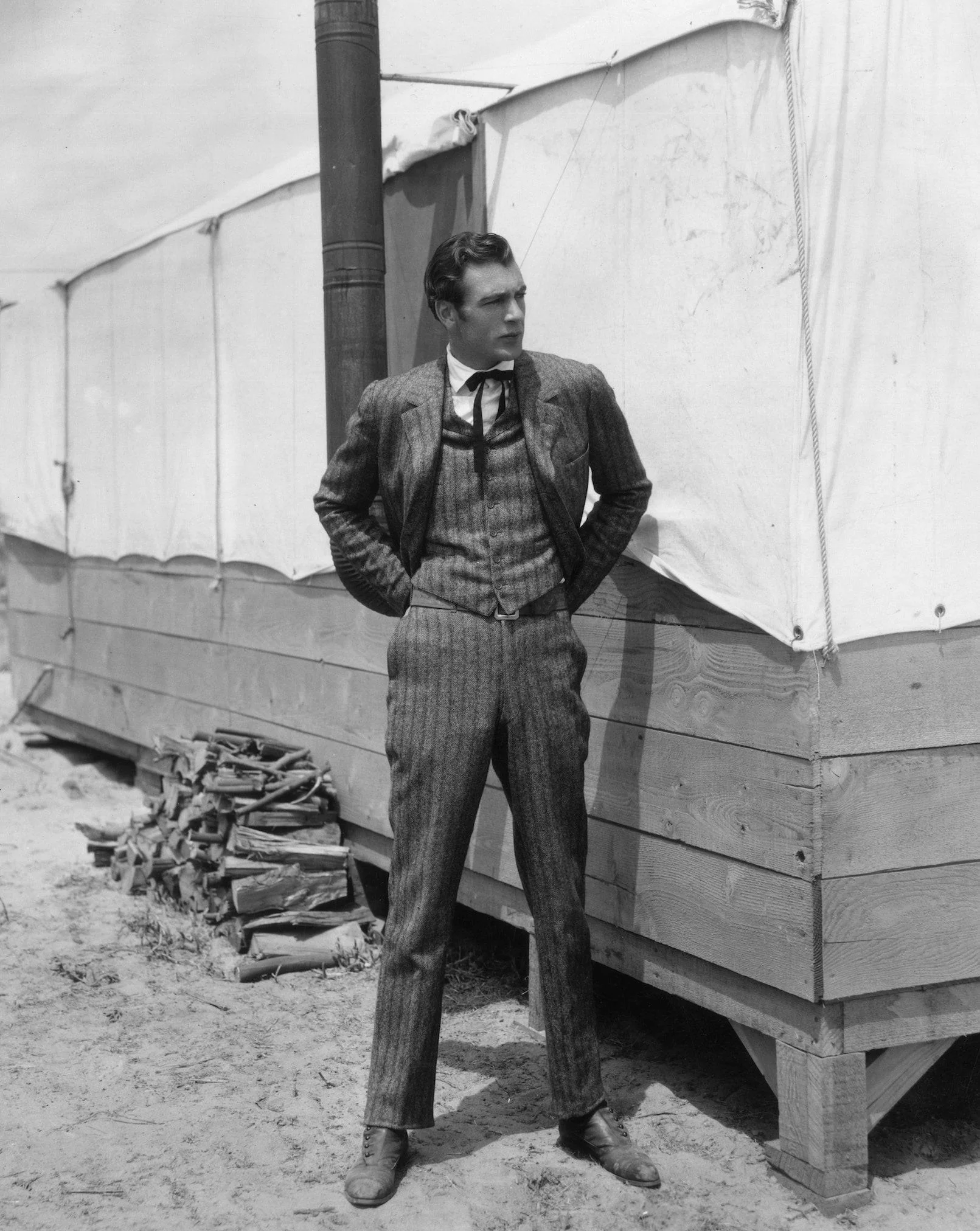

Fresh out of Helena, Montana, Cooper arrived in Hollywood as this long‑limbed, six‑foot‑three burst of frontier charm — “devastatingly handsome” in that effortless, quietly dangerous way that made people look twice before they even realized they were looking. His presence alone stirred instant buzz, along with plenty of whispered commentary about the physical charisma he carried with him such as his anatomy. And in the late 1920s, that attention wasn’t coming from just anyone — it came from some of the most powerful, well‑connected figures in the industry.
According to documented accounts, Howard Hughes maintained a close, intimate relationship with Cooper for several years, providing him with cars, watches, clothes, and other lavish gifts during his early career . Cooper also received support from actor Rod La Rocque, and later formed a deeply bonded relationship with Anderson Lawler, with whom he lived, traveled, and exchanged affectionate letters — a connection preserved in scrapbooks and correspondence from the era.
Hollywood insiders of the time openly acknowledged that Cooper navigated a world where patronage, companionship, and opportunity often intertwined, especially in the pre‑Code years when the industry was far less censored and far more fluid than later histories admit.
This was Cooper before the studio polish — moving through queer Hollywood circles, forming intense relationships, and building a career through a mix of talent, charisma, and the social networks that quietly shaped early cinema.
The Mancrush Moment
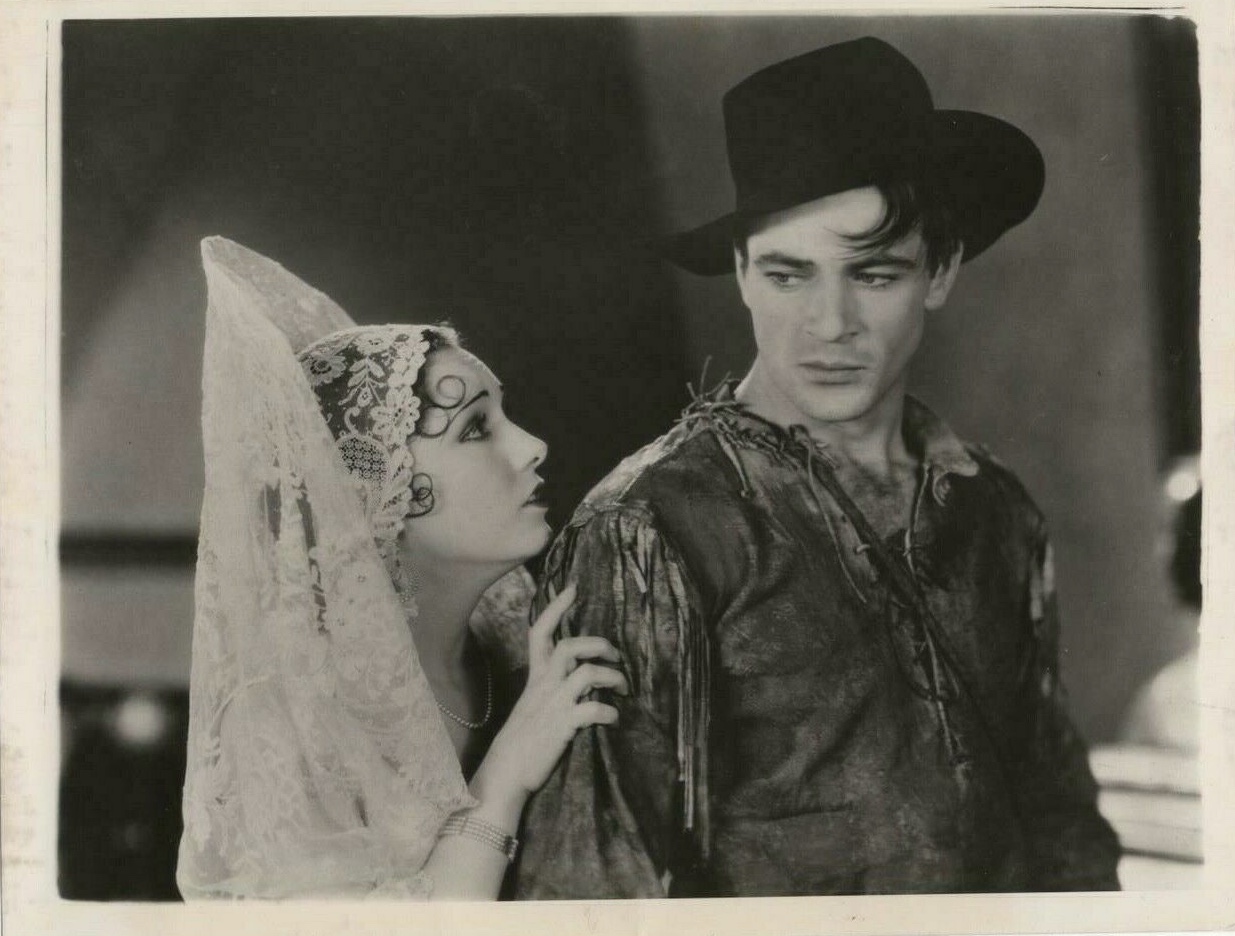
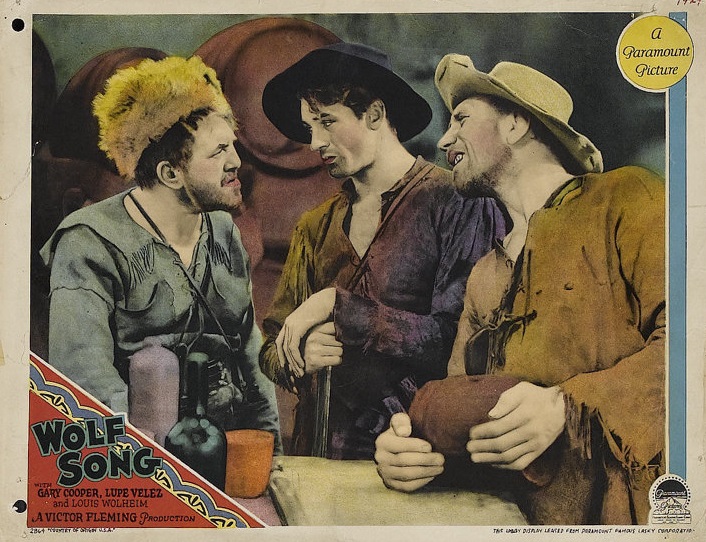
In Wolf Song, Cooper plays a rugged frontiersman torn between adventure and love — a role that let him flex both his Western grit and his romantic‑hero softness. The camera adored him, and honestly, it’s easy to see why. Broad shoulders, quiet fire, that signature half‑smile… it’s classic heartthrob energy at its most elemental.
Nearly a century later, the imagery still hits: Gary Cooper in 1929 is timeless Mancrush material.
INYIM Did You Know?
- Cooper originally planned to become a political cartoonist, only turning to film work after struggling to find steady illustration jobs in Los Angeles.
- His first Hollywood paychecks came from extra work at $5 a day, often booked because he owned his own cowboy boots and could ride without rehearsal.
- He nearly walked away from acting in 1926 after multiple stunt‑riding injuries left him broke — his breakout role arrived just weeks later.
- Directors in his early years often had to coax him to speak louder, a quirk that unintentionally shaped his signature “strong, silent” persona.
- He was discovered for his first major role simply by being noticed in a studio cafeteria, not through an audition — a casting director spotted him standing quietly in the corner.
Dig out the vintage scene and revisit the moment Gary Cooper cemented himself as one of Hollywood’s original — and most complex — leading‑man blueprints.