


















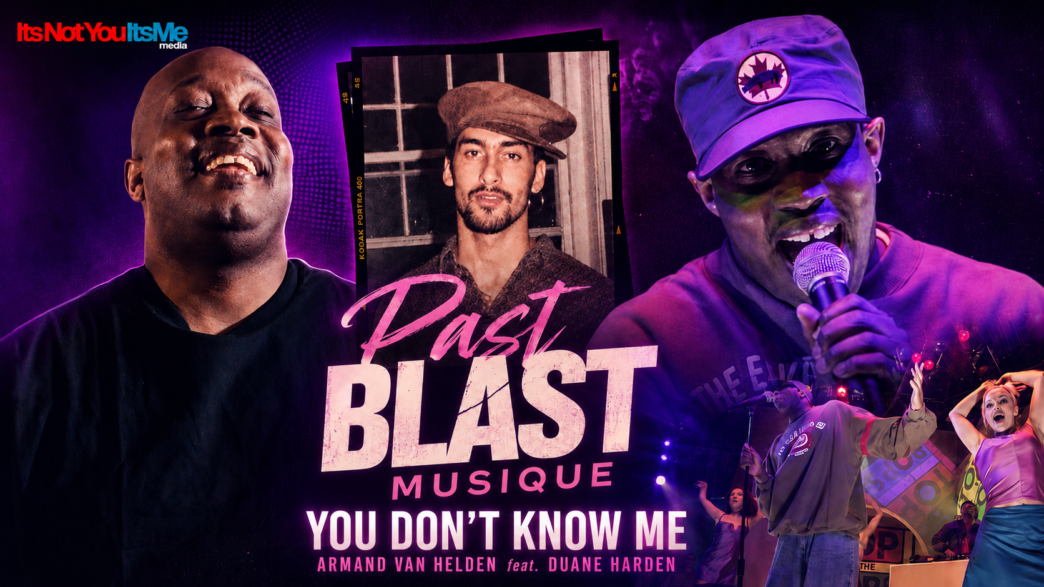
The Voice Behind A House Classic Was Nearly Left Off The Record
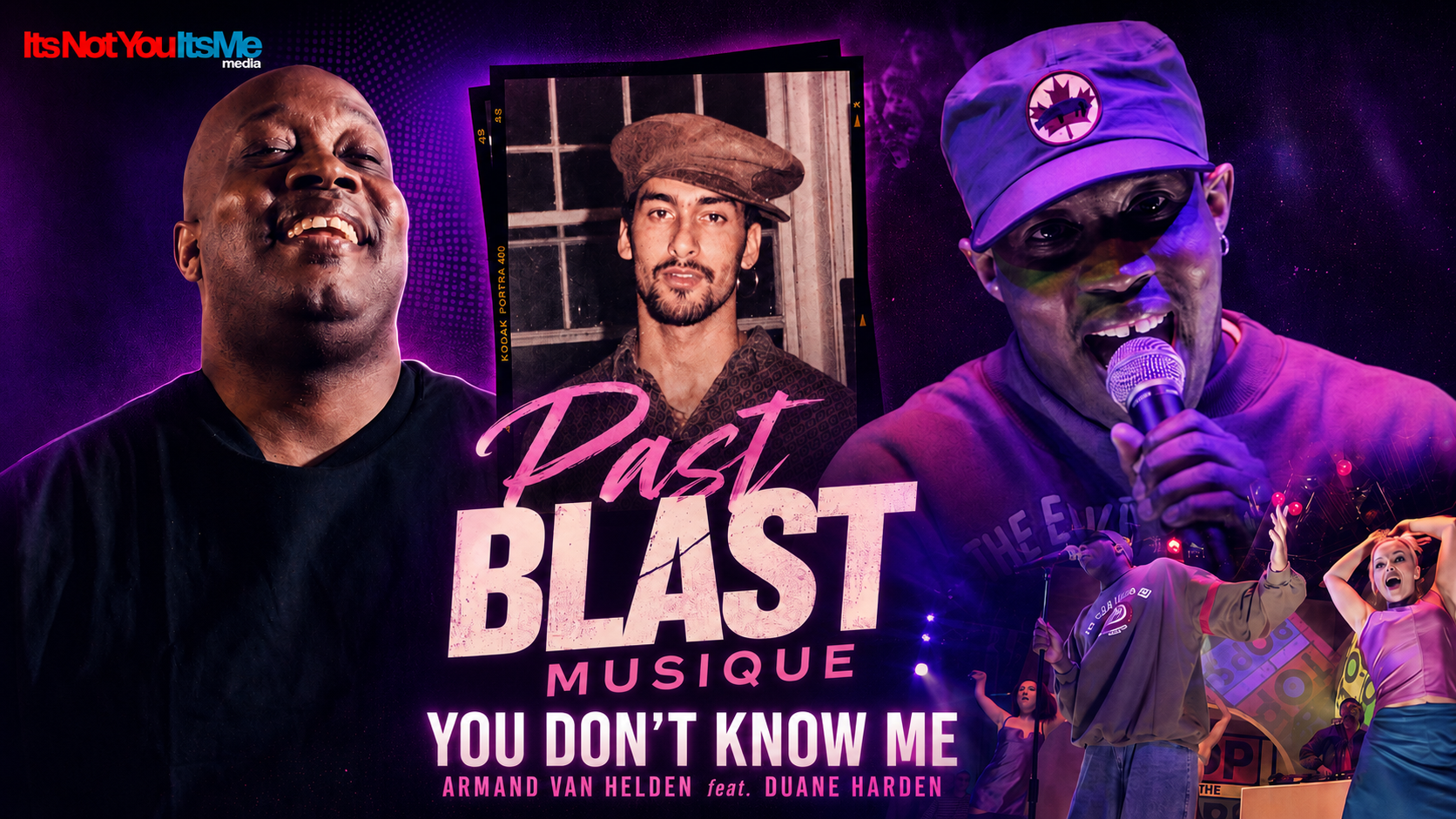
Some songs arrive sounding so complete that it feels impossible to imagine them being made any other way. Armand Van Helden’s “You Don’t Know Me,” featuring Duane Harden, has always been one of those records for me.
I loved it as a teenager in the late 1990s: bright strings, an unstoppable house groove and Duane Harden’s perfectly fitted voice carrying words that felt defiant without disturbing the joy of the dance floor.
Growing older made the song hit differently. What once sounded like happy club music revealed itself as a sharper statement about judgment, jealousy, self-possession and refusing to let outsiders define your life. You eventually learn that some people move through the world by questioning, creating and feeling everything, while others are perfectly content existing inside whatever has already been handed to them.
Yet the story behind that unmistakable voice may be even more remarkable than the record itself. Harden wrote the song in roughly 15 minutes, recorded it while Van Helden disappeared into another room—and then watched the track explode while much of the world had no idea who was singing it.
music
Return To The House Music Floor
Revisit the records, artists and club history surrounding one of the late 1990s’ most enduring dance anthems.
Some links may be affiliate links. INYIM may earn from qualifying purchases.
Released In January, Number One In Britain By February
“You Don’t Know Me” first surfaced as a United States 12-inch release in 1998 before receiving its major UK commercial release through FFRR on January 25, 1999.
The response was immediate. The single entered the UK Official Singles Chart at No. 1 for the chart week ending February 6, 1999. It also topped the country’s Official Physical Singles Chart and Official Dance Singles Chart that same week.
Even the official chart trail reflects the credit battle Harden was about to face. Its first week at No. 1 appears under Armand Van Helden alone. Beginning the following week, the record is listed as Armand Van Helden/Duane Harden, sitting at No. 2 before continuing through a 15-week UK Top 100 run under the corrected billing.
The song had become a national chart-topper almost instantly. The public knew every word. Harden was still sitting at his desk at UPS—and his name had only just begun appearing beside the record he wrote and sang.
Before The Club Anthem, Harden Was The Computer Guy
Harden grew up in Savannah, Georgia, surrounded more by hip-hop than house music. He rapped with his cousin, developed an ability to rhyme and write quickly, and later left for Boston University.
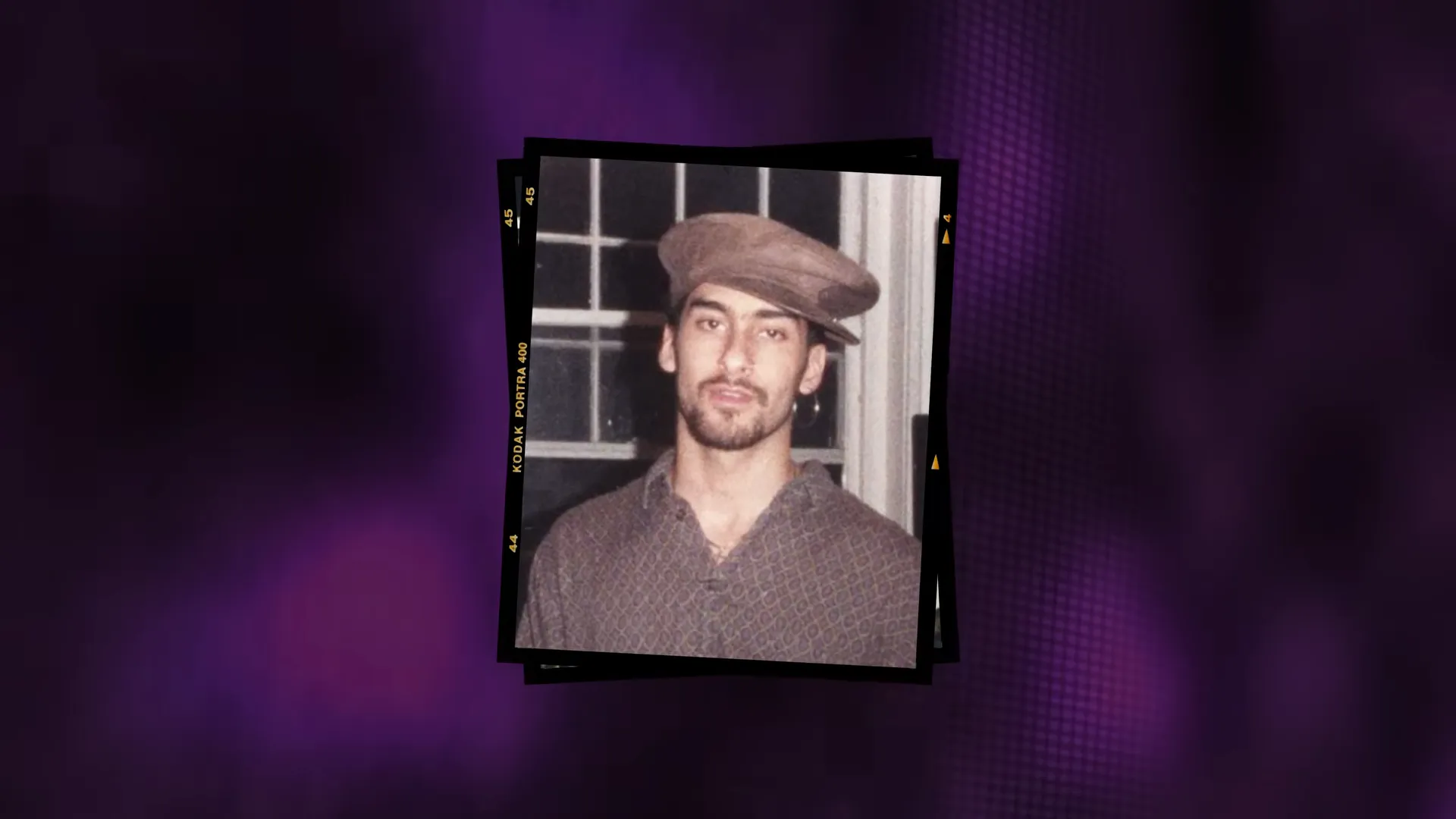
Boston introduced him to a different world. At a club called The Loft, Harden encountered DJs including DJ Bruno and a then-rising Armand Van Helden. While Van Helden played, Harden would improvise songs over the records until the DJ finally wanted to know who this kid was who kept singing across his sets.
Van Helden recognized the voice before Harden did. He repeatedly suggested they make a record together, but Harden resisted. In his own mind, he was not the singer in the family. He was “the computer guy.”
Then, during the week of his college graduation, Harden’s brother died.
While sorting through his brother’s belongings, the family found a cassette titled World of Dreams. His brother had been a struggling performer who could sing, act and dance, and Harden became determined to get one of his songs properly recorded so the world could hear it.
After moving to New York City, Harden took a computer job at UPS and spent approximately $15,000 at Sam Ash on recording equipment. The purchase was supposed to help complete his brother’s song. It also gave him a very practical reason to reconsider Van Helden’s standing invitation: Harden wanted that money back.
A Disco Loop, Fifteen Minutes And One Nervous Vocal
One night at Van Helden’s Times Square apartment, the producer began cycling through records. Harden rejected the first loop. Then the second. The third carried the sweeping strings he had been waiting for, drawn from Carrie Lucas’ “Dance With You.”
Carrie Lucas’ “Dance With You” Supplied Those Unmistakable Strings
Revisit the Carrie Lucas original sampled in “You Don’t Know Me”—an INYIM favorite in its own right and another classic heard in rotation on https://inyimradio.com/.
Van Helden placed the sample on a loop and left for dinner with his girlfriend. By the time they returned, Harden had finished the song.
“I wrote the song in 15 minutes,” he recalled.
Writing quickly was one thing. Recording was another. Harden had never viewed himself as a professional singer and was too nervous to perform with Van Helden watching, so he asked him to leave the room. Van Helden retreated to the bedroom while Harden stood alone in the living room, learning the equipment and recording the vocal that would eventually travel around the world.
It was the middle of the night. When Van Helden finally emerged and listened, his response was essentially: cool.
No grand celebration. No prophetic speech about having just created a generational house record. Harden left without even hearing the finished production.
Revisit Armand Van Helden And Duane Harden’s “You Don’t Know Me”
Return to the 1999 house classic whose joyful production and defiant lyrics became a dance-floor declaration of self-possession.
Everybody Knew The Record—Nobody Knew The Voice
Harden eventually traveled to the Winter Music Conference in Miami with a cassette of other songs he had made alongside pianist Moses Modesto. At night, he entered the clubs and heard a familiar voice pouring through the speakers.
It was his.
All around him, people were talking about the new Armand Van Helden record. The track was moving through the scene, but Harden had never heard its completed version and the crowd did not know the person standing among them had written and sung it.
“Nobody knew that I’m the kid on ‘You Don’t Know Me,’” Harden said.
The disconnect became impossible to ignore after a call reached him at his UPS desk. The song was No. 1 in the United Kingdom, and he was being told to board a plane for an appearance on Top of the Pops.
That was when Harden began learning the business in real time. The record was number one, but his name was not properly displayed on the release. He refused to get on the plane until he received money and assurances that his credit would be corrected.
The title suddenly carried an unintended second meaning. Millions knew the song, but the man who supplied its words and voice had to insist that the industry acknowledge he existed.
From The UPS Desk To Top Of The Pops
Once the business was handled, Harden flew to Britain and stepped in front of the audience that had already taken his voice to No. 1.
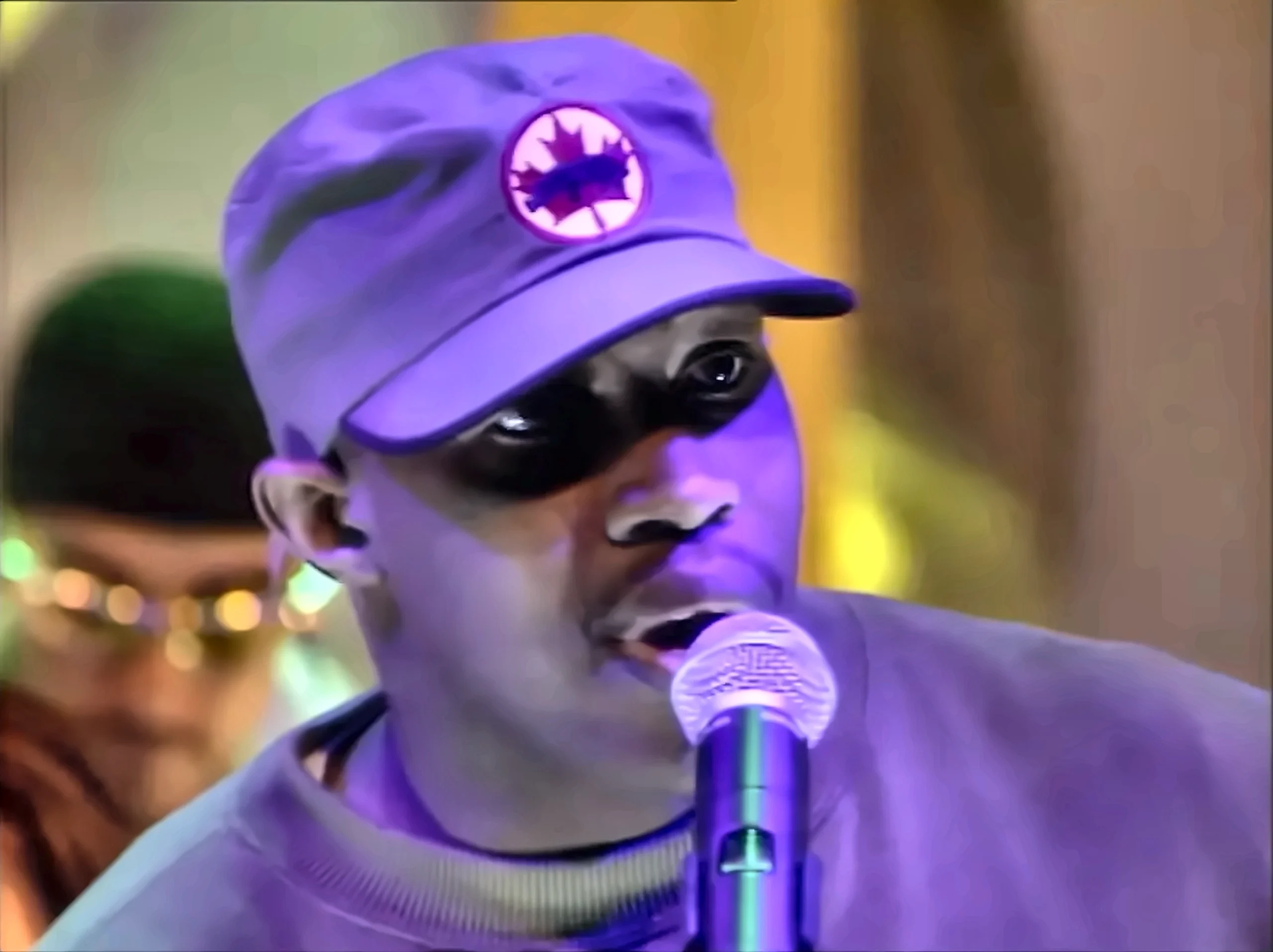

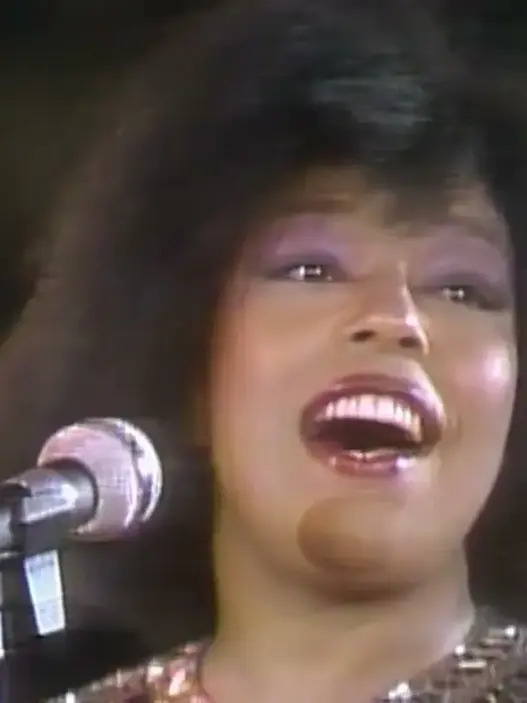
Duane Harden performs “You Don’t Know Me” on Top of the Pops after the single reached No. 1 in the United Kingdom. Images via archival Top of the Pops footage.
The Overnight Success Began With His Brother’s Unfinished Dream
Harden never completed the original mission exactly as planned. The equipment purchase meant to record his brother’s song instead pushed him toward the session that created “You Don’t Know Me.” He has come to view his brother as a kind of guardian angel behind the chain of events.
The breakthrough led to publishing deals and a wider songwriting career, but the most lasting lesson arrived through a fan at a later Winter Music Conference. She approached Harden in tears and told him that hearing the record had interrupted a moment of crisis and helped save her life.
From that encounter, Harden took a promise: no matter how ugly the music business became, he had to continue creating because a song could reach somebody he would never meet, at a moment he could never predict.
That testimony changes the scale of the record. “You Don’t Know Me” is not merely a brilliantly efficient club production, a UK chart-topper or a happy-memory trigger for those of us who came of age with it. It is proof that dance music can carry emotional weight without surrendering its joy.
A Comfort On The Dance Floor That Grew Up With Us

When I first loved the song, I understood the confidence before I fully understood the words. The beat moved forward with such freedom that the confrontation inside the lyric could almost slip past you.
Years later, the message feels immaculate. It is about recognizing when somebody else’s criticism is really a projection of their own unhappiness—and deciding their opinion will no longer control the way you live.
That is why the track remains comforting. It gives you permission to be strong without becoming cold, to protect yourself without surrendering your rhythm and to keep moving even when the people around you have already decided they understand a life they never bothered to know.
And all of it came from a self-described computer guy who heard the right strings, wrote for 15 minutes and stepped to a microphone while the producer waited in another room.
Hear Both Versions On INYIM Radio
You can hear the original Armand Van Helden featuring Duane Harden recording in rotation on INYIM Radio, along with the uplifting Duane Harden x House Gospel Choir version of “You Don’t Know Me.”
Both versions carry the same essential medicine: a reminder that other people’s jealousy, projections and opinions do not get to define your life. That makes “You Don’t Know Me” an officially INYIM Mental Medicine–approved track—music for shaking off outside noise, reclaiming your confidence and finding your way back to yourself on the dance floor.
Watch Duane Harden Tell The Making-Of Story
Harden traces the path from Boston University and his brother’s cassette to writing “You Don’t Know Me” in roughly 15 minutes and recording it inside Van Helden’s Times Square apartment.
Source: Duane Harden’s “The Making of You Don’t Know Me, But Now You Do” account, Journeys in Artistry, MusicBrainz and the Official Charts Company.