




















That Hemp Loophole Behind THC Gummies May Finally Be Closing
It looks like the federal government may be cracking down on the THC edibles, drinks and other hemp products that exploded across the country after 2018. And the strange part is that a lot of this market exists because Congress legalized hemp using a definition that was never really designed for today’s psychoactive gummies and seltzers.
That is the loophole we recently learned about while looking at how THC edibles can be sold under hemp laws: marijuana and hemp come from the same cannabis plant, but federal law drew the legal line around how much delta-9 THC was present by dry weight.
So How Did the Hemp THC Loophole Work?
The 2018 Farm Bill removed hemp from the federal Controlled Substances Act so long as cannabis and its derivatives contained no more than 0.3% delta-9 THC on a dry-weight basis. That made sense for industrial hemp — the plant long associated with fiber, grain and the old “rope, not dope” argument — but the wording had an unintended consequence once companies began applying it to finished foods and beverages.
Zero-point-three percent sounds tiny, but it is a percentage of the product’s weight, not a simple cap on how many milligrams of THC can be in a gummy, brownie or drink. A heavier edible or beverage could therefore remain below the 0.3% threshold while still containing enough delta-9 THC to be intoxicating. The law also focused specifically on delta-9 THC, opening additional questions around other psychoactive cannabinoids such as delta-8 and products involving THCA.
That is how products capable of getting somebody high wound up being marketed as federally legal “hemp” even in states where recreational marijuana remained illegal. State laws still varied — some states banned or restricted these products on their own — and FDA rules did not simply disappear. But the federal hemp definition created the nationwide opening that helped an enormous national industry grow.
entertainment
The Hemp THC Fight
The debate now is whether Congress should regulate intoxicating hemp products more tightly or effectively remove most of them from the market.
Some links may be affiliate links. INYIM may earn from qualifying purchases.
Congress Has Already Moved to Close It
Congress moved last year to rewrite the hemp definition and close that opening. This is a federal change, so it applies nationwide — it is not a state-by-state rule. The new federal standard is scheduled to take effect on December 11, 2026, after a short-term government funding measure pushed the effective date back from November 12. States can still impose their own stricter rules, and some already do, but they cannot preserve the old federal hemp exemption for products Congress removes from the definition of hemp.
The change is much stricter than the old dry-weight rule. It moves toward a total-THC standard and limits finished hemp products to just 0.4 milligrams of THC per container. At that level, the Associated Press reports that not only intoxicating gummies, drinks and smokable products could disappear from the federally legal hemp market — some non-intoxicating CBD products could be swept up as well.
That distinction matters because this is often described as a ban on “synthetic hemp THC,” but the market is broader than that. Some psychoactive cannabinoids are created by chemically converting hemp-derived compounds such as CBD, while other products contain hemp-derived delta-9 THC. The crackdown is aimed at intoxicating hemp products as a category, not merely one laboratory-made ingredient.
A $28 Billion Industry Is Suddenly Looking at the Clock
The scale is no longer small. An industry analysis cited by the Associated Press estimates that the looming restrictions threaten roughly $28.3 billion in retail revenue and about 225,000 jobs.
At Kentucky-based Cornbread Hemp, one of the business owners in the AP report explains just how quickly the industry grew. He says the company began in 2019 with two cousins, now employs 105 people and ships around 50,000 orders a month across the country.
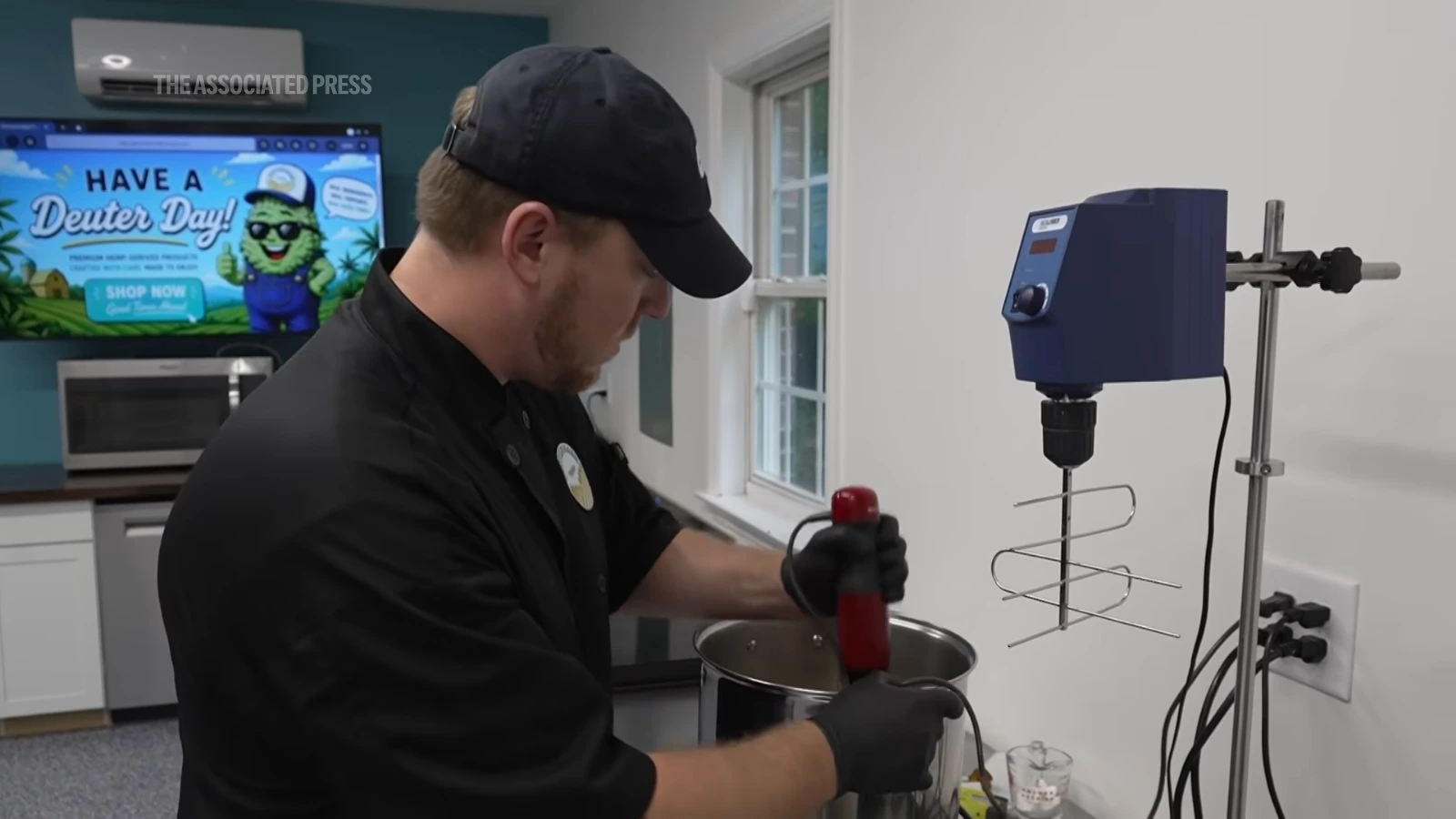
“If it goes through in December, this place is toast,” he says in the video. “It’s gone.”
That is the divide now sitting in front of Congress. Industry advocates say a blanket restriction would wipe out legitimate businesses and customers who have replaced alcohol, sleep aids or other products with hemp-derived alternatives. Opponents argue the loophole allowed intoxicating products to spread without the age restrictions, testing rules and tightly controlled distribution that legal marijuana markets generally face.
Some hemp businesses are pushing for a middle ground instead: 21-and-over sales, potency limits, packaging standards and tougher rules around chemically converted cannabinoids rather than a near-total federal cutoff.
Which brings us back to the oddity at the center of all of this: an industry worth tens of billions of dollars grew from a legal definition originally written around low-THC agricultural hemp. Now Congress is trying to write the psychoactive part back out.
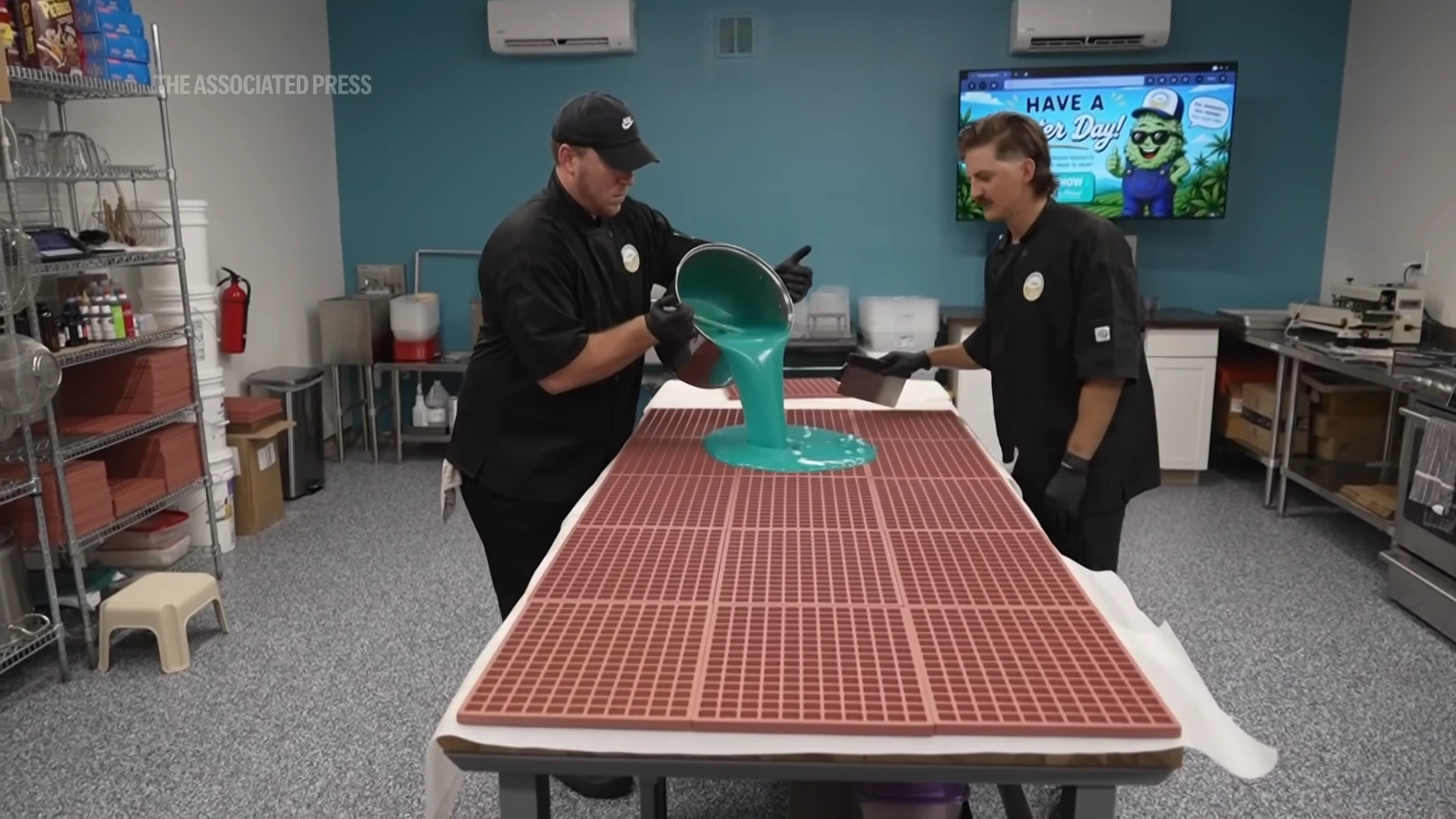
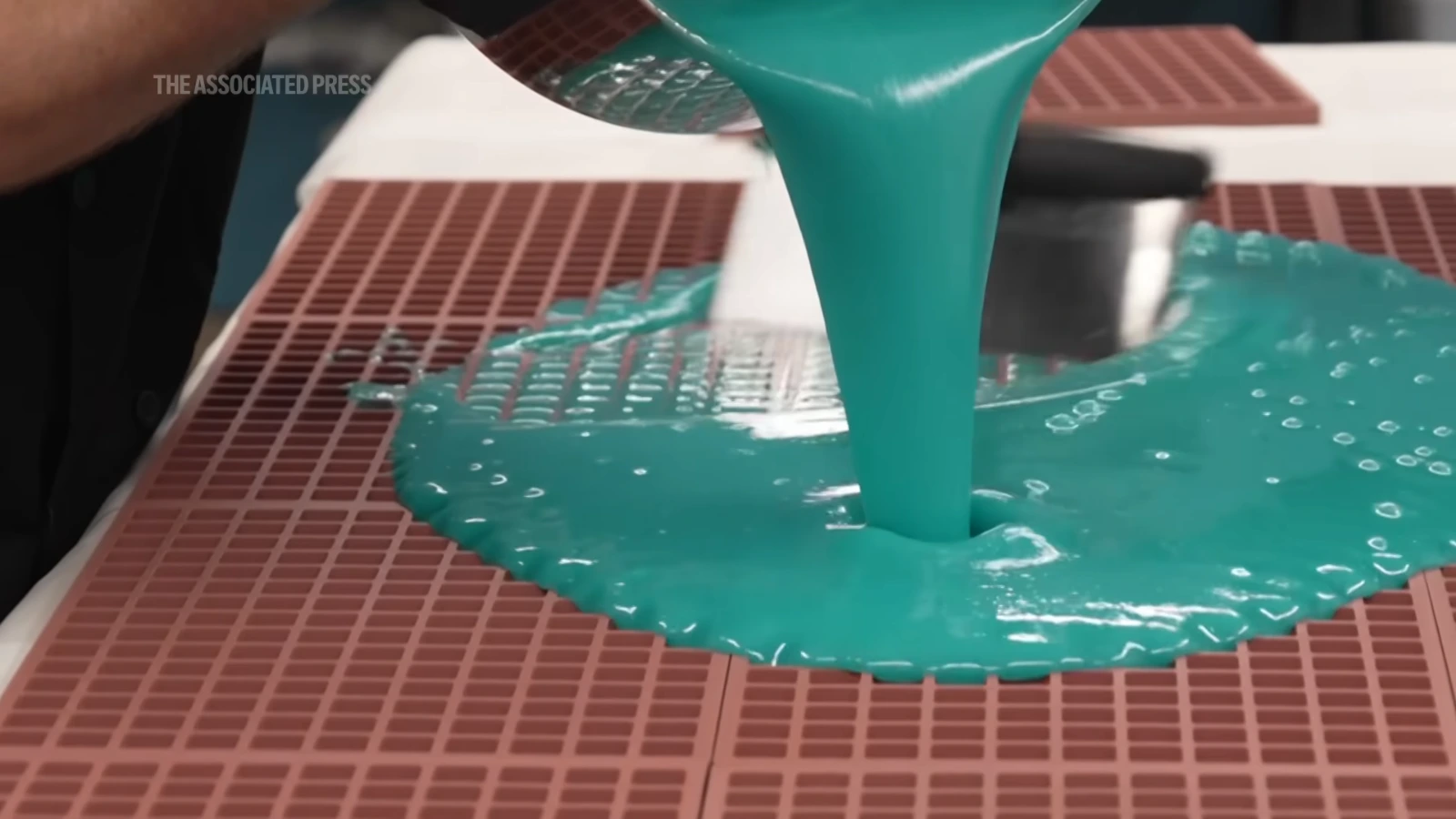
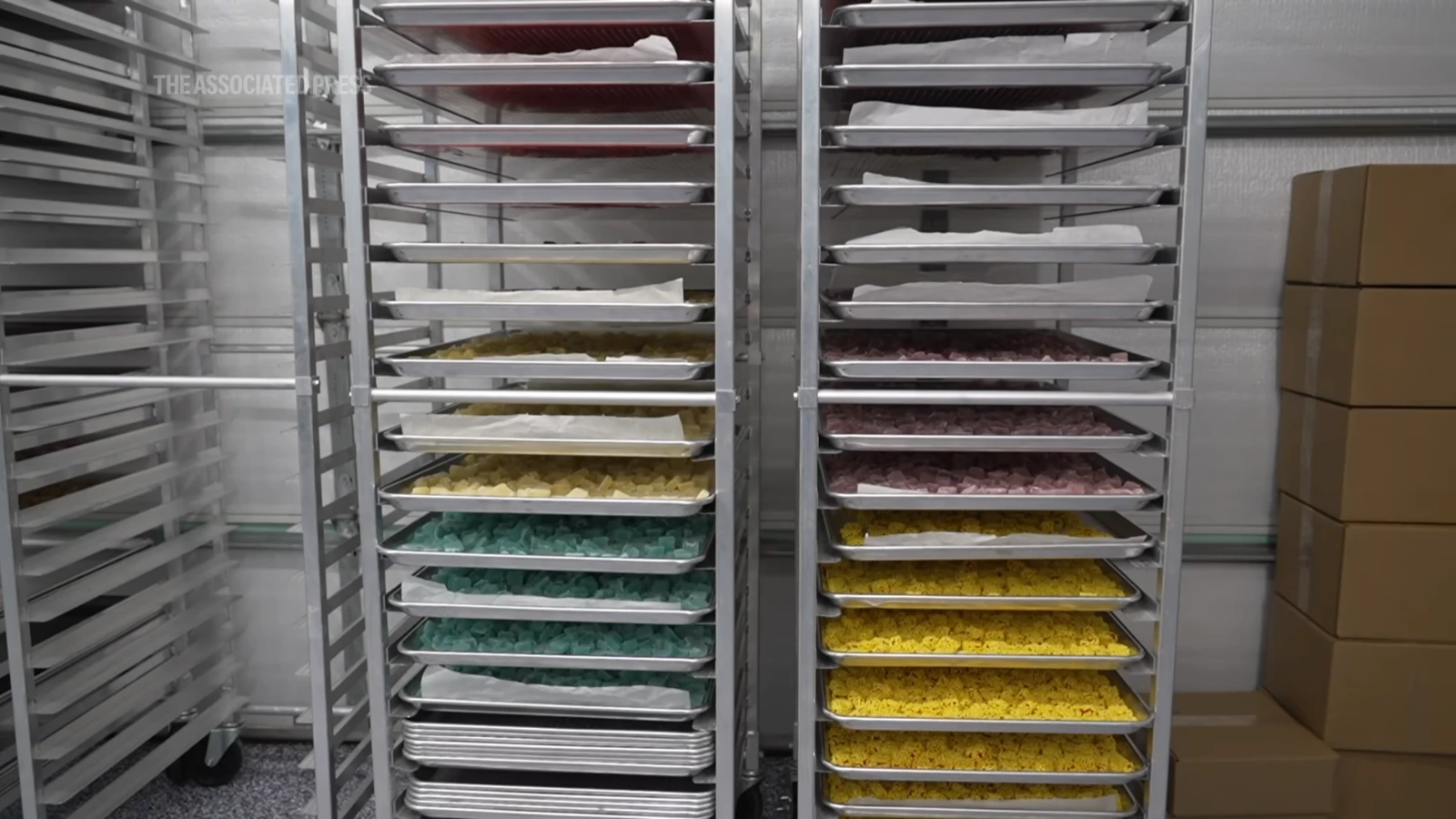
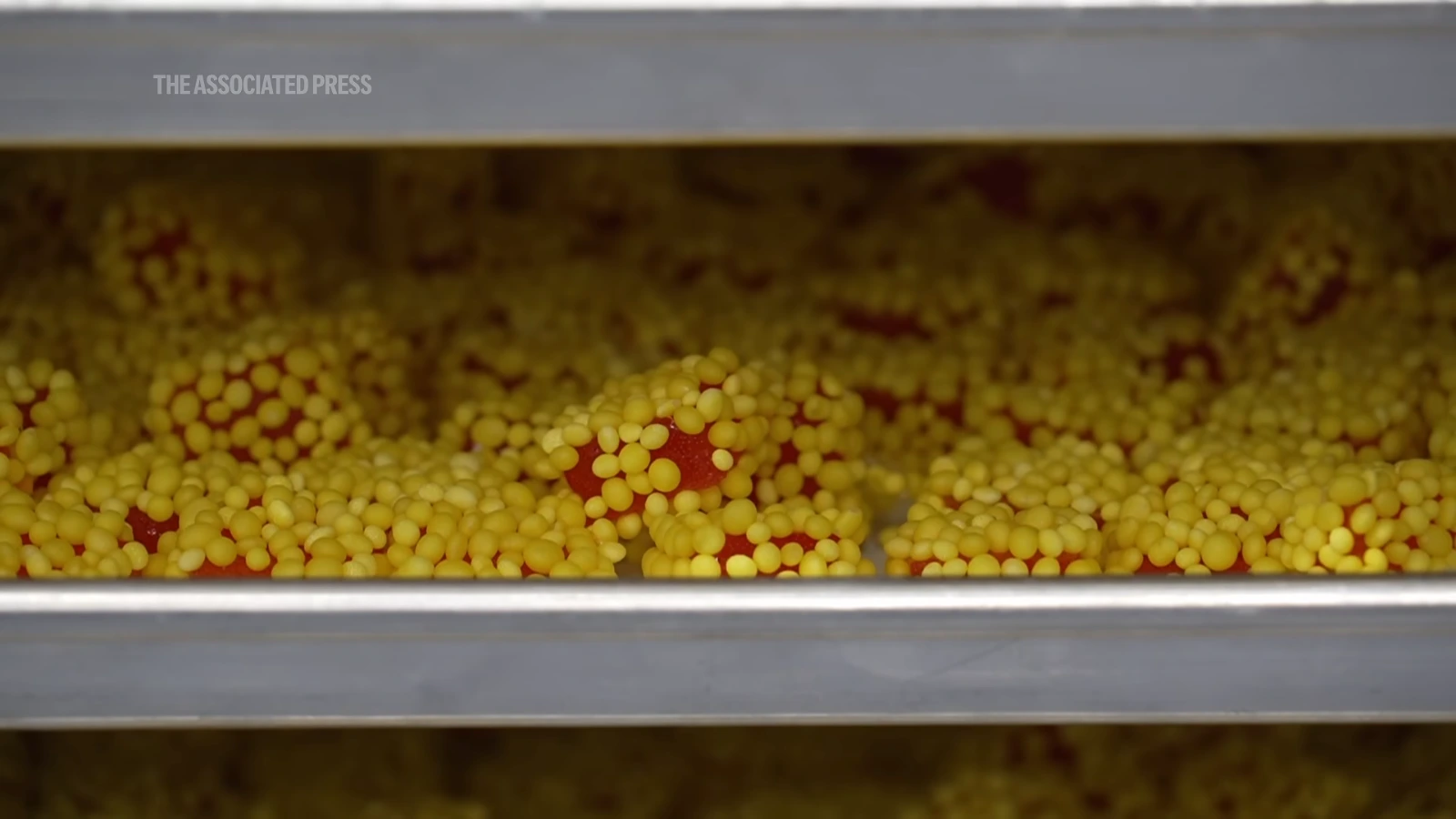
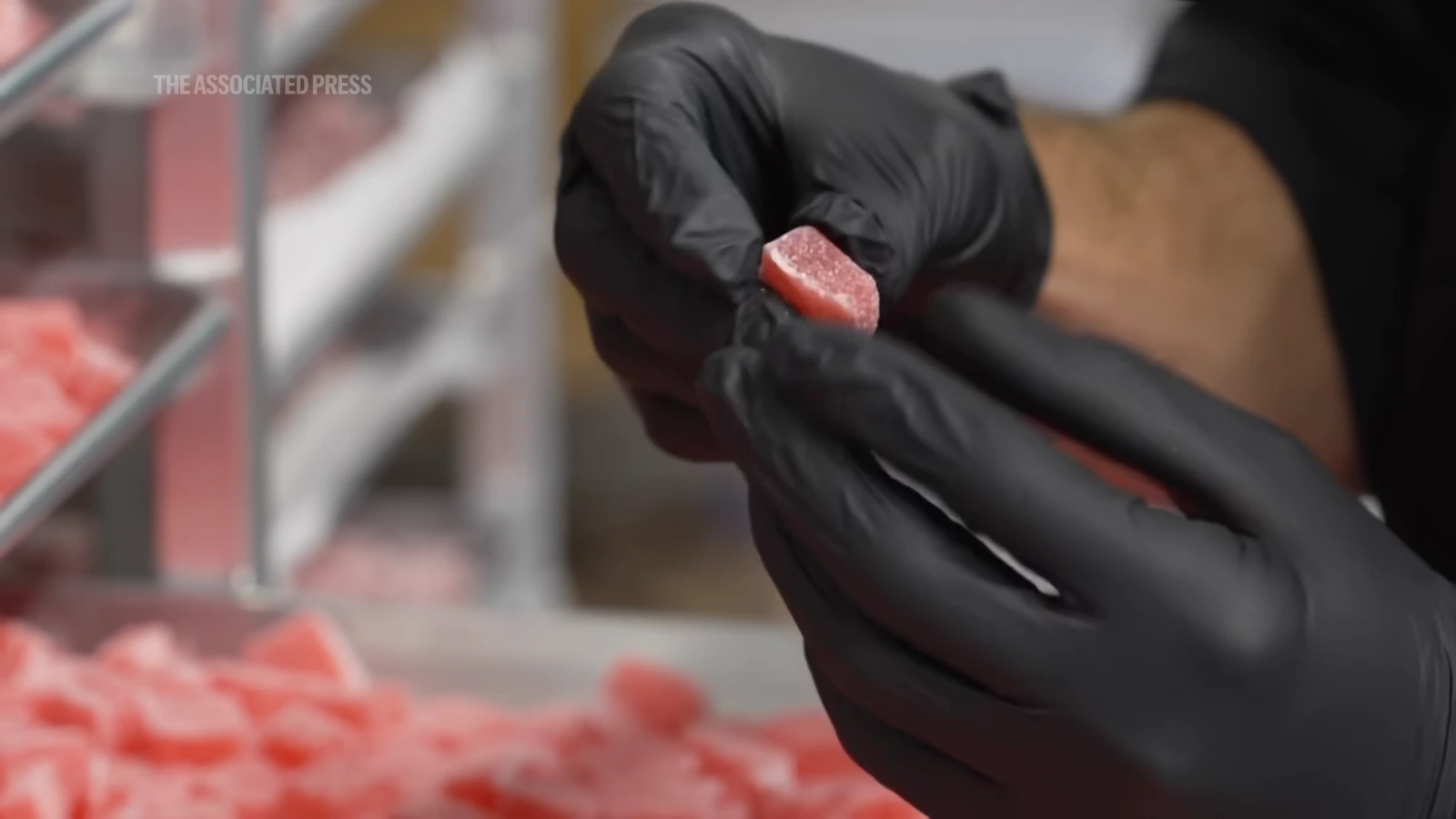
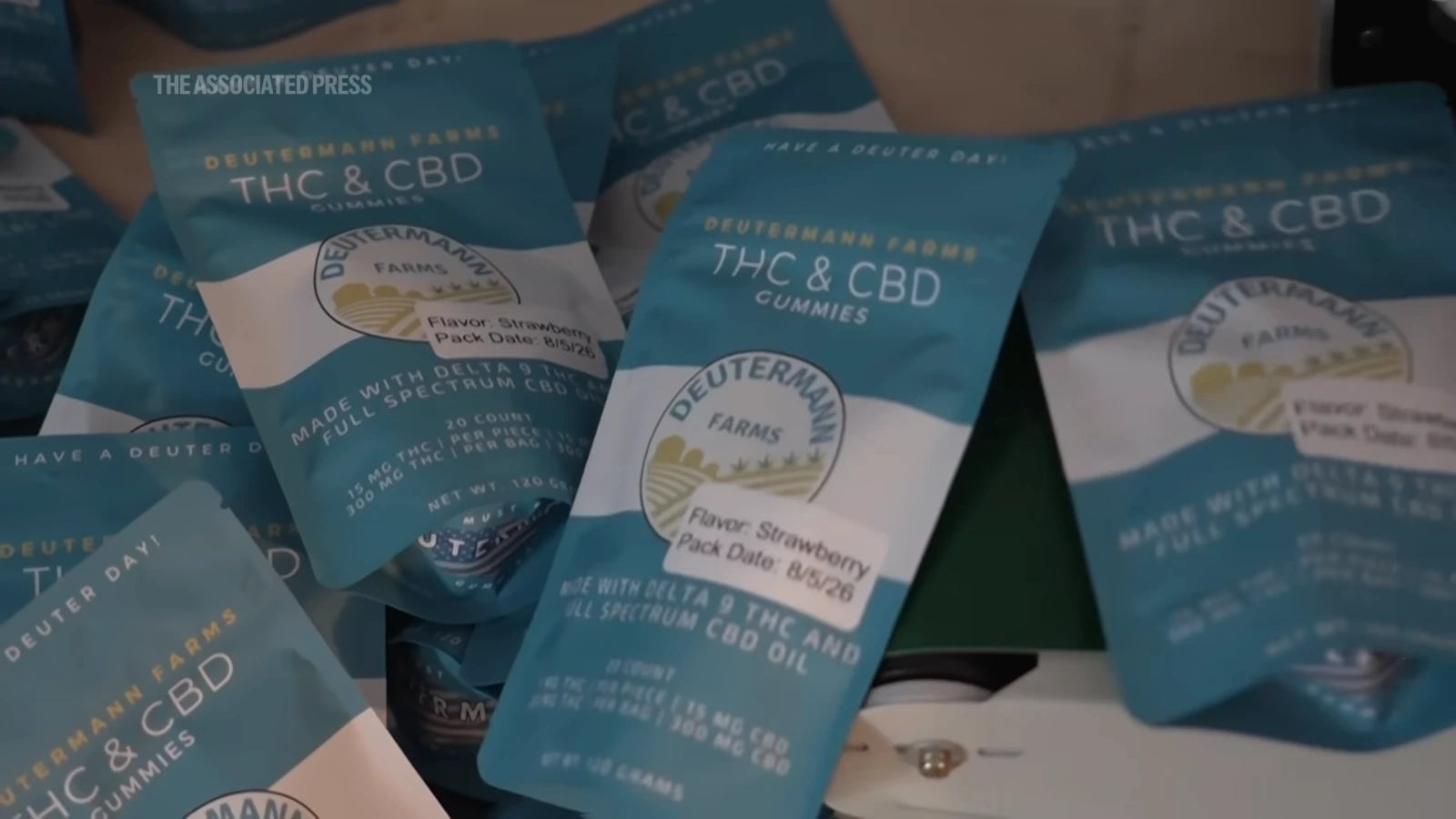
Images from the Associated Press video report on America’s hemp-derived THC industry. Image: Associated Press / YouTube.
Watch: America’s Hemp THC Industry Faces a Looming Federal Ban
The Associated Press report looks at businesses built around hemp-derived THC products and what the December 11 federal change could mean for the industry.
Sources: Associated Press; U.S. Food and Drug Administration; Congressional Research Service.