












Taylor Swift made “Patient Zero” like a gothic short film — not a cameo reel
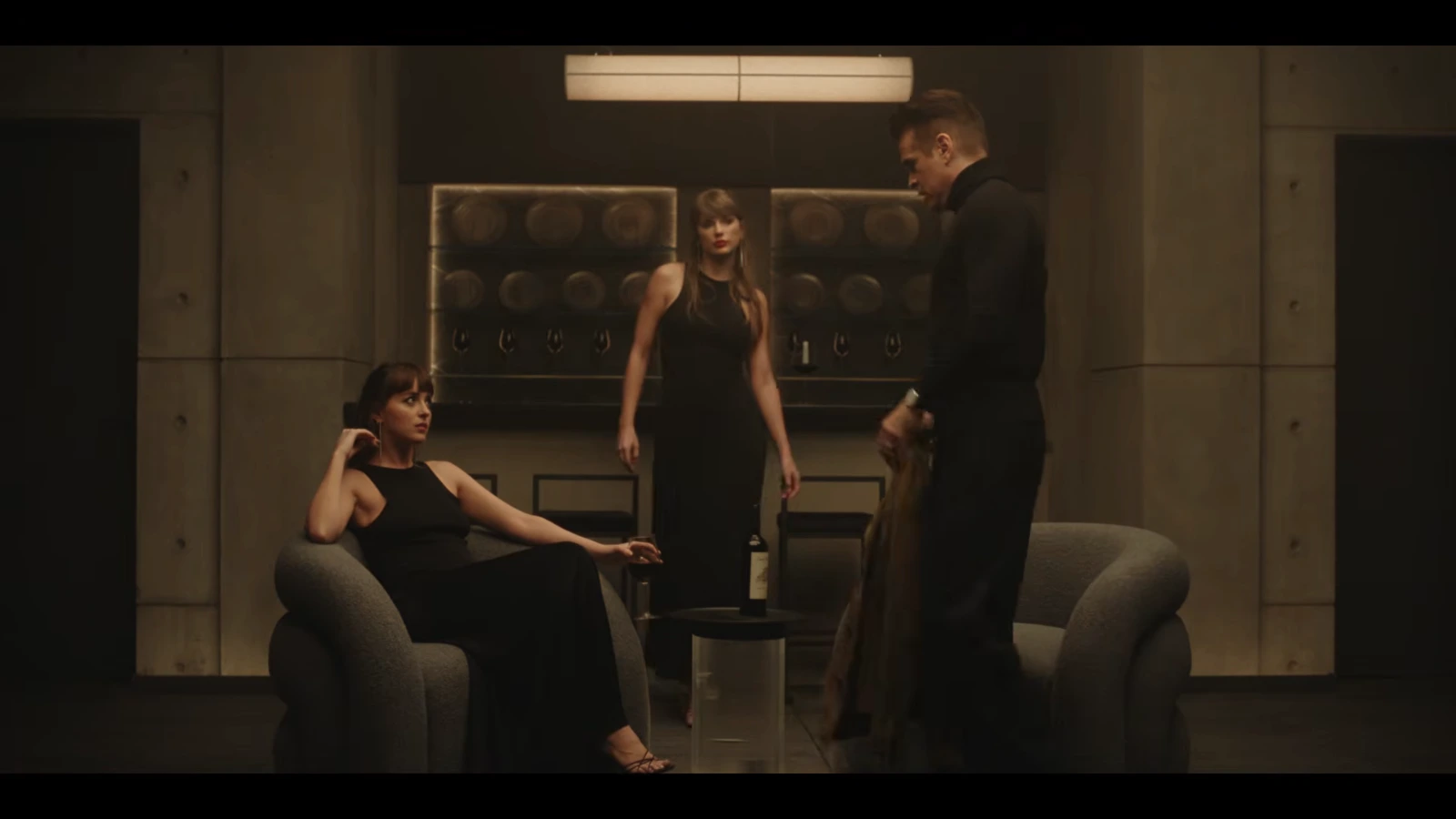
It’s here! Taylor Swift is wife number one in her latest era, surrounded by some familiar Hollywood faces — but the celebrity casting is only the loudest layer of “Patient Zero.” Look past Dakota Johnson, Colin Farrell, Cara Delevingne and the surprise party guests and there is a much more interesting story happening behind the camera.
Swift did not simply star in the visual. She directed it herself, continuing the filmmaking lane that has become increasingly central to how she builds a Taylor Swift era. And for this one, she surrounded herself with a crew whose résumés make “music video” feel almost too small a description.
music
Inside Patient Zero
Taylor Swift’s gothic mini-movie pairs Hollywood casting with an Oscar-winning cinematographer, recurring creative collaborators and a production design built around a relationship literally going cold.
Some links may be affiliate links. INYIM may earn from qualifying purchases.
The Part Everyone Should Be Talking About: Emmanuel Lubezki Shot It
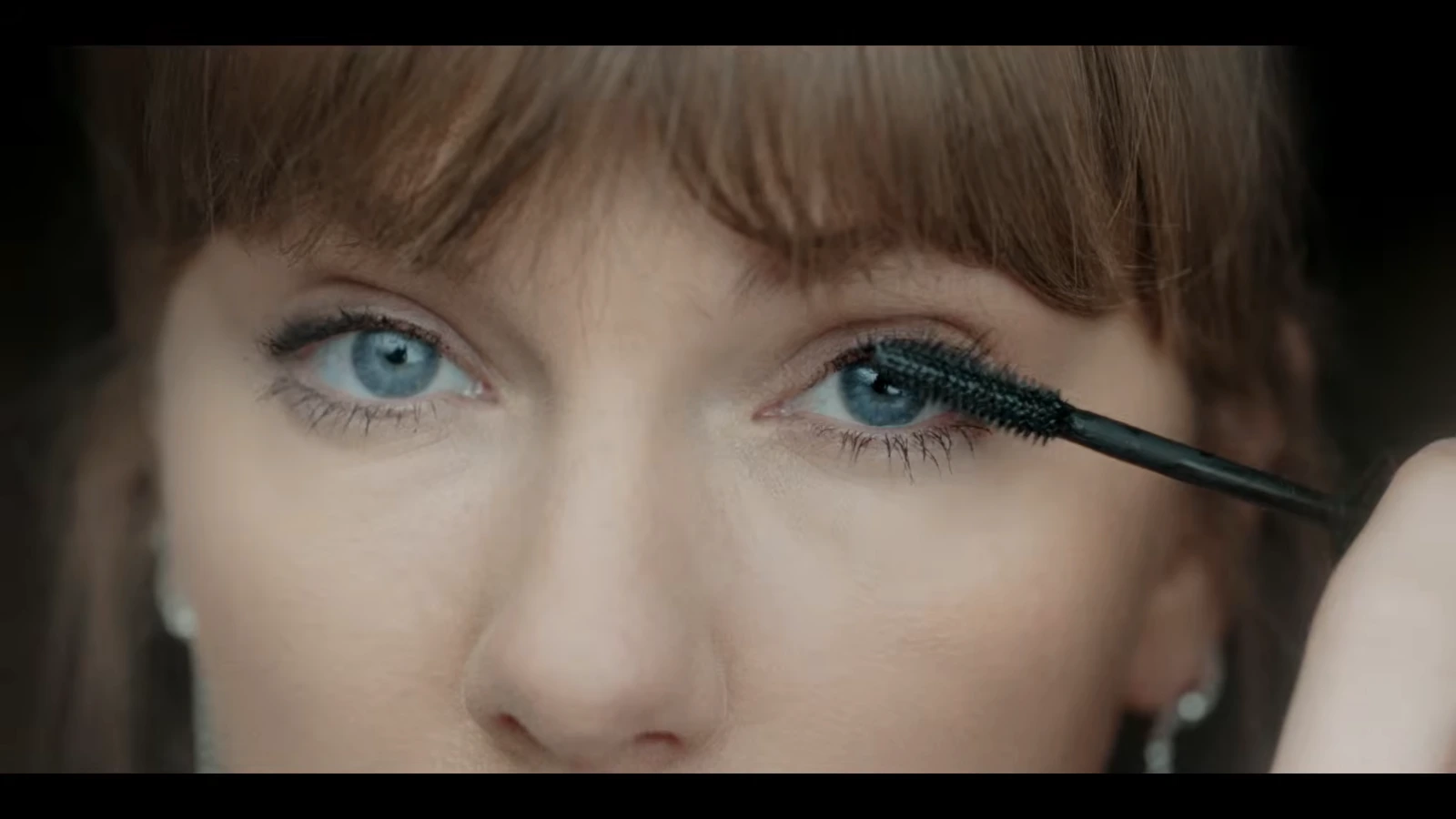
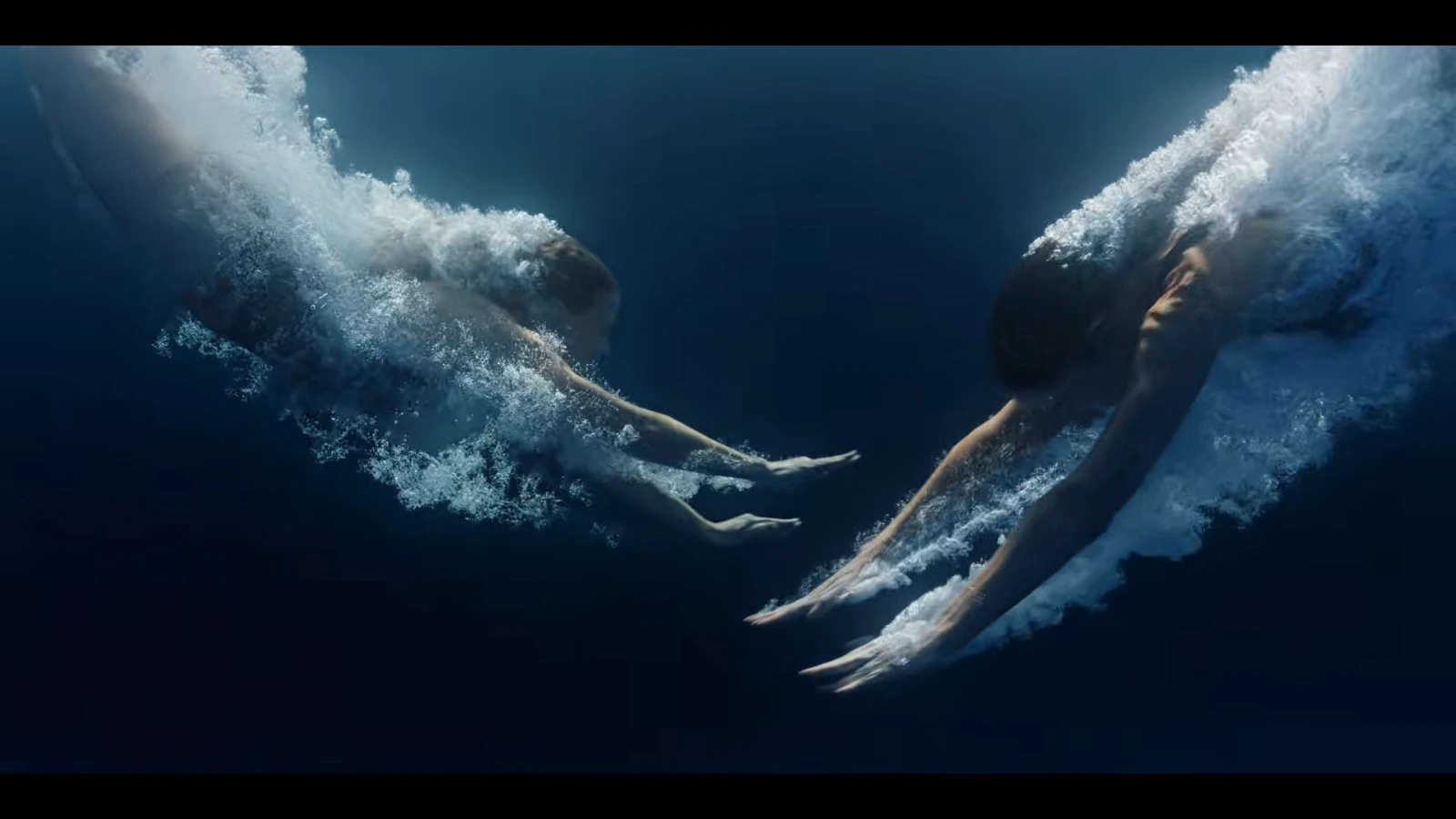
The biggest creative flex in the credits may be Emmanuel “Chivo” Lubezki behind the camera. The Mexican cinematographer won three consecutive Academy Awards for Gravity, Birdman and The Revenant, and his feature-film work is famous for immersive camera movement, long takes and an obsession with natural or available light.
That does not mean “Patient Zero” simply copies one of those films. What matters is the choice. Swift brought in a cinematographer whose entire career is built around making the camera feel emotionally embedded in a scene rather than merely recording it. For a song about recognizing the damage left by the same toxic man, that is a far more revealing credit than another celebrity cameo.
Swift herself called working with Lubezki something “out of a dream sequence” and said she learned from watching him work. That line matters because she had just received MTV’s inaugural Artist Director Honors: she is presenting herself not only as the person in front of the lens, but as someone still actively studying the craft behind it.
This Wasn’t a New Crew Thrown Together for One Big Video
The rest of the official credits reveal something even more interesting. Jil Hardin produced, Chancler Haynes edited and Ethan Tobman handled production design, with Eric Topper serving as first assistant director, Parliament on visual effects, and Merman working alongside Taylor Swift Productions.
Hardin and Haynes are not random hires. Both also appear in Swift’s official credits for Opalite, The Fate of Ophelia and Fortnight. Tobman designed Fortnight as well. In other words, Swift is doing what established film directors do: building a recurring creative language with collaborators she trusts, then introducing a new major voice — here, Lubezki — when a project needs a different visual temperature.
The House Isn’t Just Pretty Gothic Production Design
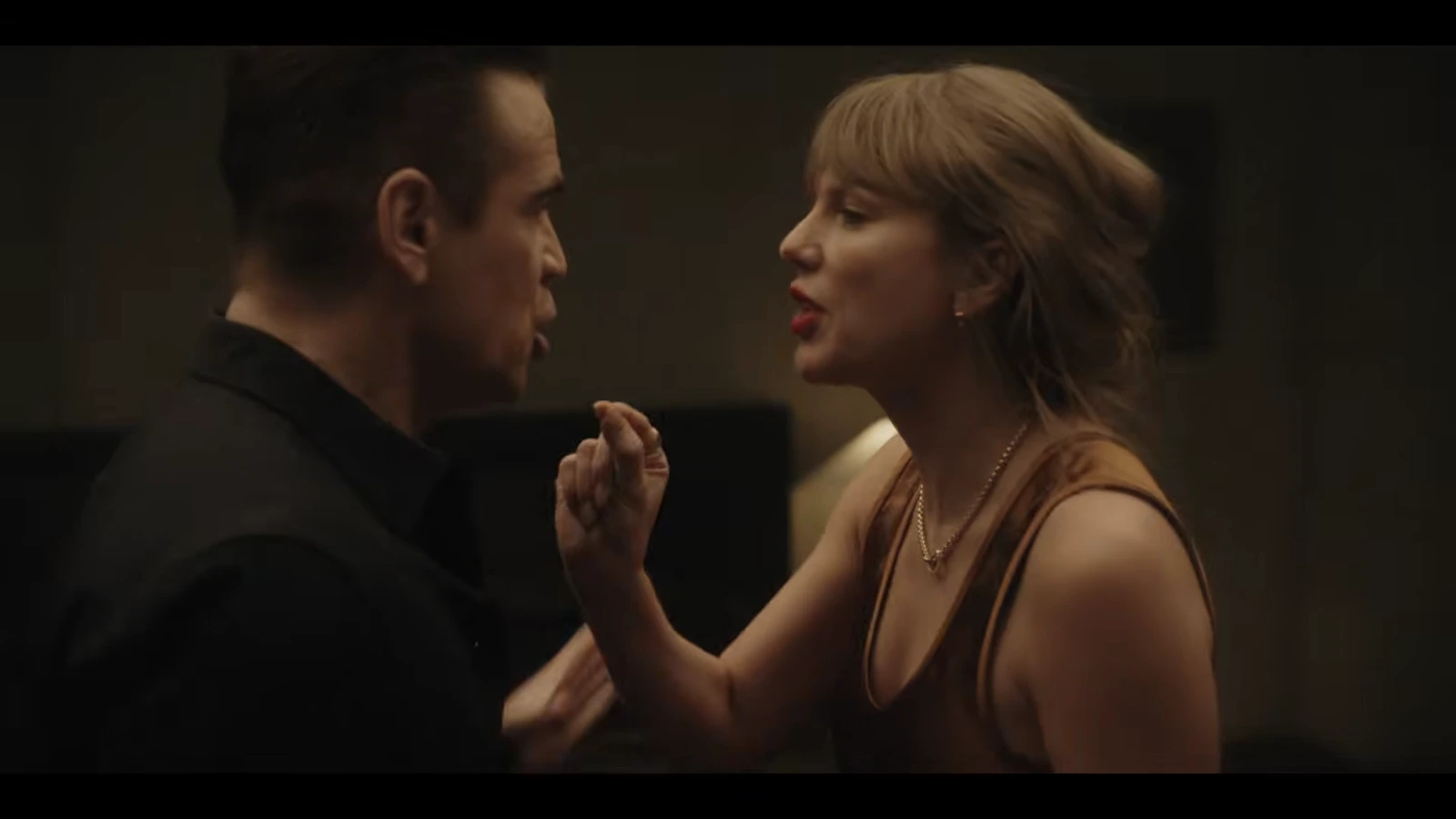
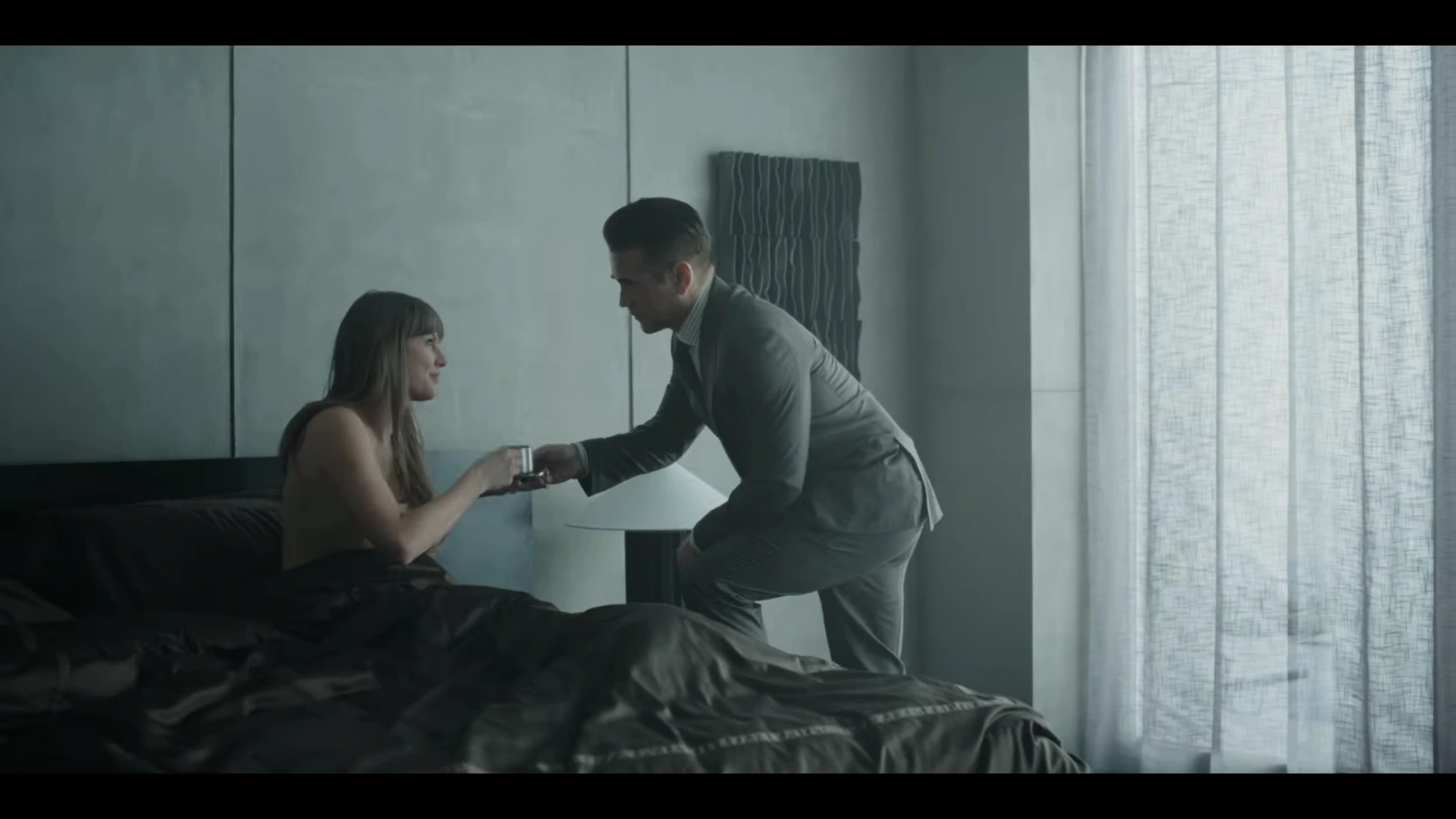
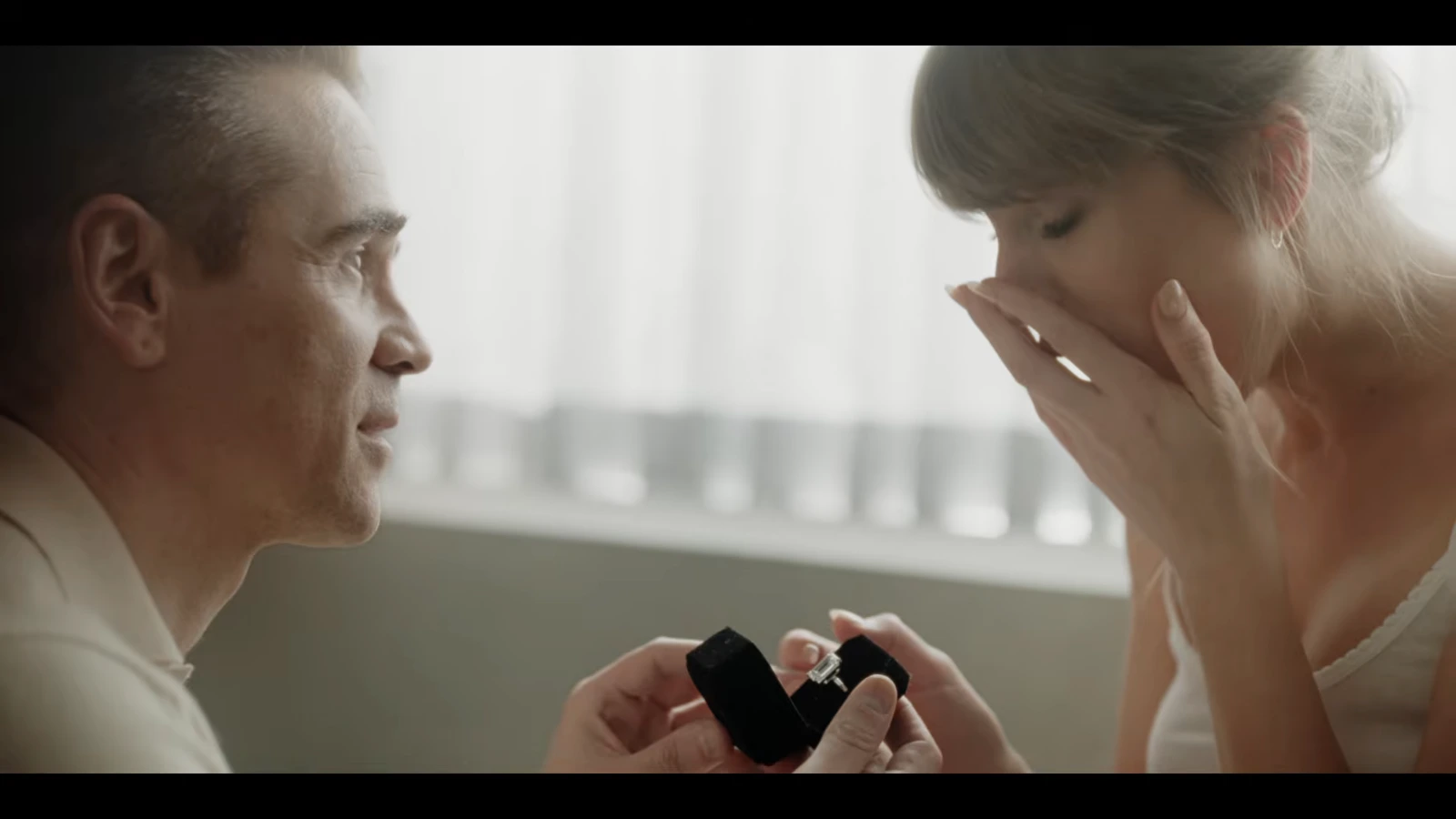
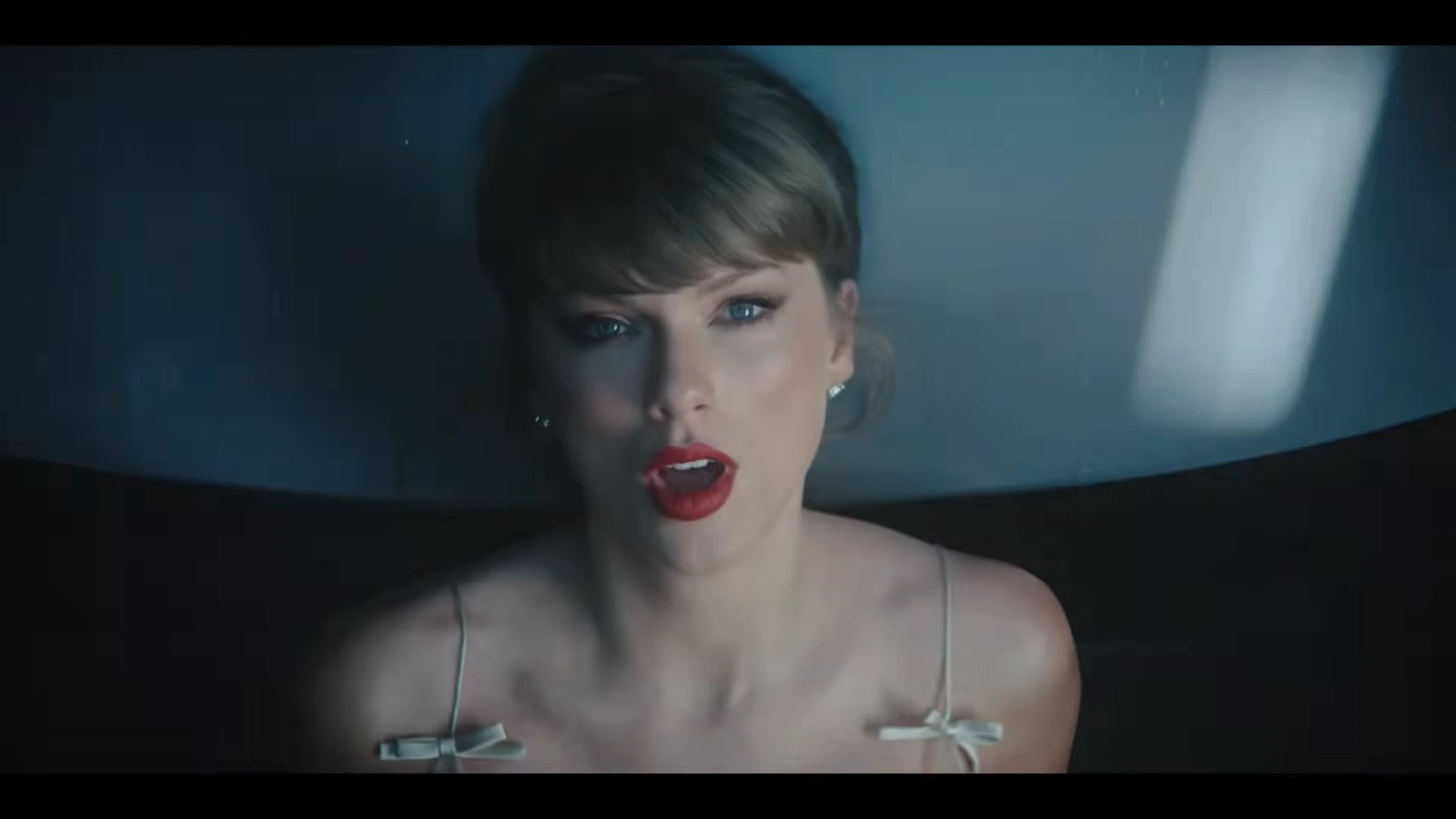
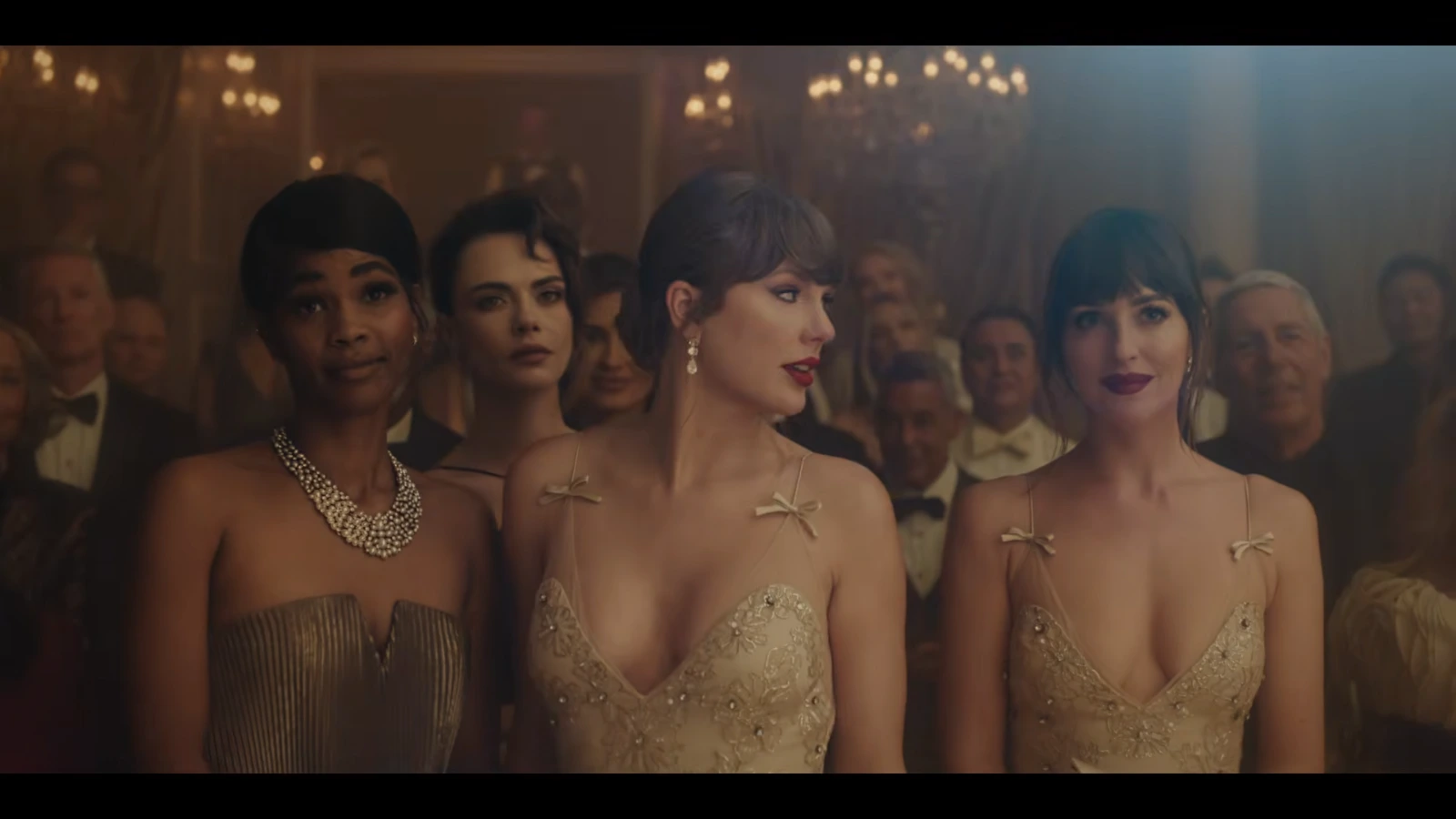
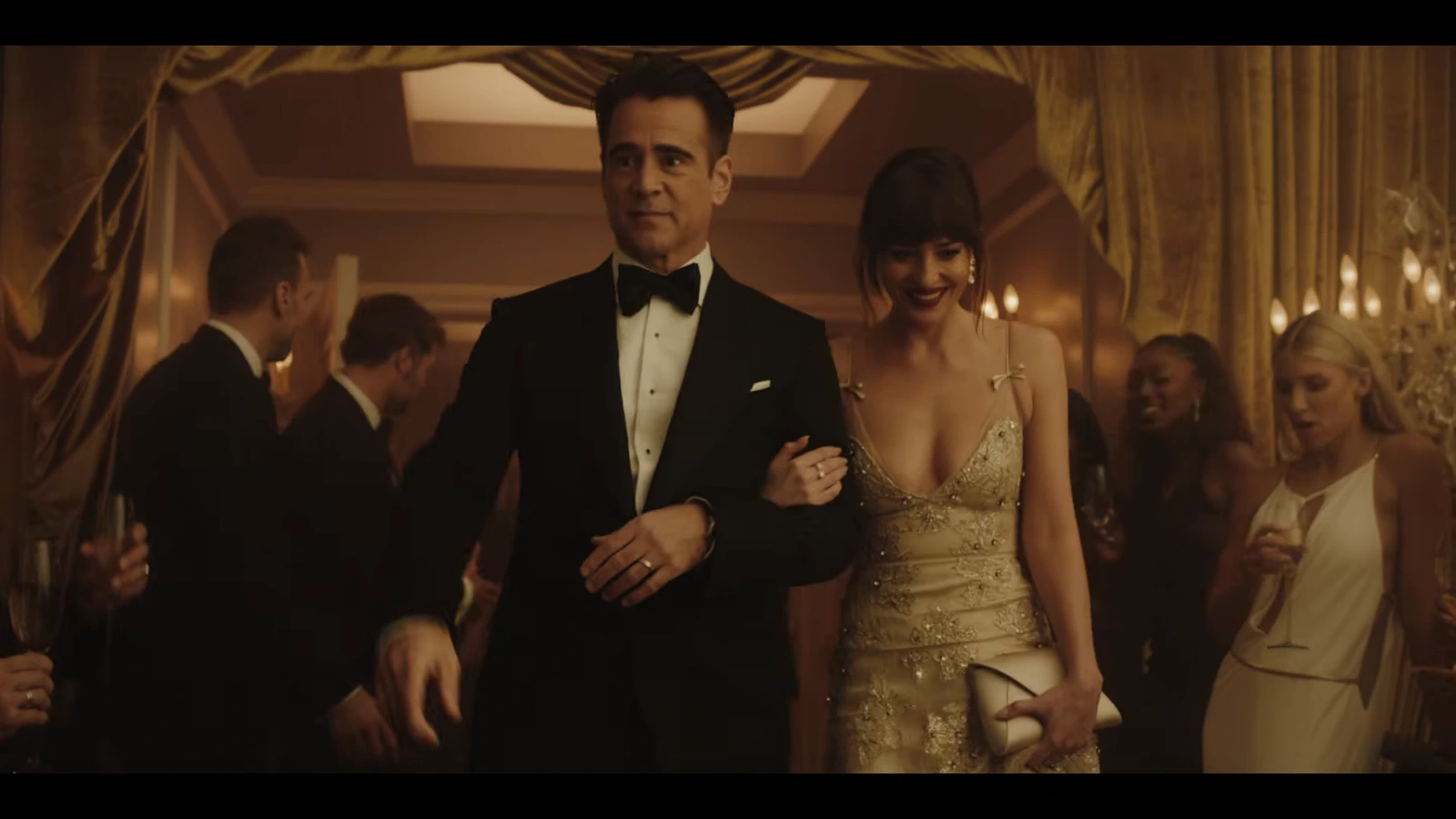
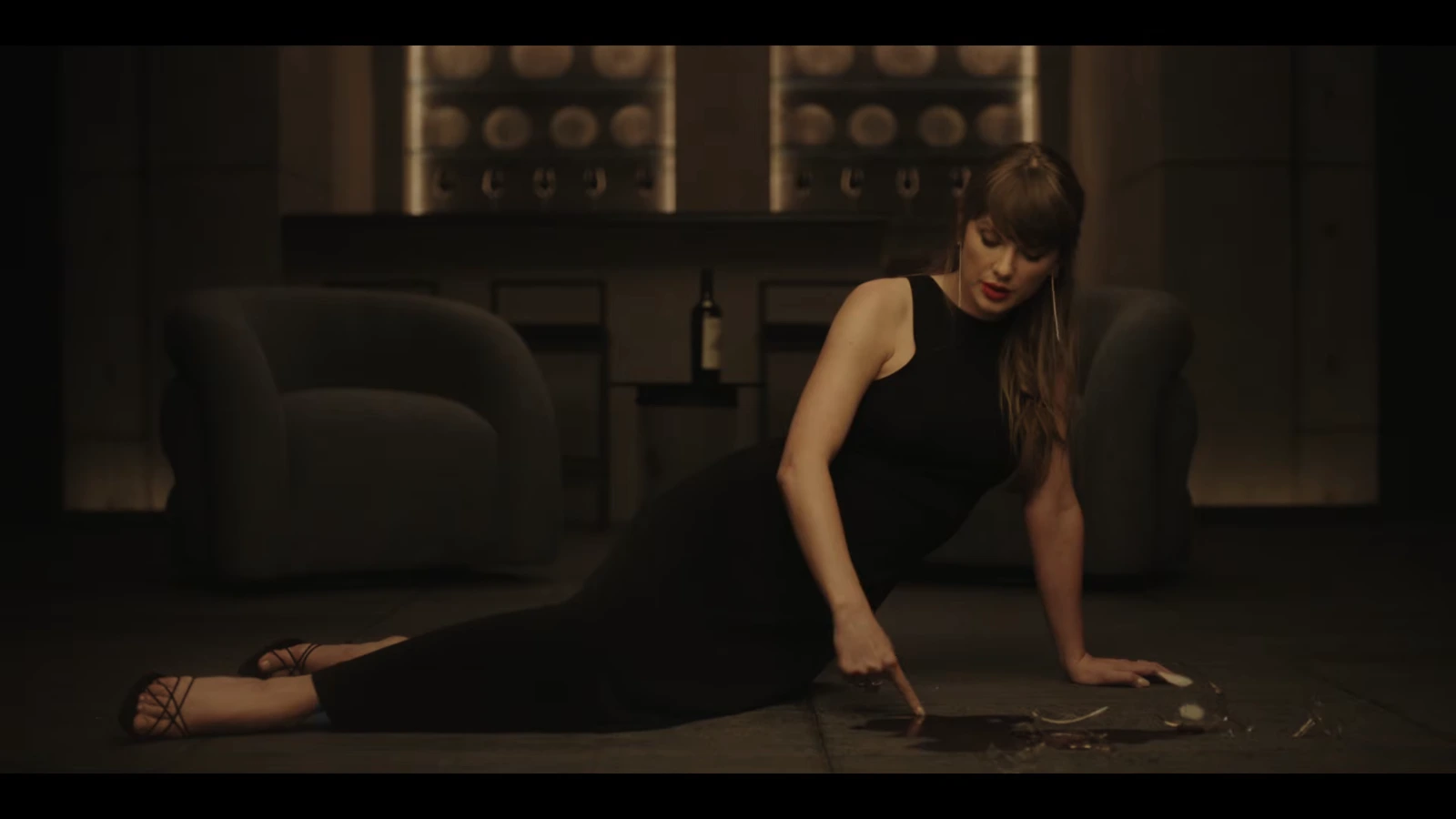
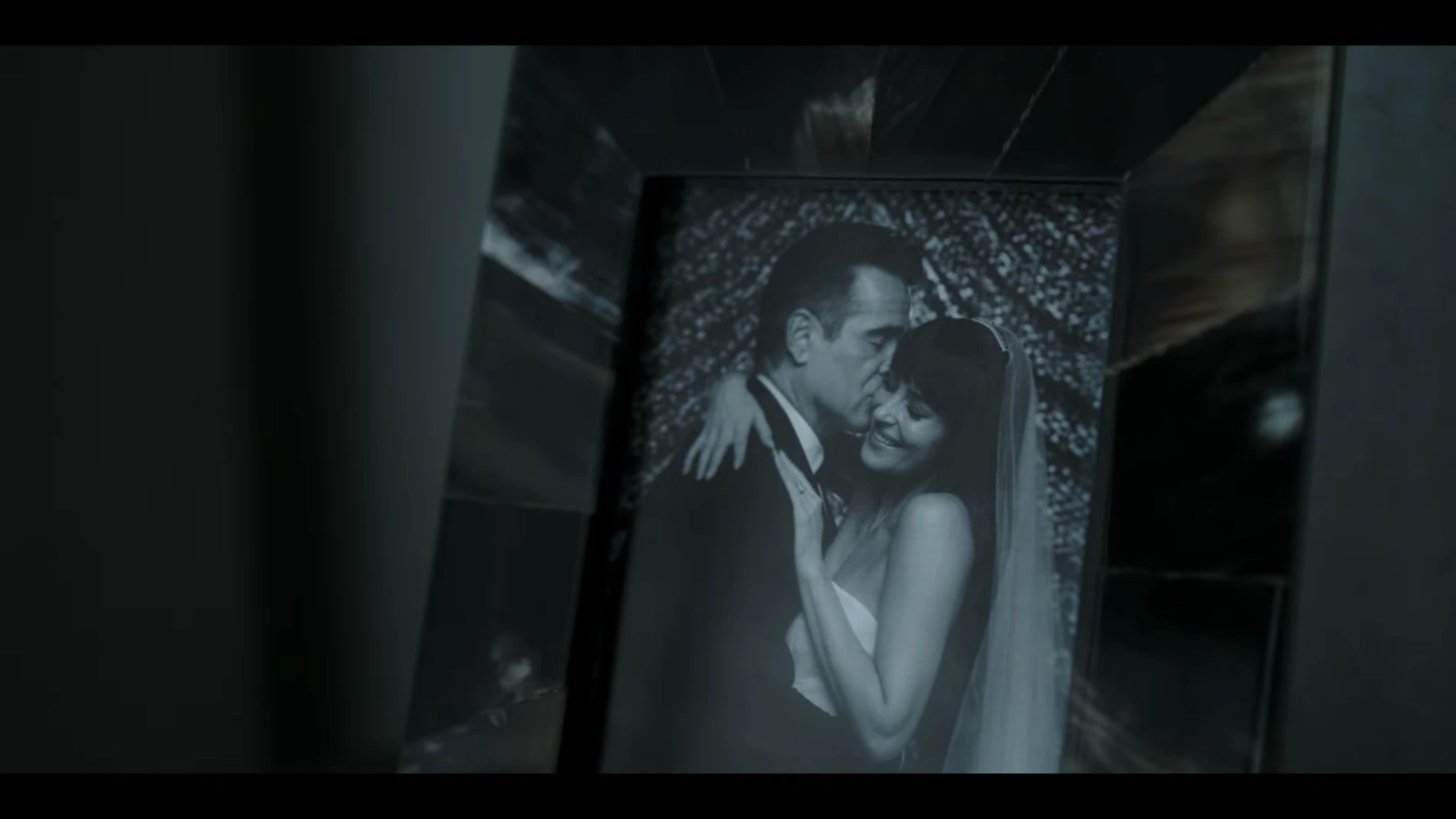
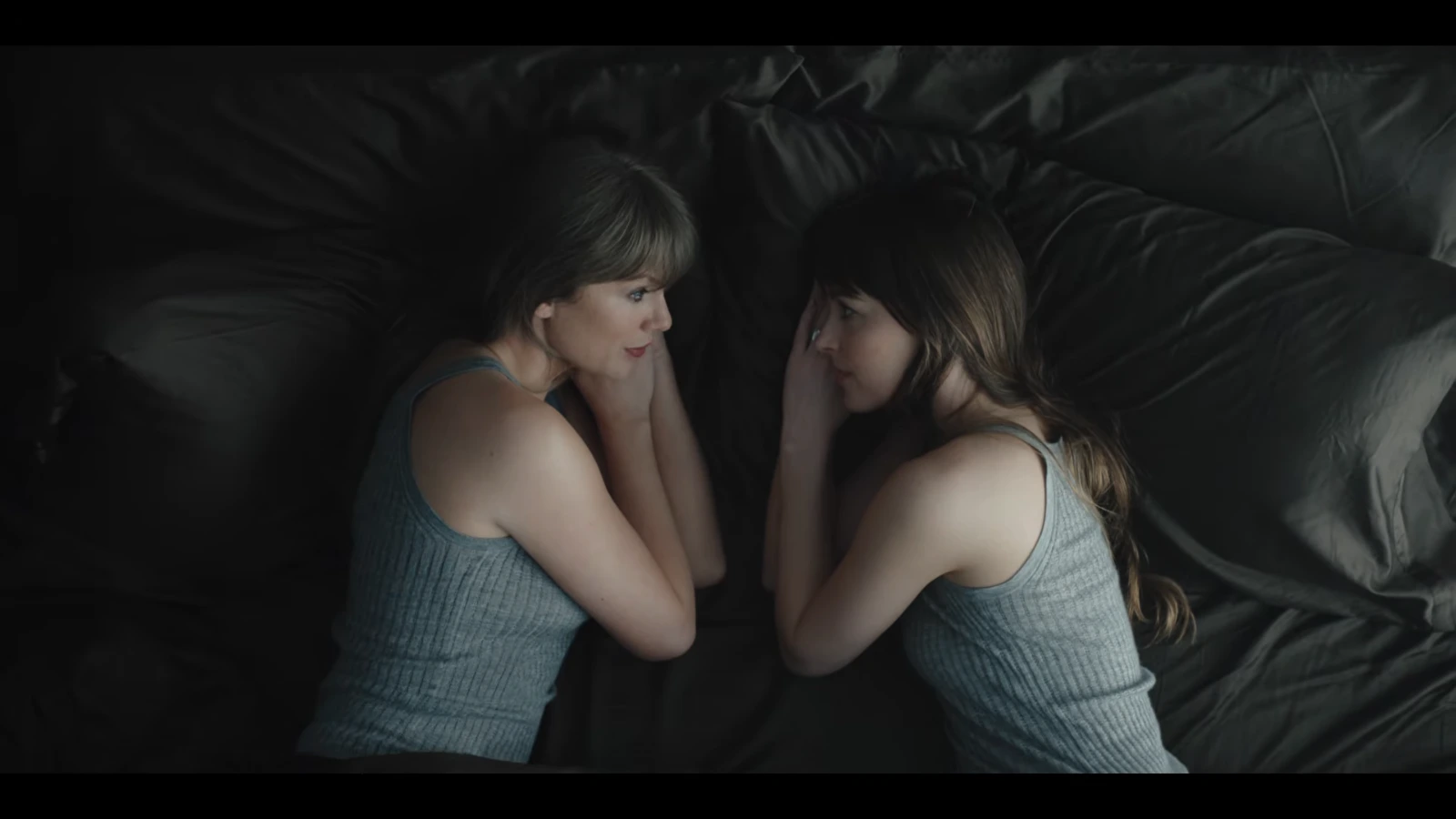
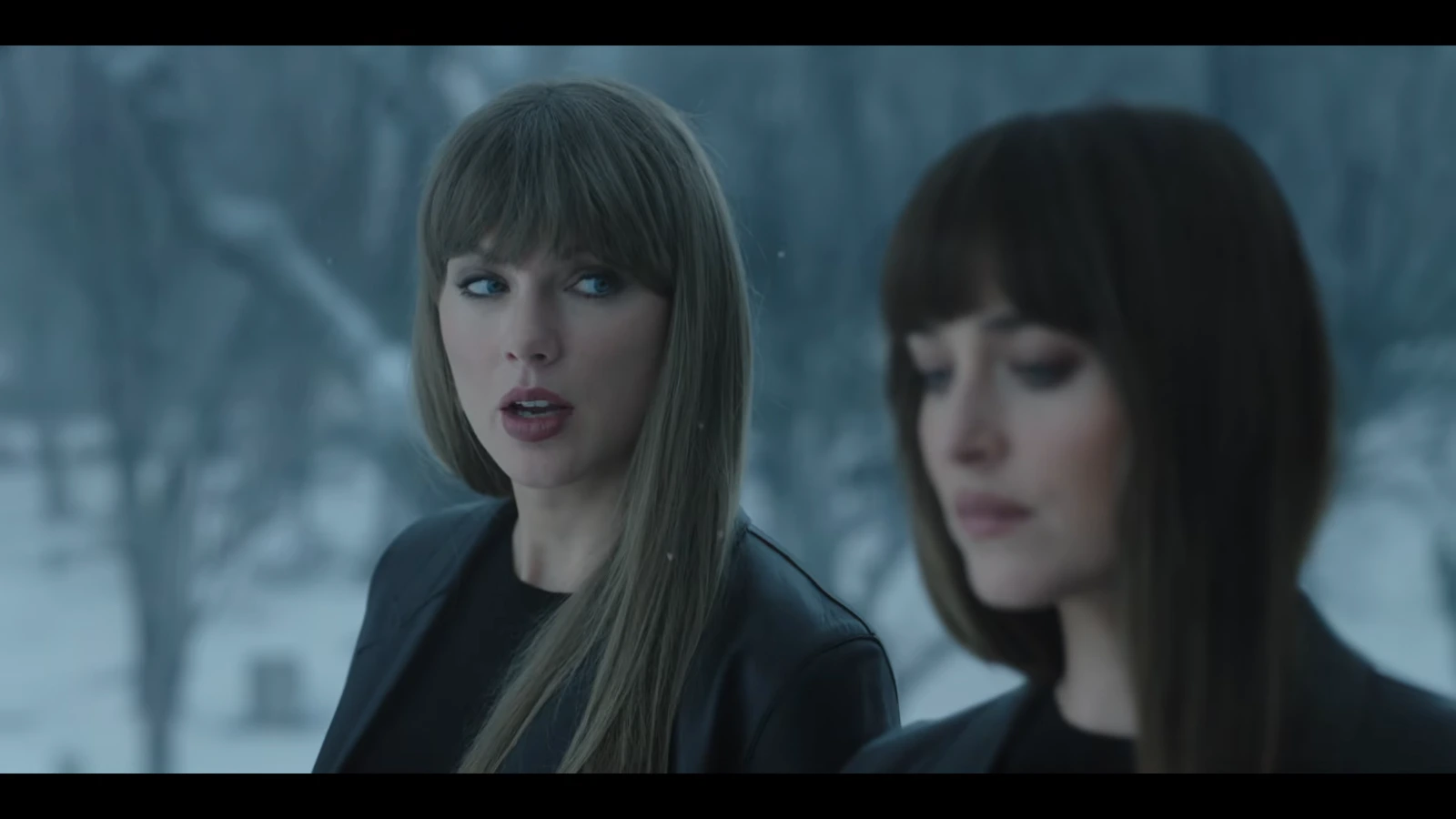
Most coverage has understandably focused on the plot: Dakota Johnson is trapped in a relationship with Colin Farrell’s character while Swift appears as the ghostly first wife who already knows exactly how this story ends.
But Swift has explained that the setting itself is doing narrative work. She said she wanted to pull from gothic ghost stories, true crime and psychological thrillers, and described the house as a metaphor for “the coldness of a relationship that’s faded and atrophied.” That makes Tobman’s production design part of the storytelling rather than expensive wallpaper.
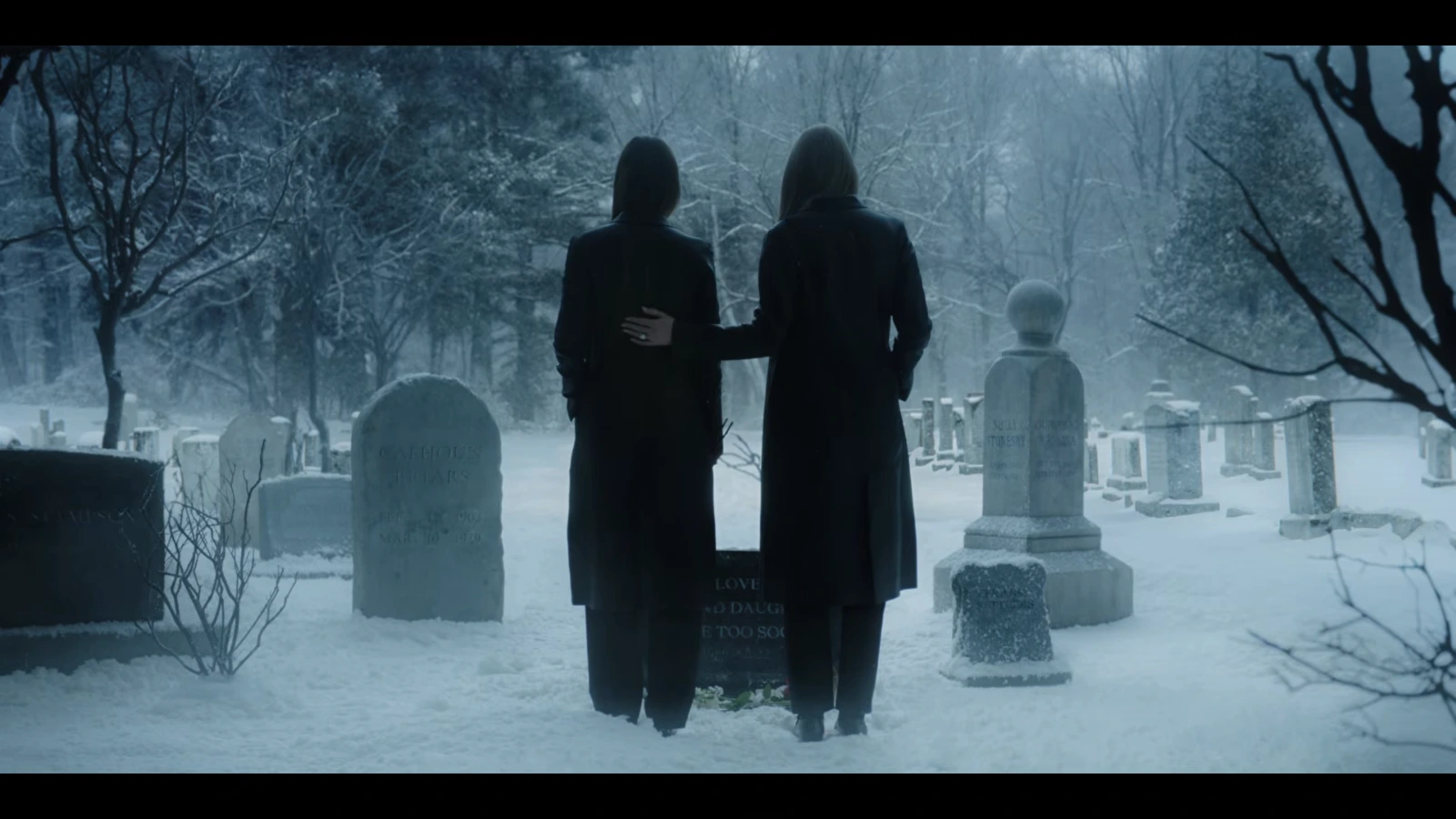
The deterioration is therefore not only happening between the characters. It is built into the world around them. A romantic home becomes something emotionally refrigerated, and Swift’s dead first wife becomes less a jump-scare ghost than evidence of what happened there before Dakota’s character arrived.
“Wife Number One” Changes the Whole Story
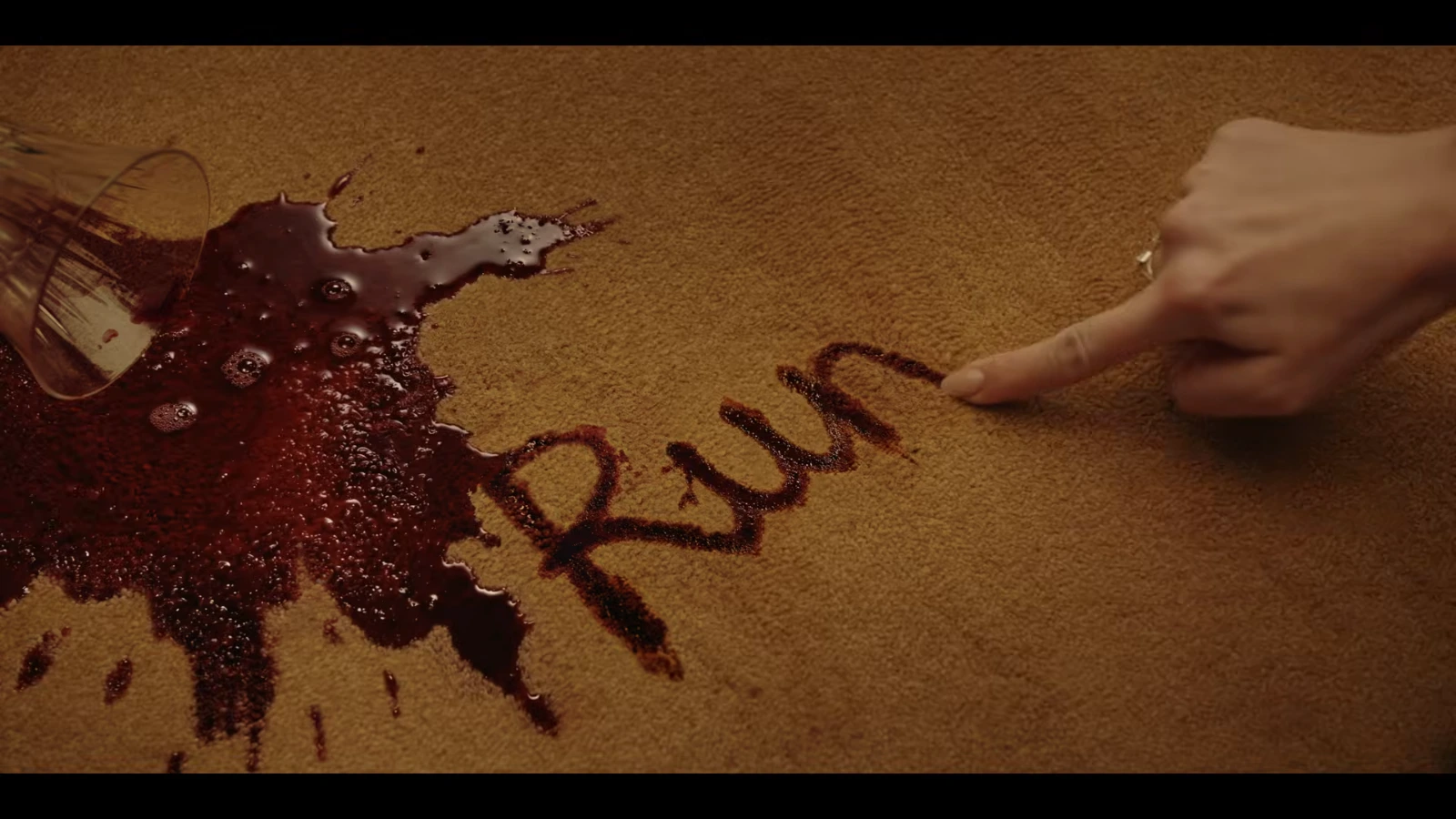
The video’s smartest move is the reveal that Swift is not simply an omniscient friend warning another woman away from a bad man. She is the previous woman. The “patient zero” metaphor suddenly becomes generational: one woman survives the emotional infection long enough to recognize the symptoms in the next.
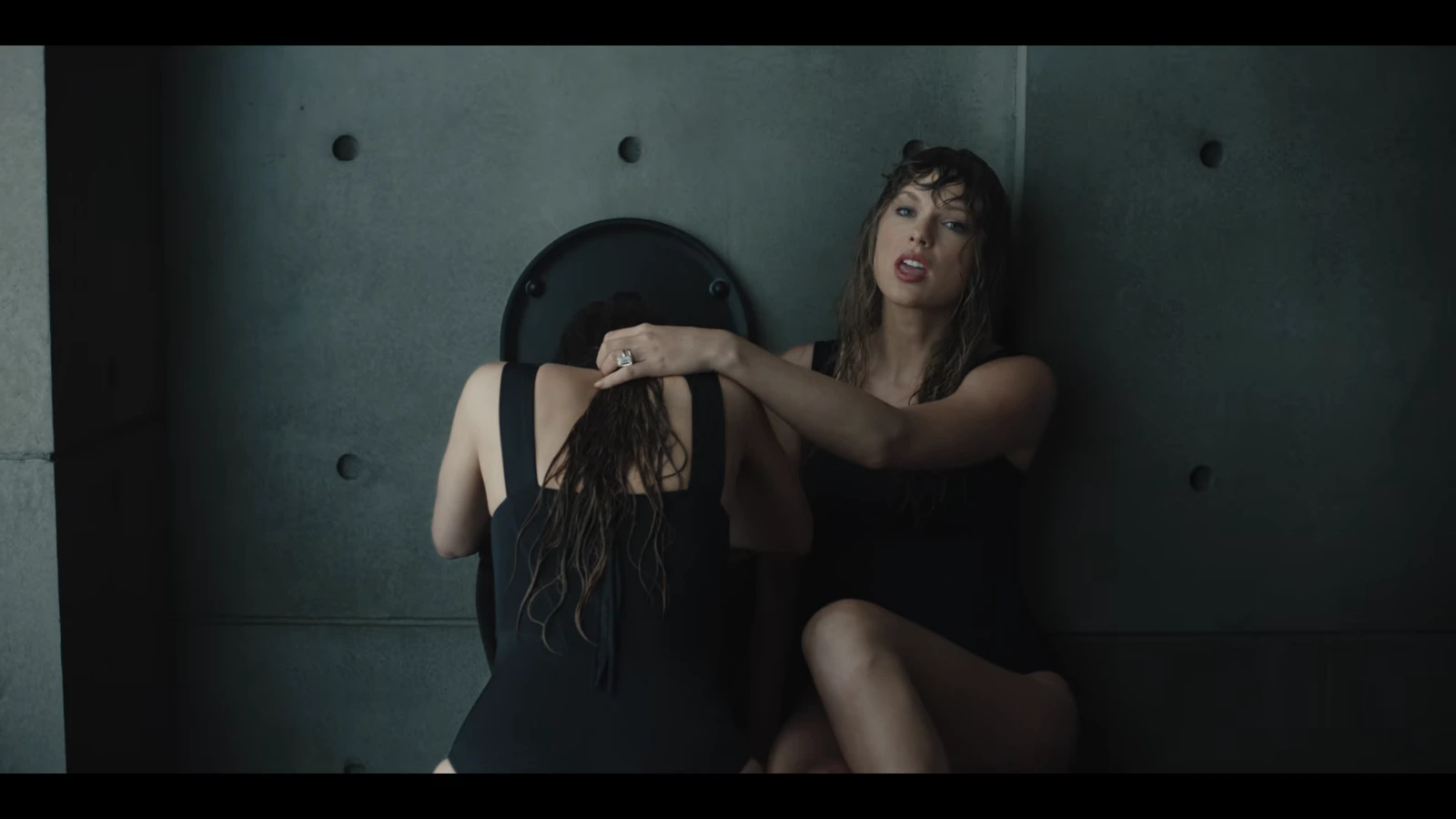
That shifts the track away from a standard revenge setup. Swift’s character is not competing with Dakota Johnson’s. She is trying to get her out. The two women are positioned less as rivals than as people connected by the same damage — an idea that is much darker than the usual “ex versus new girlfriend” framing.
The Celebrity Cameos Were Hidden in Plain Sight Before the Premiere
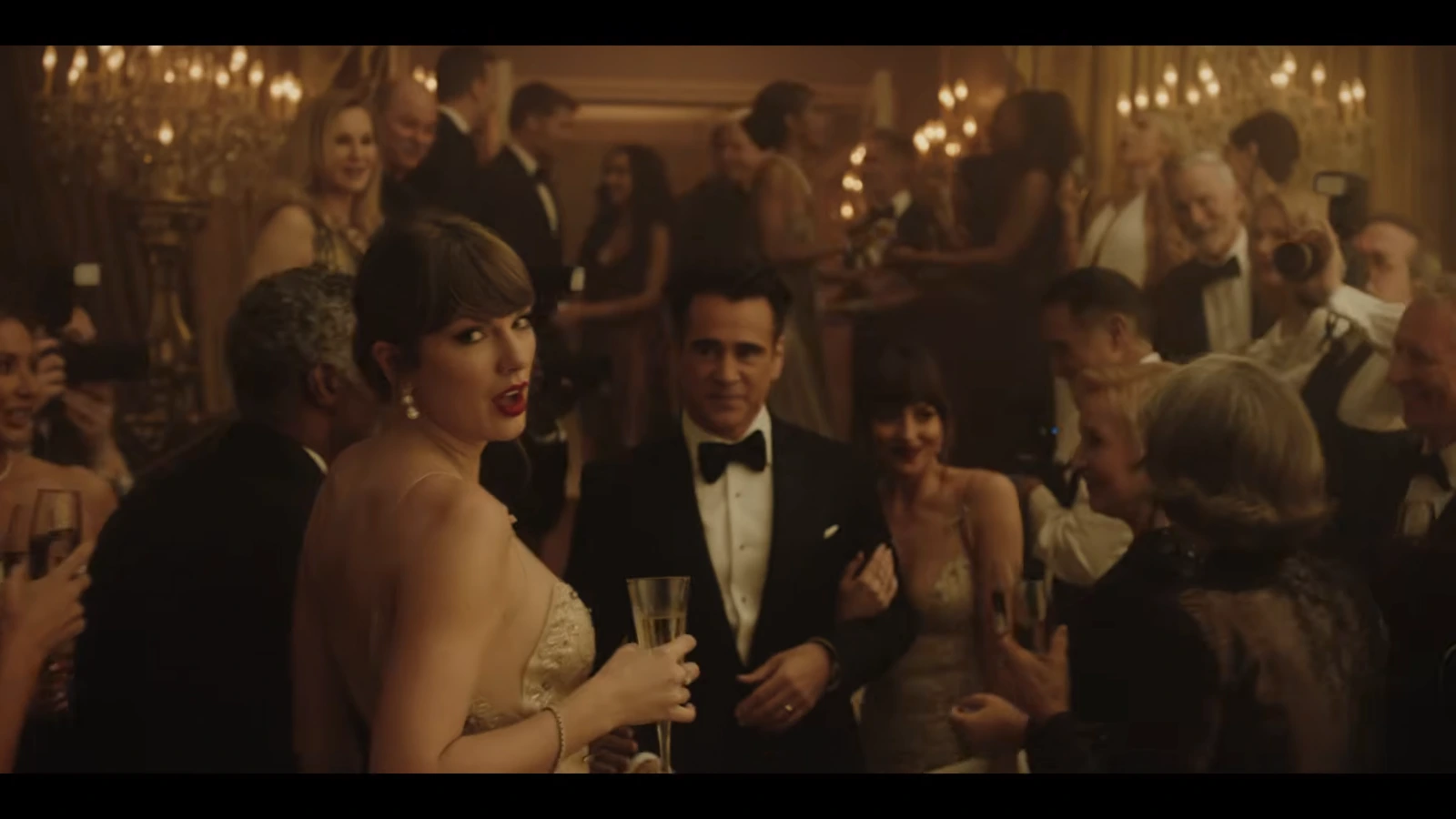
Yes, the cameos are fun. Cara Delevingne appears as another woman connected to Farrell’s character, while Los Angeles Rams quarterback Matthew Stafford and his wife Kelly turn up at the black-tie gathering. Former NHL player Jarret Stoll is also visible in the event sequence.
But Swift had already teased several of those names through the intentionally strange phrase “Saccharide, Aries, From the Vineyard, North or South” in an earlier television sketch. The decoding is gloriously Taylor: “Saccharide” points toward Farrell’s series Sugar; “Aries” toward Stafford; “from the vineyard” toward Delevingne; and “North or South” toward Dakota. The cast list was basically sitting there disguised as nonsense.
Matthew Stafford’s Cameo Was a Family Affair
Stafford has since talked about the shoot, and his version gives us a rare little glimpse of Swift as a working director rather than a pop star posing as one. He described watching her direct and produce the set while also making his wife and four daughters feel welcome.
That detail matters because it undercuts the idea that these cameos were simply dropped into the video for headlines. At least in Stafford’s case, there was an actual on-set experience behind the few seconds that fans eventually spotted in the finished cut.
The Crew Credits Tell Us Where Swift’s Directing Is Going
Swift has now directed enough of her own work that the more interesting question is no longer whether she is “really” a director. The credits are beginning to show what kind of director she wants to become.
She keeps returning to collaborators who understand her visual grammar, gives production design an unusually large narrative job, uses editing to make callbacks and doubles feel structural rather than decorative, and is increasingly comfortable hiring major film craftspeople who can bring a completely different discipline into her world.
“Patient Zero” is therefore less interesting as another Taylor Swift Easter-egg hunt than as evidence of a filmmaker assembling her own repertory company. The famous faces get the headlines. The recurring names in the end credits are where the bigger story is.
Watch Taylor Swift’s “Patient Zero” Official Music Video
Directed by Taylor Swift and photographed by Emmanuel Lubezki, the “Patient Zero” visual stars Swift, Dakota Johnson and Colin Farrell inside a gothic relationship thriller built around memory, repetition and one very haunted first wife.
Sources: Taylor Swift official credits; MTV/CBS; Taylor Swift official video and statements.