





















Present-Day Developments: Orange County Just Got a Historic Turtle First
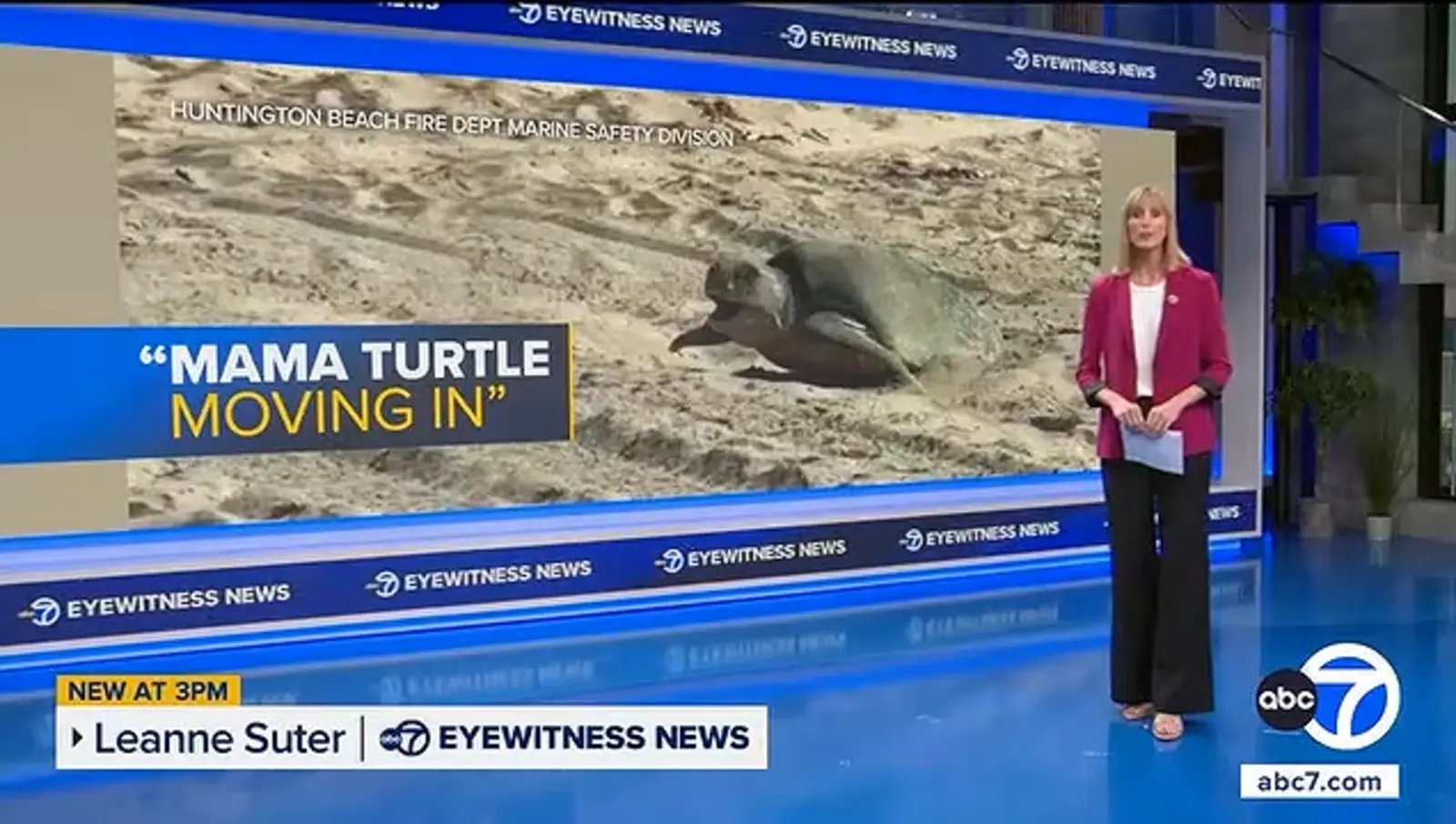
Dig out this “Present-Day Developments” starring a truly first-of-its-kind sight along the Southern California coast. A rare olive ridley sea turtle has laid eggs in Orange County, giving wildlife officials the first documented olive ridley nesting on the West Coast.
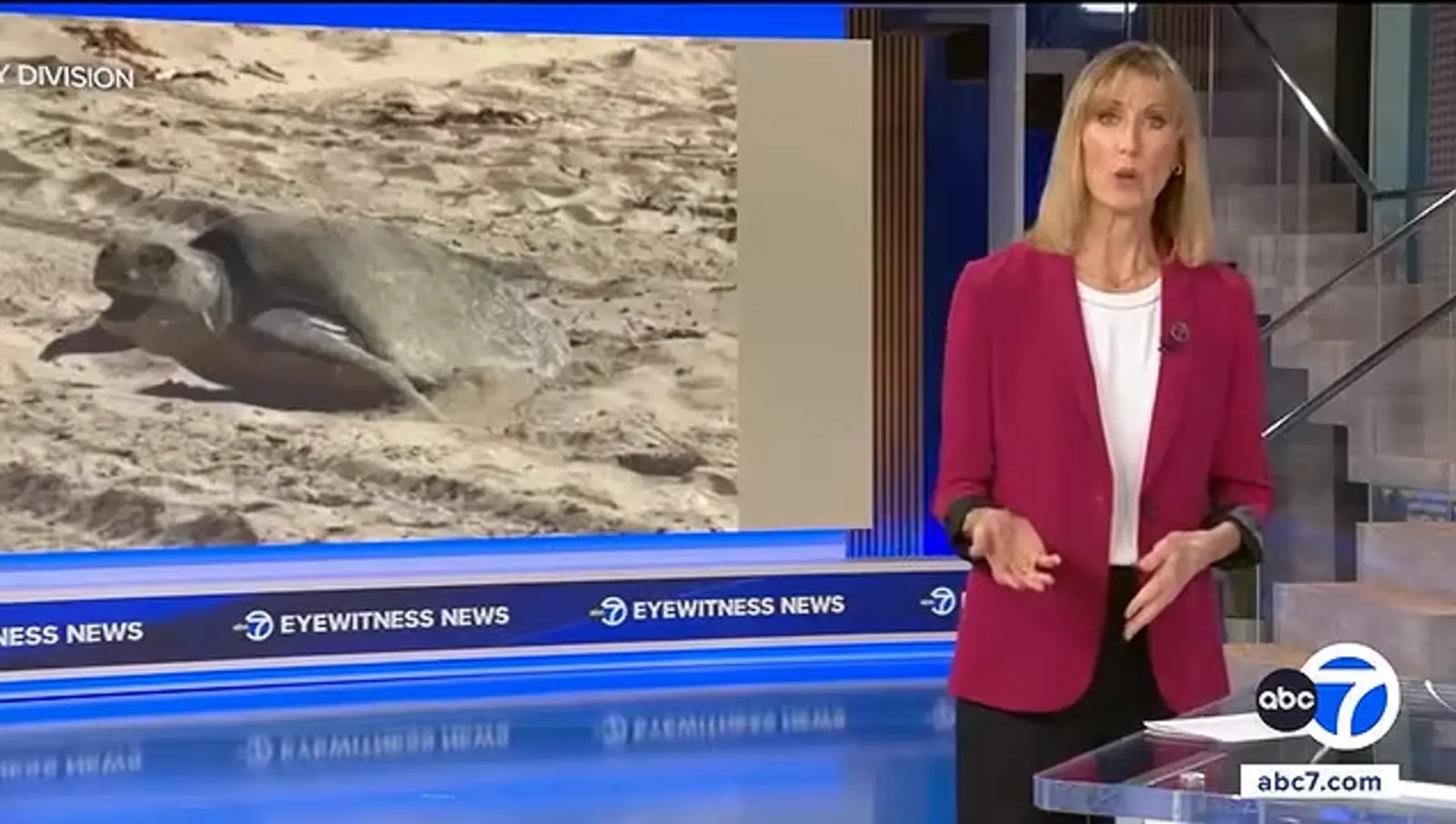
The first nest was discovered near Seal Beach on September 16 after the turtle was captured on camera digging into the sand, laying her eggs and covering the nest before heading back toward the Pacific. Three days later, another olive ridley was seen nesting several miles south near Huntington Beach. Officials have not confirmed whether it was the same female.
That alone makes the footage special. Olive ridleys are occasionally seen in Southern California waters, but nesting here is another story entirely. NOAA Fisheries’ Justin Viezbicke called it the agency’s “first ever documented case” of an olive ridley nest on the West Coast.
Discover More
A West Coast First for the Olive Ridley
Two protected nesting sites in Orange County are now being monitored after an olive ridley sea turtle made wildlife history along Southern California’s shoreline.
Some links may be affiliate links. INYIM may earn from qualifying purchases.
This Turtle Came Ashore in Broad Daylight
The nesting behavior was unusual in more ways than one. Viezbicke told ABC7 that olive ridleys typically nest at night, while this female came ashore during the day and again around sunset. That has researchers wondering whether there could be additional nests nearby that have not yet been found.
Both known sites have now been fenced off and marked with signs while NOAA Fisheries, California wildlife officials and local teams monitor them. The public is being asked to stay outside the protected areas and leave the nests undisturbed.
Now Comes the Long Wait for Tiny Turtle Heads
Officials estimate each nest may contain roughly 50 to 100 eggs. Olive ridley incubation usually takes around 45 to 60 days, so there will not be an immediate answer on whether Southern California is about to witness another first: hatchlings emerging from an Orange County beach and making that tiny, frantic run toward the ocean.
And there are no guarantees. Sand temperature, weather, erosion and disturbance can all affect a sea turtle nest, which is exactly why officials are keeping the sites protected rather than turning this into a beachside spectacle.
Olive Ridleys Usually Have Much Warmer Addresses
Olive ridleys are among the smallest sea turtles in the world, generally reaching about 2 to 2.5 feet long and up to 100 pounds. They are found mainly in tropical waters across the Pacific, Indian and Atlantic oceans, with major Pacific nesting populations in Mexico, Nicaragua, Costa Rica and Panama.
NOAA Fisheries lists the Pacific coast breeding population in Mexico as endangered under the Endangered Species Act, while other olive ridley populations are listed as threatened. The species faces threats including fishing-gear bycatch, loss of nesting habitat, marine debris, vessel strikes and changing environmental conditions.
Southern California is within the species’ broader Eastern Pacific range, so seeing an olive ridley offshore is not impossible. Seeing one crawl onto an Orange County beach and actually nest is what rewrote the record.
For now, the best thing beachgoers can do is admire this one from a respectful distance and let the professionals keep watch. Nature already did the historic part. Now everybody else needs to stay out of her way and give those eggs their best shot.
Olive Ridley Sea Turtle Lays Eggs in Orange County — ABC7 Los Angeles
ABC7 Los Angeles reports on the rare olive ridley nesting in Seal Beach and Huntington Beach, the first documented nesting of its kind on the West Coast.
Sources: NOAA Fisheries / ABC7 Los Angeles / CBS Los Angeles. Images: ABC7 Los Angeles video.