
















Zac Efron is building a home that breathes.
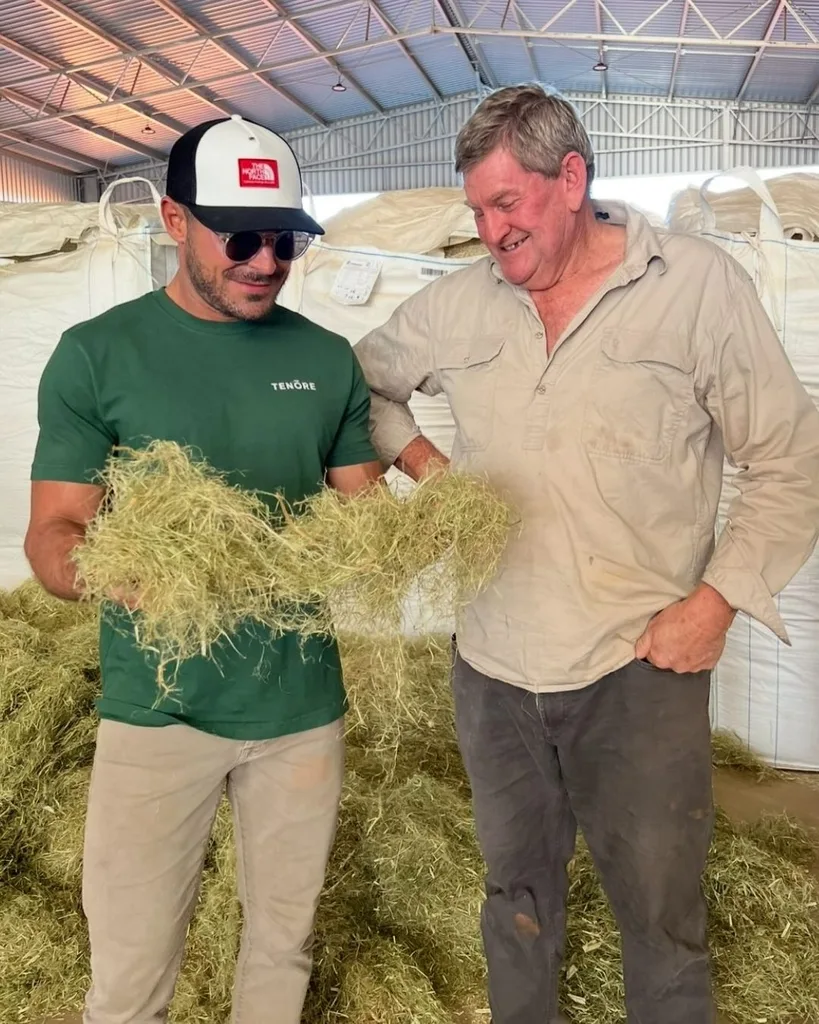
Actor Zac Efron has cave and plant life on the brain while building an Australian dream home he is calling the “Futurecave.”
This is not shaping up to be another enormous celebrity mansion filled with imported marble, decorative fountains and rooms nobody actually uses.
Efron is developing an off-grid, low-waste retreat on his 128-hectare property in the Tweed Valley of northern New South Wales, approximately one hour inland from Byron Bay.
The project places hemp, living soil, recycled oyster shells and habitat restoration at the center of the design.
In other words: fewer cold mansion vibes and more luxurious rainforest science experiment.
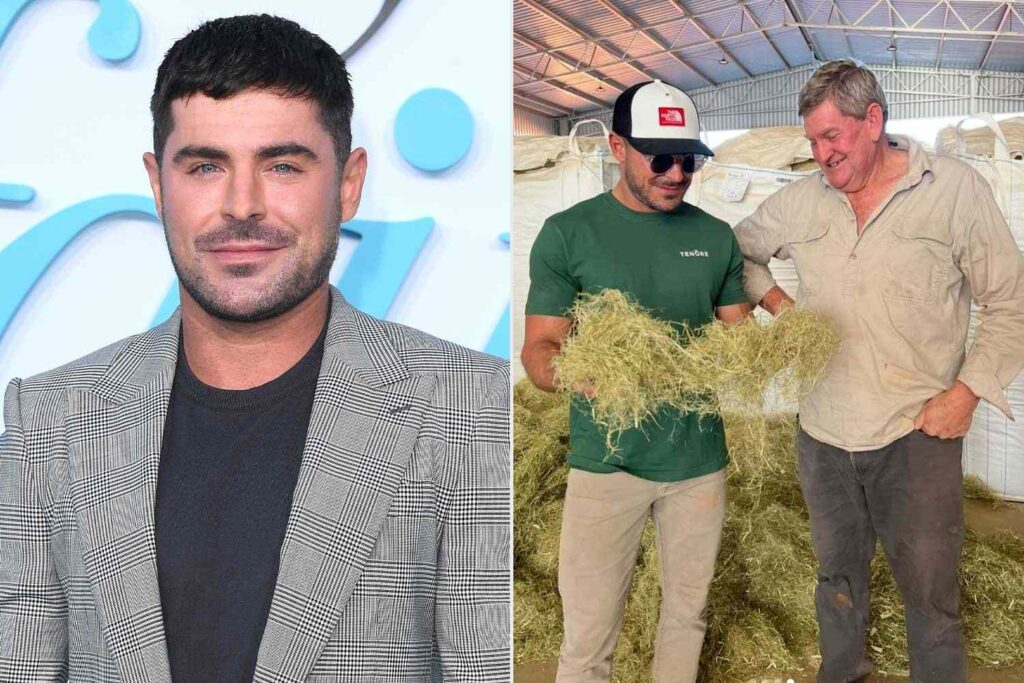
Efron purchased the sprawling rainforest property in 2020. The land includes creeks, waterfalls, established trees and enough secluded wilderness to create a private retreat far removed from the usual Hollywood machinery.
The actor later connected with Dutch-Australian environmental designer Joost Bakker while filming the Netflix travel series Down to Earth.
Efron had become interested in Bakker’s Future Food System, a Melbourne building designed to produce food, reduce waste and demonstrate how residential architecture can work as part of a circular system.
That meeting eventually developed into a brief for Efron’s first personally designed home: push the environmental ideas as far as possible and create a place where he can rest, recharge and remain close to nature between movie productions.
Bakker is developing the concept alongside architect Frank Burridge, with the home planned as a series of separate structures placed carefully across the steep rainforest property.
Six private pods connected through the rainforest.
Rather than concentrating everything inside one enormous rectangular building, Futurecave will contain six individual bedroom pods.
Each bedroom is planned with its own bathroom and rooftop garden. Outdoor walkways will connect the pods to shared living spaces, allowing residents to move through open air rather than remaining sealed inside one oversized structure.
The complete home is expected to cover roughly 830 square meters—close to 9,000 square feet—and will include a gym and substantial communal areas.
However, its size is not the project’s most interesting feature.
The rooftops are being designed as functioning pieces of the surrounding ecosystem.
Plans call for approximately 100 tonnes of living soil to cover the roofs, creating space for native vegetation, insects and other small forms of life displaced by conventional development.
Bakker has spoken about using the planted areas to support threatened butterflies, fireflies and pollinators—not simply to make the building look green from above.
Futurecave is therefore intended to sit within the rainforest instead of appearing to have been dropped on top of it.
Hemp will appear almost everywhere.
Efron reportedly asked the design team to use as much hemp as realistically possible.
The plant is being considered for the home’s internal walls, insulation, joinery, rugs, curtains, mattresses, pillows and other furnishings.
Much of the hemp will come from farms in southern New South Wales, connecting the experimental build to Australian growers rather than relying entirely on imported materials.
Hemp construction commonly uses the woody interior of the plant mixed with a mineral binder to form lightweight blocks or wall material.
When properly produced, the result can absorb and release moisture, regulate indoor humidity and provide insulation without trapping the damp conditions that encourage mould.
It is also naturally resistant to fire and can lock captured carbon inside a building for the life of the structure.
Futurecave is taking that material experiment one step further.
The team has been testing blocks that pair hemp with recycled oyster shells, using a waste product from the seafood industry as part of the mineral binder.
The goal is to create a breathable, lightweight building block that reduces dependence on conventional concrete while finding a productive use for shells that would otherwise become waste.
Approximately 2,200 hemp blocks may be required for the completed residence.
A home designed to operate off the grid.
Futurecave is also being planned as a largely self-sufficient, zero-waste home.
The design prioritizes natural ventilation, breathable materials, planted roofs and construction methods that limit damage to the existing slope and vegetation.
The bedroom pods will be elevated rather than pressed heavily into the ground, while windows and adjustable louvres will encourage air to move naturally through the structures.
That airflow is particularly important in the warm, high-rainfall climate of northern New South Wales, where moisture control can determine whether a building remains healthy or becomes a mouldy mess.
Efron’s brief is not simply to create an isolated celebrity bunker.
The larger ambition is to demonstrate that a luxurious house can still use agricultural materials, reduce construction waste and contribute something useful to the land surrounding it.
The exact final cost has not been publicly settled. Efron purchased the property for approximately A$2 million, while planning reports have described the home itself as another multimillion-dollar undertaking.
Whatever the final figure, Futurecave may become more valuable as a highly visible construction experiment than as another private celebrity address.
If the hemp-and-oyster-shell blocks perform as intended, the methods tested for one actor’s rainforest retreat could eventually help make healthier building materials feel less unusual and more commercially practical.
Dig out Zac Efron’s eco-conscious design, plant-covered rooftops and Futurecave lifestyle right below.
Watch Zac Efron’s Futurecave plans take shape.
The Australian rainforest retreat will connect six living pods through outdoor walkways while using hemp, recycled oyster shells and planted roofs to reduce its environmental footprint.