




















LA Built a City Around Oil—Then Learned to Hide It
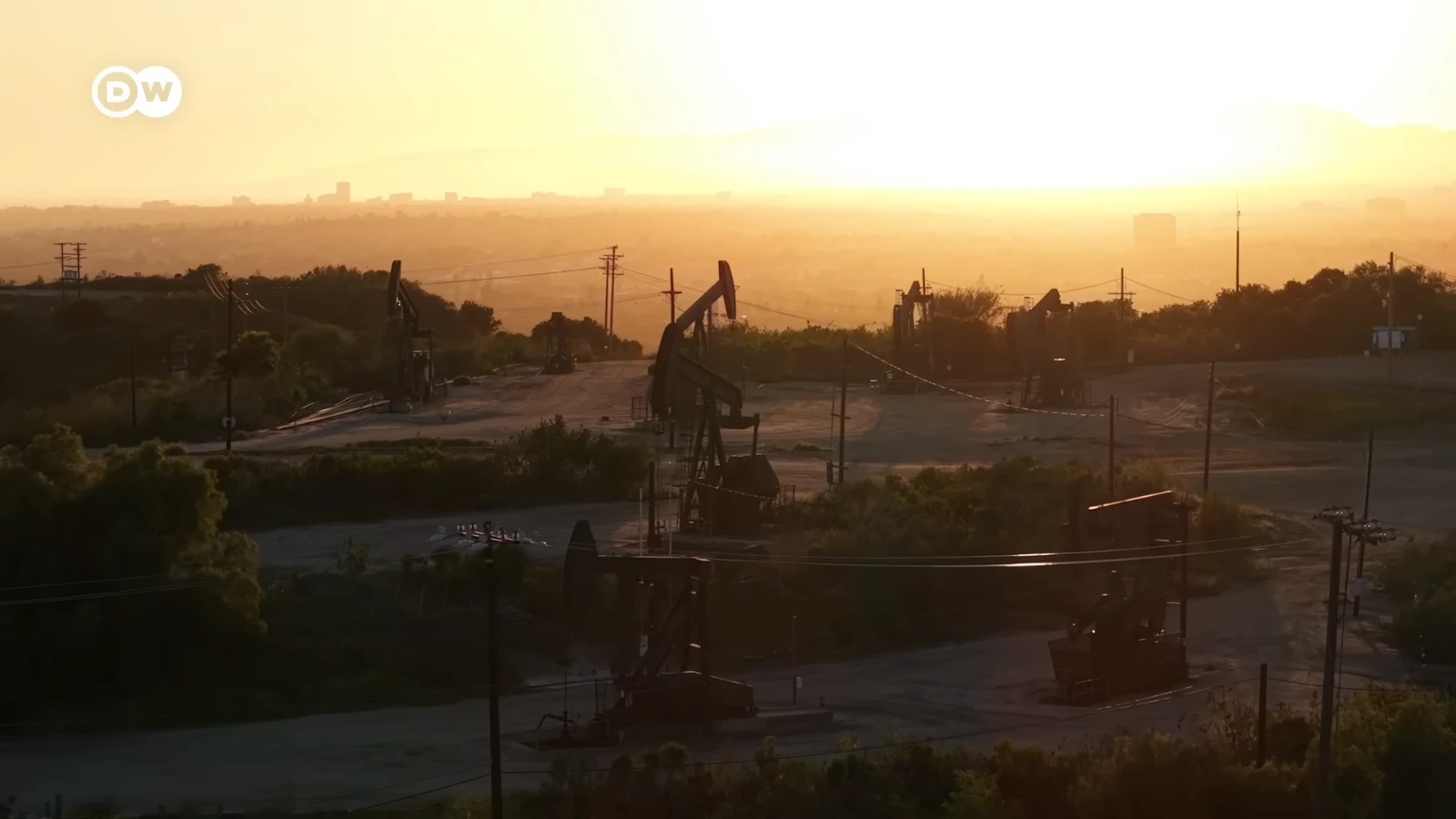
So gals and gents, growing up in our neck of Los Angeles, seeing an oil well was not exactly a record-scratch moment. You could ride a bike or rollerblade past one near a neighborhood, spot another beside a park, or catch the machinery in the background while somebody’s relatives were trying to enjoy a kids’ baseball game. An oil well here. An oil well there. Oil really everywhere.
What native Angelenos learned to treat as background scenery becomes much harder to ignore in DW Planet A’s report on the thousands of wells threaded through the city. Some sit openly beside homes and public spaces. Others disappear inside artificial islands, behind palm trees or within fake buildings that look more like hotels and office blocks than industrial drilling sites.
Discover More
Look Past the Palm Trees
Explore more environmental reporting from DW Planet A, then dig into the city’s layered history and keep an eye on the air closer to home.
Some links may be affiliate links. INYIM may earn from qualifying purchases.
The hiding is not subtle once somebody points it out. The report visits one disguised building containing numerous wells and notes that another building on the same street holds more than 50. Along the coast, oil infrastructure rises from artificial islands that tourists can mistake for hotels. Around the Wilmington Oil Field, extraction continues behind architecture designed to blend into the postcard version of Los Angeles.
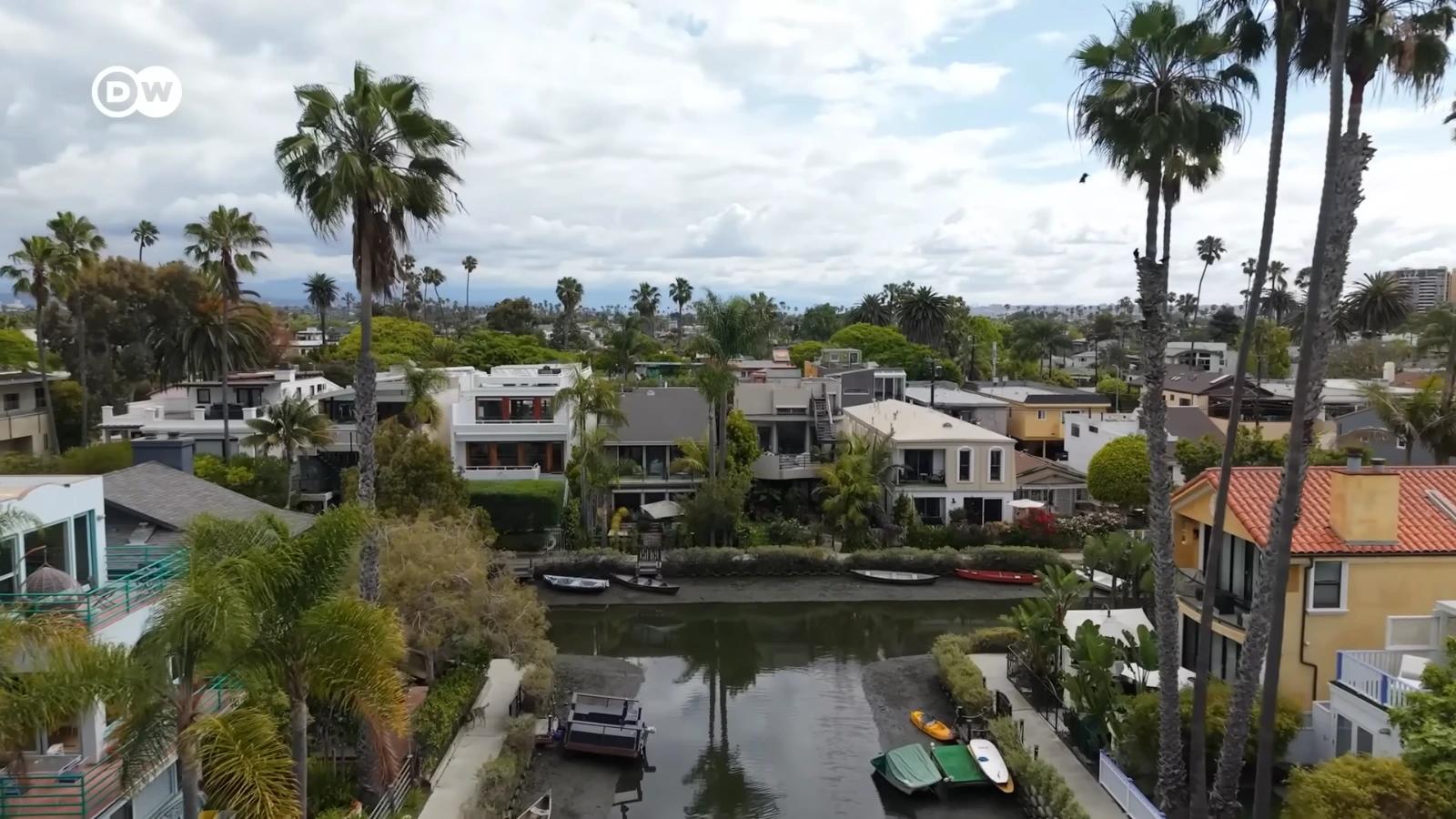
That strange collision between leisure and extraction is pure LA. The city sells sunshine, beaches and fantasy while industrial machinery works behind the scenery. The wells were here before many of today’s homes, schools, parks and apartment buildings; the city did not simply place oil operations into neighborhoods. In many places, the neighborhoods grew directly around them.
Los Angeles Was Once an Oil-Boom City
The history reaches back to the landscape around the Venice Canals, which sit beside a former oil field. Archival images featured in the report show the area crowded with derricks during the 1920s and 1930s. Oil helped pull people and investment toward Southern California, and by the 1920s, California was producing roughly one-quarter of the world’s oil.
Residents eventually pushed to remove the visible derricks, but eliminating the towers did not eliminate the wells beneath them. Some were plugged with cement. Some older ones were filled with whatever material was available. One well beneath a playground had records stretching back to 1930 and had been plugged multiple times—proof that “closed” and “gone forever” are not always the same thing underground.
The report separates the landscape into active, idle and plugged wells. Active wells are still producing. In California, a well that has not produced for two years is considered idle, but it remains open and can potentially be reactivated. Properly plugged wells can be made safe; poorly plugged wells may continue leaking into the air, soil or water without announcing themselves above ground.
And there are plenty still waiting. Citing a 2023 Carbon Tracker report, the documentary says California’s onshore production had fallen 42 percent since 2014, while 39 percent of the state’s unplugged wells were idle. Declining production does not erase the hardware or the cleanup obligation. It can simply leave more aging wells sitting in limbo.
The Health Burden Is Not Shared Equally
The most serious part of the report belongs to the residents who have spent years living beside the extraction sites. Open wells can release chemicals including benzene and hydrogen sulfide, while both active and idle wells can leak methane. The film cites studies associating proximity to oil wells with reduced lung function and other health risks, and says roughly three million Los Angeles residents live within a mile of an active well.
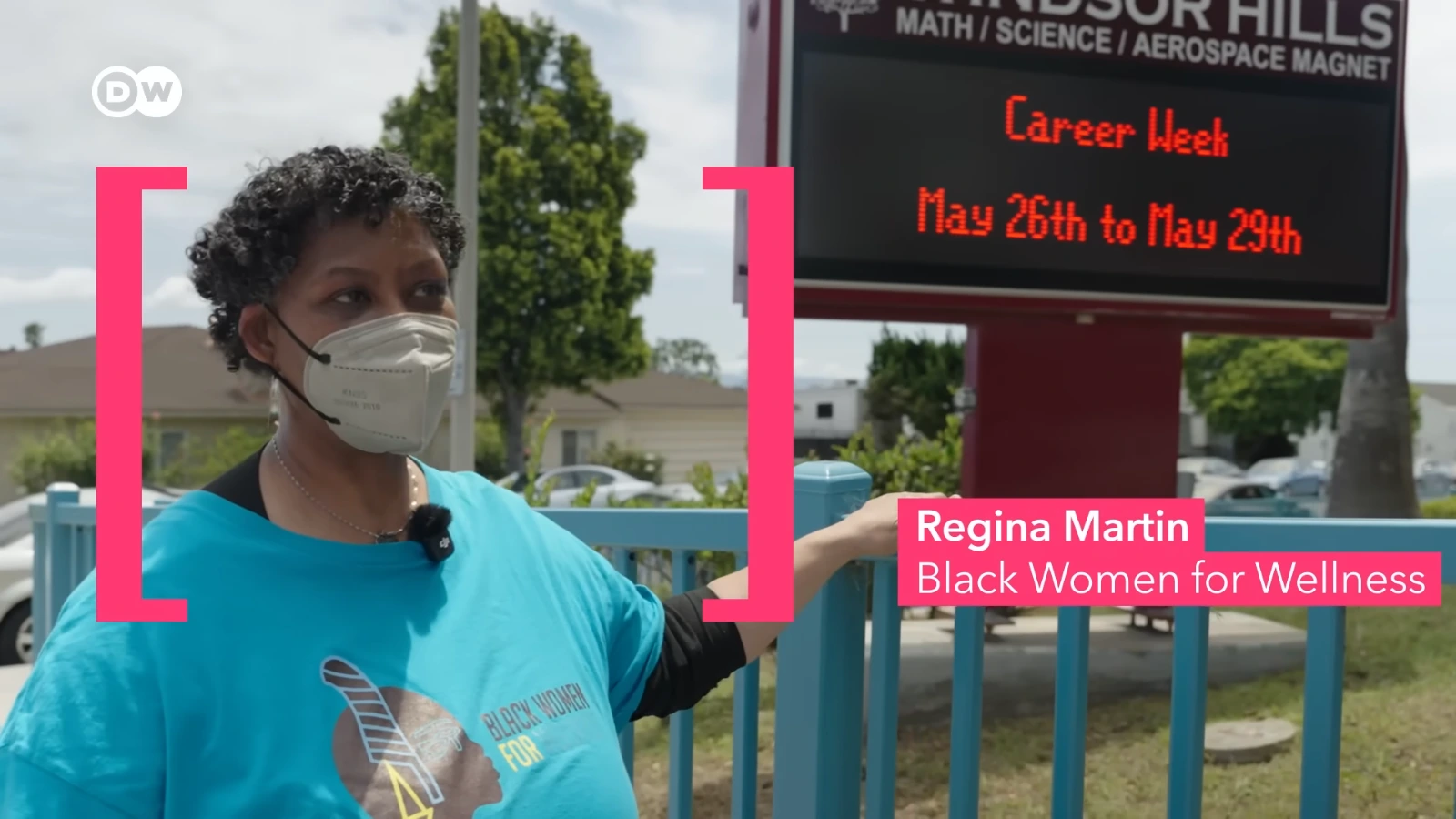
Residents describe nosebleeds, headaches, coughing, red eyes and days when the air was so visibly gray that children stayed inside during recess. Near the Inglewood Oil Field—identified in the report as the largest urban oil field in the United States—the machinery sits beside parks and predominantly Black communities. Other wells operate close to schools and preschools in neighborhoods that have had to fight for protections wealthier parts of West Los Angeles received much faster.
That unequal response is not a footnote. Advocates in the film describe it plainly as environmental racism: Black and brown residents demanding clean air, water and soil are not always heard with the same urgency as affluent white communities making the same request.
Closing a Well Can Cost Millions—and Finding It Is Step One
After years of legal and political battles, Los Angeles has been trying to move toward phasing out drilling, but the route has not been clean. The City Council approved a phaseout in 2022 and it took effect in 2023. Oil companies challenged the measure, and it was overturned the following year over the city’s authority. The report says a later statewide law gave local governments more power, sending LA back into the process of banning drilling again.
Idle wells are legally supposed to be plugged by their operators, yet the documentary reports that about 80 percent of LA’s idle wells had remained open for more than eight years and roughly one-third had been open for more than a century. As of 2025, more than 1,000 California operators had reportedly failed to submit cleanup plans or pay the required fine.
Then there are the orphaned wells: sites left without a viable company responsible for them. State workers describe thousands around Los Angeles County, sometimes beneath garages, inside backyards, behind walls or under buildings where access can be nearly impossible. CalGEM prioritizes wells by danger and accessibility, but the physical job is elaborate—clearing obstructions, installing a wellhead and safety equipment, inserting pipe, and layering cement down the shaft before sealing the surface.
The price can run from a few hundred thousand dollars to several million for a single well. Plugging every well across Los Angeles could climb into the hundreds of millions. The report also points to a wider California cleanup gap nearing $7 billion, meaning the people who lived with the pollution may ultimately help pay to clean up an industry’s leftovers.
Inside LA’s Hidden Oil-Well Landscape
The report moves from disguised urban drilling sites and historic well maps to neighborhood infrastructure, cleanup work and the residents living beside it.
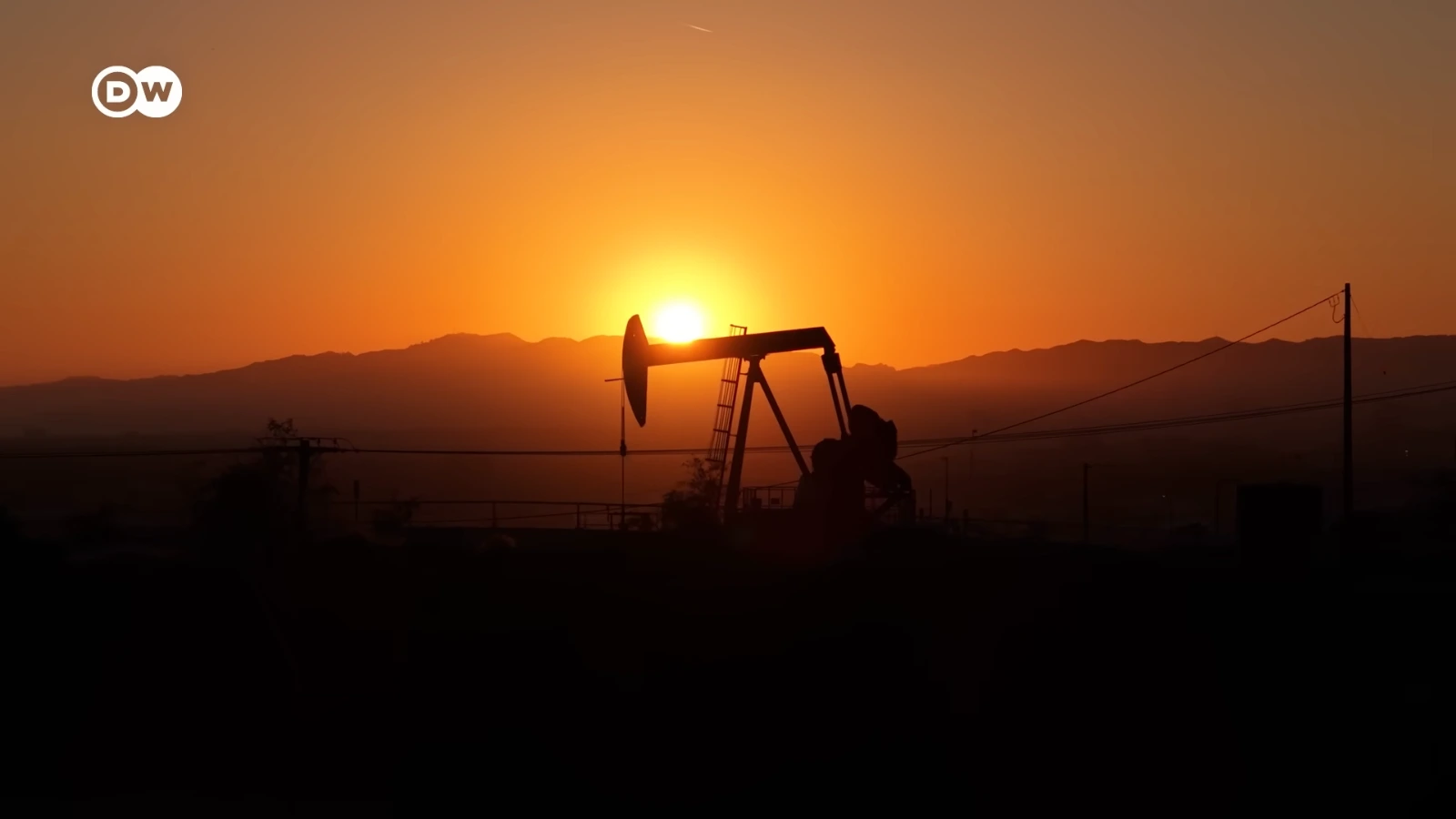
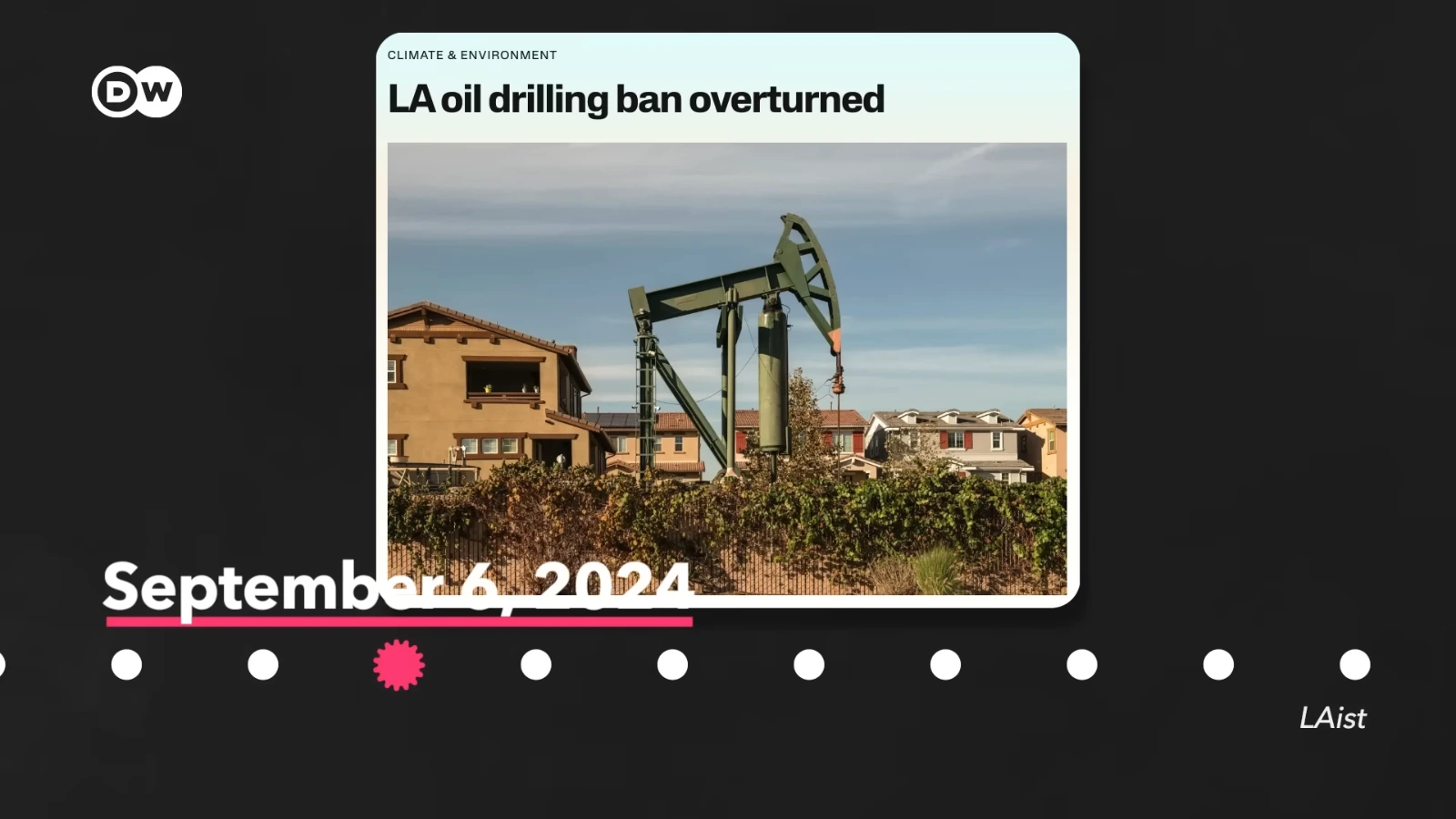
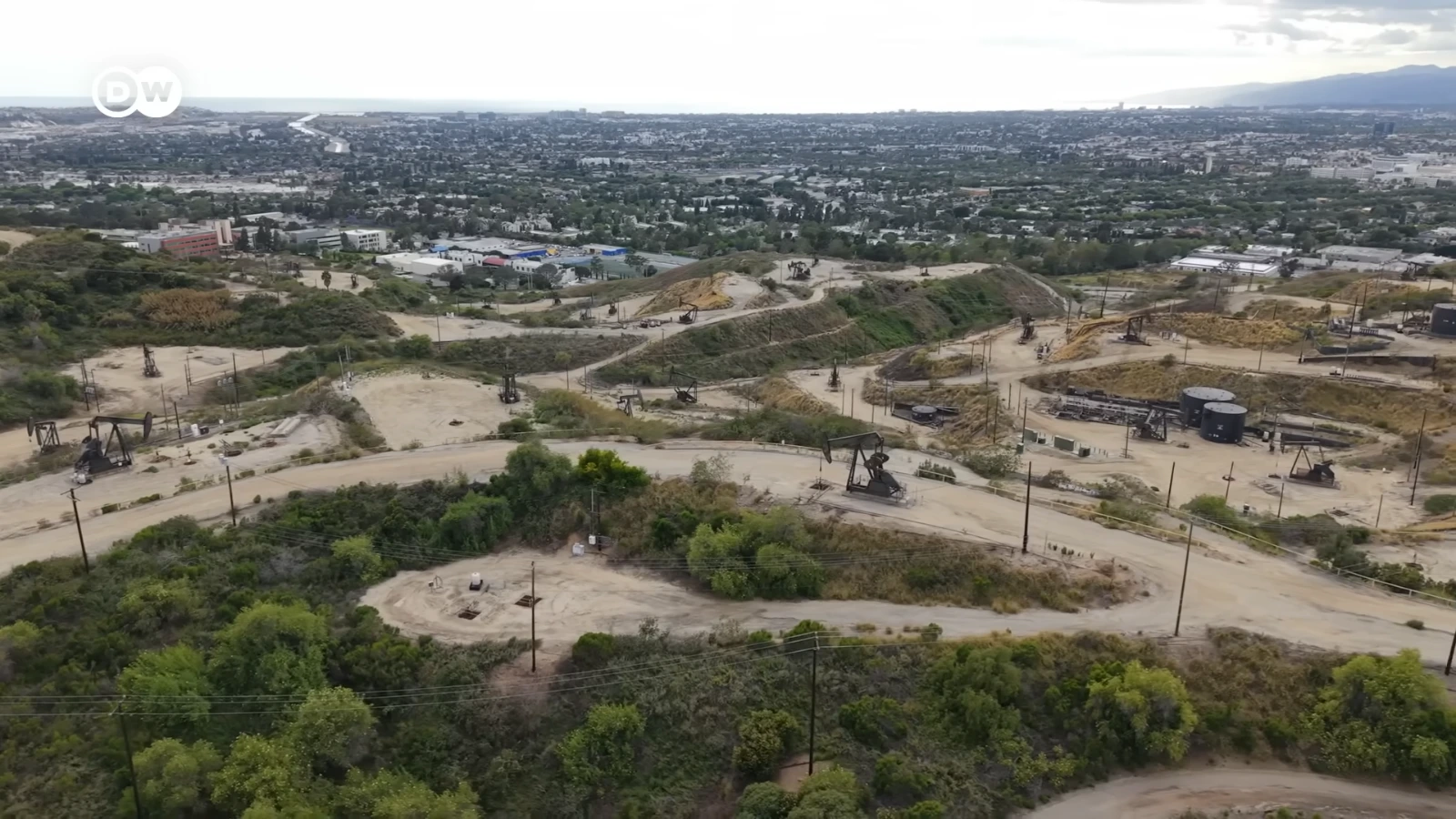
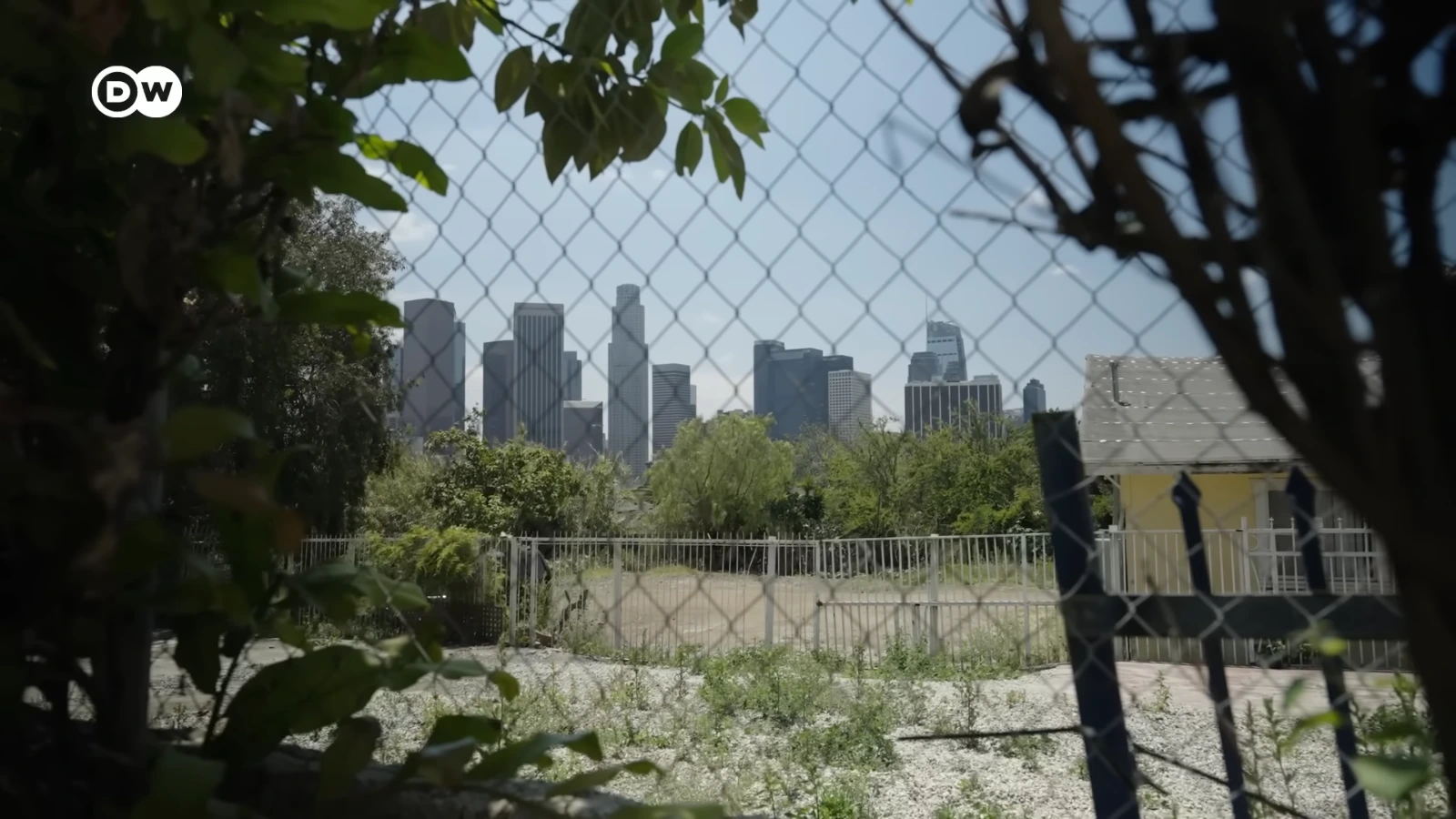
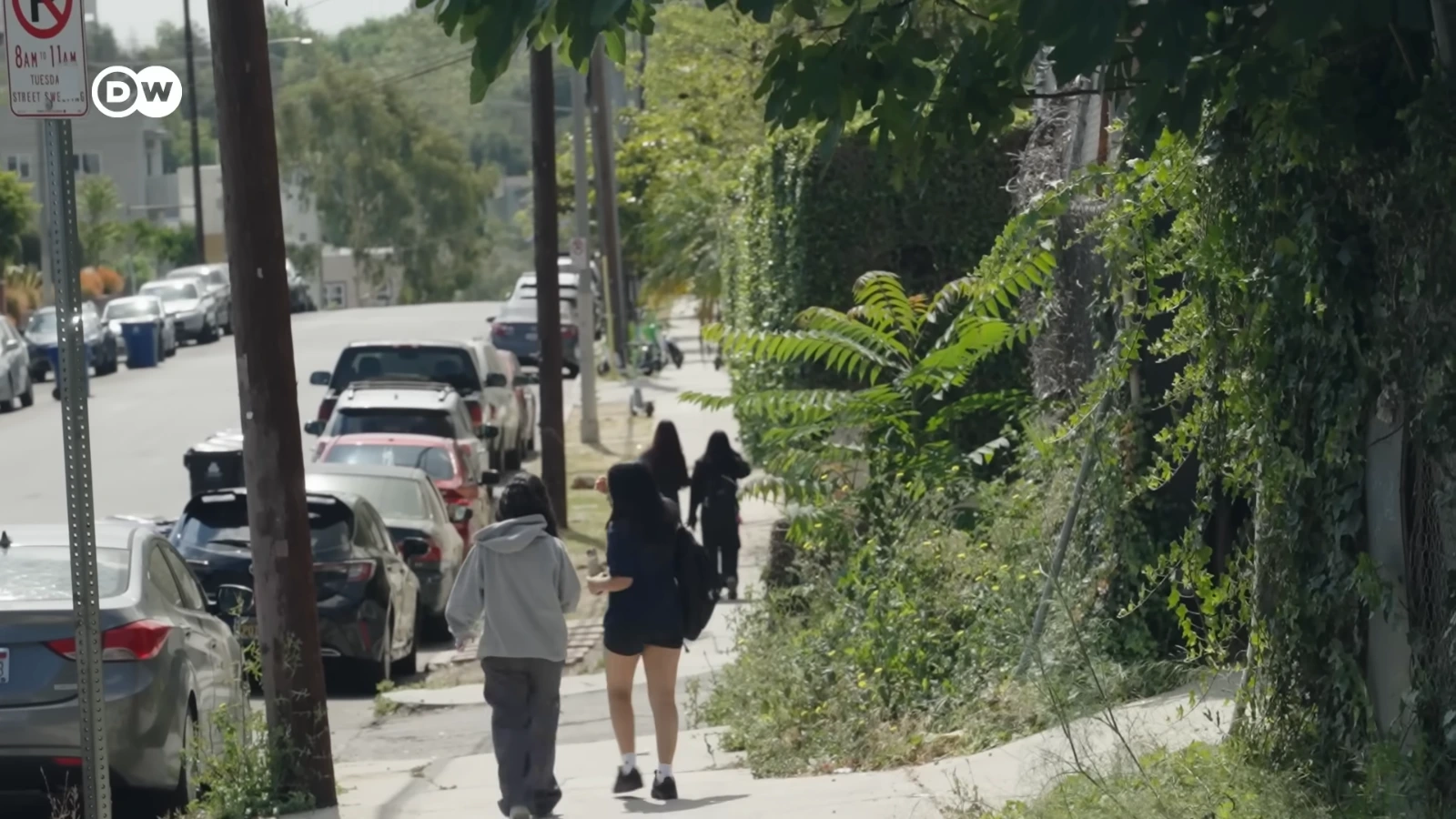
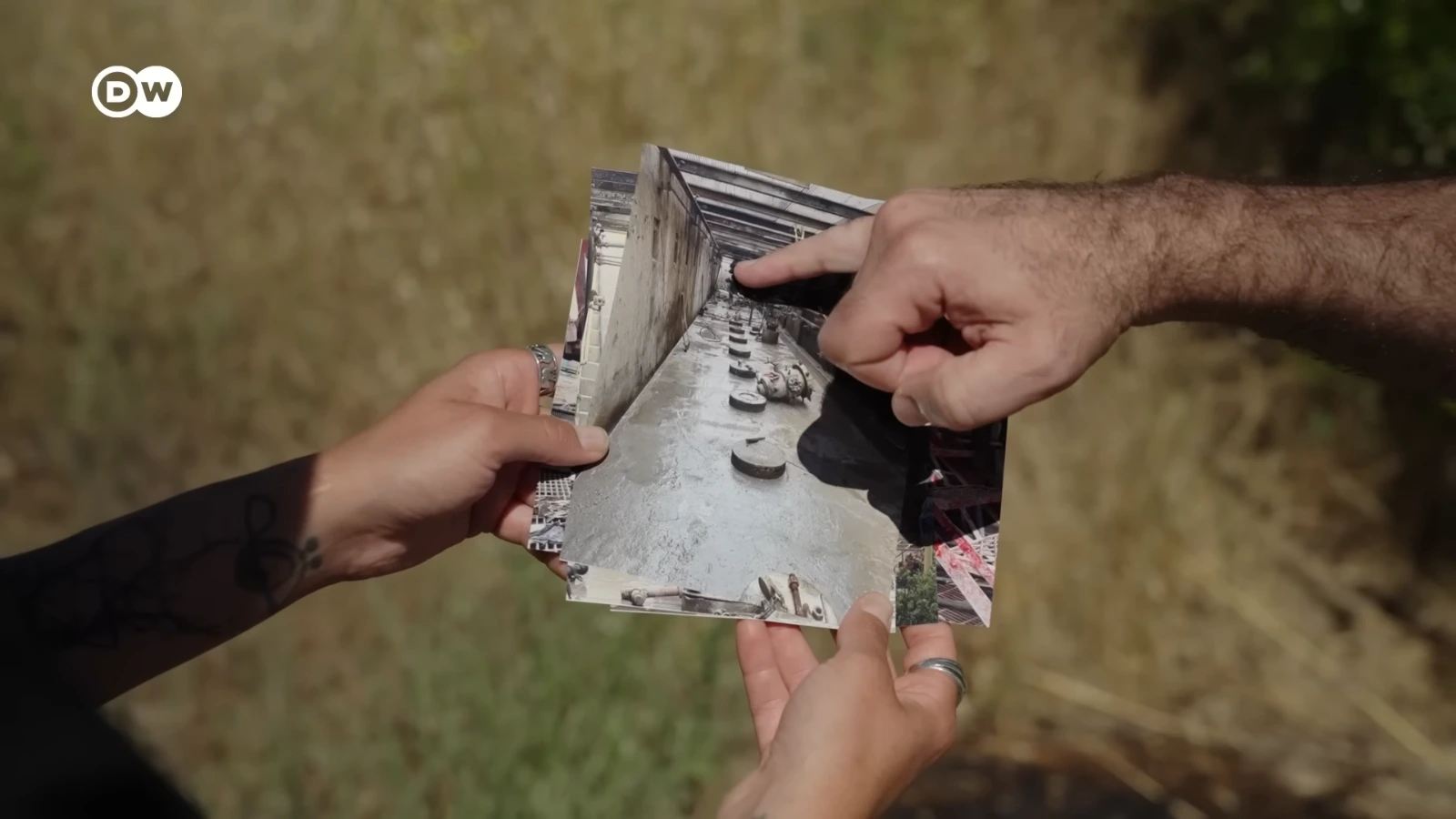
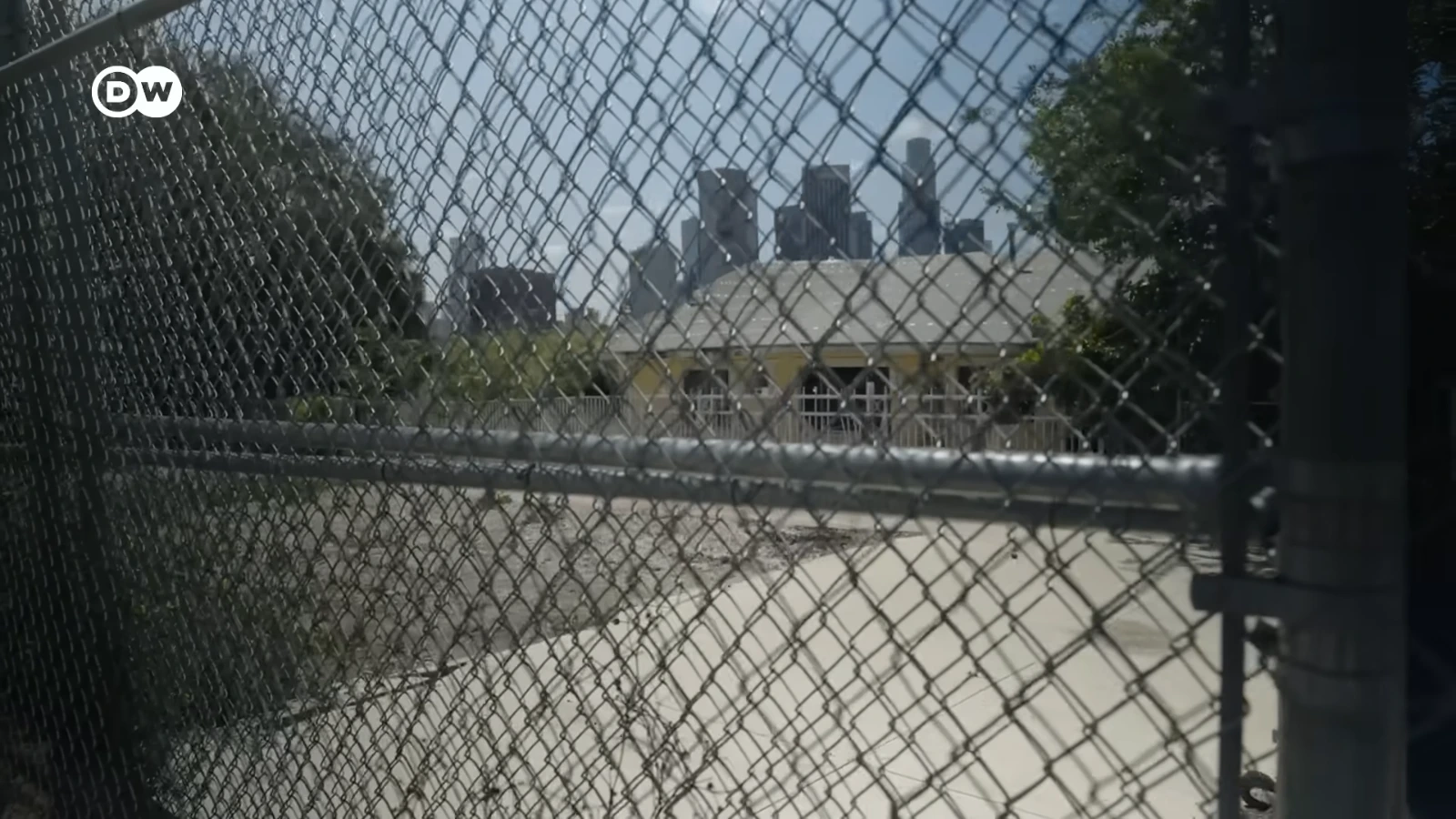
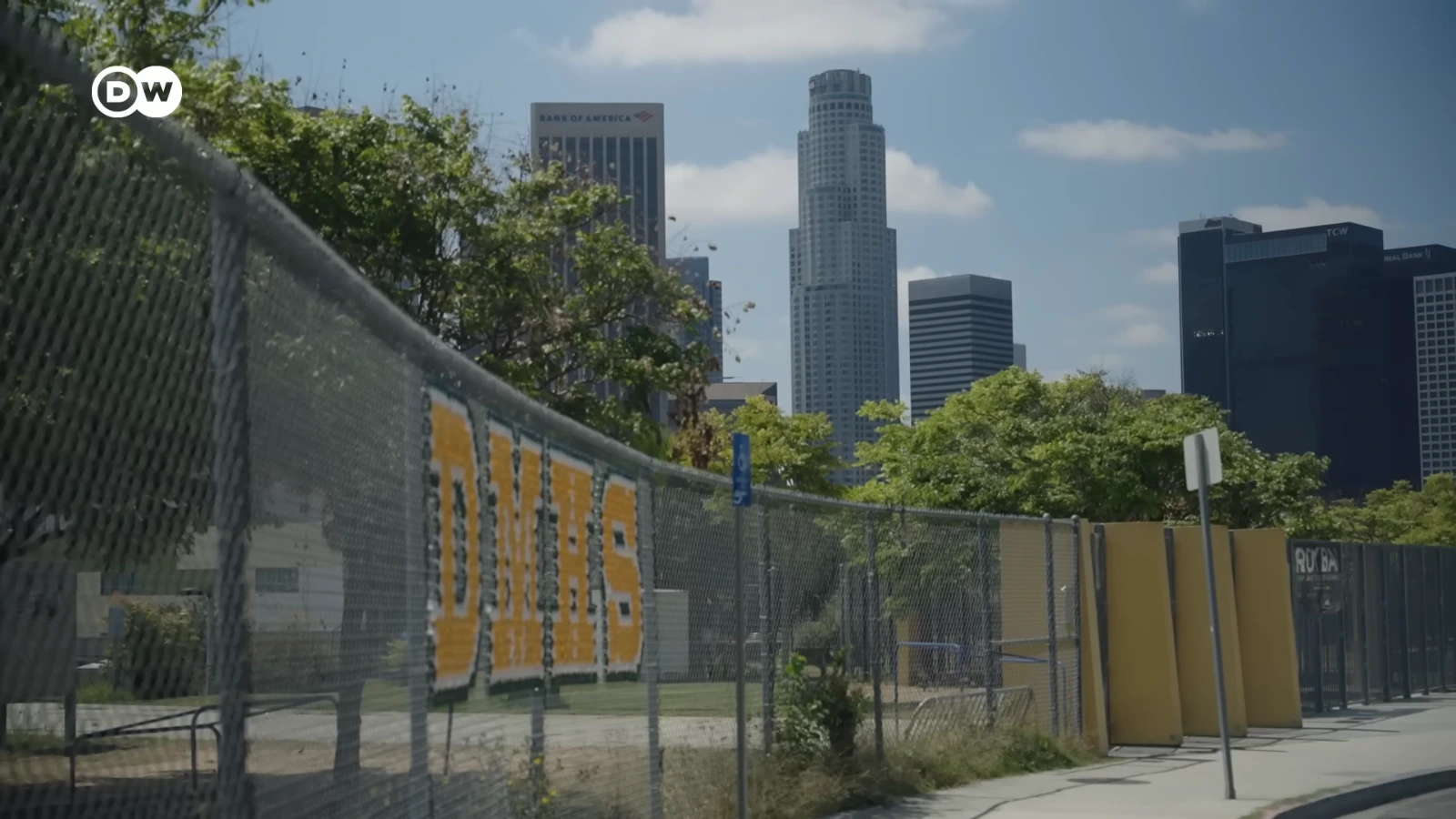
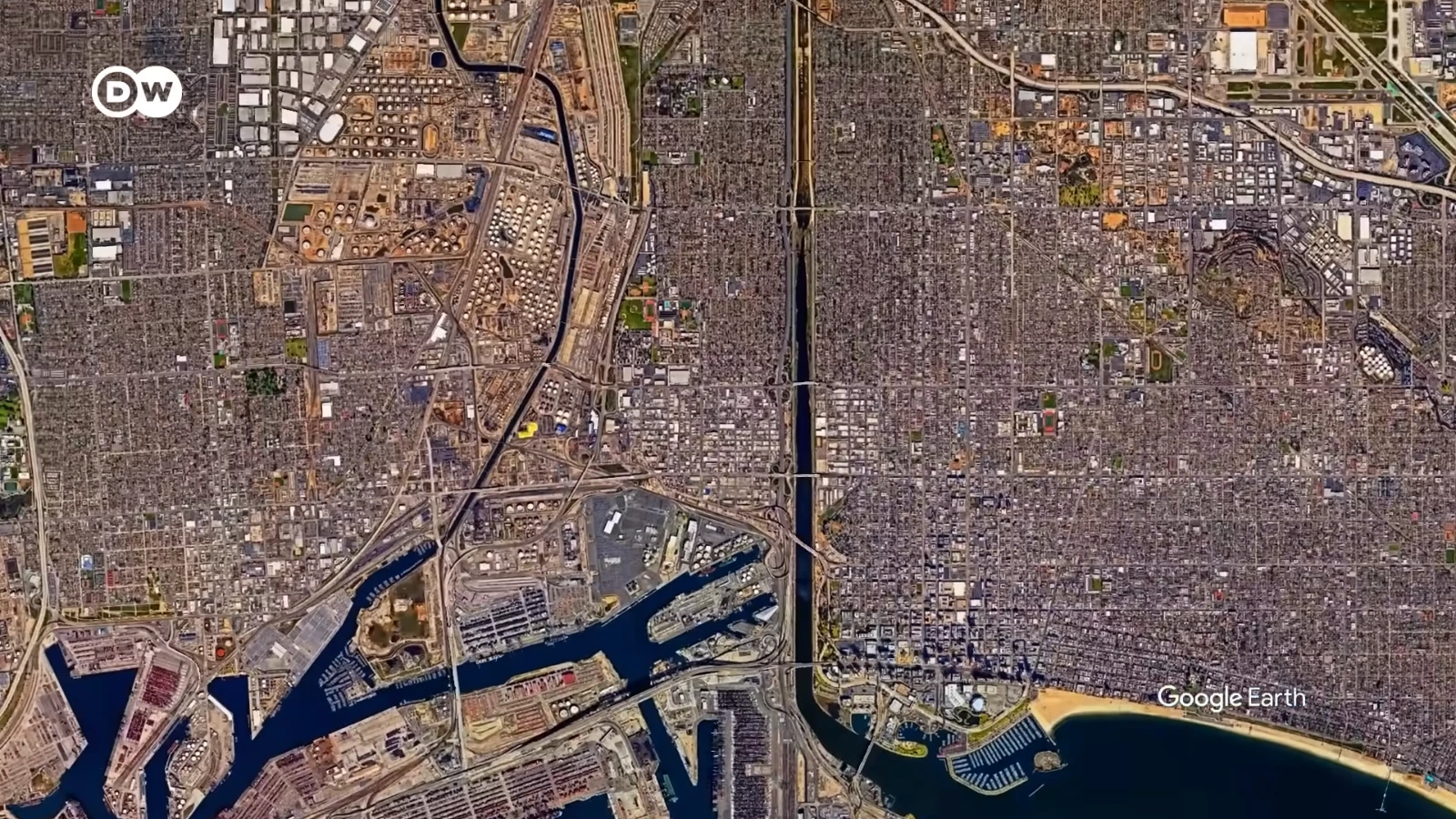
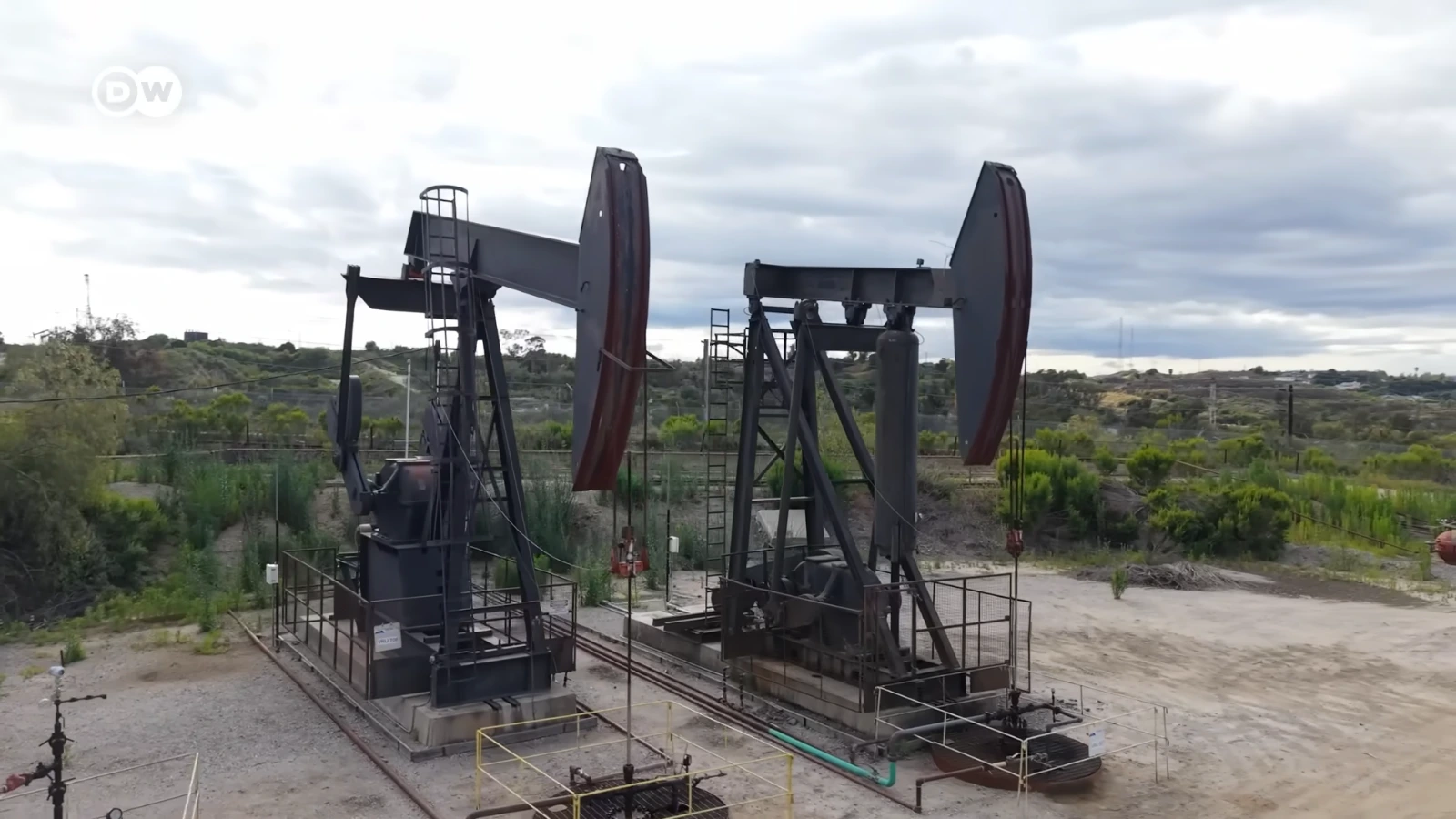
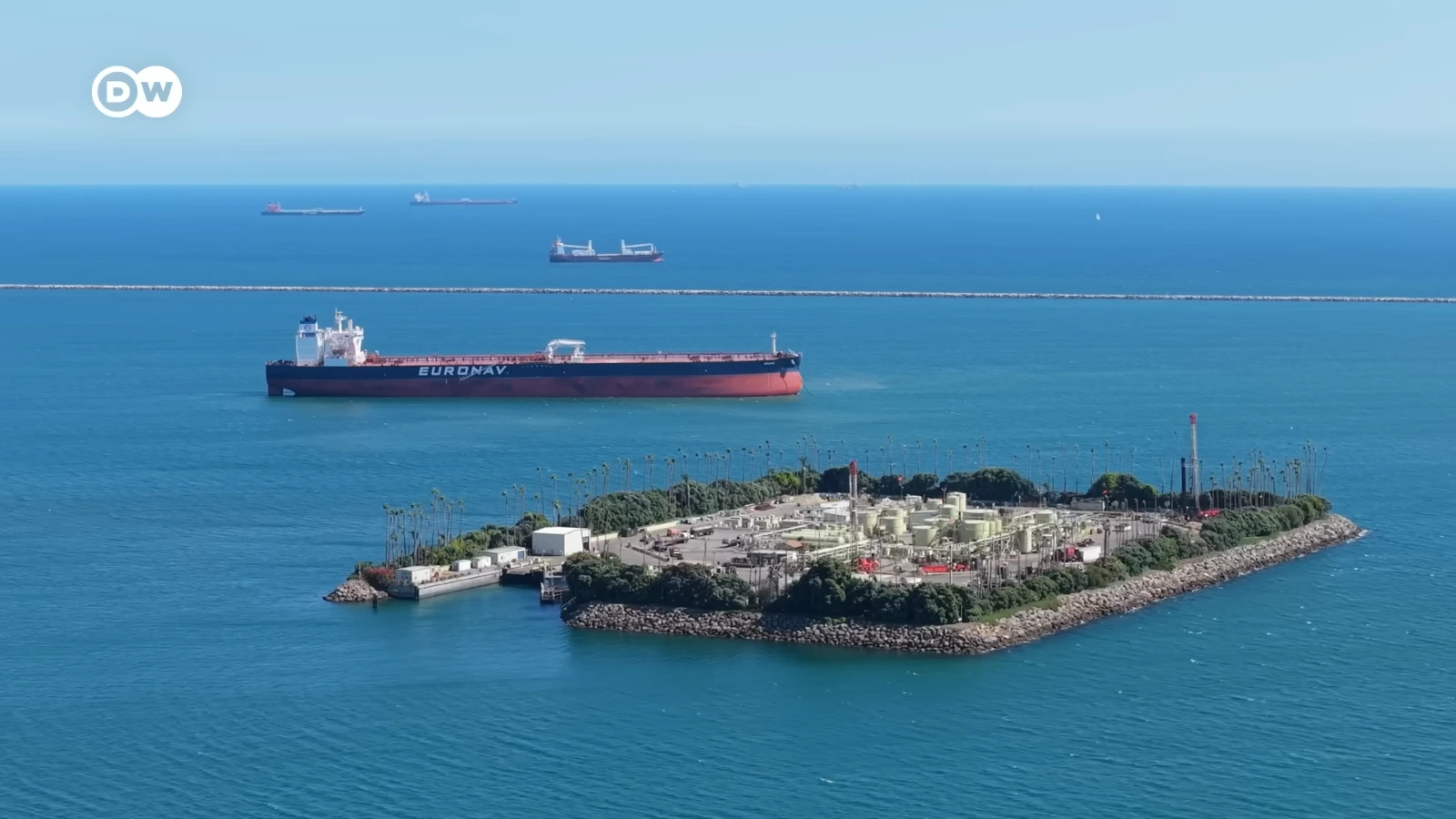
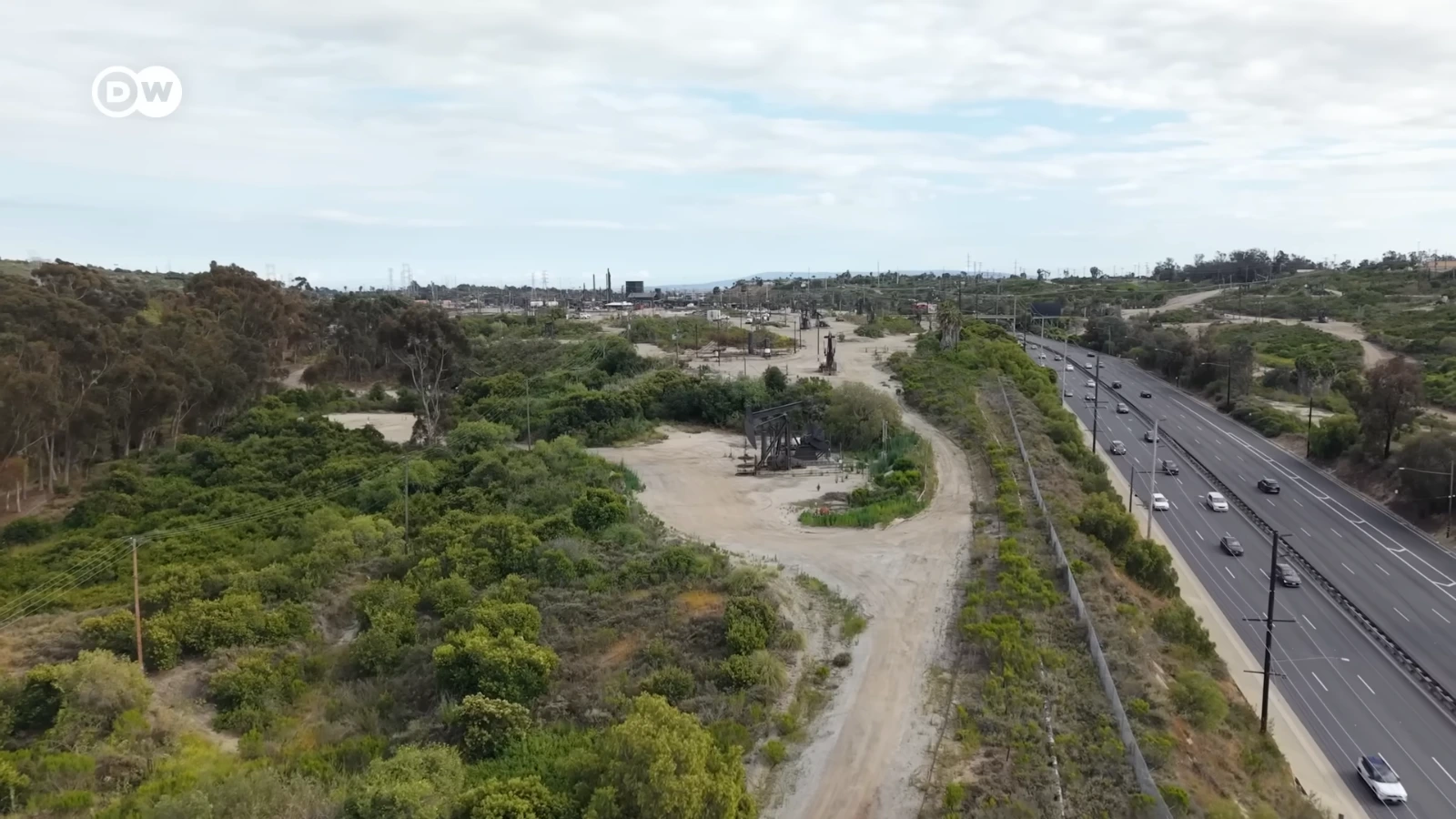
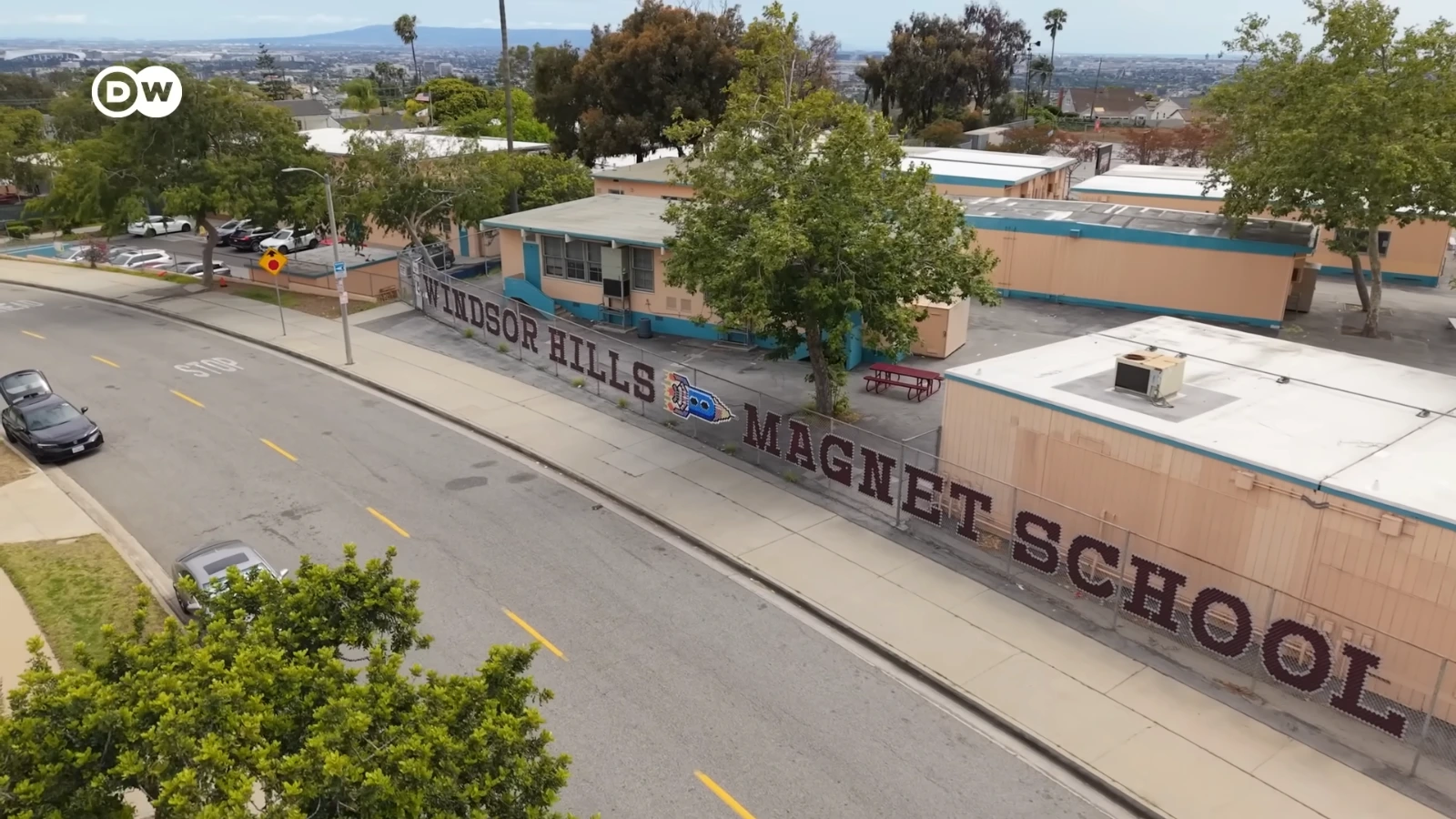
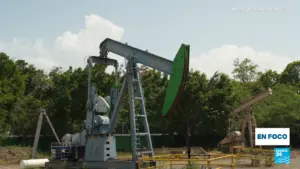
Scenes from DW Planet A’s investigation into oil extraction, hidden drilling sites and abandoned wells across Los Angeles. Images: DW Planet A / YouTube.
Even successful plugging does not erase the larger problem. The film visits streets where capped wells sit beside others that remain open, buildings carry methane warnings, and construction around old sites has triggered spills. Higher fines and more plugging permits show movement, but uncollected penalties, missing operators and inaccessible wells leave a very long cleanup list beneath the city.
For Angelenos, the unsettling part is not that oil shaped Los Angeles. It is how completely the city learned to dress the machinery up, build around it and let entire generations accept it as normal. Once you know where to look, the fake walls and decorative towers stop blending in—and the real cost becomes much harder to hide.
Watch DW Planet A Investigate How LA Hides Oil Wells in Plain Sight
The roughly 18-minute report traces Los Angeles oil extraction from the city’s early boom through neighborhood health concerns, legal fights, orphaned wells and the enormous cost of plugging them.
Source: DW Planet A.