
















Veracruz has lived with the extraction scars. Now Mexico is reopening the fracking question.
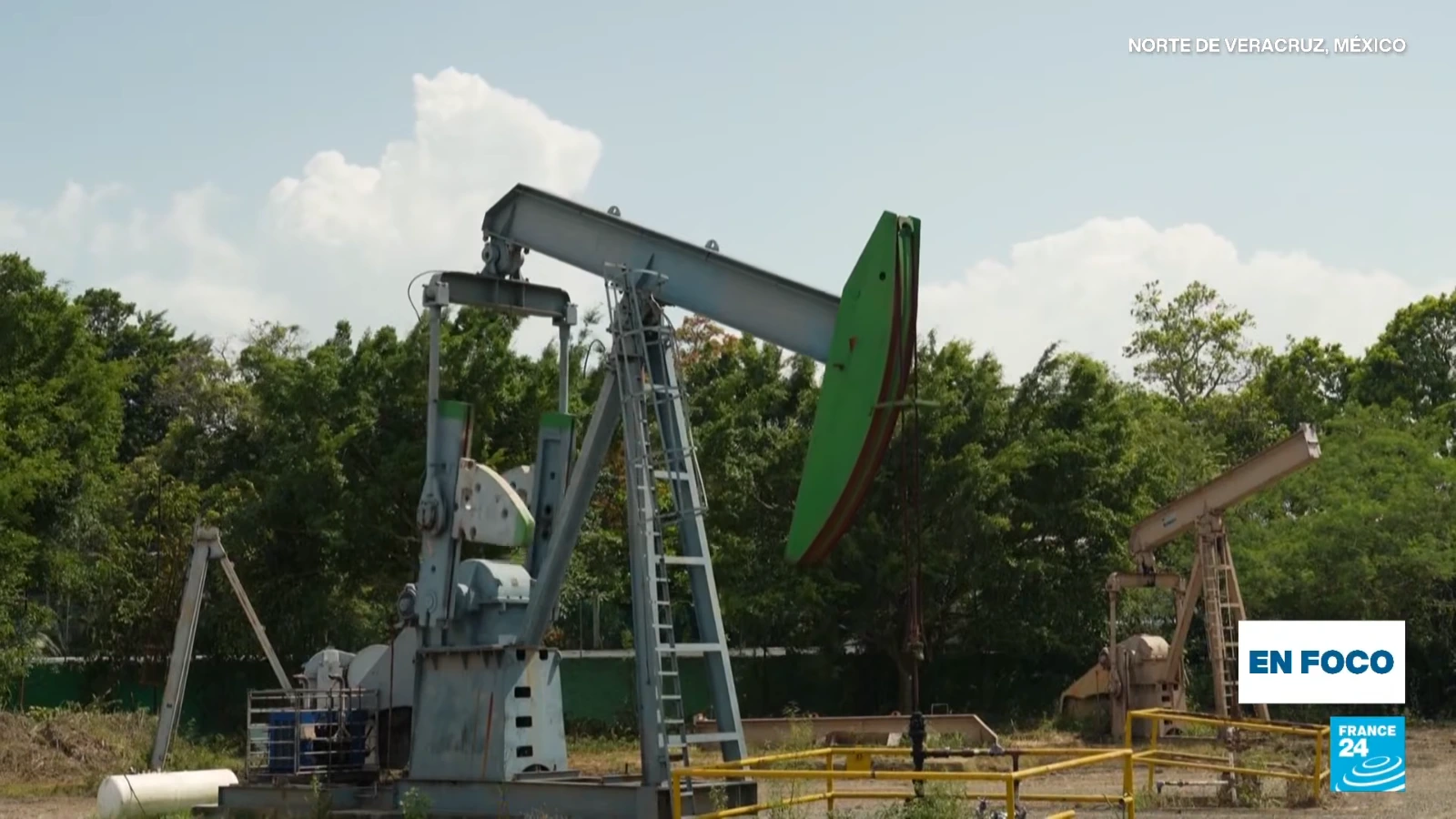
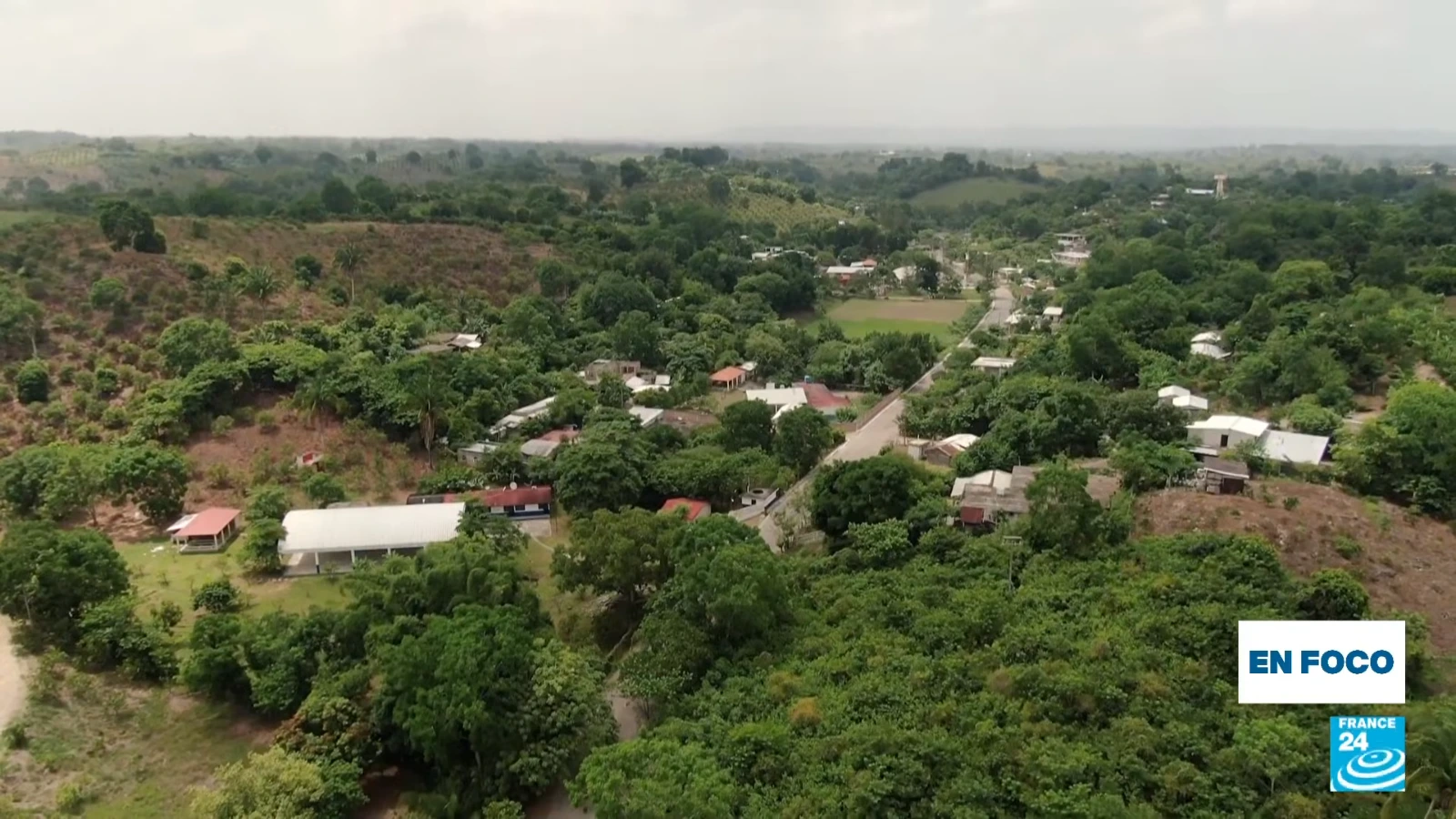
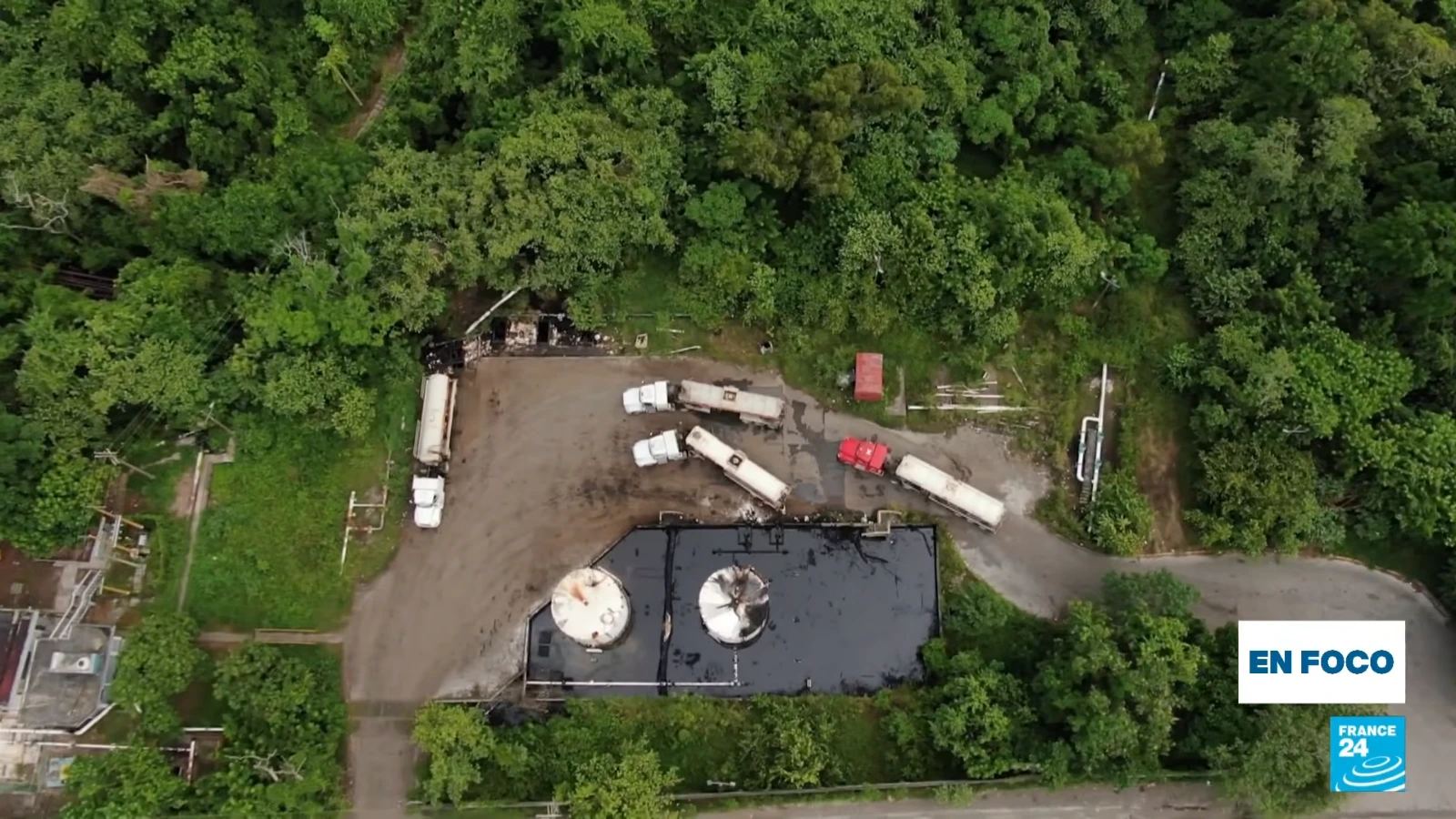
In northern Veracruz, the argument over Mexico’s energy future is not theoretical. It is sitting in citrus fields, running through drainage channels and showing up in the stories of Totonac families who have spent years living beside oil wells, pipelines and industrial infrastructure.
The report at the center of this story follows residents who say repeated spills have damaged farmland and water sources while Mexico wrestles with a much larger question: how far should the country go to reduce its dependence on imported U.S. natural gas?
What Exactly Is Fracking — and Why Is It So Toxic?
Fracking, or hydraulic fracturing, is a way of forcing oil or gas out of rock that does not release it easily on its own. A well is drilled deep underground and, often, horizontally through the target formation. Operators then pump a high-pressure mixture of water, sand and chemical additives into the rock. The pressure cracks the formation, while the sand helps hold those fractures open so trapped oil or gas can flow back toward the well.
The environmental danger is not simply that the rock is fractured. It is everything that has to happen around that fracture. Large volumes of water are withdrawn, chemicals are mixed into the fluid, and contaminated water returns to the surface. That returning “flowback” or produced water can contain some of the original additives along with salts, hydrocarbons, metals and other naturally occurring substances picked up underground.
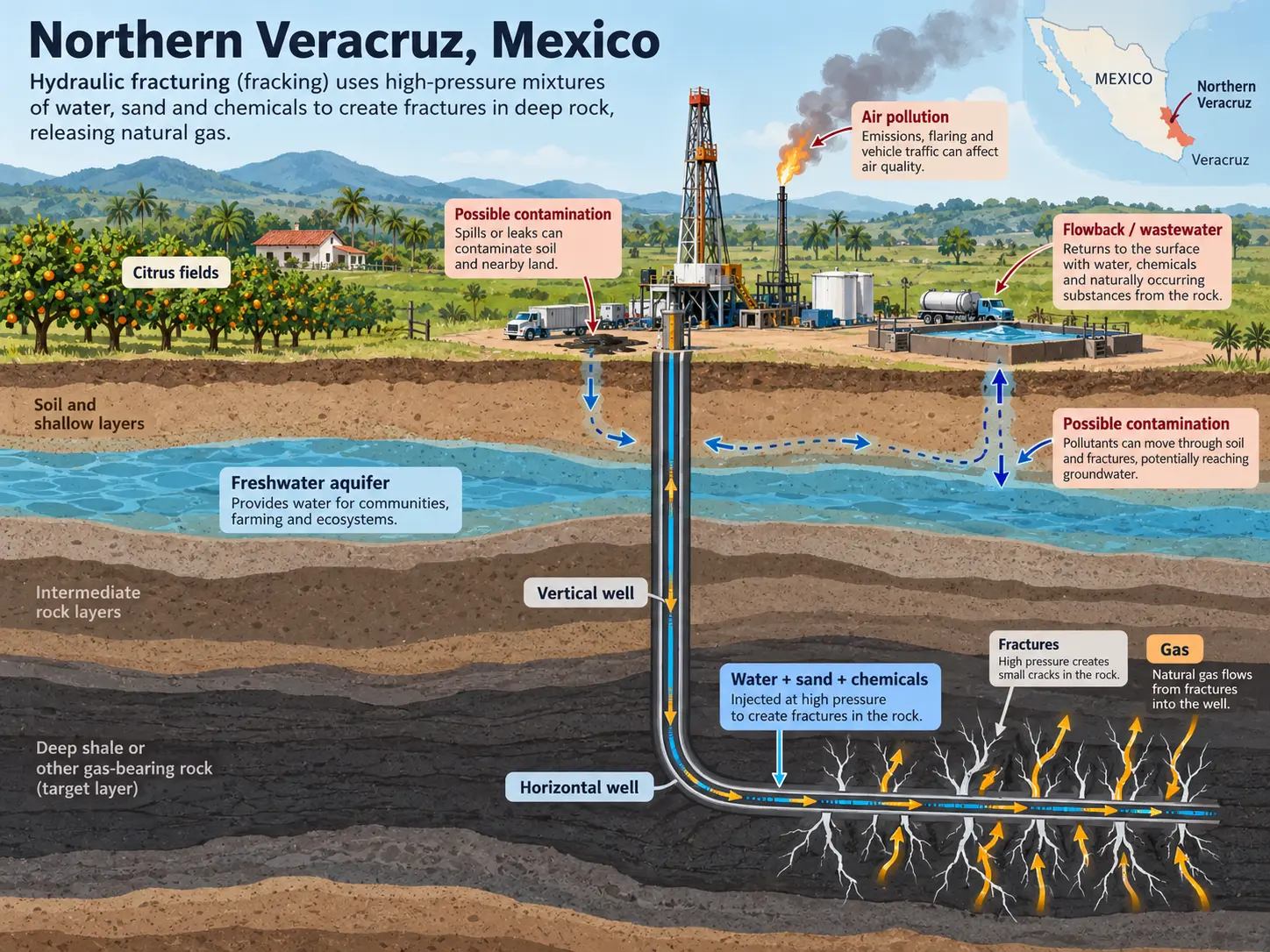
The U.S. Environmental Protection Agency has found scientific evidence that activities in the fracking water cycle can affect drinking-water resources under some circumstances — particularly through spills, faulty well integrity, improperly treated wastewater and storage or disposal failures. That is why the word “toxic” enters this debate: some of the chemicals and contaminated wastewater associated with the process can be harmful if they reach soil, groundwater, surface water or people.
There are other impacts too. Oil and gas development can release methane and other air pollutants, and the disposal of large volumes of wastewater deep underground has been linked to induced earthquakes. The U.S. Geological Survey notes that felt earthquakes caused directly by the fracturing step are relatively rare; wastewater injection is the more common seismic concern.
Mexico's Energy Crossroads
Energy independence sounds simple until you stand on contaminated farmland.
Veracruz communities are living with decades of extraction damage while Mexico weighs whether unconventional gas can be part of its energy-security strategy.
Some links may be affiliate links. INYIM may earn from qualifying purchases.
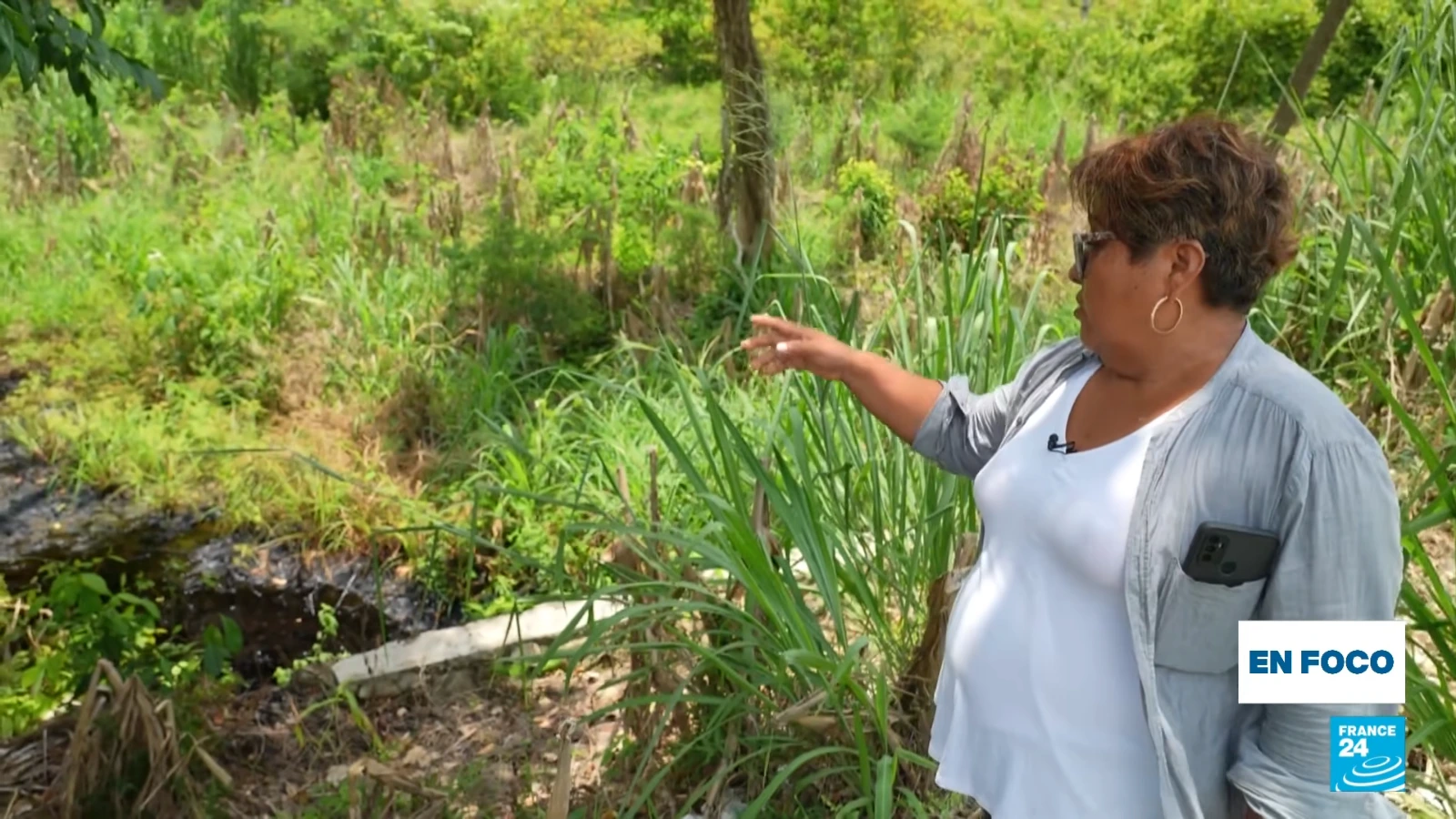
One Farmer Says Eight Oil Spills Have Changed What Her Land Can Grow
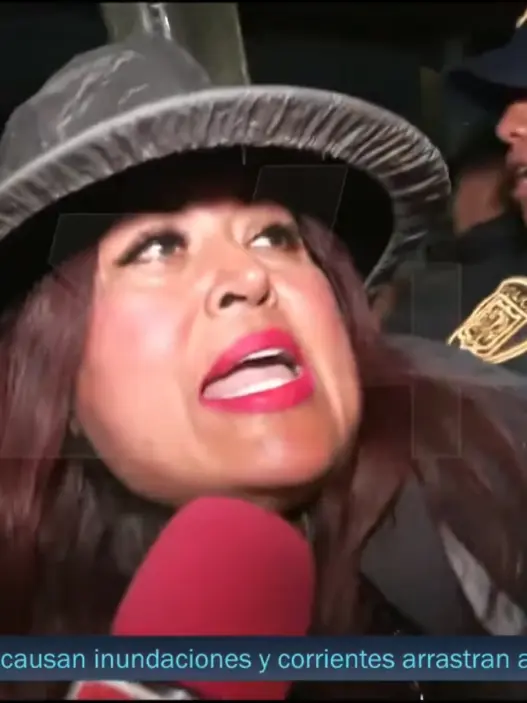
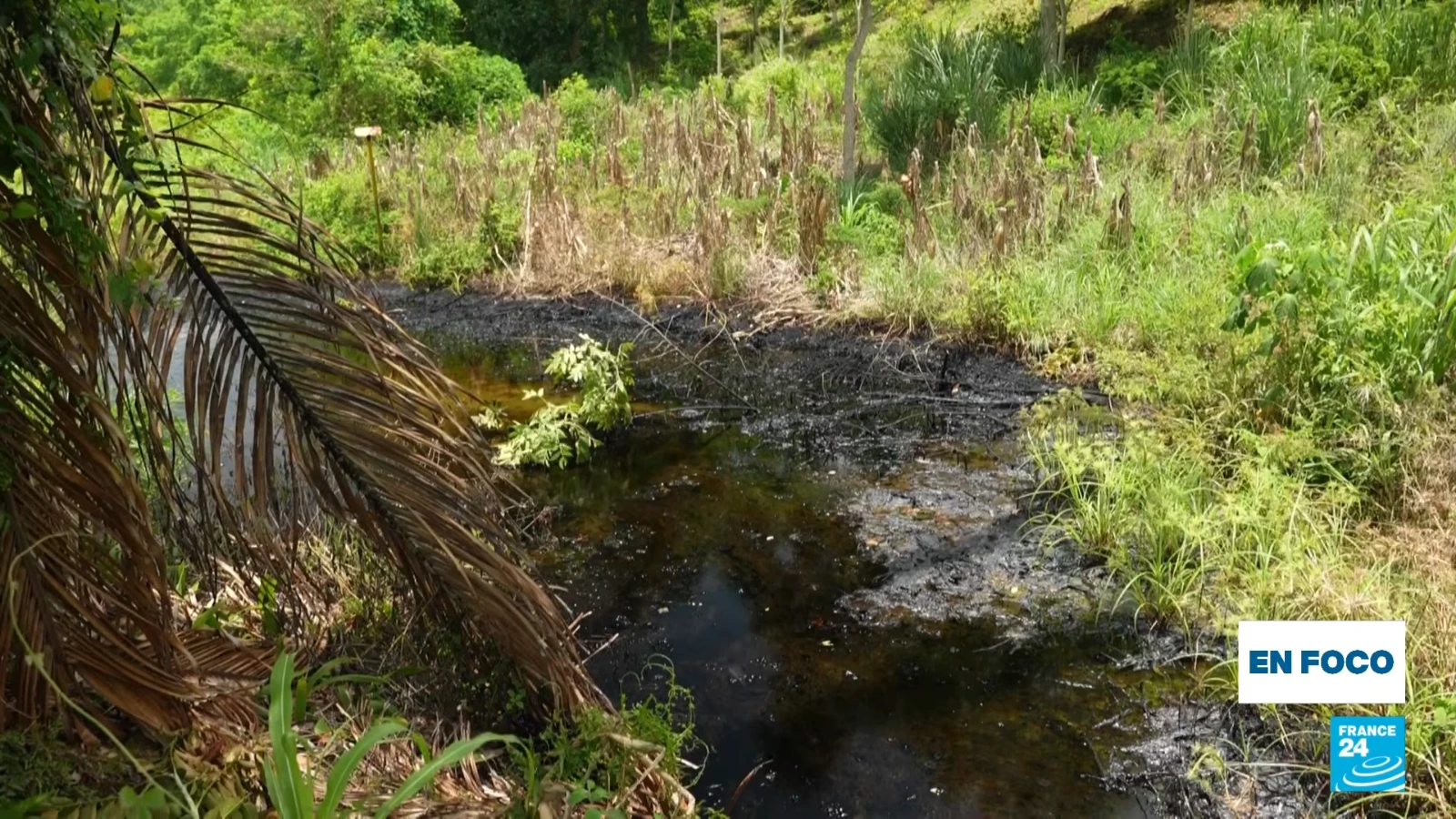
Gloria Domínguez is still dealing with the consequences of a 2022 oil spill. She says roughly five hectares were contaminated and that the damage reached toward an aquifer below the property. Since that first spill, she says she has experienced seven more.
Her description of the cleanup is painfully simple: the damaged area was covered with soil, but the contamination returned to the surface. Land where her family once grew corn is no longer land she trusts for food. “Ya no crece,” she says — and even if it did, she worries they would be eating something contaminated.
Communities Are Building Their Own Water Protections
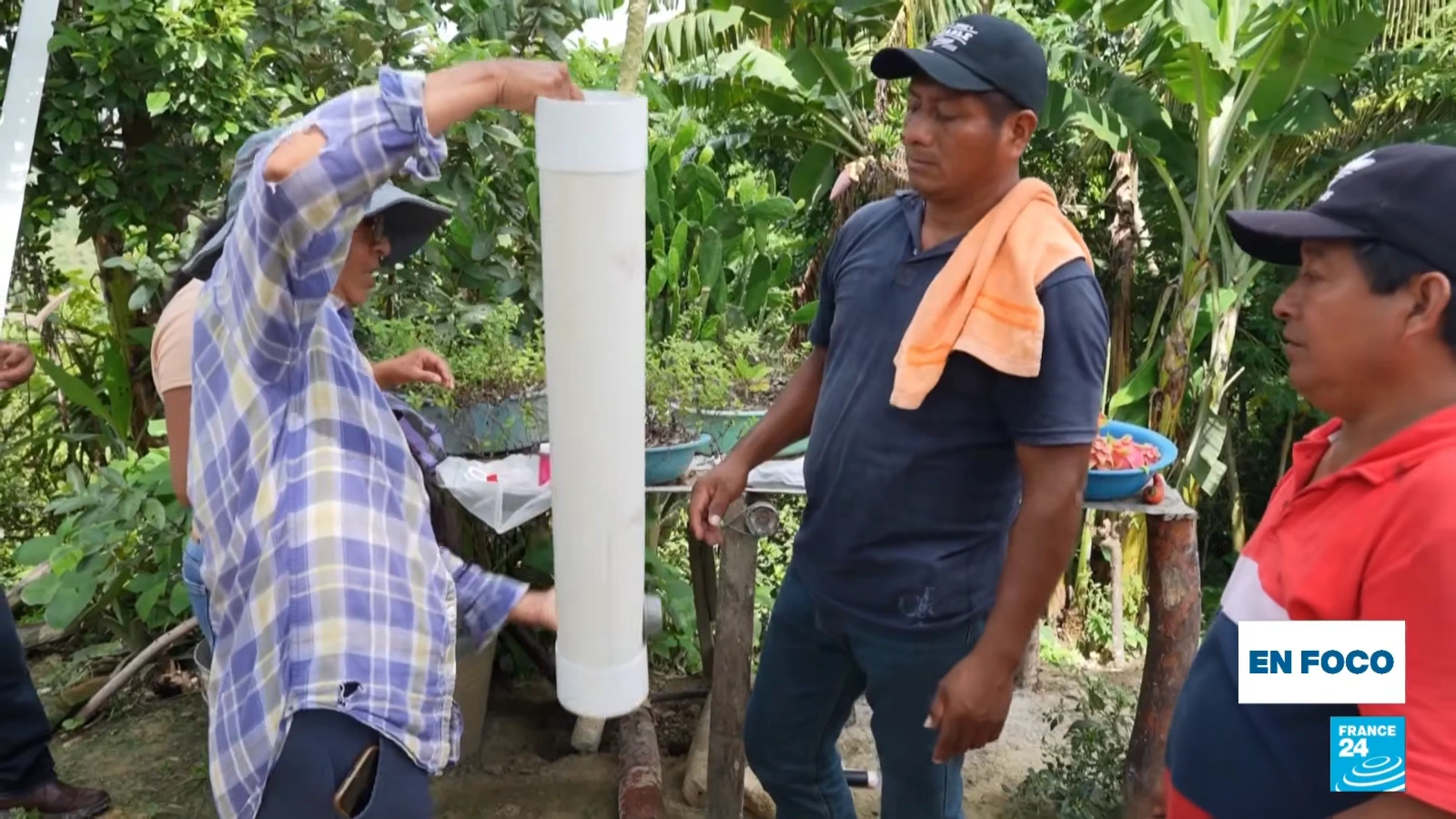
The report follows a local association installing a rainwater-capture system at the home of an agricultural family. Gutters direct rainfall toward a cistern, creating another source of water in a region where residents describe contamination fears around groundwater and nearby industrial activity.
It is an intensely practical response to a much bigger structural problem: people are trying to protect the water they can control while living beside an industry they largely cannot.
Residents Say the Pollution Question Does Not Stop at Soil and Water
The concerns extend to air quality and health. Residents describe dark flaring from oil infrastructure and say they grew up watching it without understanding what might be in the smoke. Some connect the industrial pollution around them with illnesses they have seen in their communities, including cancer.
Those health claims in the report are residents’ accounts and concerns; the segment does not establish a medical cause-and-effect relationship between a specific flare or spill and an individual diagnosis.
Alejandra Jiménez Is Mapping Thousands of Wells — and Warning About What Comes Next
Alejandra Jiménez documents Pemex activity across the region, photographing and geolocating what the report describes as roughly 6,000 wells, along with contamination points.
Her warning is blunt: if conventional extraction is already producing damage that communities say has not been adequately repaired, expanding into unconventional extraction could bring an even more complicated network of infrastructure and environmental risk.
That is where this local Veracruz story collides with national energy policy.
Mexico Is Considering Unconventional Gas — But Veracruz Has Been Taken Off the Table
The administration of President Claudia Sheinbaum has publicly reopened the possibility of unconventional gas development as Mexico looks for ways to reduce its dependence on imported fuel. The argument is energy security: Mexico currently imports around 70% of the natural gas it consumes from the United States.
But the government has also drawn an important line. In August 2026, Sheinbaum said the Tampico-Misantla basin — principally Veracruz and part of southern Tamaulipas — should not be used for unconventional gas extraction because of its environmental and social conditions.
For other regions, her government has left the door open only conditionally. Officials have discussed first determining whether deep saline water could be used instead of freshwater, whether commercially viable gas is actually present, and whether extraction can meet the administration’s stated requirements of social justice and minimal environmental impact.
That distinction matters. Mexico has not simply announced a nationwide return to traditional fracking. What it has done is reopen the national debate over unconventional gas while looking at technologies and locations it argues could reduce the environmental costs associated with conventional hydraulic fracturing.
For the Totonac communities and farmers profiled here, though, the policy language lands on top of lived experience. Energy independence may be a national goal, but the people standing beside damaged fields and polluted ground are asking a more immediate question: who carries the cost when extraction goes wrong?
Watch the Report on Oil Extraction, Fracking and Veracruz Communities
The report examines oil-spill damage in northern Veracruz, Totonac communities living beside extraction infrastructure, local water-protection efforts and Mexico’s renewed debate over unconventional gas. The video is presented in Spanish. Closed captions are available, and the YouTube player also offers English and other available audio-language options.
Sources: AFP report; U.S. Environmental Protection Agency; U.S. Geological Survey; Presidencia de México.