



















One Spinning Disc Changed How The World Heard Music
Today’s Monday Muse winds the clock back to the moment music stopped requiring a musician in the room. Before streaming, compact discs, cassettes or vinyl collections, inventors were trying to solve an almost magical problem: how do you capture sound and make it play again?
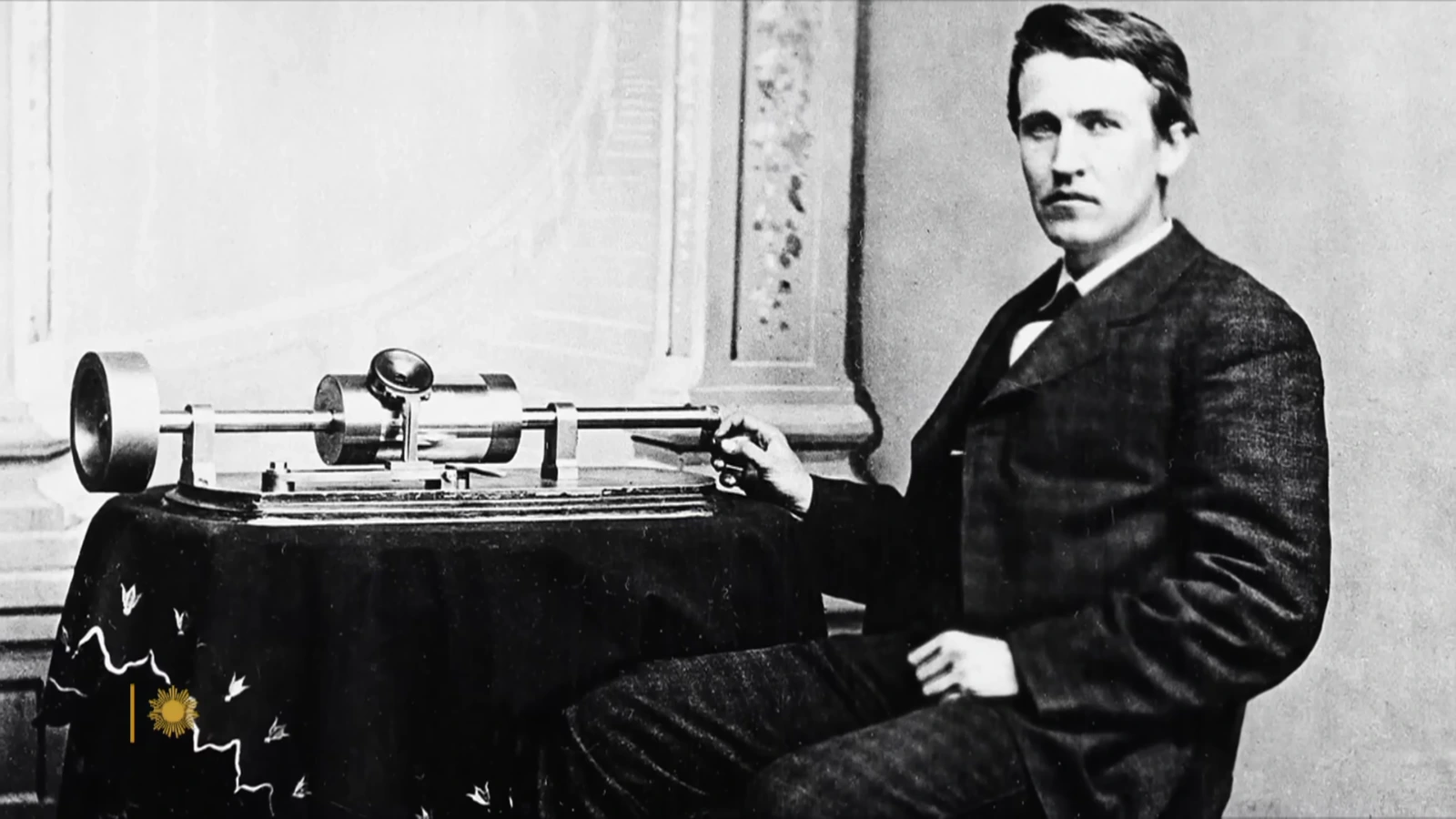
Thomas Edison produced the first practical demonstration of his tinfoil-cylinder phonograph in 1877. The machine could record and reproduce sound, proving that a human voice or musical performance did not have to disappear the instant it ended.
MONDAY MUSE
The Invention That Put Sound On Repeat
Watch CBS News Sunday Morning trace the gramophone’s impact, then explore the machines and recordings that launched the listening age.
Some links may be affiliate links. INYIM may earn from qualifying purchases.
Edison Proved Sound Could Be Captured
Edison’s original phonograph traced sound vibrations into tinfoil wrapped around a cylinder. When the stylus retraced those impressions, the machine reproduced the recorded sound—faintly and imperfectly, but unmistakably.
The breakthrough was enormous, even if the first version was not ready for everyday listening. Tinfoil wore out quickly, recordings were difficult to preserve and the machine was not yet the convenient home-entertainment device later generations would recognize.
Development continued through the 1880s as inventors worked with wax cylinders and improved recording methods. But another inventor saw a different path—one that would replace the cylinder with a flat surface that could be copied far more efficiently.
Emile Berliner Flattened The Future In 1887
German-born inventor Emile Berliner, working in Washington, D.C., patented his gramophone system in 1887. Instead of recording vertically into a rotating cylinder, Berliner’s process traced sound laterally into a groove and eventually placed it onto a flat disc.
The change was not merely cosmetic. Flat discs could be duplicated from a master more easily than individually recorded cylinders, opening the door to larger-scale manufacturing and commercial distribution.
Edison showed that sound could be preserved. Berliner helped turn preserved sound into an industry. The record could now become an object that was manufactured, sold, collected and played repeatedly in homes far away from the original performance.
From Mechanical Curiosity To Everyday Culture
Before recorded music became widely available, most people heard songs performed live—at home, in houses of worship, in public halls or wherever musicians gathered. The gramophone began changing that relationship by allowing one performance to travel into thousands of rooms.
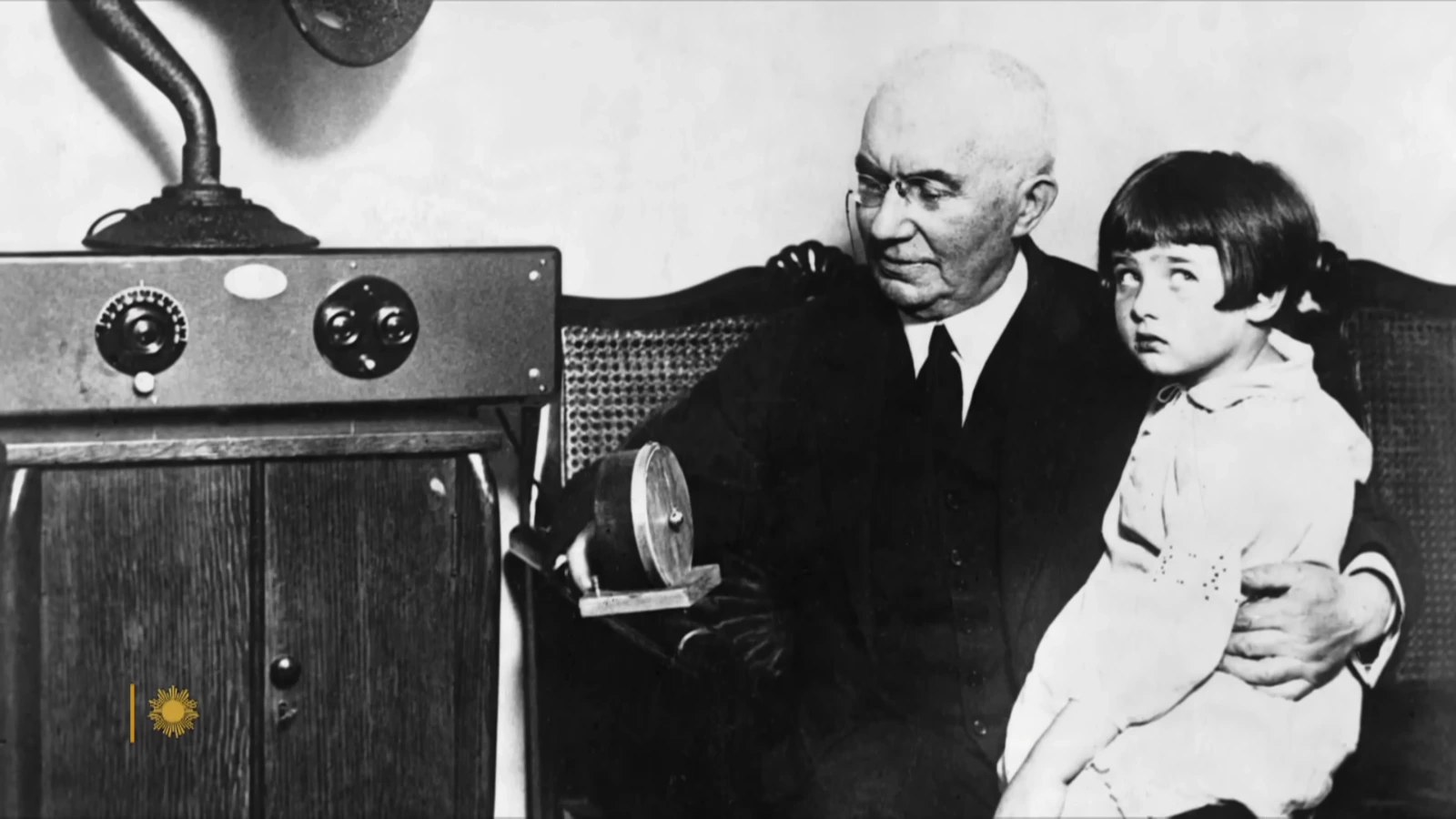
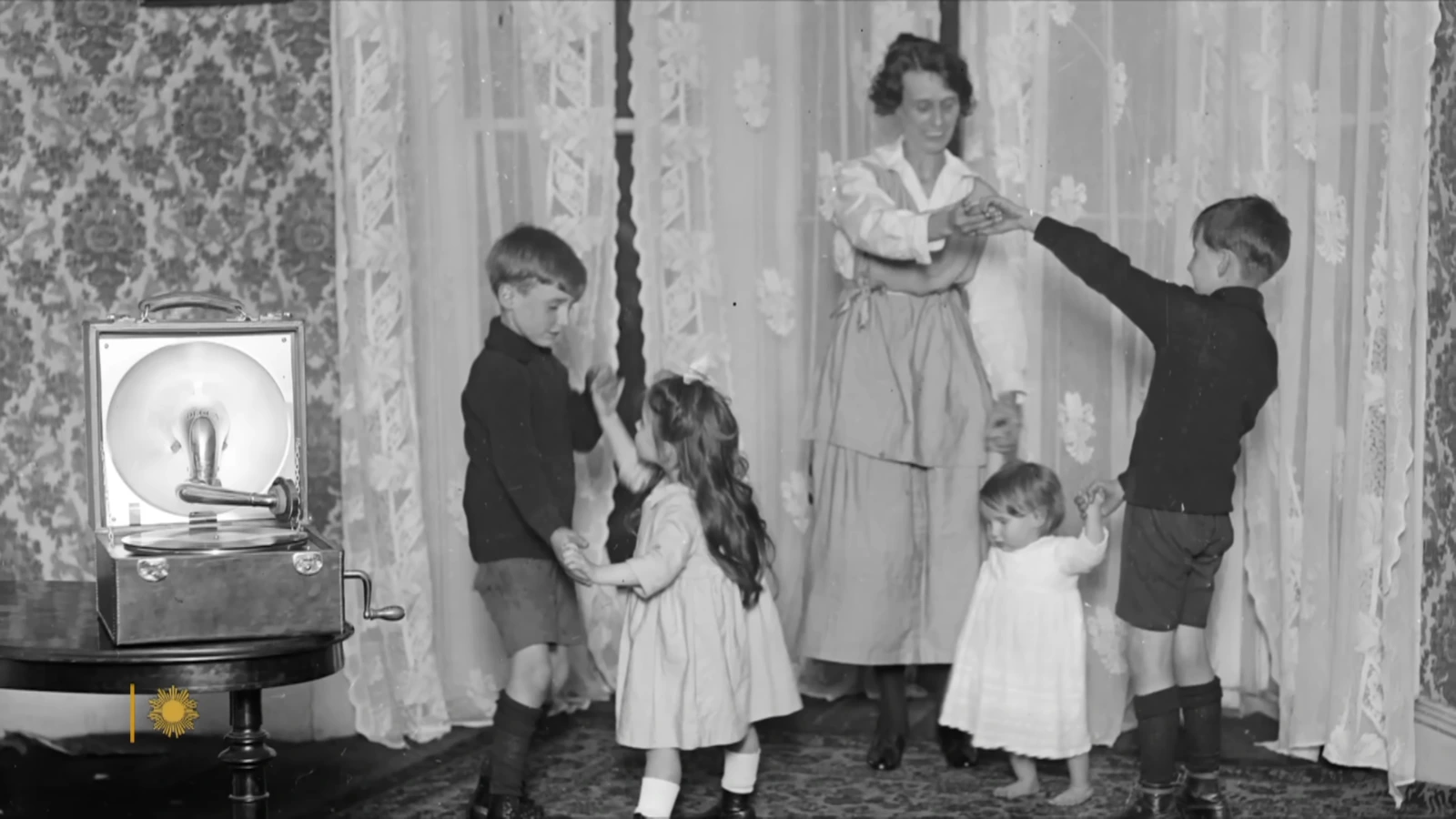

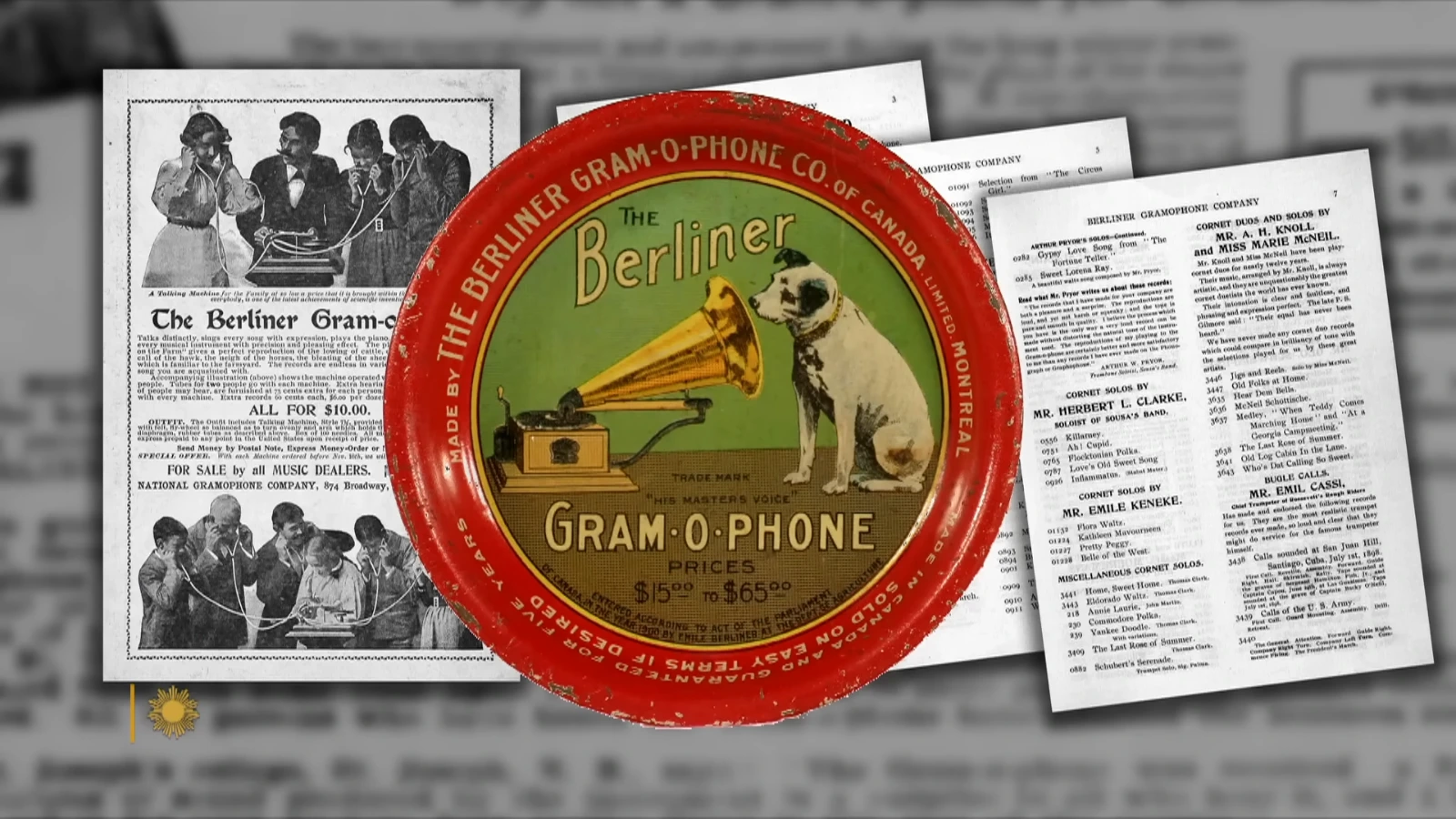
That shift changed more than technology. It created new ideas about performers, hits, catalogs, ownership and listening habits. Music could be revisited on demand, shared across distance and separated from the place where it was first made.
The format would keep evolving—from shellac discs to vinyl records, magnetic tape, compact discs and digital files—but the central promise remained the same: press play and summon a performance from another time.
For today’s Monday Muse, that is thee achievement worth pausing over. Every playlist, radio stream and record shelf traces part of its family tree back to those noisy early machines and the inventors stubborn enough to believe sound could live beyond the moment.
Watch CBS Sunday Morning Trace How The Gramophone Changed Music
Jane Pauley reports on Edison’s early cylinder phonograph and how Emile Berliner’s flat-disc gramophone helped reshape recorded music.
Source: CBS News Sunday Morning. Historical context via the Library of Congress and Smithsonian’s National Museum of American History.