


















The Future Pulled Up Looking Like a Three-Wheeled Spaceship
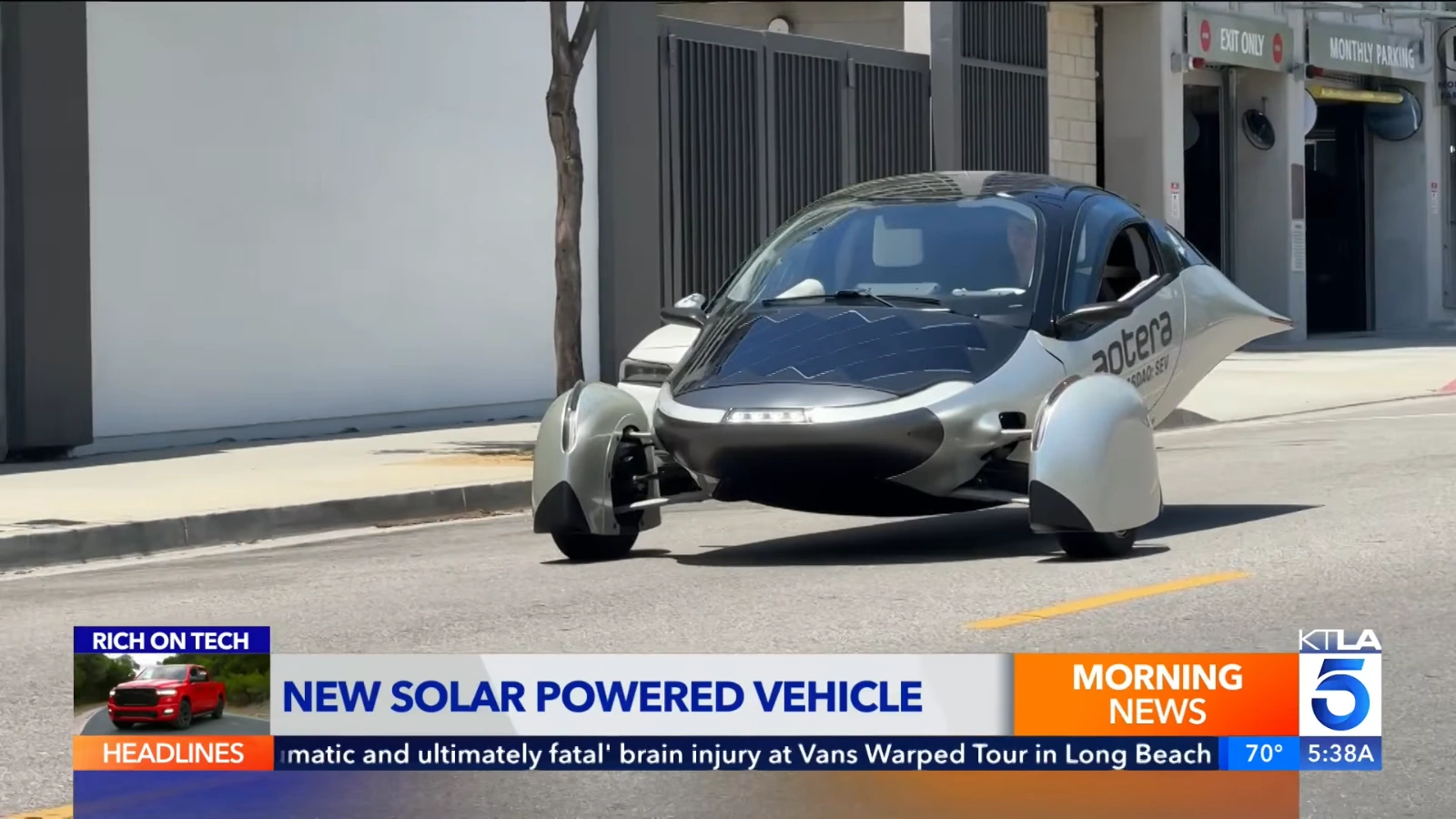
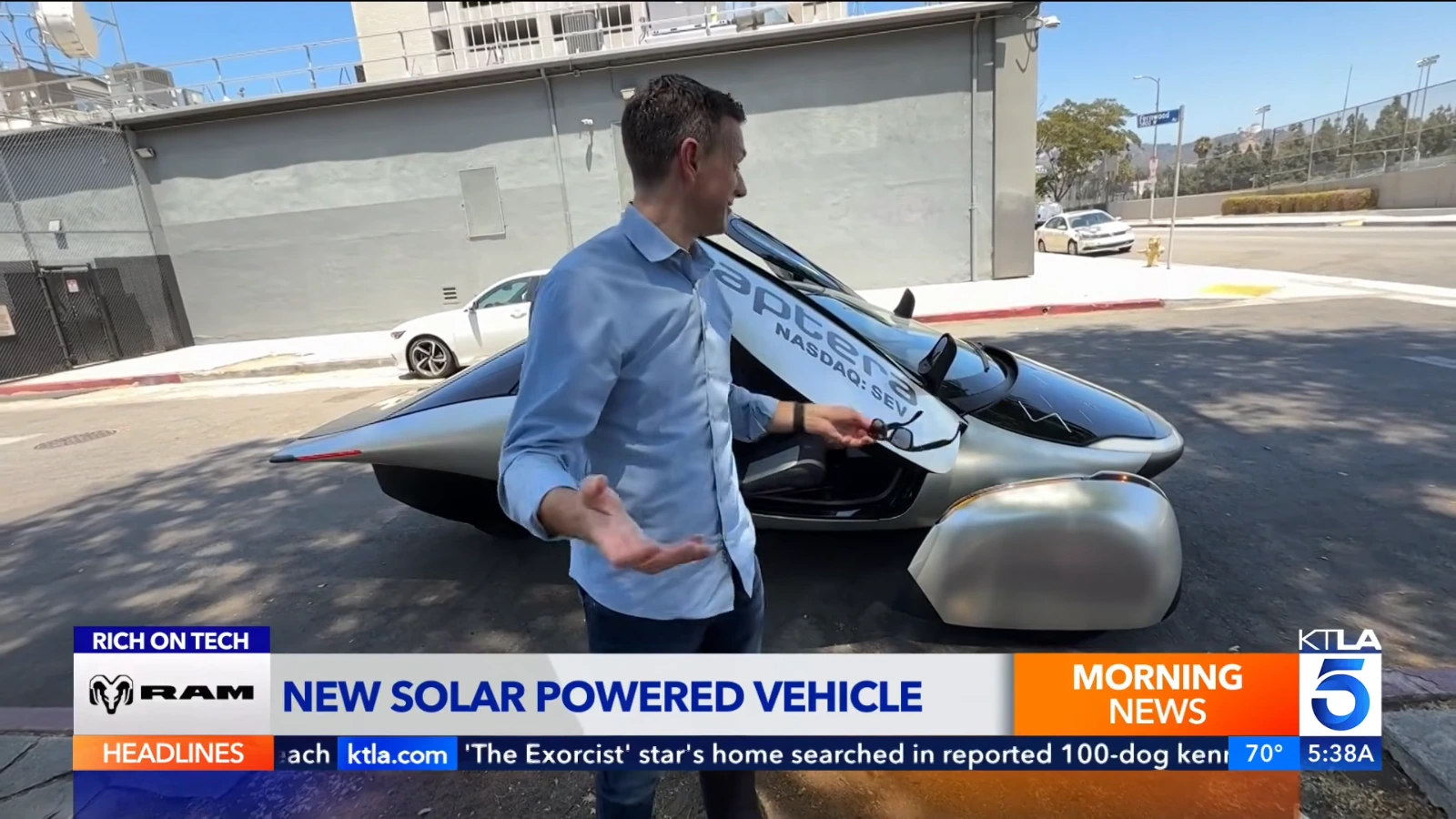
It looks like a spaceship, opens with a knock and can collect some of its daily driving energy while parked beneath the sun. Yet this is not a movie prop waiting for somebody in a silver jumpsuit—it is Aptera’s ultra-efficient solar electric vehicle.
Tech reporter Rich DeMuro climbed inside the futuristic three-wheeler for a Rich on Tech road test, giving viewers a closer look at the unusual exterior, two-seat cabin and solar-covered body that have made Aptera one of the most recognizable vehicles still working toward commercial production.
Discover More
Explore Aptera’s Solar-Electric Future
Dig into Aptera’s official vehicle details, then explore the solar and electric-driving gear behind a less plug-dependent commute.
Some links may be affiliate links. INYIM may earn from qualifying purchases.
The first thing to understand is that Aptera is not trying to behave like a conventional electric car with a few decorative solar cells pasted on top. The entire shape is designed around using dramatically less energy. Its smooth teardrop body, narrow cabin and three-wheel layout are all part of an efficiency-first equation.
Aptera currently describes its Launch Edition as having about 700 watts of integrated solar cells, a targeted 400-mile range from a full battery charge and the potential to add up to 40 miles of solar-powered driving per day. That last number is a best-case design figure—not a promise that every driveway will manufacture 40 free miles before breakfast.
How Aptera Gets Driving Range From Sunlight
Solar energy collected across the vehicle’s body feeds the battery rather than directly operating the wheels moment by moment. Park it in useful sunlight and the panels can gradually add range. The actual gain depends on the season, location, weather, parking angle, panel configuration and how long the vehicle remains exposed.
For somebody whose daily commute falls well below the maximum solar estimate, Aptera’s pitch is that routine driving could require far less plugging in. Longer trips would still rely on the battery and conventional charging, just like another EV. The sun is thee helpful supporting act here—not a magical guarantee that clouds have been permanently cancelled.
The company estimates energy use at roughly 100 watt-hours per mile under its stated testing assumptions. Pairing that efficiency with a 44-kWh battery is how Aptera arrives at its expected 400-mile Launch Edition range. As with every vehicle, real-world distance will shift with speed, weather, terrain and driving style.
Yes, Aptera Really Can Recognize a Knock at the Door
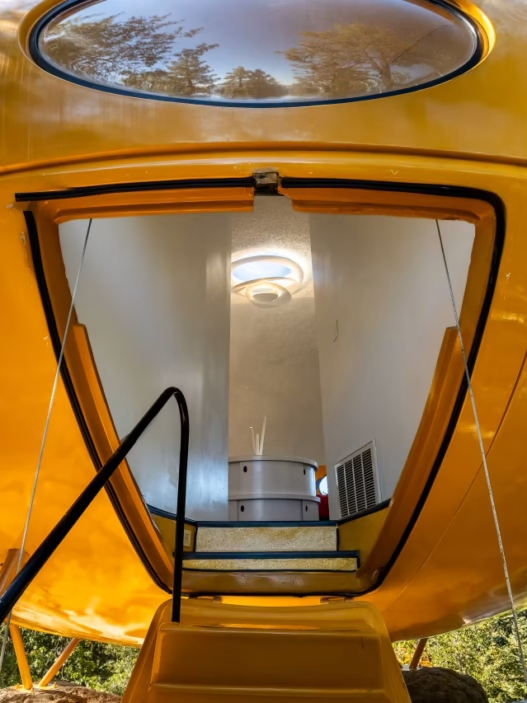
The theatrical entry method is not merely a concept-video flourish. Aptera says its planned Knock-Knock sensors work with the vehicle’s phone-key system. When an authorized phone is within Bluetooth range, knocking on the exterior access area can signal the door to open.
An RFID key is also planned as a second method for locking and unlocking the vehicle. It is a small feature compared with the solar hardware and powertrain, but it fits Aptera’s whole personality: even getting inside has to feel slightly like boarding a friendly spacecraft.
Inside, the Launch Edition is designed for two people, with a central display showing information such as battery charge and solar range. Aptera also claims approximately 32.5 cubic feet of cargo capacity, enough space for the company to promote camping and sleeping configurations behind the seats.
The Vehicle Is Real, but Commercialization Is Still in Progress
Aptera reached a significant milestone in 2026 when the U.S. Environmental Protection Agency issued a Certificate of Conformity for the 2026 Launch Edition. The certificate confirms that the covered vehicle meets applicable federal emissions requirements.
That does not mean Apteras are suddenly lined up at dealerships. The company stated that it still must complete remaining regulatory and compliance requirements before U.S. commercialization. Aptera’s own vehicle pages continue to identify the model as being in testing and validation, with specifications subject to change.
The distinction matters because Aptera has spent years moving between prototypes, production-intent vehicles, validation builds and funding pushes. The road test shows a functioning machine. It does not turn estimated specifications or production targets into guaranteed customer deliveries.
Aptera Is an Efficiency Experiment You Can Actually Ride In
The most interesting part of Aptera may not be whether every future vehicle ends up looking like this. It is the question the design asks: how much battery, charging infrastructure and raw energy could transportation avoid using if efficiency came before familiar styling?
Most electric vehicles carry a large battery through the air inside a shape inherited from gasoline cars. Aptera flips the priorities. It makes the body dramatically lighter and more aerodynamic, then asks integrated solar to contribute meaningful daily range rather than power the entire journey by itself.
Whether Aptera becomes a common sight on Los Angeles roads or remains a fascinating niche machine will depend on manufacturing, compliance, financing and what the final customer vehicle actually delivers. For now, it is refreshing to see the spaceship move under its own power instead of remaining trapped inside a glossy rendering.
Take a Closer Look at Aptera’s Solar Electric Vehicle
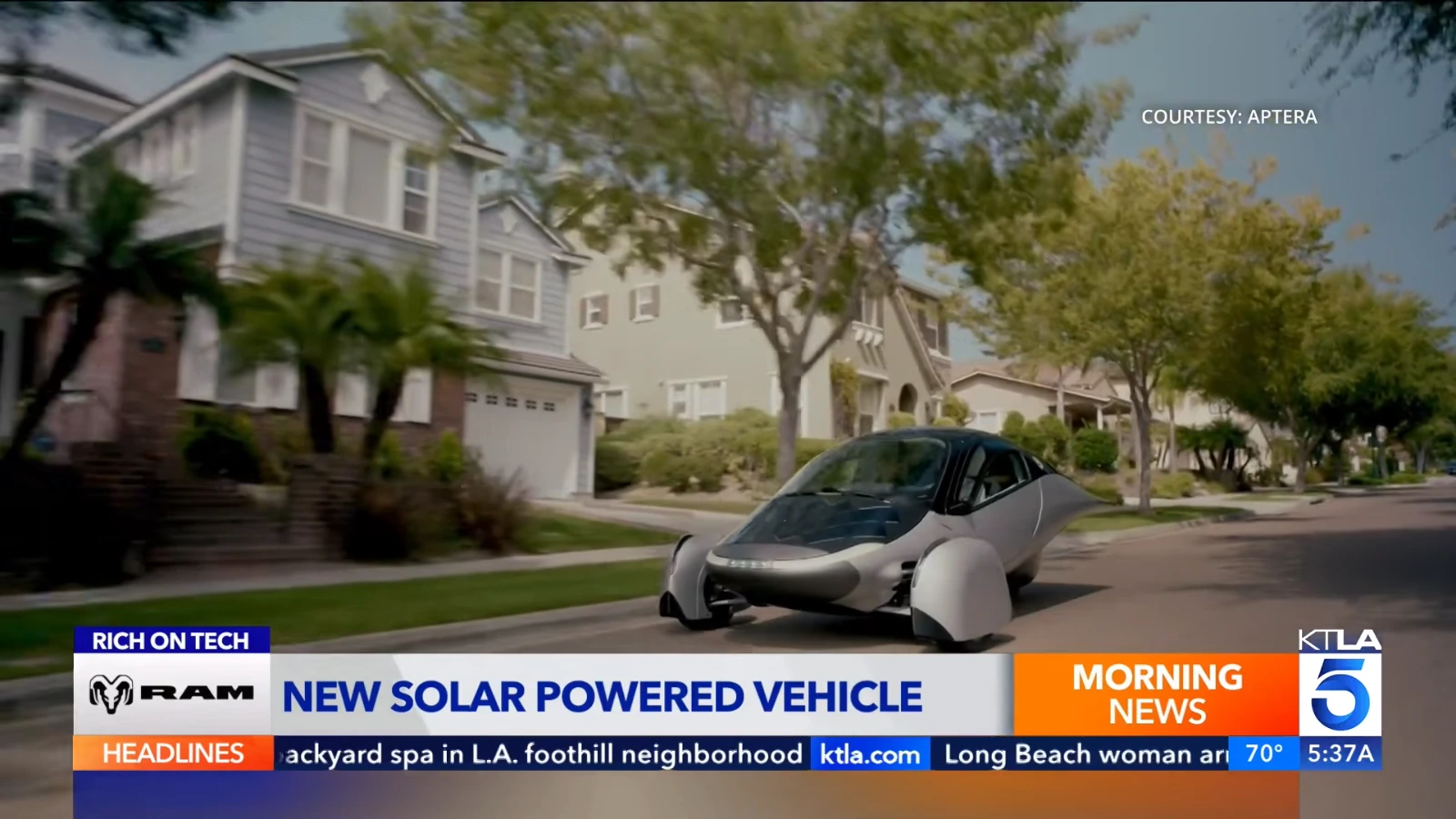
Additional frames from Rich DeMuro’s road-test report show the Aptera vehicle featured throughout the segment.
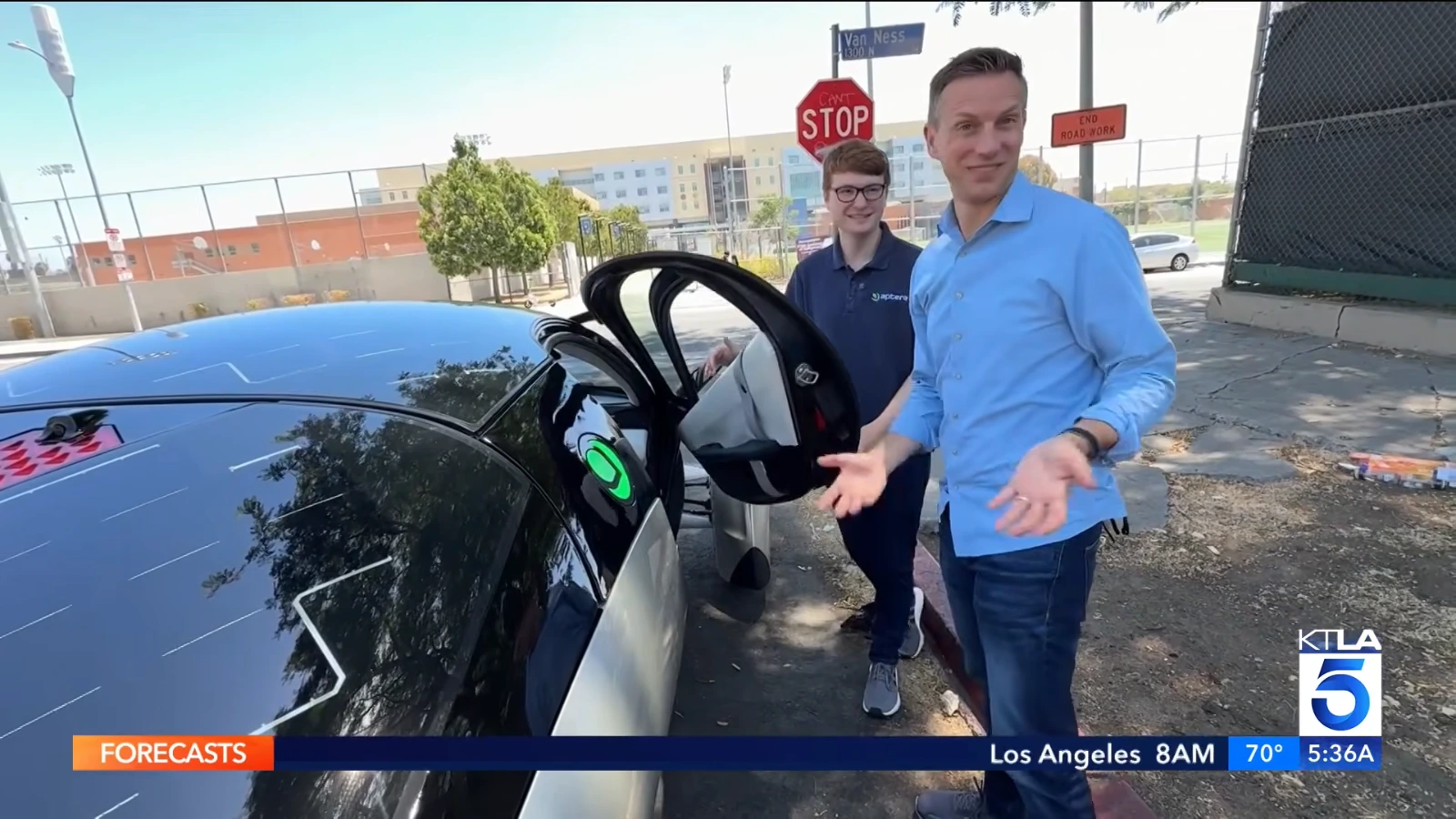
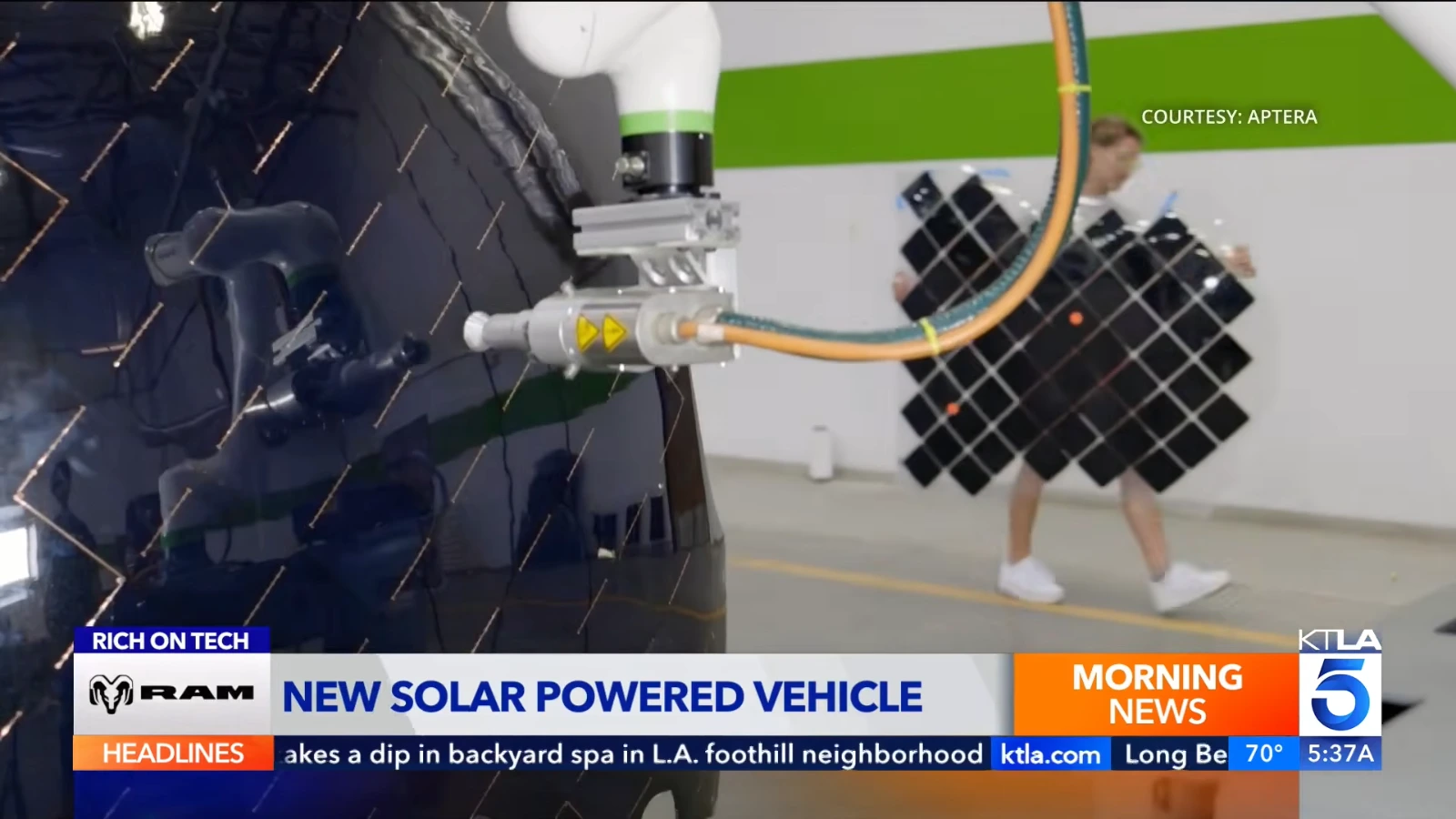
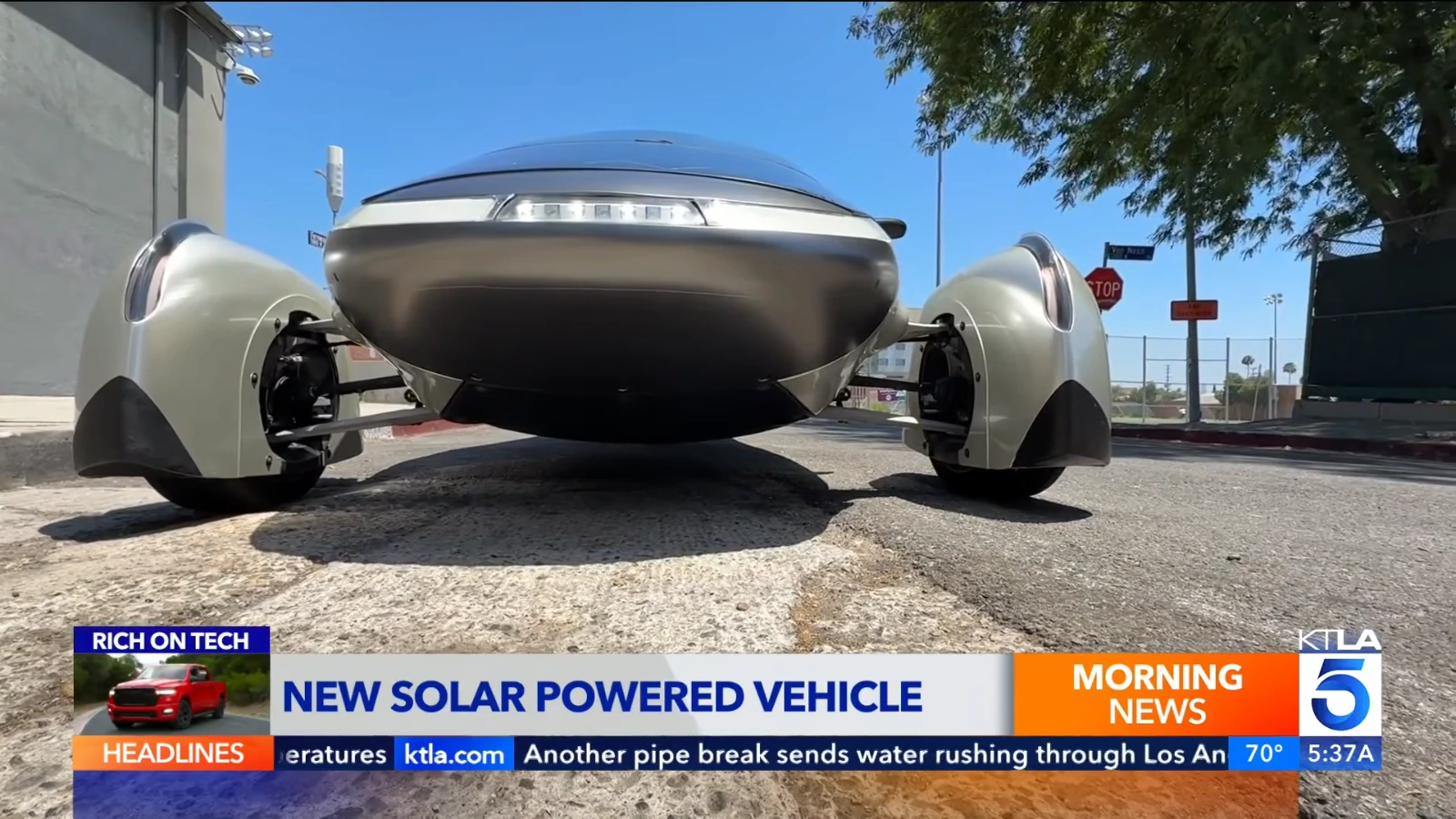
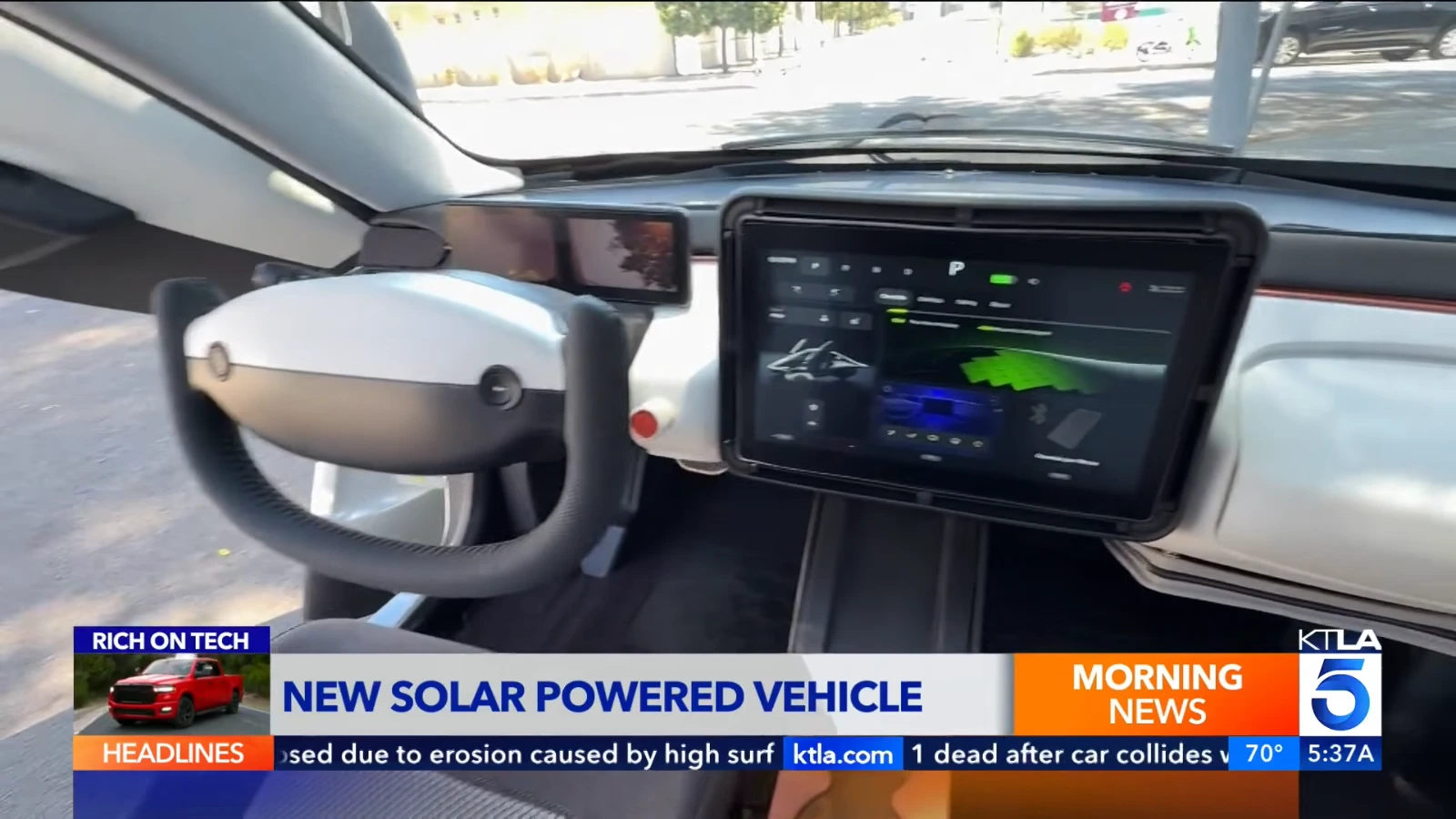
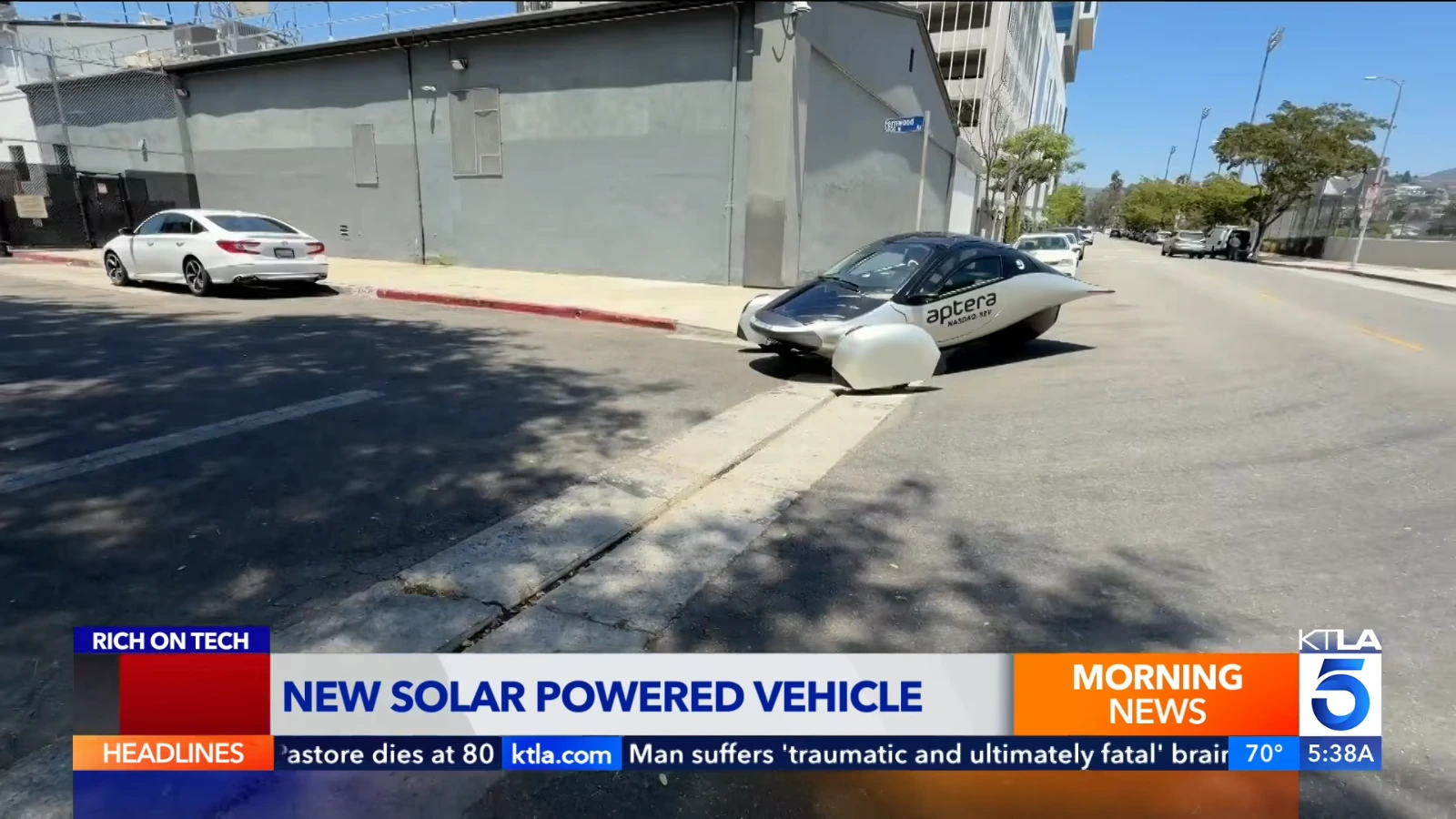
Aptera’s solar electric vehicle as featured in the Rich on Tech report. Images: Rich on Tech / YouTube.
DeMuro’s ride brings the headline features together in one place: the aircraft-like shape, knock-based entry, integrated solar panels and the strange experience of seeing something so futuristic moving through an otherwise normal Southern California day.
Watch Rich DeMuro Ride in Aptera’s Solar Electric Vehicle
The Rich on Tech report takes viewers inside Aptera and demonstrates the solar EV’s unusual entry system and road-going design.
Sources: Aptera; Rich on Tech.