
















Woodkid Closes The Golden Age With Max Richter’s Embers.
Director Yoann Lemoine and his musical alter ego Woodkid returned in 2014 with the fourth and final visual from his superb debut album, The Golden Age.
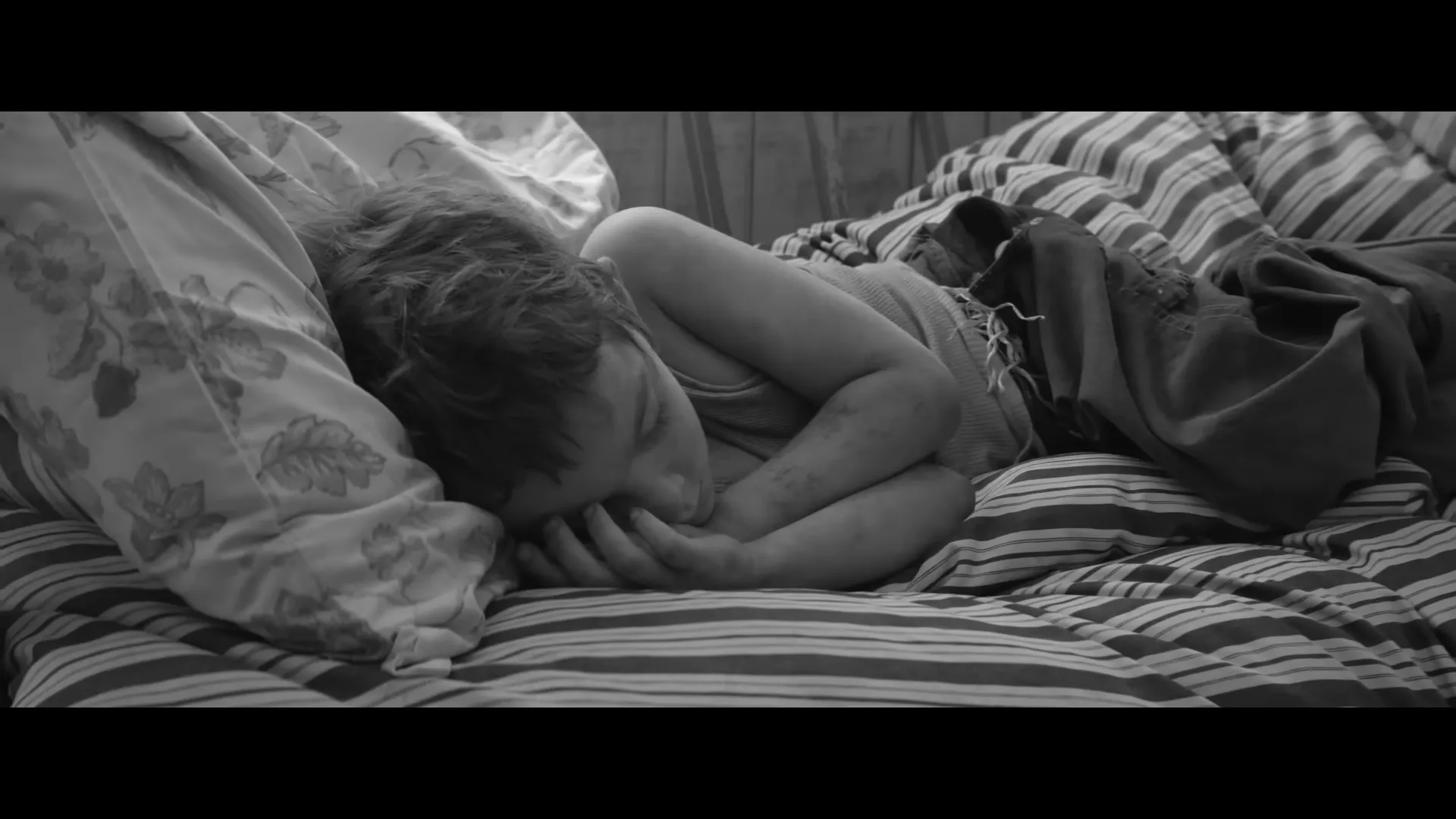
The nearly 11-minute film gives us another piece of the autobiographical universe first built through Iron, Run Boy Run and I Love You.
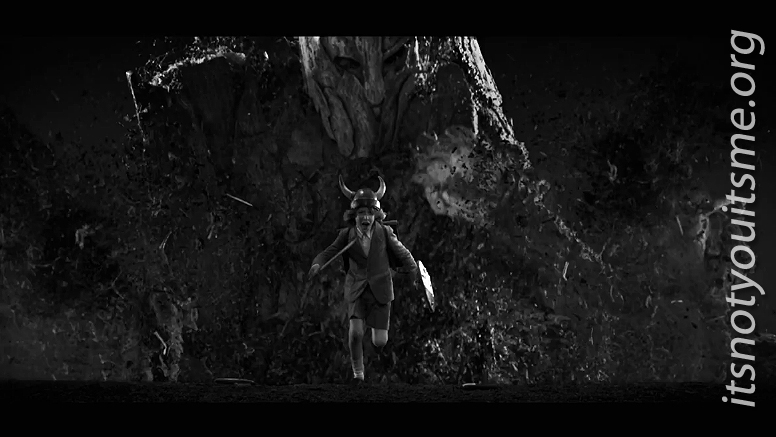
This time, the armor, monuments and meticulously composed fantasy imagery begin to fall away. In their place are handheld scenes of rural childhood, family, books, restless boyhood and the strange mixture of beauty and darkness that follows memory into adulthood.
Inside Woodkid’s final Golden Age film.
The black-and-white film trades Woodkid’s monumental fantasy imagery for quiet glimpses of boyhood, family, rural landscapes and memories that feel both beautiful and haunted.
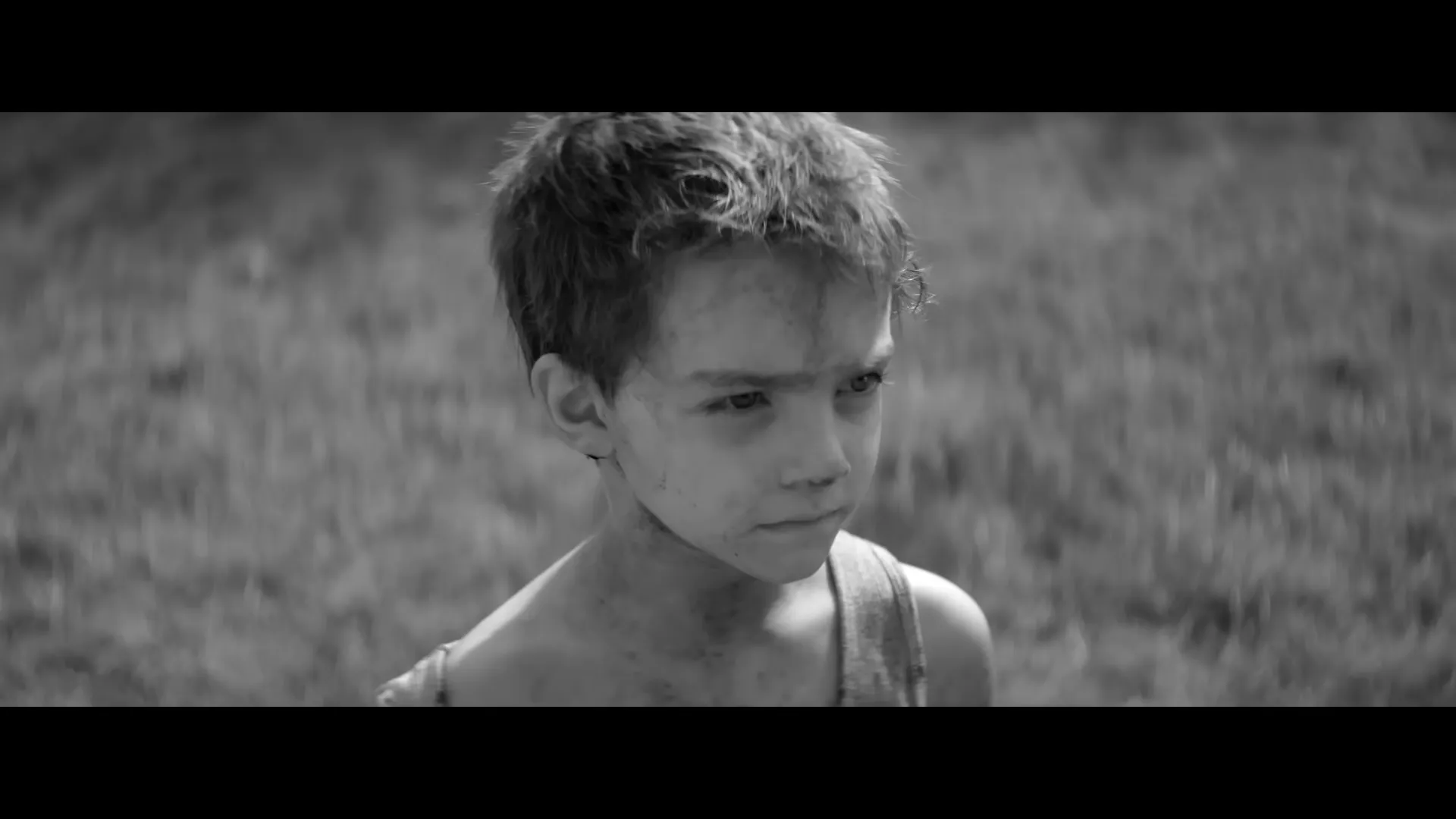
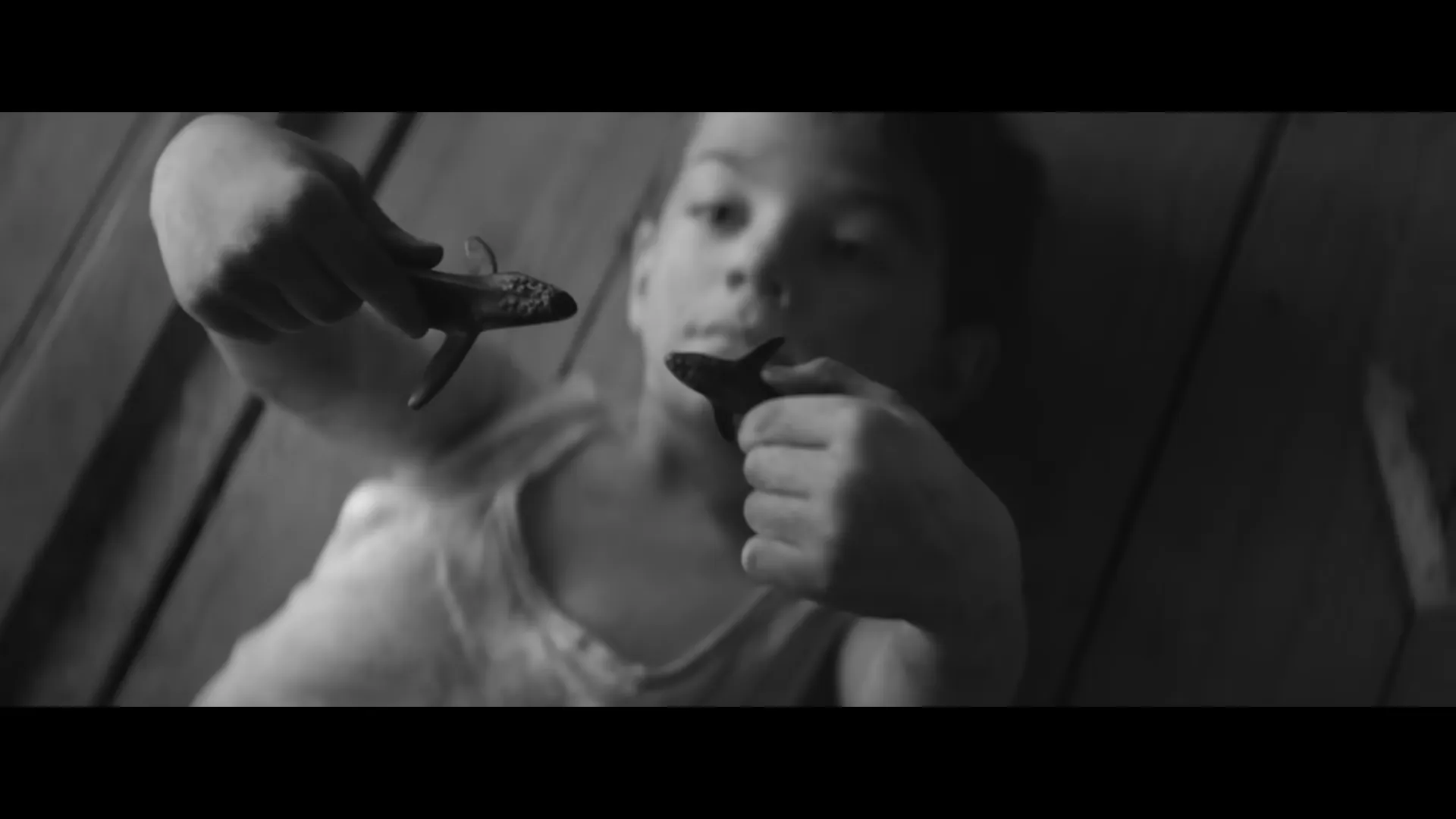
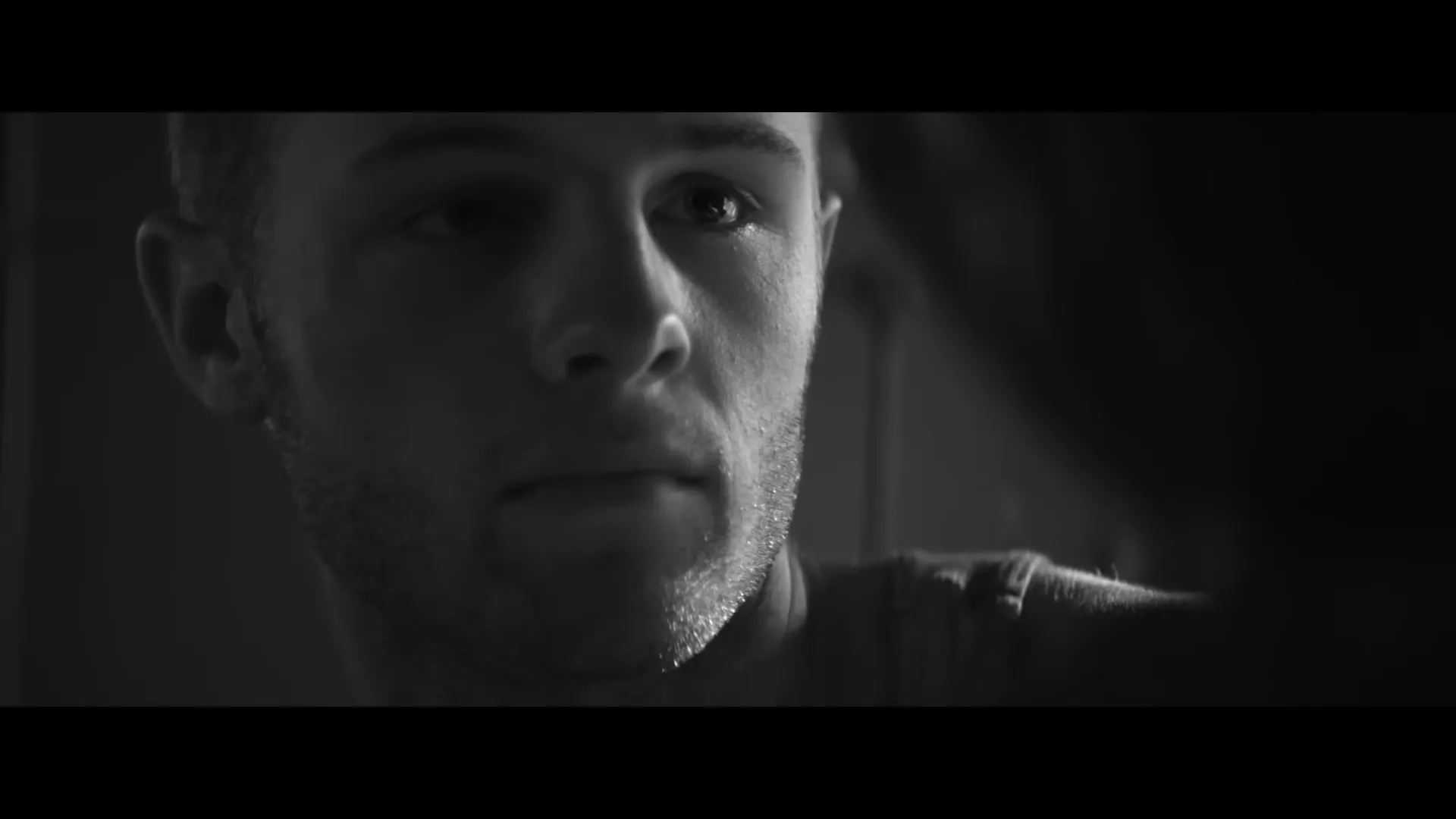
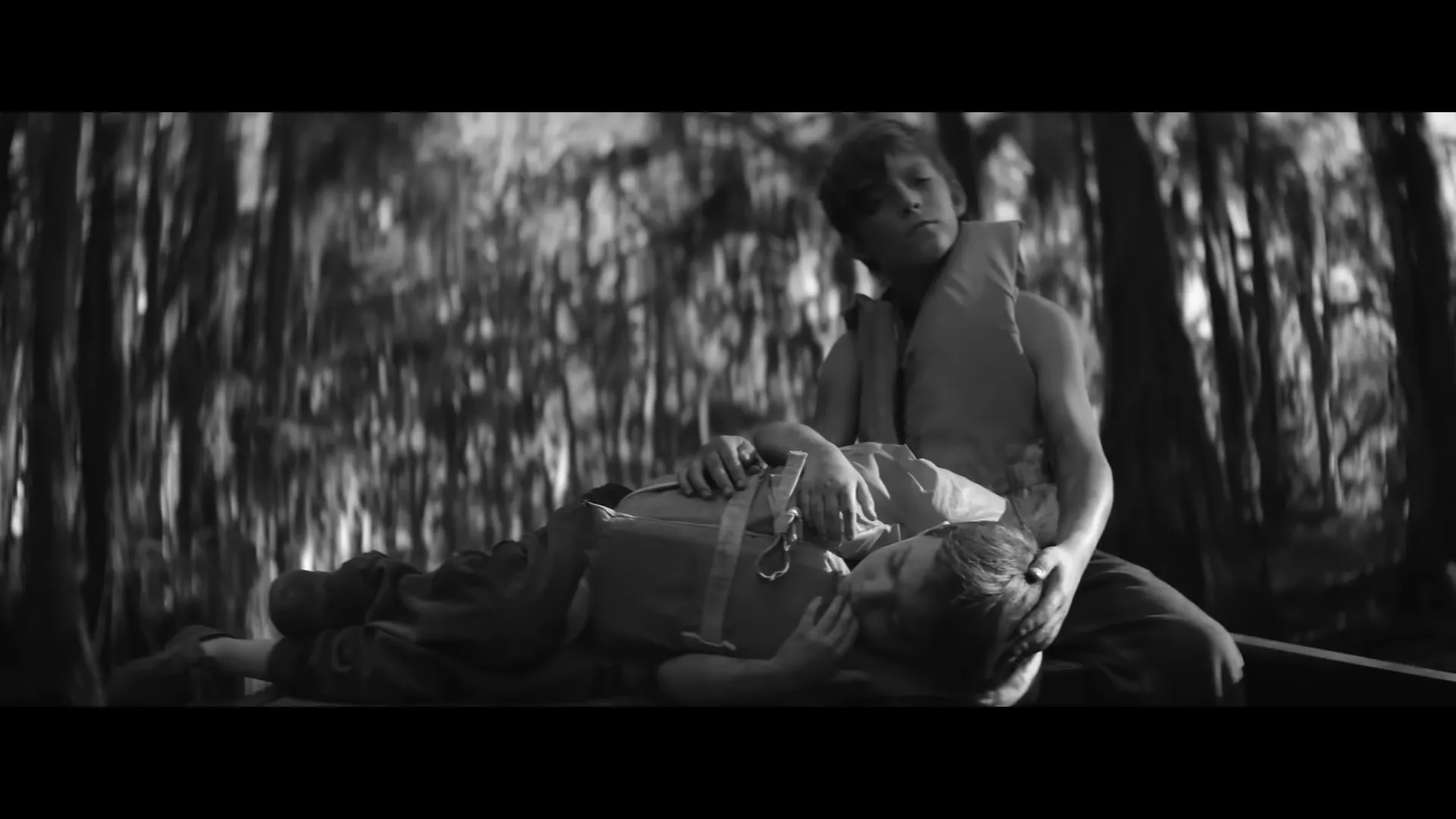
The young central figure reads like an earlier version of Lemoine himself, surrounded by the people, emotions and images that would eventually grow into Woodkid’s larger cinematic world.
Instead of ending the era with another grand battle, Woodkid returns to the child who imagined it all.
Explore Woodkid’s official catalog and revisit the sweeping record behind one of his most personal films.
As an Amazon Associate, INYIM Media earns from qualifying purchases.
The grand visual mythology becomes something intimate and human.
Across the earlier videos, Woodkid created a rigid black-and-white universe filled with marble bodies, charging animals, towering architecture and young heroes running toward uncertain futures.
The Golden Age intentionally moves in the opposite direction. Lemoine traded much of that formal control for handheld camerawork and a more natural, physical approach to the people and landscapes onscreen.
The result feels less like another chapter of mythology and more like the memory that existed before the mythology was created.
Woodkid described the film as “a postcard from my childhood,” filled with both beautiful recollections and the darker ones that continue haunting the child inside.
The fantasy does not disappear. We finally see where it came from.
Woodkid’s visual evolution comes full circle.
The project’s earlier imagery suggested a child growing from something organic into something harder and more monumental. Here, the adult creation is peeled back until only the fragile source remains.
Lemoine also drew visual inspiration from photographer William Gedney, whose work documented families and young men in rural America with an intimate and unguarded eye.
That influence can be felt throughout the film’s sunlit fields, weathered interiors and quiet observations of boys moving through an environment that feels free, sensual and occasionally threatening.
Max Richter extends the final goodbye.
To give the film enough room to breathe, Woodkid collaborated with composer Max Richter, who extended and rerecorded his piece Embers to match the pace and tonality of The Golden Age.
The two compositions slowly merge into a hybrid score of piano, violin, cello and Woodkid’s orchestral pop, stretching the single into something closer to a short film than a traditional music video.
The collaboration allows the story to move at the pace of what Lemoine called those seemingly never-ending childhood summers—days that felt enormous while living through them and impossibly distant once they were gone.
For Woodkid, the piece became a final goodbye to four years of work, touring and the world built around his first album.
Watch Woodkid’s The Golden Age Featuring Max Richter’s Embers.
Directed by Yoann Lemoine, the official film closes the visual journey of The Golden Age through rural childhood memories and a hybrid arrangement combining Woodkid’s title track with Max Richter’s Embers.
Sources: Woodkid’s official video and production credits provided the film, collaborators and track information; contemporary release coverage from France Rocks provided additional context about the final visual and Woodkid’s original statement. Originally published in July 2014 and refreshed for formatting, accessibility and archival clarity.