












Chaka Khan’s Playlist Comes With Prince, Whitney, First Loves and Zero Filters
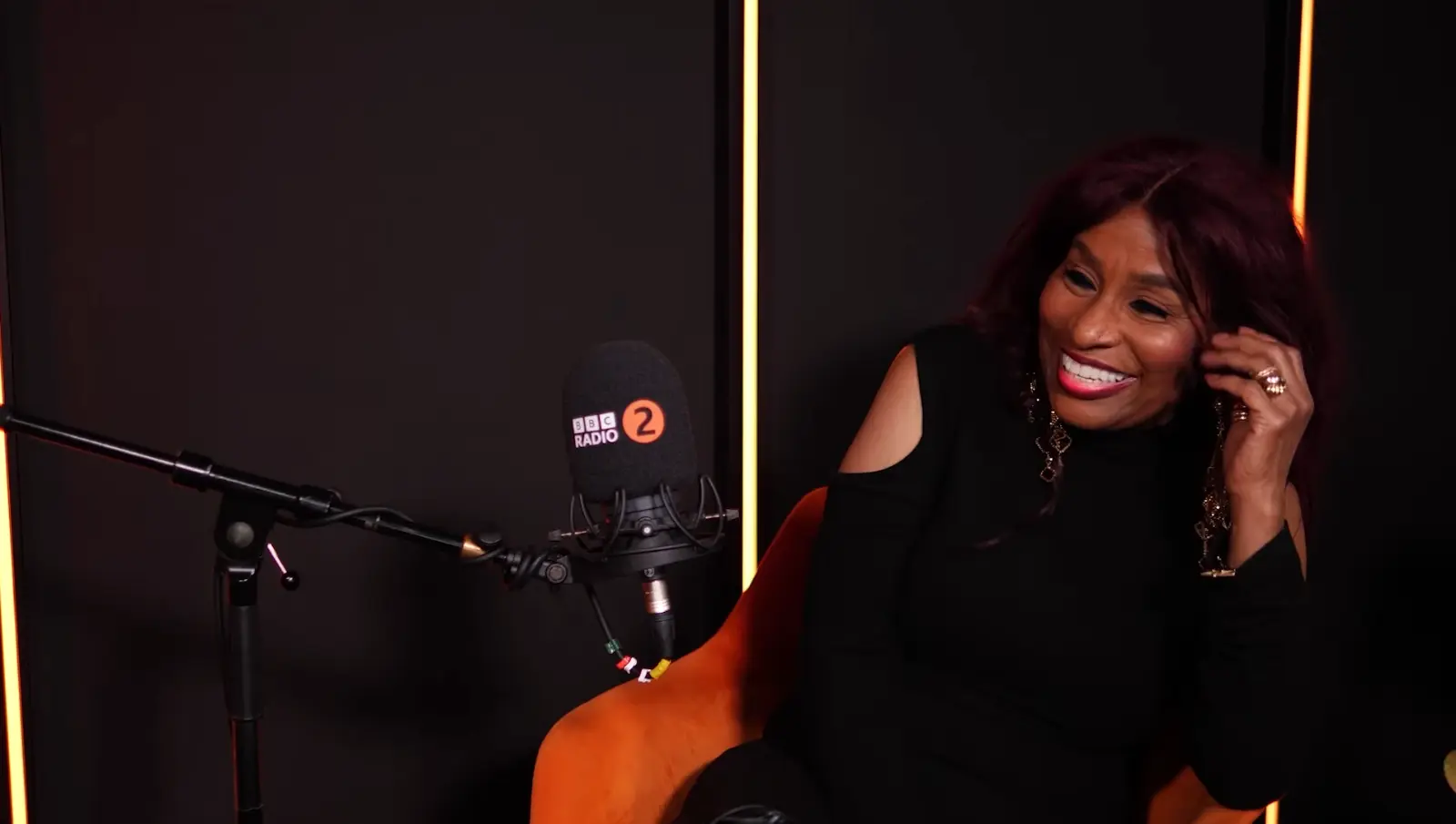
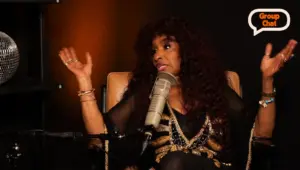
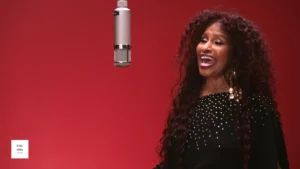
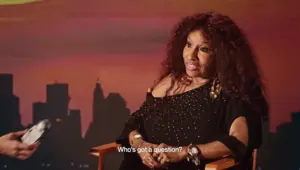
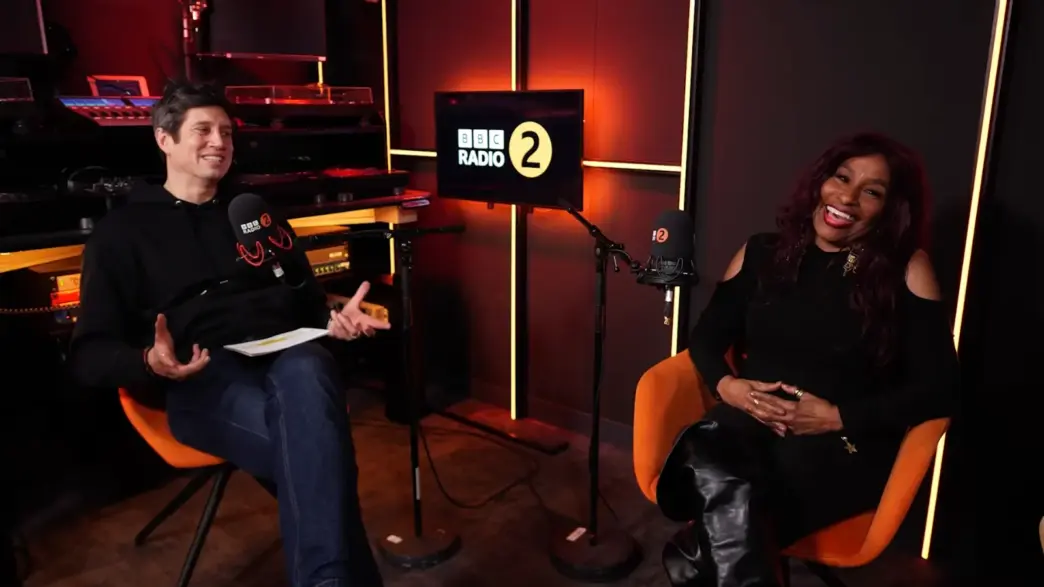
Chaka Khan can give you ten songs that helped soundtrack her life, but naturally she is not just handing over a playlist and going home. Sitting down with Vernon Kay for BBC Radio 2’s Tracks of My Years, Chaka uses the music as a loose map through childhood, first love, Rufus, racism in the record business, friendships with Prince and Whitney Houston, and the people and records that still knock her sideways.
The timing could not be better. Chaka is heading into Radio 2 in the Park 2026 in Stirling while preparing to release Chakzilla, her first new album in more than seven years. The record arrives September 18, but the real fun here is everything that comes spilling out when somebody asks Chaka Khan what she actually listens to.
Discover More
Chaka Khan’s Tracks of My Years
Chaka Khan turns ten favorite records into stories about family, first love, Prince, Whitney Houston, activism, racism and the artists who shaped her ears.
Some links may be affiliate links. INYIM may earn from qualifying purchases.
It starts at home, with jazz floating through the house while Chaka and her sister cleaned, danced and sang along to Sarah Vaughan, Ella Fitzgerald and the records their parents loved. Chaka remembers hearing songs like Vaughan’s “Broken-Hearted Melody” before she was even old enough to understand what a broken heart was. Music was simply there — part of the furniture, part of family life, part of how weekends sounded.
By her teenage years, that soundtrack had collided with politics. Chaka talks about Black student organizing, the teacher who helped expand her sense of where she came from, and eventually her involvement with the Black Panther Party. She helped with a free breakfast program for children, sometimes skipping class to do it, and says that period helped form the basic foundation of the person she still is.
And then, because this is Chaka, teenage revolution is followed almost immediately by teenage butterflies. Stevie Wonder’s “Hey Love” takes her straight back to a boy named Albert Donnelly, whom she was secretly crazy about. Years later she would actually meet Stevie — while pregnant with her first child — and, in an extremely Chaka move, tell him she did not particularly like the first song he played for her. He asked her sign, learned she was an Aries, switched songs, and suddenly they were talking. A friendship followed.
Before Rufus, There Was Rush Street and a Lot of Nerve
The conversation keeps drifting between the records and the life around them. Chaka’s love for Jimi Hendrix sends her back to Chicago’s Rush Street club scene, where she was fronting one band while watching Rufus perform across the way. What fascinated her was that Rufus were writing their own material. When their singer left for a solo deal and the group asked Chaka to step in, she says she basically jumped immediately. Not long after, Rufus had a record deal and the rest really was history.
Her choices also make clear how useless it is to squeeze Chaka Khan into one genre. Hendrix is there. Led Zeppelin is there too — she says Zeppelin was the first rock album she ever bought. Billie Holiday sits alongside Marvin Gaye. Miles Davis is part of her everyday listening. The point is not that Chaka has “eclectic taste.” The point is that she has never heard the walls people like to build between funk, rock, jazz, soul, pop and R&B as particularly convincing.
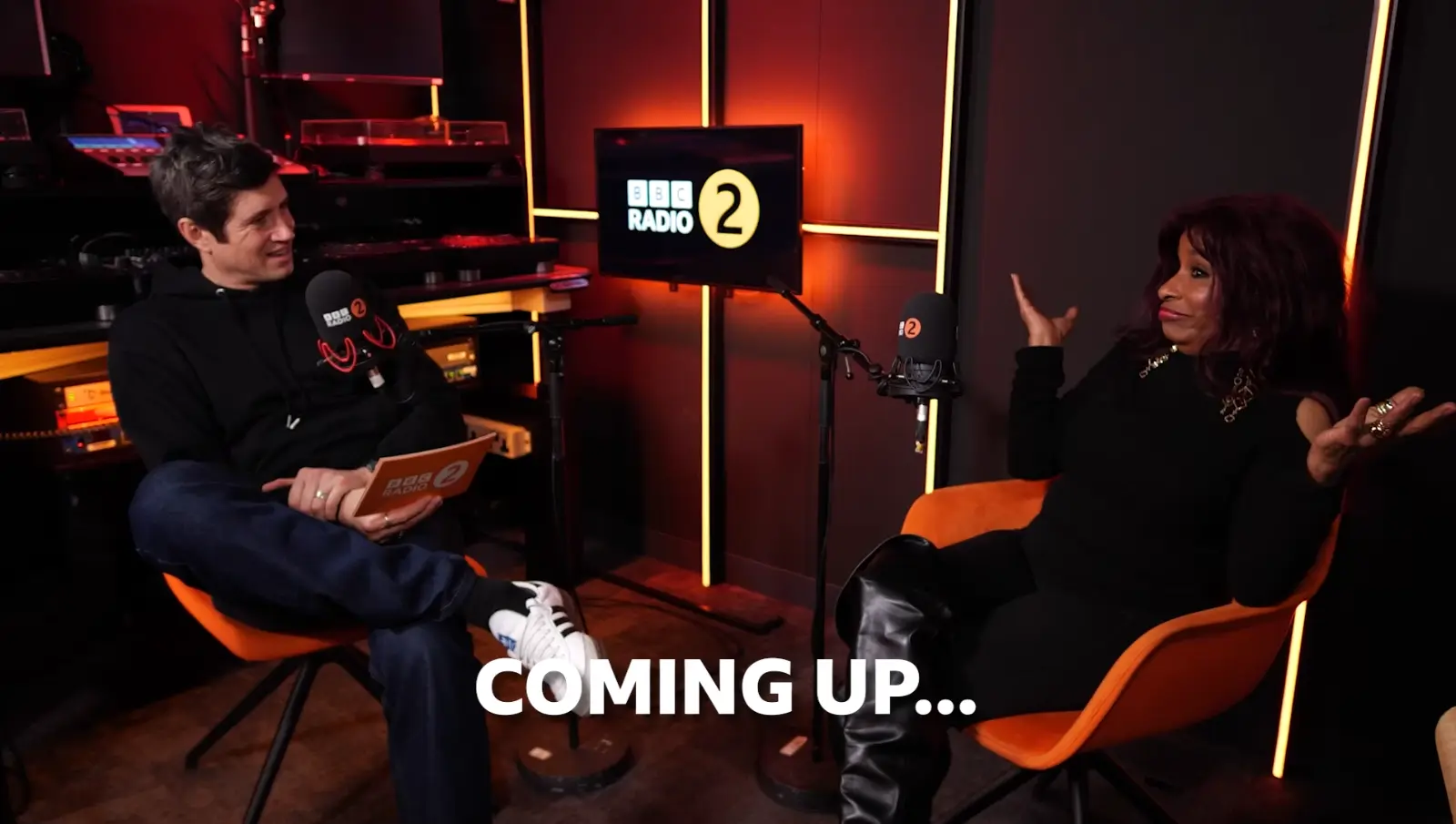
Billie Holiday’s “God Bless the Child” pulls the interview into heavier territory. Chaka explains that she chose it instead of “Strange Fruit,” a song she finds almost too devastating to imagine performing herself. From there she speaks about racism, learned hatred and the damage done when adults teach that hatred to children. The music never sits politely in the background here; it keeps opening doors into whatever still makes Chaka angry, grateful, heartbroken or nostalgic.
Prince, Whitney and the People She Still Misses
The emotional center of the interview arrives when Prince comes up. “When Doves Cry” was a favorite of Chaka’s father, but talking about the song quickly becomes talking about the man himself. She remembers Prince as a gifted poet and a genuinely good-hearted person, and the affection in her voice is immediate.
Then Prince brings Whitney Houston rushing in right behind him. Chaka says she misses Prince the way she misses Whitney, whom she remembers as not only an extraordinary singer but wickedly funny and extremely intelligent. She first met Whitney when she was still a teenager, after Cissy Houston brought her into the studio. Chaka heard the voice and knew exactly what was standing in front of her.
The warmth of those memories sits beside one of the interview’s ugliest stories. Chaka says her recording of Robert Palmer’s “Addicted to Love” was initially meant to feature them singing as equals, but that the record company removed her lead contribution because she was Black. She says the decision still hurts. Even for a singer whose voice was impossible to ignore, the business could still decide exactly how much of her it wanted the public to hear.
She Was Never Just the “Queen of Funk” Anyway
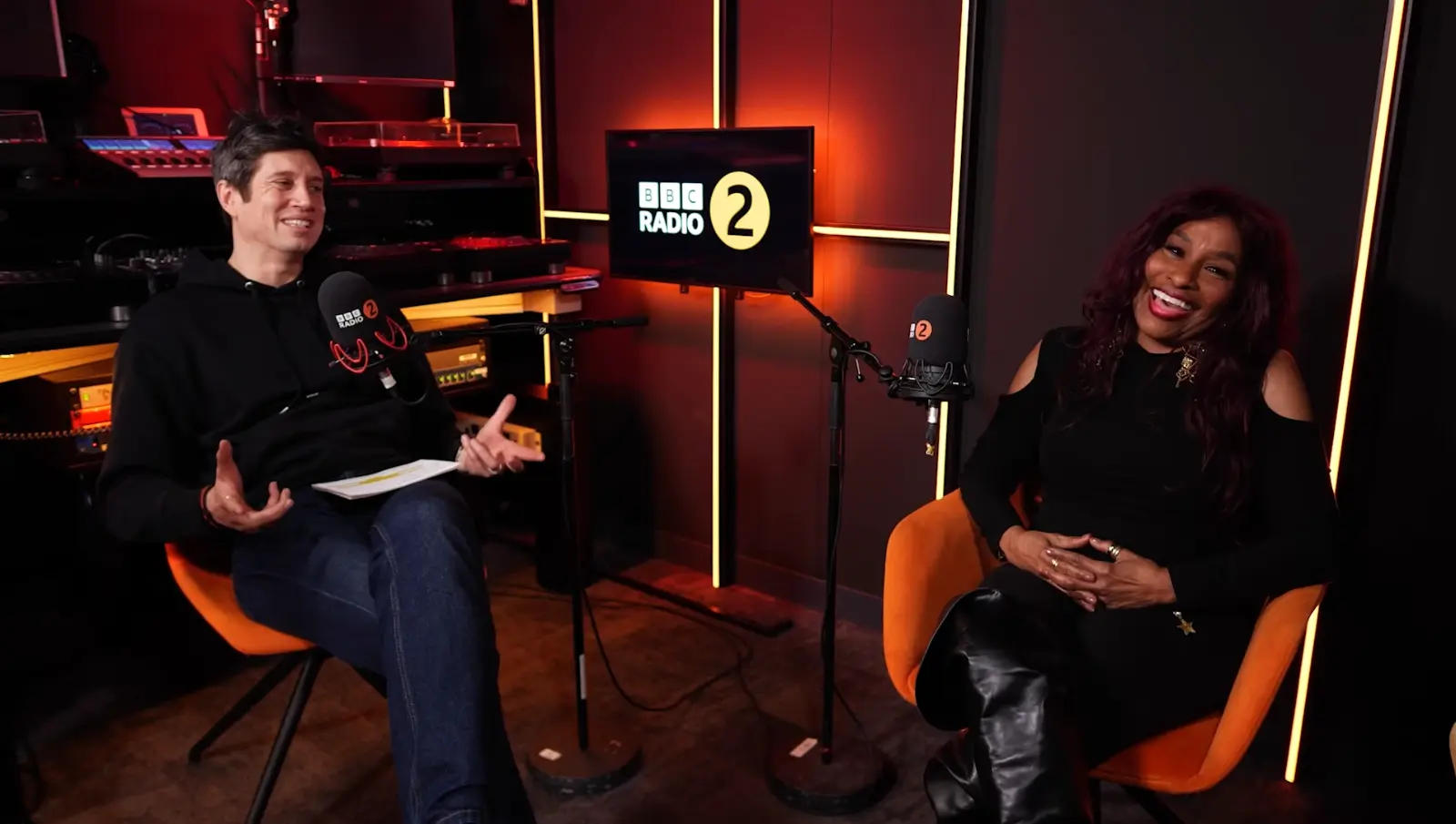
Miles Davis gives Chaka another chance to talk about how she hears music. She singles out the playing of Marcus Miller and says she heard words inside the instrumental pieces strongly enough that she wrote lyrics to them for herself. Then there is Joni Mitchell, not simply an influence but a longtime friend — someone Chaka has known for decades, shared dinners and wine with, and apparently received the occasional vocabulary lesson from.
That history is part of why Chaka bristles at being reduced to the “Queen of Funk.” The title is flattering until it becomes a box. Her own listening has always moved through jazz, rock, pop, R&B and soul, and she would rather people widen their ears than flatten her into one convenient category.
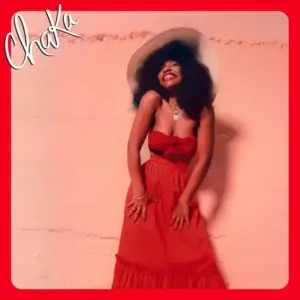
Which brings us neatly to Chakzilla. Chaka says Sia encouraged her back toward pop radio and started writing with her, while Greg Kurstin produced the finished 10-track album. The project arrives September 18 and includes Sia, Snoop Dogg and Lenny Kravitz — another lineup that makes the whole “stay in one lane” idea feel especially silly.
She closes her selections with Mica Paris, but even that does not feel like a neat ending. Chaka talks about Mica less like a fellow star and more like family, remembering her as one of the first singers she connected with after moving to London and joking that she used to make her sing “God Bless the Child” at the house like somebody’s demanding auntie.
That is what makes the whole conversation work. The songs are really just keys. One unlocks childhood. Another opens first love. Another leads to Rufus, or racism, or activism, or Prince, or Whitney, or a dinner with Joni Mitchell. By the end, you do not come away with a ranked playlist so much as a portrait of Chaka Khan built from the music she carried with her.
Watch Chaka Khan’s Full “Tracks of My Years” Conversation
Chaka Khan joins Vernon Kay for BBC Radio 2’s Tracks of My Years, using ten personal song choices to revisit the people, memories and turning points behind her career.
Source: BBC Radio 2 / Chaka Khan official.