















Past Blast Musique Unearths Toni Basil’s Brilliantly Forgotten ’80s Gem

There are songs that disappear because they were never particularly memorable. Then there are records like Toni Basil “Over My Head” — a 1983 single that somehow slipped through the cracks while one gigantic hit permanently took over the artist’s story.
For Basil, that hit is obviously “Mickey.” More than four decades later, the cheerleader chant is still so permanently welded to pop culture that you could be forgiven for thinking Toni arrived, yelled “Oh Mickey,” conquered the world and vanished.
Except she didn’t. And around INYIM Radio, one of the Toni Basil records we keep coming back to is the considerably darker, stranger and far less remembered “Over My Head.” This is one of those forgotten ’80s tracks that makes you stop mid-spin and ask the obvious question: why wasn’t this bigger?
music
Toni Basil — Over My Head
A forgotten 1983 favorite that still earns regular spins around INYIM Radio.
Some links may be affiliate links. INYIM may earn from qualifying purchases.
After “Mickey,” Toni Basil Went Somewhere Much Stranger
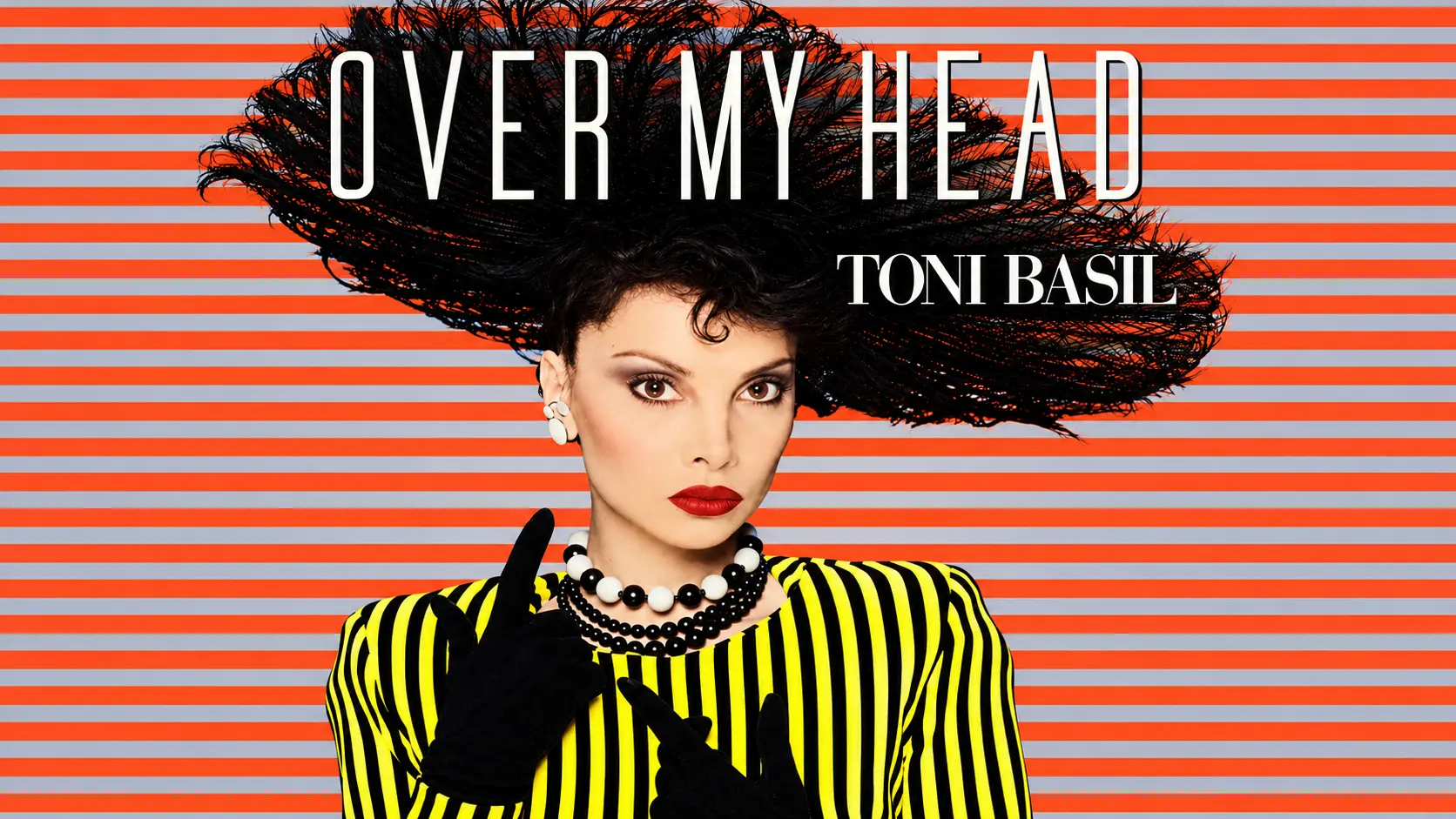
Released from Basil’s self-titled second album in late 1983, “Over My Head” was written by Franne Golde and Sue Shifrin and produced by Richie Zito. Contemporary Cash Box coverage credited Zito directly and immediately clocked the change in atmosphere, hearing a more serious Basil over a hard-edged production with an ominous synth opening.
Sonically, the record sits in one of those deliciously blurry early-’80s spaces between new wave, pop-rock and Hi-NRG-minded dance music. It isn’t pure Hi-NRG in the Bobby O or Patrick Cowley sense, but the pulse is there: urgent electronic rhythm, icy synth tension, rock guitar muscle and enough forward motion to make the whole thing feel built for a dark dance floor as much as Top 40 radio.
And there is a very good reason some of that production DNA feels familiar. Richie Zito had been working closely with Giorgio Moroder during exactly this period. In a later interview, Zito recalled that Moroder recommended him to Chrysalis to produce Basil’s next album — making Toni Basil Zito’s first-ever solo production. Zito had already been working inside Moroder’s world of synths, sequencers, soundtrack bombast and rock instrumentation, and that lineage makes the sleek-but-muscular sound of “Over My Head” feel considerably less accidental.
The album credits deepen the connection even further: Zito handled guitar plus Linn and Simmons electronic drums, while Sylvester Levay — another major figure in Moroder’s studio orbit — contributed additional keyboards to “Over My Head.” Suddenly that mix of glossy electronics, hard rhythmic attack and pop-rock drama starts making perfect sense.
A Bigger Dance Record Than Its Pop Peak Suggests
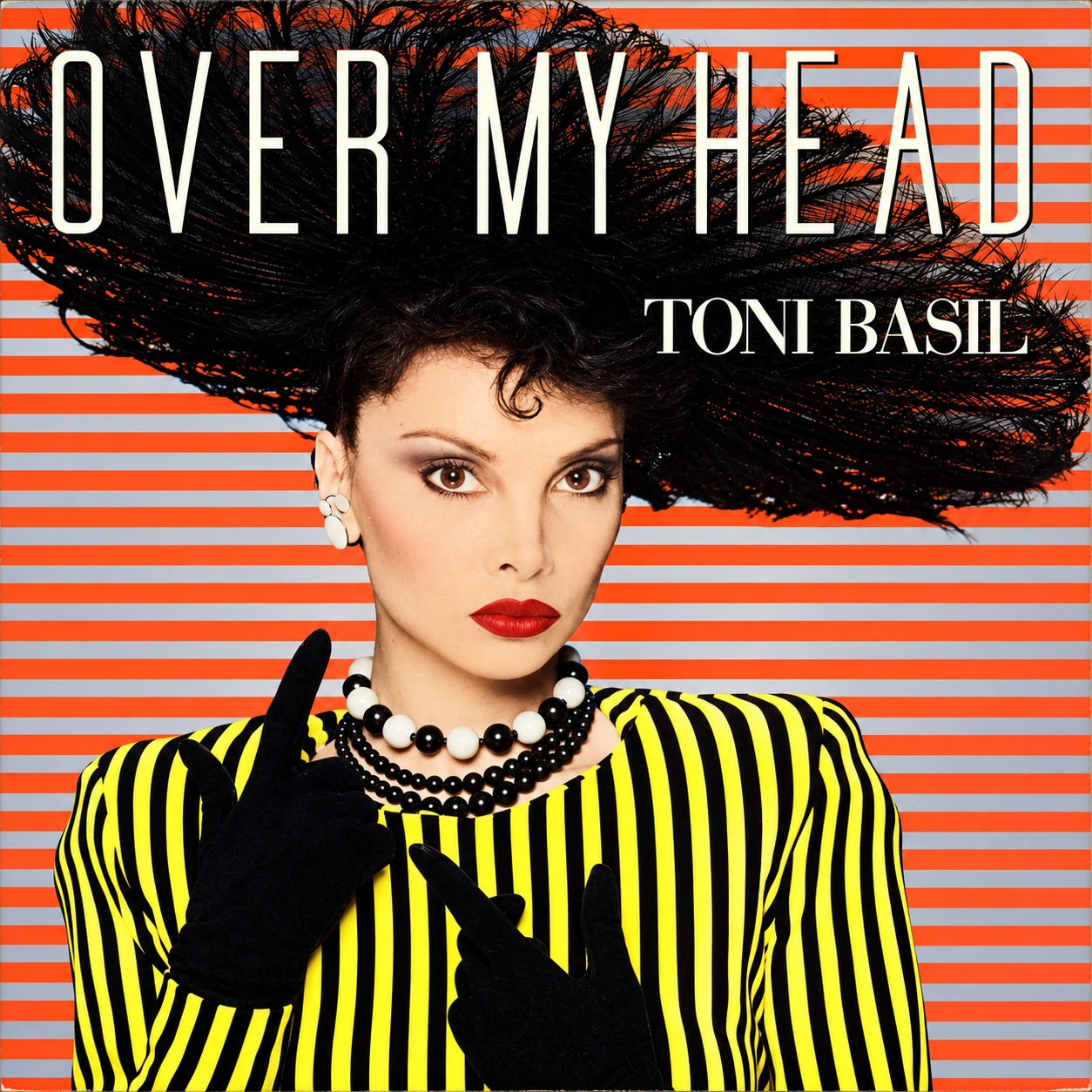
“Over My Head” never became the giant follow-up that “Mickey” had made seem possible. On the Billboard Hot 100 it peaked at No. 81, spending six weeks on the chart and becoming Basil’s final Hot 100 entry.
But that number doesn’t tell the whole story. The single climbed to No. 4 on Billboard’s U.S. dance chart, which feels much closer to the record’s natural habitat. Contemporary club reports were still listing it alongside the increasingly electronic, stylistically scrambled sound of 1984.
That is one reason it remains such an easy fit on INYIM Radio. “Over My Head” doesn’t politely stay in one genre lane. It has the urgency of new wave, the hooks of pop, the weight of rock and just enough Hi-NRG propulsion underneath to keep the whole thing moving.
The Video Proved Toni Basil Was Already Thinking Beyond MTV
Then there’s the video — because with Toni Basil, the visual is never some decorative afterthought.

“Over My Head” sends Basil tumbling through a pulpy world of paperback mystery imagery, horror-film atmosphere and deliberately theatrical danger. She moves in and out of book-cover fantasies, including a railroad-track sequence that mutates into another visual gag before she finally escapes the whole fever dream. The Museum of Modern Art credits Toni Basil as the video’s director, choreographer and producer, and it plays less like a conventional performance clip than a compact piece of visual theater.
Toni Basil — “Over My Head” (Special Vocal Mix)
This upload is labeled “Special Vocal Mix”; MoMA credits Basil as director, choreographer and producer of the 1984 “Over My Head” video.
That shouldn’t be surprising. Basil had already been working across dance, choreography, film and experimental music-video language long before most pop stars were being told to “make a video.” She had collaborated with David Byrne on Talking Heads’ “Once in a Lifetime,” and her understanding of movement was never limited to putting eight-counts behind a singer.
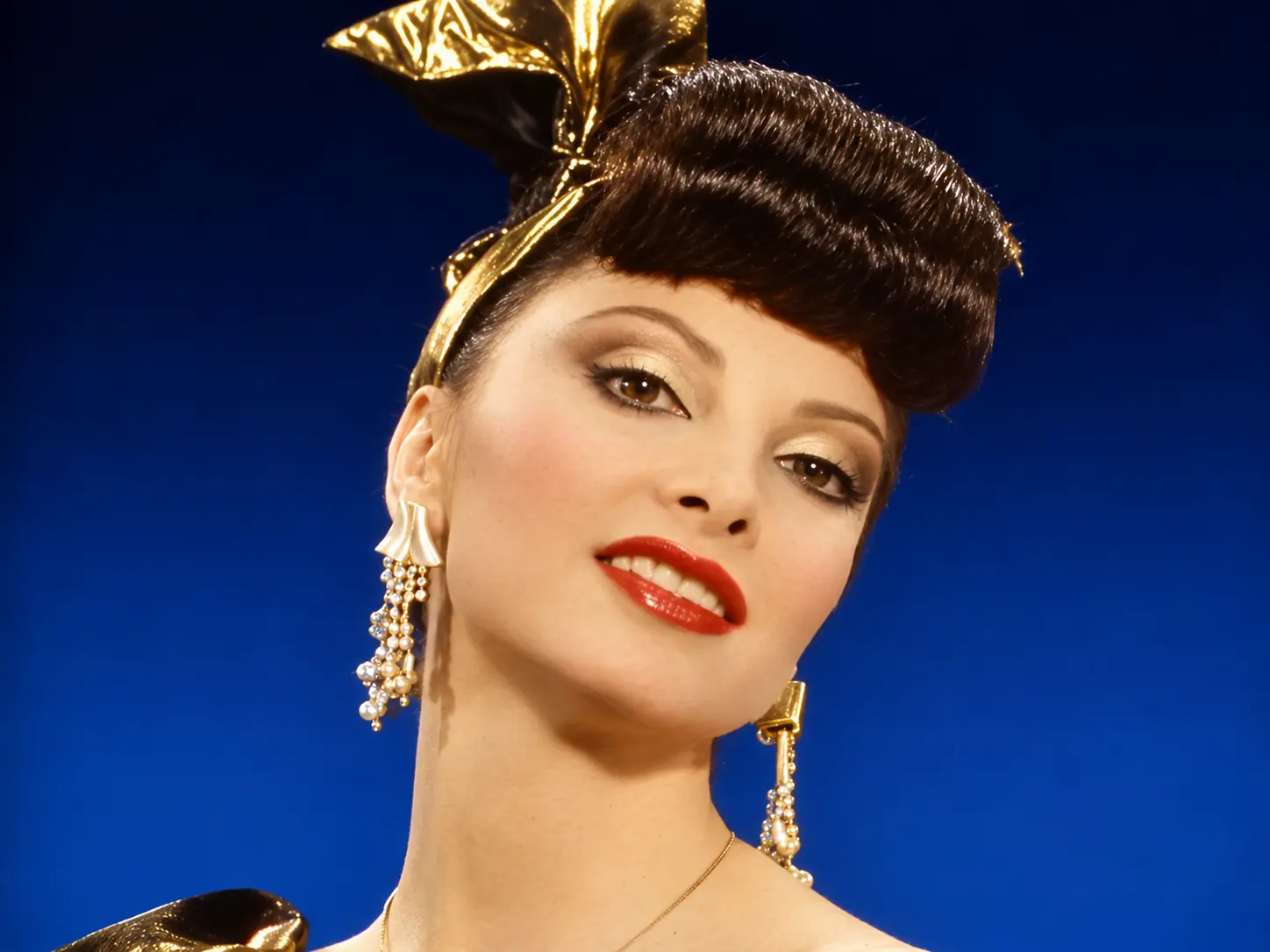

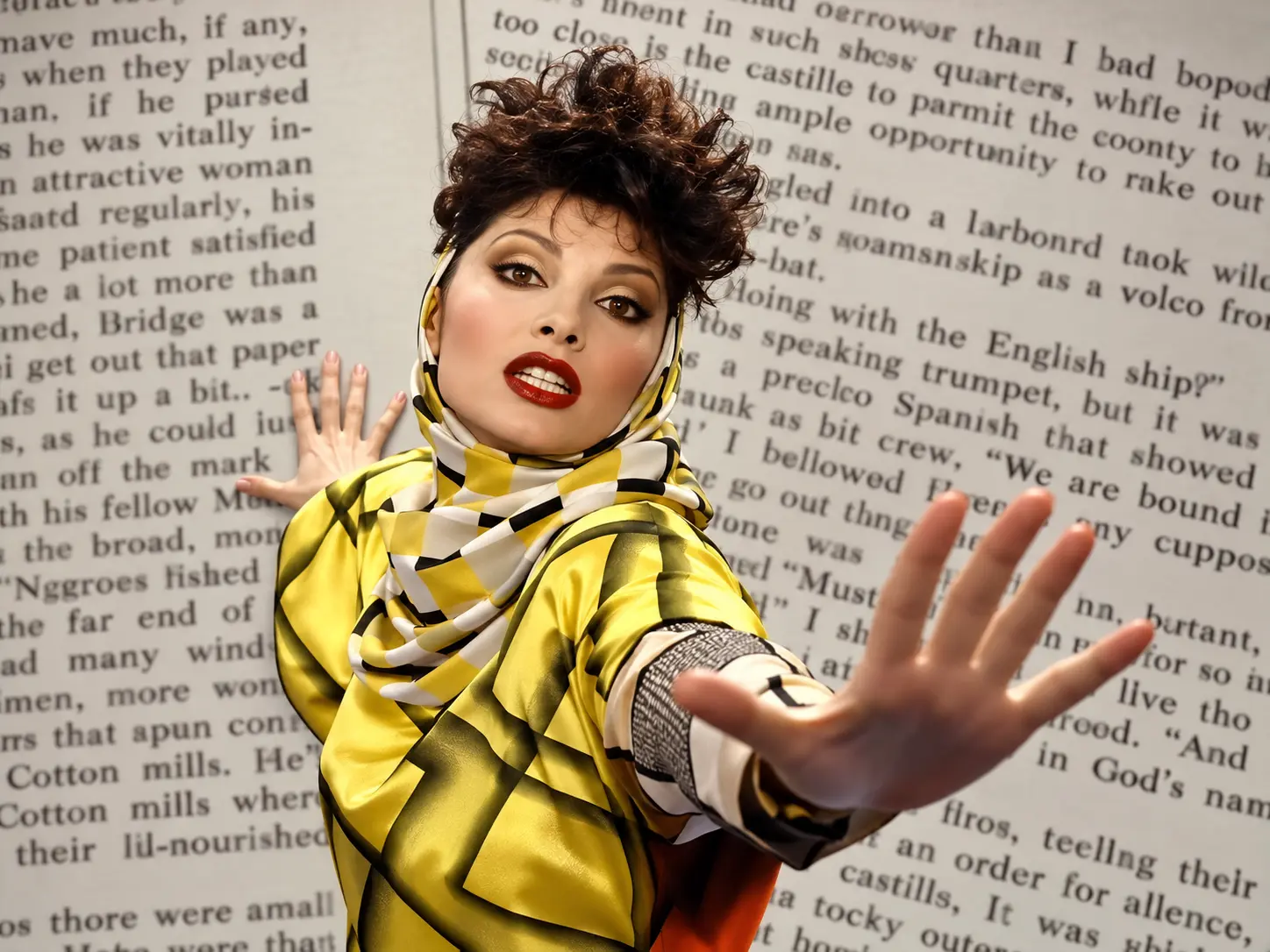
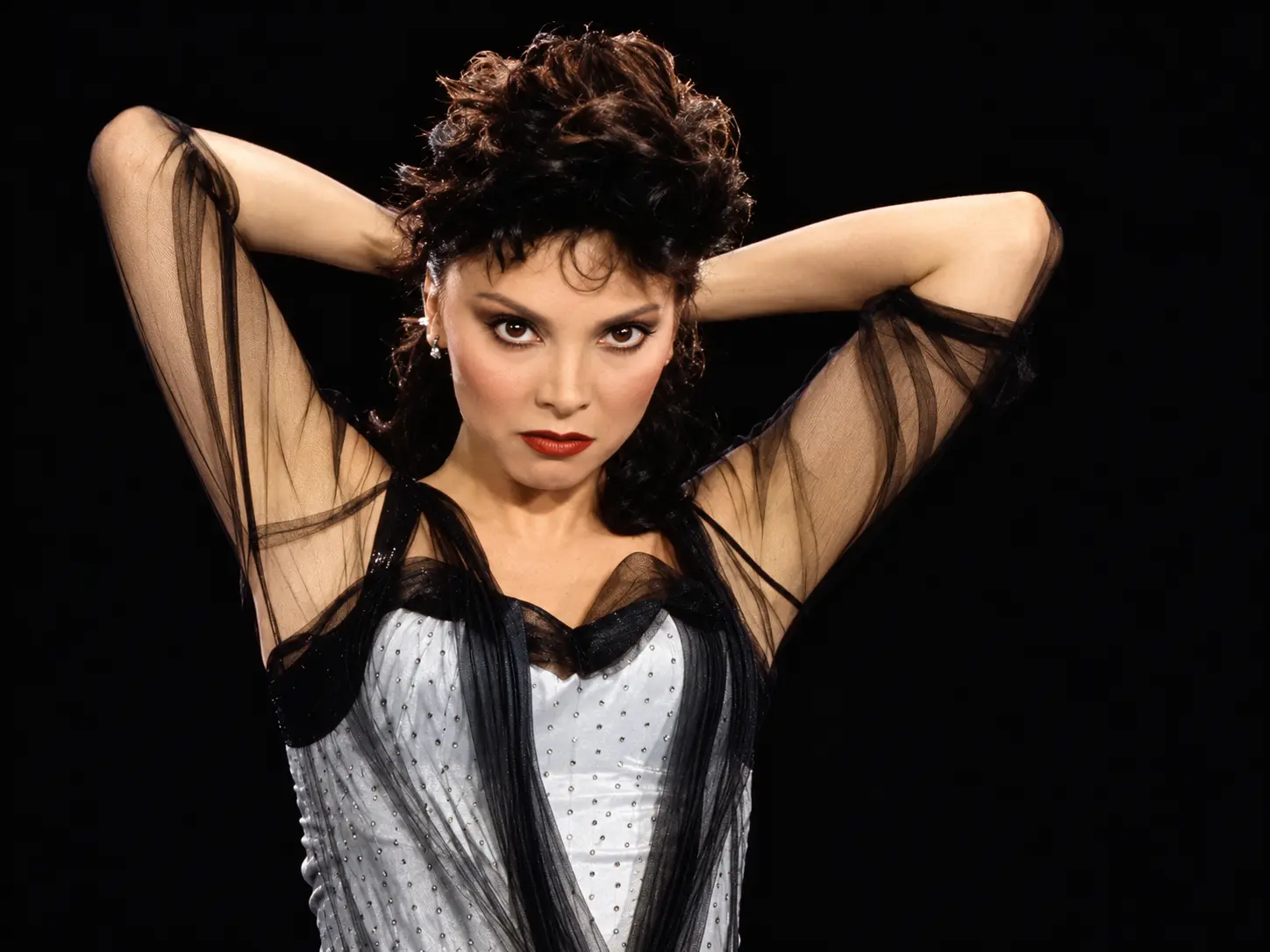
Toni Basil in “Over My Head.” Images: “Over My Head” video; restored by INYIM Media.
MTV noticed. At the very first MTV Video Music Awards in 1984, “Over My Head” was nominated for Best Choreography in a Video. The other nominees included Elton John’s “I’m Still Standing,” Donna Summer’s “She Works Hard for the Money,” Bette Midler’s “Beast of Burden” and Michael Jackson’s “Thriller.” “Thriller” won — which is about as respectable a loss as one can have.
Toni Basil Arrives at the First MTV Video Music Awards in 1984
Basil arrived at the inaugural MTV VMAs with two Best Choreography nominations — one for “Over My Head” and another for Bette Midler’s “Beast of Burden.”
But here is the detail that makes us love the whole thing even more: Toni Basil was nominated twice in that same category. She was up for her own choreography on “Over My Head” and for choreographing Bette Midler’s “Beast of Burden.” One category. Two Toni Basil nominations. If your entire picture of her begins and ends with a cheerleader sweater, that little piece of history should rearrange a few things.
Toni Basil Was Quite Literally Raised in Show Business
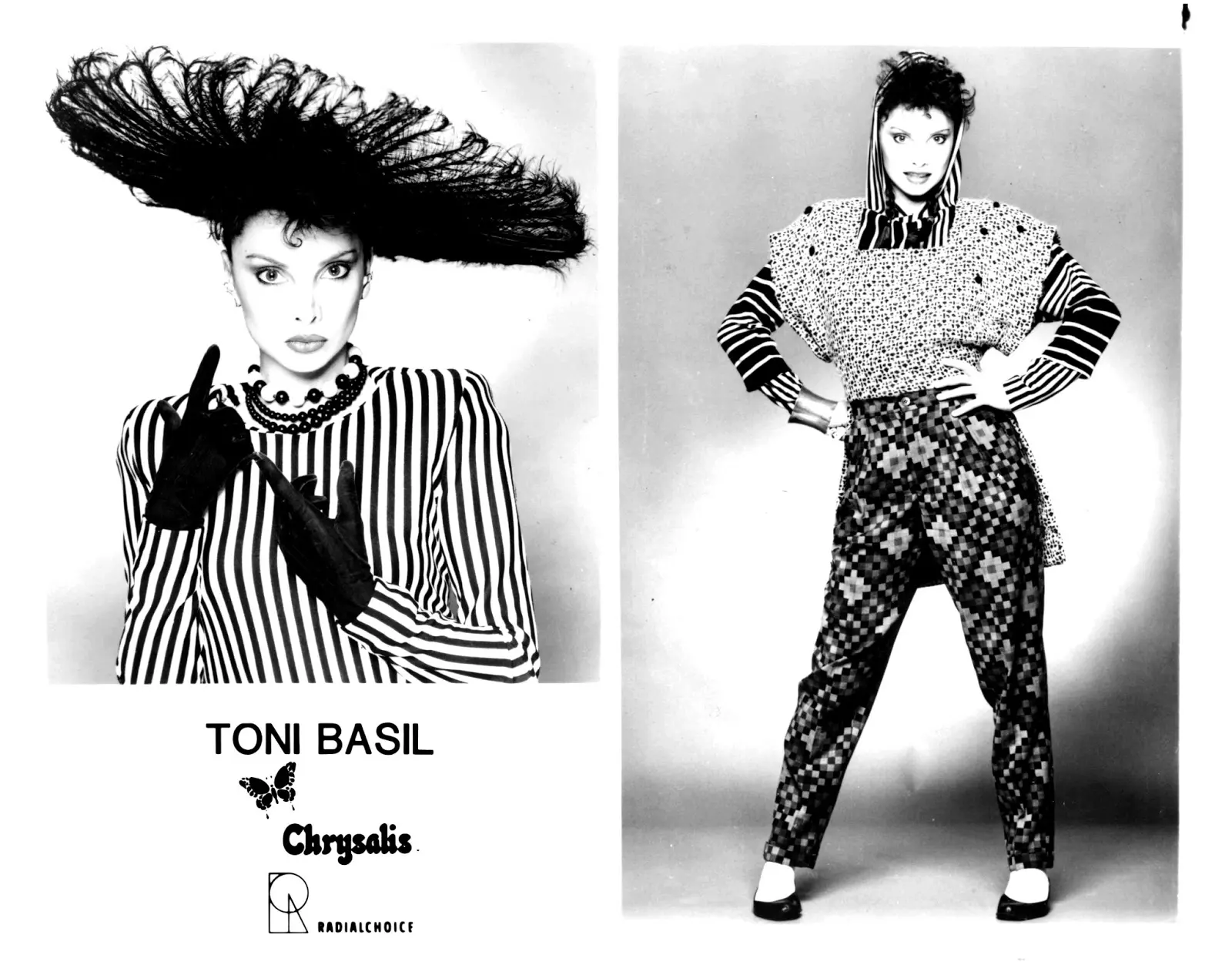
People tend to flatten Toni Basil into “the woman who sang ‘Mickey,’” but that version of the story misses almost everything interesting about her. Basil was a tour de force — dancer, choreographer, director, stylist, visual artist and performer — and quite literally the offspring of vaudeville.
In her extensive 2023 oral-history interview for the New York Public Library’s Dance Oral History Project, Basil described growing up inside a performing family. Her mother came from the vaudeville act Billy Wells and the Four Fays, while her father, Louis Basil, worked as an orchestra leader in major theaters. Toni grew up watching shows from the wings, helping with props and absorbing old-school stagecraft before she was old enough to understand that most children did not live that way.
She was sent to ballet school at four. Later came jazz, tap and the kind of constant backstage education that can’t really be replicated in a classroom. So when Basil performs with that peculiar combination of precision, comedy, theatrical timing and physical attack, none of it is some retro costume she put on for MTV. Show business was the family business.
And then there was the Toni Basil look — completely her own and impossible to separate from the performance. The hair, the makeup, the shapes, the layers, the way she could turn something theatrical, sporty, glamorous or downright odd into a signature: it never felt like she was wearing somebody else’s idea of pop-star style. It was personal, instinctive and unmistakably Toni. Add that gorgeous, expressive face — the kind that could switch from deadpan to mischievous to full theatrical attack in a beat — and even the smallest styling choice gained character. Plenty of people can borrow an outfit. Very few can make an entire visual language feel impossible to duplicate.
And Then She Helped Take Locking Onto Major Stages
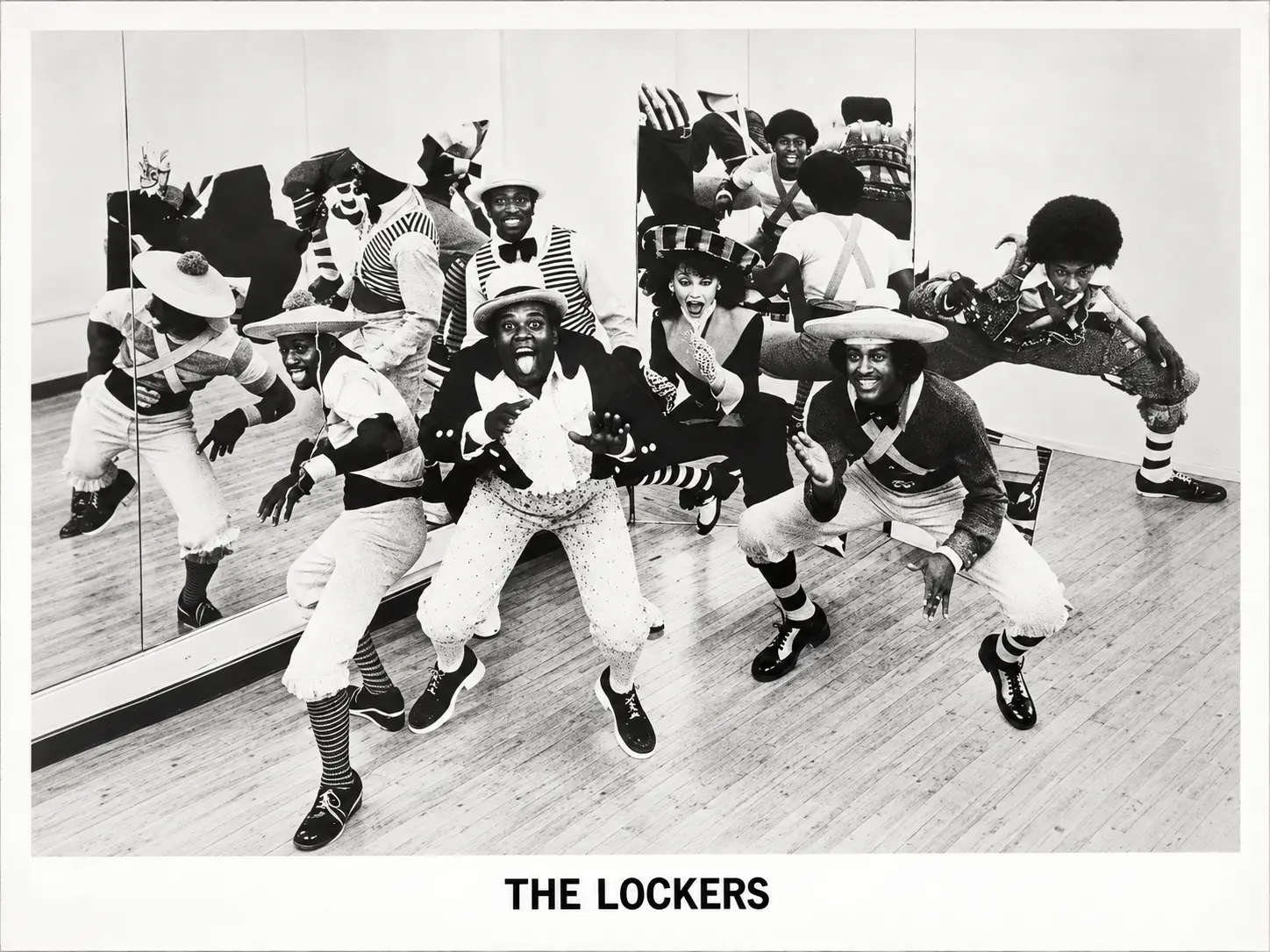
That theatrical lineage eventually collided with another crucial piece of American dance history. Basil became one of the seven original members of The Lockers, the pioneering Los Angeles group built around Don “Campbellock” Campbell’s locking style.
Basil wasn’t simply booked as a dancer standing at the edge of somebody else’s movement. Her own oral history describes how she sought Campbell out, became his dance partner, helped assemble what began as the Campbell Lockers, staged the group and managed them after they signed with CMA. The original lineup would take locking onto major television and live stages, helping push a Los Angeles street-dance form into the wider American entertainment conversation.
And yes, “pop-and-lock” became the casual catch-all phrase a lot of people grew up using, but popping and locking are different styles. Basil’s direct lineage here is locking — and she was there at the foundational level with The Lockers.
That history matters when you watch her perform “Over My Head.” Those sharp freezes, sudden directional changes, turns and bursts of motion aren’t a pop singer trying to survive choreography. Movement was one of Toni Basil’s native languages long before she became a charting recording artist.
American Bandstand Caught the Full Toni Basil Whirlwind
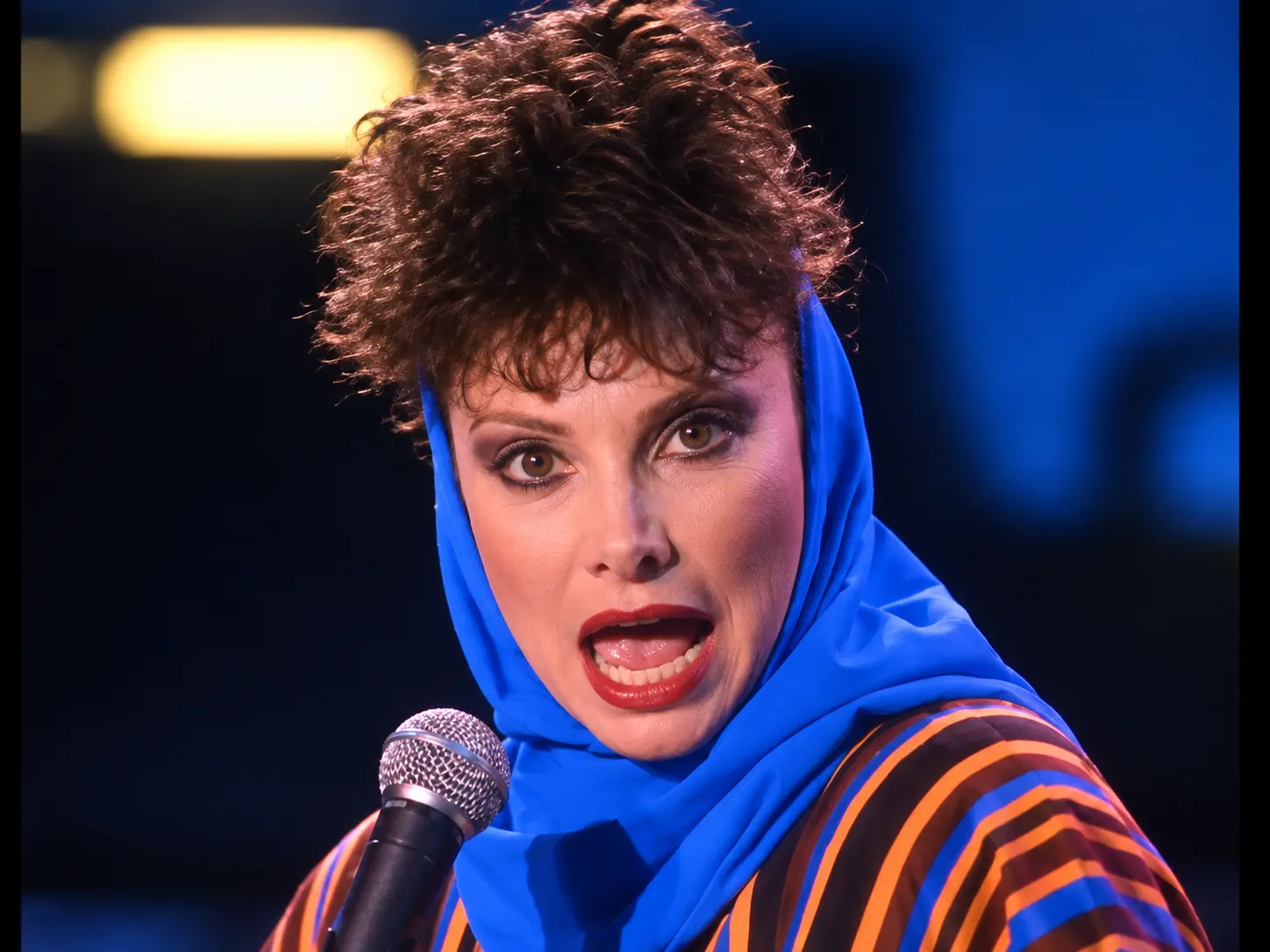
And this is where the American Bandstand performance becomes essential to the story.
Basil performed “Over My Head” on American Bandstand on March 3, 1984, on an episode that also featured Night Ranger. Watching her tear through the number is the reminder people need: Toni Basil wasn’t merely fronting a record. She was a whirlwind.
The spins, the attack, the timing, the sudden freezes, the way she uses the whole performance area — all of that history is right there at once. The child raised around vaudeville. The trained dancer. The original Locker. The choreographer who understood how to build movement for a camera. The pop performer who knew that a television appearance should actually look like something.
Basil has also spoken directly about those television performances, noting how common lip-syncing was at the time and how it allowed her to dance much more aggressively than she could while singing live. In other words, the physicality wasn’t incidental. She used the television format to push the performance harder.
If the official “Over My Head” video shows Toni Basil the visual architect, American Bandstand shows Toni Basil the live-force-of-nature performer. Put the two together and the “one-hit wonder” shorthand starts looking awfully flimsy.
Toni Basil Performs “Over My Head” on American Bandstand
Basil performed the single on American Bandstand on March 3, 1984 — and the sheer amount of movement makes a very good case for why her dance history belongs at the center of her story.
Did the ’80s leave “Over My Head” behind too soon? Tell us in the comments — and if there’s another forgotten Toni Basil track or lost ’80s gem you think belongs on INYIM Radio and in a future Past Blast Musique, we want to hear it.
Sources: New York Public Library Dance Oral History Project; Cash Box, December 17, 1983; Billboard 1984 chart archive; Music Connection interview with Richie Zito; The Museum of Modern Art; UPI; American Bandstand episode listing.