











Before Smartphones Took Over, the VMAs Still Felt Like the Center of Pop
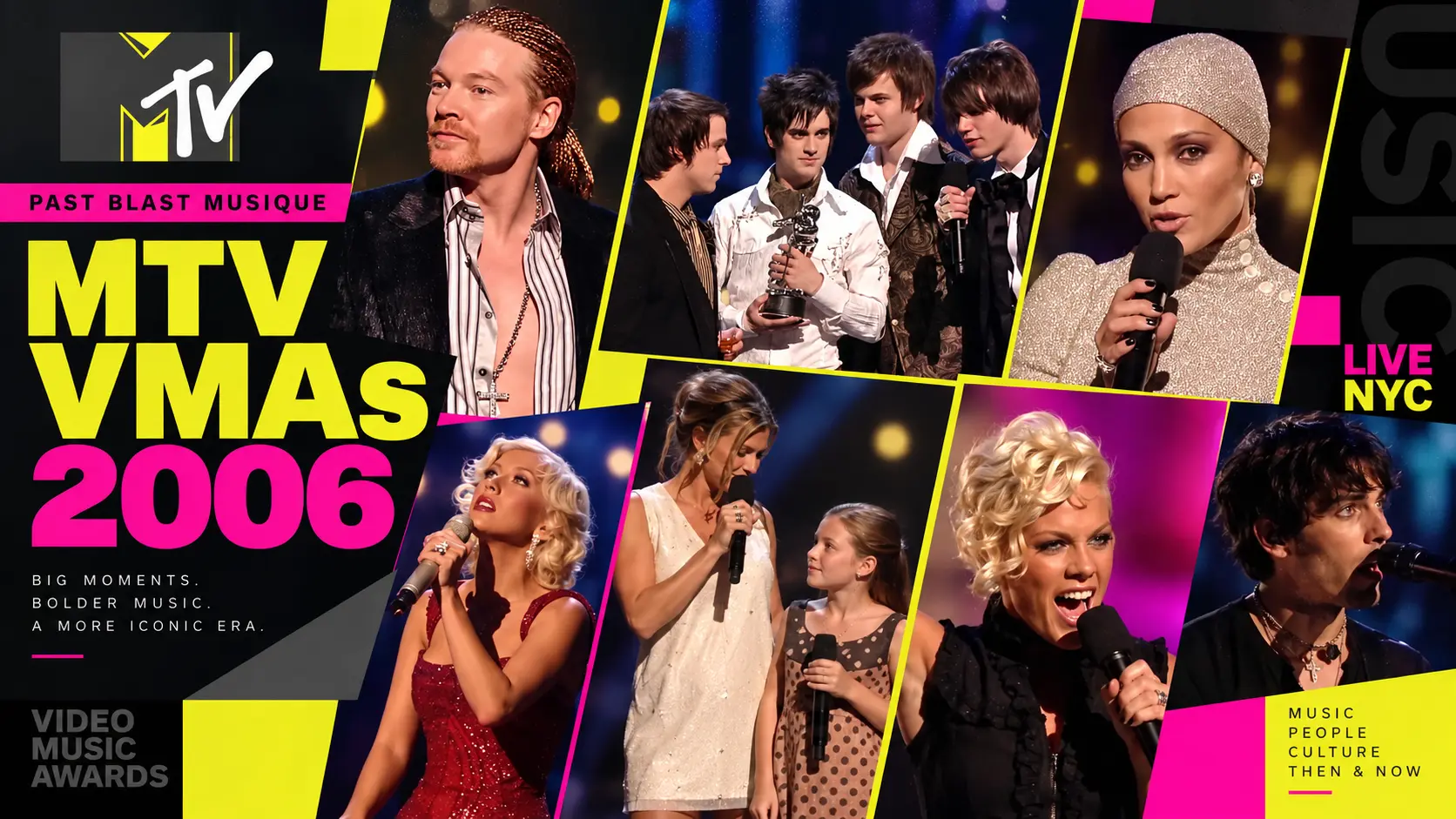
As we gear up for the upcoming 2026 MTV Video Music Awards, we’re looking back at what really feels like the end of the VMAs’ golden age — and the last stretch when the show was still what we all understood it to be.
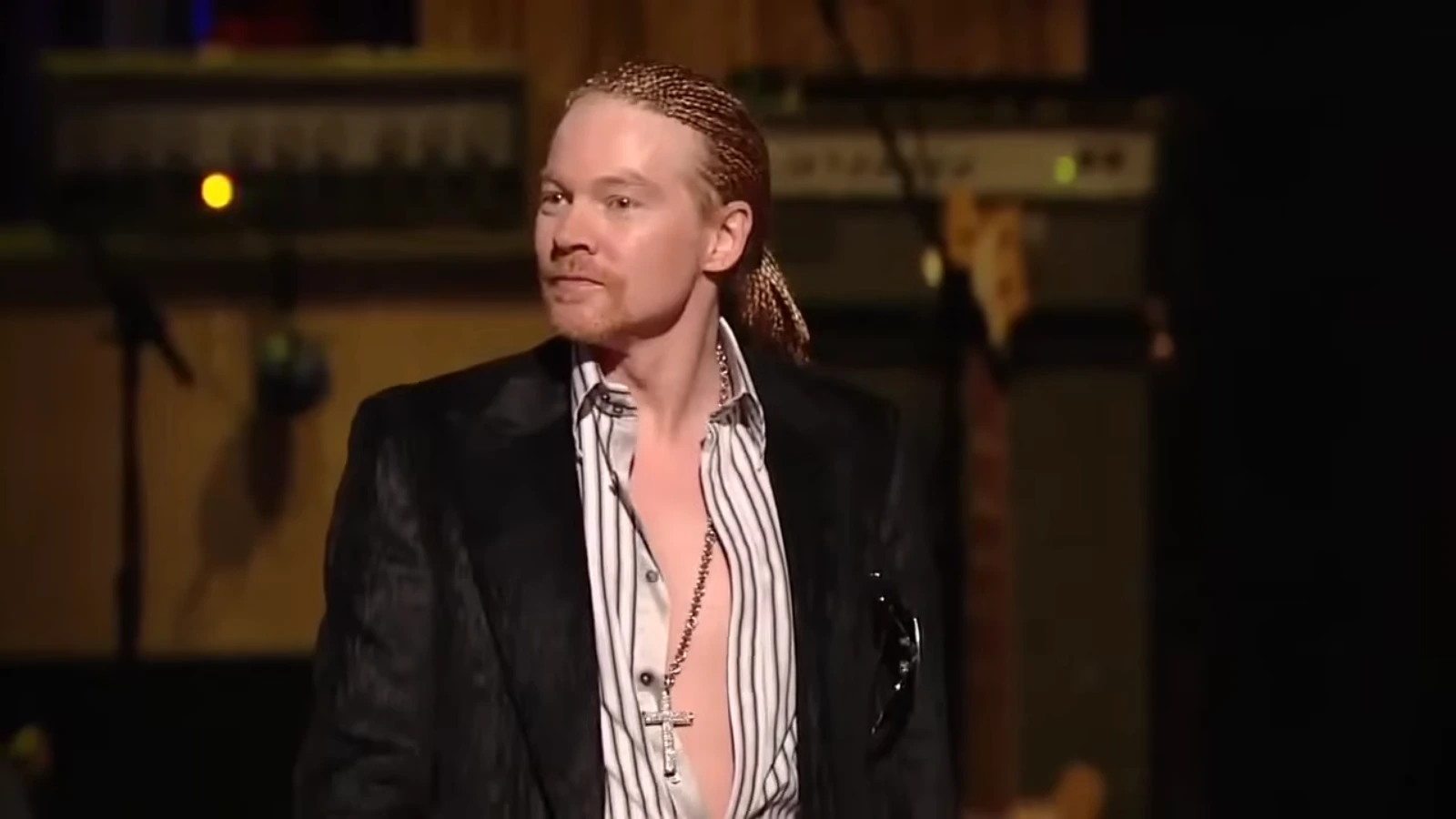
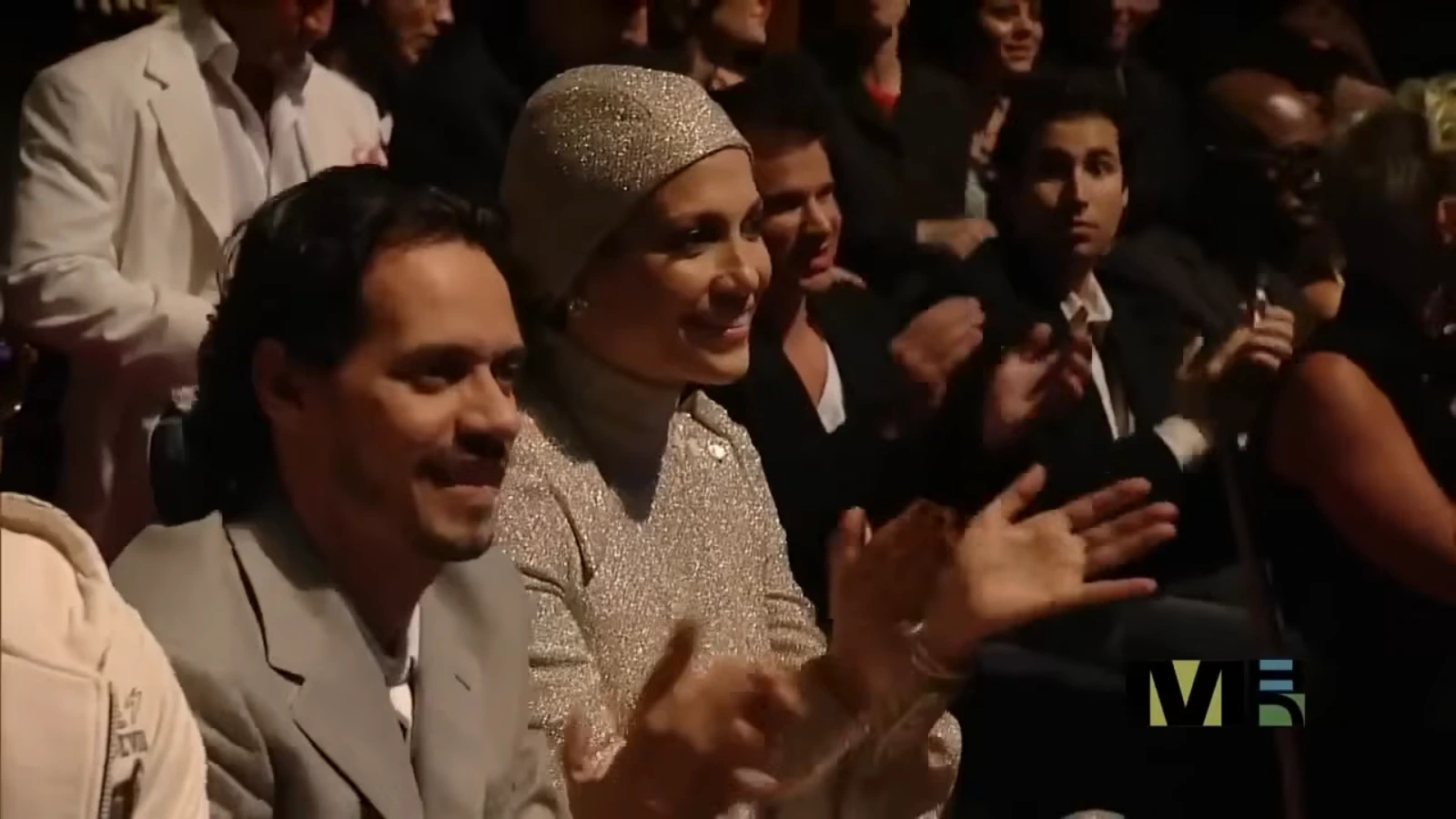
Let’s go back 20 years to the 2006 MTV Video Music Awards, when Christina Aguilera was on husband number one, Jordan Bratman, while Jennifer Lopez was married to husband number three, Marc Anthony. Paris Hilton was still primarily a reality-TV celebrity, indie rock was at full cultural blast, and Axl Rose still looked very much like the Axl Rose everybody remembered.
The smartphone era had not arrived. YouTube was barely a year old. Instagram did not exist. Twitter had only launched months earlier. If you wanted to see the biggest stars in music gathered in one room, you watched television when MTV told you to watch television.
And on August 31, 2006, roughly 5.77 million U.S. viewers did exactly that as MTV returned the VMAs to Radio City Music Hall in New York City. The theater itself holds about 6,000 people depending on configuration, meaning the room was big — but the television audience was nearly a thousand times bigger.
Discover More
Past Blast Musique: The 2006 VMAs
A night when music television was still appointment television — with pop, hip-hop, R&B and indie rock all fighting for the same Moonman.
Some links may be affiliate links. INYIM may earn from qualifying purchases.
Justin Timberlake Opened, Jack Black Hosted and Everybody Was There
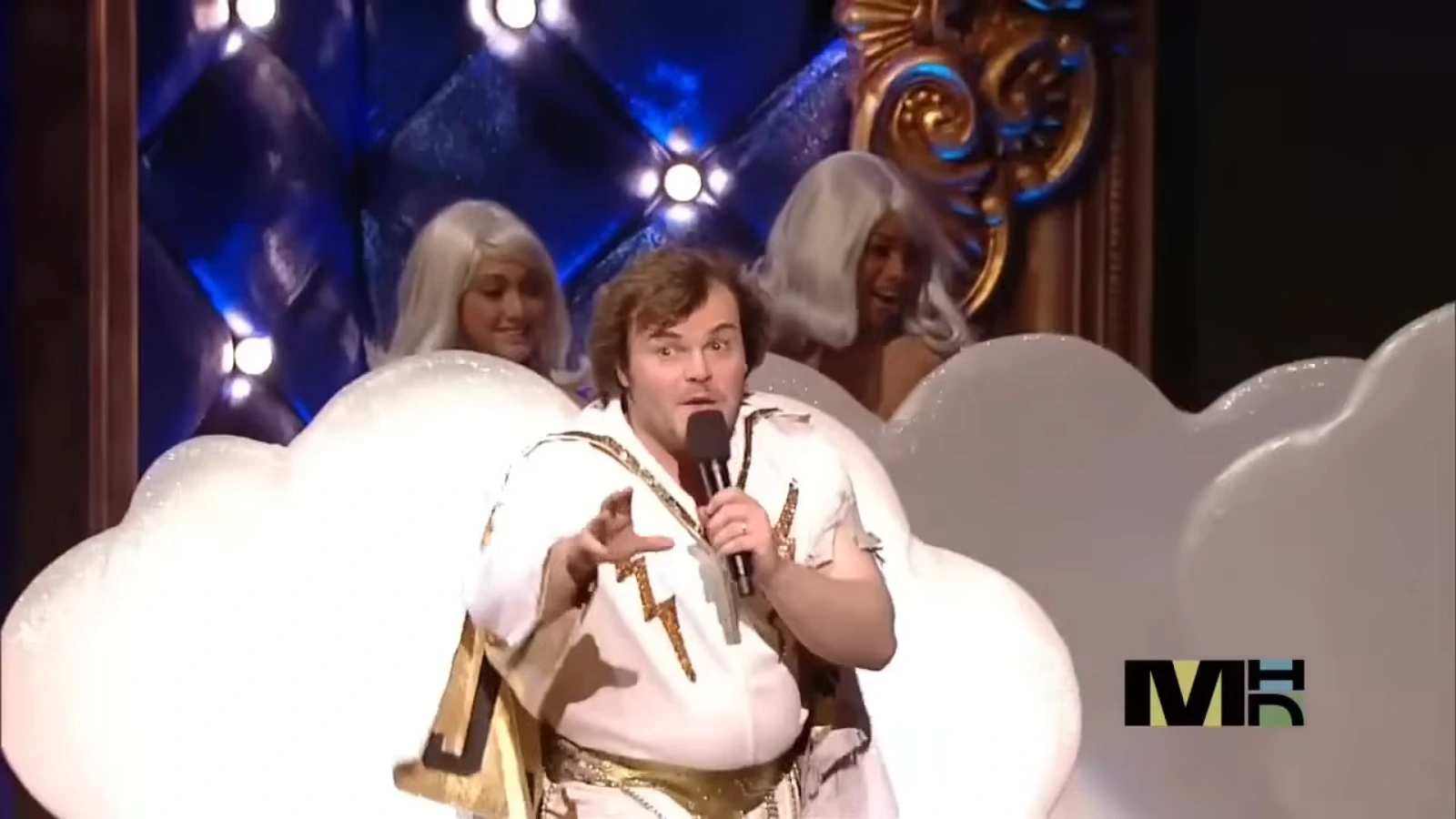
Justin Timberlake opened the broadcast with “My Love” and “SexyBack,” before Jack Black took over as host with a deliberately ridiculous opening built around the idea that he was going to “bring the thunder.” The show then kept stacking names in a way that feels almost impossible now.
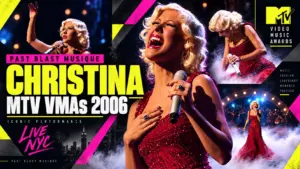
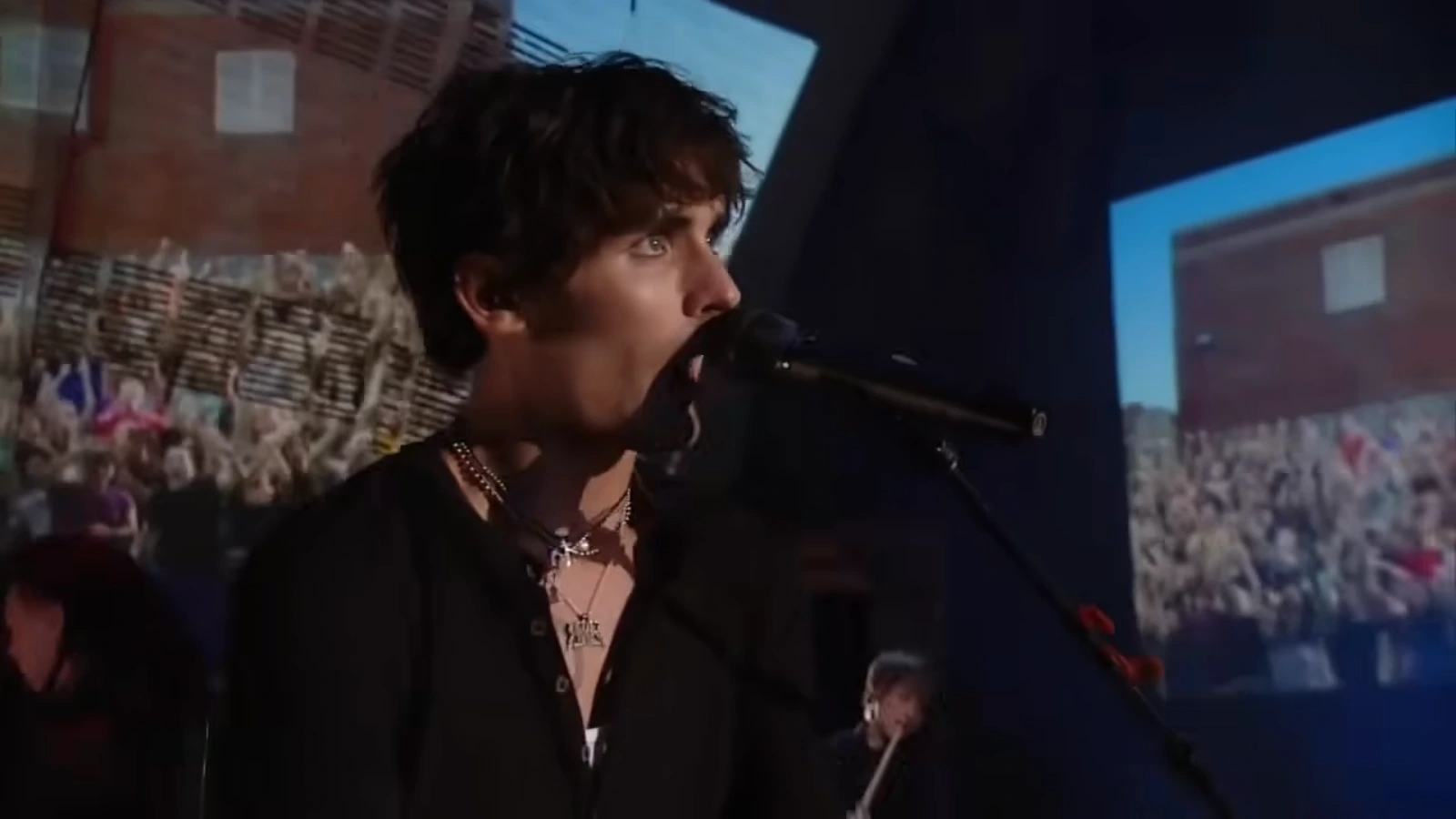
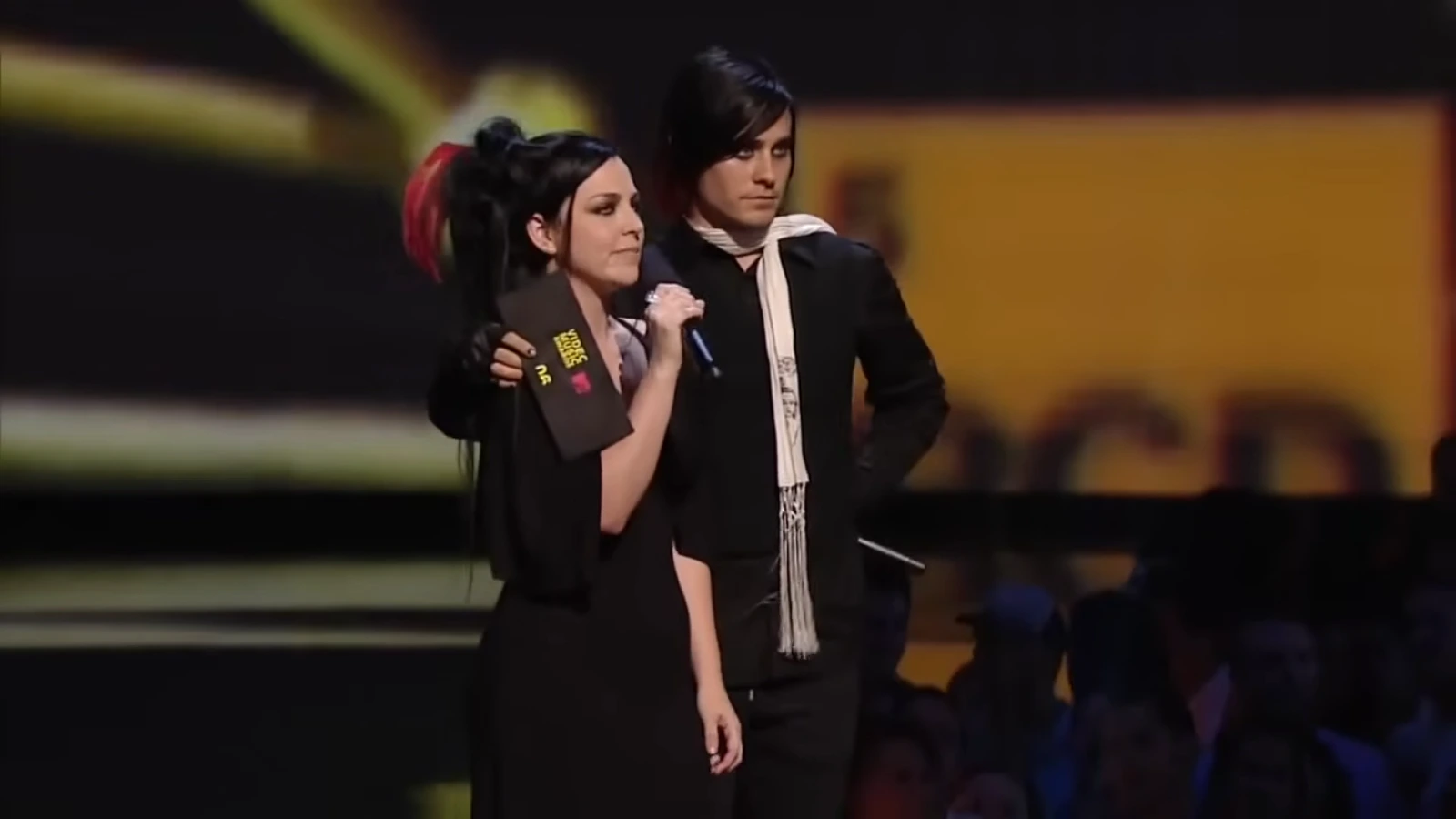
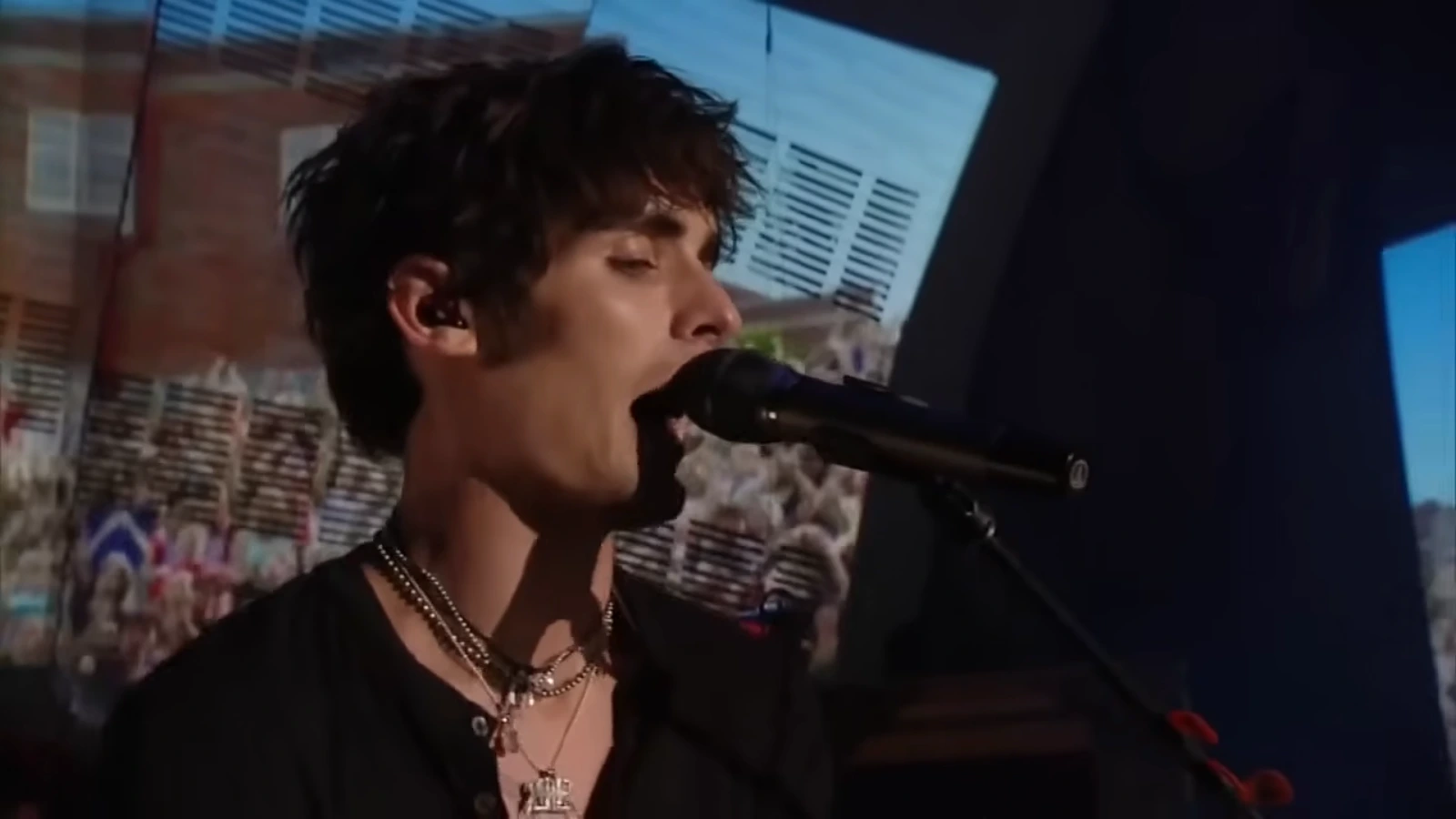
The performance lineup included Beyoncé, Shakira with Wyclef Jean, Christina Aguilera, T.I., Panic! at the Disco, The Killers, Ludacris with Pharrell, The All-American Rejects, The Raconteurs and OK Go. Fergie and My Chemical Romance also performed around the VMA pre-show festivities.
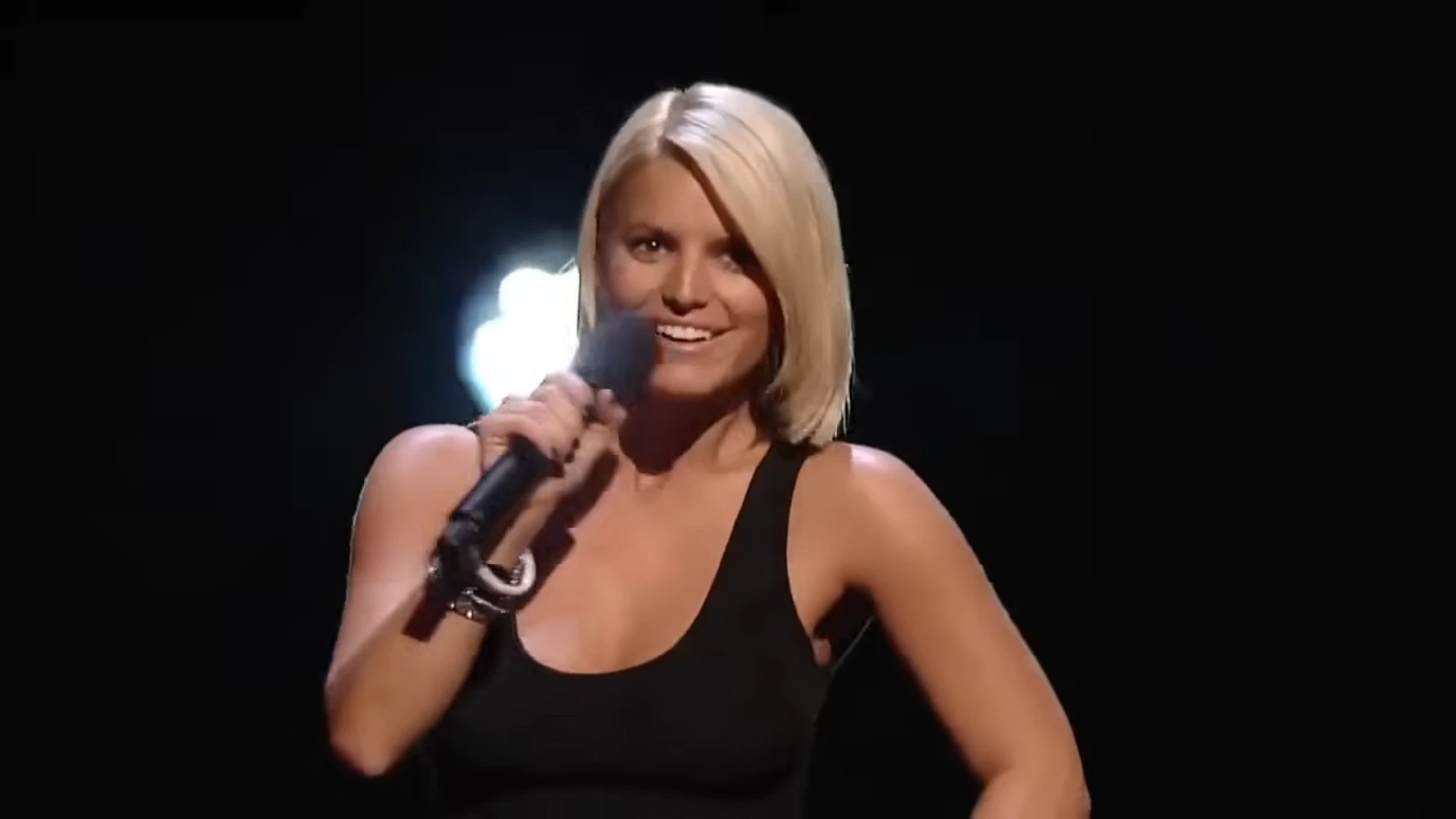
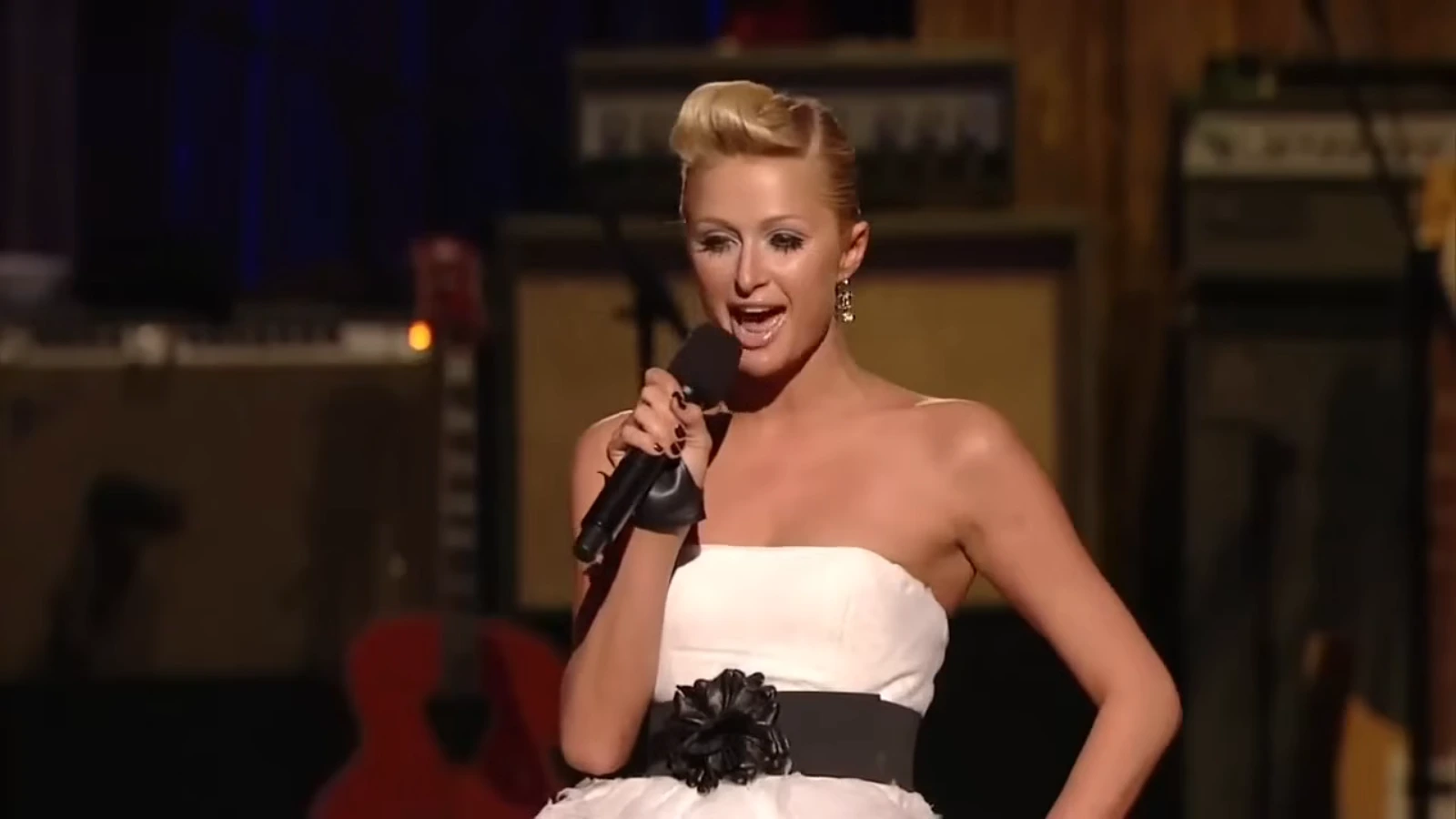
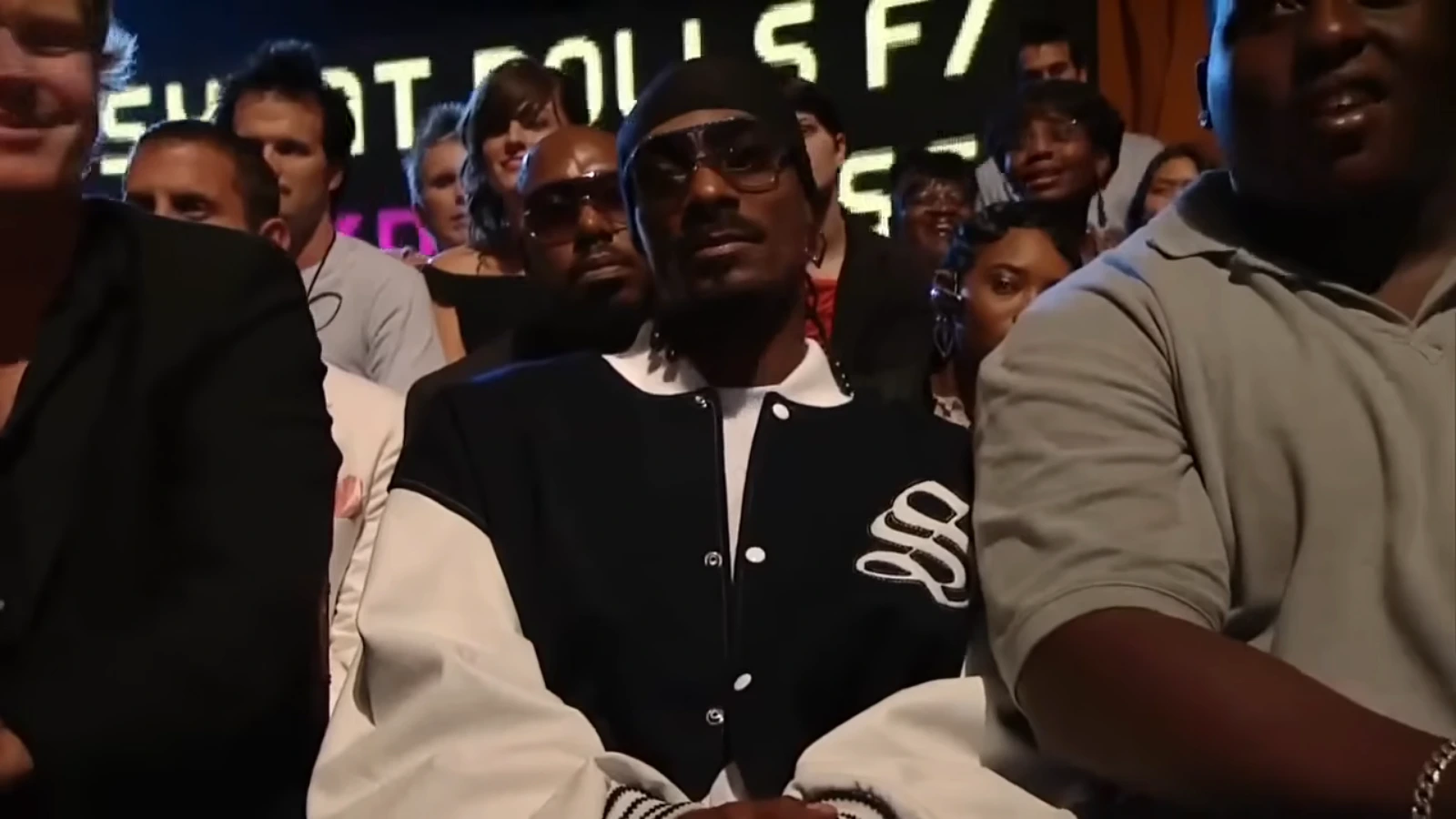
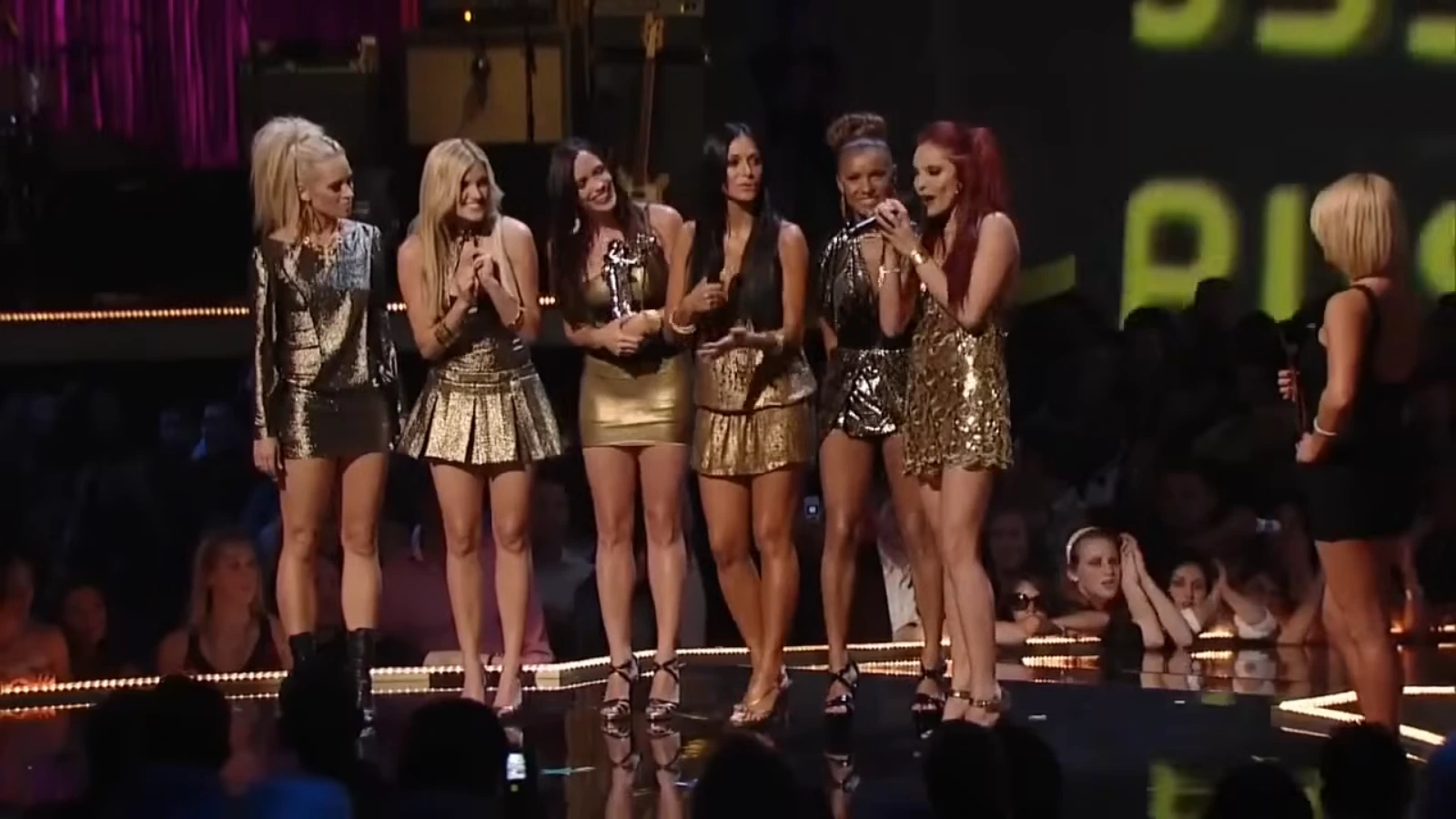
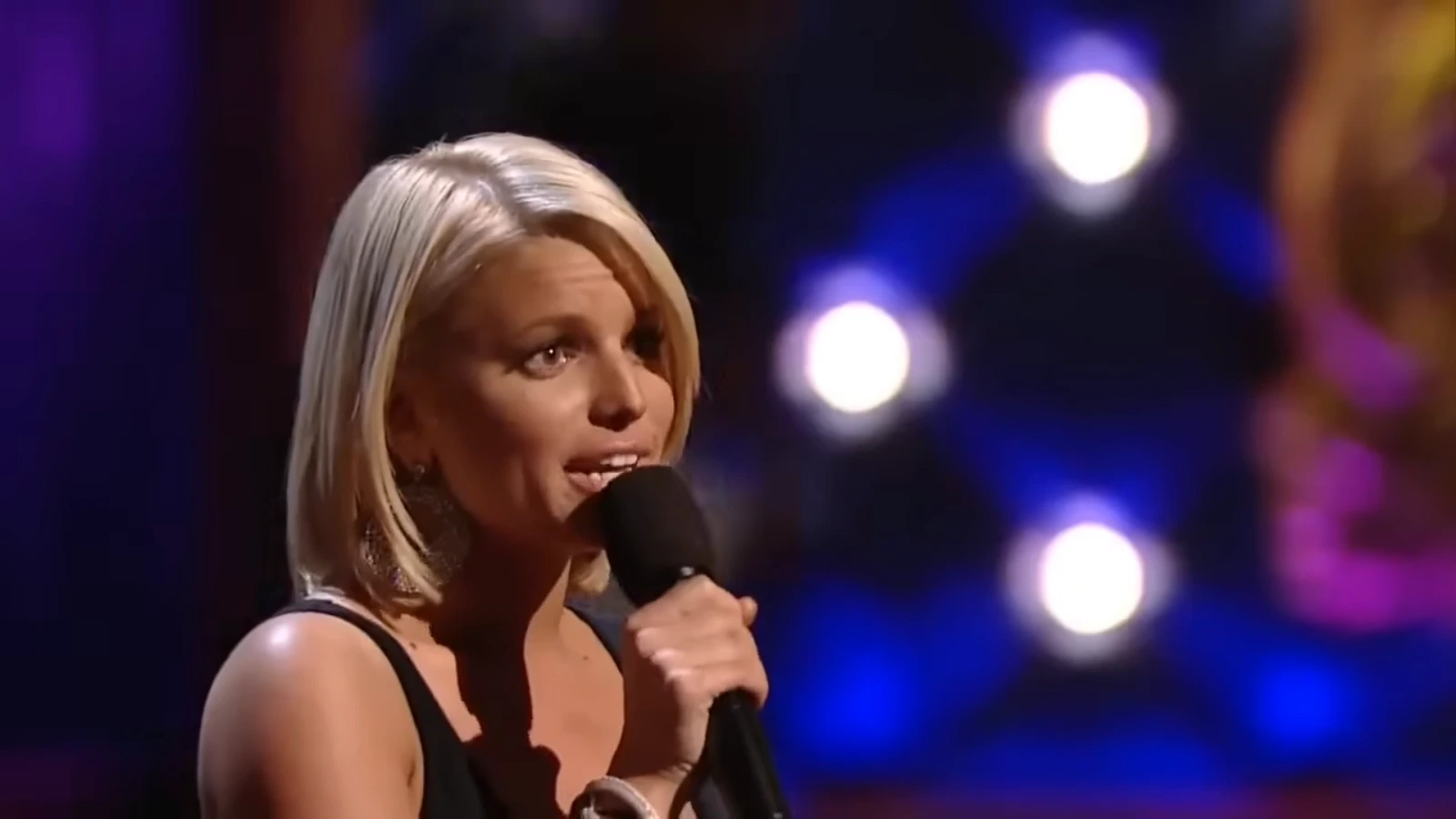
And the people appearing, presenting or simply moving through the broadcast read like an entire mid-2000s celebrity ecosystem: Jennifer Lopez, Axl Rose, Paris Hilton, Nicky Hilton, Diddy, LL Cool J, 50 Cent, Jessica Simpson, Nick Lachey, Rihanna, Ne-Yo, Missy Elliott, Busta Rhymes, Jared Leto, Chris Brown, Lindsay Lohan, Snoop Dogg, The Pussycat Dolls, André 3000, Ciara, The Rock, Sarah Silverman and members of the Jackass cast among them.
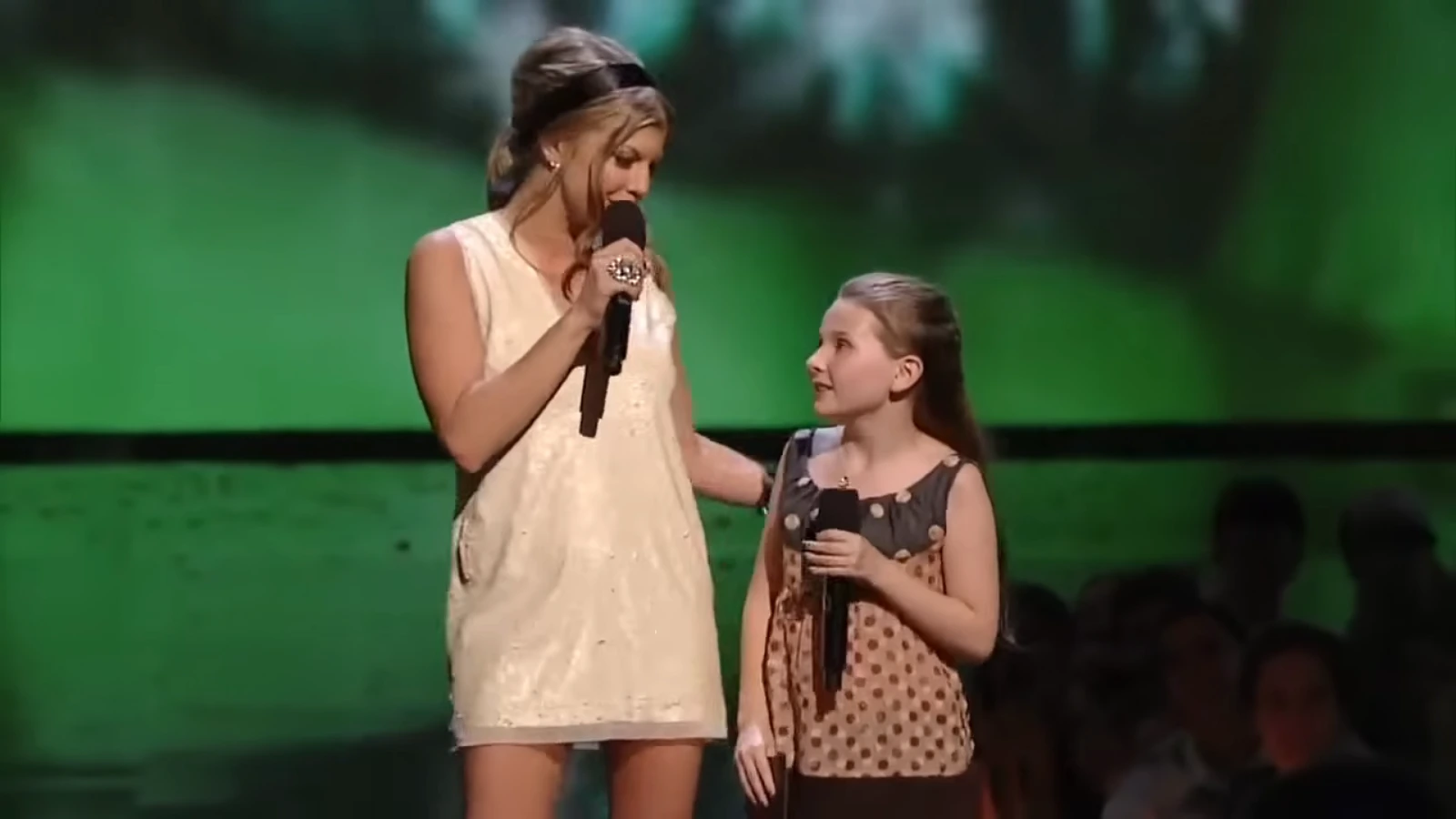
And then there was 10-year-old Abigail Breslin, fresh off Little Miss Sunshine, presenting Best New Artist in a Video alongside Fergie. Breslin even reprised a bit of her “Super Freak” dance from the movie on the VMA stage before the pair handed the Moonman to Avenged Sevenfold. It is one of those wonderfully specific 2006 collisions of movies, music and MTV celebrity culture that would be nearly impossible to manufacture the same way now.
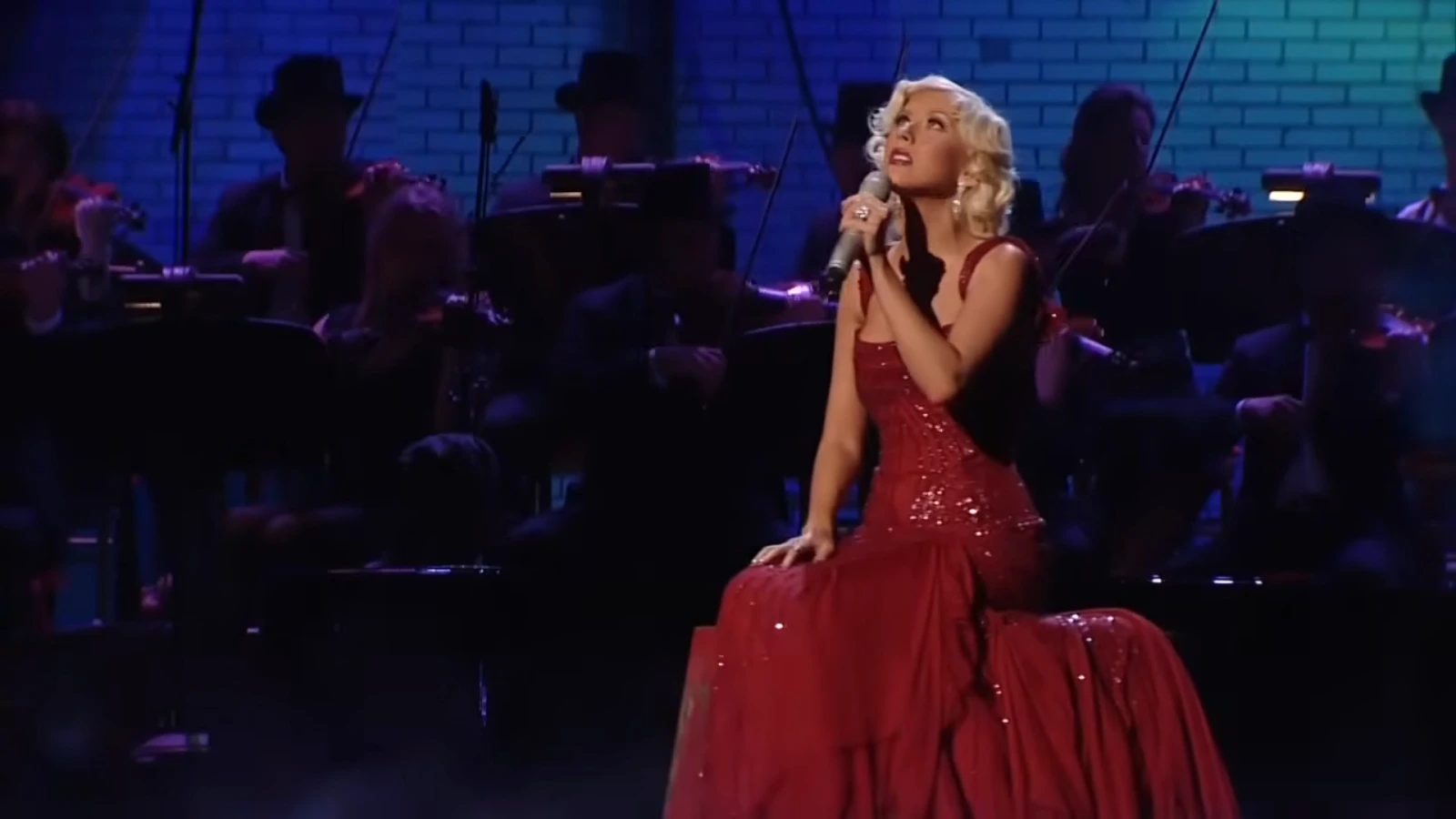
Even the backstage experiment feels wonderfully prehistoric now. MTV ran “VMA Live: Backstage Uncensored” online at the same time as the television broadcast, with more than 30 cameras positioned around Radio City. In 2006, that was considered a major multi-platform expansion. Today, every person in the building would be broadcasting their own angle from a phone.
The Award Categories Alone Tell You It Was 2006
The trophies may be the funniest time capsule of all. The 2006 VMAs still separated artists into Best Male Video, Best Female Video and Best Group Video. There were separate Best Rap Video and Best Hip-Hop Video categories, plus Viewer’s Choice.
Then there are the categories that could only belong to that exact technological moment: Best Video Game Soundtrack, Best Video Game Score and — yes — Ringtone of the Year. Ne-Yo and Rihanna literally came out to explain that hearing somebody’s phone ring with your song meant a fan cared enough to download it. That sentence alone could carbon-date the broadcast.
Those categories are gone from the current VMA ballot. By 2026, MTV instead recognizes categories including Artist of the Year, Song of the Year, Best Collaboration, Best Alternative, Best Latin, Best K-Pop and Best Country, while technical categories such as Direction, Cinematography, Editing and Choreography remain.
Who Actually Won the 2006 VMAs?
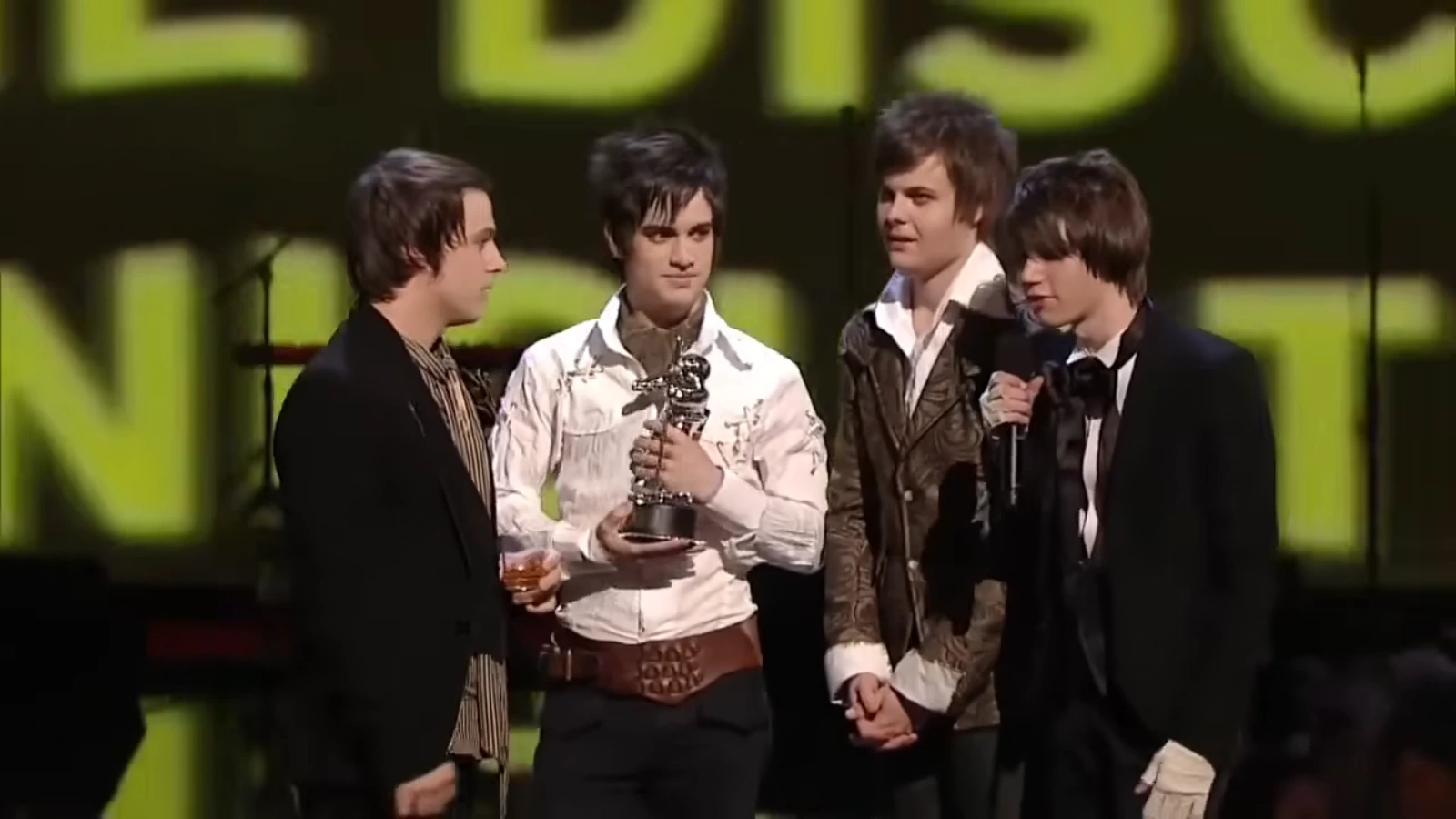
Panic! at the Disco won Video of the Year for “I Write Sins Not Tragedies,” while James Blunt took Best Male Video for “You’re Beautiful,” Kelly Clarkson won Best Female Video for “Because of You,” and The All-American Rejects won Best Group Video for “Move Along.”
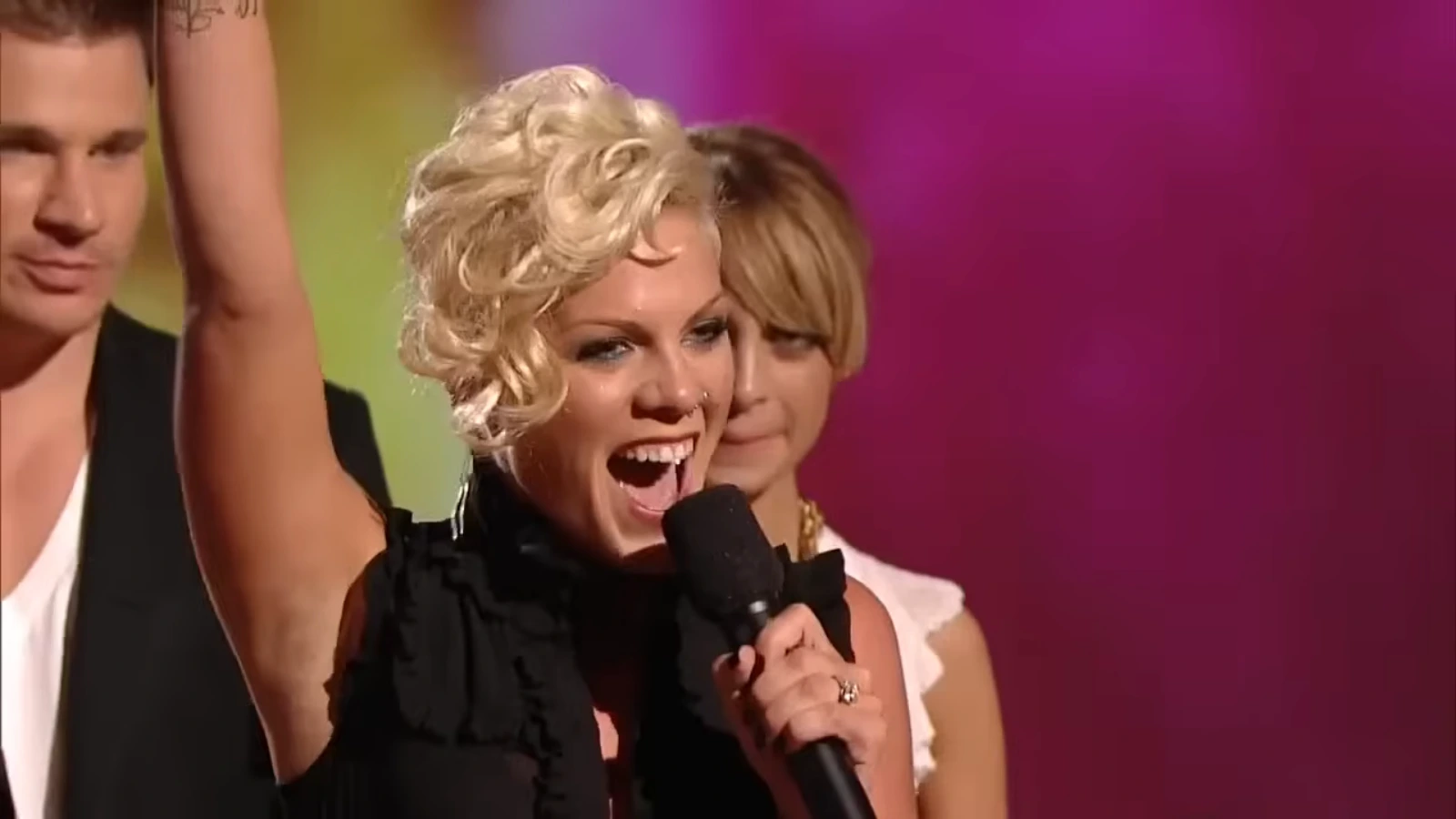
Beyoncé won Best R&B Video for “Check on It,” Pink won Best Pop Video for “Stupid Girls,” Chamillionaire featuring Krayzie Bone won Best Rap Video for “Ridin’,” and The Black Eyed Peas took Best Hip-Hop Video for “My Humps.” Fall Out Boy won Viewer’s Choice with “Dance, Dance,” while Fort Minor captured Ringtone of the Year for “Where’d You Go.”
Shakira and the Red Hot Chili Peppers entered the night with seven nominations each, while James Blunt and Gnarls Barkley ended up with two Moonmen apiece — the most wins of the evening.
A Very Specific Moment Before Everything Changed
What makes the full broadcast so fascinating now is not just who won. It is the way everybody looked, dressed, talked and occupied fame before social media standardized celebrity presentation. Indie-rock styling was everywhere. Reality stars still felt like a separate species from recording artists. A celebrity could disappear for months and actually disappear.
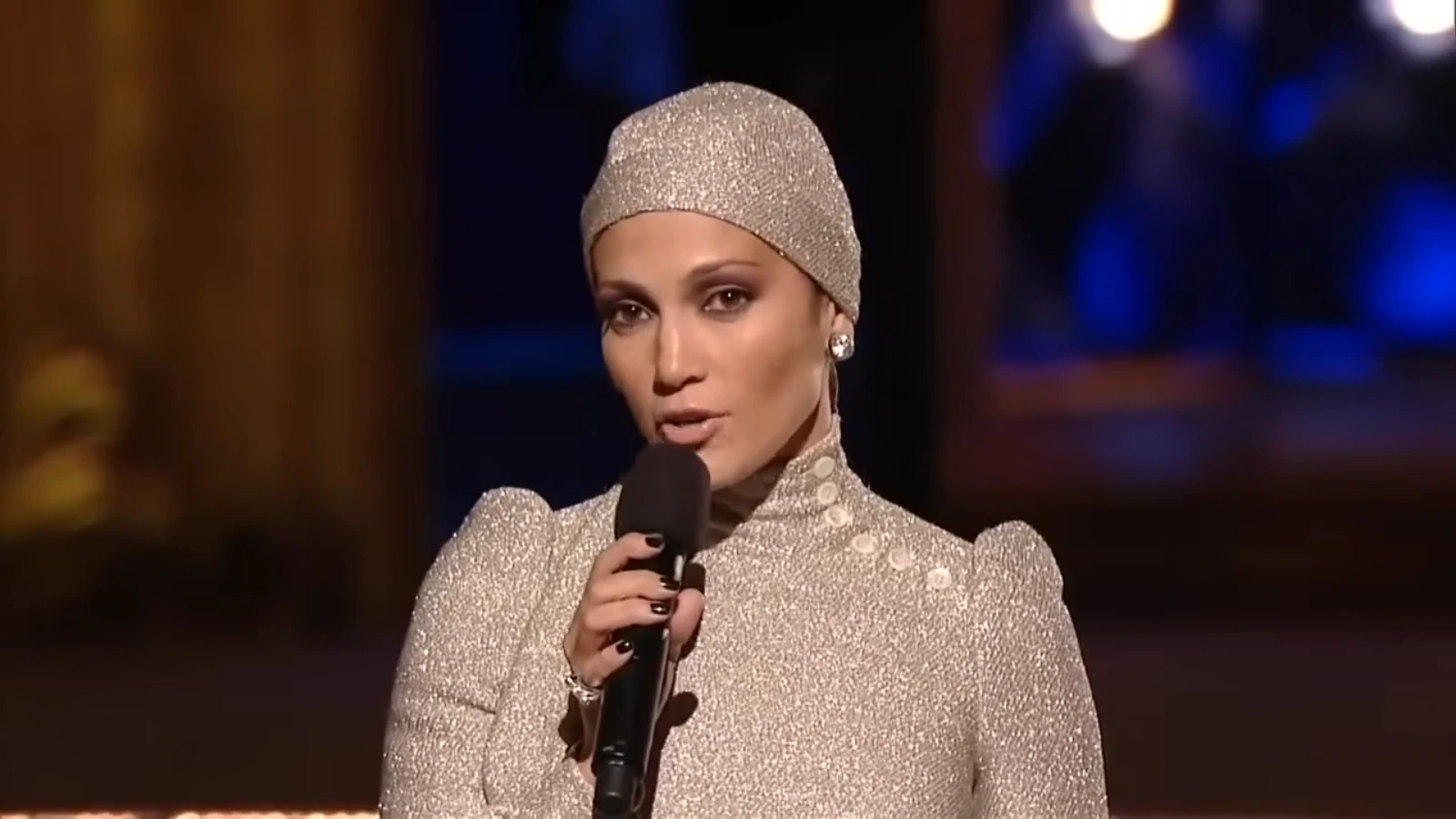
The show itself even seemed aware that the internet was about to rearrange everything. During the Video of the Year presentation, Jennifer Lopez talked about new technology changing art and asked what would define the moment — looking to the past, losing ourselves in dance, or using the internet to promote ourselves. Twenty years later, that last option feels less like a possibility and more like the answer.
So press play not just for the awards, but for thee anthropology of it all: the hair, the clothes, the celebrity pairings, the categories, the MTV News interruptions, the giant live-TV machinery and a culture that had not yet learned to perform every second of itself for a phone.
More Images From the 2006 MTV Video Music Awards Broadcast
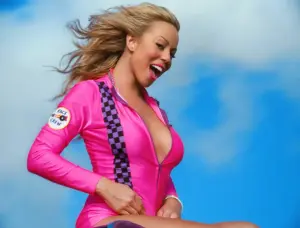
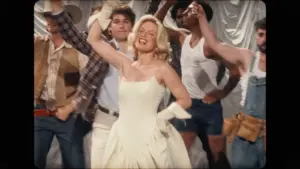
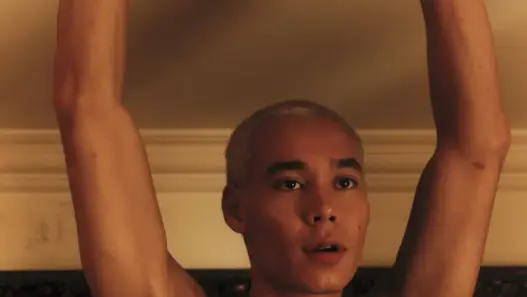
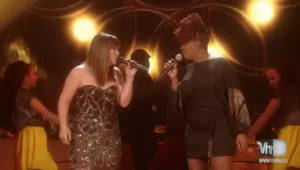
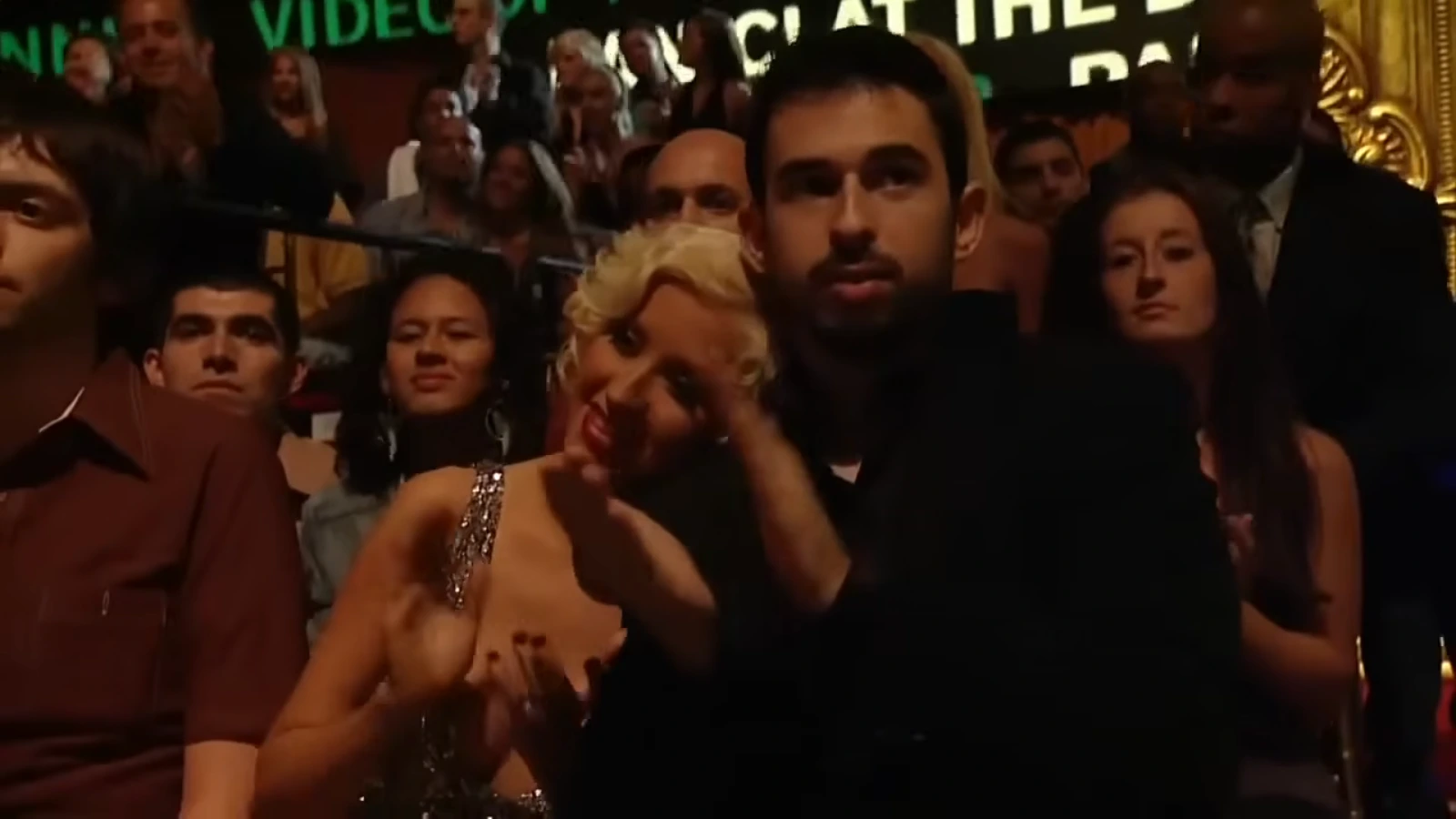
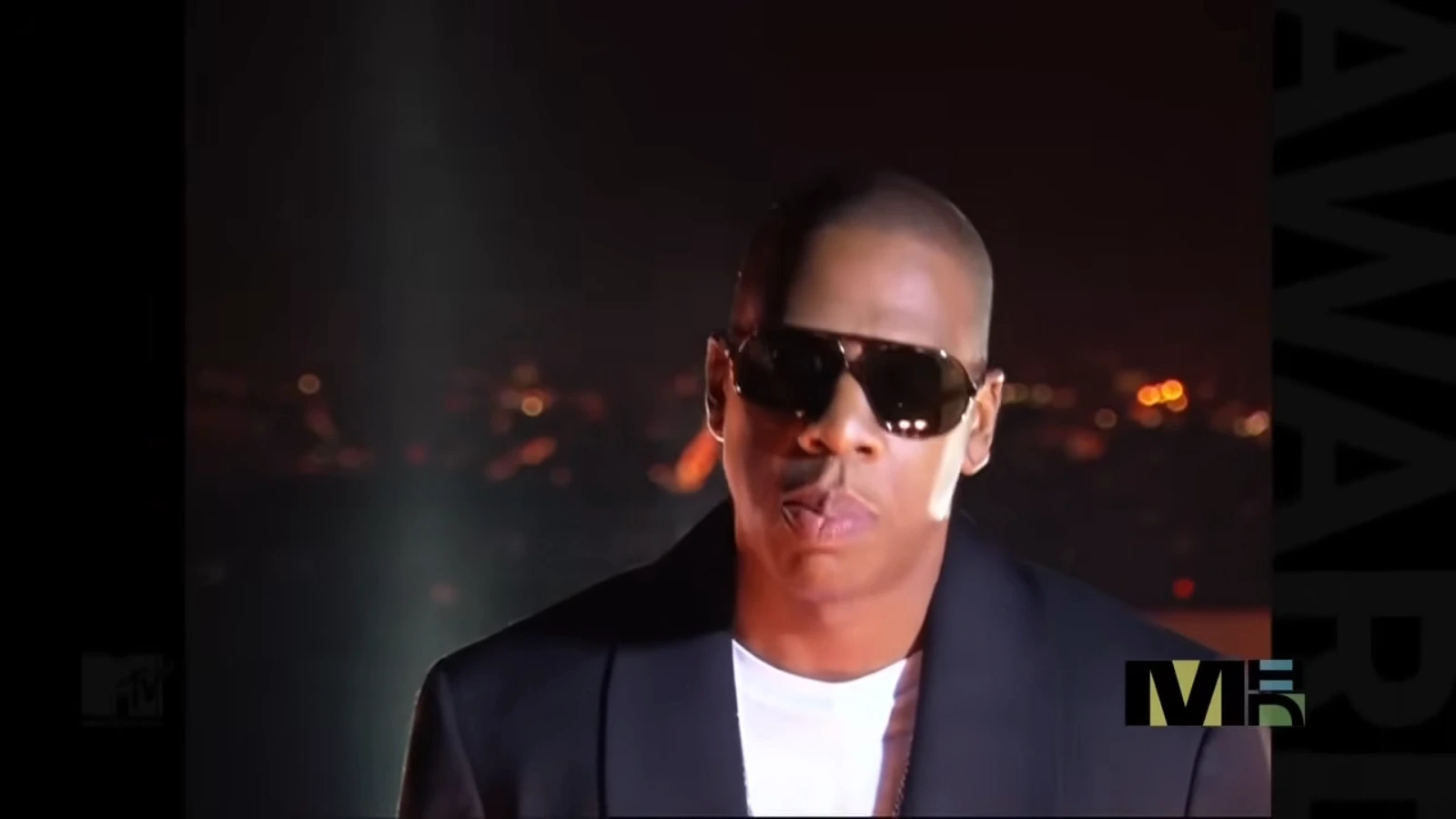
All of the images below come from the same 2006 VMA broadcast featured in this story.
Watch the Full 2006 MTV Video Music Awards Broadcast
The full-show upload runs through the performances, awards, backstage segments and finale from Radio City Music Hall in New York.
Sources: 2006 MTV Video Music Awards broadcast; MTV VMA records; CBS News; contemporary 2006 award results.