














The cute attraction is becoming a coastal concern.
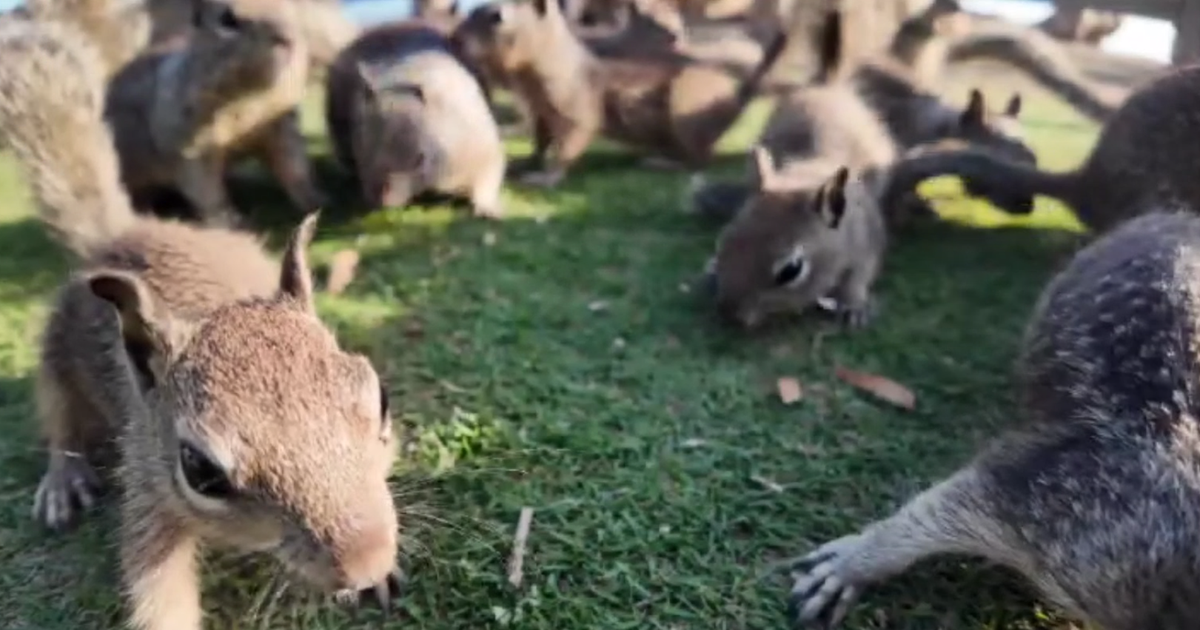
If you have ever visited the truly iconic and historic Santa Monica coastline in sunny California, then you already know that squirrels have become a very big part of the Palisades Park experience.
That was not quite the scene during the 1980s, 1990s and early aughts, when we spent our days and nights coming of age around Santa Monica.
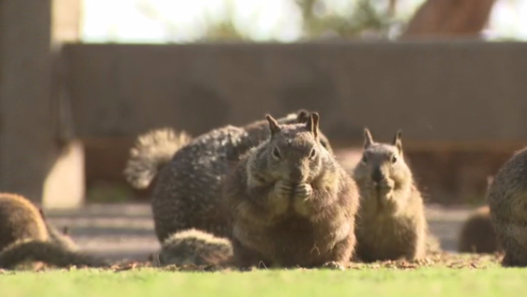
Nowadays, crowds of California ground squirrels regularly move across the grass, approach visitors and wait for the crackers, chips and other treats that people have taught them to expect.
City officials and wildlife experts now have one very direct request for the public: please stop feeding them.
Explore Palisades Park and learn more about observing California wildlife responsibly.
As an Amazon Associate, INYIM Media earns from qualifying purchases.
The squirrels are native to the coastal bluffs, where they traditionally dig burrows into the soil overlooking the Pacific Ocean.
The problem is not simply that Palisades Park has squirrels. The concern is that an easy and constant supply of human food allows more of them to gather and survive in one concentrated space.
Wildlife rehabilitation expert Marcia Rybak told CBS Los Angeles that food and shelter determine how many animals an area can support. Remove the endless handouts, and the population should gradually return to a more sustainable level.
In other words, the squirrels do not require cheesy crackers, ranch dressing, chips or anything else pulled from somebody’s beach bag.
Feeding also changes their behavior. Animals that once kept their distance begin approaching people directly because they have learned that humans represent an easy meal.
Some visitors now describe the squirrels as unusually bold and dominant. Cute little park neighbor one moment; unpaid lunch collector the next.
City officials say the population naturally rises during the spring and summer mating cycle, but wildlife experts believe years of public feeding have helped turn that seasonal increase into something much larger.
The growing number of burrows has also raised questions about erosion along the already fragile coastal bluffs.
Experts have not declared the squirrels the confirmed cause of the bluff’s erosion problems. Still, with so many animals digging into the soil, they say the environmental possibility cannot simply be dismissed.
The City of Santa Monica already warns visitors that the bluffs are fragile, subject to erosion and unsafe to enter.
The message posted around Palisades Park.
Visitors are being reminded that feeding squirrels and birds disrupts the local ecology and makes wildlife increasingly dependent on people.
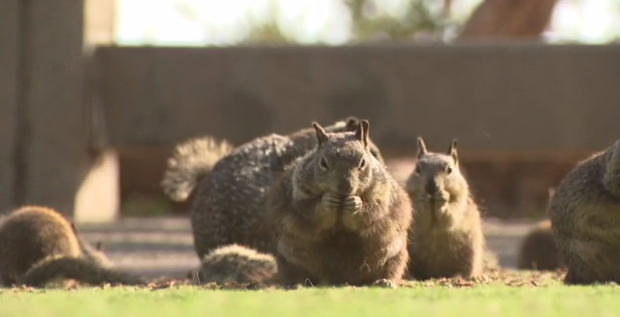
There are health concerns as well. Santa Monica treats burrows during peak months to help control fleas and other vectors capable of spreading disease.
That does not mean the answer is to remove every squirrel from the park. Rybak said drastic eradication efforts would be unlikely to solve the underlying problem as long as the food supply remained available.
Visitors can still admire them, photograph them and enjoy the strange little squirrel city that has formed above the beach.
Just do not hand them lunch.
The most helpful action is also the easiest: leave the snacks inside the bag and allow wildlife to remain wild.
Watch the Santa Monica squirrel warning.
CBS Los Angeles visits Palisades Park as wildlife experts explain how public feeding is affecting the squirrel population and potentially the surrounding landscape.
Sources: The official CBS Los Angeles report provided the featured video and interviews; the CBS Los Angeles report provided the population, behavioral and environmental details; the City of Santa Monica provided the official park and bluff information.