












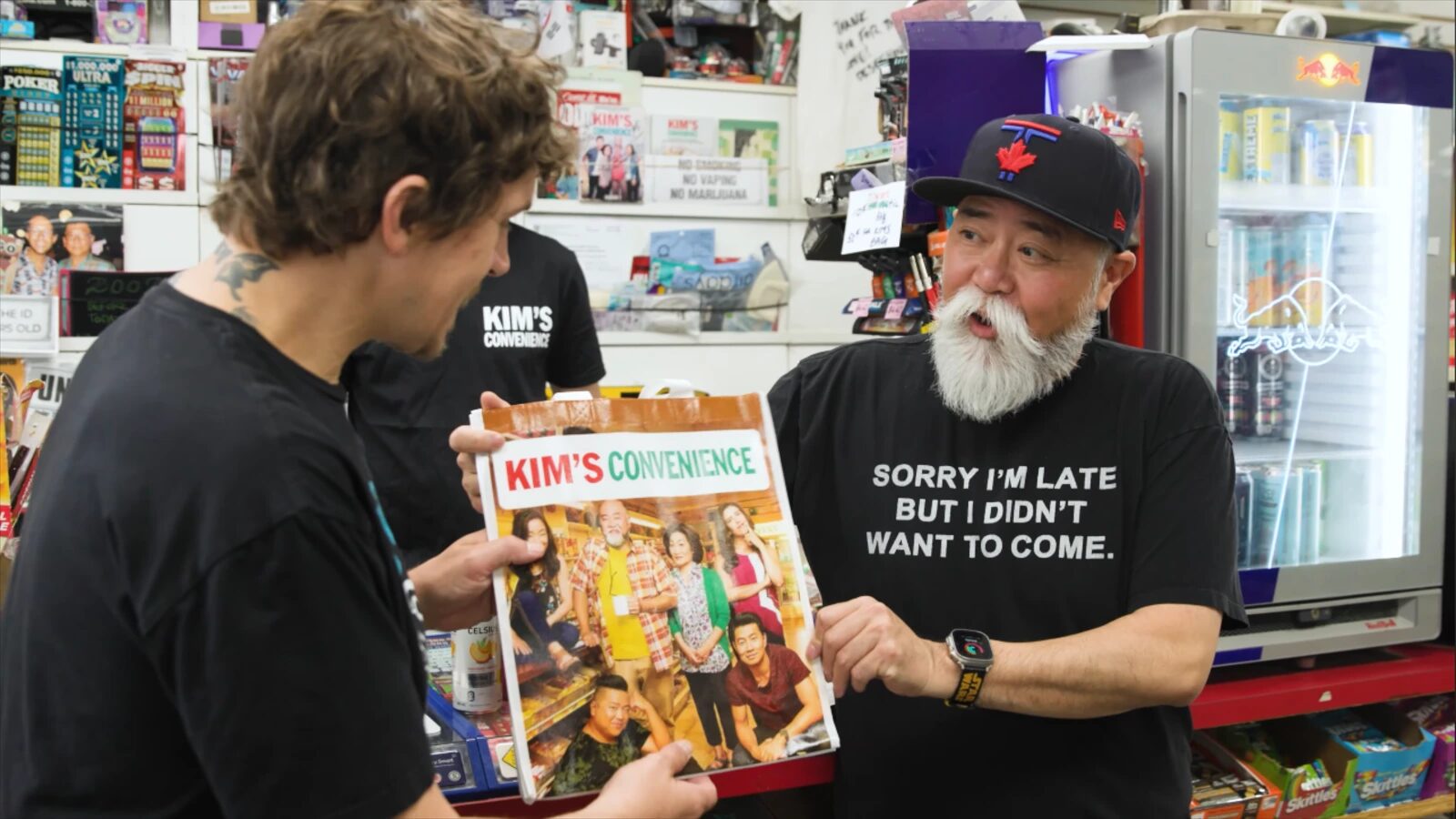
Appa Walks Back Into The Store That Changed Everything
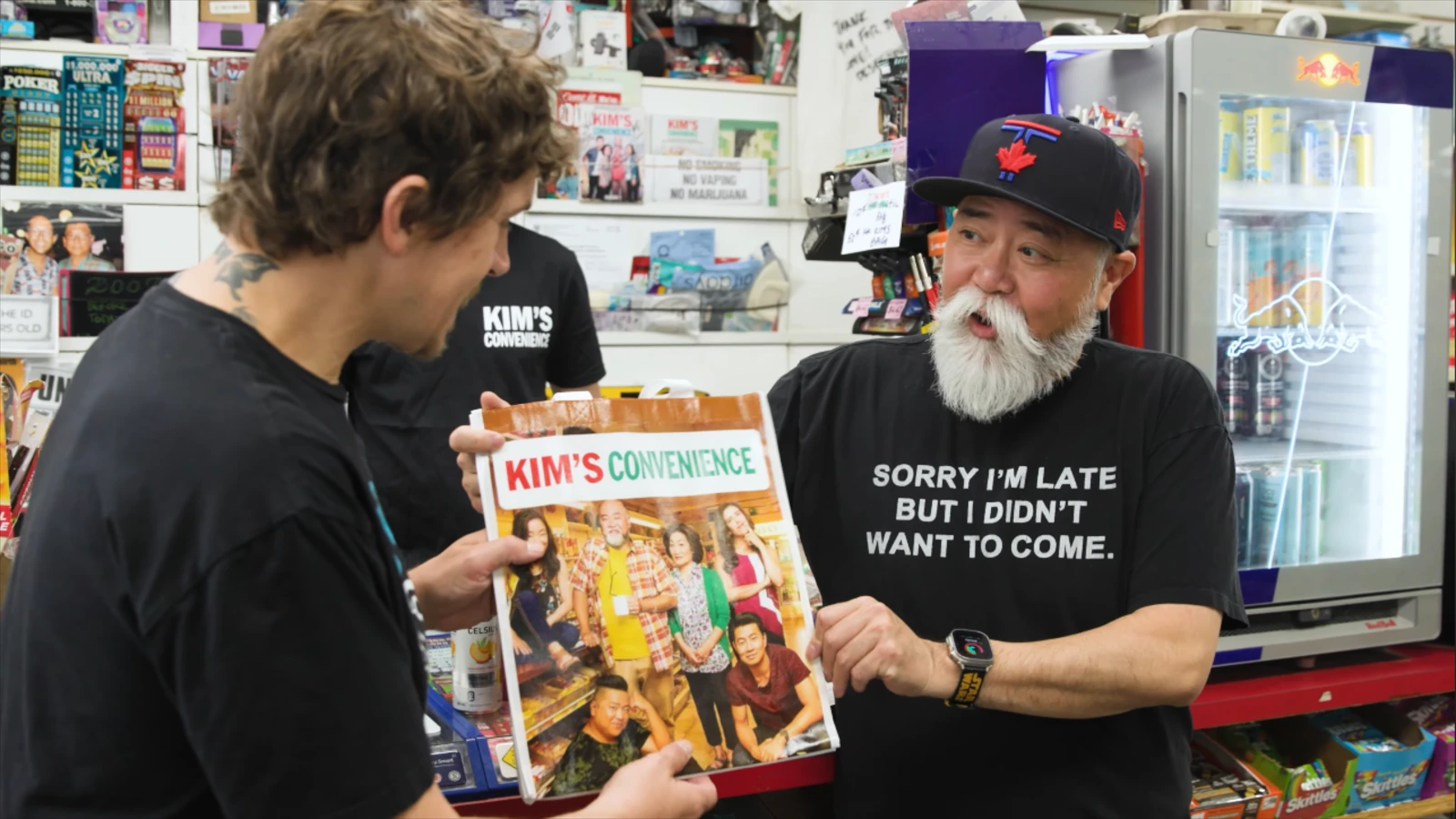
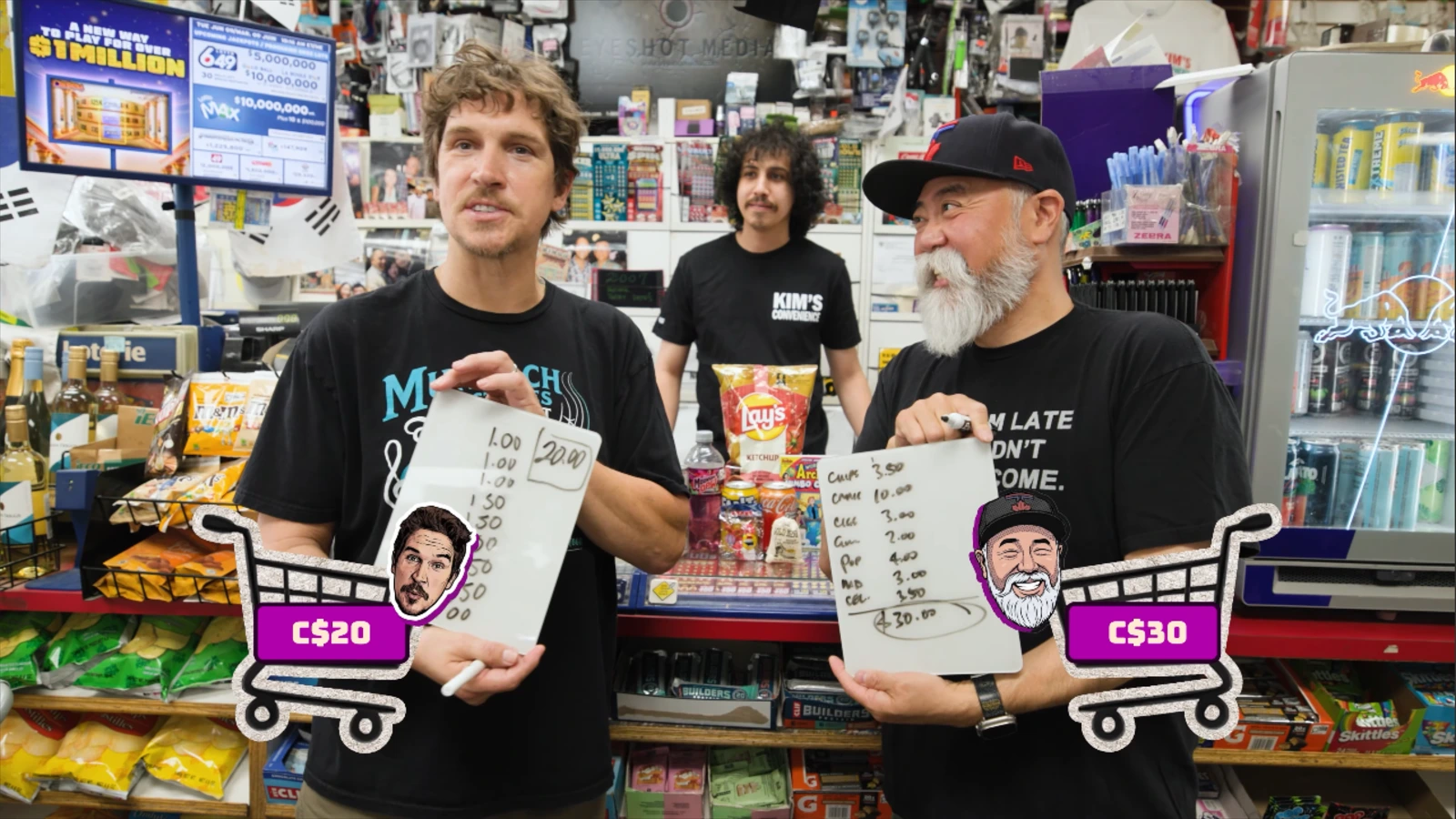
Appa has returned to Kim’s Convenience. Paul Sun-Hyung Lee stepped back inside the Toronto store used for the beloved sitcom’s exterior scenes, turning a simple snack run into a full-circle walk through childhood memories, career breakthroughs and the role that changed everything.
Kim’s Convenience remains one of our favorite comfort watches, so seeing Lee back at the storefront carries an immediate emotional charge. He jokes that it feels like “coming back to the scene of a crime,” but the visit quickly becomes something warmer: a reminder of how closely convenience stores, family businesses and storytelling have been tied together throughout his life.
KIM’S CONVENIENCE
Appa Returns To The Corner Store
Revisit the series, the characters and the convenience-store memories that helped turn Paul Sun-Hyung Lee into one of television’s most recognizable dads.
Some links may be affiliate links. INYIM may earn from qualifying purchases.
First Pick: A Cup Of Childhood “Swamp Water”
Lee begins where many convenience-store memories begin: at the fountain-drink machine. Growing up, his family ran a fish-and-chips restaurant, and having access to a fountain machine felt like the holy grail. He would mix flavors together into wild combinations and call the result “swamp water.”
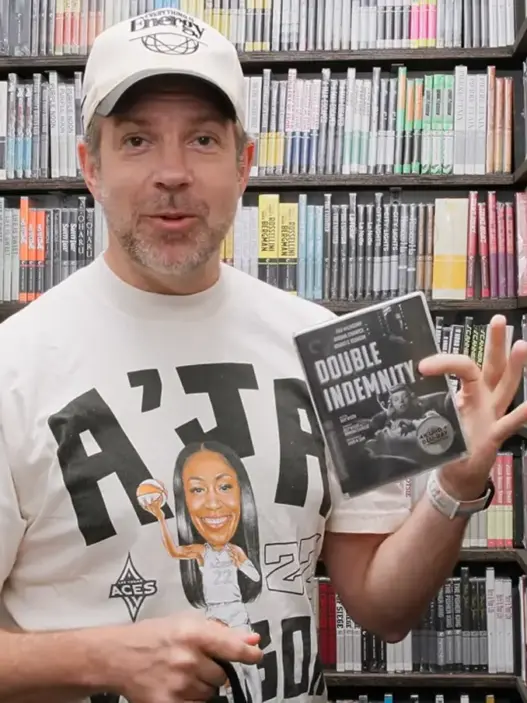
For the challenge, he and host Jay Mewes begin Frankensteining drinks from orange cream cola, pineapple soda, Mountain Dew and an energy drink. Lee’s citrus-heavy creation earns the description “radioactive pee,” which may not be elegant branding, but it is brutally accurate convenience-store science.
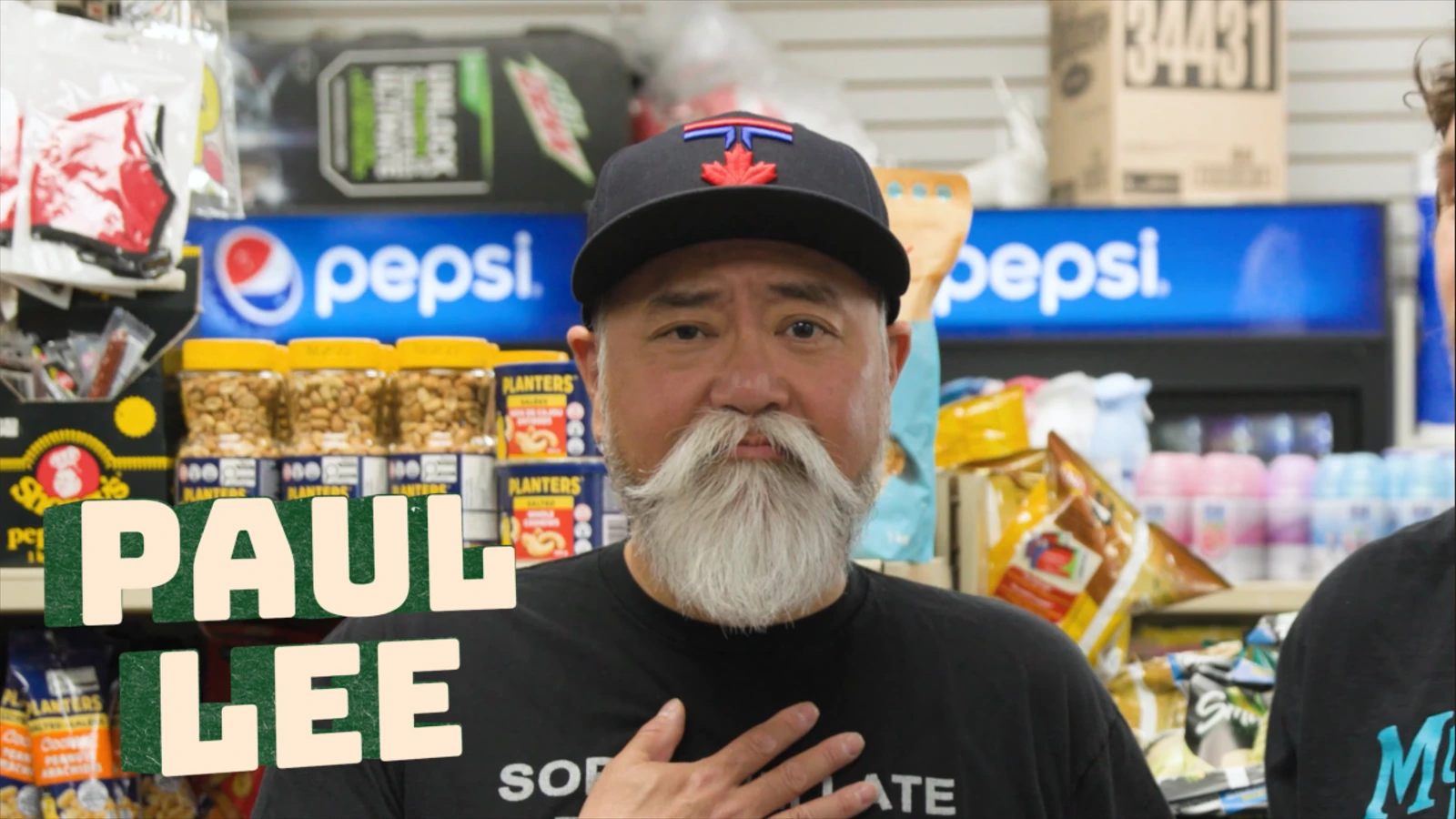
The drink also unlocks a deeper memory. While helping at his father’s restaurant with his mother and sister, Lee would receive a dime, head to 7-Eleven, buy a comic book and return with a cup full of sugar. He describes it as one of those core childhood memories: helping the family, earning a reward, getting the comic and topping it all off with a fountain drink.
Toy Soldiers, Archie Digests And The Stories That Stayed
Another pick is a small plastic army man, the kind Lee remembers buying cheaply and throwing from high places with friends to see who could hit a target below. The recreated game turns silly quickly, but Lee connects that kind of childhood play directly to his love of stories and creating things.
Then come the Archie Digests, staples of his youth while working in a convenience store. During long quiet stretches, he would read from the spinning comic racks, falling into the world of Archie, Betty, Veronica, Jughead, Moose and Reggie.
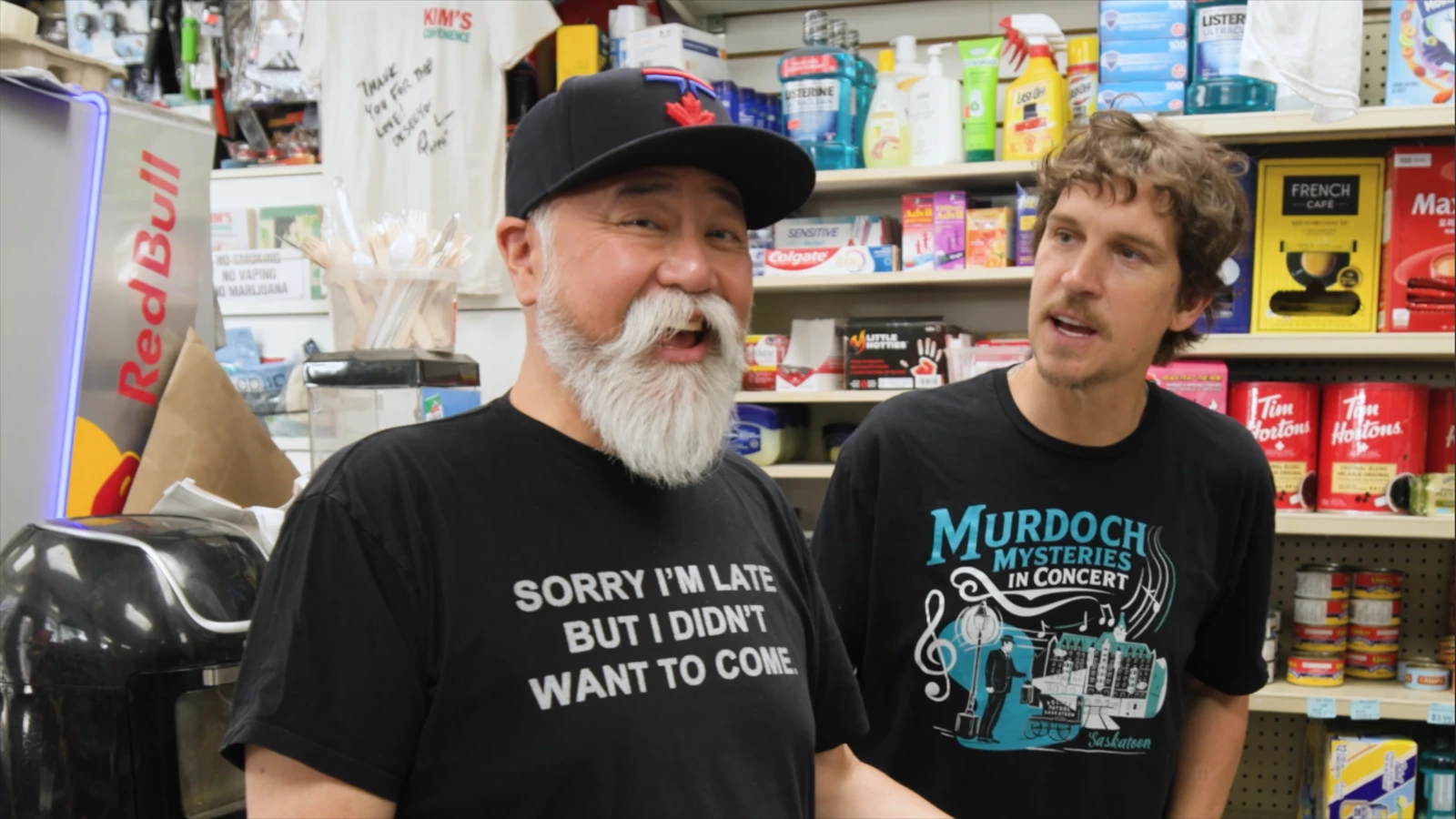
Those comics also lead Lee into a frank discussion about representation. As much as he loved them, the stories rarely showed anyone who looked like him. That absence quietly teaches a child that his own stories may not matter—or that there may not be a future for him in the worlds appearing on the page and screen.
How Kim’s Convenience Opened The Door To A Galaxy Far Away
Lee did not grow up believing acting was a realistic path. He entered a university drama program without prior classes or theatre experience and found himself completely out of his element. His description of learning is blunt and perfect: you do more, you “suck less,” and eventually the work begins to catch up with the dream.
The true breakthrough was Kim’s Convenience. Lee had helped develop Appa through workshops for Ins Choi’s original stage play, which began taking shape in 2005. The play became a love letter to the stubborn Korean men they had grown up around before connecting with audiences strongly enough to become a television series.
When the show moved to television, Lee felt there was only one person who could play Appa with both the comedy and dramatic weight the role required: himself. The series became a launching pad for its cast and a highly visible success story for Asian families watching at home.
It also led directly to The Mandalorian. Lee recalls that Dave Filoni’s wife watched Kim’s Convenience, loved the show and encouraged him to see it. With Deborah Chow also involved, the connection eventually helped bring Lee into the Star Wars universe.
Lee remembers first seeing Grogu during production of the show’s first season, before the world knew “Baby Yoda” existed. Watching the weighted puppet move like a real infant made the character instantly believable. Filoni told him not to tell anyone, and Lee knew immediately that the little creature was going to break the internet.
Ketchup Chips Are Apparently A Bag Of Canadian Lies
Not every convenience-store discovery receives a sentimental tribute. Lee chooses ketchup chips as his emphatic “hell no” item, dismissing the Canadian staple as a “bag of lies” that tastes like shame and burning.
The final stretch brings back Gold Mine nugget gum, tiny pouches, candy cigarettes and the deeply questionable childhood products that once made perfect sense. By the end, Lee has walked through far more than five snacks. He has revisited the family restaurant, the comics, games and corner stores that helped shape the performer and storyteller he became.
And doing it inside the storefront associated with Kim’s Convenience gives the entire episode its full-circle finish. Appa came home—but he brought Grogu, Archie, radioactive swamp water and a lifelong hatred of ketchup chips with him.
Watch Paul Sun-Hyung Lee Pick His Five Convenience-Store Favorites
Paul Sun-Hyung Lee joins Jay Mewes at the real Kim’s Convenience exterior location to recreate childhood drinks, revisit favorite comics and share stories from Appa to Grogu.
Source: Five Things via YouTube.