
















Orcas Turn a Two-Tonne Sunfish Into Bite-Sized Ocean Confetti
Killer whales have once again found a way to make the ocean look like their own highly coordinated action movie.
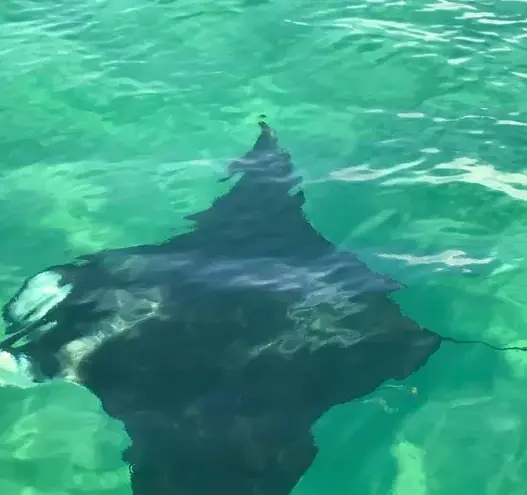
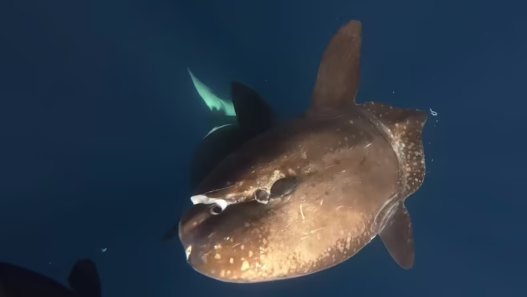
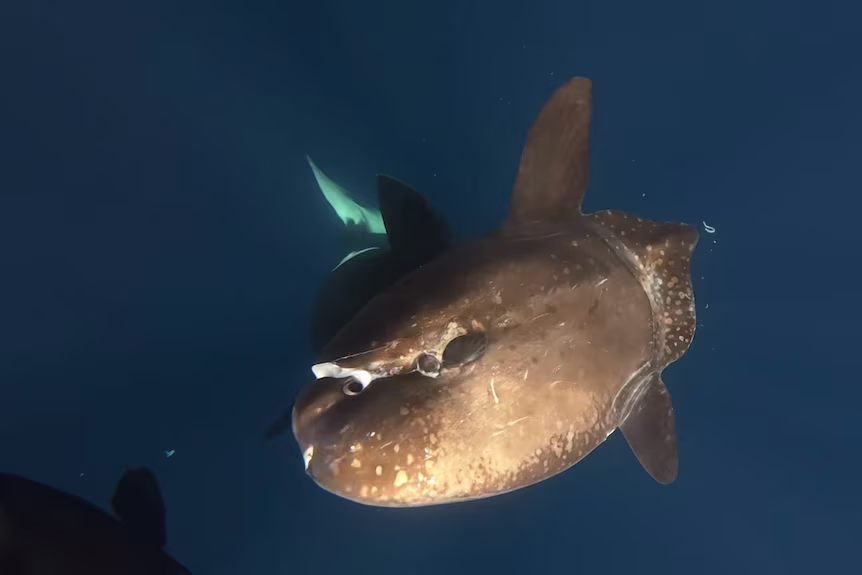
Newly documented footage from the Gulf of California shows orcas using a brutal-looking technique to break apart the carcass of a massive sharptail sunfish, one of the heaviest bony fish on the planet.
The maneuver is as astounding as it sounds. One orca grips the already-dead fish by its tail while another accelerates toward it. The first whale releases the carcass just before impact, allowing the second to ram it with enough force to send pieces exploding through the water.
Discover More
Explore the world of orcas
Learn more about killer-whale behavior, then browse marine-life books and responsible whale-watching essentials for your next ocean adventure.
Some links may be affiliate links. INYIM may earn from qualifying purchases.
Researchers call the behavior a “hold-to-ram” strategy. It was observed in separate encounters in 2024 and 2025, suggesting the whales were not simply improvising in a single chaotic moment.
The sunfish were already dead when the ramming began, leaving scientists with two leading possibilities. The whales may have been breaking the enormous carcasses into smaller pieces so younger members of the group could feed more easily—or they may have been doing it partly for fun.
That second possibility is not as ridiculous as it sounds. Orcas are highly intelligent, intensely social and famously playful. Different populations have been observed developing temporary fads, experimenting with objects and passing specialized hunting techniques through their groups.
What makes this footage especially striking is the level of coordination. The whales appear to understand timing, position and impact, turning a giant fish into manageable pieces with a maneuver that looks planned rather than accidental.
Watch the Orcas’ Astounding “Hold-to-Ram” Maneuver
The footage shows one orca holding the dead sharptail sunfish in place before another charges into it at high speed, shattering the carcass underwater.
Source: MailOnline video; research published in Frontiers in Ethology.