











Behind Tasmania’s Biggest Goofball Is A Wild Teenager Still Learning
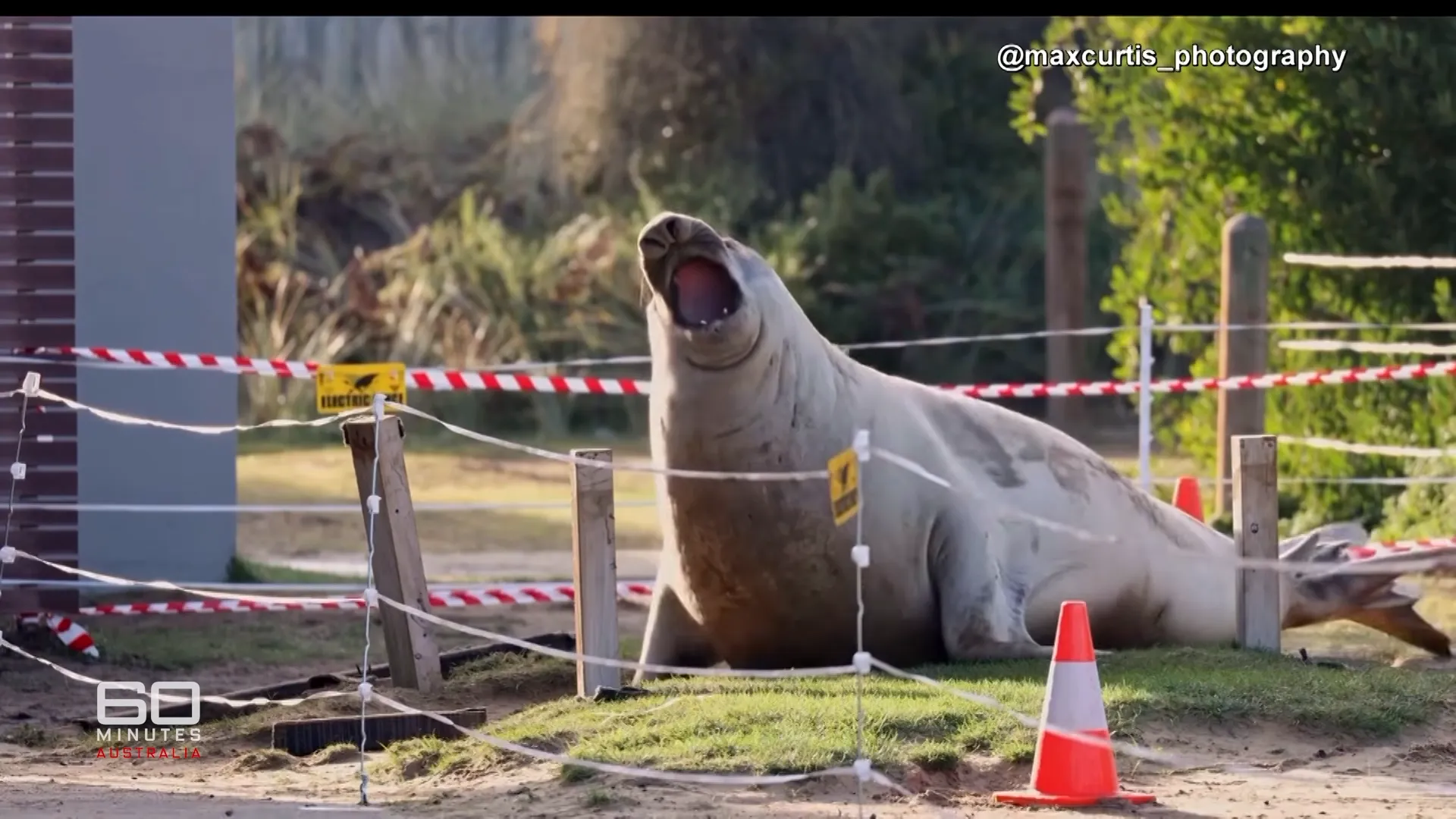
Neil the Seal has blocked driveways, wrestled street signs, flattened fences and turned quiet Tasmanian beach towns into international tourist destinations. To the internet, he is a one-ton troublemaker with impeccable comic timing. To wildlife experts, he is something more complicated: a young southern elephant seal behaving exactly like a wild animal still figuring out how to become an adult.
The five-year-old celebrity has spent the past several weeks delighting and testing communities south of Hobart, where crowds gather to watch him sleep, snort and occasionally launch himself at whatever object has offended him that day. Even when Neil barely moves a whisker, people travel extraordinary distances for a glimpse. One visitor reportedly flew in from Western Australia between commercial flights, while others arrived from China specifically to meet Tasmania’s most famous resident.
That devotion is easy to understand. Locals describe Neil as a charismatic “big goofball” and “a little bit of magic” in people’s lives. But the comedy surrounding his visits can disguise the fact that he weighs approximately 1,000 kilograms, is unpredictable and could eventually grow to four times his current size.
Watch + Explore
Give Wildlife The Space To Stay Wild
Follow the full 60 Minutes Australia report, then explore elephant seal life from a respectful distance.
Some links may be affiliate links. INYIM may earn from qualifying purchases.
Neil’s connection to Tasmania began before he could swim. He was born on October 18, 2020, on a shallow tidal stretch of sand. When the incoming water placed the newborn in danger, marine conservation staff carried him higher onto the beach while his mother followed. After the normal weaning period, she left and Neil eventually headed into the ocean on his own.
That birthplace is the reason he keeps coming back. Southern elephant seals are biologically driven to return to where they were born, and Neil has made roughly twice-yearly visits to the Tasmanian coast. His case is unusually rare because most southern elephant seals are born on subantarctic islands. Neil was born in Tasmania, so Tasmania is quite literally imprinted as home.
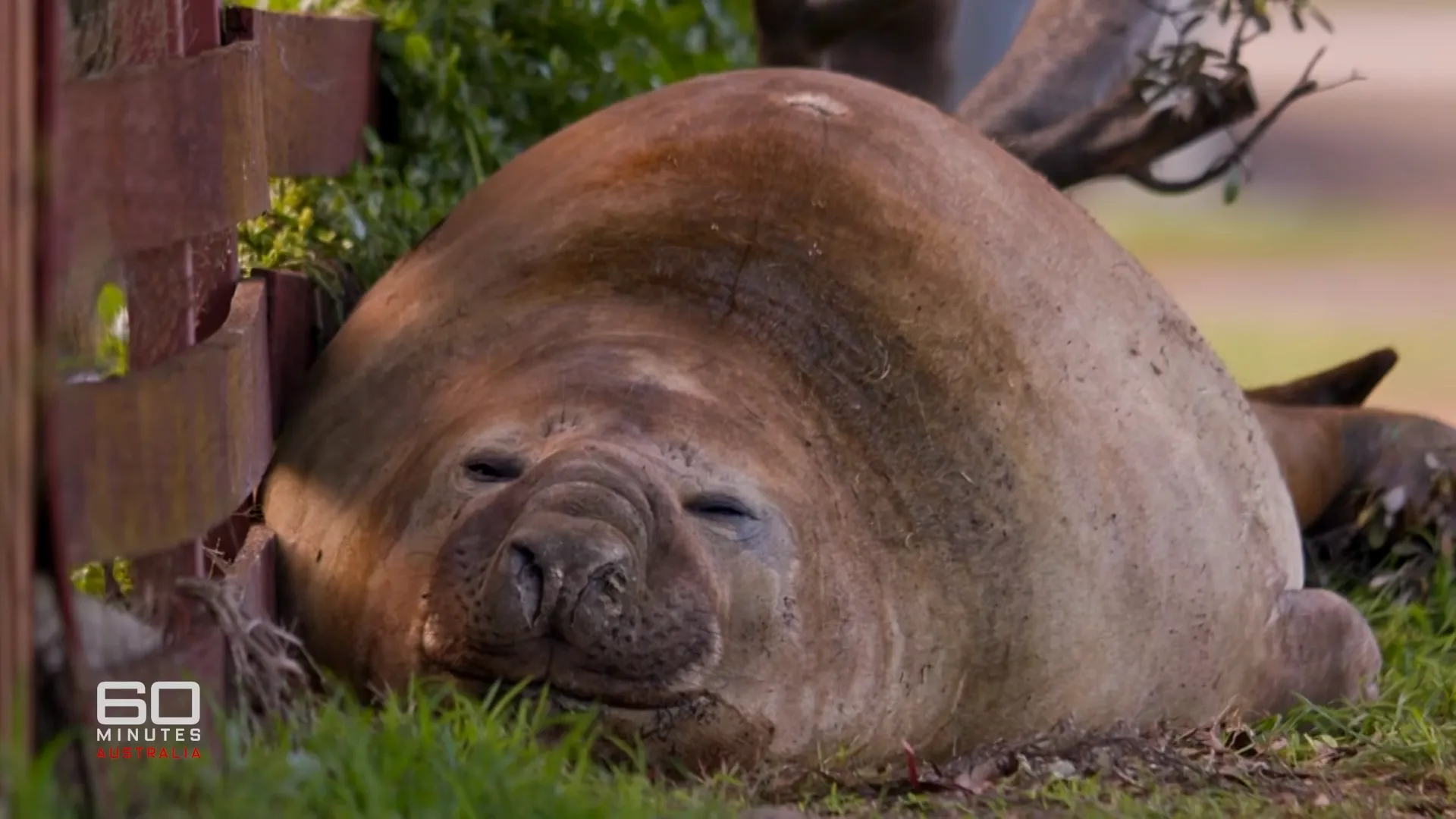
His most viral behavior is also the most misunderstood. When Neil sizes up a pole, rears his body, grabs it and begins shaking, he is not performing a comedy routine for the cameras. Elephant seal scientist Ian Field explained that young males practice the movements they will eventually use in serious dominance battles. Neil’s unfortunate opponent may be a street sign or a parked car, but the instinct behind the wrestling is completely natural.
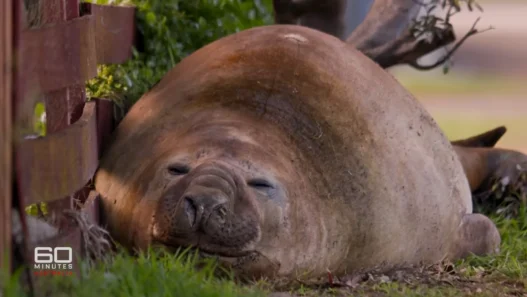
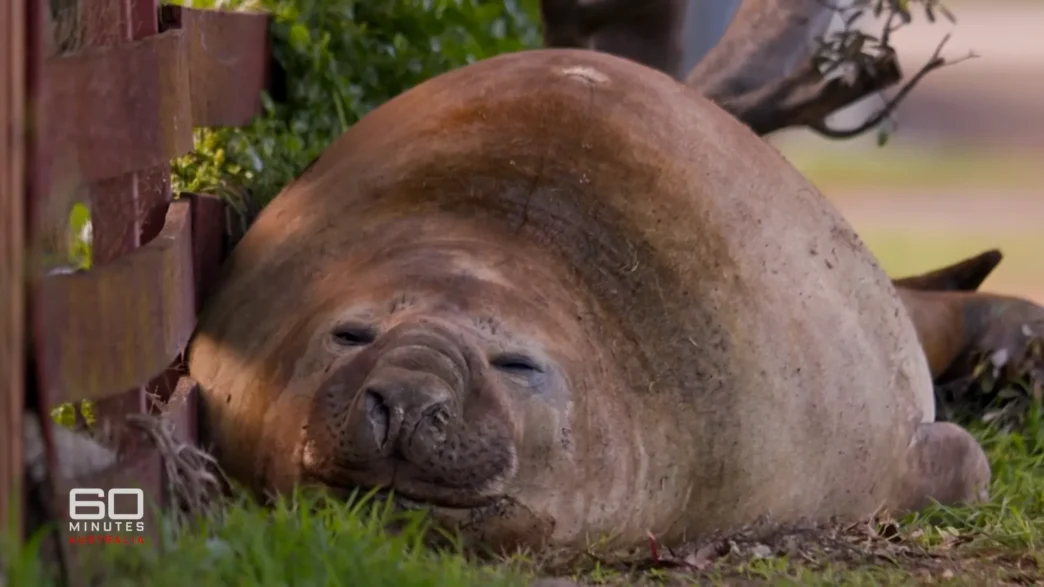
The routine usually ends in classic Neil fashion: a sudden burst of force followed by an immediate collapse back into rest. He may appear chronically exhausted, but elephant seals spend enormous stretches sleeping while ashore. During the 60 Minutes visit, Neil barely changed position for three days before disappearing into the night as quietly as he had arrived.
At sea, the sleepy roadside celebrity becomes a long-distance hunter. Satellite tracking from an earlier journey showed Neil traveling more than 5,000 kilometers while foraging for fish and squid. He is expected to spend several months feeding before returning to Tasmania to molt and rest, although scientists say his behavior and preferred landing places could change as he matures.
The bigger challenge may not be Neil himself, but the circus that follows him. On one Sunday, close to 3,000 people reportedly descended on a small village to see him. Local artist and volunteer guardian Tash Young warned that the public had begun treating a wild animal like personal entertainment and could end up “loving him to death.”
The danger runs both ways. A visitor who gets too close could be seriously injured, while one bad encounter could place Neil’s future at risk. Officials have responded with road closures, barriers, traffic control and round-the-clock monitoring whenever he appears. The goal is not to punish or relocate him, but to keep the community safe while allowing Neil to remain wild.
Authorities say euthanasia is not under consideration and that existing management plans are working. Relocation would also be a last resort for an animal of his size. The central question is how Tasmania can welcome a beloved native son without teaching him to rely on human attention or allowing his celebrity to overwhelm the animal underneath it.
Neil may grow to roughly five meters long and four tons, and no one can know whether the older version will keep napping in roads, choose quieter beaches or eventually find other elephant seals. For now, the communities he visits are learning that loving Neil means accepting that he does what Neil wants — and sometimes the kindest response is to admire the magic from much farther away.
Neil The Seal’s Tasmanian Visit In Five Unforgettable Frames
The report follows Neil from marathon naps to roadside wrestling while locals work to protect their one-ton visitor.
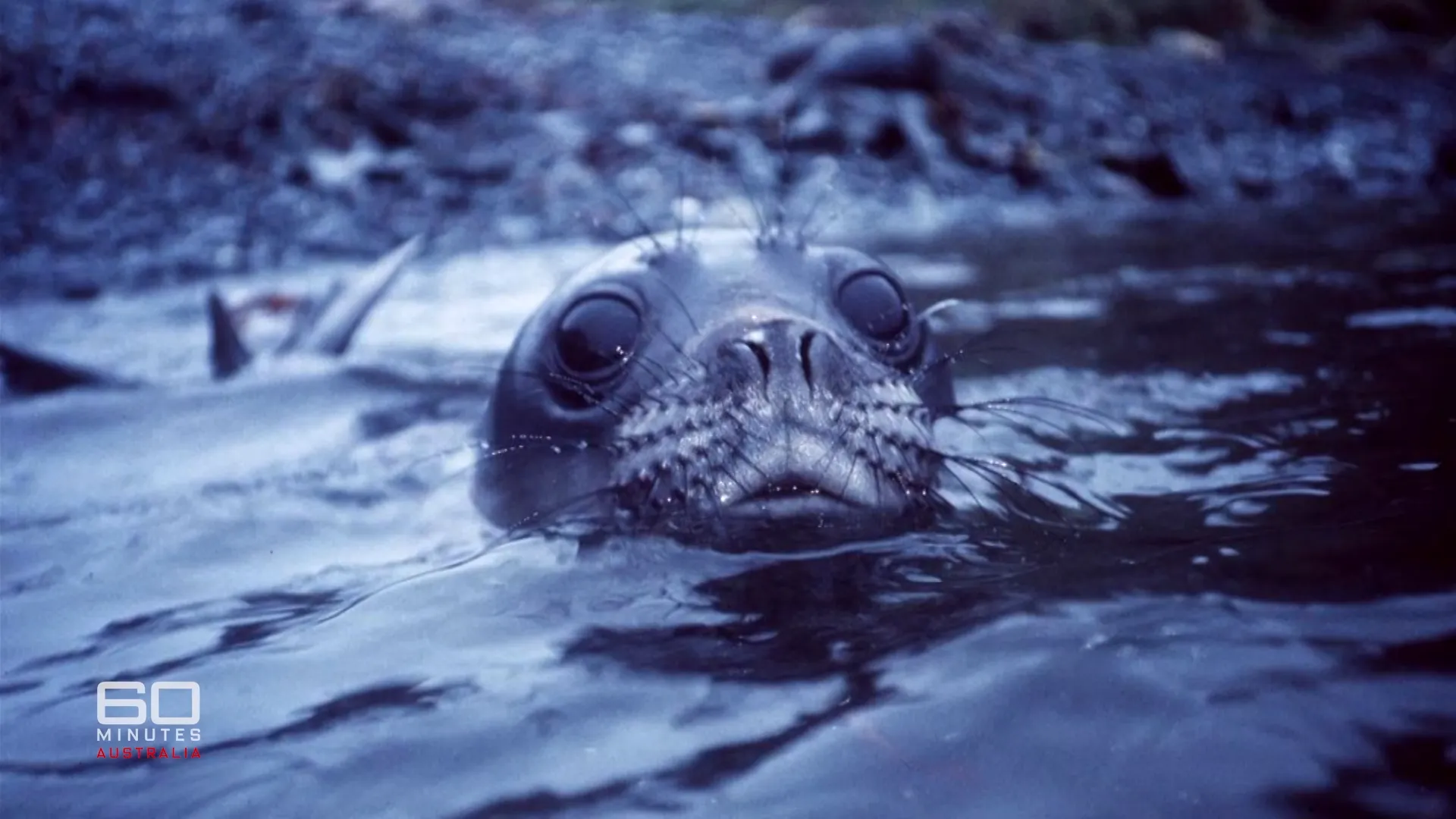
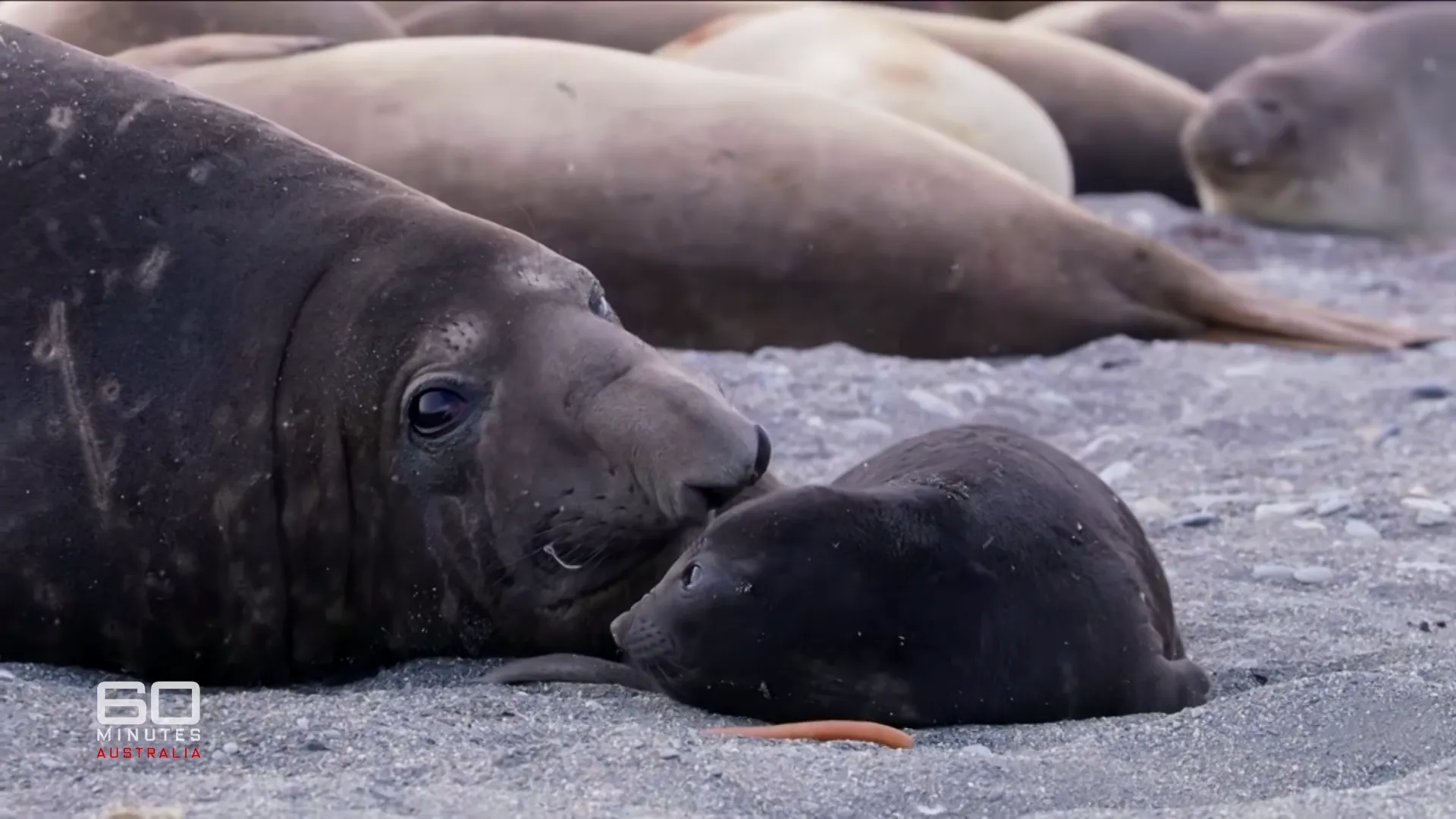
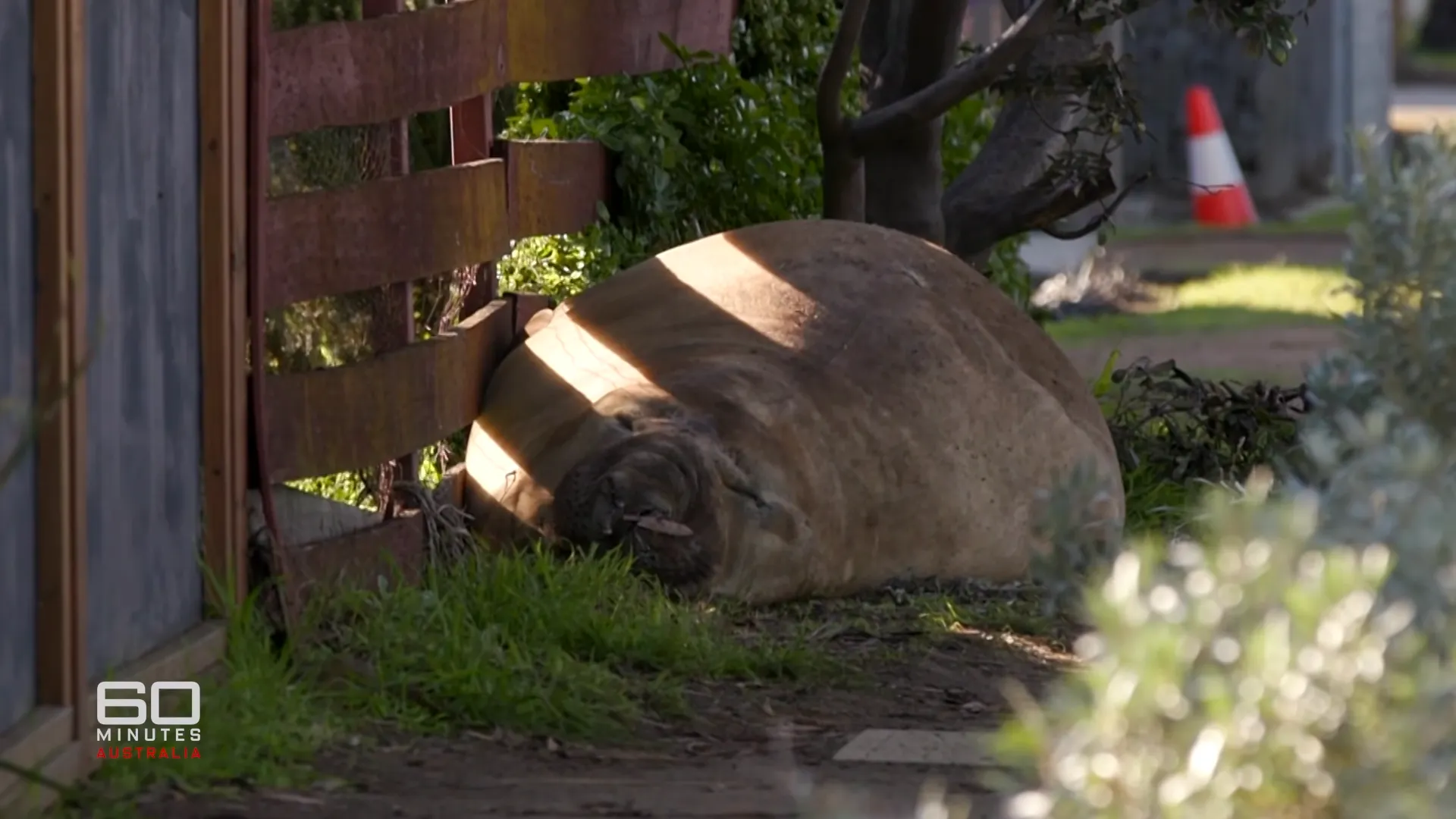
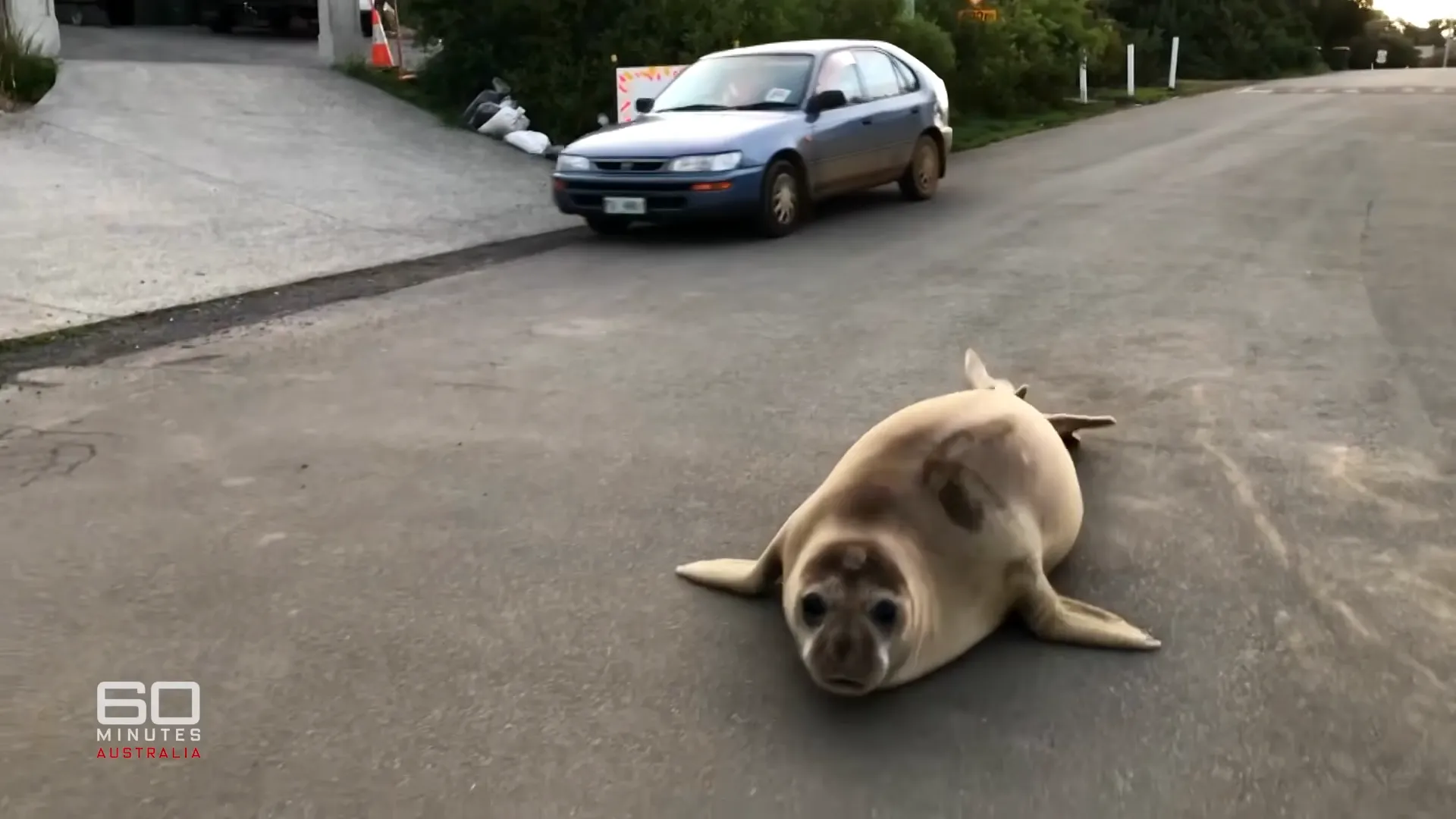
Neil’s latest visit brought enormous crowds, constant monitoring and another reminder that his funniest moments are still the behavior of a wild southern elephant seal. Images courtesy of 60 Minutes Australia.
Watch Why Neil The Seal Is So Misunderstood
The complete 60 Minutes Australia report traces Neil’s rare Tasmanian birth, worldwide celebrity, natural fighting practice and the growing effort to keep both him and his admirers safe.
Source: 60 Minutes Australia.