

















Before Pumpkins Ruled Halloween, Turnips Were the Original Fright Night Faces
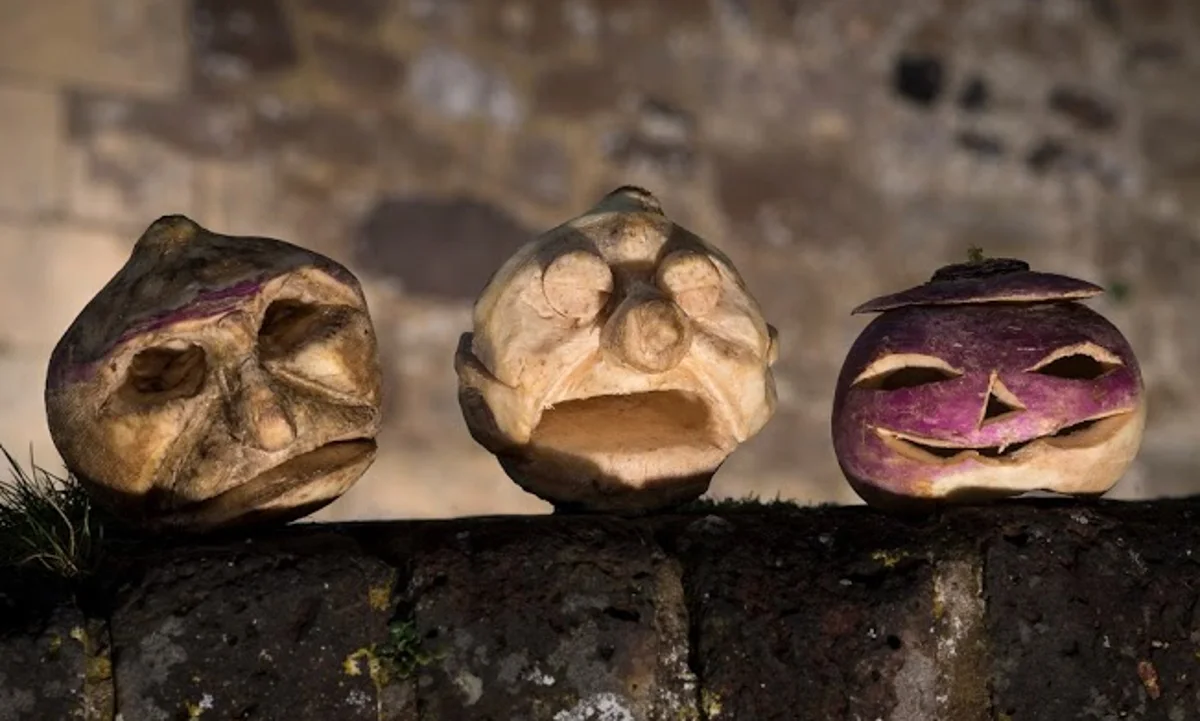
Back to the future, indeed: from turnips to pumpkins, Halloween’s most famous carved face has quite the history. Before the bright orange pumpkin took over doorsteps and front porches, frightening faces were being cut into humble root vegetables across Ireland and other parts of the British Isles. The effect was a little less cheerful—and arguably much creepier.
The practice is closely associated with Samhain, the festival marking the transition into the darker part of the year. Carved turnips, sometimes illuminated from within, were placed outside homes or carried as lanterns to frighten off wandering spirits. Potatoes and beets were also used in some traditions. Ireland’s National Museum even preserves the story of a ghostly turnip lantern made in County Donegal around 1900.
Discover More
Halloween’s Original Jack-o’-Lantern
Explore the official source and related picks curated around this story.
Some links may be affiliate links. INYIM may earn from qualifying purchases.
Why Ireland’s Turnips Became America’s Pumpkins
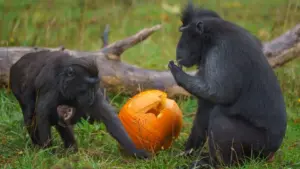
Much of the legend circles a folkloric trickster called Stingy Jack, condemned to wander with a glowing ember carried inside a hollowed-out turnip. That eerie lantern helped give the jack-o’-lantern its name. The pumpkin arrived in the familiar picture as immigrants brought the custom to North America, where the larger, softer squash was far easier to hollow out and carve. Its takeover wasn’t exactly a mystery: try cutting a menacing grin into a turnip and you may understand the appeal of a pumpkin.
The 2015 Halloween Pumpkin Shortage That Brought Turnips Back
In October 2015, the British conservation charity English Heritage called on Halloween revellers to go back to the holiday’s roots and carve turnips after heavy rain raised fears of a pumpkin shortage. The appeal made headlines, including The Guardian’s report, “Go back to Halloween’s roots and carve a turnip, charity suggests.” It was an invitation to rediscover an older ritual, not a warning about the 2026 pumpkin crop.
At Dover Castle, English Heritage displayed sinister carved turnips to demonstrate how Halloween looked before the cheerful pumpkin became the default decoration. The group acknowledged that turnips were harder to carve, but that was half the charm: behind today’s familiar Halloween grin lies a rather more unsettling old-world face.
The original English Heritage appeal remains a fun reminder that the holiday’s traditions travelled, evolved and picked up new costumes along the way. So if the usual pumpkin feels a bit predictable, perhaps the turnip deserves its spooky little comeback.
And really, the turnip might be the more haunting decoration. Its pale, uneven shape gives a carved face a look that even a beautifully polished pumpkin can struggle to match. Halloween nostalgia doesn’t get much more wonderfully strange than that.
From Turnips to Pumpkins: The Halloween Reel
Sources: English Heritage (October 26, 2015); The Guardian (October 26, 2015); National Museum of Ireland; Smithsonian Gardens.