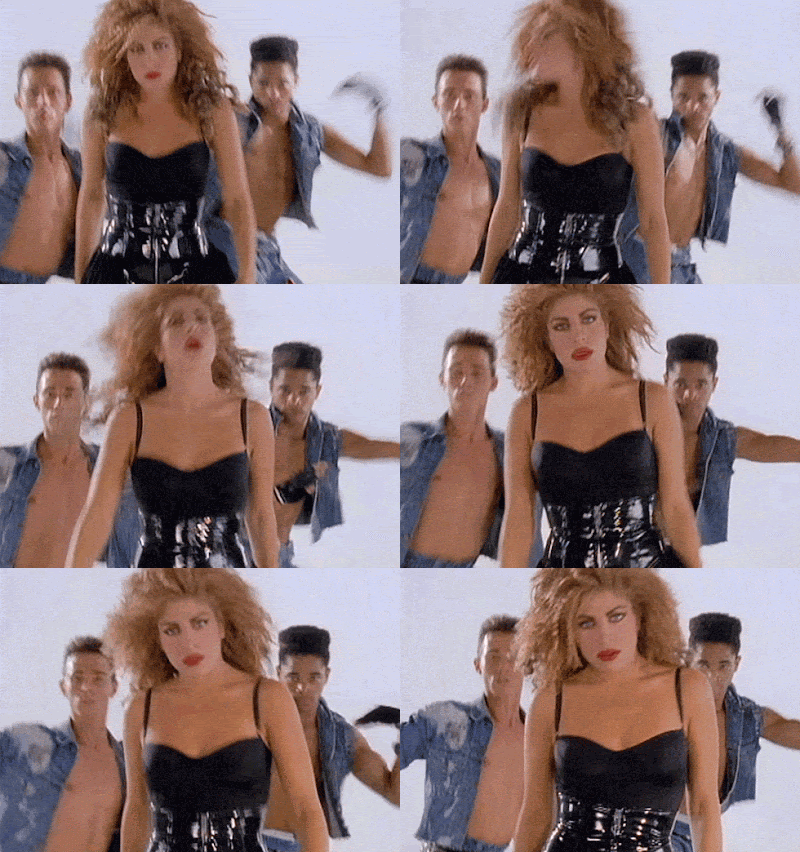












A Voice That Big Was Never Meant to Stand Behind Anyone
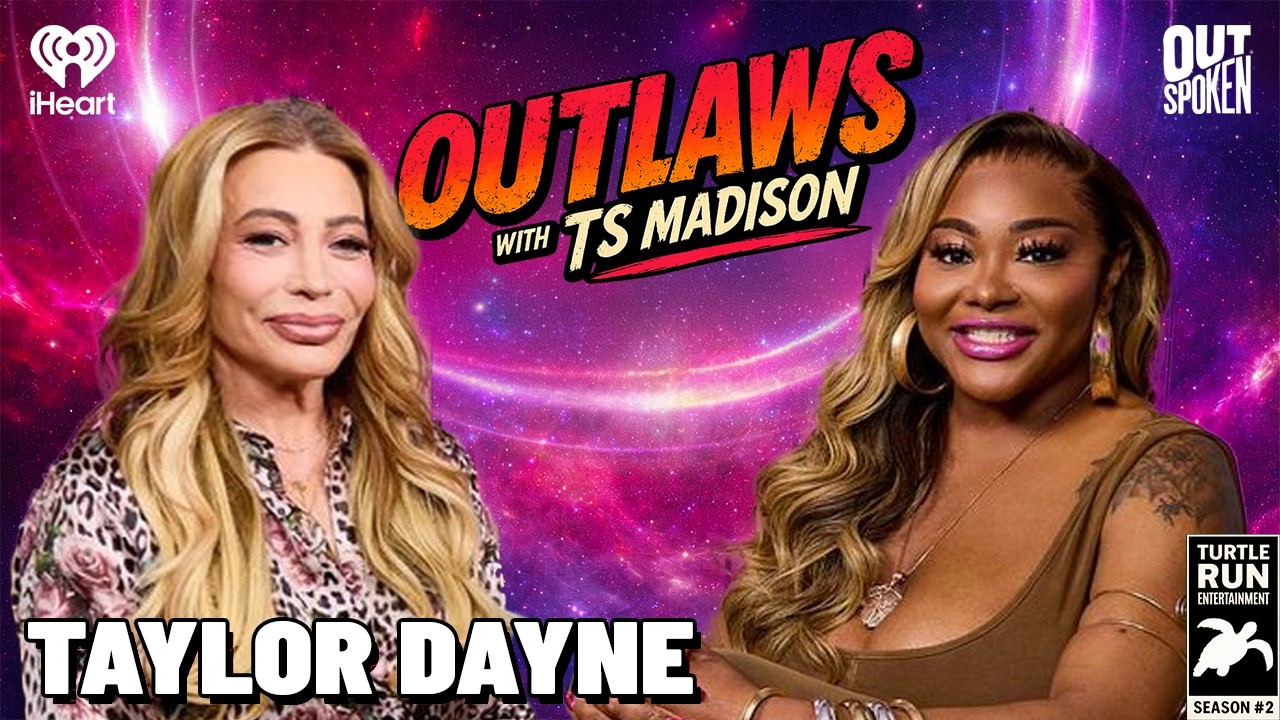
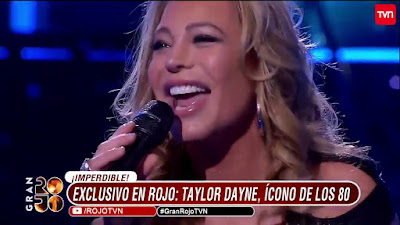
Taylor Dayne has spent nearly four decades singing like the building owes her money, so naturally she has a correction for anyone trying to place that voice quietly behind somebody else.
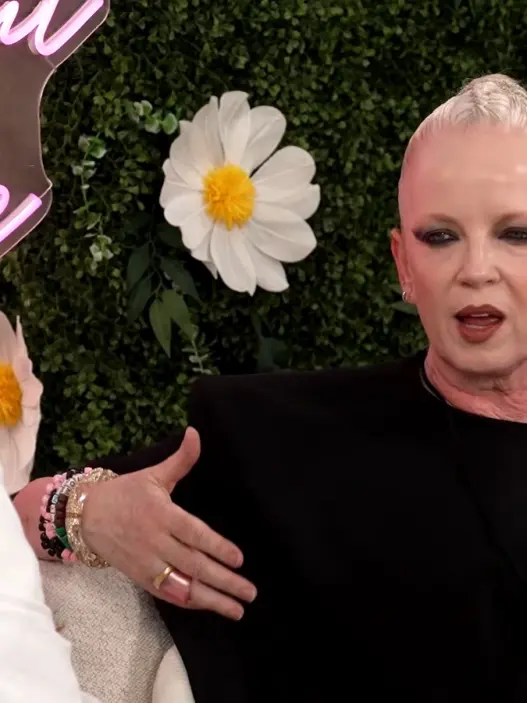
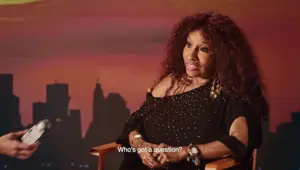
In a new clip from Outlaws with TS Madison, the “Tell It to My Heart” powerhouse pushes back on the idea that she began her career as a background singer. Dayne’s response is direct: she says she was never one.
That distinction may sound like pop-history housekeeping, but it matters. Artists’ pre-fame years are often flattened into one tidy Cinderella sentence: first they sang behind the stars, then somebody finally noticed them. Taylor’s version is not interested in waiting politely at the back of that line.
Discover More
Keep the Taylor Dayne Story Playing
Watch Outlaws with TS Madison, revisit Taylor Dayne’s era-defining hits and dig into the memoir behind the voice that refused to stay in anybody’s background.
Some links may be affiliate links. INYIM may earn from qualifying purchases.
Demo Work, Bands and Background Singing Are Not the Same Job
Part of the confusion comes from how casually the music industry describes everything an unknown vocalist does before signing a major-label deal. Singing demos, recording session vocals, fronting local bands and working as someone else’s dedicated background singer can all end up tossed into the same biography blender.
Older profiles have sometimes described Dayne’s early hustle using the background-singer label. Other accounts emphasize her years performing with bands and recording independent dance singles before the breakthrough. On Outlaws, Taylor draws her own line around that history.
The point is not that she materialized fully formed beneath a wind machine in 1987. She worked. She trained. She recorded. She performed. But in her telling, she was not building an identity as the anonymous voice supporting somebody else’s spotlight.
Frankly, the lungs support her argument.
“Tell It to My Heart” Did Not Introduce a Timid Newcomer
When “Tell It to My Heart” arrived in 1987, Taylor Dayne did not sound like an artist asking permission to move forward. She sounded as though the chorus had already kicked the door off its hinges and she was simply there to identify the body.
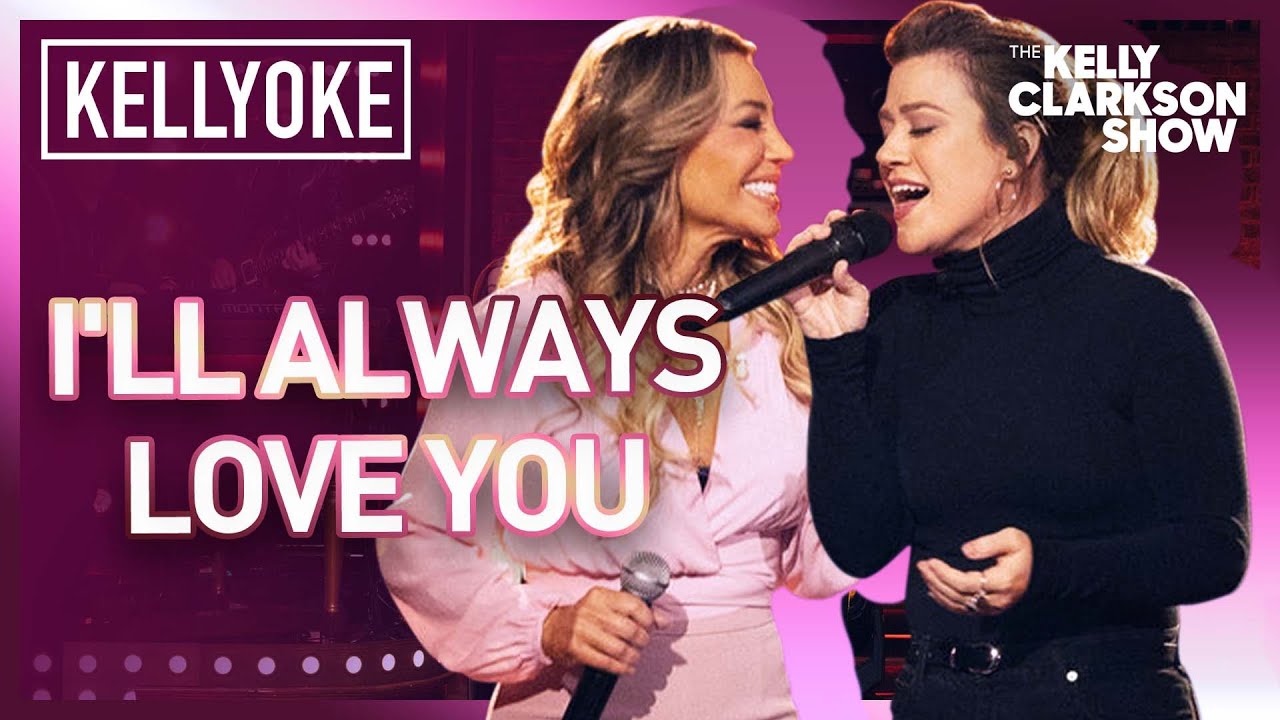
The single turned Dayne into an international star, but the follow-up catalog proved the voice was not a one-song special effect. “Prove Your Love,” “Don’t Rush Me,” “I’ll Always Love You,” “Love Will Lead You Back” and “I’ll Be Your Shelter” moved between dance-pop urgency, R&B muscle and power-ballad drama without asking her to become smaller.
Taylor sang lead like an emergency. Even when the material softened, the vocal never arrived apologetically. That intensity became the brand long before artists were expected to explain their “brand” on six different platforms before breakfast.
So when TS Madison reaches the pre-fame part of the story, Taylor’s correction lands as more than ego. It is an artist refusing to let a familiar industry narrative replace the details of how she remembers becoming herself.
TS Madison Knows Exactly When to Let a Legend Correct the Room
Outlaws with TS Madison works because Madison does not interview living legends as if she is reading plaques inside a museum. She brings curiosity, irreverence and enough personality to make a polished career anecdote loosen its corset.
The iHeartPodcasts series, produced through the Outspoken Network and co-produced by Turtle Run Entertainment, is built around guests who speak for themselves after years of being packaged, summarized and occasionally misunderstood by everybody else.
Taylor Dayne is ideal for that setup. She is funny, blunt and clearly uninterested in allowing a compressed version of her résumé to survive merely because it sounds familiar.
Madison presents the opening. Taylor supplies the correction. Pop history gets a quick edit in real time.
The Correction Is Also About Who Gets to Define the Hustle
There is a broader reason the exchange sticks. The entertainment business loves origin stories, particularly ones that make success appear inevitable after the fact. The years before fame become a montage, and every job gets rewritten as a symbolic step toward destiny.
Real careers are messier. Artists take work, try names, join bands, record demos, make independent singles and enter rooms that do not immediately understand what they are hearing. Those experiences can overlap without becoming interchangeable.
Dayne’s insistence is ultimately simple: do not turn her into somebody else’s background simply because she had a life before the hit record.
With a voice like Taylor Dayne’s, that feels less like revisionism and more like quality control.
Watch Taylor Dayne Correct the Record on Outlaws with TS Madison
In the supplied YouTube clip, Dayne responds to the suggestion that she once worked as a background singer and explains how she defines her pre-fame career.
Sources: Outlaws with TS Madison; Taylor Dayne official biography; Grammy.com.