













CHETNEY2K returns to Rhona Bennett’s nearly lost debut and finds an artist whose voice was always bigger than the rollout she received.
Some records disappear because the music was not there. Others slip through the cracks because the machinery surrounding them collapses before the public ever gets a fair chance to listen.
Rhona Bennett’s self-titled 2001 debut belongs firmly in that second category.
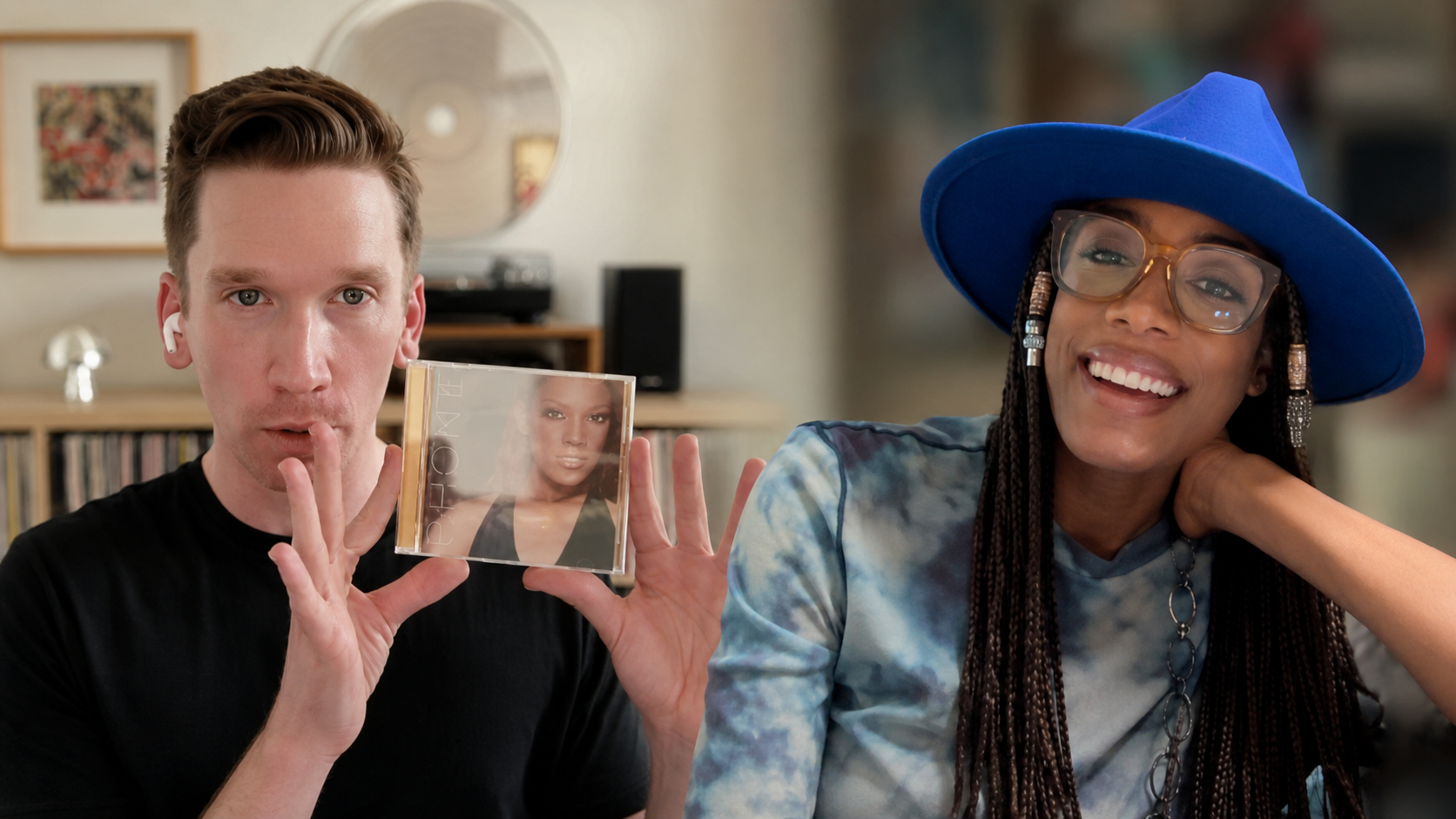
In a magnificent new episode of Hit + Run, pop archivist and true music appreciator Chet Norment—better known as CHETNEY2K—sits with Rhona to retrace the road from The All-New Mickey Mouse Club to becoming the First Lady of Darkchild Records, the international campaign behind her album and the abrupt turn that kept it from receiving a full American release.
MMC vocals, Darkchild history, international promotion and one of Y2K pop and R&B’s great unfinished rollouts.
As an Amazon Associate, I earn from qualifying purchases.
For those of us who grew up watching Rhona on The All-New Mickey Mouse Club, this is not revisionist praise. Rhona was already the singer in the room. Christina Aguilera and Britney Spears were younger and still learning how to shape a vocal, sell a phrase and command a stage. Rhona was showing them how it was done in real time.
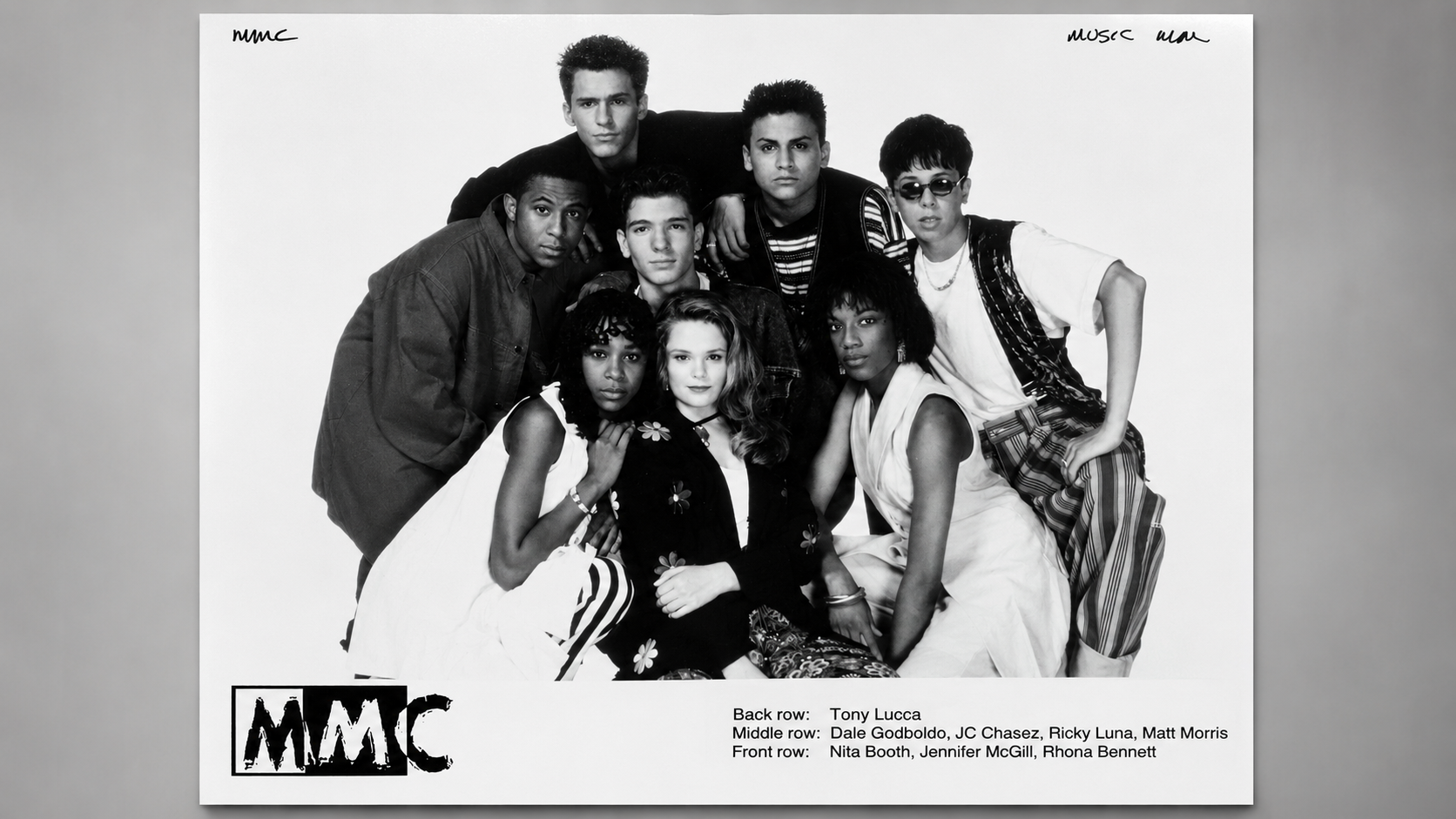
Watch those performances back. To our eyes and ears, Christina and Britney repeatedly used Rhona as a vocal and performance template. Her phrasing, attack, confidence and natural command of pop and R&B were already fully present. She knew when to push, when to pull back and how to carry an ensemble without making the work look heavy.
That does not take anything away from what Christina and Britney later became. It restores Rhona to the position she actually occupied: an older, more developed vocalist whose example helped shape performers who would soon be presented as pop’s next generation.
Watch Rhona Bennett lead the way on The All-New Mickey Mouse Club.
The archival performance shows the vocal confidence, phrasing and stage command that made Rhona Bennett a natural template for the younger performers around her.
Rhona’s vocals were clean without becoming sterile and raw without ever losing command, invoking all sides of pop and R&B music. Her voice could handle a glossy hook, a dramatic ballad, a gospel turn or the kind of layered background arrangement that makes a Darkchild record move. That is why producers sought her out.
Rhona’s path to Rodney “Darkchild” Jerkins began with a song she had written herself. She believed in the ballad so deeply that, if she did not record it, the only other singer she could imagine delivering it was Whitney Houston. Her manager encouraged her to take it to Rodney, who was then working on Whitney’s My Love Is Your Love.
“I went over there thinking that I was going as a songwriter, but he ended up saying, ‘The song’s nice, but I want Rhona as an artist.’”
Rhona Bennett
That was not Rhona’s first brush with a major label machine. Around age 18, she came close to signing with Death Row Records, only for her management to discover significant contract changes on the day she was expected to sign. The deal stopped there. Rhona accepted the outcome and carried forward an attitude that would repeatedly serve her career: what’s next?
Darkchild appeared to be the answer.
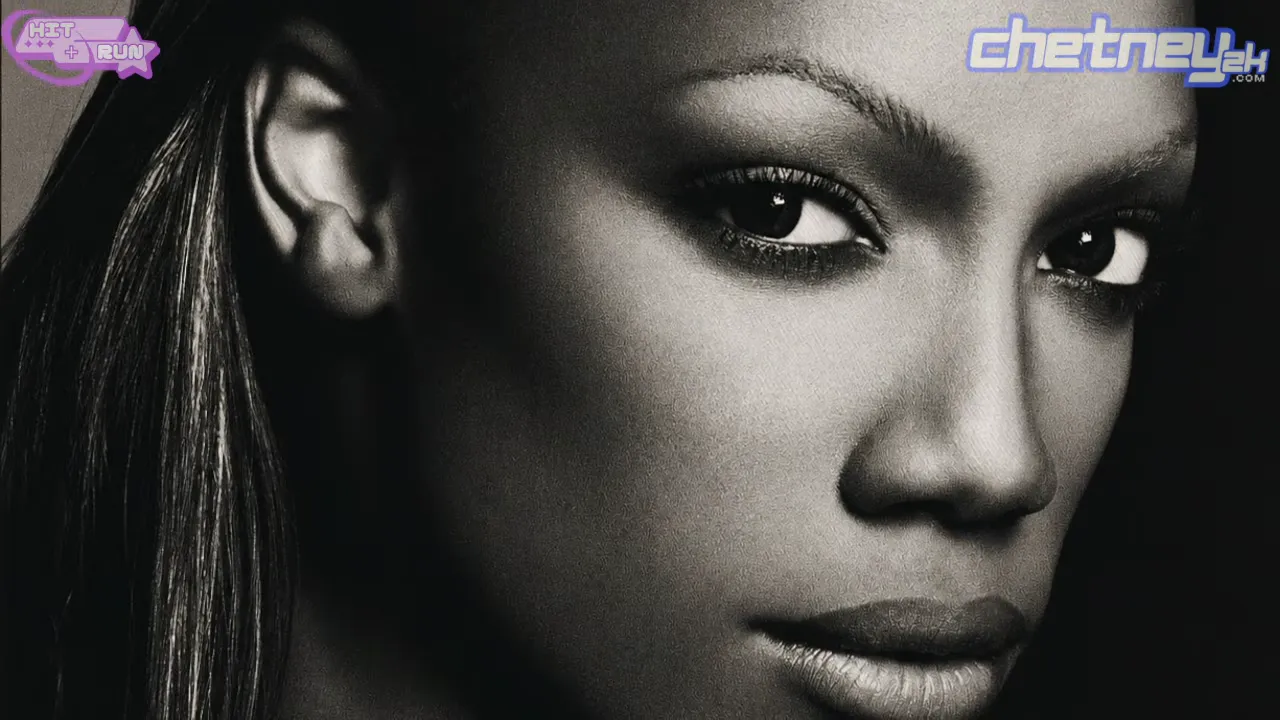
Rhona became the label’s first solo female artist and was introduced to the press as its First Lady. Rodney’s confidence was enormous. Archived coverage presented her as one of his most important projects and projected the kind of blockbuster success that could make a young artist feel as though an entire corporation had been balanced on her shoulders.
The pressure became physically overwhelming before a major London showcase attended by Sony executives from several international territories. Rhona went more than a day without sleep, worried that she would not be vocally rested and finally called her mother in tears.
The machine was operating at full power. Four background singers traveled with her as she performed, completed interviews and visited major media outlets throughout Europe and Japan. Satisfied arrived with a large-budget video, dramatic strings, choreography and enough club energy to carry the song onto the American dance chart.
Justice for Satisfied, forever.
The album reveals why so much faith had been placed in her. The Best of Me lets Rhona work through LaShawn Daniels’ layered vocal arrangement. Last Goodbye pushes her into a dramatic ballad performance that still moves her today. Time Will Tell climbs and falls with a beautifully constructed melody, while Look to the Sky opens a more spiritual lane within a project largely centered on romantic love.
There was even a full video shot for the Gordon Chambers and Phil Galdston ballad First Time. Rhona says the unreleased one-take clip may still exist on a VHS in her garage, waiting to be transferred and, one hopes, finally freed from the vault.
Listening now, Rhona can appreciate both what the album achieved and what it could not yet represent. She had the instrument and experience, but had not fully developed the artistic point of view she possesses today. Writers and producers curated much of the sound while she concentrated on delivering what an elite creative team placed in front of her.
That distinction does not diminish the album. It makes the story more interesting. Rhona captures a spectacular singer being pushed into corners of her voice she did not know were there, even as her own authorship and personal messaging were still developing.
Then the expected American arrival did not happen.
The album found release in Japan and pockets of attention across Europe, including Spain, but the larger United States campaign stalled. After international showcases, major investment and enormous expectations, the fall from full-scale rollout to limited availability was understandably painful.
So when we call it a lost debut, we do not mean the music vanished. We mean a fully recorded and lavishly promoted album became stranded between territories, label politics and an industry that moved on before the audience could catch up.
Rhona did what she had always done: she asked what came next. Theater followed. Then came En Vogue, where many of the stages she once imagined reaching as a solo artist still became part of her life. Today, she is back in her solo bag with the experience, seasoning and creative ownership to make music that comes directly from her.
This is where Chet Norment’s work really hits: he did the homework.
Chet does not simply remember that Rhona had an album. He reconstructs the world around it—tracking down liner notes, identifying writers and vocal producers, locating international promotional releases, translating old Japanese pages and bringing archived press quotes into the conversation with context.
That level of research takes real time and energy. Pop history does not preserve itself, especially when an artist never received the giant American release originally promised. Someone has to care enough to search, cross-reference, listen and ask the right questions.
Most importantly, Chet approaches the story as a true music appreciator, not a hater looking back to mock what did or did not chart. He hears the performances, respects the labor and understands that commercial outcomes are not the final measure of artistic value.
That is our kind of music archaeology.
Rhona Bennett was never a footnote between the Mickey Mouse Club and En Vogue. She was the blueprint, the First Lady and the owner of a debut whose limited release only added to its cult mystique.
Twenty-five years later, CHETNEY2K gives the album and the woman who sang it the close listening they should have received the first time around.
Watch CHETNEY2K revisit Rhona Bennett’s career and lost Darkchild debut.
In this episode of Hit + Run, Chet Norment and Rhona Bennett revisit her early career, near-deal with Death Row, Mickey Mouse Club training, Darkchild sessions, international promotion, the songs that shaped her debut and the perspective she carries 25 years later.
Sources: CHETNEY2K presented the career-spanning interview and album retrospective; Rhona Bennett provides additional official career and music information.