











You May Not Know Ron Dante’s Name — But You Absolutely Know His Voice
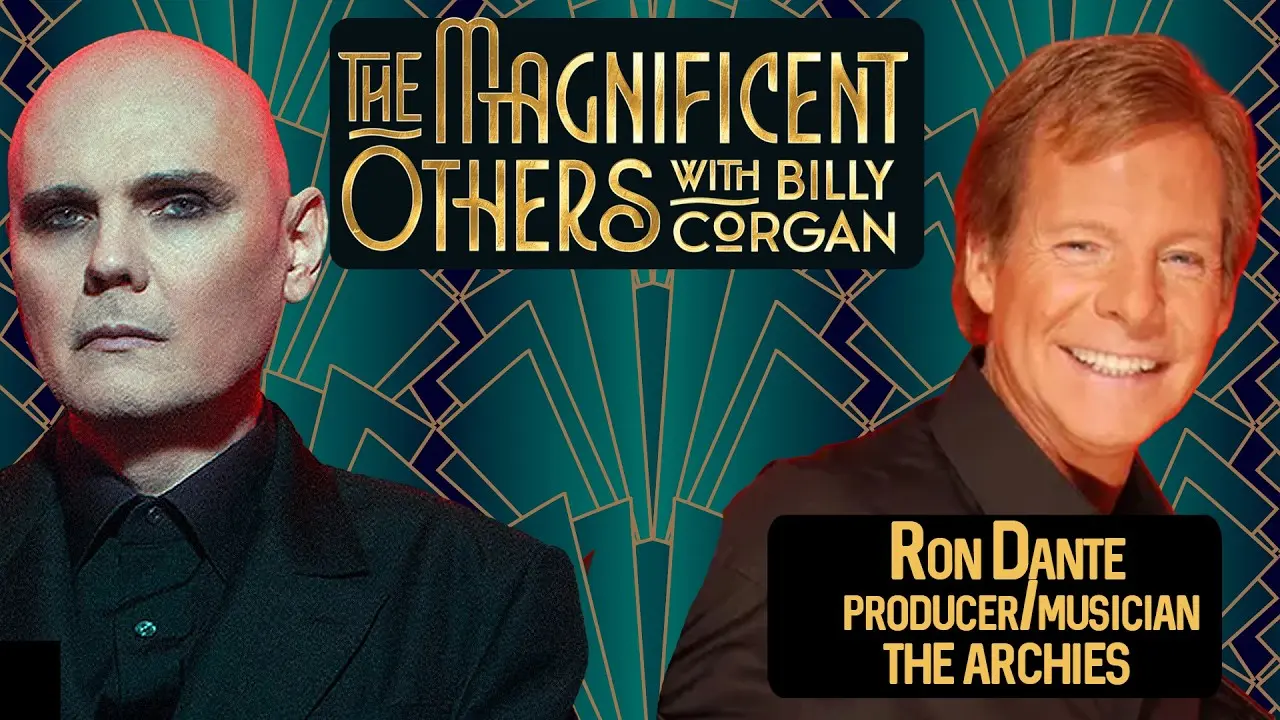
It’s that time of week when Billy Corgan pulls a true music lifer into the light — and this one comes with an immediate wait, THAT was him?
Ron Dante may not have a name that every casual music listener recognizes on sight, but his voice is woven all through American pop culture. He is the real-life lead singer behind the fictional cartoon group The Archies and their immortal 1969 smash “Sugar, Sugar.” He also sang the Cuff Links hit “Tracy,” became one of the busiest commercial-jingle voices of his era and later moved behind the console as one of the producers who helped launch Barry Manilow into superstardom.
So when Corgan welcomes Dante onto The Magnificent Others, this is not simply a nostalgia stop. It becomes a fascinating look at the hidden machinery of classic pop: anonymous singers, fictional bands, Brill Building song factories, four-track studios, jingles, cartoon records and the people whose voices became famous even when their names did not.
Discover More
YOU KNOW THE VOICE
Ron Dante’s name may have stayed behind the curtain, but his fingerprints are all over classic pop — from The Archies and the Cuff Links to Barry Manilow.
Some links may be affiliate links. INYIM may earn from qualifying purchases.
Before “Sugar, Sugar,” Ron Dante Was Already Inside Pop Music’s Factory
Dante tells Corgan that he started as a studio singer, background singer and demo singer while still a teenager. At 17, he walked into Don Kirshner’s orbit and found himself surrounded by the kind of names that now read like pop-history mythology: Carole King, Gerry Goffin, Neil Sedaka and Tony Orlando.
He describes himself as a journeyman singer who would cut demos for songwriters, sometimes watching those demos turn into actual singles released under completely different names. That anonymity did not bother him. Dante says he did not have a giant ego about getting his face on the record; he simply wanted to sing, work and keep moving toward whatever opportunity came next.
That attitude explains a lot of what followed.
Yes, Ron Dante Almost Became a Monkee Before He Became an Archie
One of the interview’s best excuse us, WHAT? revelations comes when Dante casually confirms that he auditioned for The Monkees. While working around Screen Gems-Columbia Music, he was among the young singers considered for the television project and says he was looked at for what became the Davy Jones role.
Dante has no bitterness about losing it. He tells Corgan that Jones deserved the part and that the chemistry of Davy, Micky Dolenz, Michael Nesmith and Peter Tork simply worked.
Then came The Archies.
The Voice of a Cartoon Band Became One of 1969’s Biggest Sounds
Producer Jeff Barry needed a lead singer for music tied to The Archie Show. Dante went to RCA Studios in New York, sang “Bang-Shang-A-Lang,” and says he was signed that day to become the group’s voice.
Then “Sugar, Sugar” happened.
The Barry-and-Andy-Kim composition became Billboard’s biggest song of 1969 in the United States and turned a fictional Saturday-morning cartoon band into an international pop phenomenon. Dante recalls traveling overseas and hearing the song everywhere. In the interview, he even tells Corgan that when he cut the vocal, he was thinking about Donovan’s “Mellow Yellow” and trying to find a similarly relaxed pocket.
And while “Sugar, Sugar” was exploding, Dante was essentially competing with himself: his voice was also fronting the Cuff Links on the Top 10 hit “Tracy.” At one point, he jokes, listeners could hear him on the radio multiple times an hour — and possibly again during the commercial break.
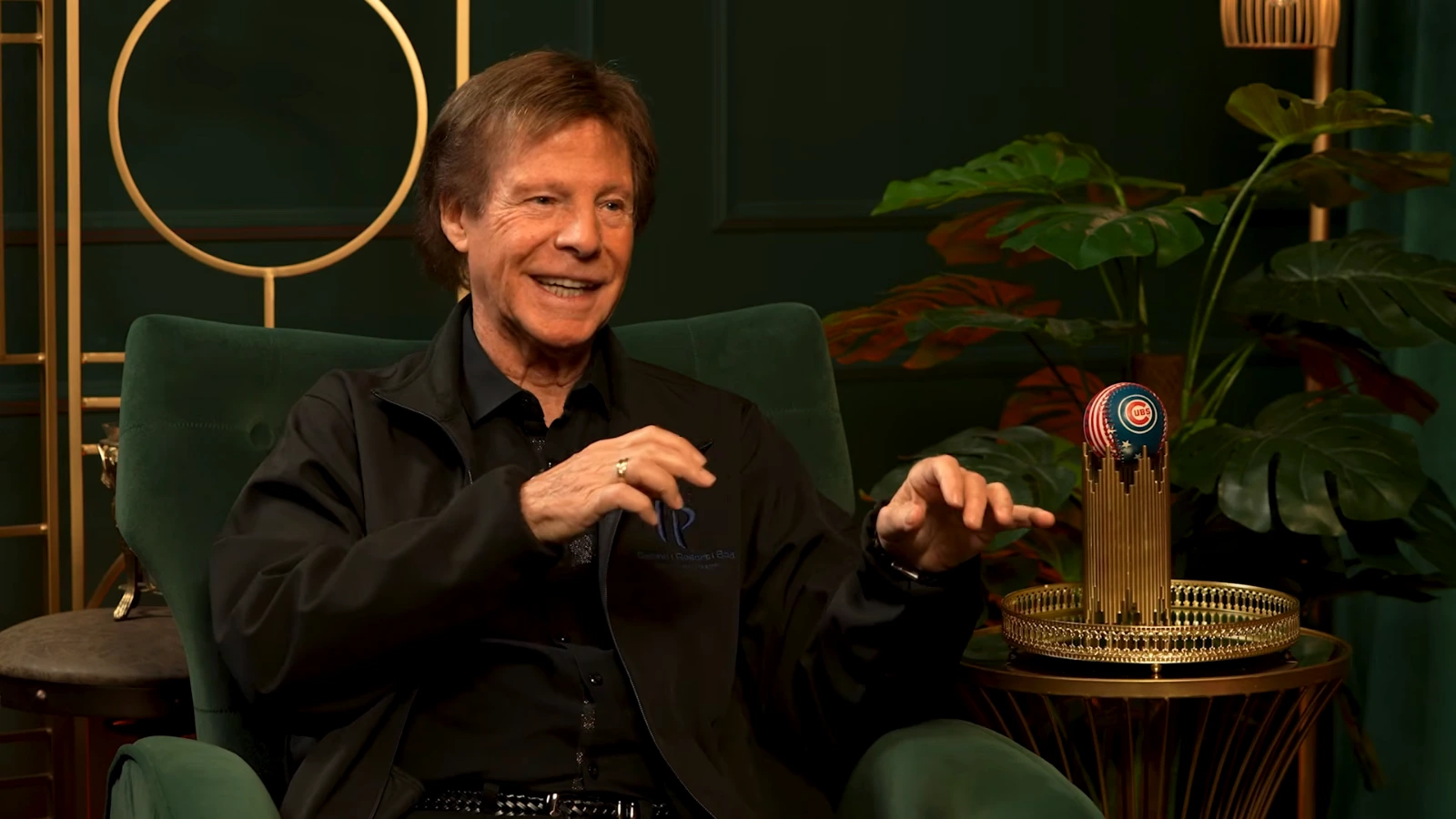
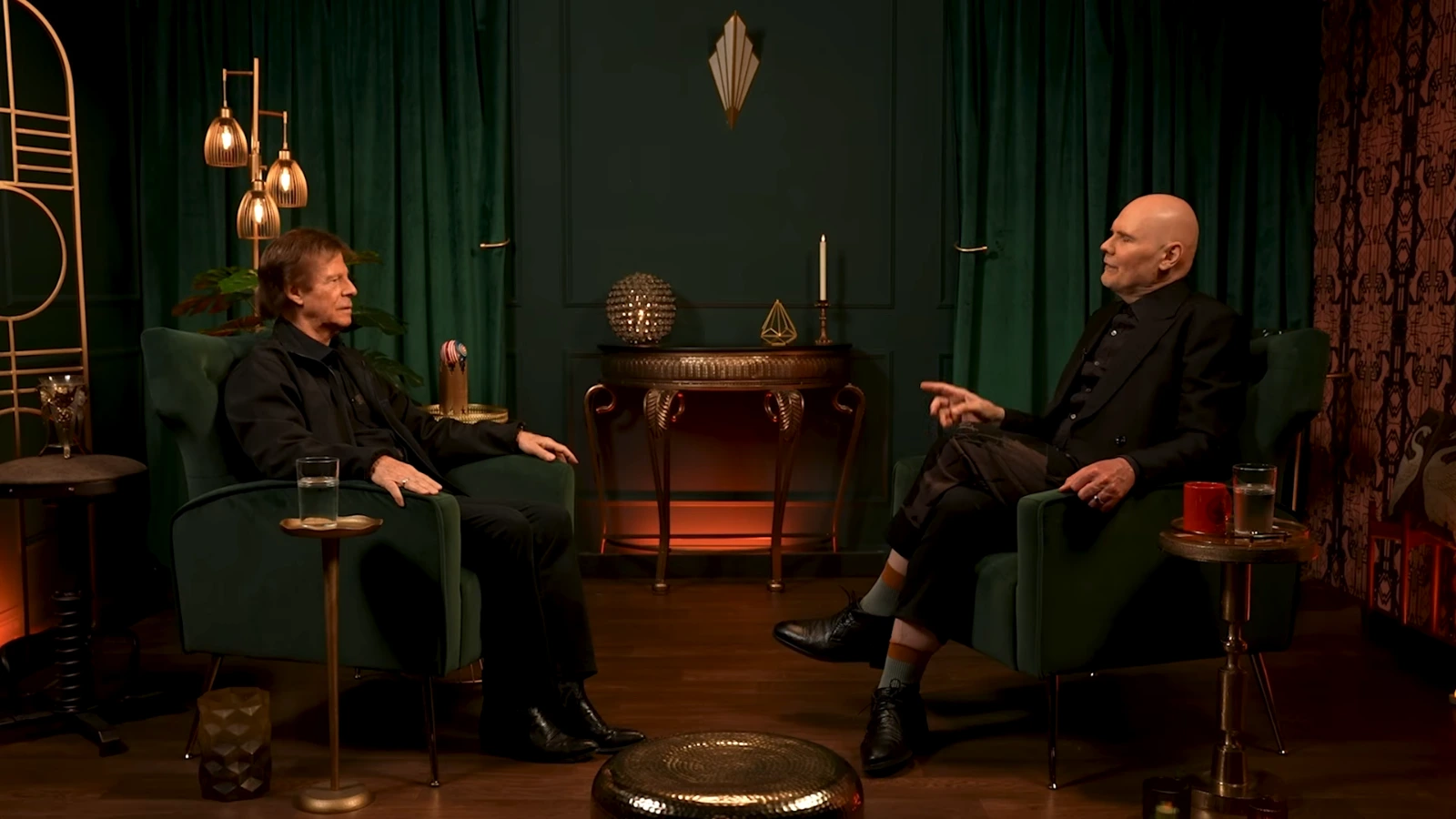
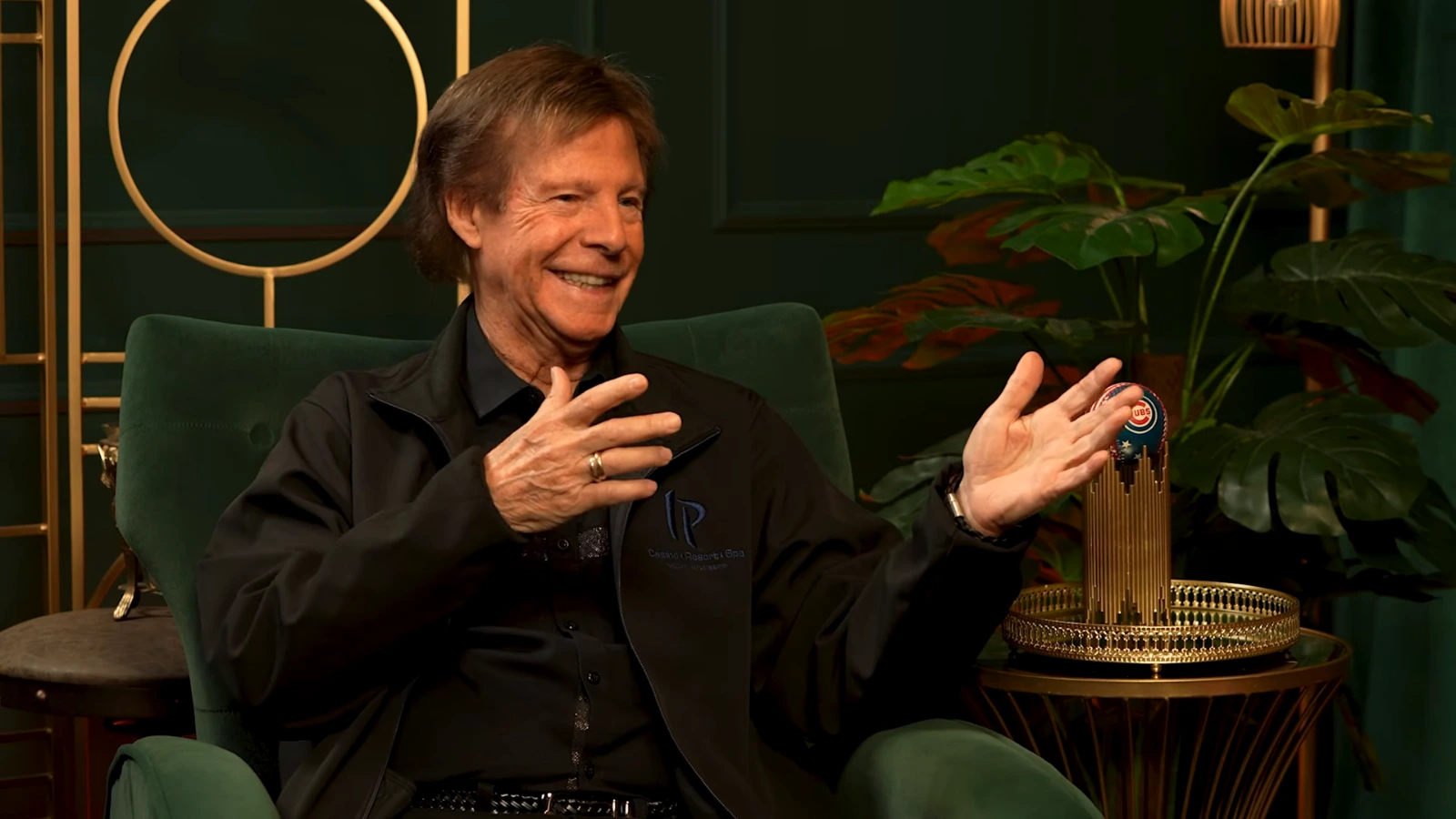
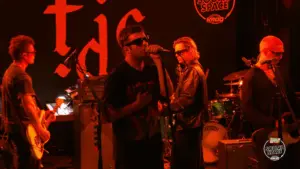
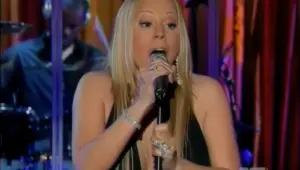
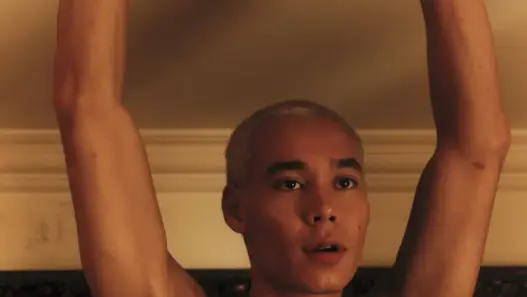
Ron Dante and Billy Corgan dig through the people, sessions and records that built Dante’s unlikely career. Images: The Magnificent Others / YouTube.
He Was Also the Voice Hiding Inside Commercials Everywhere
Dante’s “happy voice,” as he calls it, became valuable well beyond pop singles. He spent years singing commercial jingles and remembers working alongside other rising studio voices including Michael Bolton, Luther Vandross and Valerie Simpson.
He recalls Simpson once leaning over during a session and joking that she hated his happy voice. Dante laughs because that sunny quality was exactly what advertisers wanted. He tells Corgan about being instructed to smile while singing about things like McDonald’s fries, and remembers his voice appearing in commercials for brands including Dr Pepper and Coca-Cola.
That is part of what makes Dante’s career so unusual: people could know him from a cartoon record, another band entirely and a soda commercial without ever realizing the same singer was behind all three.
Then Ron Dante Helped Build Barry Manilow’s Breakthrough
If Dante’s singing career is the surprise, his production career is the second reveal.
Corgan, a longtime Manilow fan, zeroes in on “Mandy.” Dante takes him directly into the 1974 session and remembers a lot riding on the recording. Barry’s first album had not broken through, and Clive Davis was looking for the record that could change things.
Dante recalls that “Mandy” began life as the song “Brandy,” but the title had to change because of Looking Glass’ earlier hit. Manilow slowed the arrangement into the ballad we know, and Dante says the core performance captured that night was remarkably live: piano, bass, drums and Barry’s vocal, with only minimal fixes afterward.
The record hit No. 1 in early 1975. Dante and Manilow followed it with “It’s a Miracle,” and Dante says he later cut the sprawling original version of “Could It Be Magic” down to a radio-friendly edit that helped further solidify Manilow’s career.
All of a sudden the anonymous voice behind “Sugar, Sugar” was helping shape one of the defining adult-pop careers of the 1970s.
Billy Corgan Gets at Why Ron Dante’s Story Still Matters
The real charm of the conversation is that Corgan does not treat Dante’s bubblegum-pop history as disposable kitsch. He keeps returning to the craft underneath it: the harmonies, the groove, the studio technique, the emotional personality of Dante’s voice and the way bright, commercial pop existed alongside the heavier mythology of late-’60s rock.
Dante remembers four-track studios, bouncing vocals until the tape hiss piled up, learning harmony by singing a missing third part against Everly Brothers records and ignoring people who told him his voice should sound different.
That might be the best way to understand Ron Dante if the name is new to you. He was one of those invisible craftsmen who helped make popular music sound like popular music — and then kept doing it from the other side of the microphone.
Watch Ron Dante on Billy Corgan’s The Magnificent Others
The full conversation traces Dante’s path from teenage demo singer and would-be Monkee to The Archies, the Cuff Links, commercial jingles and his production work with Barry Manilow.
Source: The Magnificent Others with Billy Corgan, Ron Dante interview transcript and Ron Dante career archives.