












Before Kiosks And Delivery Apps, McDonald’s Felt Like An Event
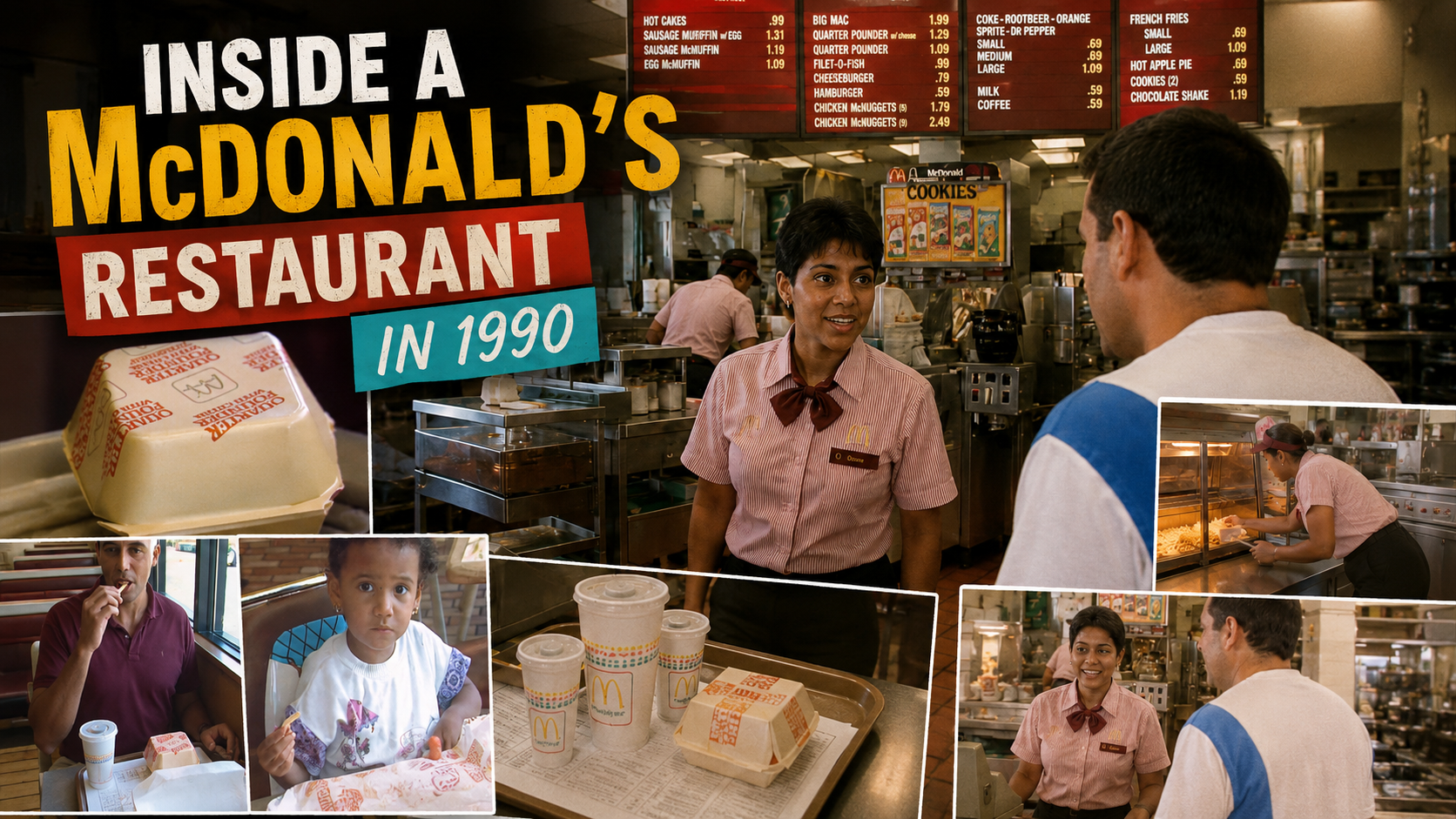
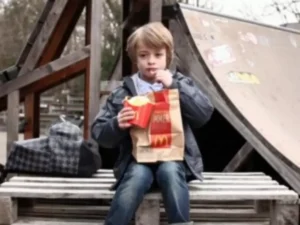
Oh, the nostalgia of eating at McDonald’s as a kid. Thankfully, we grew up always having a little McDonald’s money—and back then, going inside felt like an actual outing rather than a quick stop between errands.
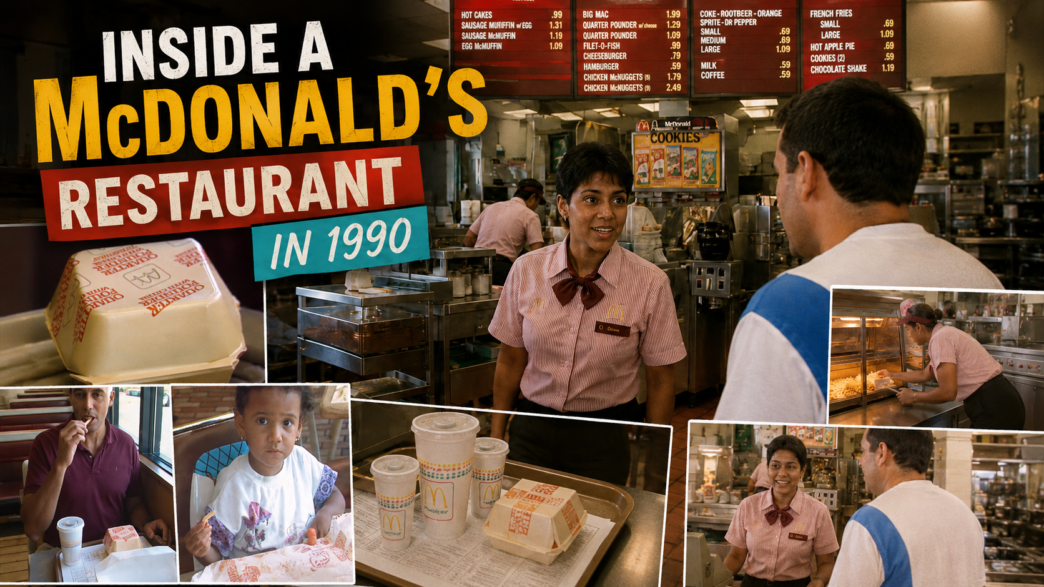
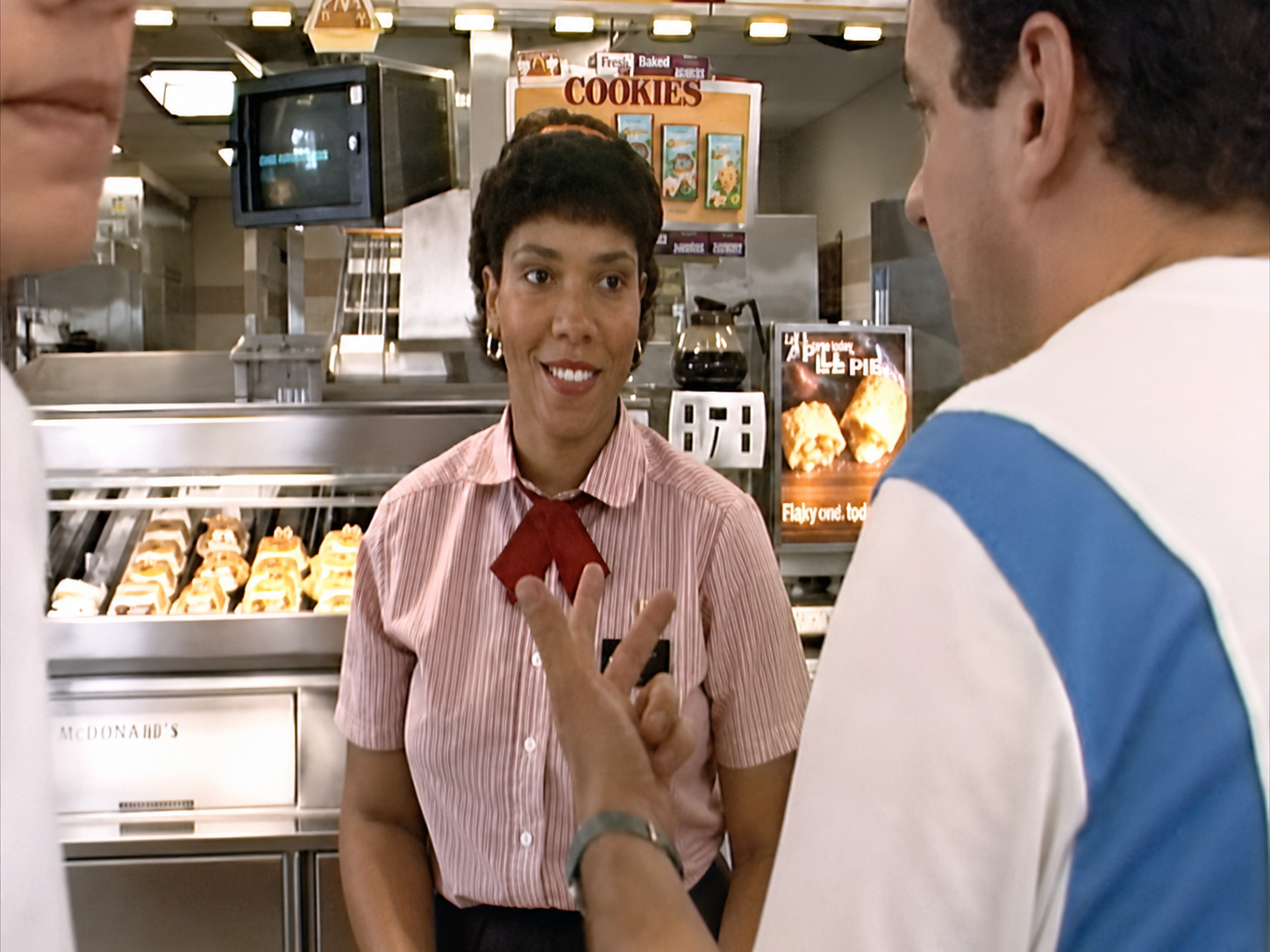
You stepped through the doors and immediately felt the cold air-conditioning. Then came the line at the row of registers, the uniformed workers taking orders, and the controlled chaos behind the counter as meals were packed into boxes, bags and trays.
PAST BLAST
The McDonald’s Dining Room We Remember
Revisit the packaging, restaurant design and little childhood rituals that made a fast-food stop in 1990 feel like a full experience.
Some links may be affiliate links. INYIM may earn from qualifying purchases.
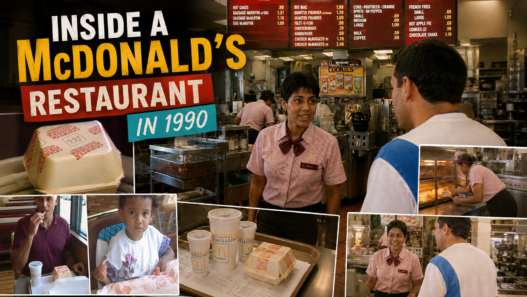
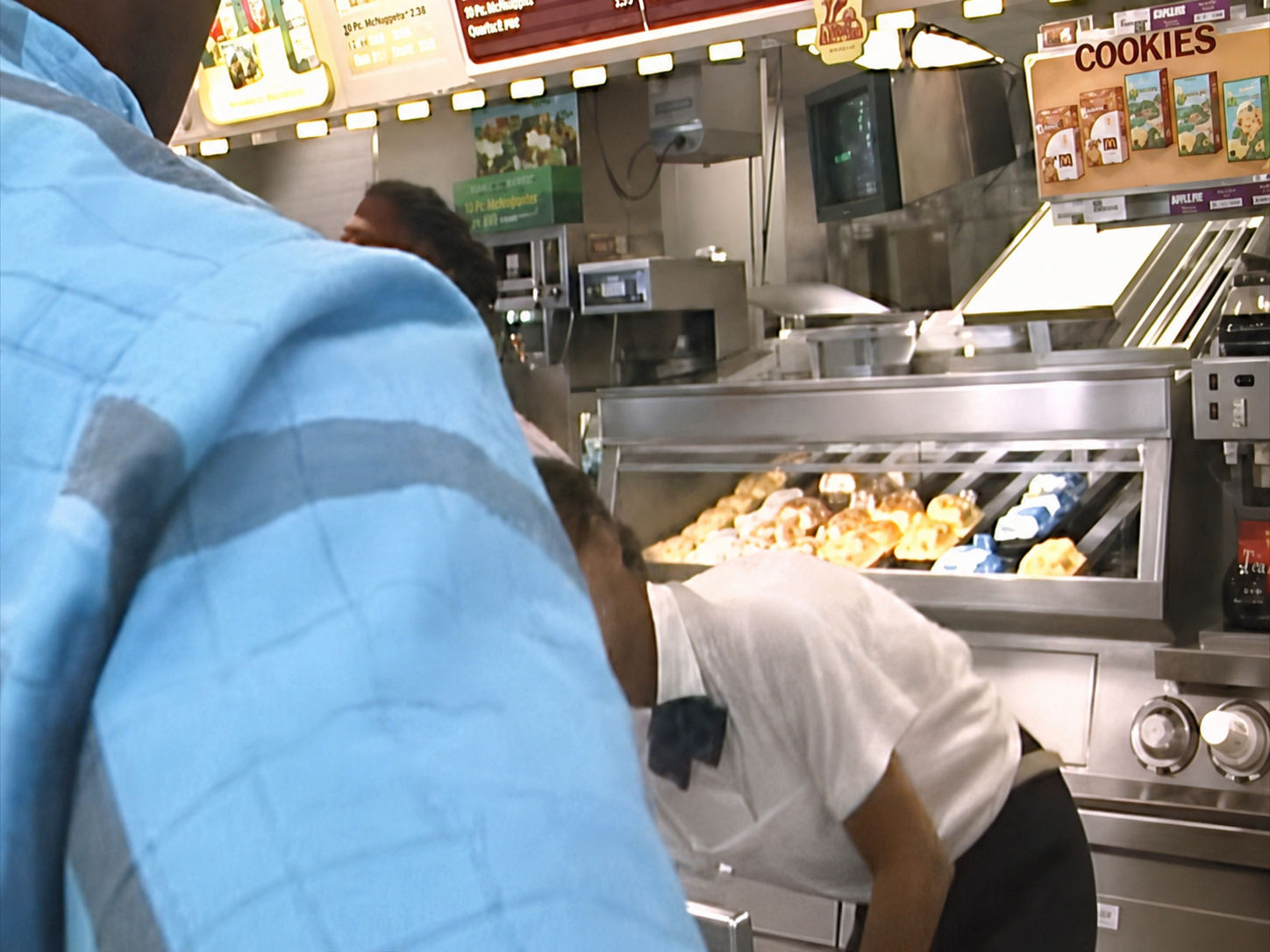
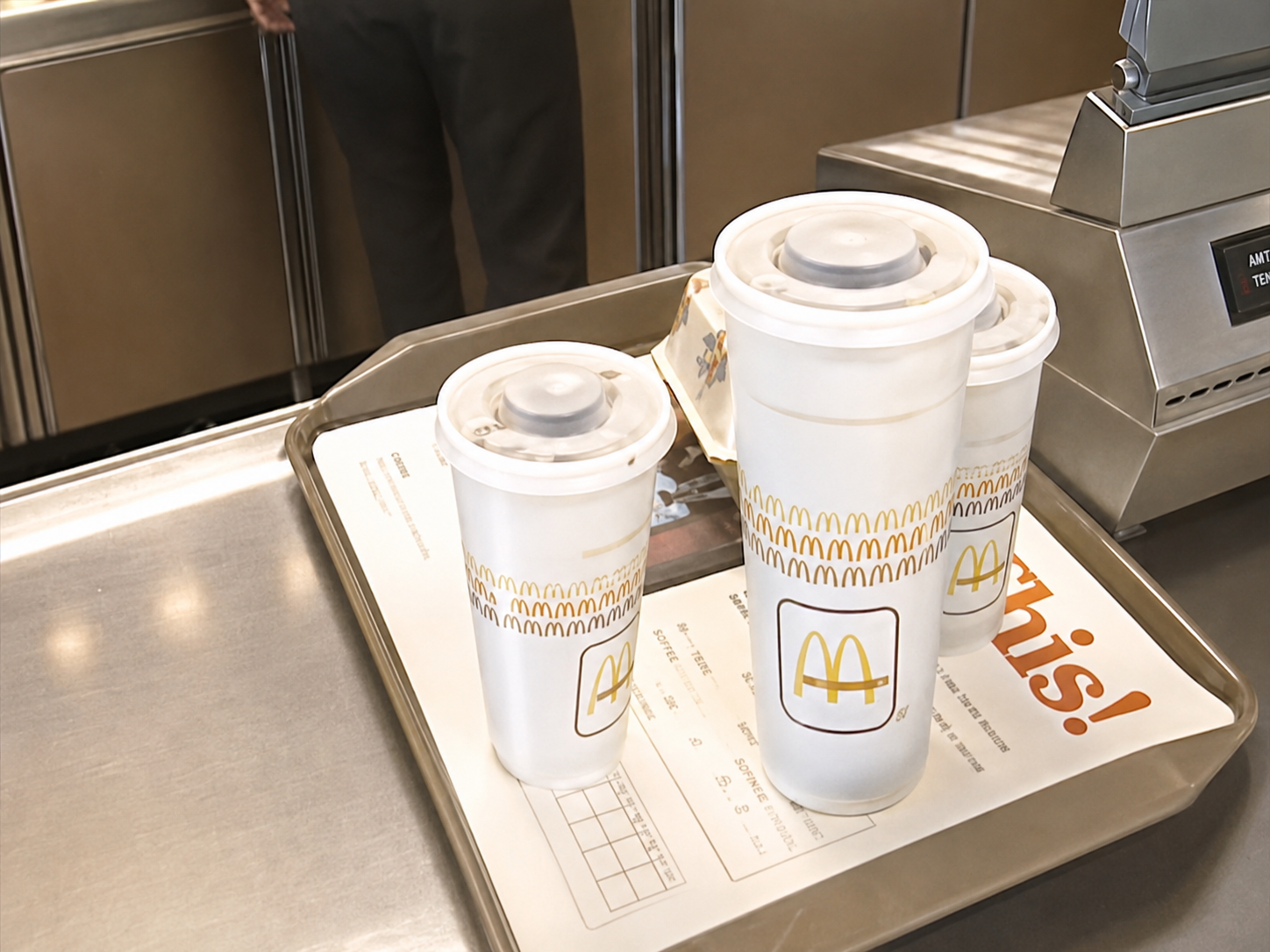
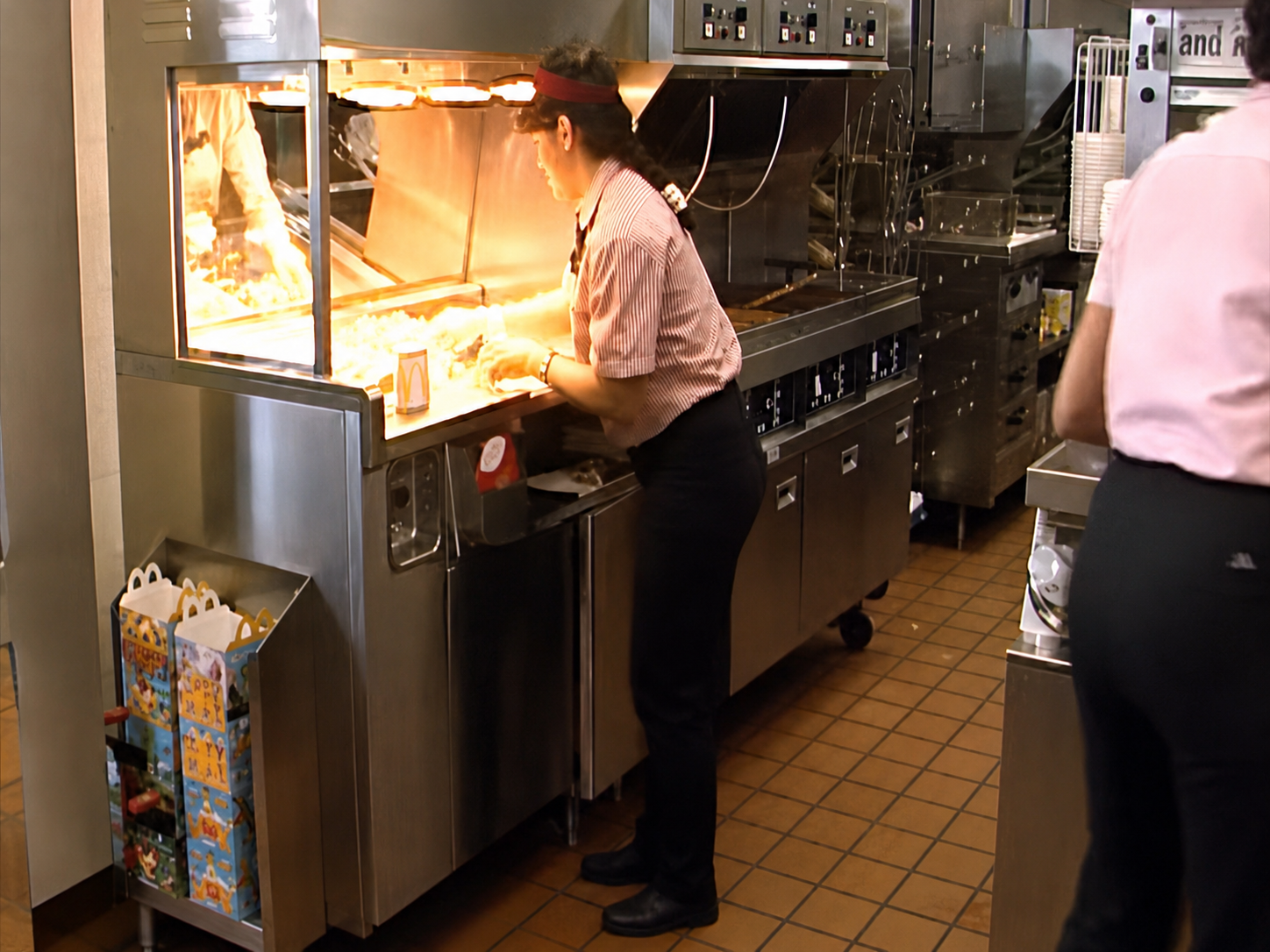
The photographs bring back details that barely seemed important at the time: the glowing menu boards, the stainless-steel kitchen equipment, the paper cups lined up on trays and the workers moving between the fry station and front counter.
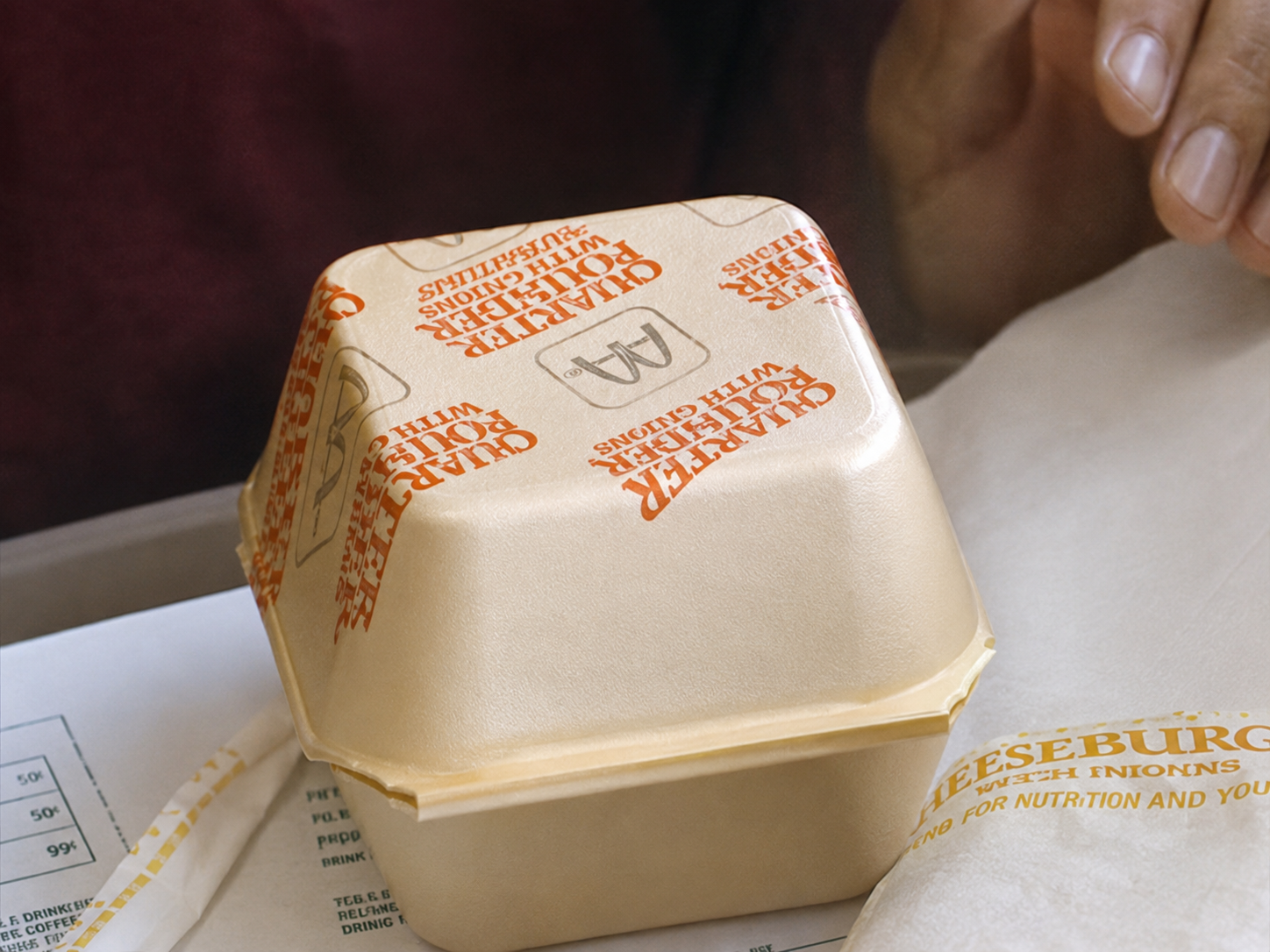
Then there was the packaging. Burgers arrived in molded foam containers, fries had their own bright little cartons, and even opening the box felt like part of the meal. In the background, you can spot the McDonaldland cookies and all the colorful branding that turned the restaurant into something closer to a children’s clubhouse than a neutral dining room.
More Scenes From Inside McDonald’s In 1990
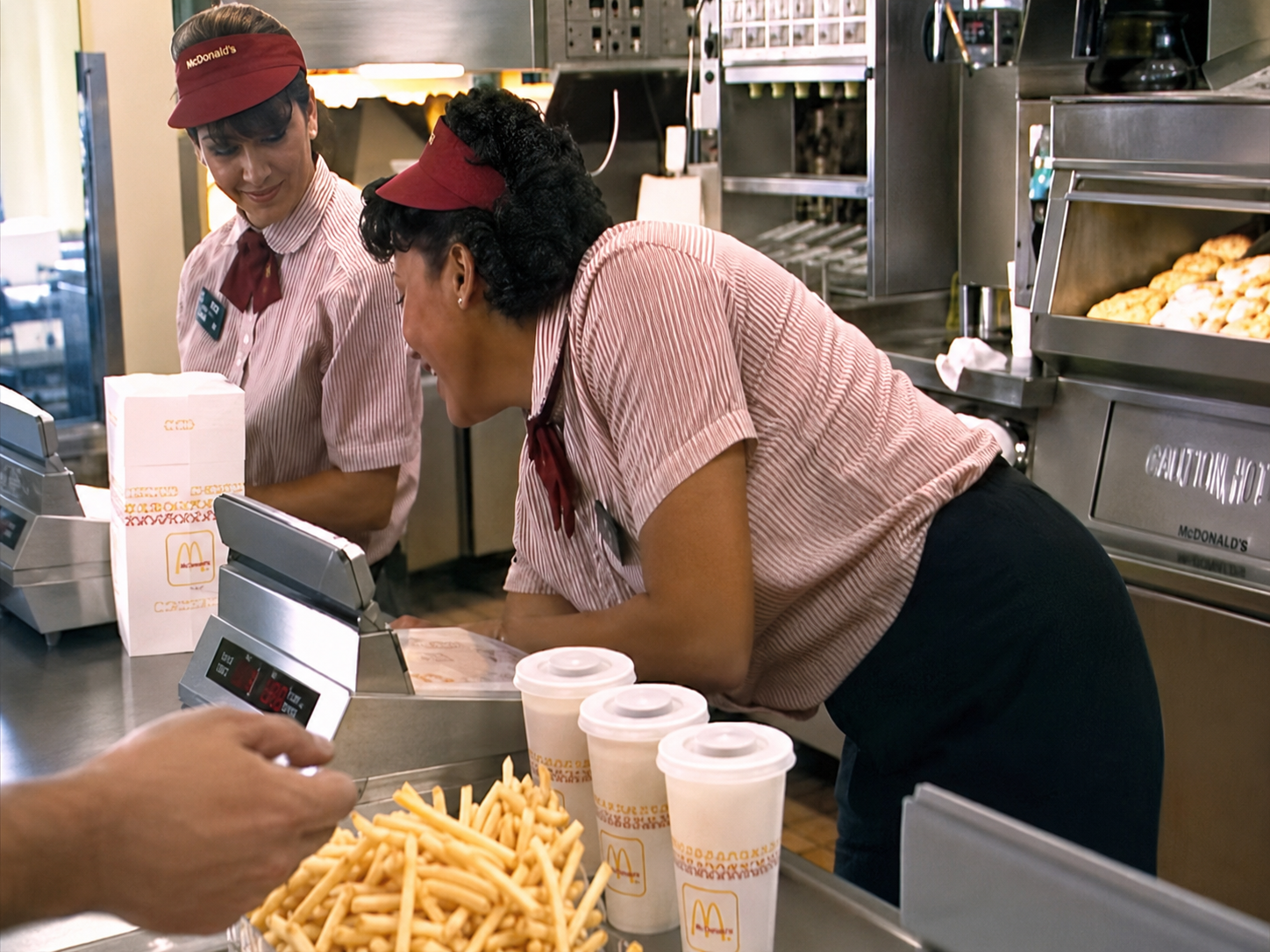
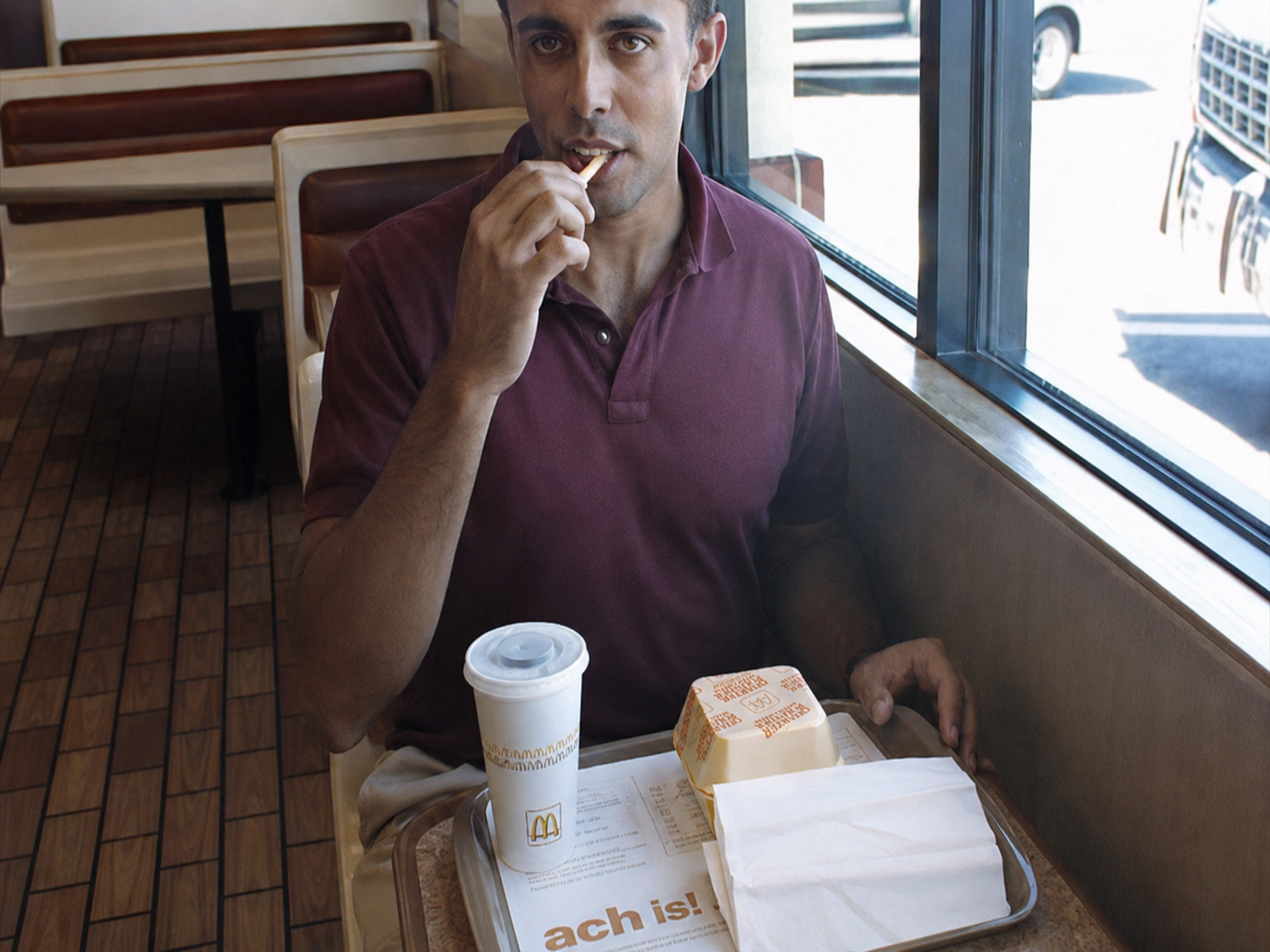
The remaining restored images capture the registers, drink trays, fry station and customers enjoying a moment that now feels unmistakably from another time.
When McDonald’s Stopped Asking Us To Stay
Part of what disappeared was the idea that McDonald’s was somewhere you were supposed to sit, eat and spend a little time. The older restaurants were not luxurious, but they were colorful, familiar and built around families actually using the dining room.
Our local McDonald’s was recently remodeled, and the result feels like the opposite of that memory. The new interior is boring, unwelcoming and noticeably less sit-down friendly, with terrible seating that seems designed to move customers along rather than invite them to settle in with their meal.
That shift helps explain why so many people now treat McDonald’s as a drive-thru, delivery or grab-and-go stop. When the dining room loses its warmth, personality and comfortable seating, there is little reason to stay. The restaurant may be more streamlined, but the experience feels smaller.
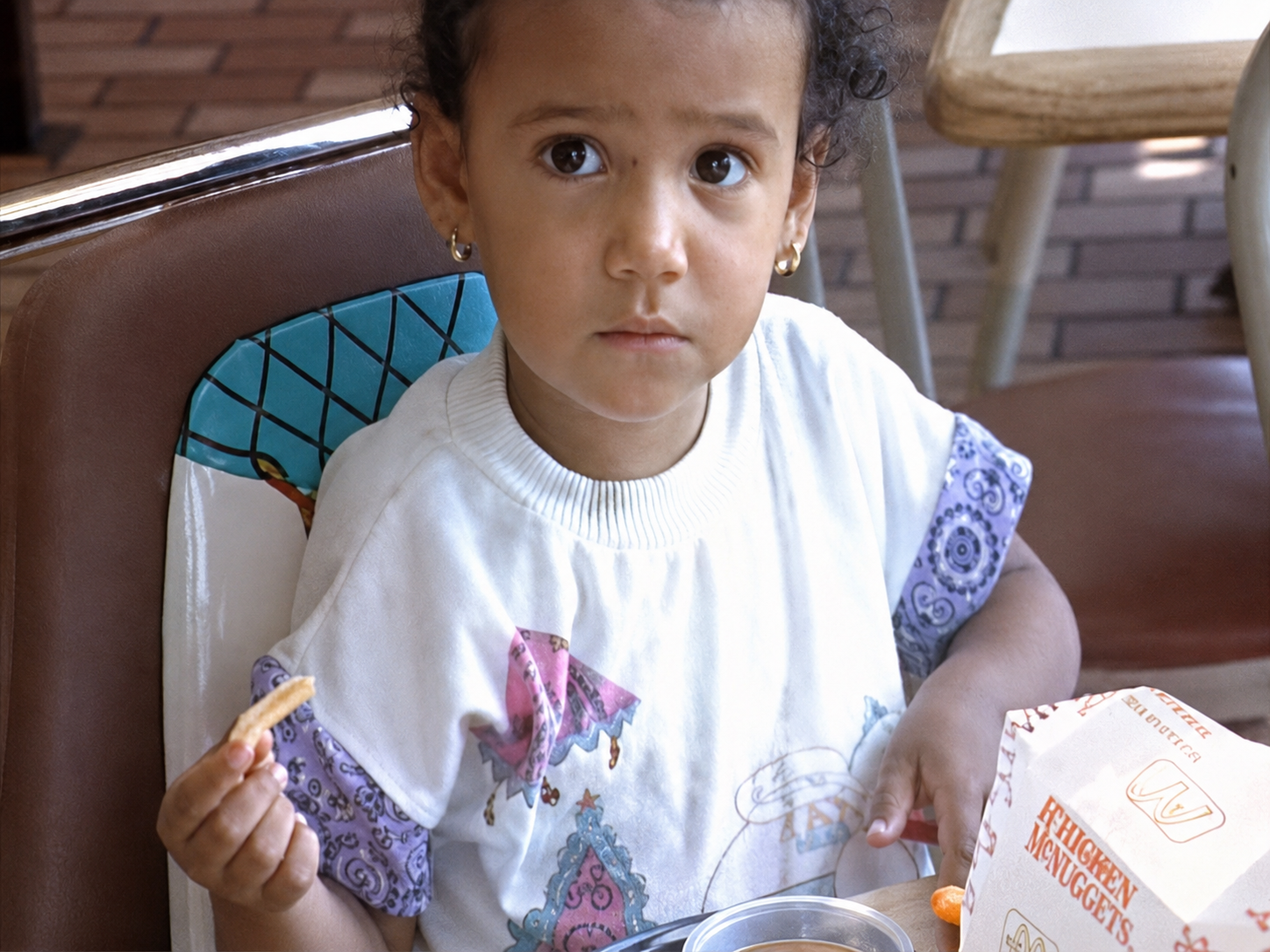
What makes these images hit is how ordinary everything looks. Nobody in the restaurant knew they were standing inside a time capsule. They were just ordering lunch, waiting for fries, opening a burger box and finding a table.
That is how nostalgia sneaks up on you. The things we remember most are rarely the big moments. It is the temperature of the room, the sound of the registers, the smell of the fries and the look of a Quarter Pounder box sitting on the tray.
Who would have known that such a simple moment would one day feel completely lost? The restaurant still exists, but the version built around staying awhile now feels like part of the archive too.
Watch Inside A McDonald’s Restaurant In 1990
The archival footage continues through the counter, kitchen and dining room, preserving the ordinary rhythm of a McDonald’s visit before kiosks, delivery apps and stripped-down remodels.
Source: “Inside a McDonald’s Restaurant in 1990 Part II” via YouTube and restored archival imagery.