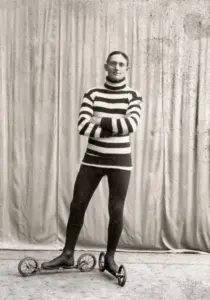





















A Century Later, Houdini’s Final Escape Still Has One Unsolved Twist

This Halloween marks the 100-year anniversary of Harry Houdini’s death, yet the cause is still up for debate. The man who made an international sensation out of escaping handcuffs, locked cells and seemingly impossible predicaments met a far less theatrical fate in a Detroit hospital in 1926. Or did the accepted timeline get one crucial detail wrong?
Now, more questions are swirling around the famed illusionist’s mysterious passing. Including the question of whether he really died on October 31st! Newly publicized research suggests an October 30 death instead—but historians are not all convinced. The Halloween date is firmly embedded in contemporary newspaper accounts and the Library of Congress’s archival record.
The Punch, the Pain and Houdini’s Final Performance
On October 22, 1926, Houdini was in Montreal when university student J. Gordon Whitehead asked whether the escape artist could withstand punches to his abdomen. Accounts describe Whitehead striking him before he could properly brace himself. The encounter has since become part of Houdini folklore, although the evidence does not establish that the blows caused his appendicitis.
Already dealing with an injured ankle, Houdini continued performing. He traveled to Detroit and took the stage at the Garrick Theatre on October 24, despite severe abdominal pain and a dangerously high fever. Reports of his final performance describe a man struggling through his act and collapsing. He would never perform again.
At Detroit’s Grace Hospital, surgeons found a ruptured appendix and peritonitis, a serious infection of the abdominal cavity. In the years before modern antibiotic treatment, the outlook was grim. Houdini died at 52. The official account records the date as October 31, 1926.
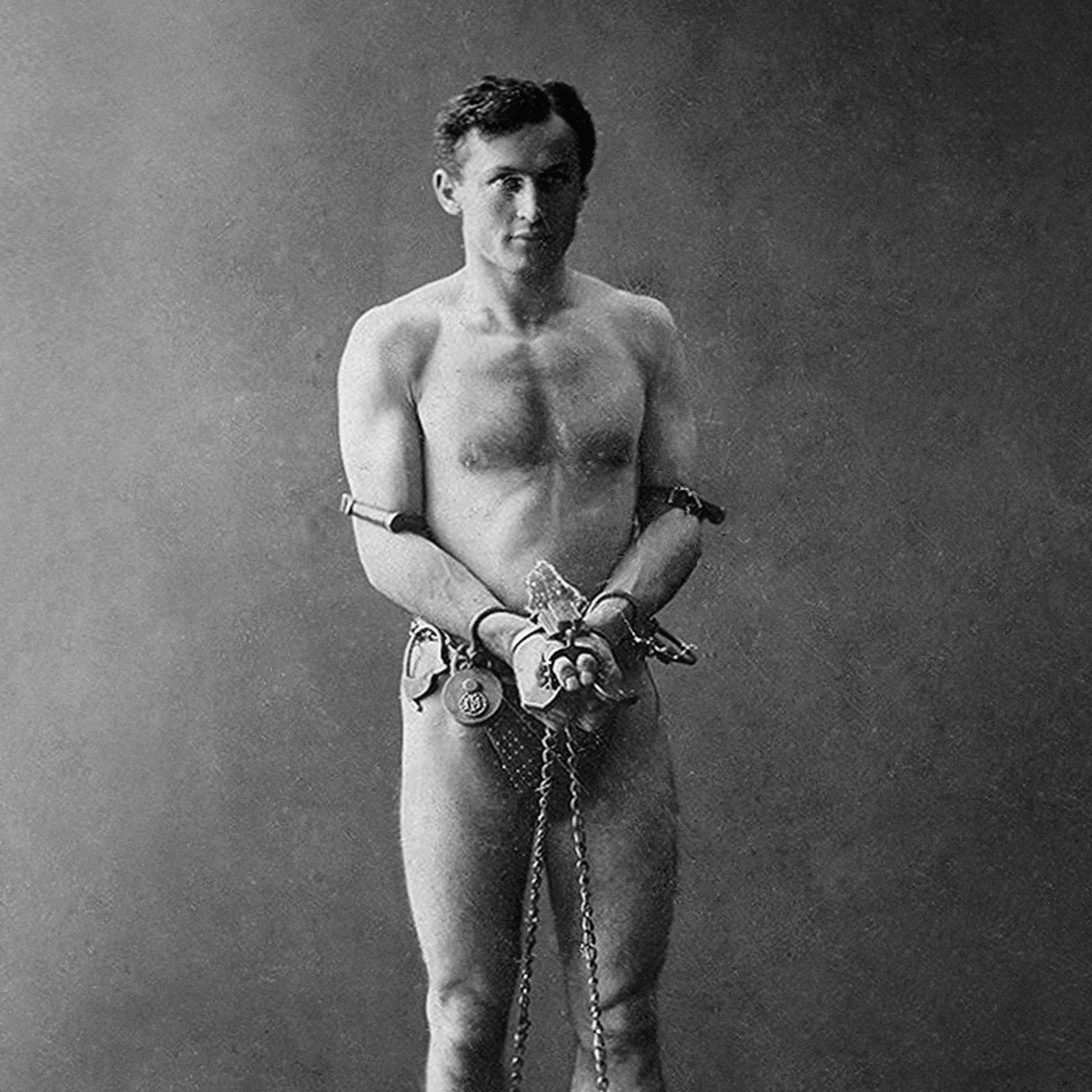
And who knew he was cute, too? Those old portraits show another side of the legendary showman—who could command attention without a chain, a padlock or a dramatic escape in sight.
Did Houdini Really Die on Halloween?
A centennial investigation has given the old mystery fresh life. Forensic researcher Larrian Gillespie argues that discrepancies in medical records and the death certificate point to an October 30 death, possibly following an intestinal blockage after surgery. Houdini’s great-nephew has expressed interest in the theory, while other Houdini scholars dispute the proposed revision.
That distinction matters: a new theory about the date is not proof that the historical record is wrong. The Library of Congress holds contemporary newspaper clippings reporting an October 31 death from peritonitis following appendicitis. As for the legendary punch, medical historians have questioned the simple cause-and-effect story repeated for decades. What killed Houdini is medically documented; precisely how the illness developed, and whether every detail of the timeline is correct, remain subjects of debate.
The Escape Artist Who Refused to Stay in One Box
Born Erik Weisz in 1874, Houdini turned an obsession with locks, restraints and impossible escapes into an international career. From handcuff challenges to the terrifying Chinese Water Torture Cell, he built suspense by making the audience believe escape might genuinely be beyond his reach. He was also an actor, author and an outspoken critic of fraudulent mediums who claimed to contact the dead.
That last chapter makes the Halloween connection especially irresistible. After his death, attempts to contact Houdini through séances became part of his mythology, despite the fact that he had spent years exposing deceptive spiritualist practices. A century later, audiences are still gathering to celebrate him—and still arguing about how his own story ended.
Harry Houdini’s Escapes and Archival Portraits
The photographs trace the extraordinary contrast at the heart of Houdini’s appeal: the sharply presented public figure on one hand and the performer who voluntarily put himself in restraints on the other. His act was built on spectacle, precision and the lingering possibility that even he might finally meet a lock he could not defeat.
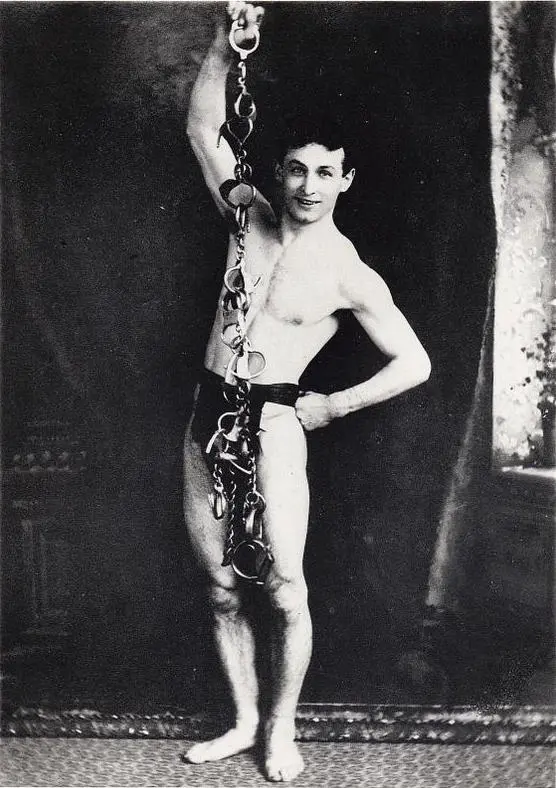
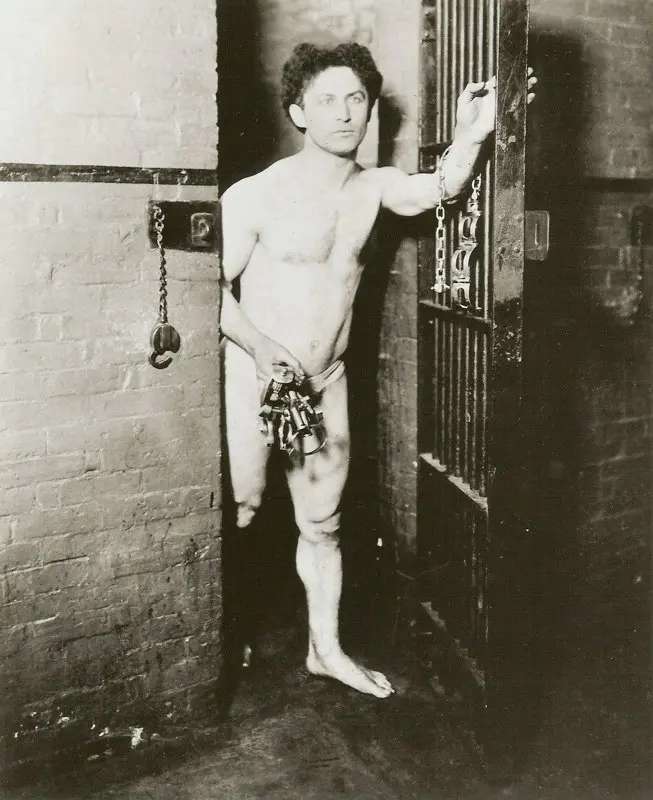
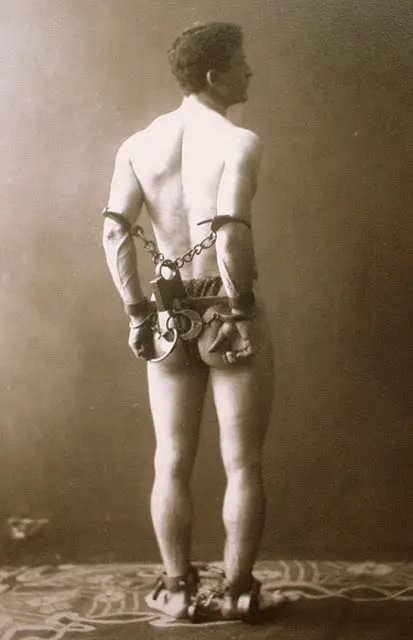
His death became a Halloween legend, but his real achievement was what came before it: convincing generations of spectators that a human being could challenge the impossible—and somehow slip free.
Harry Houdini: INYIM Media Feature
Don’t have TikTok? Watch on Instagram.
Sources: Associated Press, centennial reporting; Library of Congress, 1926 newspaper accounts; HISTORY, Houdini’s final days; PBS NewsHour, medical history.