



















Meet Casper, the 1-in-100-Million Ghost Lobster Helping Crack a Genetic Mystery
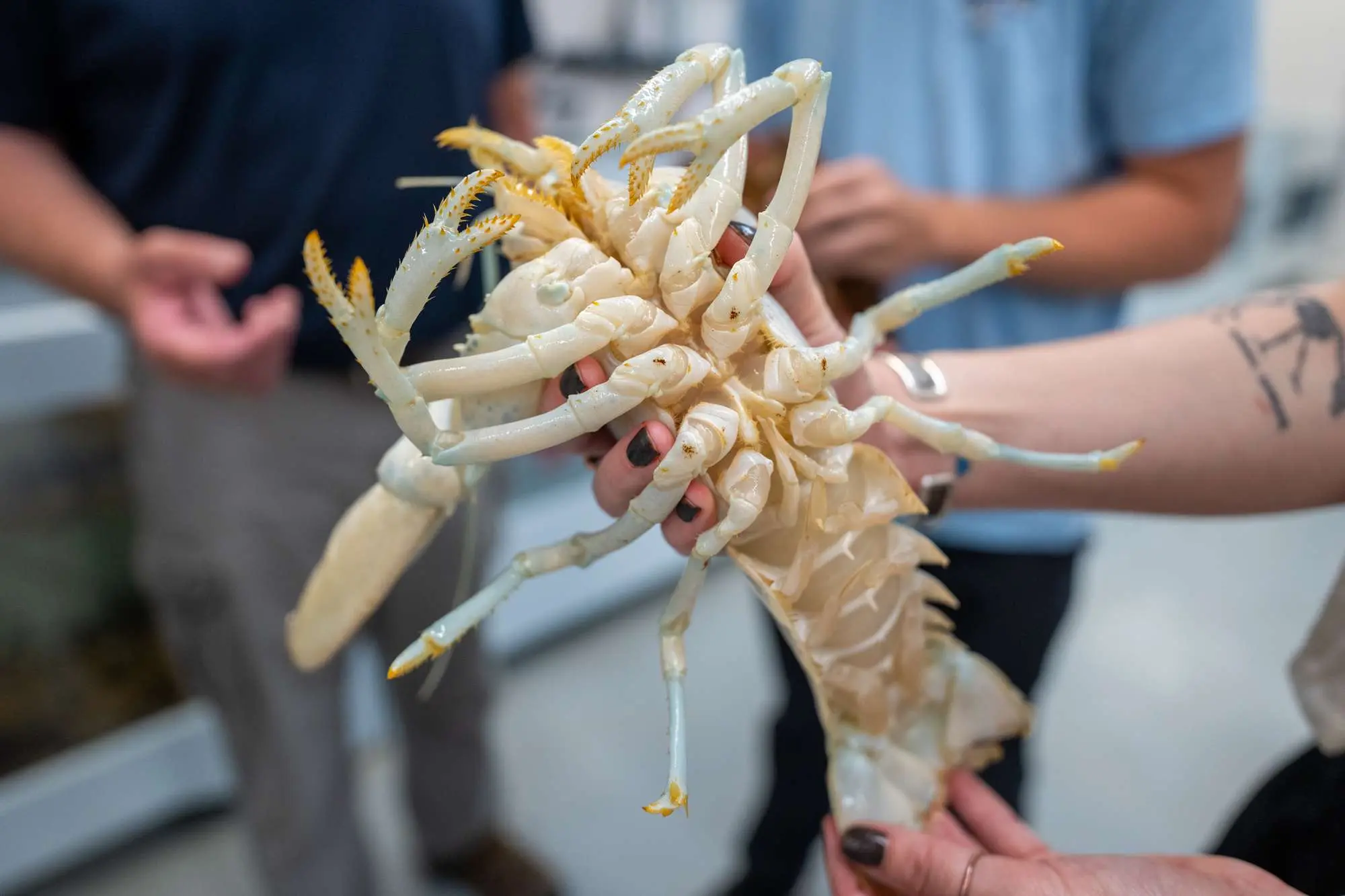
Meet Casper, a white “ghost” lobster so rare that the odds of finding one are estimated at roughly 1 in 100 million. And unlike the handoff’s original “one in a million” wording, Casper is even rarer than that.
The unusually pale American lobster has a new home at the University of New England’s Arthur P. Girard Marine Science Center in Biddeford, Maine, where scientists are using rare-colored lobsters to investigate one very good question: what, exactly, makes some lobsters come out orange, blue, yellow, purple, split-colored — or nearly white?
entertainment
Meet Casper, UNE’s Ghost Lobster
A 1-in-100-million white lobster is giving scientists a rare chance to study the genetics behind unusual shell coloration.
Some links may be affiliate links. INYIM may earn from qualifying purchases.
Casper Is the Rarest Color in UNE’s Lobster Rainbow
Casper was donated to UNE by the Maine State Aquarium in Boothbay and now joins a research collection that has included orange, blue, yellow, purple, calico and split-colored lobsters. White lobsters are considered the rarest of those unusual color variations, which makes Casper a particularly valuable addition to the study.
UNE launched its current rare-color genetics effort in 2024, led by marine sciences professor Markus Frederich, Ph.D. The team is studying the molecular mechanisms that determine lobster shell color while using noninvasive methods to collect genetic material — meaning Casper gets to contribute to science without being harmed in the process.
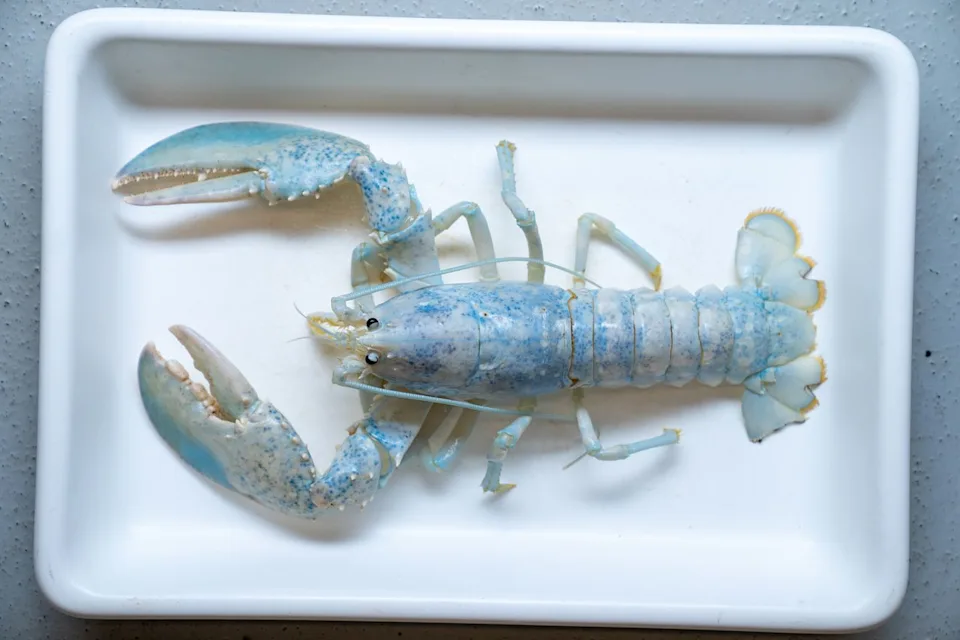
One Orange Lobster Helped Turn the Project Into a Genetics Puzzle
The project gained another layer when Peaches, an orange lobster estimated to occur in about 1 in 30 million animals, produced offspring in several different colors. That gave researchers a rare family line to work with and a chance to investigate how unusual coloration might be inherited.
Researchers have since collected genetic samples from those juvenile lobsters and are analyzing more than 15,000 genes for differences connected to shell color. Casper now adds the palest and rarest variation yet represented in the research.
As Frederich put it, animals like Casper grab attention because they are rare and beautiful — but for researchers, they also open the door to fundamental biological questions. In other words: yes, Casper looks like he wandered in from a Halloween aquarium, but he may also help scientists understand how lobster coloration actually works.
Meet Casper, UNE’s 1-in-100-Million White Ghost Lobster
The supplied YouTube Short accompanies the University of New England research story introducing Casper and the genetics work behind rare lobster coloration.
Source: University of New England.