



















The Machines Just Made the 100-Meter Dash Feel Very Different
File this under remember when the robots officially got faster than Usain Bolt?
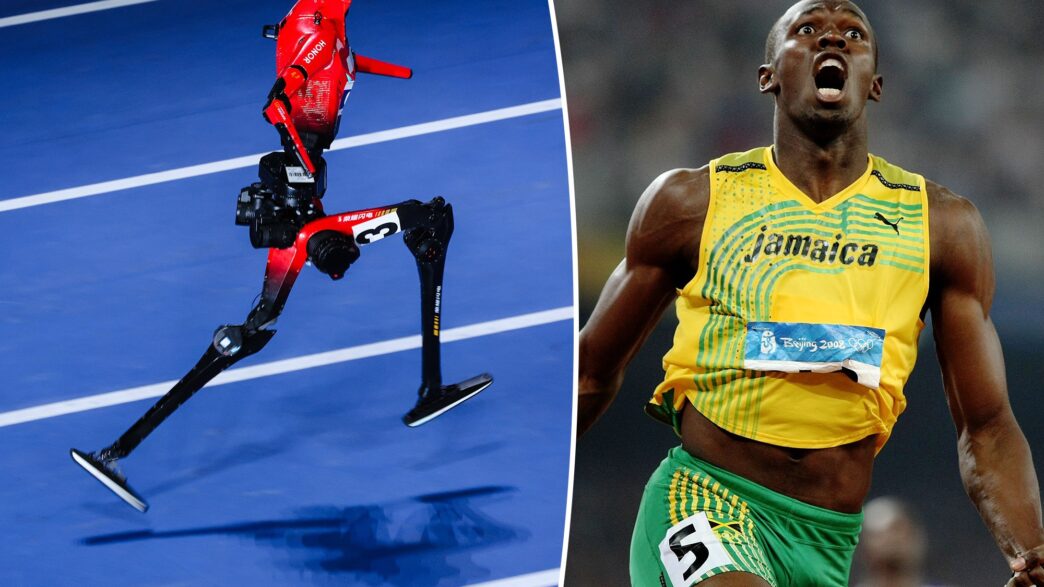
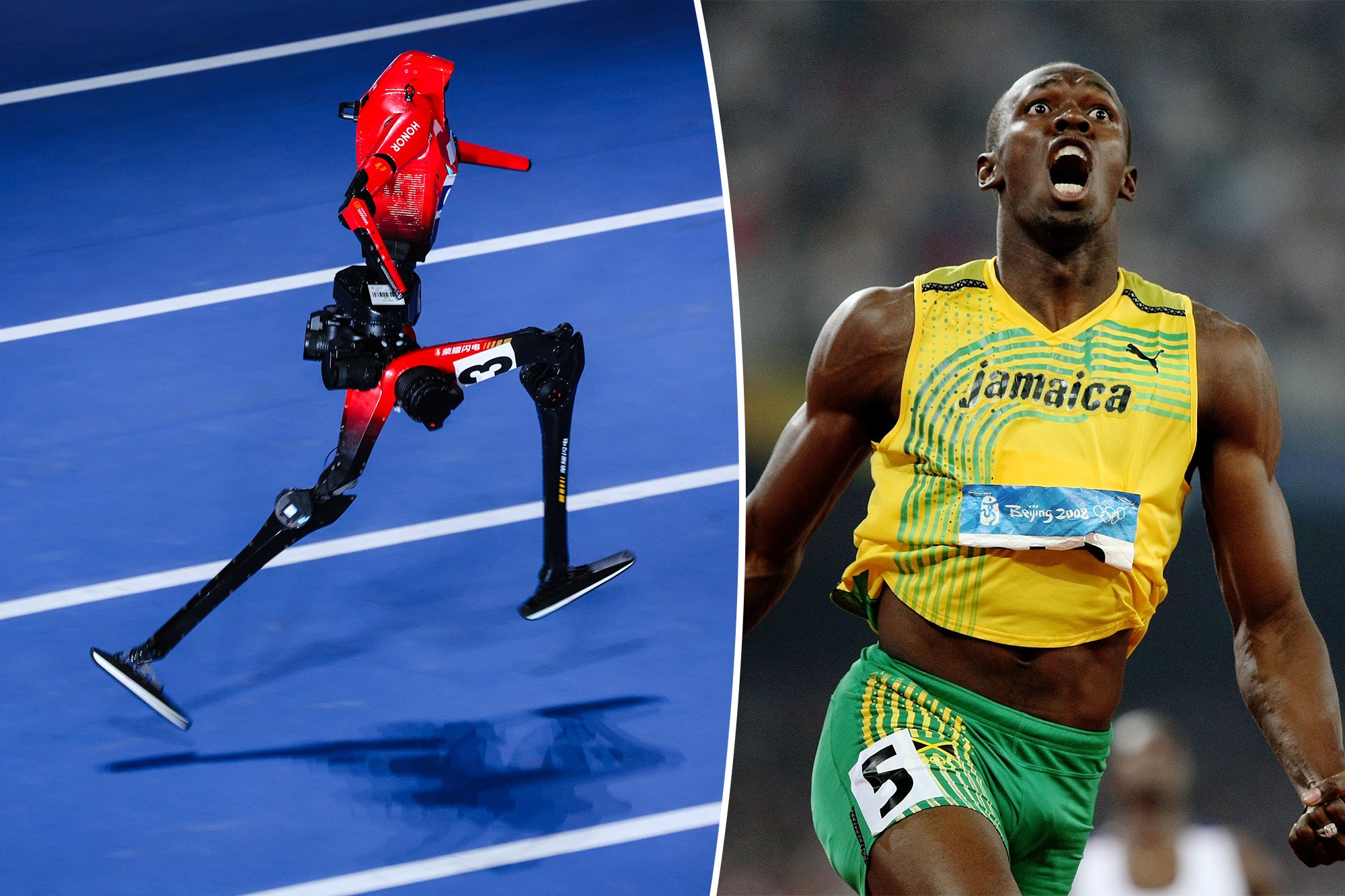
At the 2026 World Humanoid Robot Games in Beijing, Chinese humanoid Tiangong Ultra covered 100 meters in 9.39 seconds during a preliminary heat — quicker on the clock than Bolt’s legendary human world record of 9.58 seconds.
Discover More
The Robots Are Running Now
Humanoid robotics just crossed another very literal finish line. Dig into the tech behind the machines — or start preparing your bookshelf for our increasingly athletic mechanical future.
Some links may be affiliate links. INYIM may earn from qualifying purchases.
Before anybody starts rewriting the track-and-field record books: this was a robot competition, not a World Athletics-sanctioned human race. Bolt remains the men’s 100-meter world-record holder. But as a straight comparison of elapsed time? The machine was faster.
And Tiangong Ultra was not alone. Lightning, a humanoid from smartphone maker Honor, finished in 9.47 seconds after leading early in the race. Tiangong Ultra overtook it near the finish to win the heat.
Last Year, This Same Robot Needed More Than Twice as Long
The progression is what makes the result a real eyebrow-raiser. At the inaugural World Humanoid Robot Games in 2025, Tiangong Ultra won the same 100-meter event in 21.50 seconds. One year later, it sliced more than 12 seconds off that time.
The second edition of the Games runs August 22–26 at Beijing’s National Speed Skating Oval, better known as the Ice Ribbon. Organizers brought together 2,056 robots from 666 teams across 16 countries, with 51 competitions stretching far beyond track events.
Robots are being tested in football, table tennis and jumping, but also in much less glamorous tasks that may matter far more in the real world: emergency response, logistics, restaurant service, EV charging and other jobs requiring autonomous movement and precise manipulation.
That is the bigger story behind all the futuristic spectacle. A humanoid sprinting faster than Bolt makes a perfect headline. Getting that same machine to reliably navigate an unpredictable workplace, handle objects and make decisions without falling over? That is where the race really is.
China’s Humanoid Robot Push Is Moving at Sprint Speed
China has been pouring money, engineering talent and policy support into humanoid robotics, with companies and research centers chasing applications in manufacturing, logistics and consumer services. The Games function partly as spectacle, but also as an enormous live testing ground.
And yes, the visual remains wonderfully absurd: machines racing one another around an Olympic speed-skating venue while humans sit in the stands realizing that 9.58 seconds suddenly does not sound quite as untouchable as it did yesterday.
Watch Tiangong Ultra Beat Usain Bolt’s 100-Meter Time at the World Robot Games
BBC News footage covers the 2026 Beijing race in which Tiangong Ultra clocked 9.39 seconds over 100 meters.
Sources: Reuters; Associated Press; China Daily; BBC News / YouTube.