


















Before Blockbusters Looked Impossible, ILM Had to Invent the Impossible
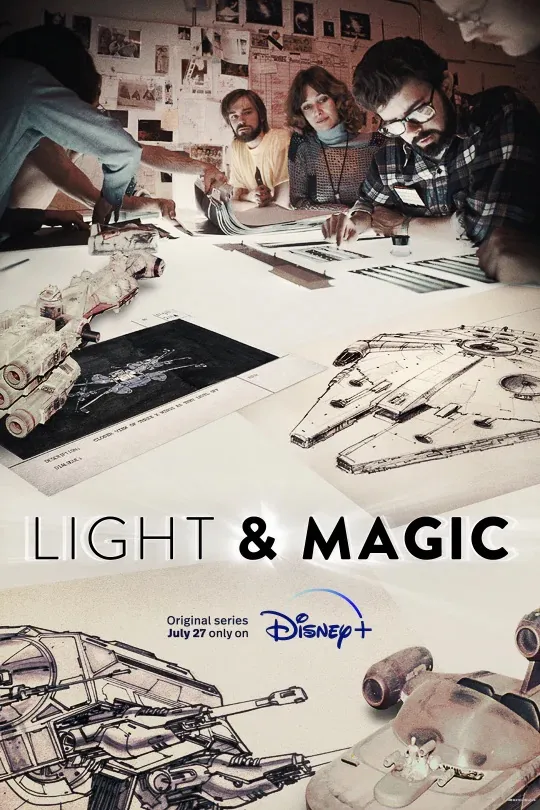
Catch this one for anybody who has ever sat through a movie and wondered, how in thee hell did they make that? The Walt Disney Company has released a new behind-the-scenes spotlight on Industrial Light & Magic, the effects house George Lucas created because the technology he needed to make Star Wars essentially did not exist yet.
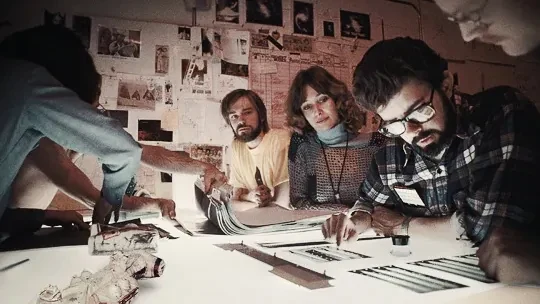
That origin story still sounds wonderfully absurd. In 1975, Lucas was preparing his space opera but could not find a Hollywood visual-effects company capable of delivering the elaborate space battles he had imagined. So he assembled one himself, bringing camera expert John Dykstra together with a scrappy group of artists, builders, engineers and experimenters in a warehouse in Van Nuys, California.
Discover More
Go Deeper Into the Movie Magic
Start with Disney’s new ILM retrospective, then dig into the books and behind-the-scenes history of the visual-effects house that helped reshape modern cinema.
Some links may be affiliate links. INYIM may earn from qualifying purchases.
The result was Industrial Light & Magic — ILM — and cinema never quite looked the same again. What began as a necessity for Star Wars: A New Hope became a laboratory for new filmmaking techniques, moving from models, miniatures, motion-control photography and matte work into computer-generated imagery, digital characters, virtual production and technologies that eventually became normal parts of blockbuster filmmaking.
Disney’s new clip brings that history forward through some of the people still steering the company today, including Janet Lewin, ILM’s senior vice president and general manager; John Knoll, executive creative director; and Doug Chiang, Lucasfilm’s senior vice president and executive design director.
The highlight reel is basically a reminder of just how many times ILM has helped move the goalposts. Disney points to projects including Star Wars: A New Hope, The Abyss, Pirates of the Caribbean: Dead Man’s Chest and The Mandalorian — films and series from very different eras that each demanded a new answer to the same question: how do you put something on screen that filmmakers could not convincingly create before?
More than half a century after Lucas assembled that original crew, ILM now operates internationally and its work stretches beyond traditional visual effects into feature animation, immersive entertainment and virtual production. Disney notes that the company has accumulated 16 Academy Awards, 17 BAFTAs and eight Emmys along the way.
And for movie people, that is the best part of this little backstage detour: the story is not simply about technology getting better. It is about artists inventing tools because a director had an image in his head that nobody knew how to make yet. From physical spacecraft flying past motion-control cameras to actors standing inside LED-volume environments, the method keeps changing. The impulse does not.
Watch Disney’s “How Industrial Light & Magic Changed Movies Forever”
The Walt Disney Company’s new ILM spotlight features Janet Lewin, John Knoll and Doug Chiang tracing the effects studio’s journey from the original Star Wars to modern virtual production.
Sources: The Walt Disney Company; Industrial Light & Magic; Lucasfilm.