
















Before lazy hosting, a proper party required records, drinks and nerve.
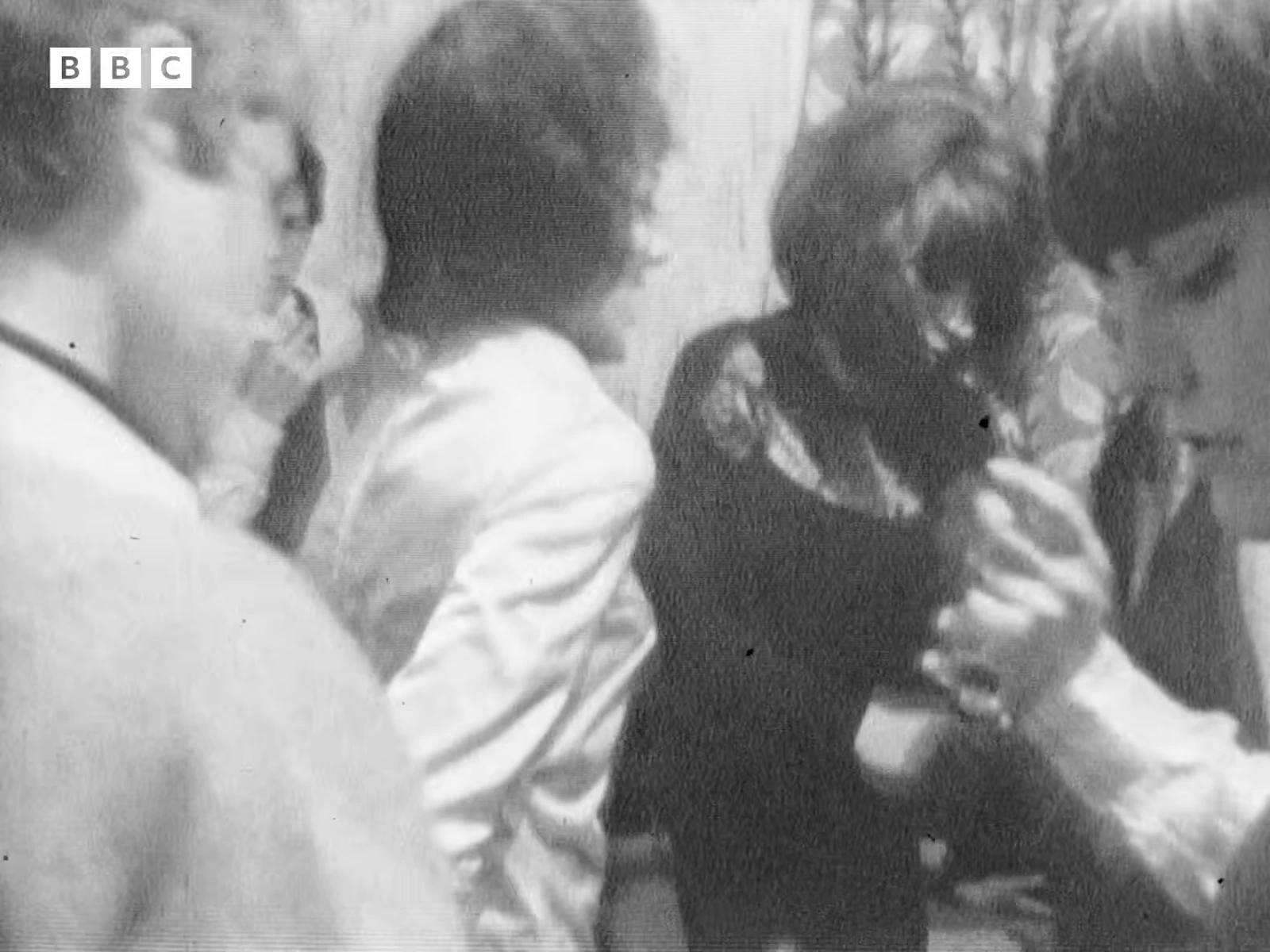
We are on the heels of the holidays, and BBC Archive has handed us something 2026 clearly needs: a 1966 guide to throwing a house party. Because somewhere between group chats, delivery apps and “just bring whatever,” people got a little lazy. The party should always start at home. Are you actually a good host?
The clip comes from A Whole Scene Going, the BBC series that reflected the tastes and habits of Britain’s under-21 crowd. Originally broadcast on BBC One on February 16, 1966, the episode sends its cameras into three very different parties: one hosted by future broadcasting legend Annie Nightingale in Brighton, another by Stephen Williams in Belgravia, and a third by petrol-pump attendant Brenda Taylor in Battersea.
1966 House Party Rules
Good guests. Good records. No lazy hosting.
BBC Archive goes back to 1966 for three completely different approaches to throwing the house party properly.
Some links may be affiliate links. INYIM may earn from qualifying purchases.
Rule One: Invite for Chemistry, Not Obligation
Nightingale’s first rule remains almost annoyingly correct: the most important thing about a party is the people you invite. They do not necessarily have to be your best friends, because your best friends might not be the best friends of the party. Some of her guests were practically strangers — even unofficial gatecrashers — but if they were fun, she was happy to have them.
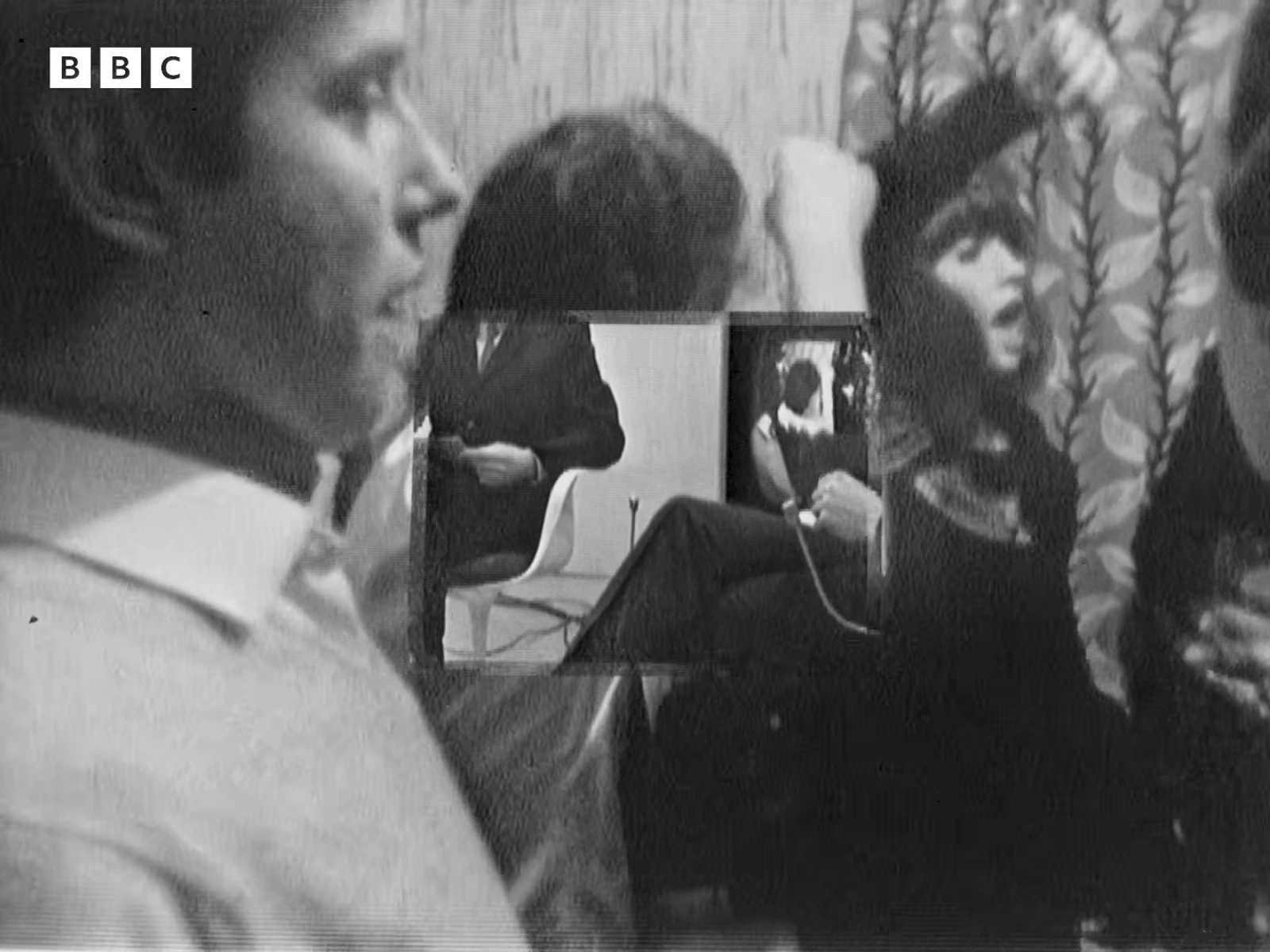
That is perhaps the most modern piece of advice in the entire film. A good guest list is a mix, not a roll call. Your party needs people who will talk, mingle, dance and pull somebody else into the room instead of forming one immovable friendship island around the kitchen counter.
If Nobody Is Dancing, the Host Has to Start It
For Nightingale, music is as vital as the guests. Her recipe is deliciously 1966: records people can actually dance to, Motown, The Beatles, The Rolling Stones and as much of the current Top 10 as she can get her hands on.
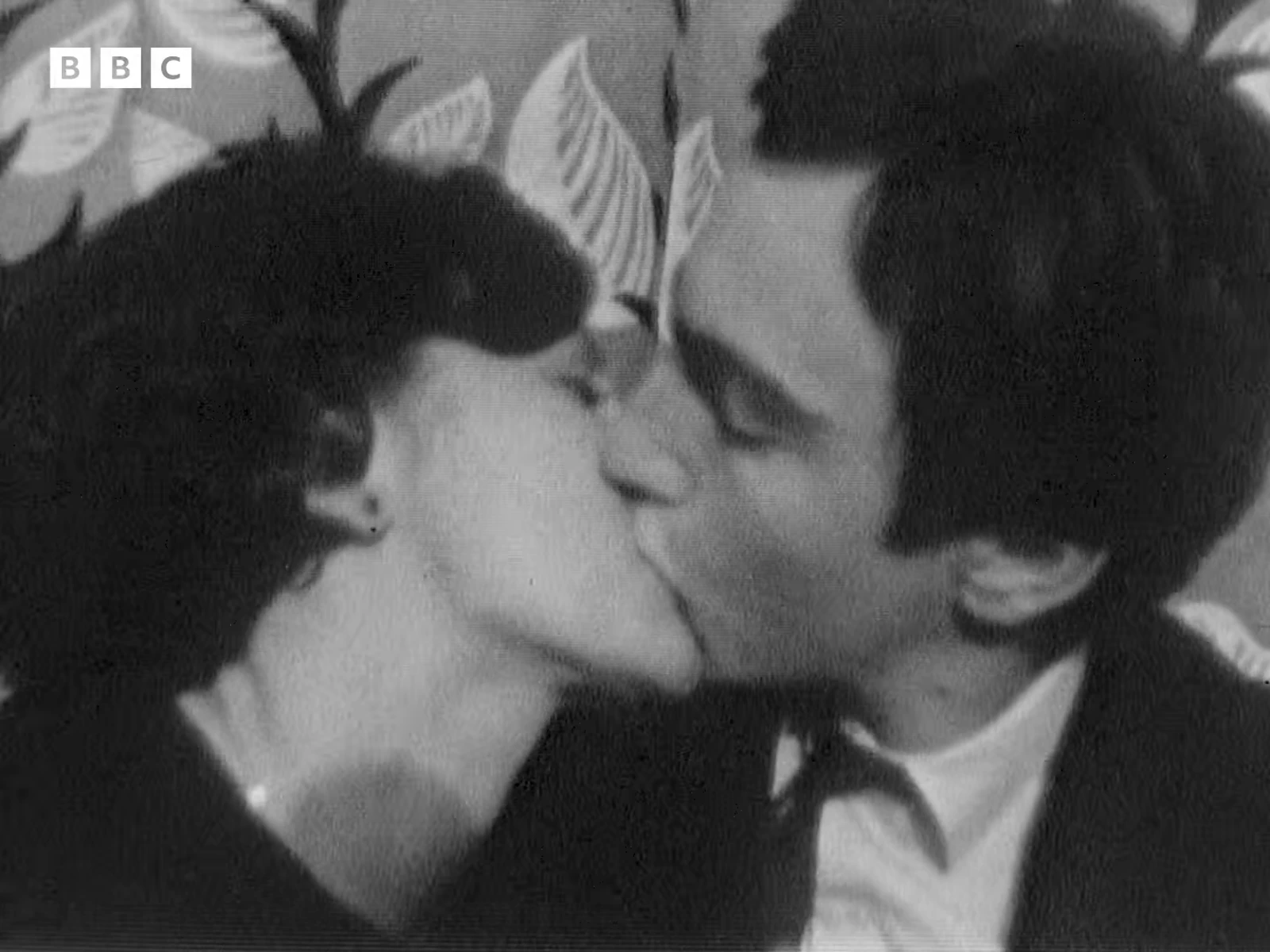
And if the room refuses to move? The hostess has to break the ice herself. Her solution is to start dancing, grab the nearest available and willing man and essentially announce: come on, you’re dancing with me. Soon everybody else follows.
Honestly, this one survives intact. Somebody has to give the room permission to loosen up, and if you invited everyone into your house, congratulations: that somebody is you.
The Drunk-Guest Trick Is Very 1966 — but the Instinct Is Right
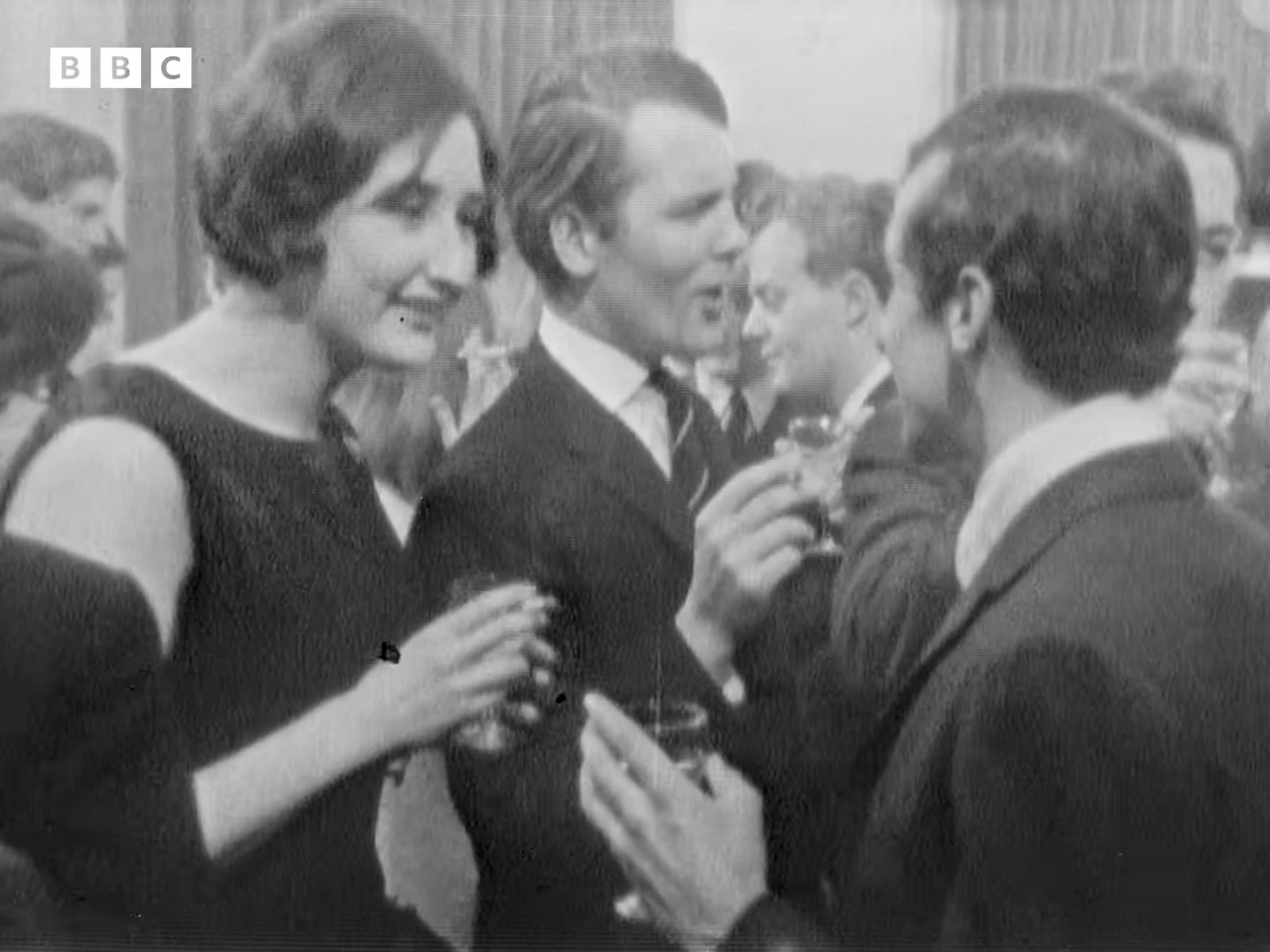
Nightingale also has a wonderfully sly method for a guest who has had too much and become difficult: offer them another drink — then quietly dilute it until there is effectively no alcohol left. If they are already drunk enough, she says, they will not even notice.
We are not prescribing secret drink tampering as a modern hosting technique. But the underlying rule is sound: a good host notices when somebody needs slowing down and handles it without turning the entire party into a spectacle.
Stephen Williams Would Rather Outsource the Chaos
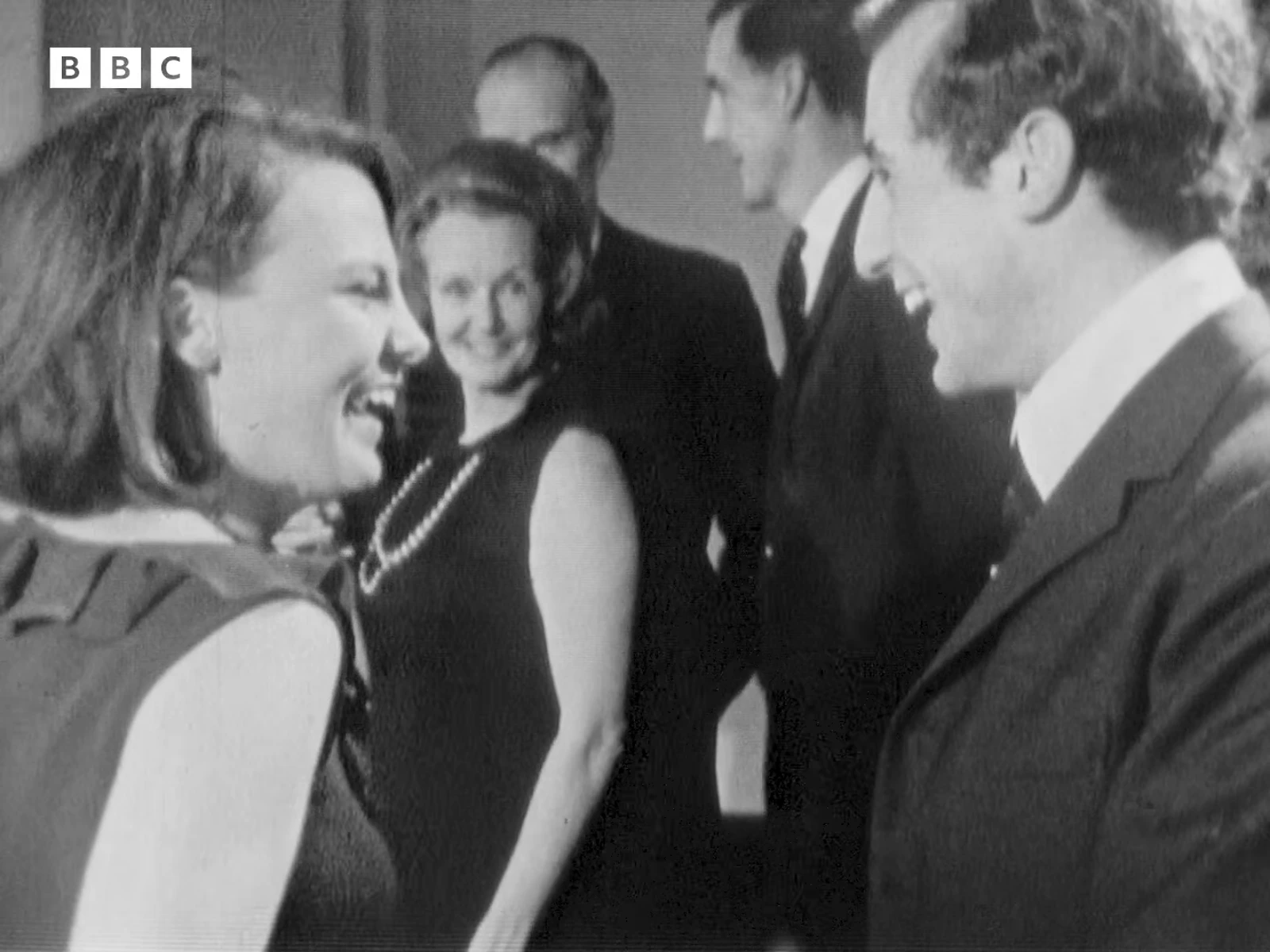
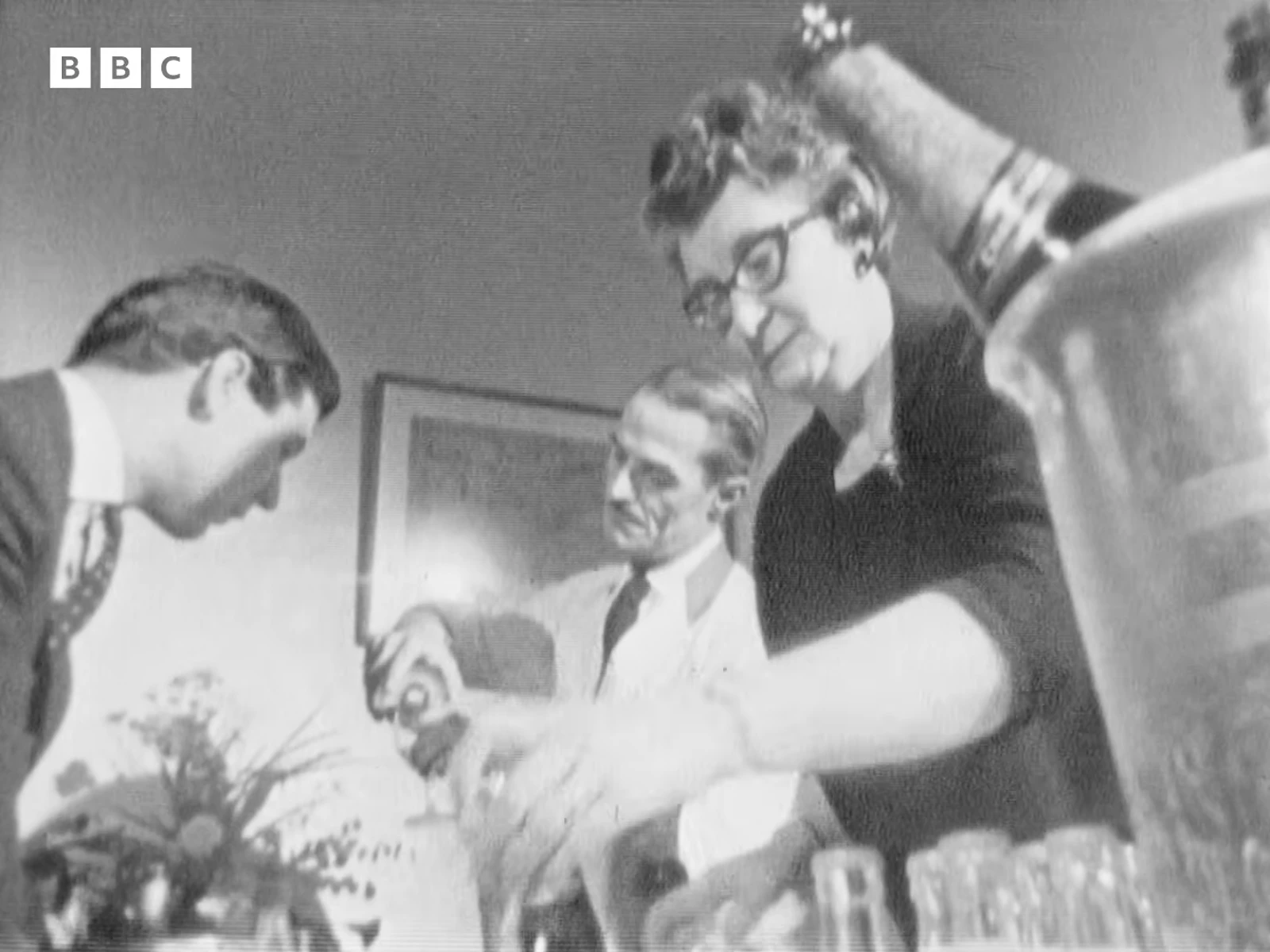
The second party moves to Belgravia, where Stephen Williams takes a more polished approach. He would like to entertain at home, but there simply is not enough room, so he hosts elsewhere where the drinks and food can be arranged for him. That leaves him free to do the part he considers the actual job: introduce people, circulate and talk.
His opening move is champagne. Printed invitations are preferable when you are inviting roughly 150 people because, quite reasonably, nobody wants to handwrite all of those. Background music, meanwhile, is unnecessary. This is a cocktail party. People are supposed to talk.
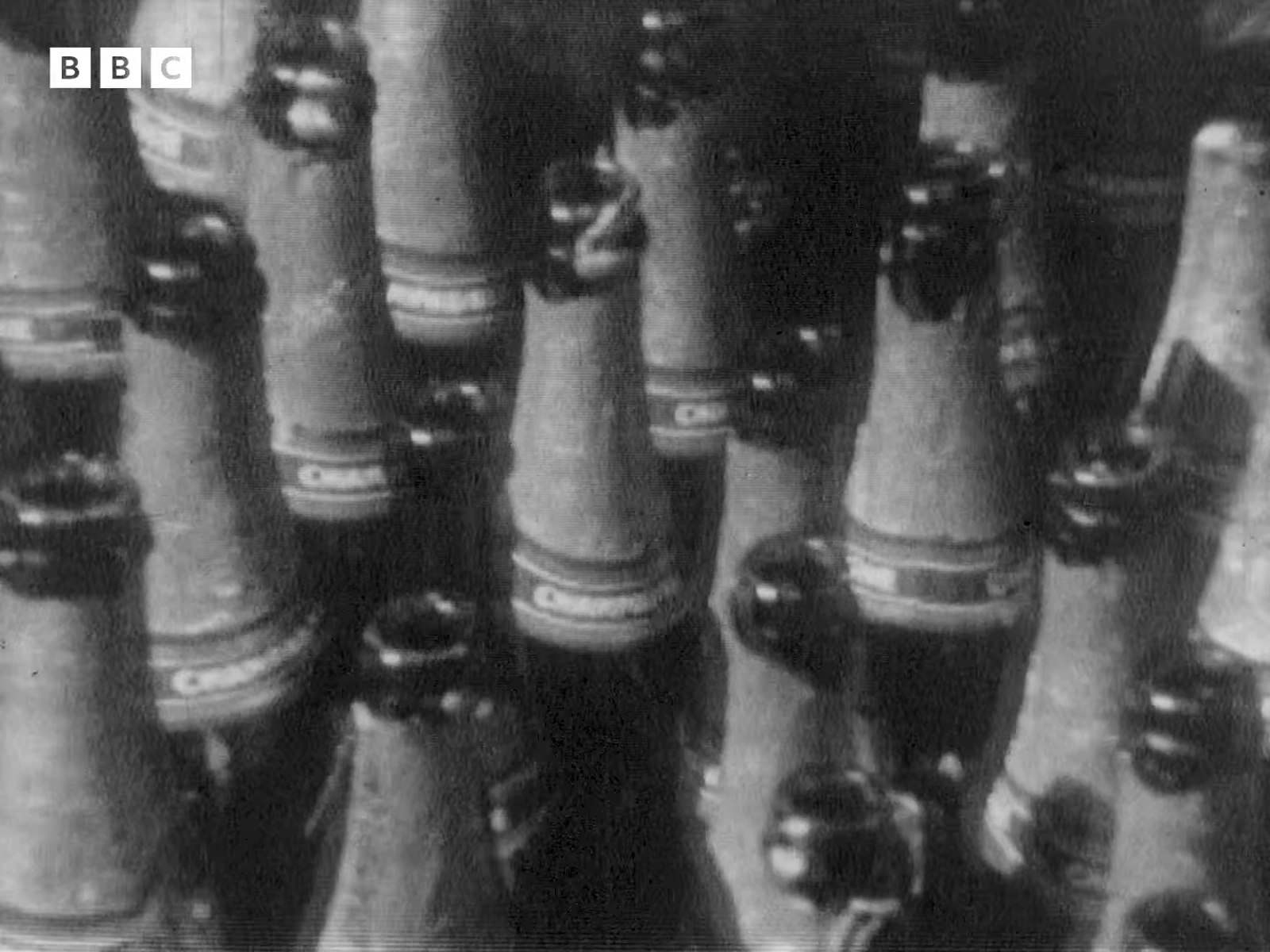
He also knows virtually everyone in the room and believes that is part of the fun: he can connect people who have never met. Gatecrashers, on the other hand, will be recognized immediately — and he promises he would probably be rather rude to them.
Brenda Taylor Has a Message for BYOB: Absolutely Not
Then we reach Brenda Taylor in Battersea, whose philosophy may be our favorite: if you give the party, you should pay for the party. She does not like “bottle parties” where guests are told to bring their own. Her friends get a drink as soon as they arrive, the pop records go on and the night takes care of itself.
Food is refreshingly unfussy: sandwiches, rolls, crisps and pickles. When things really get going, people may dress up “just for giggles.” She does not particularly care about a little necking, but the bedroom is firmly out of bounds.
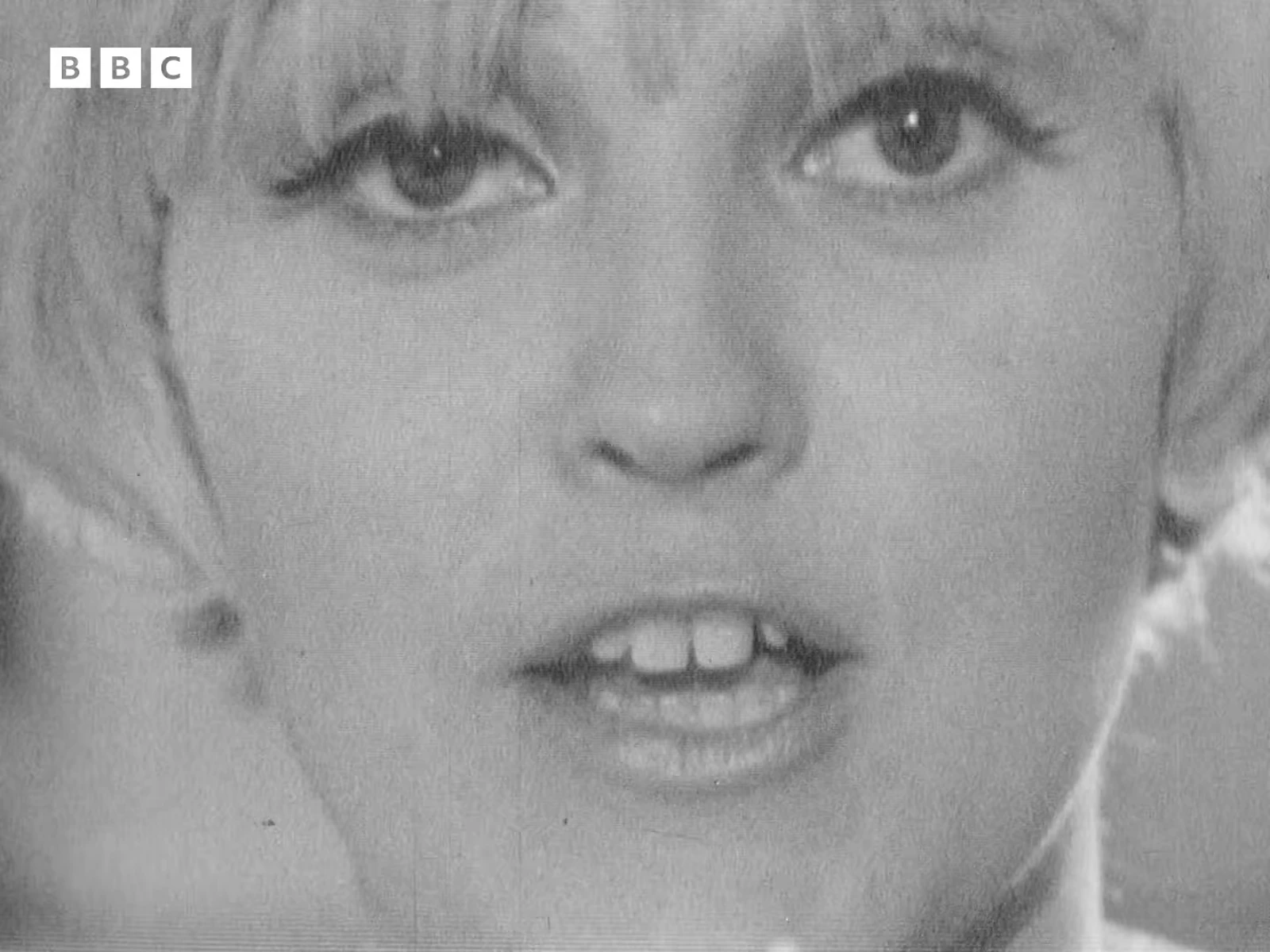
And mom? Mom leaves. Taylor says her mother stays with a friend overnight because the party may continue into the early morning. There is something almost beautifully civilized about arranging parental evacuation in advance rather than pretending everyone is going to bed at 11.
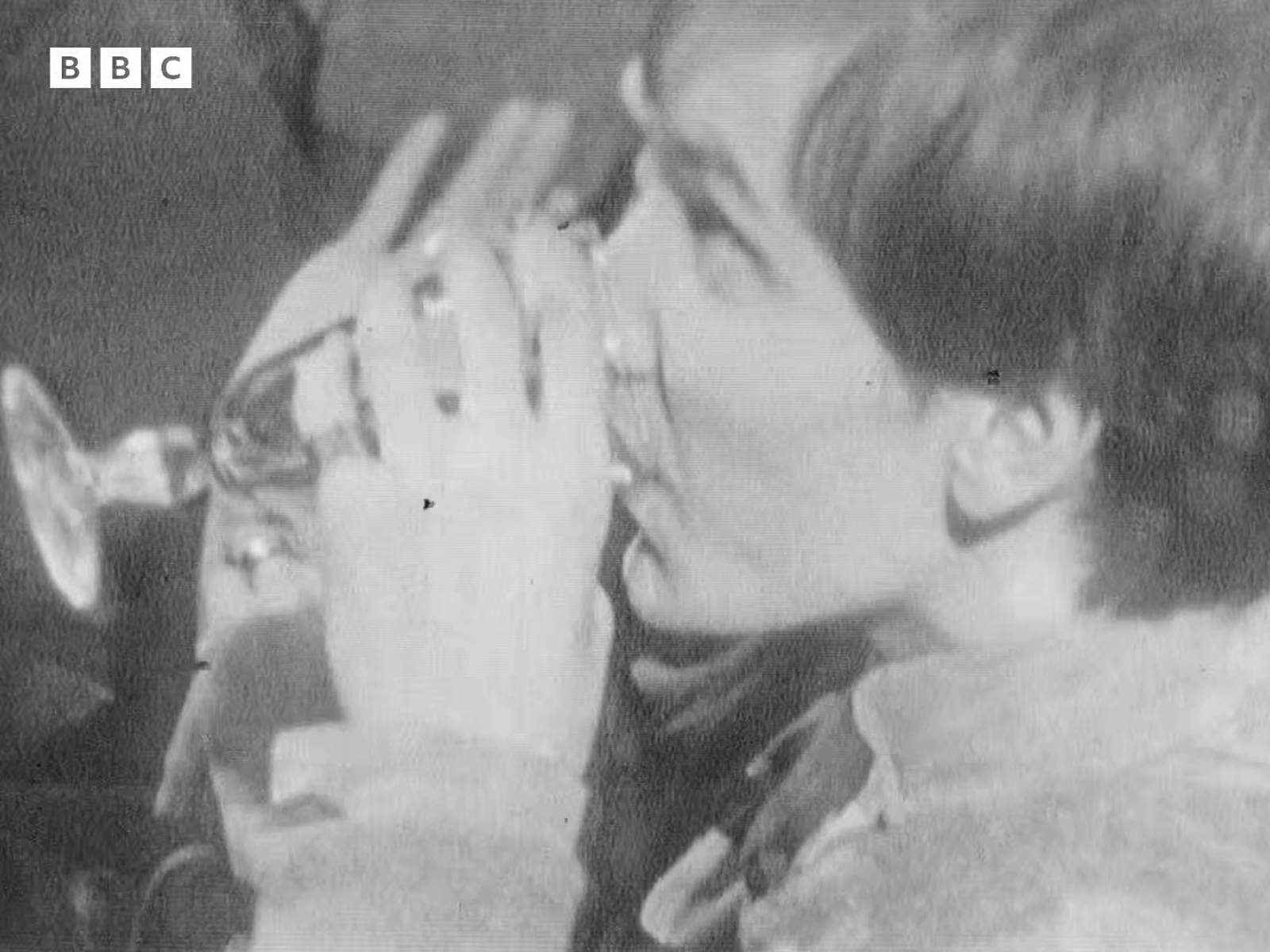
Some of the Advice Belongs Firmly Back in 1966
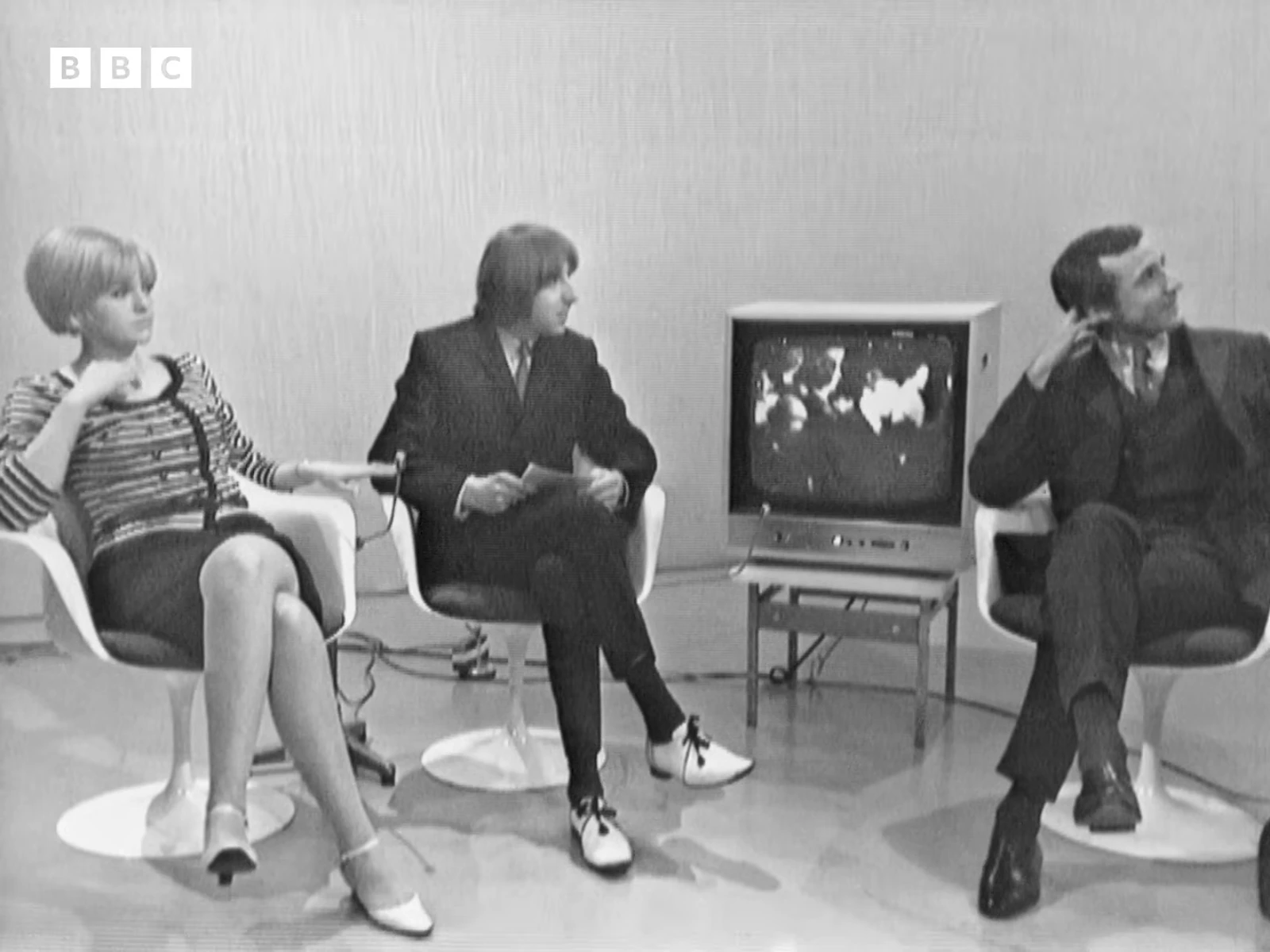
The final studio discussion is where the era really starts showing. There are complaints about having too many “birds” and not enough male escorts, a debate over whether women make better hosts because they supposedly pay more attention to food and small details, and a suggestion that the ideal answer may be a male-and-female co-hosting team.
That gender logic can stay in the archive. The more useful conclusion is that two engaged hosts are often better than one: somebody can make introductions while somebody else handles drinks, food, the door or the inevitable person asking where the bathroom is for the fourth time.
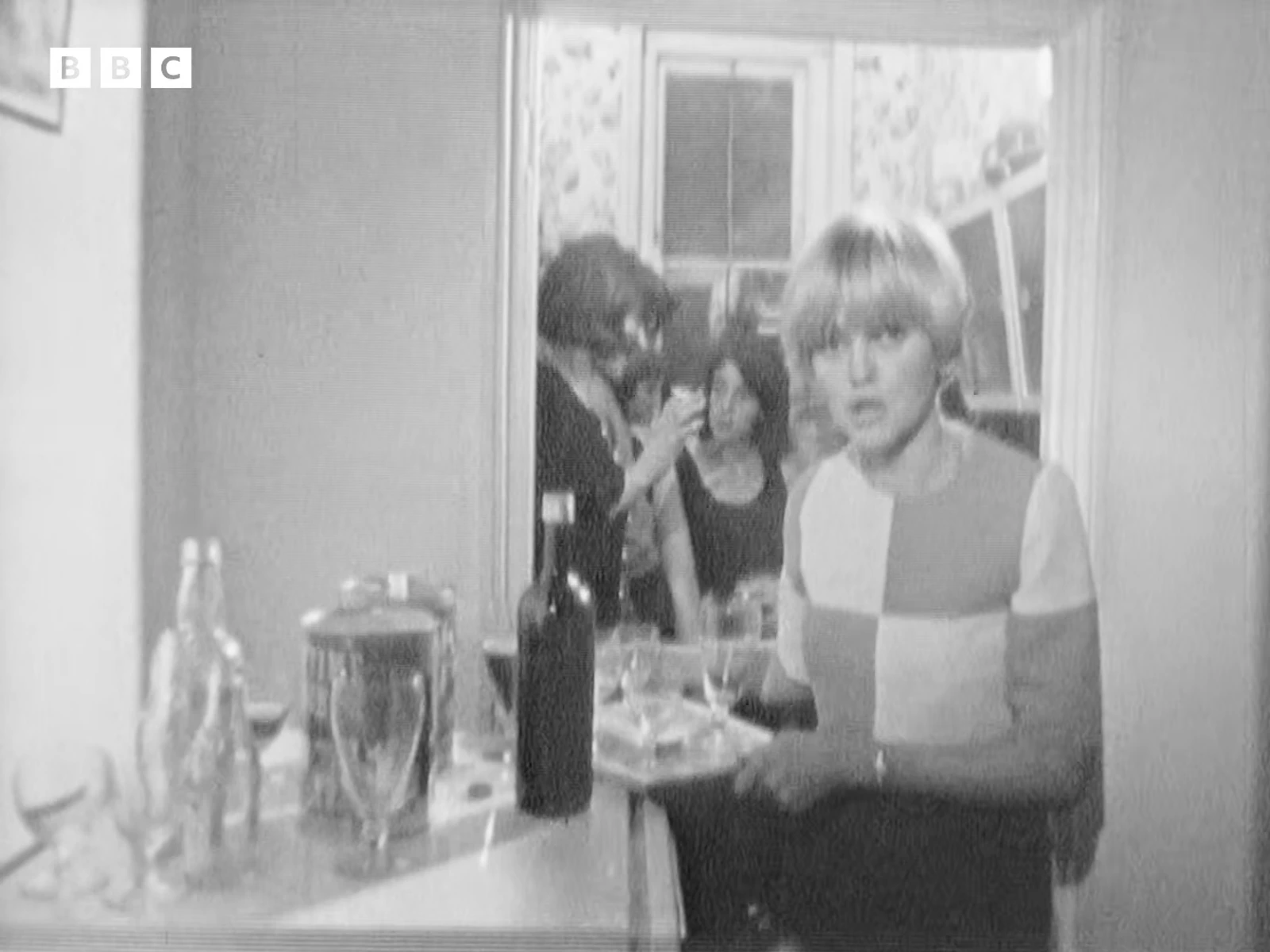
They also debate when parents should leave teenagers alone to throw their own parties. Seventeen gets the early vote, with the caveat that it depends on how responsible the teenager actually is. And then comes perhaps the most timeless hosting anxiety of all: somebody being sick on the carpet.
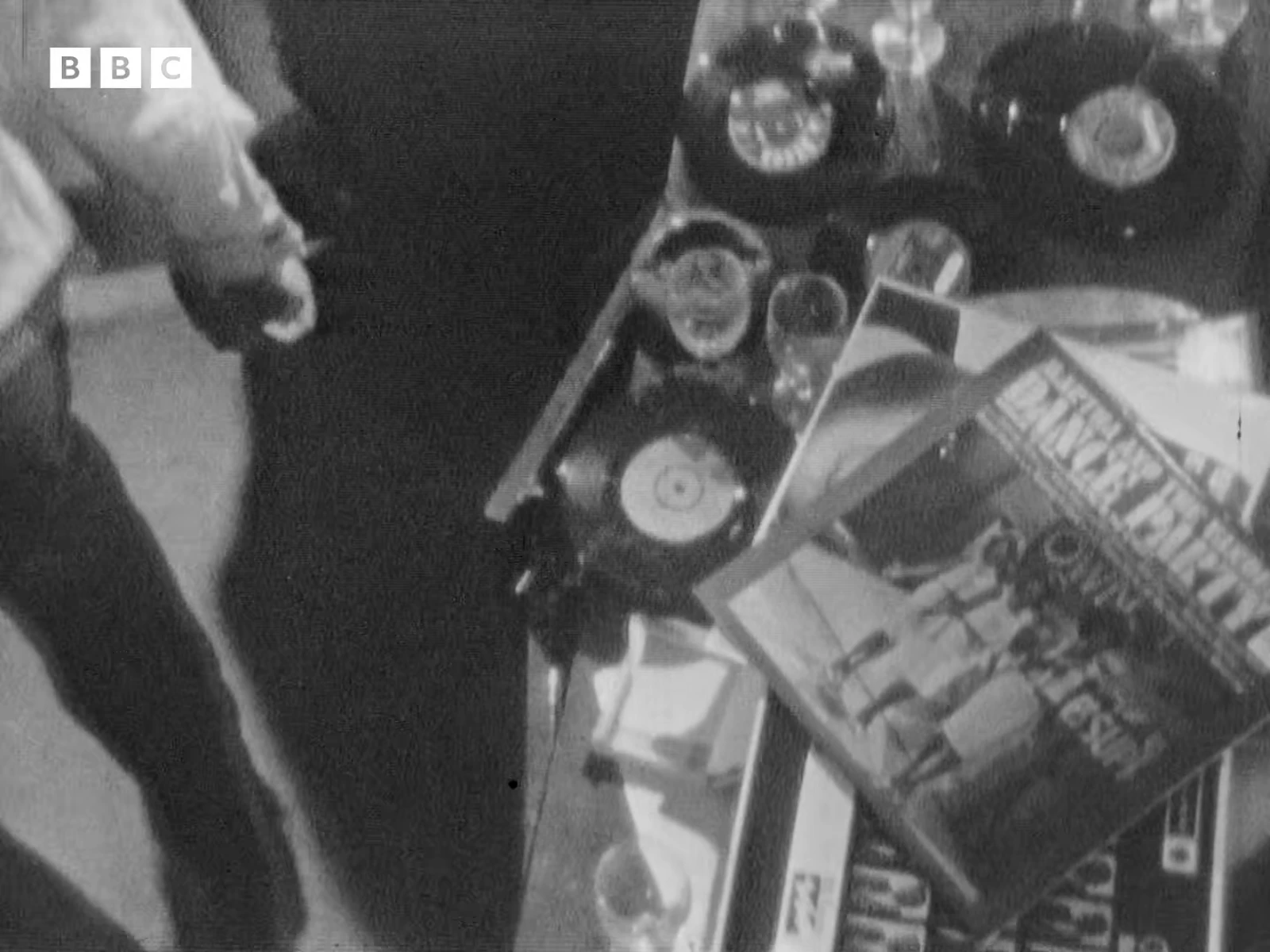
So, what survives sixty years later? Invite for chemistry. Put thought into the music. Feed people something. Introduce guests instead of abandoning them. Pay attention when someone has had too much. Set house rules before the chaos begins. And most importantly, host the party you invited people to. Do not open the door, point at the refrigerator and disappear into your phone.
The clothes and language may scream 1966, but the central idea is one we are absolutely dragging into 2026: a good party does not happen because you created a group chat. Somebody has to make the night happen.
Watch BBC Archive’s 1966 Guide to Throwing a House Party
BBC Archive’s “1966: How to Throw a House Party” comes from A Whole Scene Going, originally broadcast on BBC One on February 16, 1966, and follows parties hosted by Annie Nightingale, Stephen Williams and Brenda Taylor.
Source: BBC Archive / A Whole Scene Going.