












Before the Drive-Thru Took Over, America Ate Right in the Car
Back To The Future: long before grabbing dinner meant creeping through a drive-thru lane, America had a much more theatrical version of eating by car. Pull into a drive-in, park, place the order — sometimes through an intercom — and a carhop brought the food straight to your window on a tray. The car was not transportation to the restaurant. The car was your table.
And for a while, the format was enormous. By the mid-1960s, industry research counted roughly 40,000 drive-in restaurants across the United States. Their rise matched America’s exploding car culture: suburban growth, roadside cruising, neon signs, teenagers with somewhere to gather and restaurant owners finding increasingly elaborate ways to feed people without asking them to leave the driver’s seat.
Discover More
America’s Drive-In Food Era
Carhops, intercoms, roadside neon and dinner served through the window — the original drive-in restaurant turned the automobile into part of the dining room.
Some links may be affiliate links. INYIM may earn from qualifying purchases.
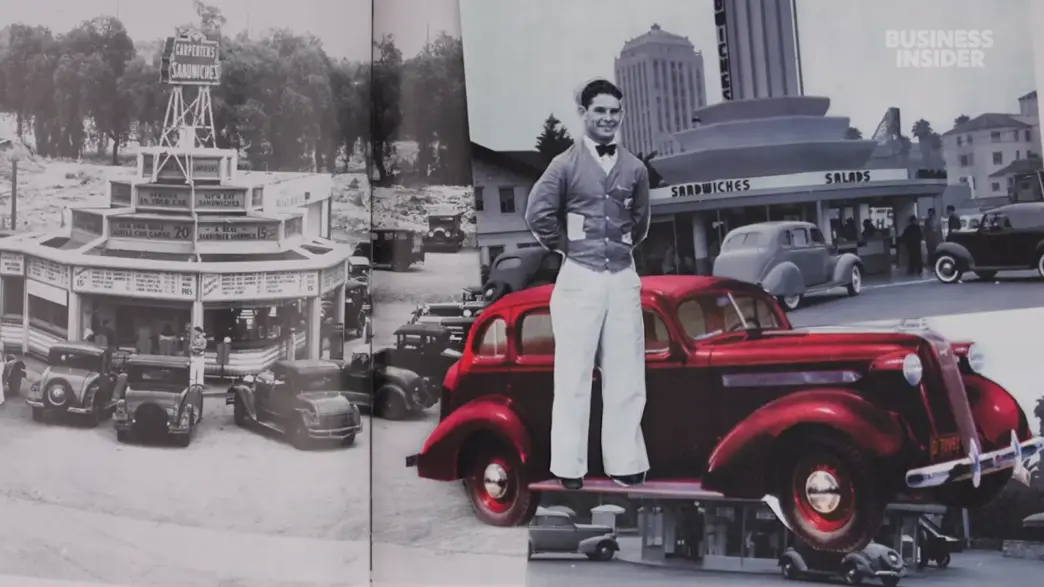
Drive-in culture did not appear out of nowhere. The automobile had already begun reshaping American retail in the 1920s, especially in Southern California, where businesses were being designed around the assumption that customers would arrive by car. Restaurants pushed the idea further: no hunt for parking, no dining-room formality, no need to even get out.
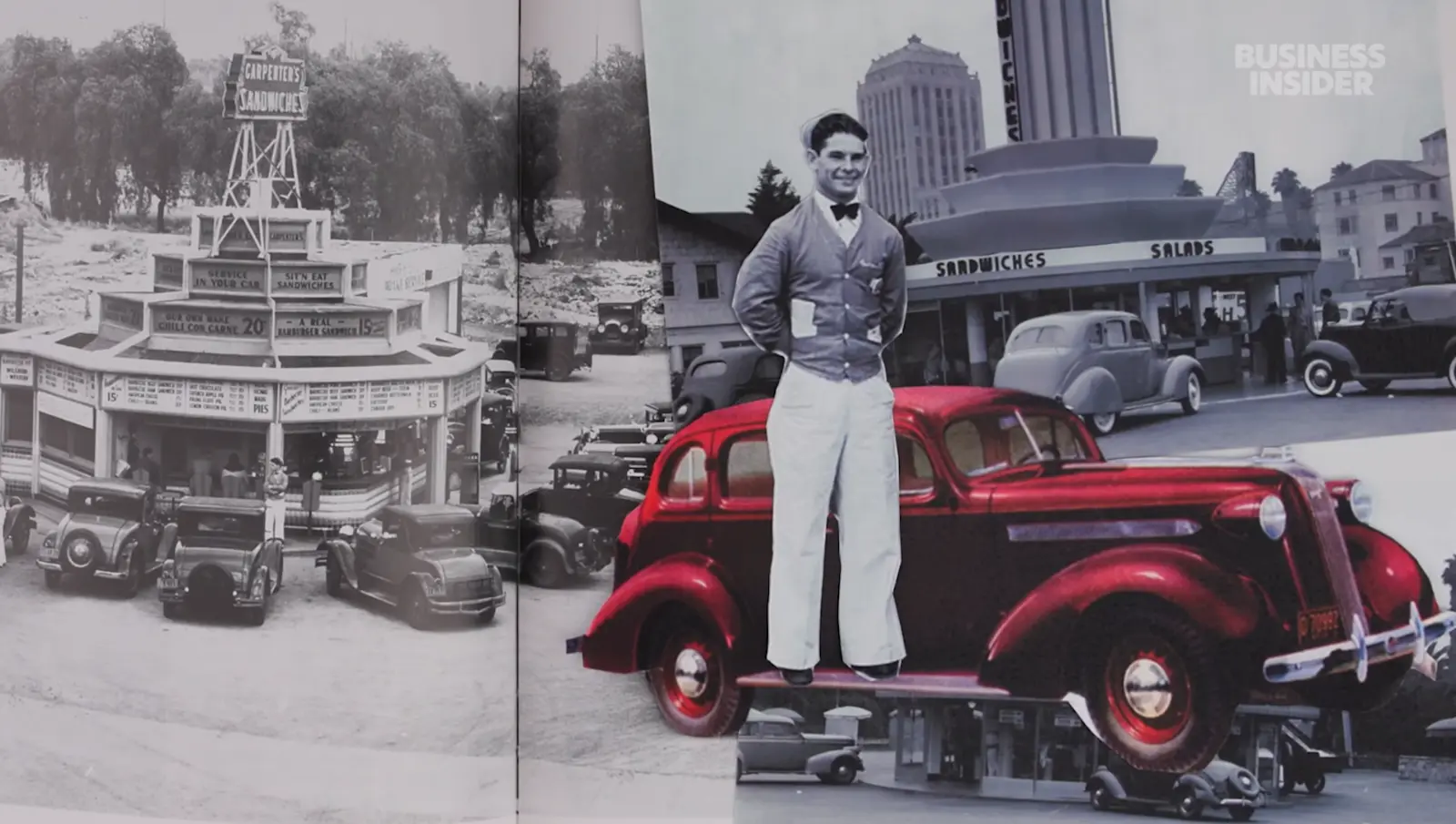
The service itself became part of the attraction. Carhops moved from vehicle to vehicle carrying steel trays, while some restaurants installed intercom systems so customers could order without rolling down a window and shouting across the lot. Los Angeles even experimented with the wonderfully futuristic Motormat, a rail system that sent the order, bill, payment and eventually the food back and forth between the kitchen and the customer’s parked car.
That particular future did not last. The Motormat concept disappeared after only a few years, but the larger drive-in boom had much more staying power. It became part restaurant, part roadside hangout and part stage for postwar American car culture.
So How Did 40,000 Drive-Ins Nearly Disappear?
Ironically, the same car culture that helped create the drive-in also helped replace it. Changing traffic patterns and the growth of freeways shifted drivers away from the commercial strips where many drive-ins lived. Rising real-estate costs made huge parking lots less attractive to operators, while the increasingly efficient fast-food model could move more customers through smaller footprints.
Then came the format that made stopping even less necessary: the drive-thru. Instead of parking and waiting for a carhop, drivers could order, collect the food and keep moving. Convenience won, and one of America’s most recognizable restaurant rituals slowly became the nostalgia act.
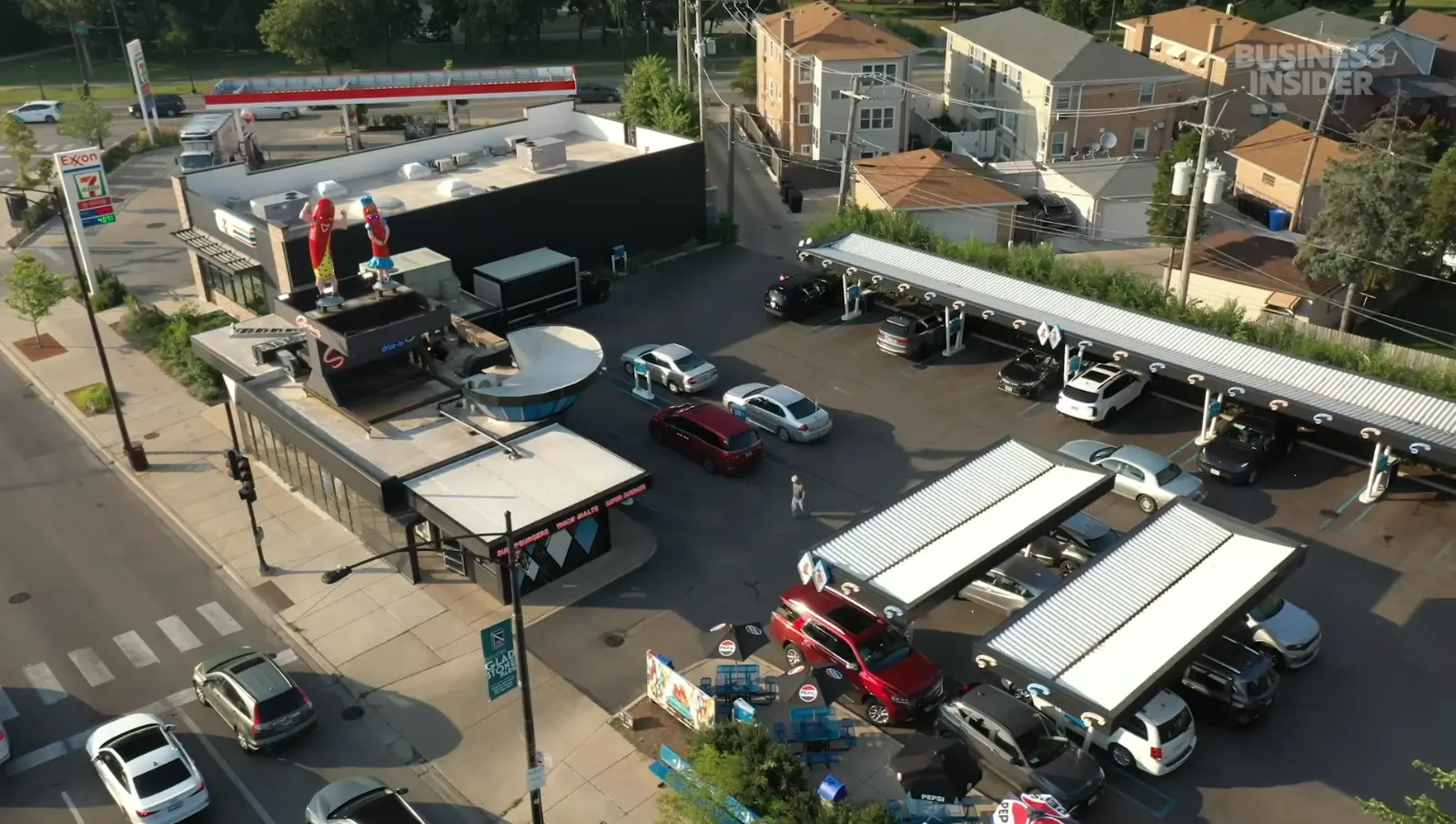
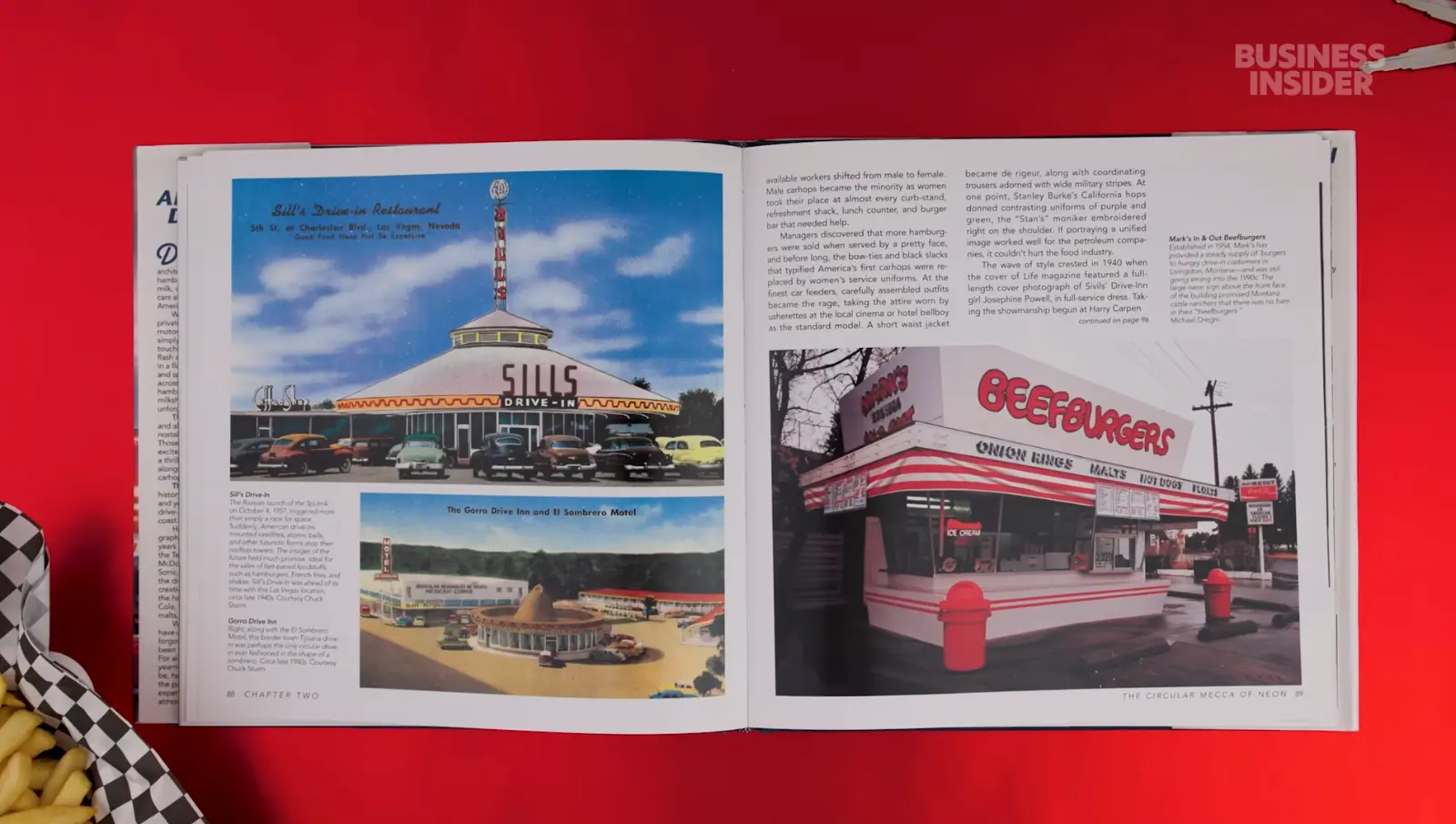
The Ones Still Serving Dinner to the Driver’s Seat
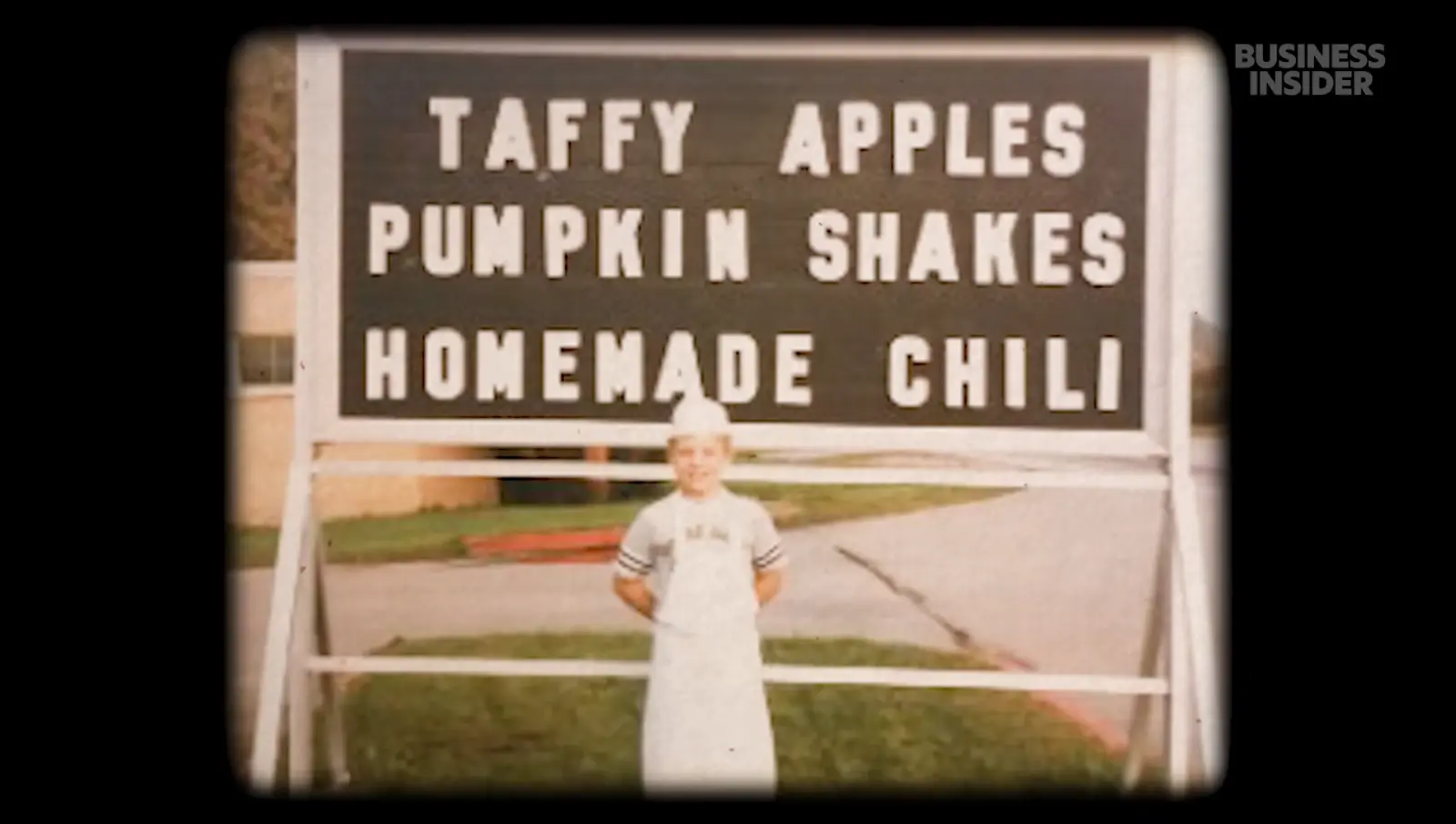
Business Insider’s report visits two surviving Midwest examples. Superdawg remains Chicago’s last drive-in, still sending its signature “dawgs” out to parked customers by carhop. About an hour north, a family-run Dog N Suds keeps another version of the tradition alive with foot-long hot dogs, homemade root beer and classic-car cruise nights.
What survives is bigger than retro signage. These restaurants preserve a completely different idea of convenience — one where the destination itself mattered, where eating in the car was an occasion instead of something squeezed between errands, and where the parking lot could become a social space instead of somewhere you rushed through on the way home.
Forty thousand drive-ins did not vanish because Americans stopped loving cars or fast food. They vanished because the relationship between the two became even faster. The drive-in helped teach America to eat from the automobile; the drive-thru simply removed the part where we stayed awhile.
Watch Business Insider’s “The Rise & Fall Of America’s Drive-In Restaurants”
Business Insider chief correspondent Abby Narishkin visits Superdawg and Dog N Suds while tracing how America went from tens of thousands of drive-in restaurants to only a small surviving group.
Source: Business Insider.