











Before the Tour Spectacle, Janet Let the Bigger Mission Speak
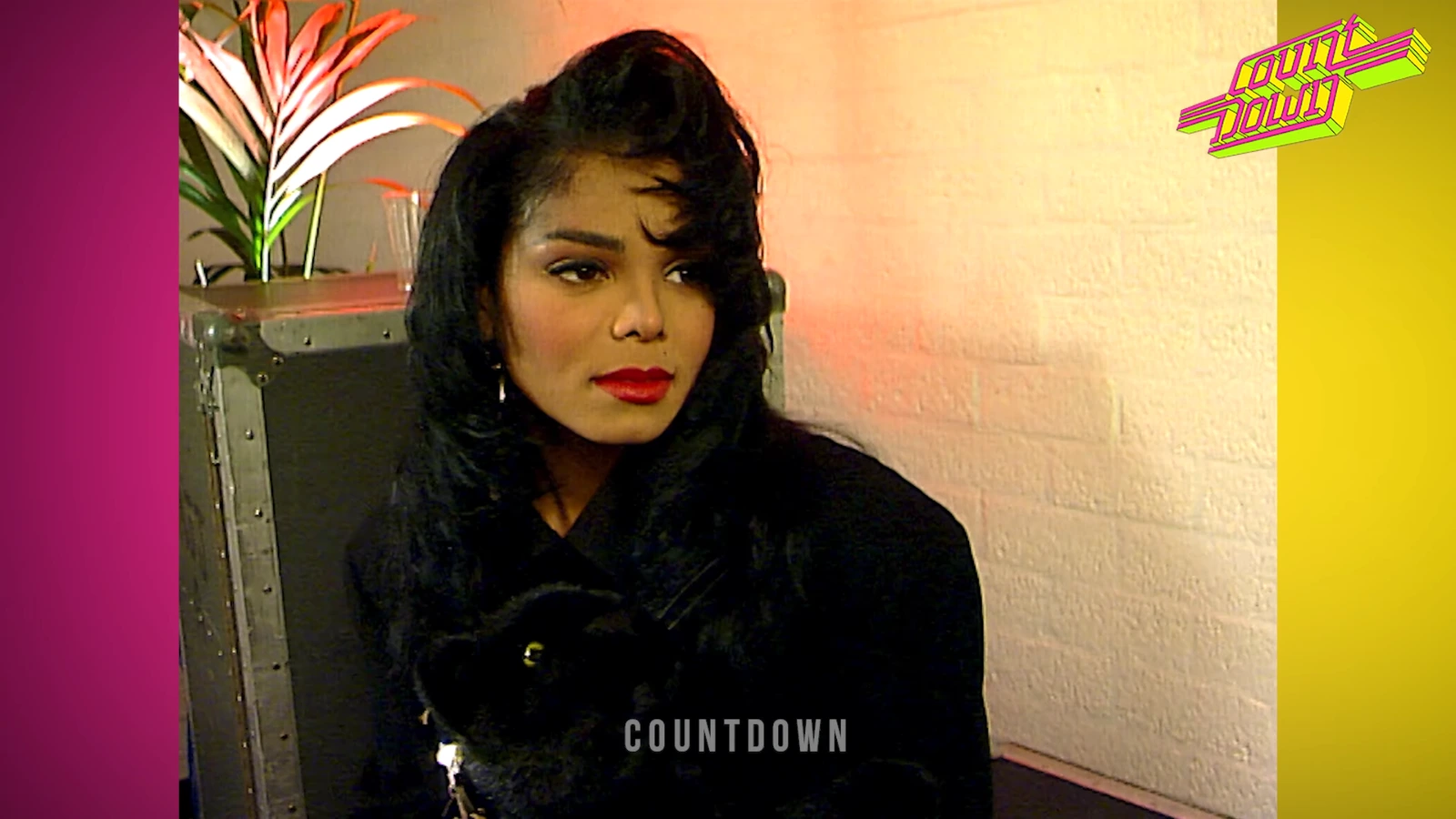
Monday Muse is transporting back to 1990 for a short, unexpectedly revealing conversation with Janet Jackson during the massive Rhythm Nation 1814 chapter of her career.
Dutch presenter Jeroen van Inkel interviewed Jackson backstage at Rotterdam’s Ahoy for the music program Countdown. The conversation moves easily between tour pressure, European audiences, social responsibility, musical heroes and the gloriously random question of which animal Janet would choose to be.
Discover More
Step Back Into Janet’s Rhythm Nation
Hear Jeroen van Inkel revisit the original interview, then return to the album and tour that turned Janet’s social vision into pop history.
Some links may be affiliate links. INYIM may earn from qualifying purchases.
Jackson speaks candidly about the health problem that forced part of the tour schedule to move, describing the interruption without turning it into melodrama. Even at the height of her first world tour, she comes across as focused, soft-spoken and determined to keep the machinery surrounding her from becoming the entire story.
What matters most is the message behind Rhythm Nation 1814. After the success of Control, the safe industry move would have been another collection built around the same formula. Janet wanted something else: a project shaped by poverty, racism, violence, addiction, homelessness and the belief that music could invite people into the conversation without pretending one album could solve the world.
That tension is what makes the interview more than a time-capsule celebrity chat. Jackson was already resisting the idea that commercial success meant repeating herself. The label wanted the certainty of Control again; she pushed toward a black-and-white visual world, a socially conscious concept and an opening run of songs that placed “Rhythm Nation,” “State of the World” and “The Knowledge” before the album’s easier romantic hits.
The gamble became one of pop’s clearest examples of purpose surviving inside mass entertainment. The record still danced, still flirted and still produced enormous singles—but it refused to treat awareness as something audiences could only absorb through a lecture.
Janet also name-checks artists whose work carried its own moral and emotional weight, including Stevie Wonder, Tracy Chapman and John Lennon. The list says plenty about the lane she was choosing: pop music with melody, reach and an actual point of view.
Then the discussion wanders toward Dutch audiences and animals, where Van Inkel introduces her to the Netherlands’ tradition of Dierendag. Jackson’s affection for animals softens the already relaxed exchange, reminding us that some of the best archival interviews are not the ones that chase headlines—they are the ones that let a person reveal themselves between the official talking points.
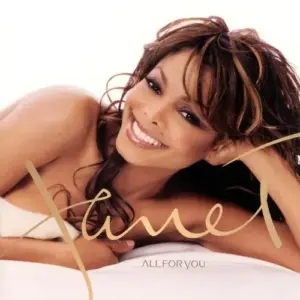
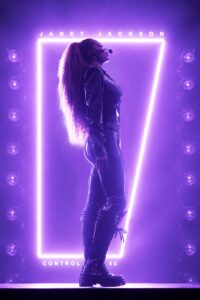
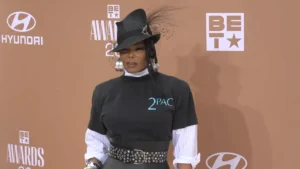
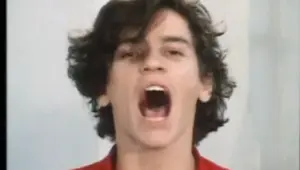
Janet Jackson’s 1990 Countdown Interview in Images
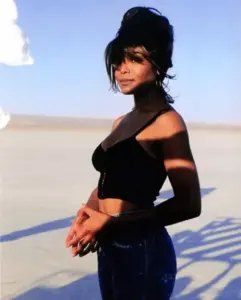
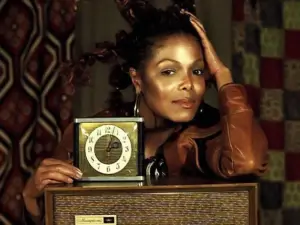
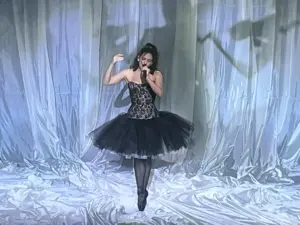
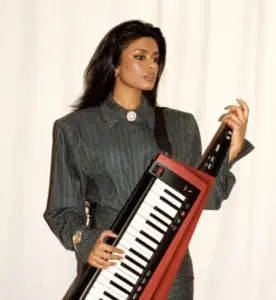
The supplied frames accompany Jackson’s backstage conversation with Jeroen van Inkel during the Rhythm Nation tour.
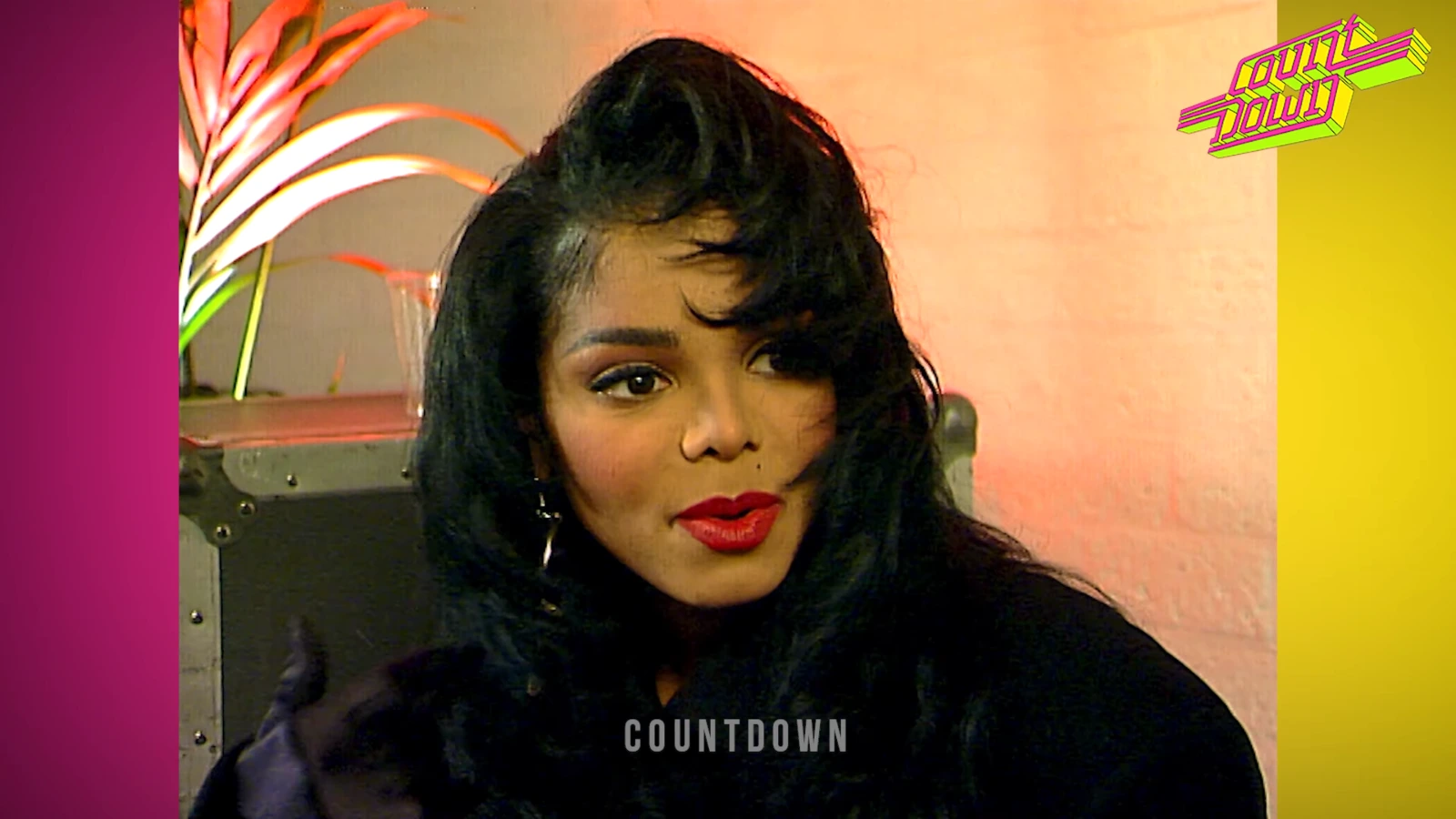
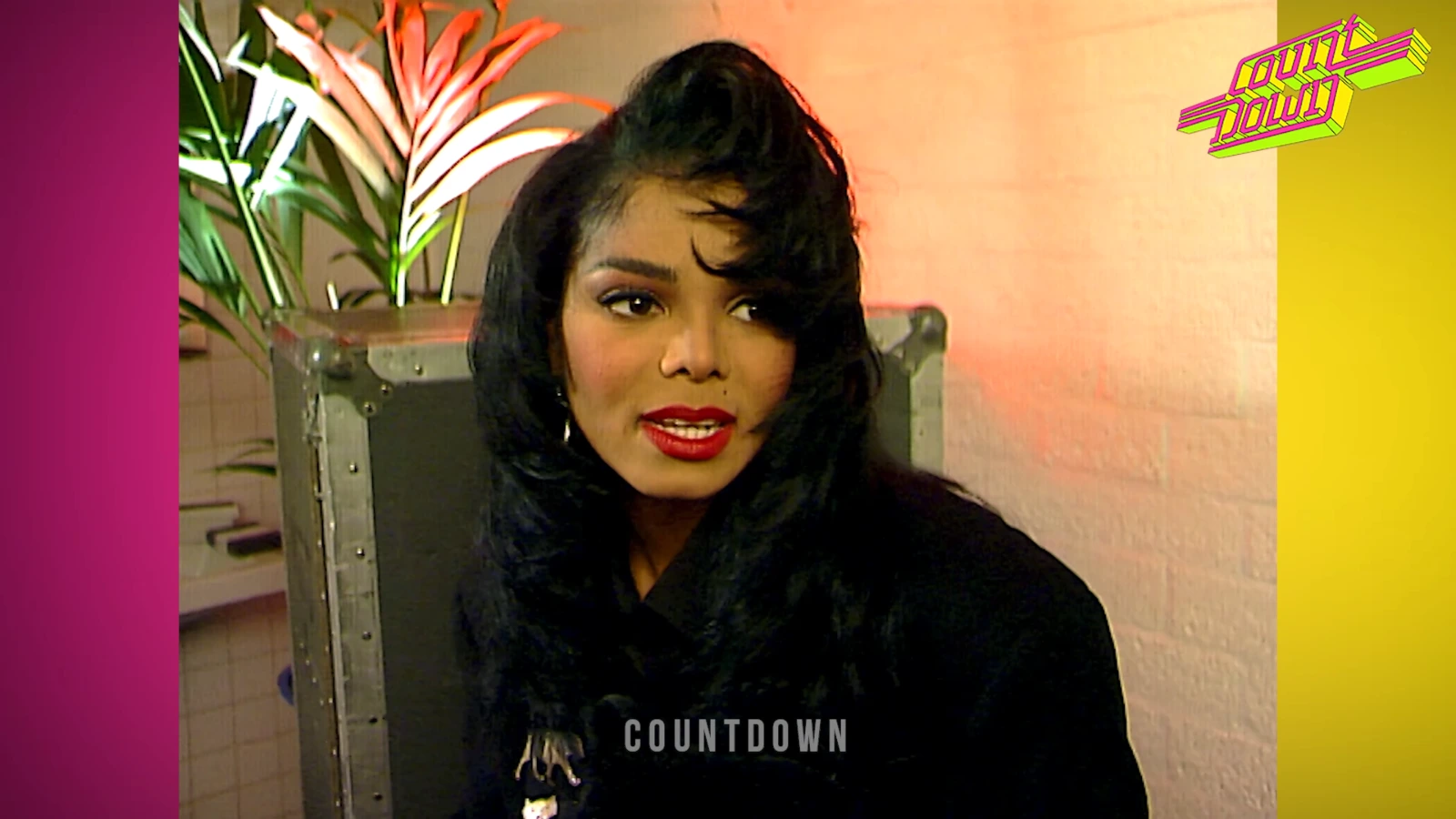
Janet Jackson discusses touring, European audiences, social consciousness and the creation of Rhythm Nation 1814. Images: Countdown / Veronica.
Looking back, the calmness is almost startling. Janet is standing inside one of the most ambitious pop campaigns of the era, yet she never speaks as though history has already declared the outcome. She sounds like an artist defending an idea she believed in and hoping the audience would meet her there.
Watch Janet Jackson’s 1990 Countdown Interview
Jeroen van Inkel’s conversation covers the postponed tour dates, Janet’s connection with European fans, the purpose behind Rhythm Nation 1814 and her musical inspirations.
The interview explains the person behind the mission. The second supplied clip returns to the music itself, with the title track delivering the disciplined choreography, industrial pulse and call for unity that made the entire era unmistakable.
Watch the Second Janet Jackson Archive Clip
Video throwback: State Of The World (Live At Tokyo: May 18, 1990)
Source: Countdown / Veronica; Het Van Inkel Archief, NPO Radio 2.