














Before Hip-Hop Went Global, a Bronx Kid Was Rewiring the Rules
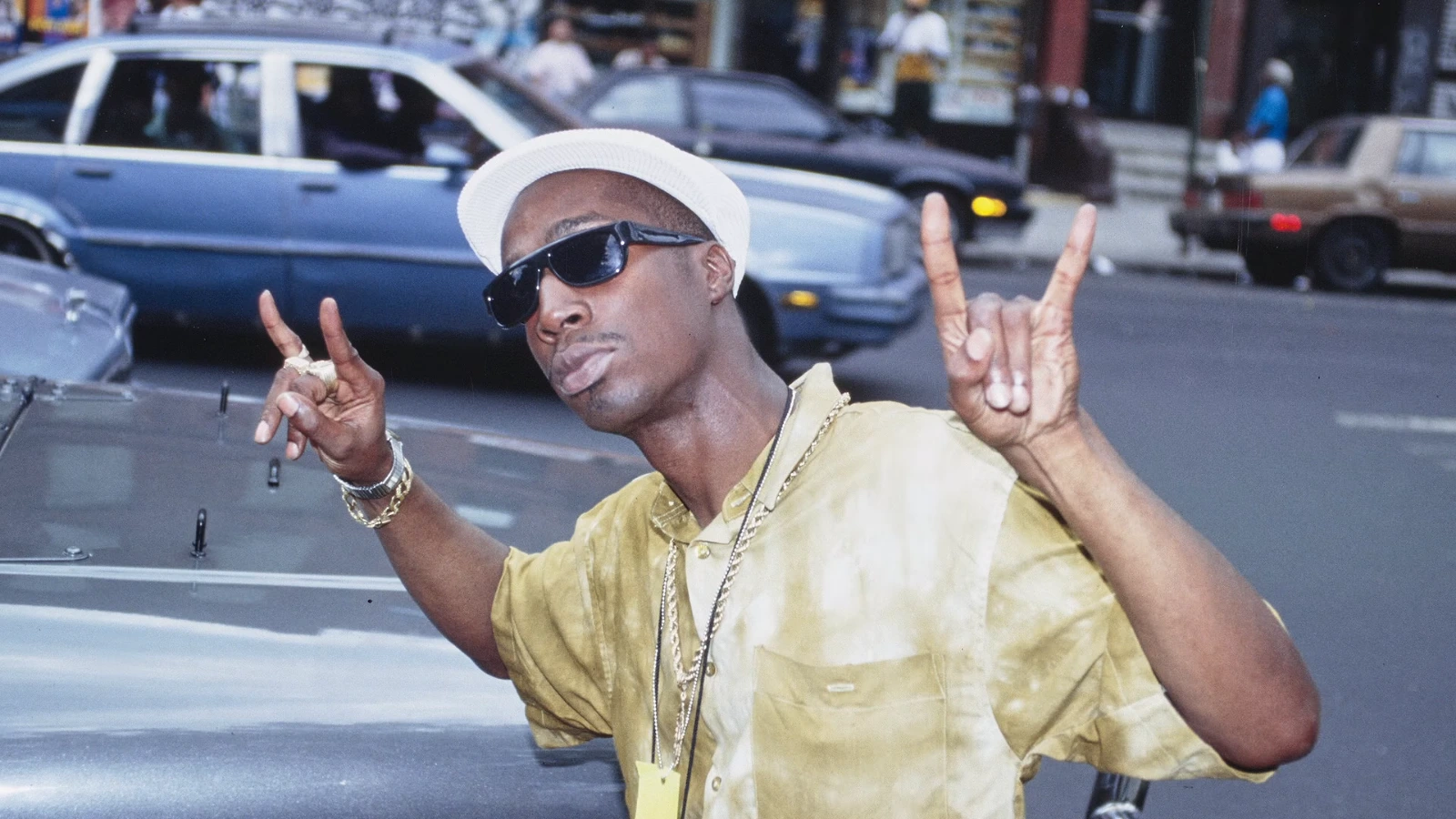
The Biography channel has uploaded the restored HD version of its documentary How Grandmaster Flash Revolutionized Hip-Hop, and it is a fitting reminder that some of music’s biggest revolutions began with a very small amount of equipment—and an almost unreasonable amount of curiosity. The roughly 42-minute film is the Grandmaster Flash episode of A&E’s Nas-narrated 2022 series Origins of Hip-Hop, originally aired July 12, 2022.
His name is now inseparable from hip-hop history, but Joseph Saddler was once a kid in the Bronx who couldn’t stop wondering how a record player actually worked. The documentary follows the boy who tinkered with electronics, the DJ who helped turn a breakbeat into a new musical language, and the man who would nearly lose himself as the industry cashed in on what he helped create. That last part is where this tale gets considerably less celebratory.
A Record Collector’s Son With an Ear for Everything
Flash remembers growing up surrounded by his father’s records, captivated by the simple magic of a tonearm dropping onto vinyl and music coming out of a box. His childhood also brought a painful family separation: after his parents split and his mother became ill, he and his sisters entered foster care. At the Greer School in Poughkeepsie, his fascination with music and electronics found encouragement, and he was given opportunities to play music for school events.
Back in the Bronx, he scavenged parts from discarded receivers, old speakers and just about anything he could coax into producing a sound. His friend EZ Mike remembers thinking the equipment was garbage; Flash saw possibility. It’s a wonderfully revealing distinction. Where one teenager saw a junk pile, another saw the beginnings of a sound system.
Three Years to Make a Breakbeat Last Forever
A visit to DJ Kool Herc’s parties on Sedgwick Avenue gave Flash his next problem to solve. Herc knew how to electrify dancers by finding the drum-heavy break in a song. But when the record moved on, so did the beat. Flash wanted the energy to continue without the dance floor losing its step.
His answer was what he called the Quick Mix Theory: using two copies of a record and precise cueing to move between the same short passage seamlessly. In the documentary he says he spent three years working it out. He marked records to identify exactly where a break lived, studying timing and movement until the turntables could do far more than simply play songs. It was part music, part engineering, and an enormous amount of stubborn practice.
The first public demonstrations didn’t produce the reaction he expected. Instead of dancing, people crowded around to watch his hands. He had created a spectacle, which was impressive but not terribly helpful when your goal was to keep a party moving. His next idea would change that, too.
Discover More
Keep the INYIM lane open.
Explore the official source and related picks curated around this story.
Some links may be affiliate links. INYIM may earn from qualifying purchases.
The Furious Five, Terrible Tuesdays and a Packed Ballroom
If everyone wanted to stare at the DJ, Flash figured the crowd needed somebody else to look at. He put a microphone across from the turntables and began finding MCs, starting with Keith “Cowboy” Wiggins. One by one came the voices who became the Furious Five: Cowboy, Melle Mel, Kidd Creole, Scorpio and Rahiem. The technology and the rhymes were meant to work together, never compete for the spotlight.
Those Bronx park parties became nightclub fixtures. At Disco Fever, Flash initially resented being offered a Tuesday residency, dubbing it “Terrible Tuesday.” Then the night became one of the club’s biggest draws. The documentary remembers an audacious show at Harlem’s Audubon Ballroom, where he feared the vast room would look empty, only to return to a line stretching around the block. One participant recalls a crowd of about 5,000, a number so remarkable it is best understood as a memory of the night rather than a verified attendance count.
There is also a delightful meeting of musical worlds. Flash recounts how Fab 5 Freddy brought Debbie Harry into his nightclub orbit. Harry would later name-check him in Blondie’s “Rapture”, bringing an unmistakably Bronx influence into a pop record heard around the world. You could practically draw the cultural map from that one encounter.
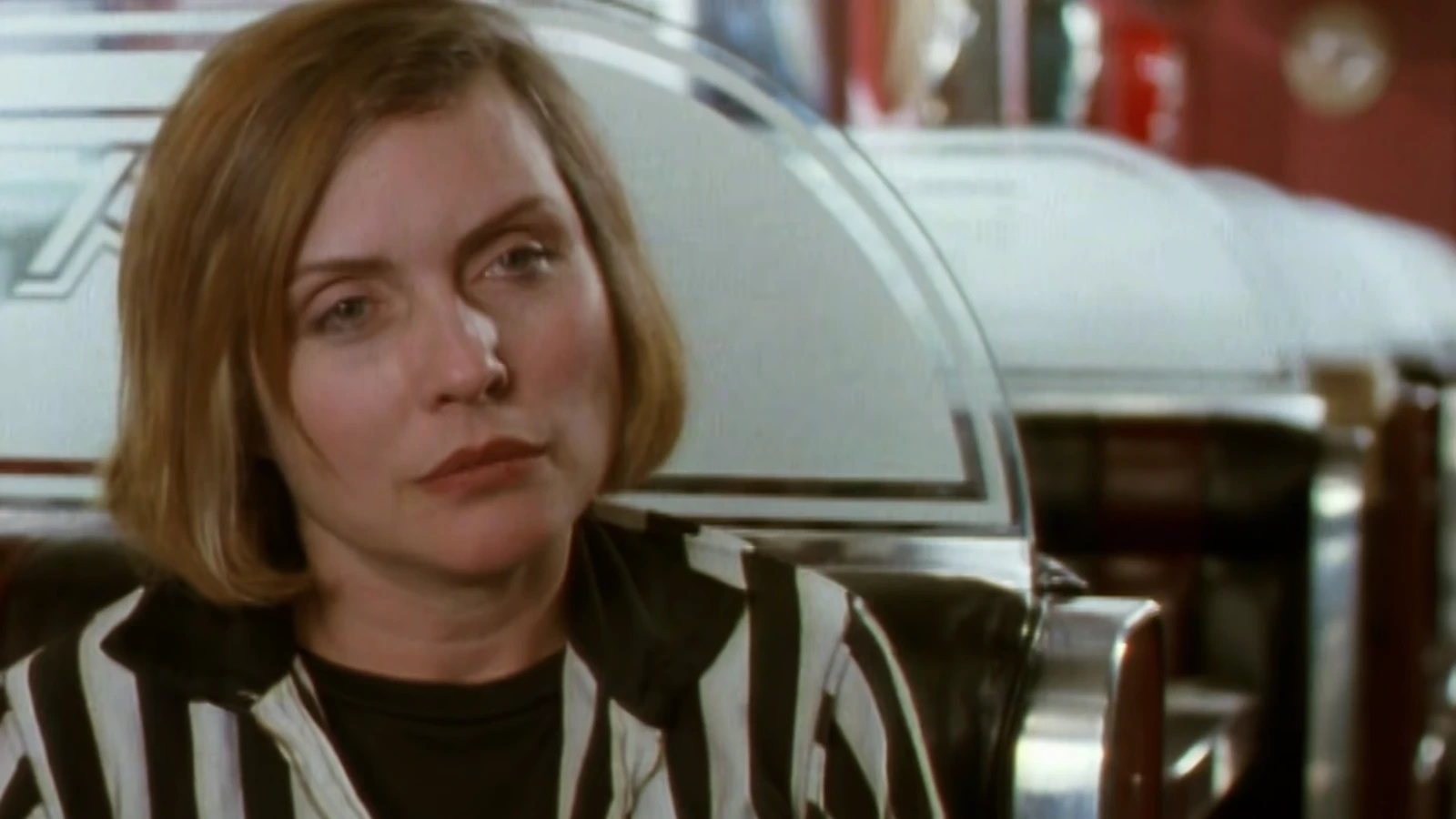
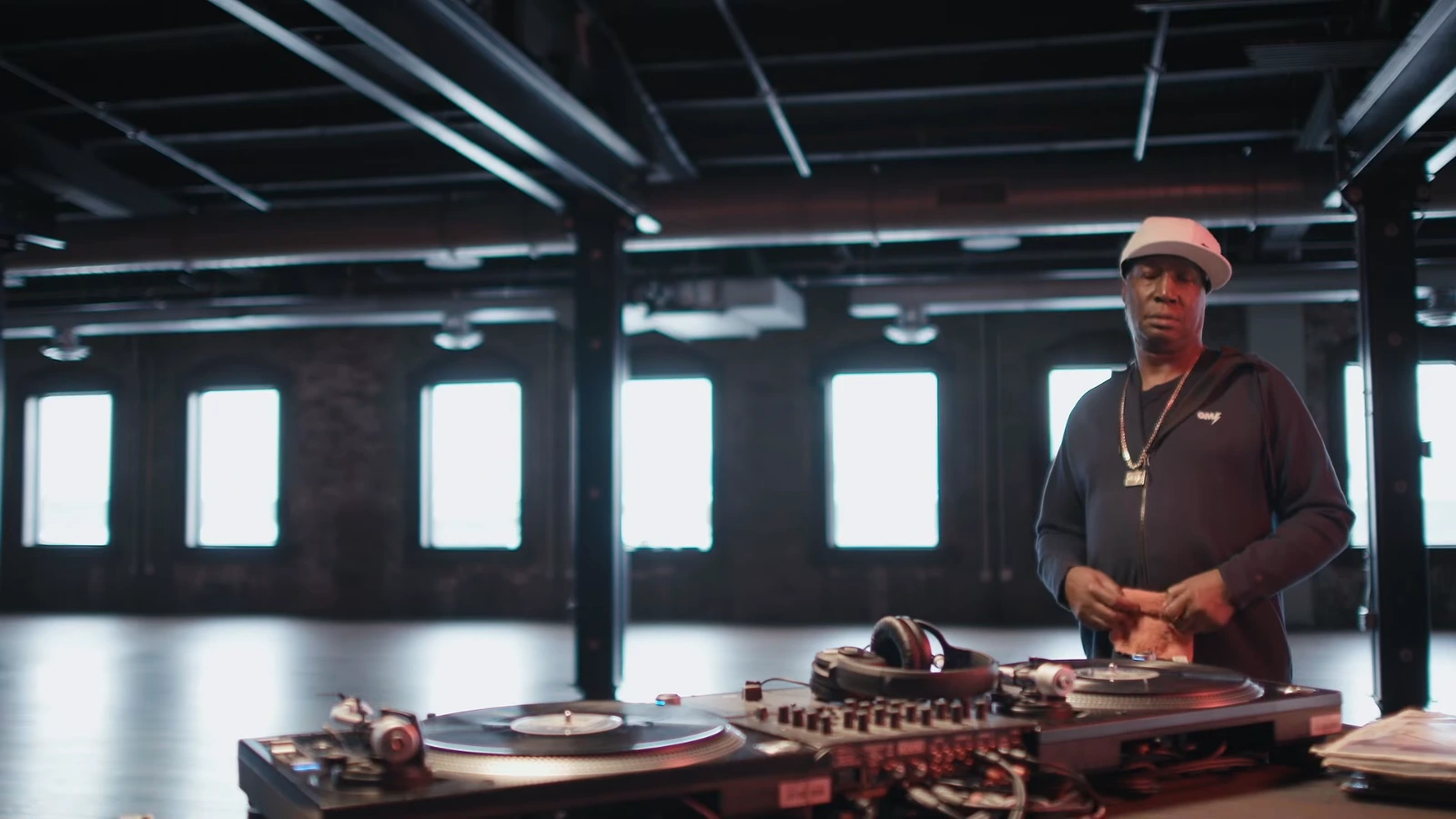
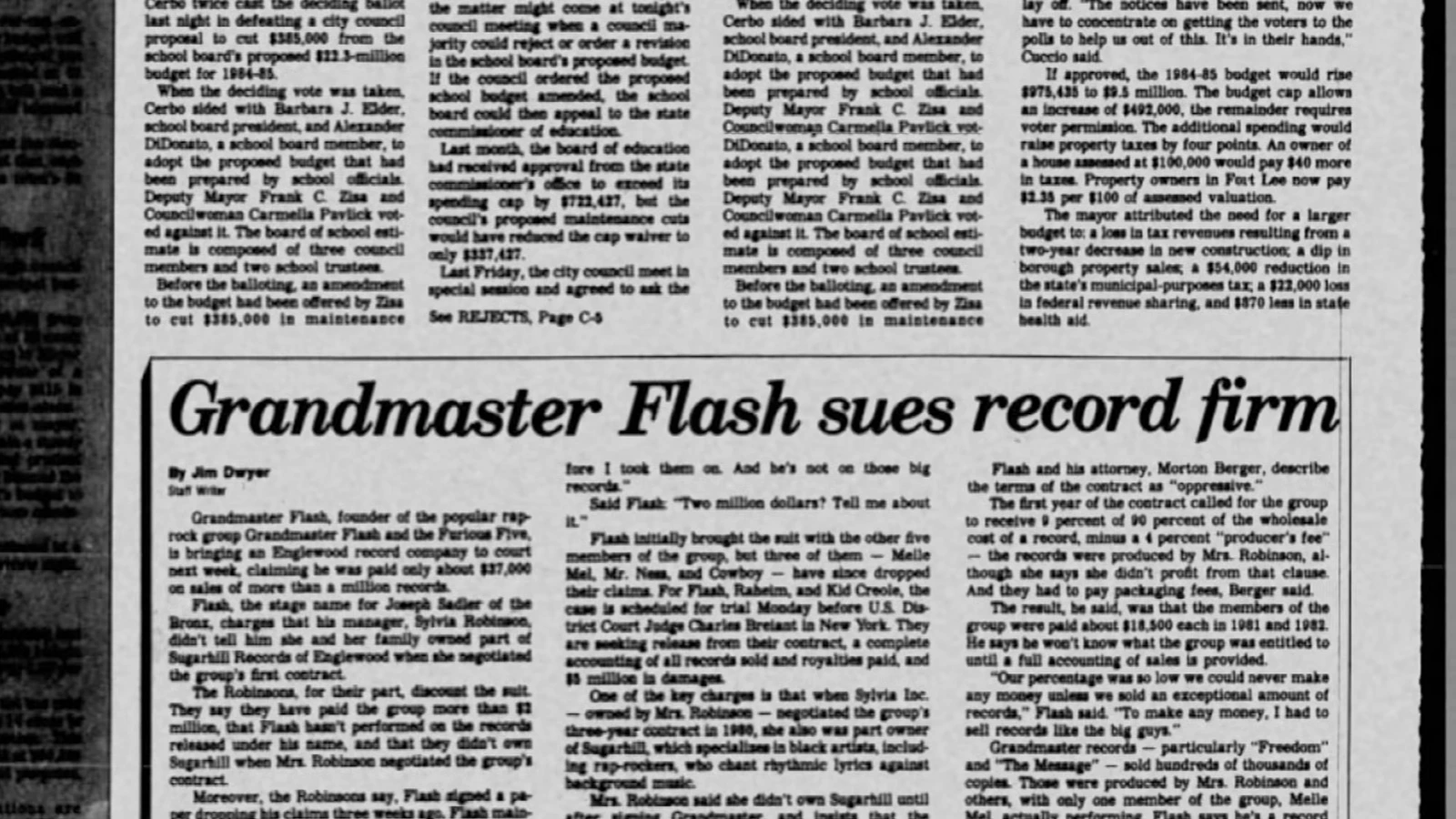
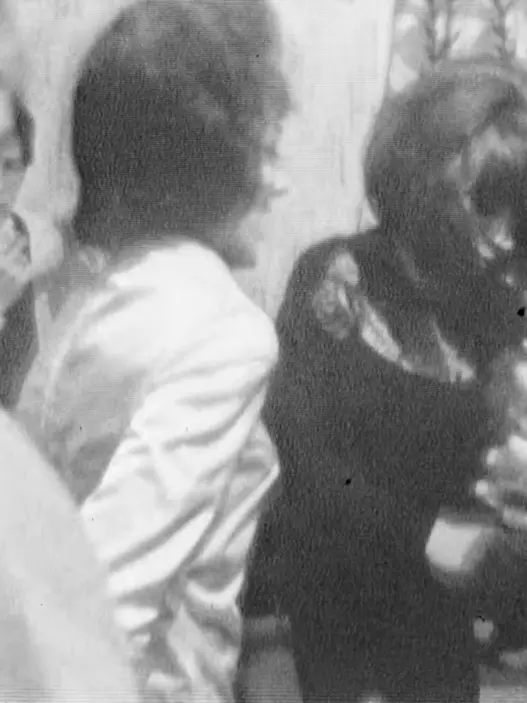
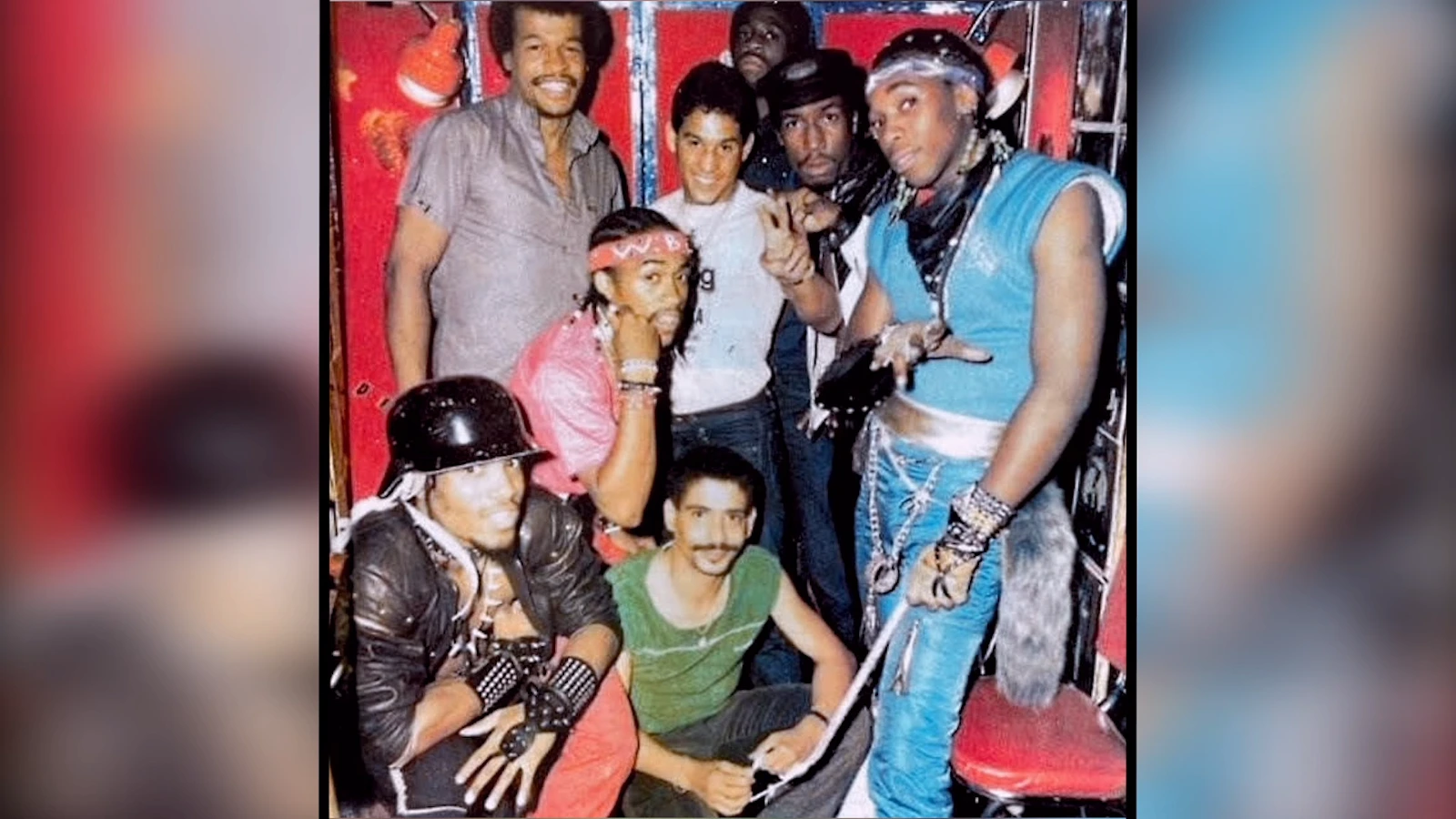
Scenes from Origins of Hip-Hop, tracing Grandmaster Flash’s life and music. Image: Biography / A&E.
“The Message” Changed Rap—and Helped Break the Group
For all the promise of their rising fame, the move into the record business exposed a fault line. Flash says he had built his performances around a particular marriage of DJ and MCs. At Sugar Hill Records, however, live musicians recreated the music in the studio, leaving far less room for his turntable work. The company’s approach might have suited recording records, but to Flash it was dismantling the formula that made the group itself.
The conflict sharpens around “The Message,” the extraordinary 1982 single that took hip-hop far beyond party lyrics. According to Flash’s account in the film, his name appeared on the release even though he did not perform on the recording. Of the Furious Five, Melle Mel was the featured voice; the record also included Duke Bootee. Flash describes feeling excluded, and the documentary presents his disagreements with Sugar Hill cofounder Sylvia Robinson over creative control, publishing and the direction of the group as central to its fracture.
The irony is considerable. One of the most important songs in hip-hop history helped push the very collective whose name it carried toward a split. The documentary includes differing recollections and heated exchanges, and Flash’s account is unmistakably personal. His complaint wasn’t that “The Message” had no value. It was that a group built on collaboration no longer seemed to belong to all of its members.
A battle over the Grandmaster Flash name followed. He recounts taking the dispute to court and ultimately keeping the name that had become his identity. But winning that fight did not make the losses disappear.
The Darkest Years, and the Turntables That Brought Him Back
The documentary does not skip the cost of the fallout. Flash speaks about increased cocaine use, alcohol, depression and a medical crisis that forced him to confront where his life was headed. He is especially emotional remembering Cowboy’s death in 1989. These are not the glossy chapters of a music legend’s biography; they are the parts that explain how fragile a career can become when the business, the friendships and the person are all tangled together.
And then comes the wonderfully simple way back: the turntables. Flash recalls making mixtapes, rebuilding his skills, taking small gigs and starting again without the machine that had nearly swallowed him. His later work on The Chris Rock Show introduced him to television viewers who might have known the songs but not the DJ who helped make the language of hip-hop possible.
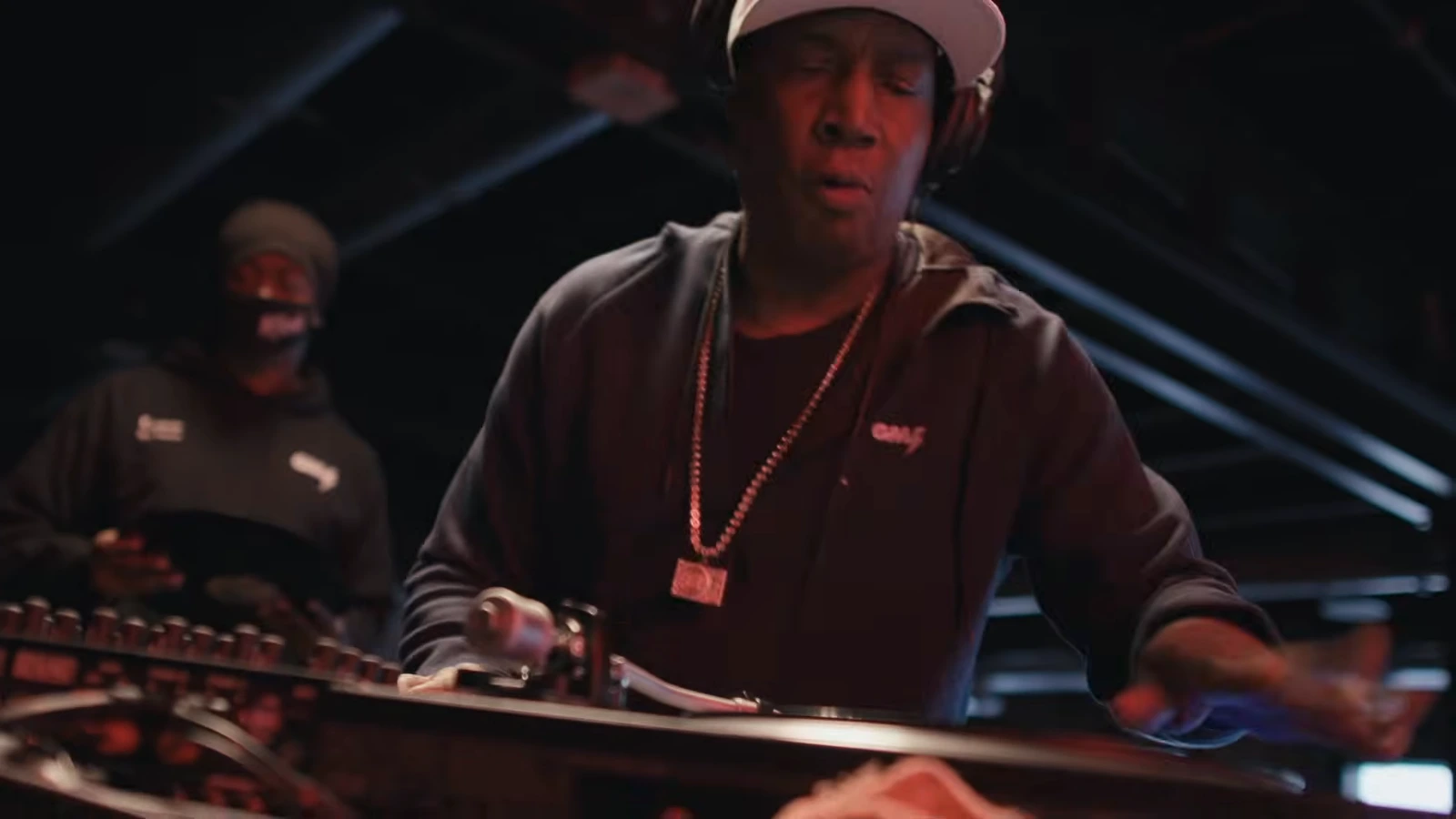
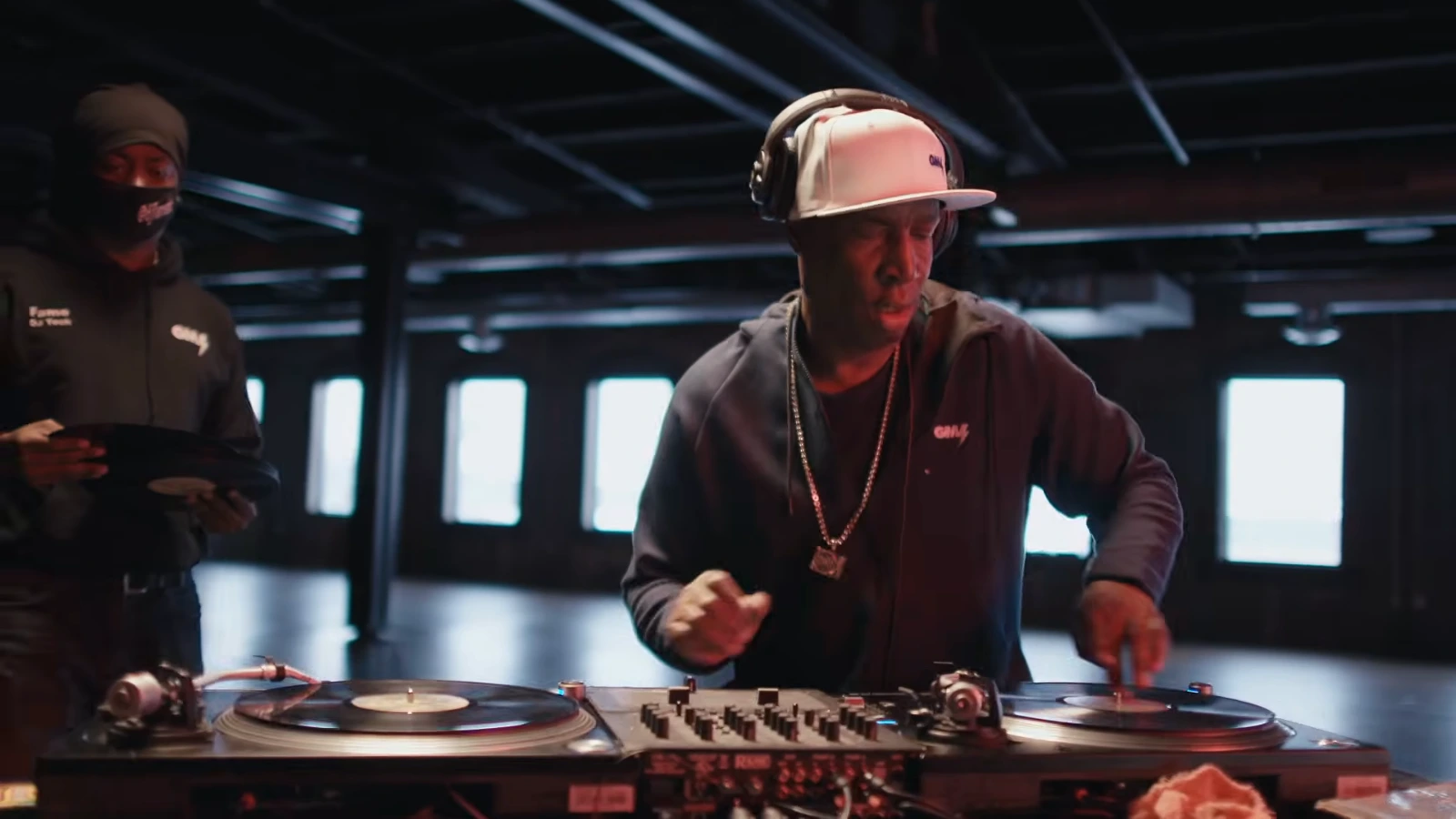
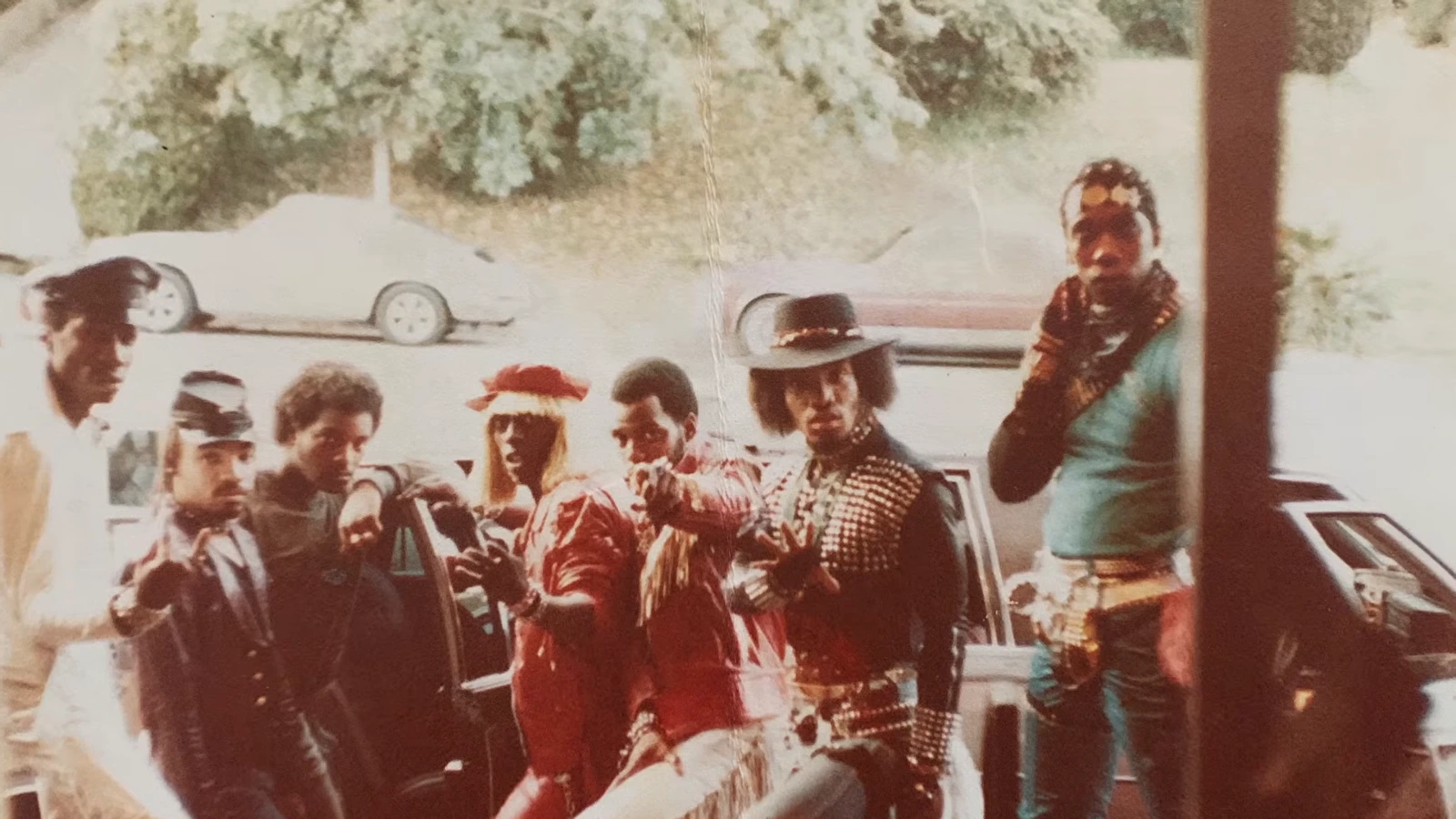
Scenes from Origins of Hip-Hop, tracing Grandmaster Flash’s life and music. Image: Biography / A&E.
In 2007, Grandmaster Flash and the Furious Five became the first hip-hop act inducted into the Rock & Roll Hall of Fame. That recognition matters, but the film’s best argument for his legacy is made much earlier: a teenager determined to keep a few seconds of music going just a little longer wound up changing how records could be played, heard and performed.
There is plenty of history packed into these forty-odd minutes, from the streets of the Bronx to the record business and back to the decks. What stays with you, though, is Flash’s stubborn love of the craft, even after it stopped loving him back. A turntable was never just the thing playing the music. In his hands, it became an instrument.
Watch Grandmaster Flash Revolutionize Hip-Hop in Biography’s Full Documentary
Biography’s full upload of Origins of Hip-Hop, Season 1, Episode 7, originally broadcast on A&E in July 2022.
Sources: Biography, How Grandmaster Flash Revolutionized Hip-Hop (full documentary and transcript); A&E, Origins of Hip-Hop episode guide; Rock & Roll Hall of Fame.