
















America’s Fast-Food Favorites Get Wildly Different Passports
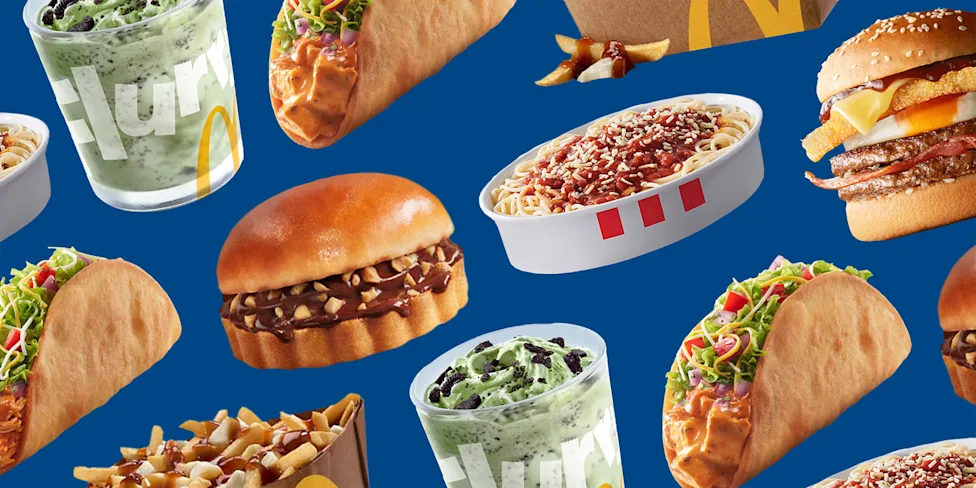
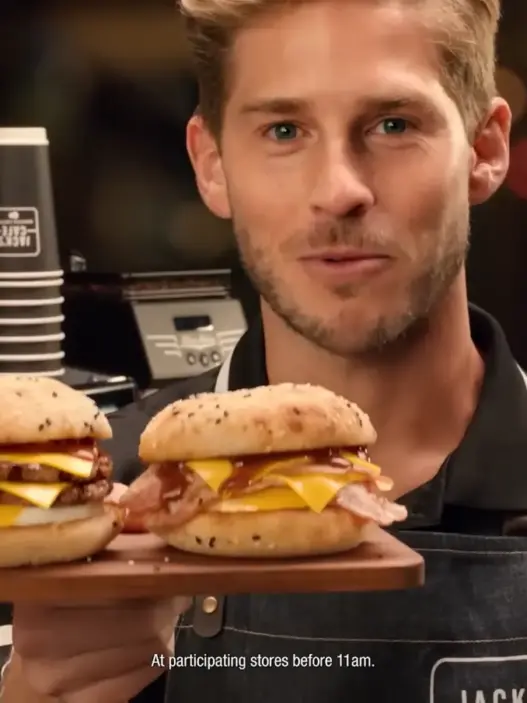
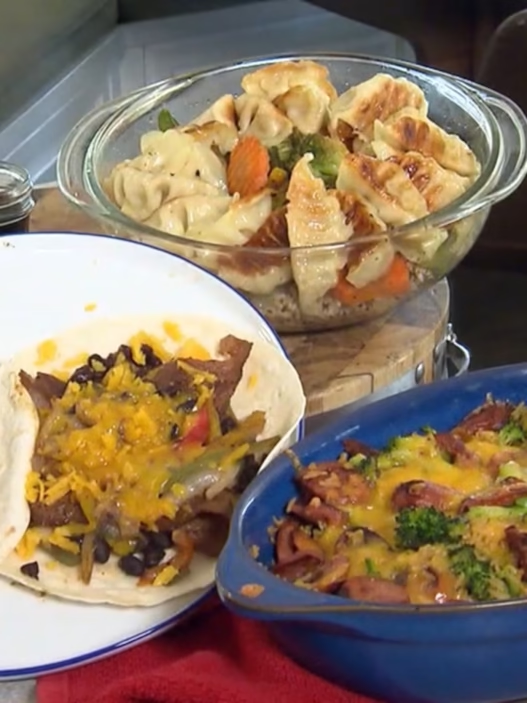
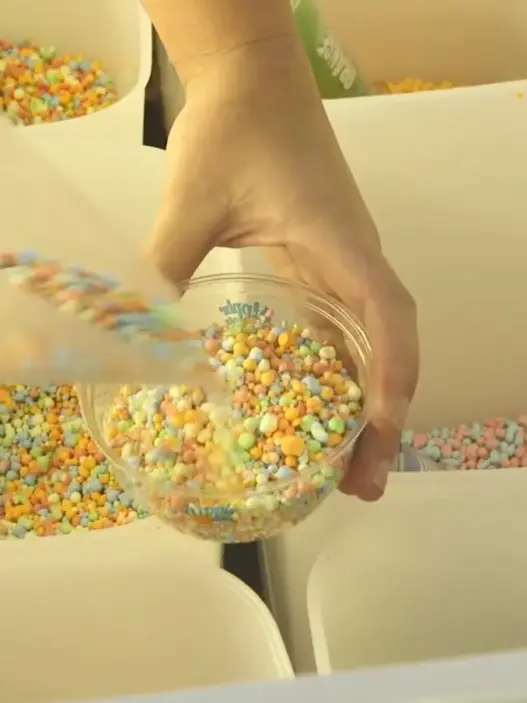
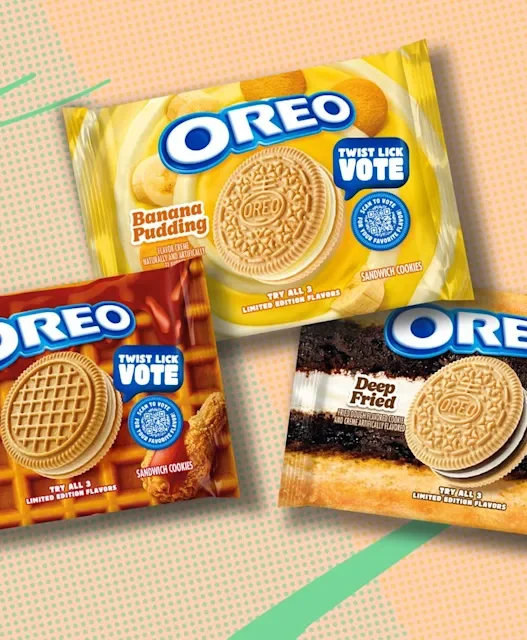
Think you know your favorite fast-food menu? Hand it a passport and suddenly all bets are off. The same chains serving burgers, fries and pizza across America often build completely different menus for customers overseas—and some of those creations make the U.S. originals look almost shy.
McDonald’s, Burger King, Domino’s and other global giants do not simply copy and paste the American menu into every market. They adapt to regional tastes, local ingredients, religious dietary standards and eating habits that can vary dramatically from country to country.
GLOBAL DRIVE-THRU
Fast Food Looks Different With A Passport
Explore more strange food history directly from Weird History Food, then bring a little international fast-food curiosity into your own kitchen.
Some links may be affiliate links. INYIM may earn from qualifying purchases.
The Same Logo Does Not Mean The Same Menu
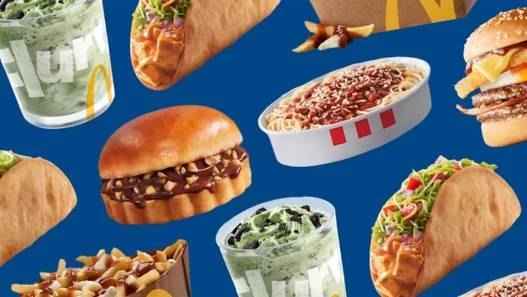
The result is a parallel fast-food universe filled with combinations American customers may never see at home. Familiar comfort food gets rebuilt around local flavor preferences, transforming recognizable chain recipes into something far more specific to the country ordering them.
Sometimes that means a pizza designed to resemble a reptile. Elsewhere, it can mean sweet-and-savory experiments that push chocolate into burger territory. The presentation may be playful, the ingredients unexpected and the final dish completely normal to the market where it was created.
That is the real fun of international fast food: it shows how quickly a supposedly standardized global brand changes when local customers get a say.
Why Global Chains Rewrite Their Recipes
Fast-food companies localize menus because familiarity alone is not enough. A chain may have a globally recognized name, but it still has to compete with regional dishes, established food traditions and customers who expect flavors that make sense where they live.
That can lead to different proteins, sauces, spice levels, side dishes and desserts. Even portion sizes and meal formats can shift. The brand remains recognizable, but the food becomes a negotiation between corporate identity and local appetite.
In America, the menu may feel like the original. Internationally, it is often just the starting point. Other countries take those familiar recipes, stamp them with their own tastes and occasionally create something that makes American diners wonder why the good stuff never crossed the border.
Watch Weird History Food Tour The World’s Strangest Fast-Food Menus
This episode travels beyond the standard American drive-thru to examine unusual international menu items from major global fast-food chains.
Source: Weird History Food.