

















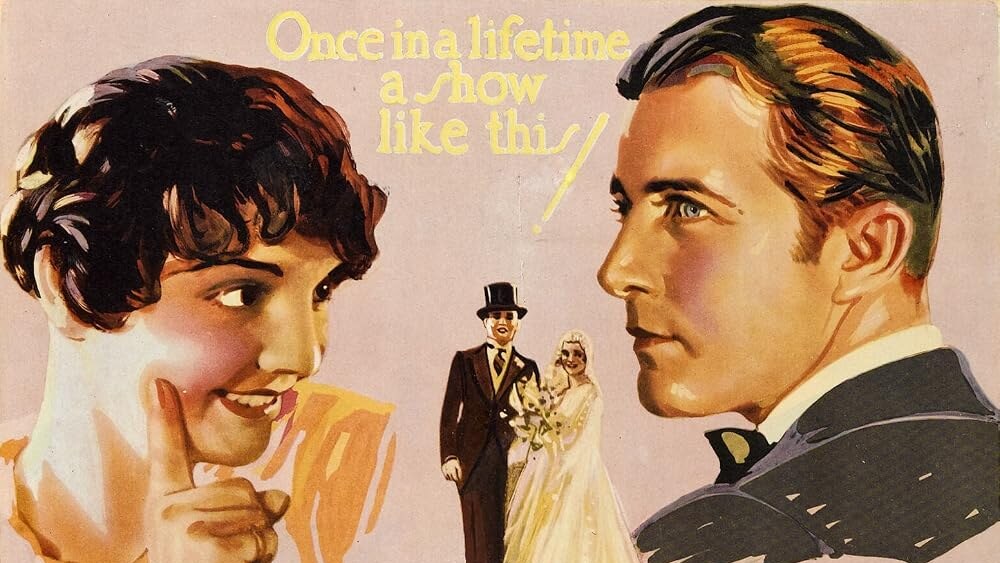
Before Hollywood Found Its Rhythm, This Technicolor Spectacle Went All In
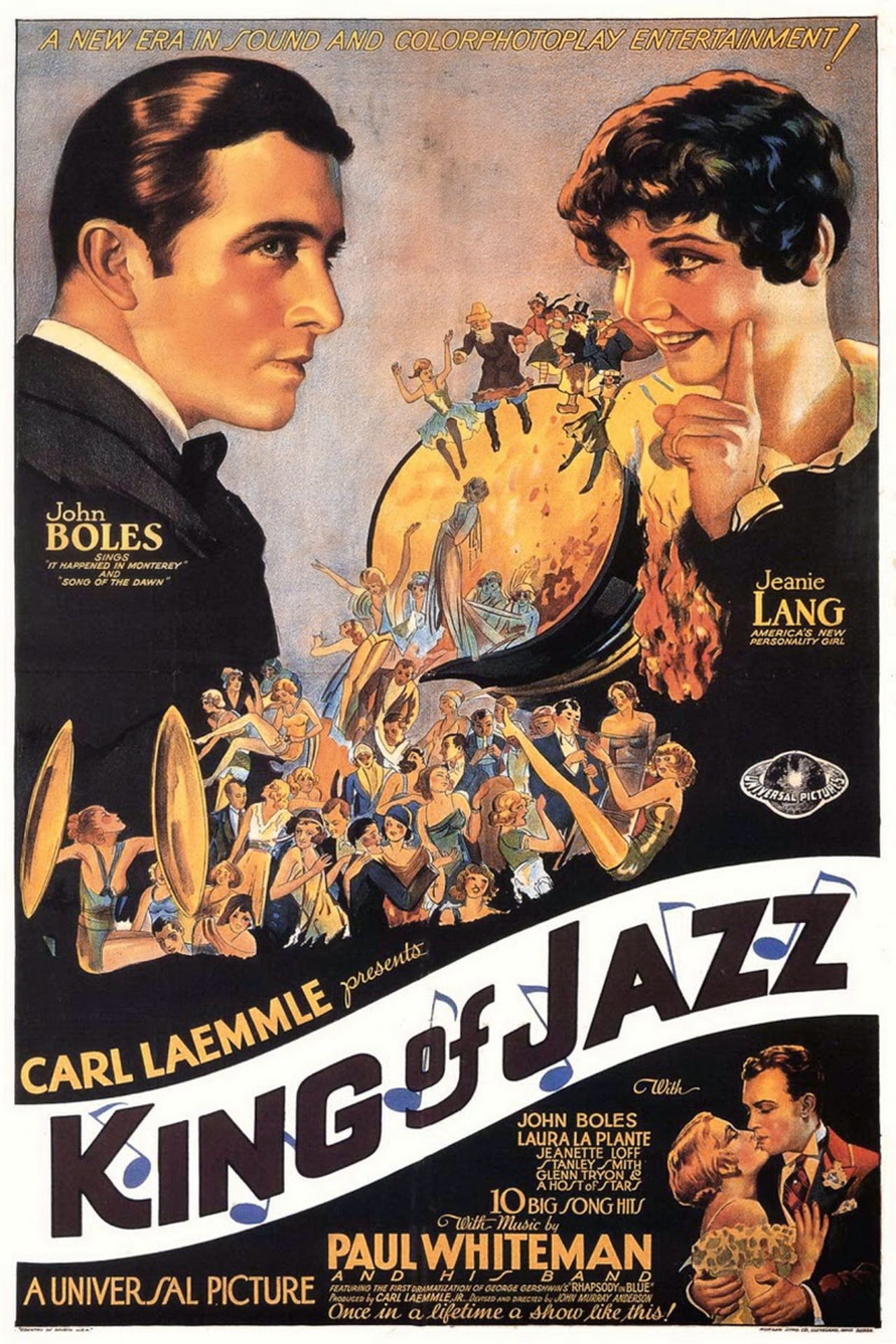
Throwing it way, way back Thursday! Before movie musicals settled into the formulas we know now, Universal Pictures went gloriously overboard with King of Jazz, the 1930 Technicolor revue built around bandleader Paul Whiteman and his orchestra.
Directed by Broadway showman John Murray Anderson, the film is less a traditional story than a giant cinematic variety show: musical numbers, comedy sketches, dancers, specialty acts, visual effects and animation all stacked together like Hollywood had just discovered the toy box and decided to dump the entire thing onto the floor.
KING OF JAZZ
Take the Technicolor Time Machine
Explore Criterion’s restored edition of this early Hollywood spectacle, then dig deeper into the film and Paul Whiteman’s music.
Some links may be affiliate links. INYIM may earn from qualifying purchases.
And technically, this thing was showing off. King of Jazz was photographed entirely in the early two-color Technicolor process, turning its elaborate sets, costumes and lighting into a strange, saturated dream world nearly a decade before Hollywood’s color musicals became commonplace.
The movie also contains a genuine animation milestone. Walter Lantz — years before Woody Woodpecker — created the animated material, including what the Academy of Motion Picture Arts and Sciences identifies as the first-ever Technicolor animation. So yes, tucked inside this already wildly ambitious musical revue is a little piece of animation history casually doing its thing.
The talent parade is equally delicious. Whiteman and his orchestra anchor the film, while The Rhythm Boys appear with a then-young Bing Crosby. The Academy identifies King of Jazz as Crosby’s big-screen debut. The film also makes room for John Boles, Laura La Plante, Jeanette Loff and a long list of stage and specialty performers.
Then comes one of the picture’s grandest swings: an enormous treatment of George Gershwin’s “Rhapsody in Blue,” a work already closely connected to Whiteman after he commissioned Gershwin to create it for his famous 1924 concert. The number gives the movie exactly the kind of scale it was chasing — orchestra, movement, spectacle and camera trickery piled high.
A 1930 Musical That Was Already Thinking Like a Blockbuster
Universal spent lavishly on King of Jazz, and although the film was not the hit its makers hoped for, the money is right there on the screen. Criterion describes it as one of the most extravagant and technically ambitious Hollywood productions of the early musical era, while the BFI points to its elaborate production numbers as a precursor to the kind of giant screen choreography later associated with Busby Berkeley.
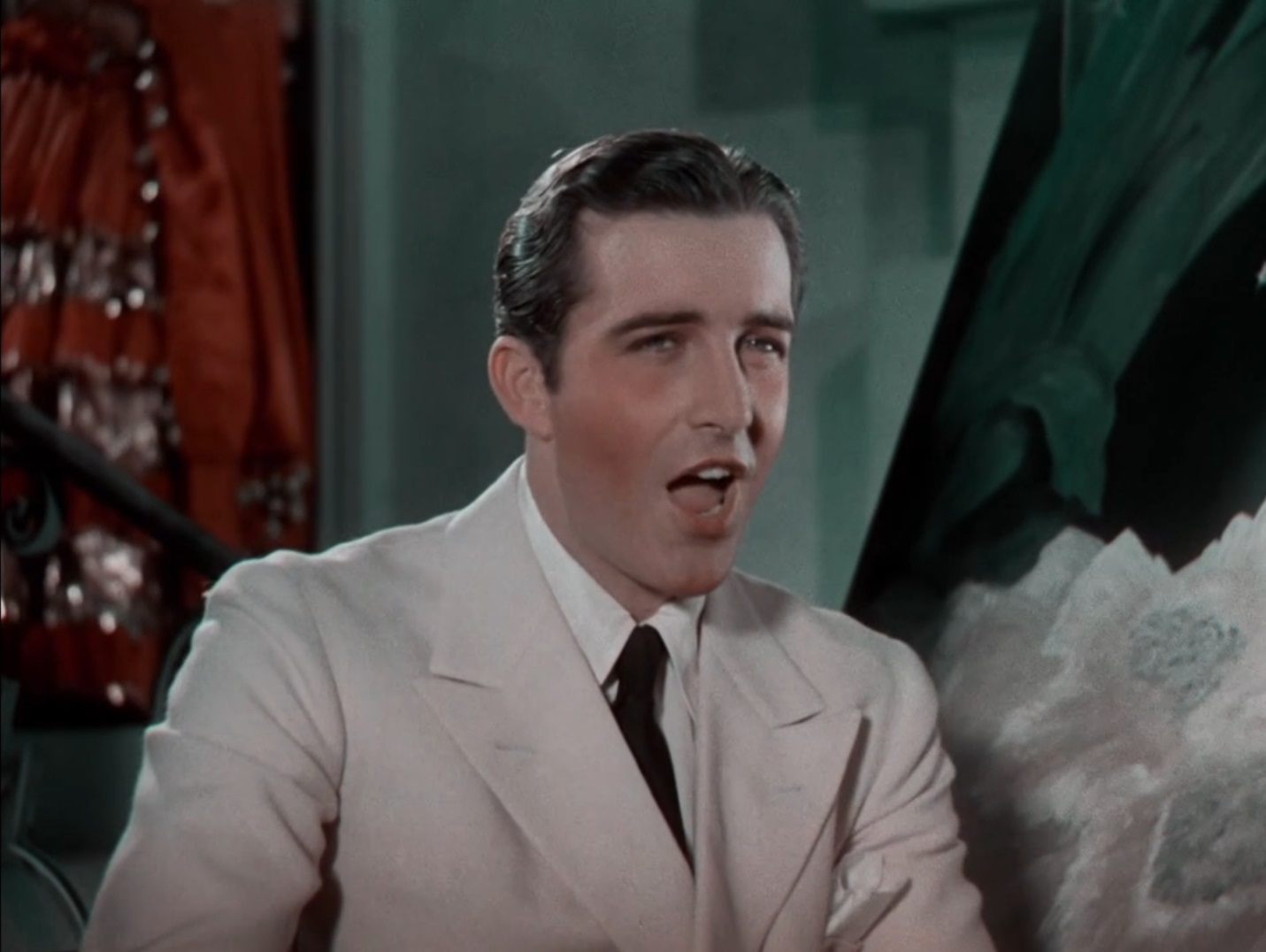
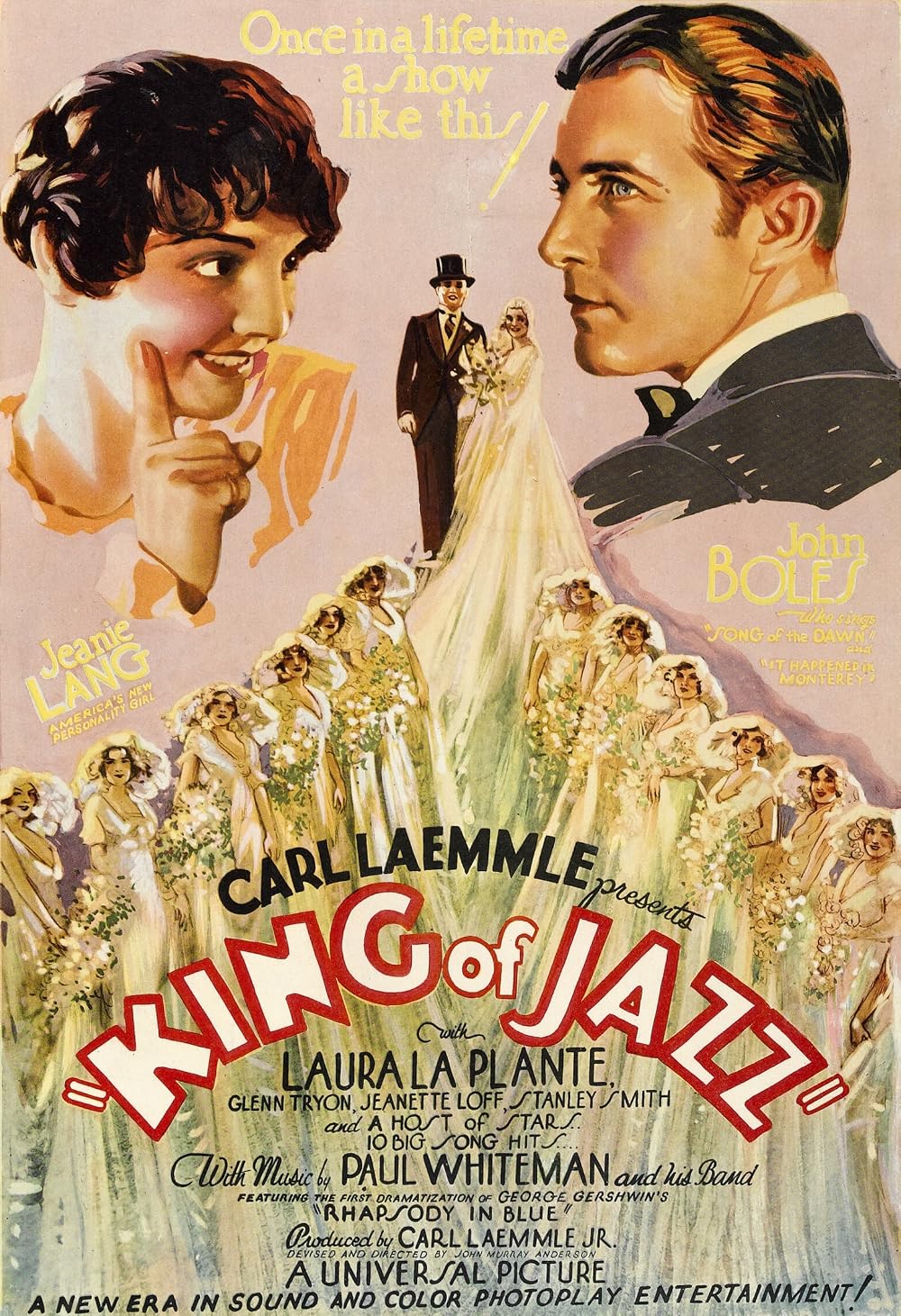
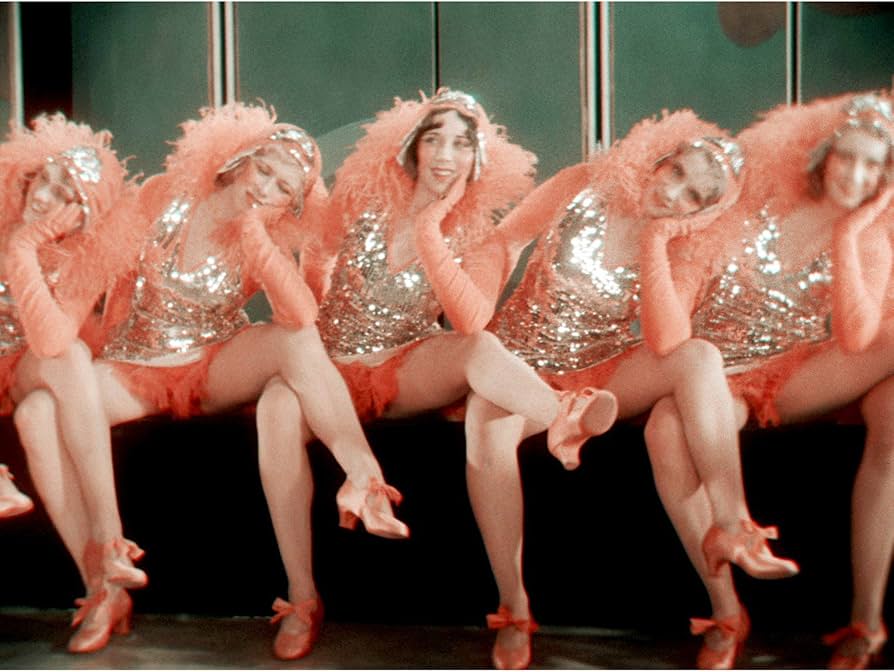
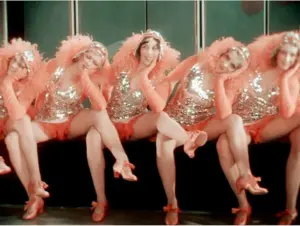
Artwork and imagery associated with John Murray Anderson’s 1930 musical revue King of Jazz.
The film’s legacy has grown considerably with time. It won the Academy Award for Art Direction, entered the National Film Registry in 2013, and eventually received a major Universal restoration that reconstructed the movie as closely as surviving materials allowed. Criterion released that restoration on Blu-ray and DVD in 2018.
There is also historical baggage worth acknowledging. Whiteman’s old “King of Jazz” nickname reflects the mainstream entertainment industry of its era more than the full story of jazz itself, a music rooted in Black American culture. Even the BFI notes that the film is very much of its time in its representation. Watching it now means getting both the dazzling technical ambition and the cultural blind spots preserved inside the same frame.
Still, as an artifact of what Hollywood thought the future looked like in 1930, King of Jazz is a fascinating beast: part stage revue, part animation experiment, part orchestral flex and part two-color fever dream. Ninety-six years later, it can still make you wonder what exactly everybody at Universal was drinking when they approved the budget — and whether there is any left.
See INYIM’s King of Jazz Throwback Clip
INYIM’s companion TikTok revisits the 1930 musical for this week’s Throwback Thursday selection.
For a cleaner look at the restored film itself, Criterion also shared a standalone scene from its restored edition, preserving the early-Technicolor image in considerably better shape than audiences had been able to see for decades.
Watch Criterion’s Restored Scene From 1930’s King of Jazz
Criterion’s 2018 upload, “A Scene from THE KING OF JAZZ,” presents a clip from the restored Universal musical revue starring Paul Whiteman and his orchestra.
Source: The Criterion Collection; Academy of Motion Picture Arts and Sciences; BFI.