




















Albert Hammond Jr. Still Sounds Like The Strokes’ Biggest Believer
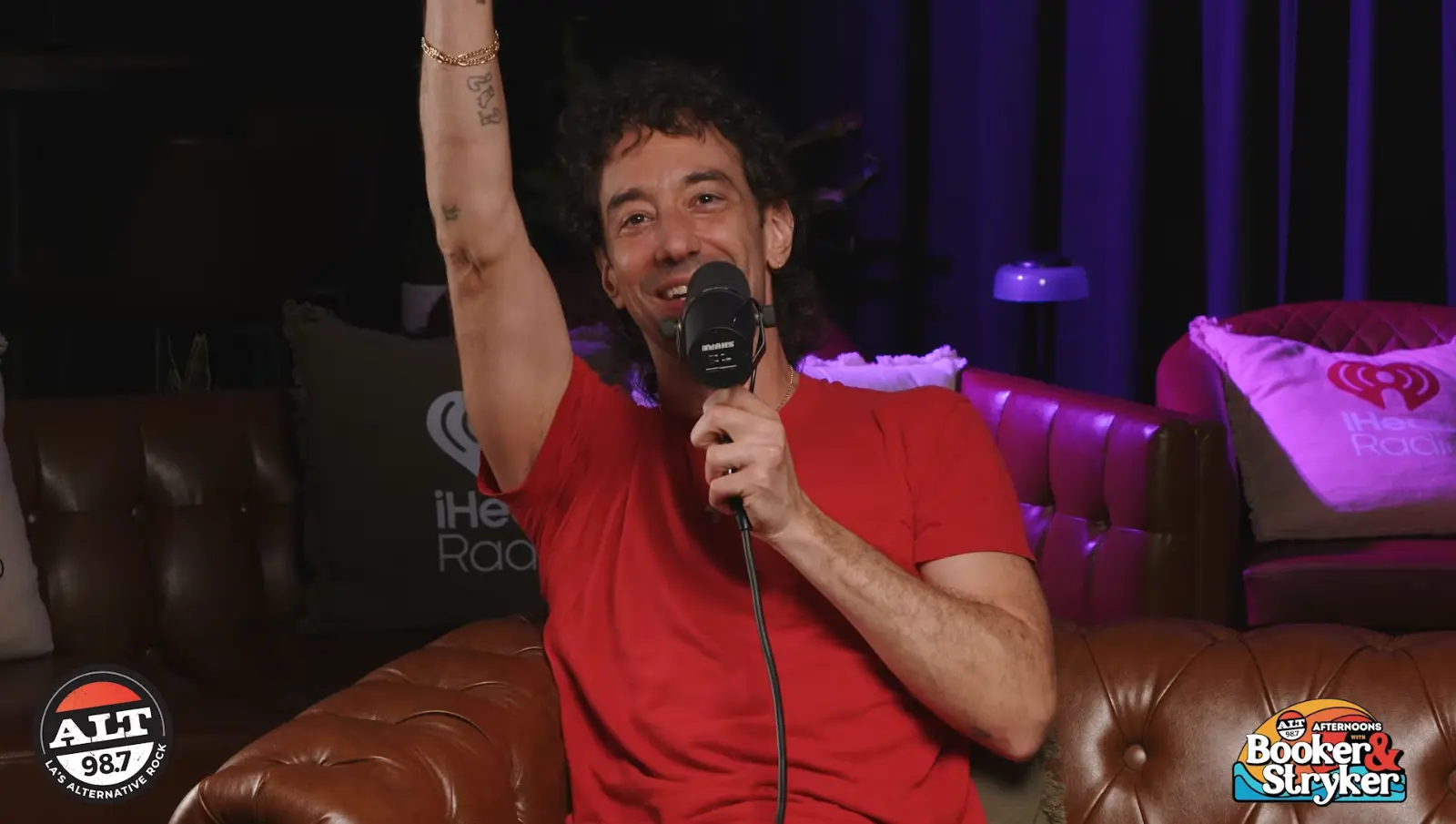
Image: KROQ
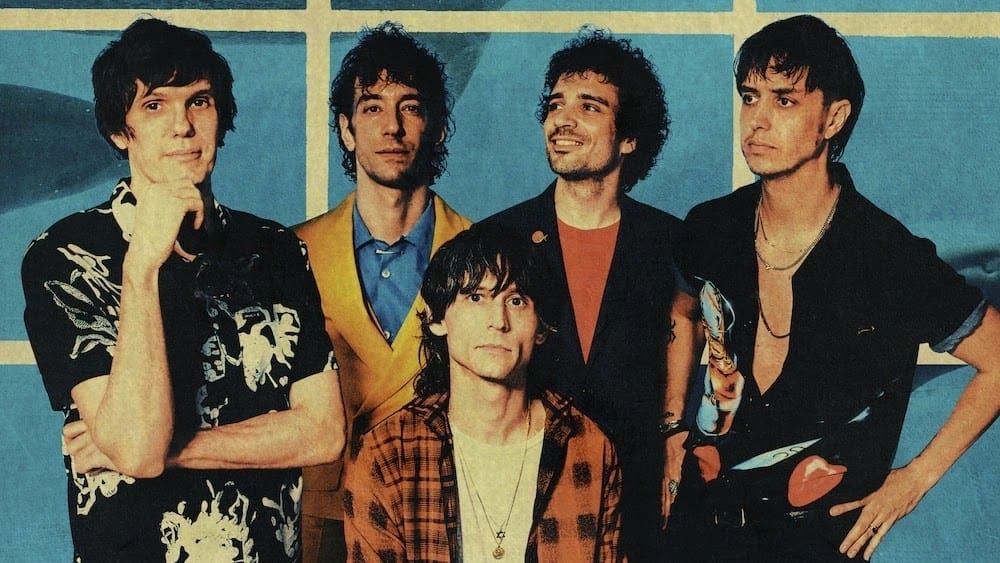
Rock master Albert Hammond Jr. is doing what Albert does best: talking about The Strokes with the enthusiasm of someone who still seems genuinely fascinated by the band he helped build.
In a new KROQ conversation ahead of The Strokes’ headlining appearance at Just Like Heaven, Hammond Jr. digs into the group’s long evolution, their new album Reality Awaits, working with Rick Rubin and the beautifully strange machinery of being a band that has now existed for more than a quarter-century.
Discover More
Inside The Strokes Universe
Albert Hammond Jr. is talking new music, old eras and the band’s latest chapter. Revisit The Strokes catalog while Reality Awaits keeps the story moving.
Some links may be affiliate links. INYIM may earn from qualifying purchases.
One of the more revealing moments comes when Hammond describes The Strokes as a slow-moving, “weird art band” — a pretty perfect description for a group whose entire mythology began with the illusion that everything came naturally and effortlessly, even while the music itself became increasingly more complicated.
The band’s latest record, Reality Awaits, arrived July 24 as their seventh studio album and their first full-length since the Grammy-winning The New Abnormal. Hammond has spoken openly about how much he enjoys this chapter, and that energy comes through whenever he talks about the band’s future: less “legacy act,” more musicians still trying to figure out what else they can become.
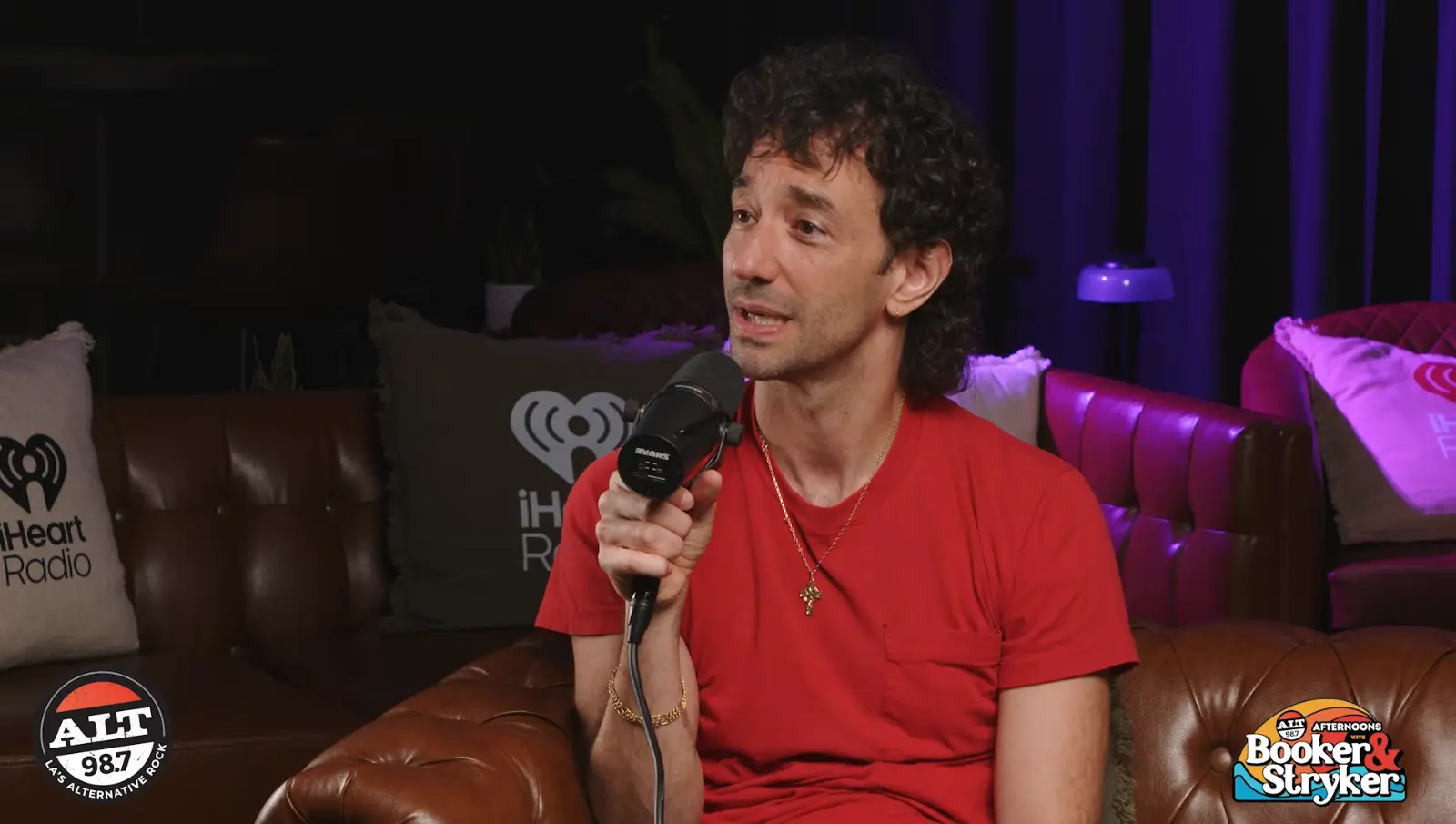
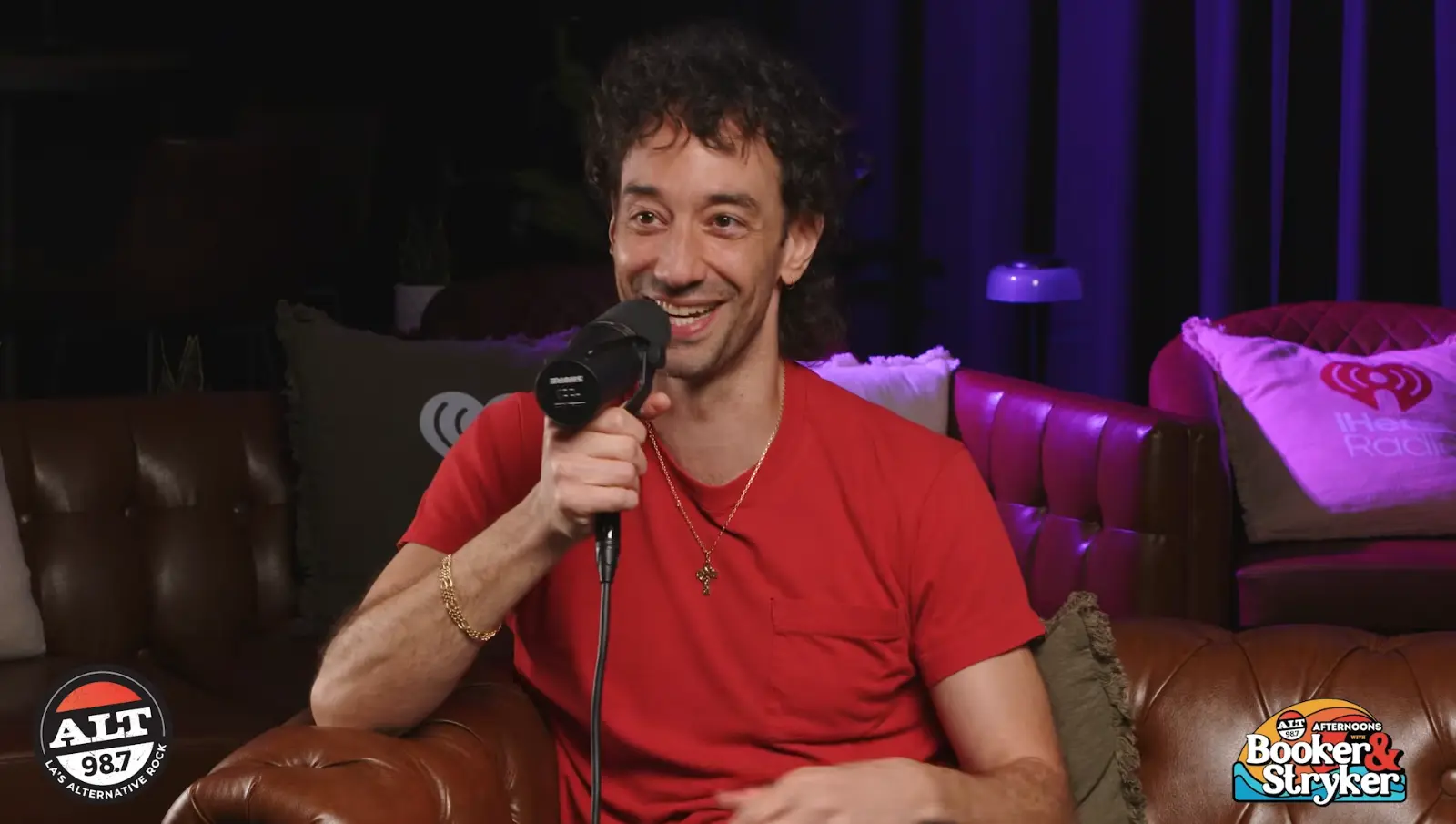
Rick Rubin is naturally a big part of that story. Hammond discusses the unusual recording process behind Reality Awaits, including sessions in Costa Rica where the band was hauling gear around an environment very far removed from the New York rooms that shaped their earliest records.
That relationship with Rubin has become important to The Strokes’ later-period identity. The producer first worked with them on The New Abnormal, and Hammond’s recent conversations make clear that the collaboration helped unlock a different kind of band dynamic — one less interested in recreating the past than seeing what happens when five musicians with an enormous shared history keep pushing against each other.
Hammond also looks back on the group’s earlier eras with none of the exhaustion you sometimes hear from musicians discussing the records that made them famous. In a recent long-form conversation with Rubin, he revisited songs from across The Strokes’ catalog, tracing the nervous energy of Is This It through the band’s increasingly adventurous later work.
That perspective may be why Albert remains such a compelling spokesperson for the group. He can talk about nostalgia without becoming trapped by it. He understands what those first records mean to people, but he also sounds far more interested in what the band has not figured out yet.
Then there is the festival question. The Strokes have spent a major part of 2026 on large stages — including Coachella, Outside Lands and Just Like Heaven — and Hammond talks about how that scale changes the relationship between band and audience. For a group once defined by cramped clubs and detached cool, hearing thousands of people shout newer songs back at them is its own kind of evolution.
Maybe that is the real through-line here: The Strokes are old enough to have a mythology, but Albert Hammond Jr. still talks about them like an unfinished project. After all these years, that may be the healthiest possible place for a rock band to be.
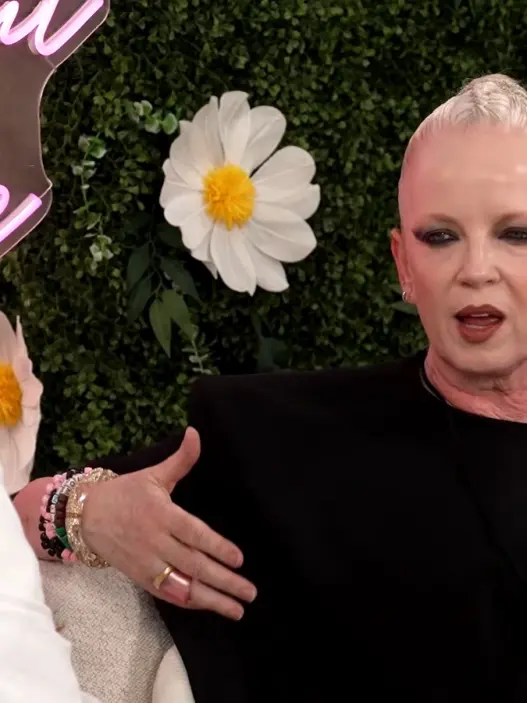
Watch Albert Hammond Jr. Talk The Strokes, Rick Rubin and Just Like Heaven on KROQ
On KROQ’s Klein. Ally. Show., Hammond Jr. discusses Reality Awaits, recording with Rick Rubin, The Strokes’ evolution and their Just Like Heaven festival appearance.
Source: KROQ; Tetragrammaton.