
















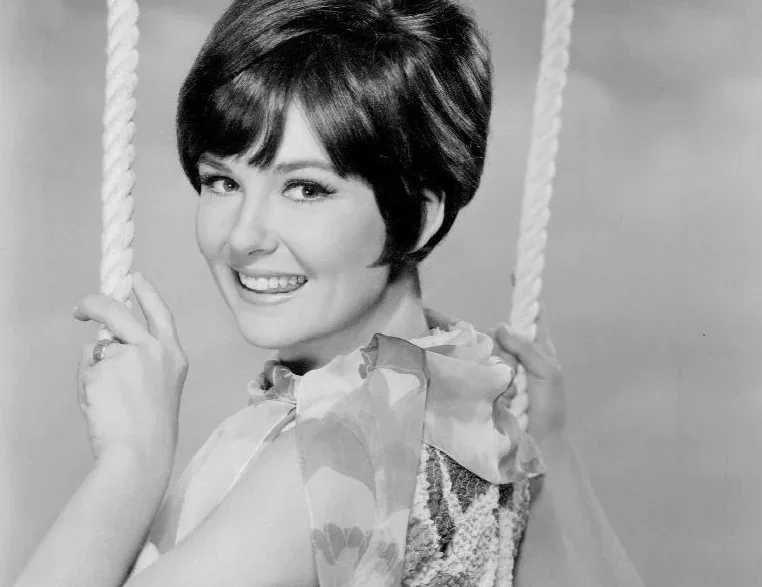
A sitcom daughter, a No. 1 pop hit and a lifetime on television
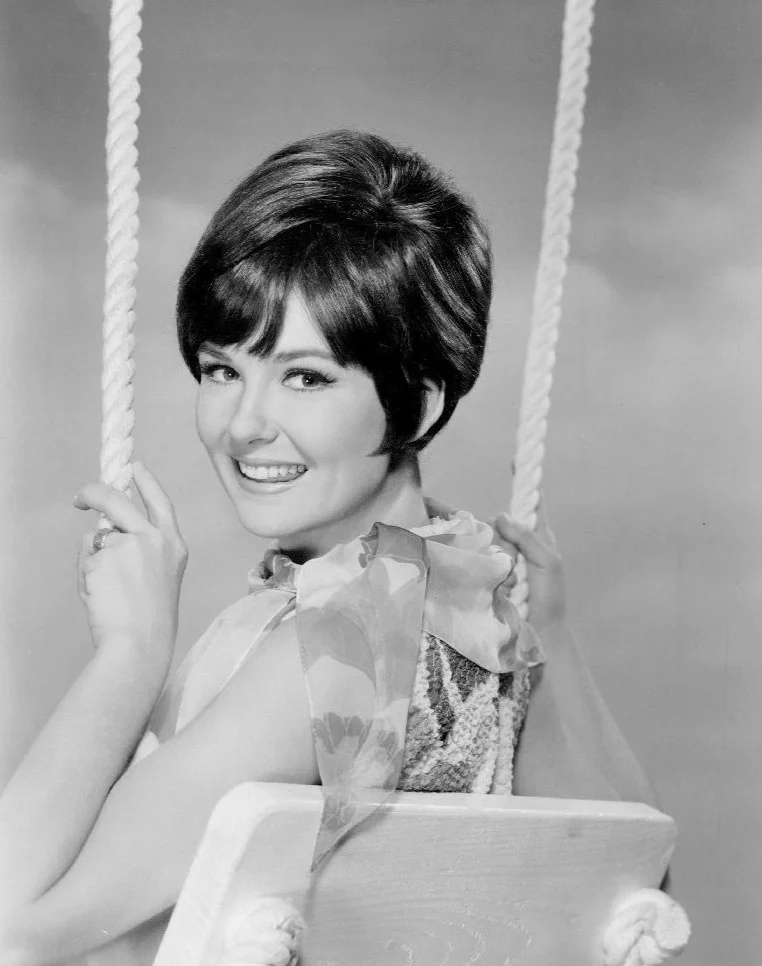
Gone but never-ever forgotten. R.I.P. Shelley Fabares.
There really was only one. Shelley Fabares, the actress who grew up in front of America as Mary Stone on The Donna Reed Show and then somehow found herself sitting at the top of the Billboard Hot 100 with “Johnny Angel,” has died at age 82.
Fabares died Saturday, August 22, 2026, in Los Angeles, surrounded by loved ones, according to her family. Across a career that stretched from child performer to teen idol to Emmy-nominated sitcom star, she became one of those familiar television faces who seemed to belong to several generations at once.
REMEMBERING SHELLEY
Revisit the voice behind “Johnny Angel.”
From Shelley’s 1962 pop breakthrough to the television role that introduced the song, revisit a little of the music and nostalgia she left behind.
Some links may be affiliate links. INYIM may earn from qualifying purchases.
Mary Stone Sang “Johnny Angel” — Then America Sent It To No. 1
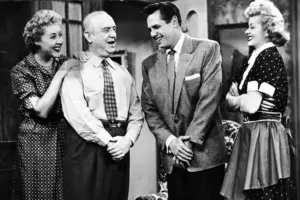
For music fans, the forever moment came in 1962. Fabares was already famous as Mary Stone, Donna and Alex Stone’s teenage daughter on The Donna Reed Show, when the series worked singing into Mary’s storyline.
In the February 1, 1962 episode “Donna’s Prima Donna,” Mary considers putting college aside to pursue singing. During the episode, Fabares performs “Johnny Angel.” What could have remained a charming sitcom moment instead escaped the television set and became a genuine pop phenomenon.
The Colpix single climbed all the way to No. 1 on the Billboard Hot 100 on April 7, 1962, holding the top spot for two weeks. Suddenly the young actress playing America’s TV daughter also had one of the biggest songs in the country.
That crossover still feels wonderfully strange. Fabares never built her identity around being a singer in the way many teen idols did, yet “Johnny Angel” became inseparable from her name. More than six decades later, those opening notes can still transport you straight back to black-and-white television, bedroom radios and a very specific kind of early-’60s teenage longing.
Shelley Fabares Was Much More Than One Perfect Pop Record
And as enormous as “Johnny Angel” became, Fabares’ real home was acting. She began working as a child and became a national favorite on The Donna Reed Show, where her run as Mary Stone established the warm, funny screen presence that would follow her for decades.
Hollywood came calling, too. During the 1960s she co-starred opposite Elvis Presley in three films — Girl Happy in 1965, Spinout in 1966 and Clambake in 1967. She later appeared in the acclaimed 1971 television movie Brian’s Song and became a regular television presence through projects including One Day at a Time.
Then another generation discovered her on Coach. As Christine Armstrong, the television news anchor who becomes Hayden Fox’s wife, Fabares spent years opposite Craig T. Nelson and earned two Emmy nominations. The role proved what her longtime viewers already knew: she could grow beyond the ingenue years without losing that unmistakable Shelley warmth.
Offscreen, Fabares was married to M*A*S*H actor Mike Farrell from 1984 until her death. Her family’s remembrance focused not only on the career but on the woman they knew — someone remembered for kindness, strength, humor and the relationships she built away from the cameras.
That feels like the right way to remember her. Yes, there was the television history. Yes, there were Elvis movies, decades of roles and Emmy recognition. But somewhere in the middle of all that sits a teenage girl on a sitcom, singing about Johnny Angel — and accidentally creating a record that would still be playing when she was gone.
There was only one Shelley Fabares. And “Johnny Angel” will forever be hers.
Watch Shelley Fabares Perform “Johnny Angel” on The Donna Reed Show
The performance comes from the February 1, 1962 episode “Donna’s Prima Donna”; just over two months later, “Johnny Angel” reached No. 1 on the Billboard Hot 100.
Sources: Associated Press; The Hollywood Reporter; Billboard chart history; Wikimedia Commons; The Donna Reed Show.