




















Ancient whispers beneath English villages turn out to be true — revealing a hidden world carved below centuries of history
For generations, villagers in places like Bloxham, Oxfordshire have traded stories about mysterious passageways running beneath their feet — the kind of folklore you hear in pubs, passed down with a wink and a pint. Secret tunnels. Hidden chambers. Escape routes carved into the earth by hands long gone.
Bloxham’s village myths just opened a door underground
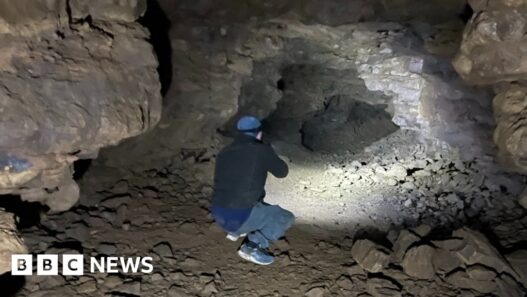
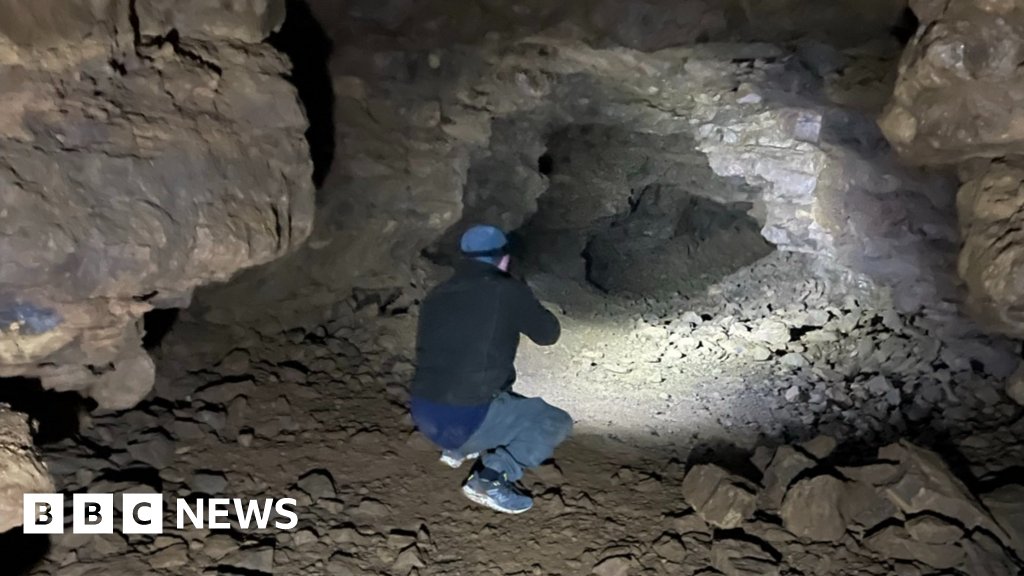
What sounded like pub folklore is now stone-lined passageway, carved mystery, and buried English history waiting beneath gardens, lanes, and village memory.
Most people chalked it up to myth. But now? The myths are answering back.
Recent discoveries have confirmed that those old tales weren’t just imagination. Beneath these quiet English villages lie narrow, stone‑lined tunnels, some dating back hundreds and hundreds of years, threading silently below gardens, lanes, and churchyards. What once lived only in whispered legend is now being mapped, measured, and understood.
And the picture emerging is far richer — and stranger — than anyone expected.
These aren’t random holes in the ground. They’re part of a widespread, deliberate tradition of subterranean building across Britain. Medieval tunnels in Wales. The enigmatic fogous of Cornwall — ancient underground passages whose purpose still sparks debate. Hidden routes beneath abbeys, manor houses, and market squares.
Suddenly, Bloxham’s discovery feels less like an anomaly and more like a missing puzzle piece.
Theories swirl, as they always do. Were these tunnels escape routes during periods of religious persecution? Secret walkways for clergy? Smuggler paths? Or simply a way to move unseen in a world where danger often arrived at your door?
Whatever their purpose, one thing is clear: the ground beneath Britain is far from silent. It’s layered with stories — carved in stone, sealed in darkness, and waiting centuries for someone to listen.