

















Before The Final, Meet The Teenager Carrying Spain’s New Mythology
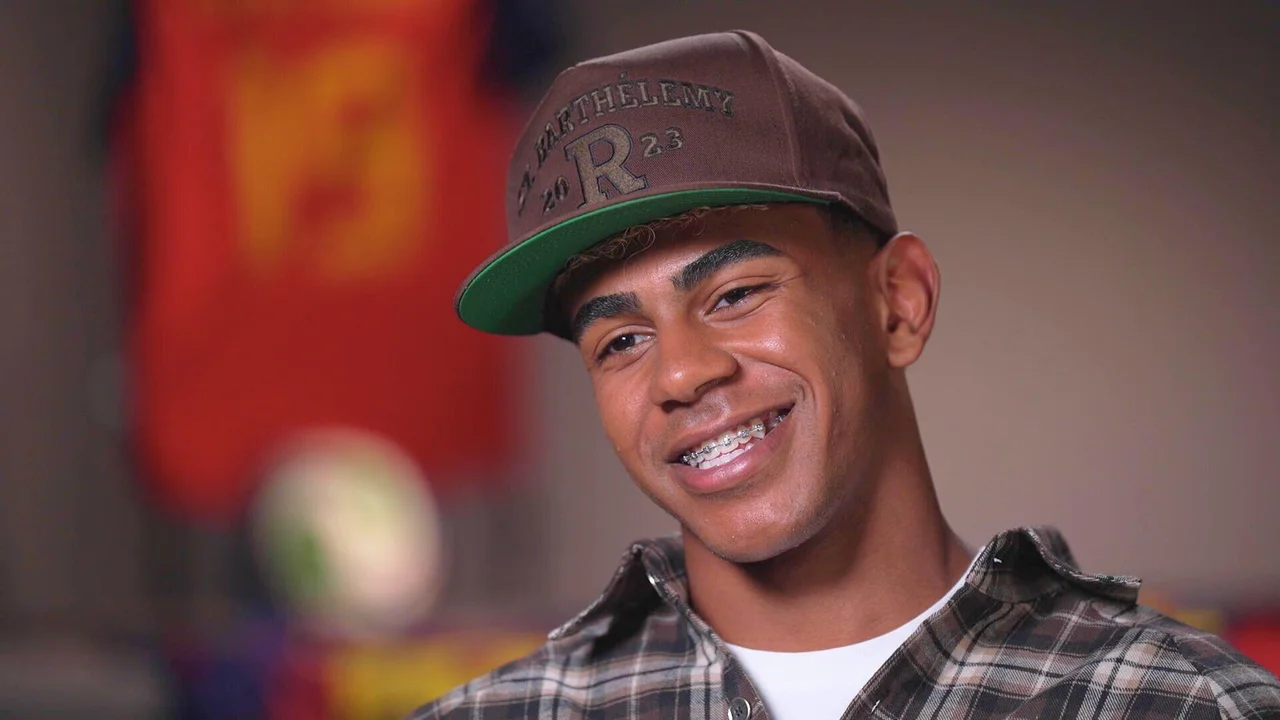
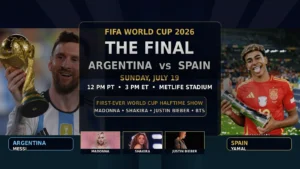
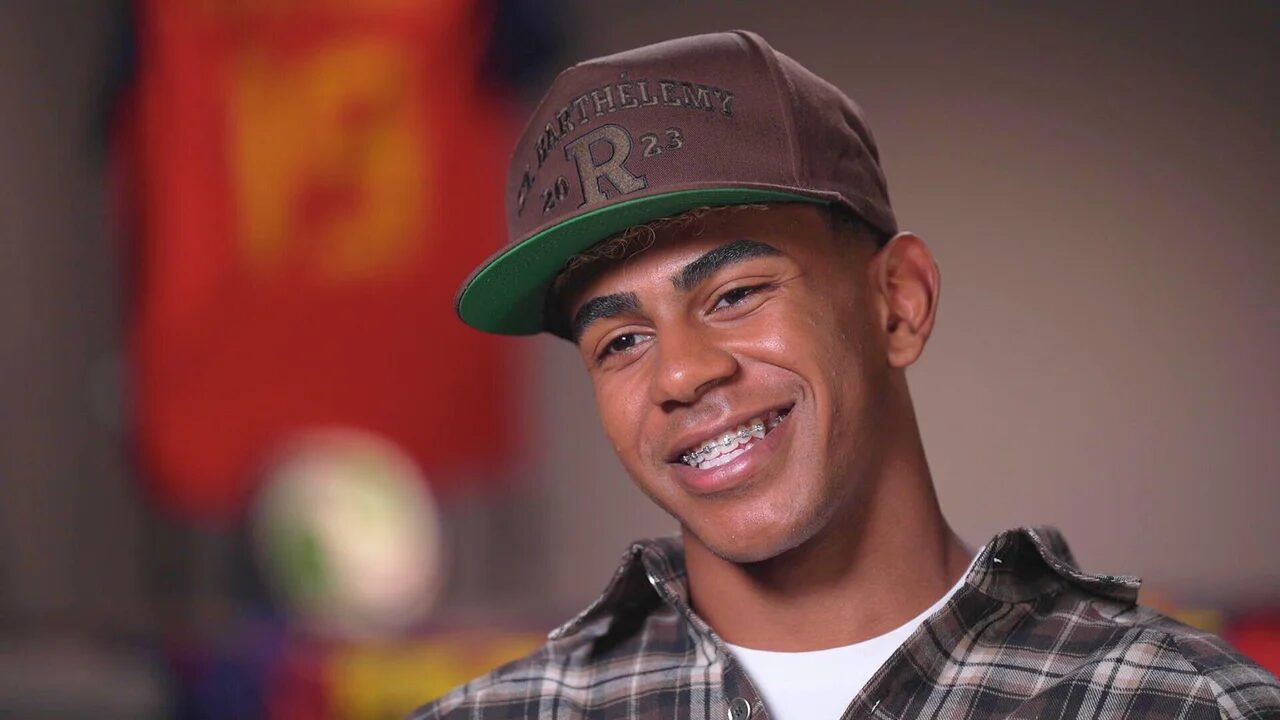
Are you winding down from the nearly two-month soccer extravaganza? You may have heard of it: the World Cup. As we gear up for Sunday’s final, INYIM is looking back at Lamine Yamal: The 60 Minutes Interview—a profile that does much more than repeat the obvious fact that the kid can play.
At just 18 years old, Yamal entered this tournament as one of world football’s biggest attractions: a Barcelona winger, a European champion, a Ballon d’Or runner-up and the teenager regularly cast as Lionel Messi’s heir. The interview lets him answer that pressure in his own words rather than through another round of breathless highlight clips.
His first answer says plenty about the player underneath all the hype. Asked to name his soccer superpower, Yamal does not say speed, dribbling or vision. He says he wants to “brighten people’s day”—to make someone arrive sad, watch him play and leave happier than they were before. That is not bad mission-statement work from someone still wearing braces.
Discover More
Enter Lamine Yamal’s Football World
Explore the official source and related picks curated around this story.
Some links may be affiliate links. INYIM may earn from qualifying purchases.
The football itself gets the proper dramatic treatment. Veteran broadcaster Ray Hudson calls Yamal “extremely, extremely, extremely good,” compares him to a dragonfly and describes defenders as practically needing a ticket to get back into the stadium after he sends them the wrong way. Purple? Absolutely. Incorrect? Not particularly.
What Hudson sees is the same thing Yamal learned much earlier on the concrete pitch in Rocafonda, the working-class immigrant neighborhood outside Barcelona where he grew up. Yamal was born in Spain to a Moroccan father and an Equatorial Guinean mother, and the profile traces his style back to those early games against older kids, where surprise and improvisation mattered as much as the score.
He remembers people sitting on walls around the pitch and says there was no better feeling than making them stand up, laugh at an opponent or react to something nobody expected. Today the stadiums are larger and the defenders are elite professionals, but the instinct is unchanged: make something happen, make the crowd move and leave somebody looking slightly foolish.
Rocafonda is also built into Yamal’s goal celebration. The 304 hand sign points back to the neighborhood’s 08304 postal code, turning every goal into a small public dedication to home. The episode visits the area, the makeshift pitch and the LY304 café run by his uncle Abdul, who remembers teaching Yamal how to tie his shoes before the whole world learned his name.
Barcelona noticed him almost absurdly early. Club scouts spotted Yamal at six years old, and he soon began traveling to La Masia, Barça’s celebrated youth academy. By 15, he was making his professional debut and becoming the youngest player in the club’s history. The interview frames that rise not as one sudden miracle but as years of obvious, escalating promise.
Then there is the Messi question, because there is always a Messi question. Yamal handles it without pretending the comparison does not exist. He calls Messi the best in history and says there would be mutual respect if they ever met on the field, but he also draws a clean boundary: he does not want to be Messi; he wants to follow his own path.
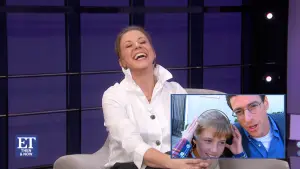
The mythology gets even stranger when 60 Minutes revisits a 2007 UNICEF calendar photo shoot. Photographer Joan Monfort captured a 20-year-old Lionel Messi posing with a three-month-old baby and his mother. That baby, impossibly, was Lamine Yamal. At the time it was a charity calendar image. In hindsight it looks like football staged its own prophecy and forgot to tell anybody.
Years later, Yamal would inherit Barcelona’s iconic number 10 shirt, the same number associated with Messi. Asked whether the expectations are arriving too fast, Yamal gives one of the interview’s sharpest answers: if someone offered you the chance to become the boss at work, would you say no because it was happening too quickly? Exactly.
The fame section is less glossy. Yamal says he likes being a star, but also admits there is almost no version of a normal 18-year-old life available to him. Paparazzi wait outside his home, children wear his jersey and even a simple drink or meal can turn into a public event. His escape routes are wonderfully ordinary: video games and time with his younger brother.
And who tells the global superstar no? Apparently, almost everyone around him. Yamal jokes that his circle blocks plenty of his plans, but when asked who he actually listens to, the answer comes quickly: his mother. That may be the most reassuring scouting report in the entire segment.
The interview also gives proper screen time to his signature braces. Asked whether they might come off before the World Cup, Yamal says that decision belongs to his dentist—and adds that he thinks they suit him. Somewhere between the Ballon d’Or talk, number 10 pressure and global celebrity, the teenager still has enough ease to make orthodontics part of the brand.
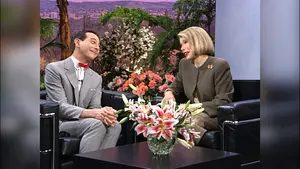
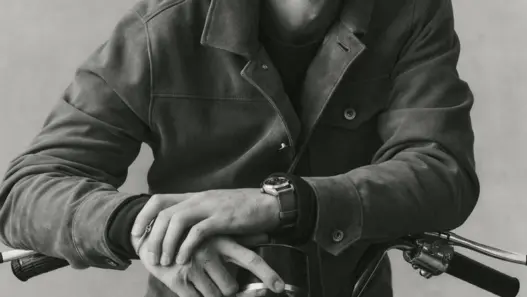
Lamine Yamal’s 60 Minutes Story In Six Frames
The interview moves from Yamal’s teenage confidence and Rocafonda roots to the historic Messi photograph, Barcelona pressure, fame and his World Cup ambitions.
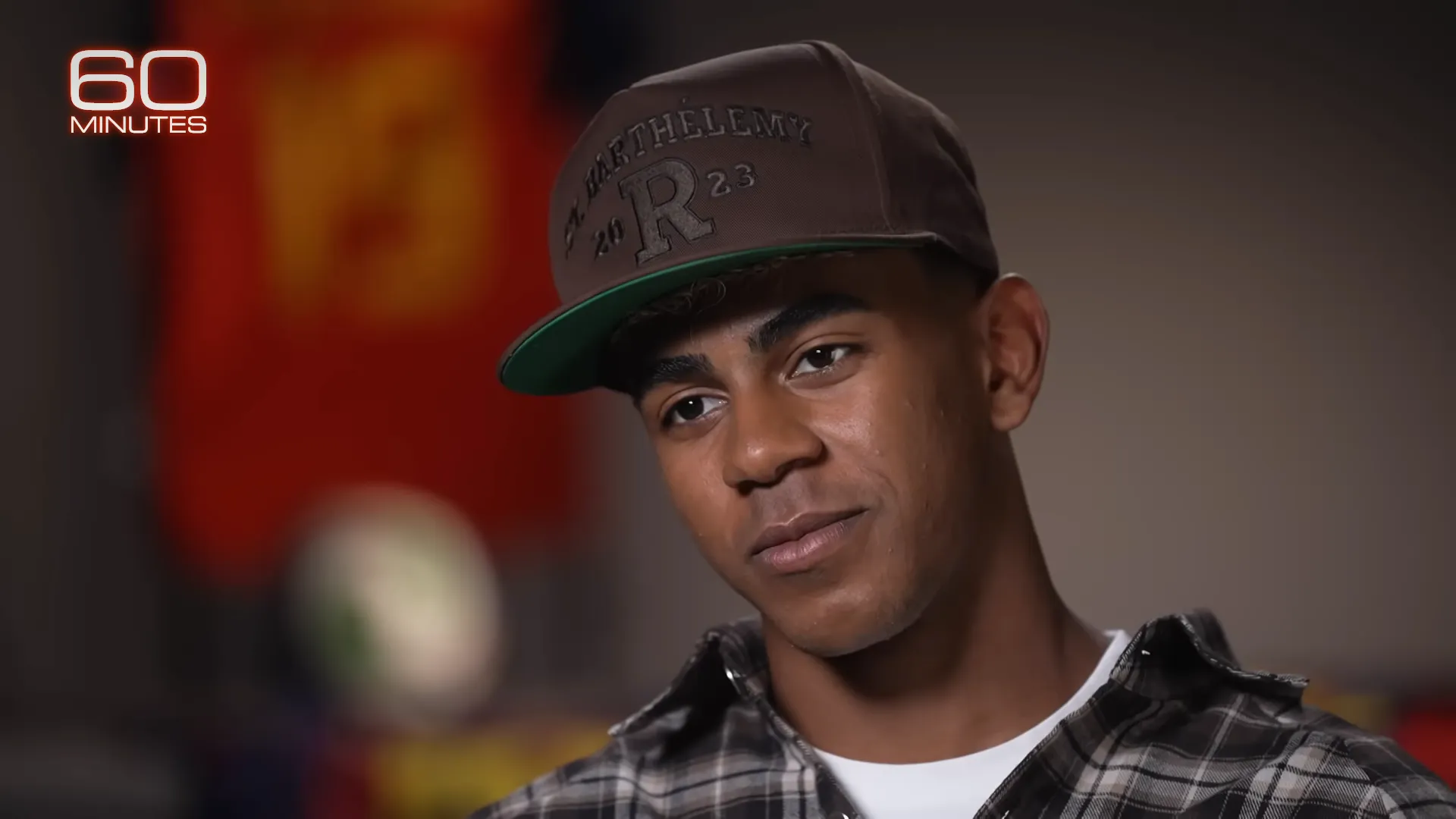
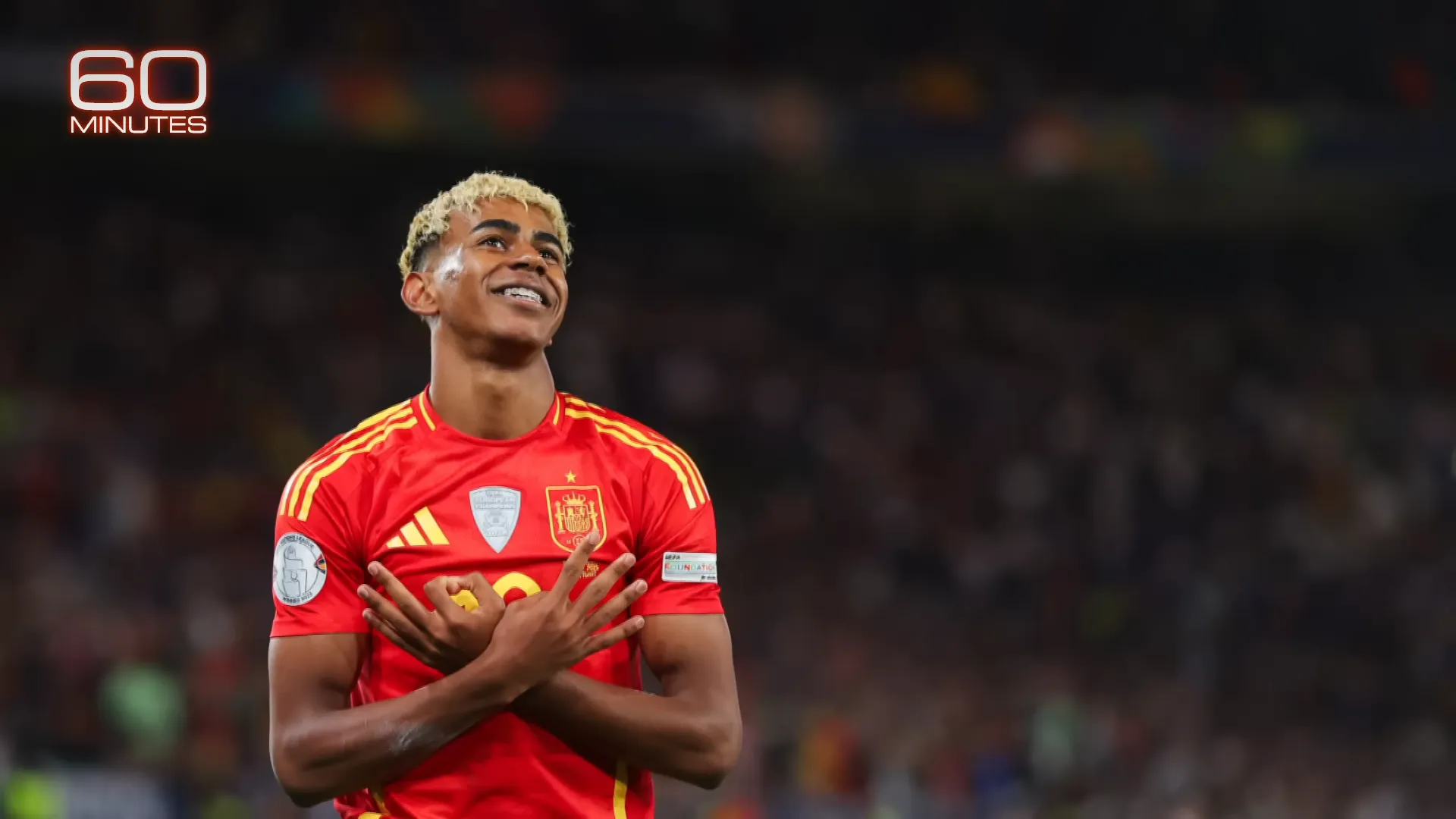
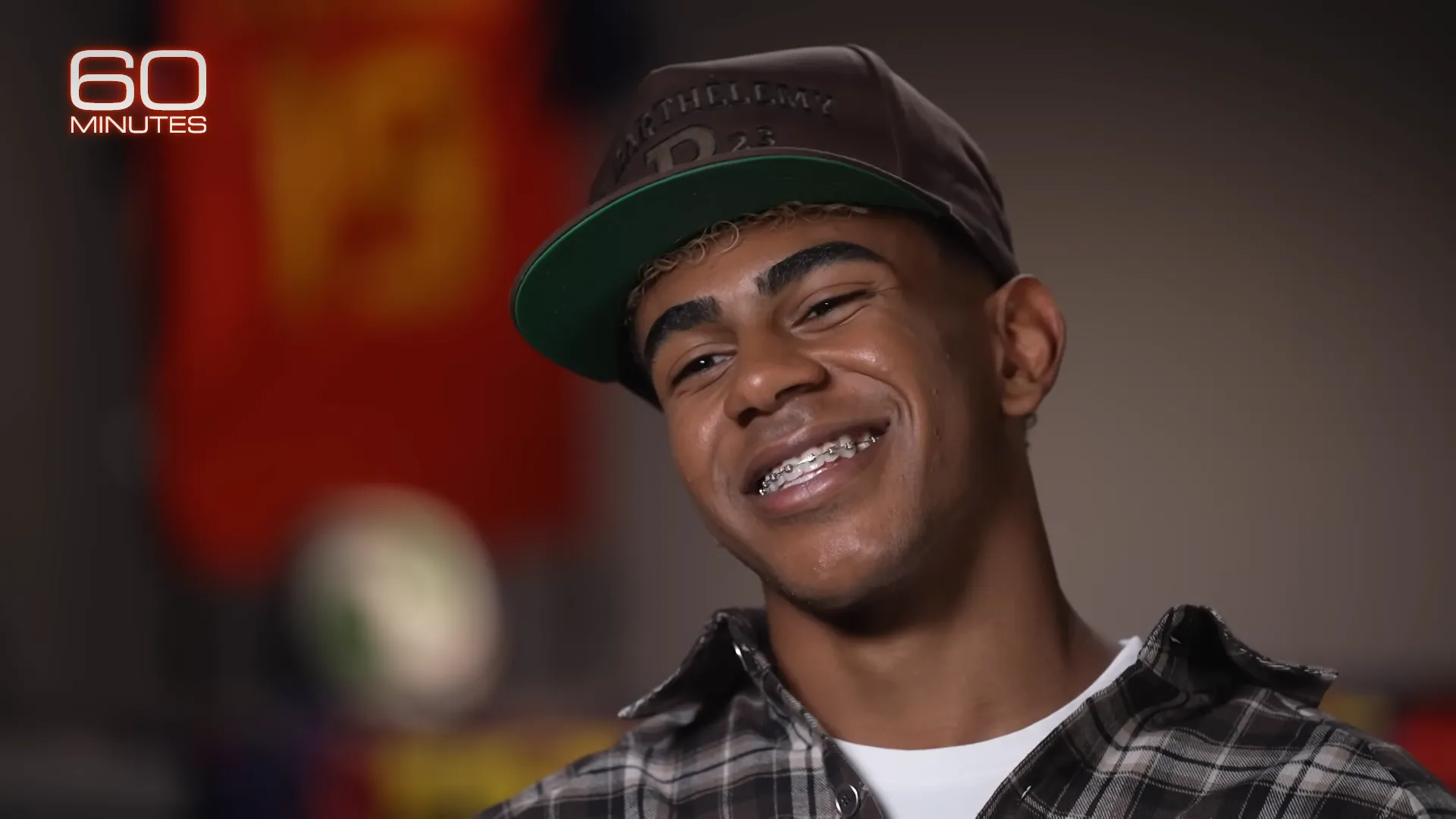
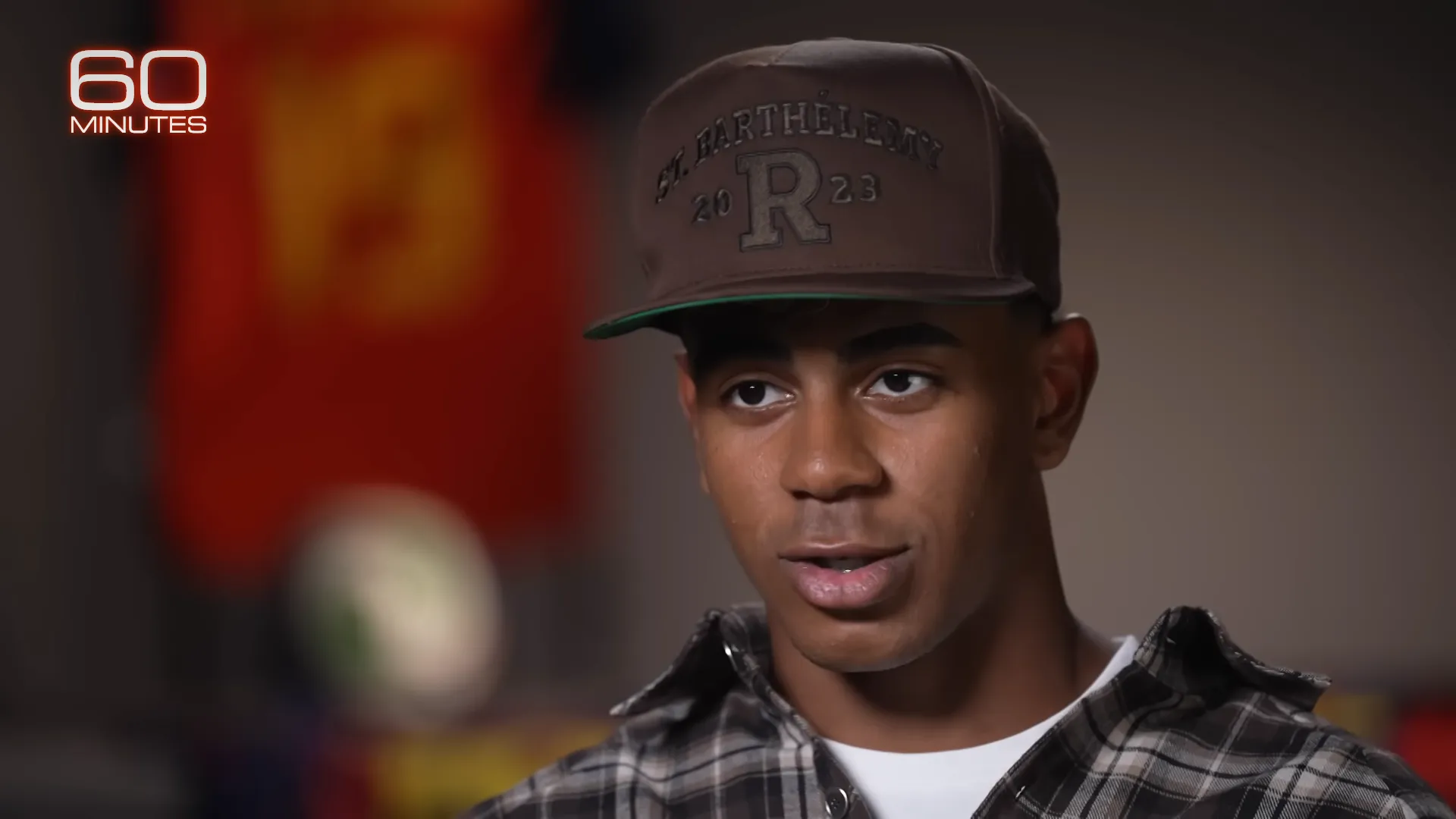
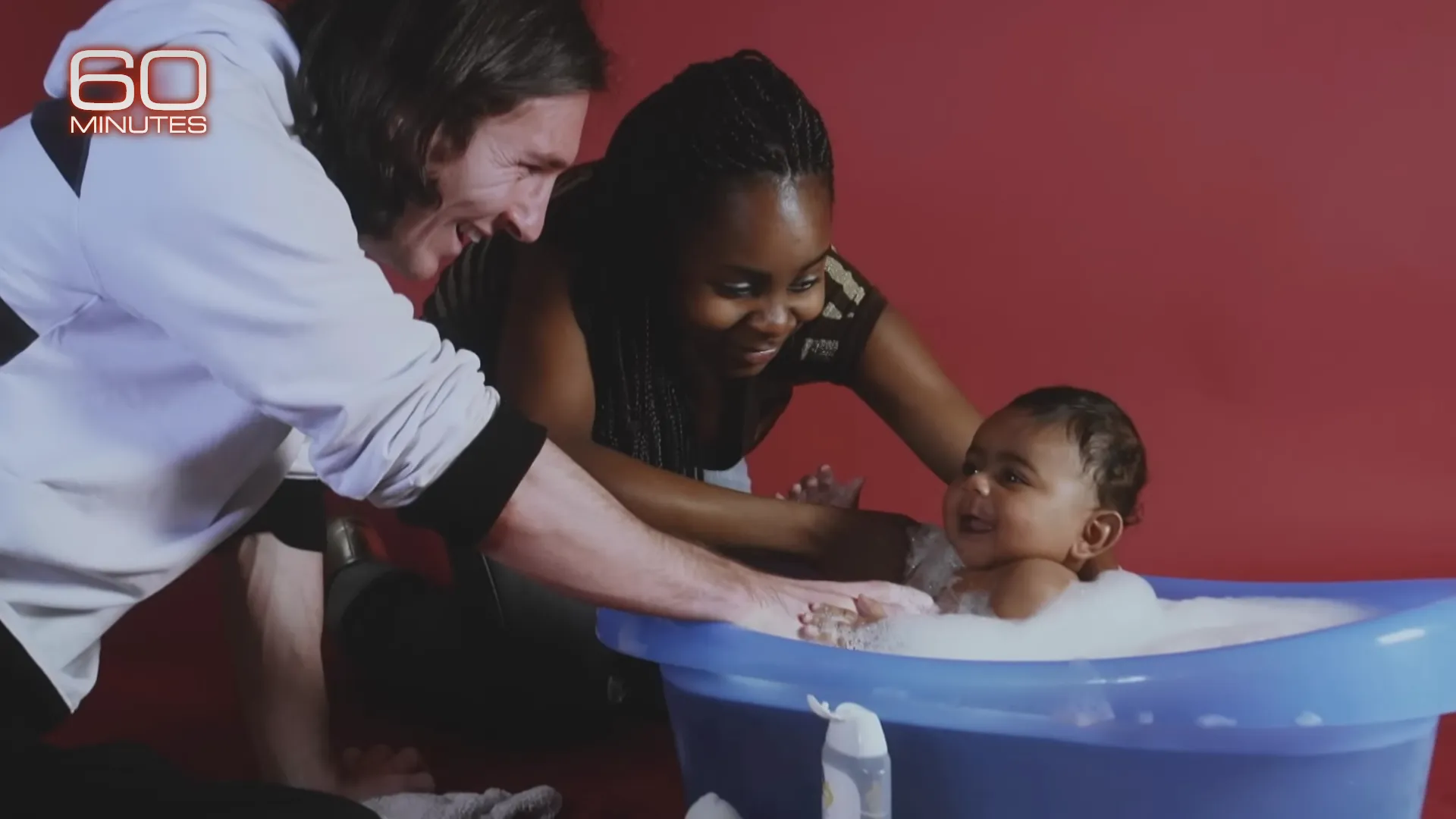
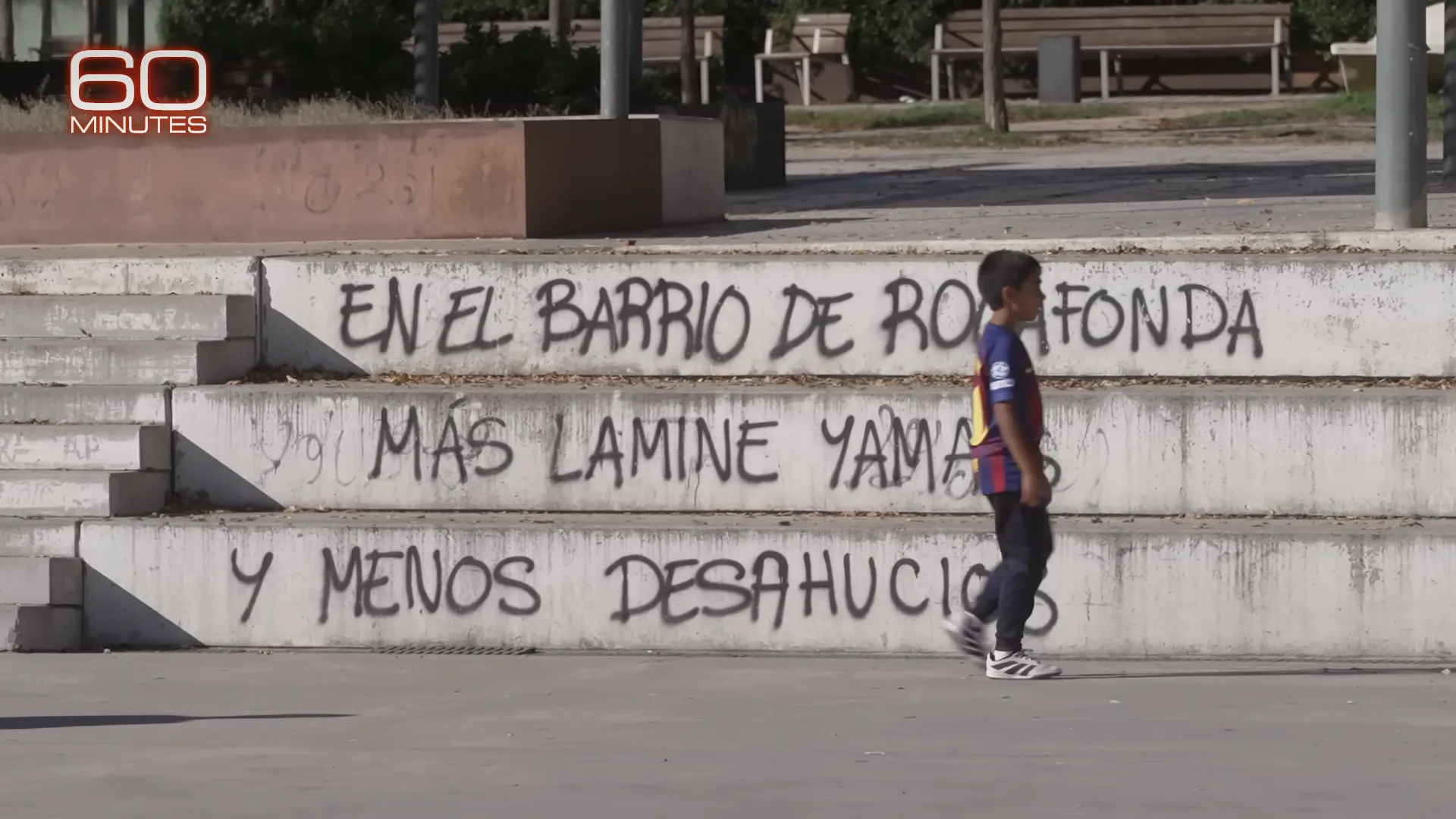
Scenes from Lamine Yamal: The 60 Minutes Interview. Images via CBS News.
The profile ends by asking Yamal to do what sporting greats have done for generations: guarantee victory. Does Spain win the World Cup? His answer, delivered in English, is one clean word: “Yes.” As Sunday’s final approaches, the confidence is no longer the surprising part. The astonishing part is how often the football has looked capable of backing it up.
Watch Lamine Yamal’s Full 60 Minutes Interview
The complete profile covers Yamal’s Rocafonda upbringing, Barcelona rise, Messi comparisons, family, fame, braces and his declaration that Spain can win the World Cup.
Source: CBS News’ 60 Minutes.