










Twenty years later, Fever to Tell still sounds gloriously unhinged
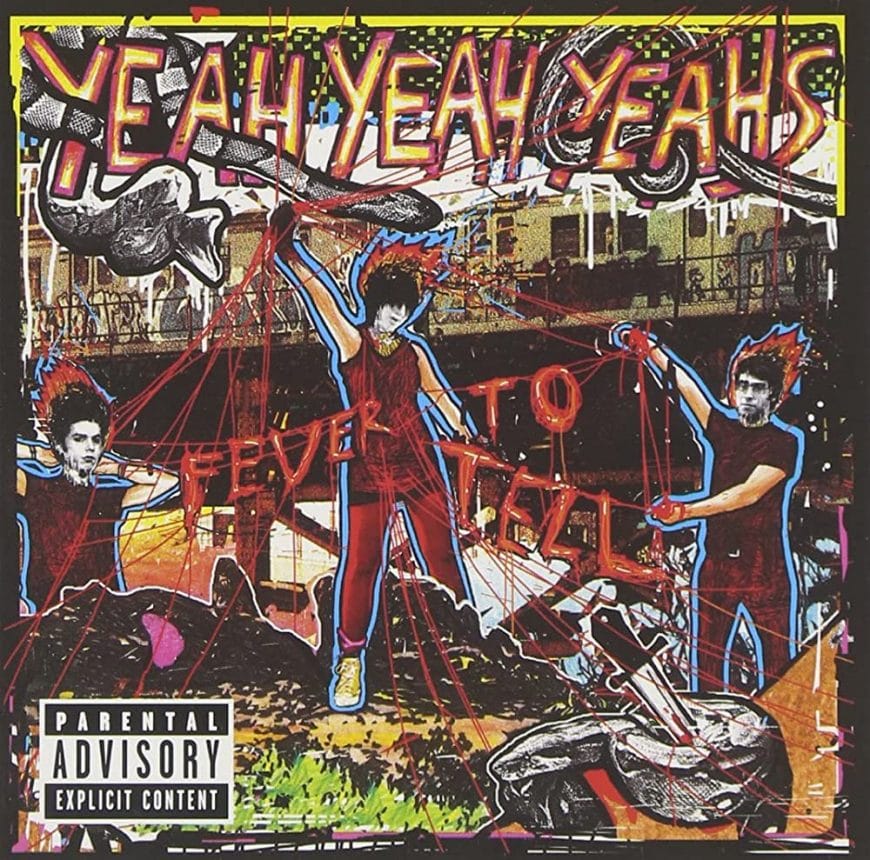
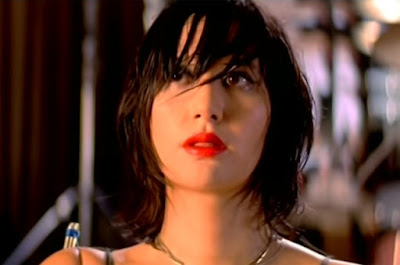
INYIM MEDIA Anniversary: Yeah Yeah Yeahs’ debut album Fever to Tell turns 20, and we still hear the same thing we heard the first time around: a band sounding like it might fall apart at any second — while somehow knowing exactly what it is doing.
Released in 2003, Fever to Tell arrived right as New York rock was becoming an international obsession. The Strokes had already kicked the door open, the White Stripes were everywhere, and suddenly every messy guitar band with skinny jeans and a Lower East Side zip code was being treated like the second coming.
But Yeah Yeah Yeahs never really fit neatly into that package. Karen O was too theatrical, Nick Zinner’s guitar was too sharp and strange, and Brian Chase played like somebody had dared him to knock the walls down. They were art-school chaos with hooks buried inside it.
Discover More
Fever to Tell at 20
Two decades later, Yeah Yeah Yeahs’ debut still feels filthy, stylish, vulnerable and completely alive.
Some links may be affiliate links. INYIM may earn from qualifying purchases.
Fever to Tell made the hype feel completely justified
Before the album, Yeah Yeah Yeahs were already one of those bands people seemed determined to either worship or hate on principle. Their early EPs had built enough noise around them that by the time a full record was expected, the backlash machine was already warming up.
Instead of smoothing themselves out, they leaned harder into what made them weird.
“Rich,” “Date With the Night,” “Black Tongue,” “Pin” and “Y Control” move like nervous energy trapped in a tiny room. The guitars stab instead of shimmer. The drums feel physical. Karen O can sound bored, possessed, flirtatious and ready to start a fight inside the same song.
That unpredictability is exactly why the record still works for us. Fever to Tell never sounds like a band politely introducing itself. It sounds like three people kicking the door open and assuming you will catch up.
We were there when these songs still belonged to the indie clubs
This one is personal for us because we were of this era. We remember dancing to these singles when they were brand-new releases, before they became shorthand for an entire decade. We saw Yeah Yeah Yeahs in smaller venues, when the energy still felt local, immediate and slightly dangerous.
And at the time, this music was not being handed to you everywhere. Mainstream radio was not playing it. MTV was not exactly rushing to make room for it. If you wanted to hear this stuff, you went where the records actually lived: indie dance clubs, small venues, specialty nights, record stores and whatever corner of the city had not yet been packaged for everyone else.
That was part of the thrill. You were not being told by a giant machine that this was important. You found it, danced to it, dragged friends to it and watched the scene grow in real time.
And then, like so many club scenes before it, the mainstream eventually swallowed the whole thing. The sound got copied, the clothes got copied, the attitude got copied, and what had once felt strange and specific slowly became a marketable aesthetic. The rough edges were sanded down. The danger got cleaned up. The scene got sanitized.
That is the part people tend to forget when they romanticize the early-2000s indie revival now. By the time everybody had decided it was cool, a lot of what made it feel alive in the first place had already been flattened into something easier to sell.
Then “Maps” showed there was something much softer underneath
And then comes “Maps.”
Even now, it feels like the moment the whole album changes temperature. After all that sweat and frantic movement, Karen O suddenly sounds exposed. No character. No armor. No need to prove how dangerous the band can be.
The song was written about her then-boyfriend Angus Andrew of Liars, and its central plea — “they don’t love you like I love you” — became the emotional center of the record and, eventually, the Yeah Yeah Yeahs song that reached far beyond the indie-rock world.
“Maps” was not the obvious radio weapon on Fever to Tell. That is part of what makes its afterlife so satisfying. It was vulnerable without becoming glossy, simple without becoming generic, and huge without ever sounding like it was designed in a conference room to be huge.
Its fingerprints ended up all over pop music anyway
The funny part is that “Maps” became influential far outside the scene that produced it.
Years later, the song would be connected to the writing story behind Kelly Clarkson’s “Since U Been Gone,” where the idea of taking an indie-rock emotional build and giving it an enormous pop chorus helped create one of the defining singles of the decade.
Then Beyoncé’s “Hold Up” echoed the “they don’t love you like I love you” line directly enough that the Yeah Yeah Yeahs received songwriting credit.
That is a pretty wild legacy for a song that originally felt like the quiet emotional break inside a record built to make clubs sweat.
But Fever to Tell was never just the album with “Maps”
Twenty years later, the easiest thing would be to turn Fever to Tell into a one-song story. We refuse.
The reason “Maps” hits so hard is because of everything surrounding it. The ugly guitar tones. The nervous rhythm. Karen O screaming, whispering and sneering. The sense that this band had been handed a giant amount of attention and decided the smartest response was to become even stranger.
That tension is the album. Cool versus messy. Swagger versus insecurity. Art-school performance versus somebody suddenly admitting they are completely wrecked by love.
And here in 2023, the anniversary does not feel like an obituary for some vanished indie era. Yeah Yeah Yeahs returned last year with Cool It Down, sounding older without sounding dulled. Twenty years after their debut, they are still here — and Fever to Tell still feels slightly dangerous.
Watch Yeah Yeah Yeahs’ “Maps” From Fever to Tell
The defining Fever to Tell single remains one of the band’s most enduring songs two decades later.
Sources: Yeah Yeah Yeahs; Stereogum background reporting. This archived INYIM post was restored and rewritten from INYIM’s point of view while preserving its original 2023 publication context.