















For Grace Coddington, Real Elegance Starts Where Fashion Rules End
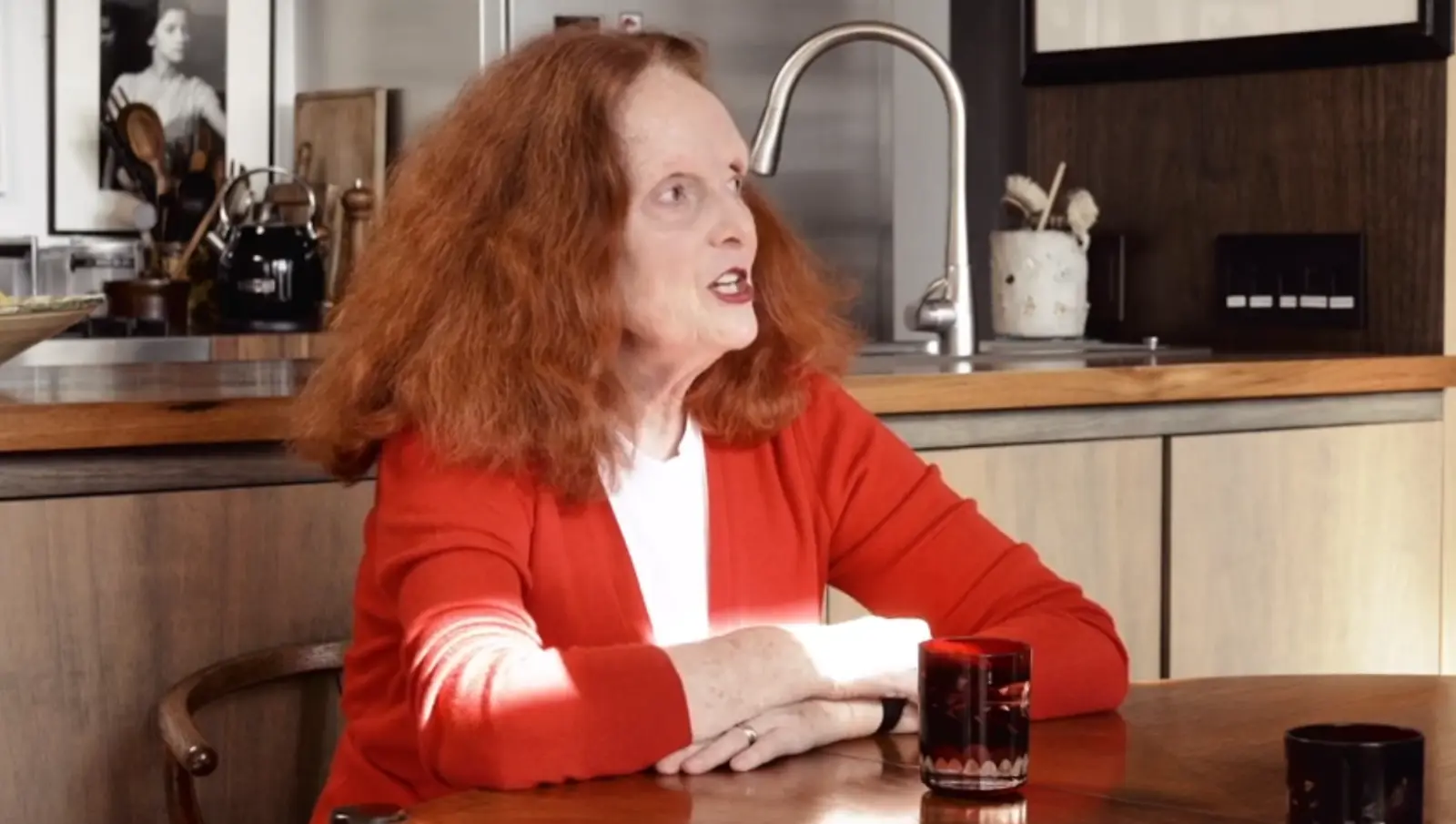
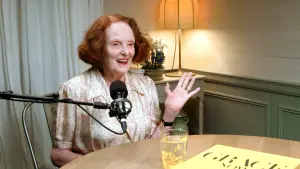
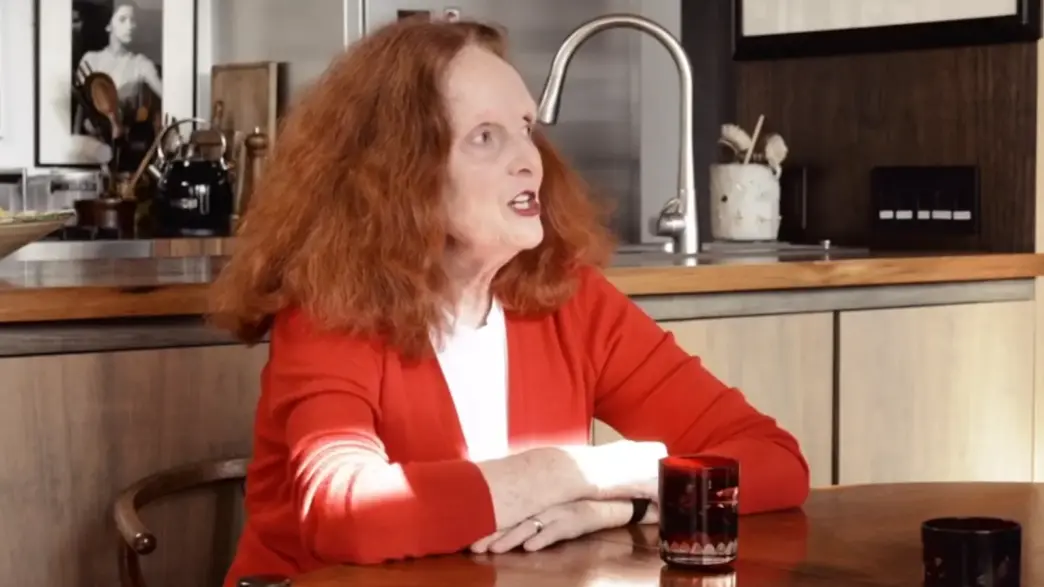
At 85, Grace Coddington has spent a lifetime making fashion images look extraordinary, which makes her definition of elegance refreshingly anti-fashion. On Style Legends, the legendary model-turned-editorial force names the three women who, for her, made elegance look completely effortless: Jane Birkin, Charlotte Rampling and Anjelica Huston.
Her point is not that they shared one wardrobe, one face or one formula. Quite the opposite. Coddington argues that the harder somebody visibly works to look elegant, the more elusive elegance becomes. The perfectly coordinated handbag, expensive dress and carefully chosen jewelry can all be technically “right” and still feel labored. What she remembers are the women who made clothes look like extensions of their lives rather than displays assembled for approval.
Discover More
Effortless Means Knowing When to Stop
Grace Coddington’s style lesson is less about buying more and more about knowing yourself, editing ruthlessly and letting personality lead.
Some links may be affiliate links. INYIM may earn from qualifying purchases.
Coddington’s thesis is almost hilariously simple after decades spent inside an industry built to complicate getting dressed: the woman has to come before the clothes. A designer can offer possibilities. A photographer can create beautiful light. A stylist can remove the wrong shoe. But eventually, she says, the person wearing everything has to take over.
Jane Birkin: The Art of Looking Like You Never Tried
At No. 3, Jane Birkin represents freedom. Coddington points to the familiar ingredients — jeans, white shirts, little dresses, cardigans and that basket carried as though it were the most obvious handbag in the world — but insists the ingredients were never really the secret. Anyone could buy the jeans or copy the fringe. What could not be bought was Birkin’s relationship to those clothes.
She did not appear frightened of repetition, desperate for polish or interested in turning every appearance into a statement. Coddington calls her a kind of argument for subtraction: take something away, then perhaps take something else away. Eventually there is nowhere for the person to hide — and that is when style gets interesting.
Charlotte Rampling: Restraint, Mystery and the Power of Doing Less
Charlotte Rampling, Coddington’s No. 2, works almost in reverse. Remove the jewelry. Remove the elaborate hair. Remove the obvious glamour. What remains, she argues, is more powerful. Rampling’s elegance comes from restraint — not timidity, but knowing you could do more and consciously choosing not to.
Coddington is especially taken with Rampling’s stillness and mystery. A plain shirt, dark sweater or beautifully cut jacket can suddenly acquire atmosphere because Rampling changes how you look at it. She also praises the fact that Rampling never seemed interested in spending her life trying to recreate her younger self. Instead, she “became more herself,” allowing age, character and severity to deepen rather than disguising them.
There is a particularly modern sting in Coddington’s observation that we now live in a culture where every outfit is expected to be explained: what it is, where it came from, why it was chosen, how it was prepared. Rampling, in her view, belongs to another tradition. She leaves something unfinished. You are allowed to wonder.
Anjelica Huston: Elegance With Authority, Strength and Zero Apology
Then comes Coddington’s No. 1: Anjelica Huston. Not because she fits a conventional ideal, but because she never needed to become interchangeable. Coddington argues that Huston’s elegance has always contained strength. She could wear tailoring and make it severe, wear something romantic without becoming fragile, or step into full glamour without becoming decorative.
That distinction is everything. Fashion photography can sometimes turn women into beautiful objects; Huston, Coddington says, was simply too present to disappear. Her face, height, dark hair and unmistakable individuality meant photographers did not have to manufacture a personality around her. The personality was already there. Their job was to find it.
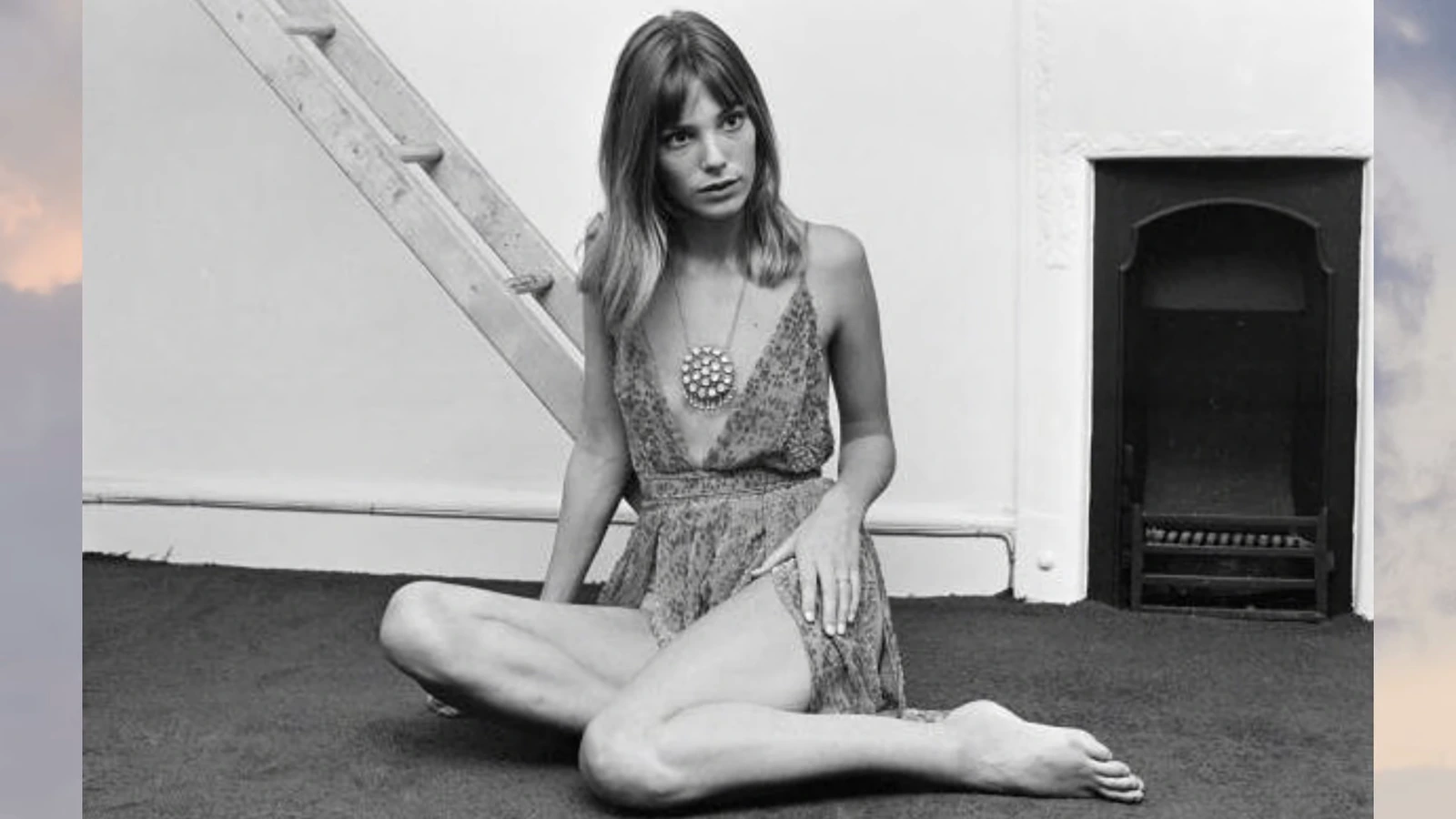
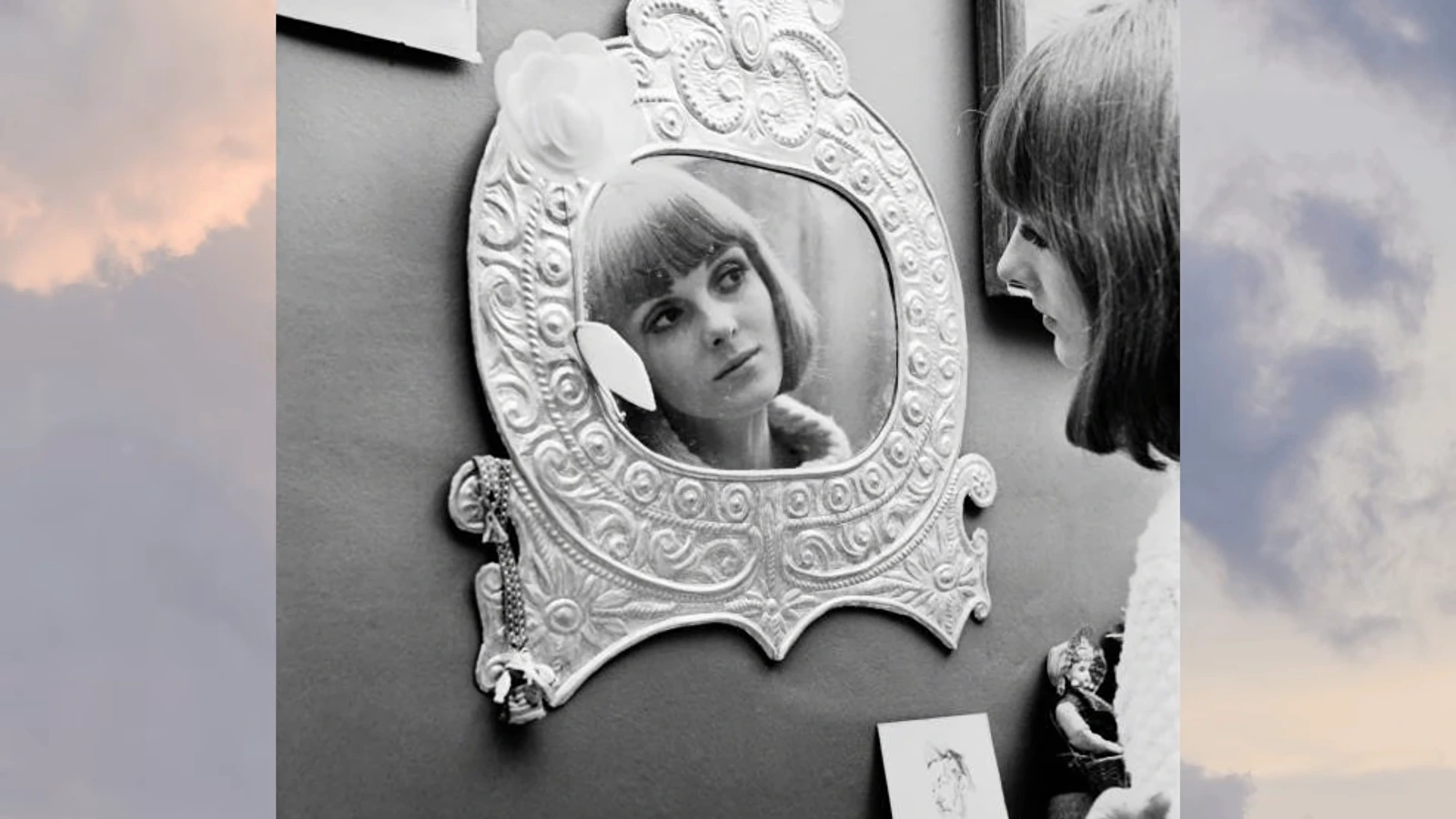
Put all three together and Coddington’s fashion Mount Rushmore is really an argument against copying anybody’s wardrobe. Birkin made ordinary clothes feel natural. Rampling made restraint feel mysterious. Huston made elegance feel strong enough to occupy space without apology. Three entirely different women, three entirely different wardrobes, one shared lesson.
You can buy the coat. You cannot buy the life inside it. That is the line running through Coddington’s entire meditation. Elegance is not reserved for youth, money or conventional perfection. It starts much more quietly: knowing yourself, knowing what to leave out and eventually reaching the point where you no longer need the room to approve.
Watch Grace Coddington Name Her 3 Icons of Effortless Elegance on Style Legends
The full Style Legends video runs more than 22 minutes, with Coddington devoting individual sections to Jane Birkin, Charlotte Rampling and Anjelica Huston before explaining why, for her, the woman must always come before the clothes.
Source: Style Legends / YouTube.