
















A Man From The Future Turns Alan Turing’s Life Into Music
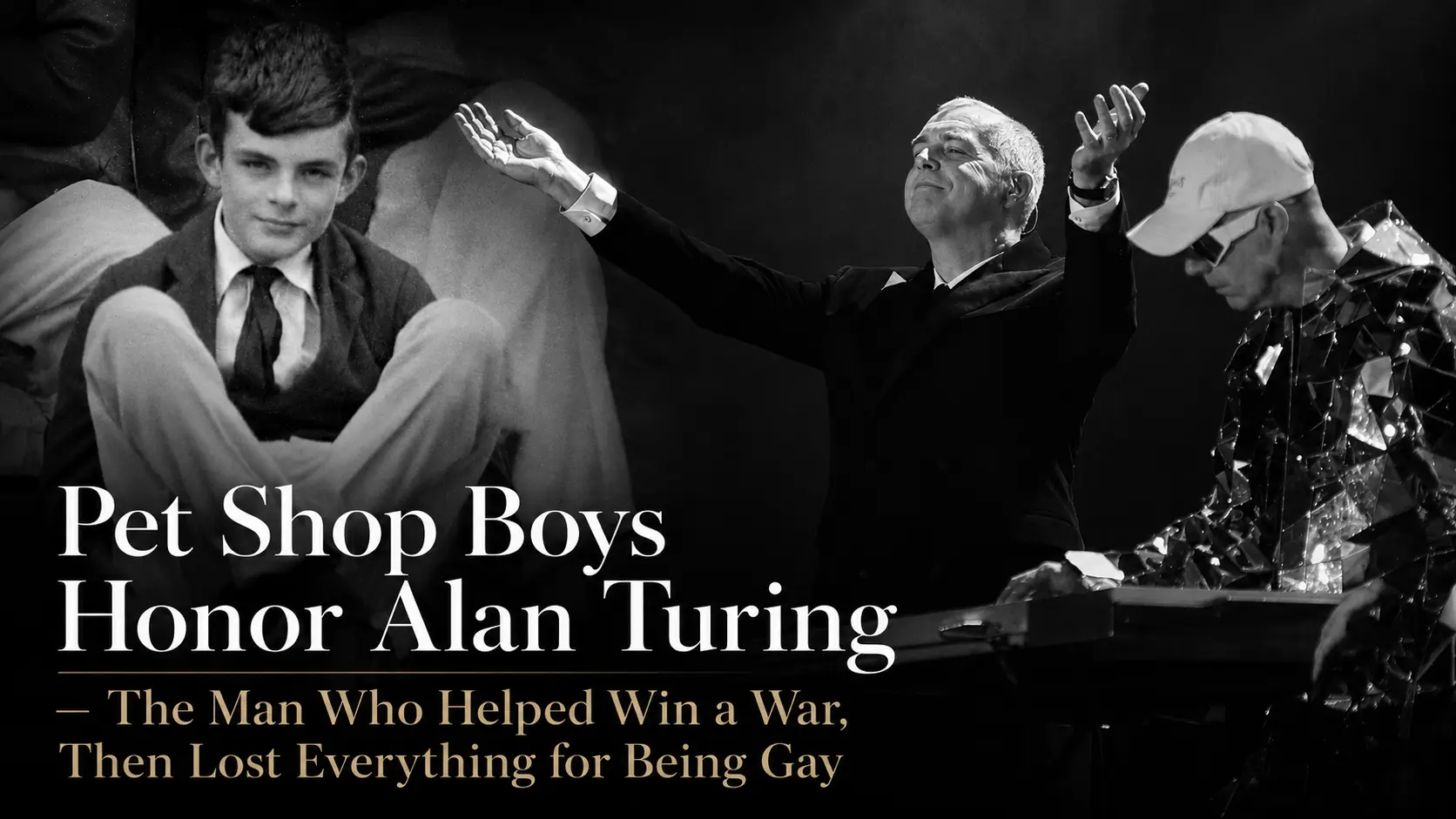
There are stories that feel tragic because somebody was lost too soon. Alan Turing’s story is more infuriating than that. He gave his mind to a country at war, helped crack Nazi Germany’s encrypted communications, pushed forward the ideas that became modern computing and imagined intelligent machines decades before the rest of the world caught up.
Then that same country prosecuted him for being gay.
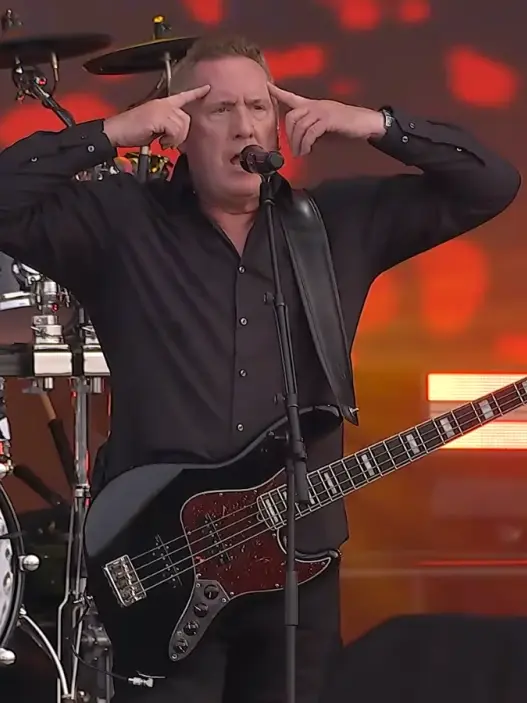
Pet Shop Boys have never been able to let that contradiction go. Neil Tennant and Chris Lowe first turned Turing’s life into the ambitious orchestral-electronic work A Man From The Future at the BBC Proms in 2014. Now, twelve years later, they have returned to it with revised music, revised text and a newly recorded 2026 version that the BBC will premiere in October.
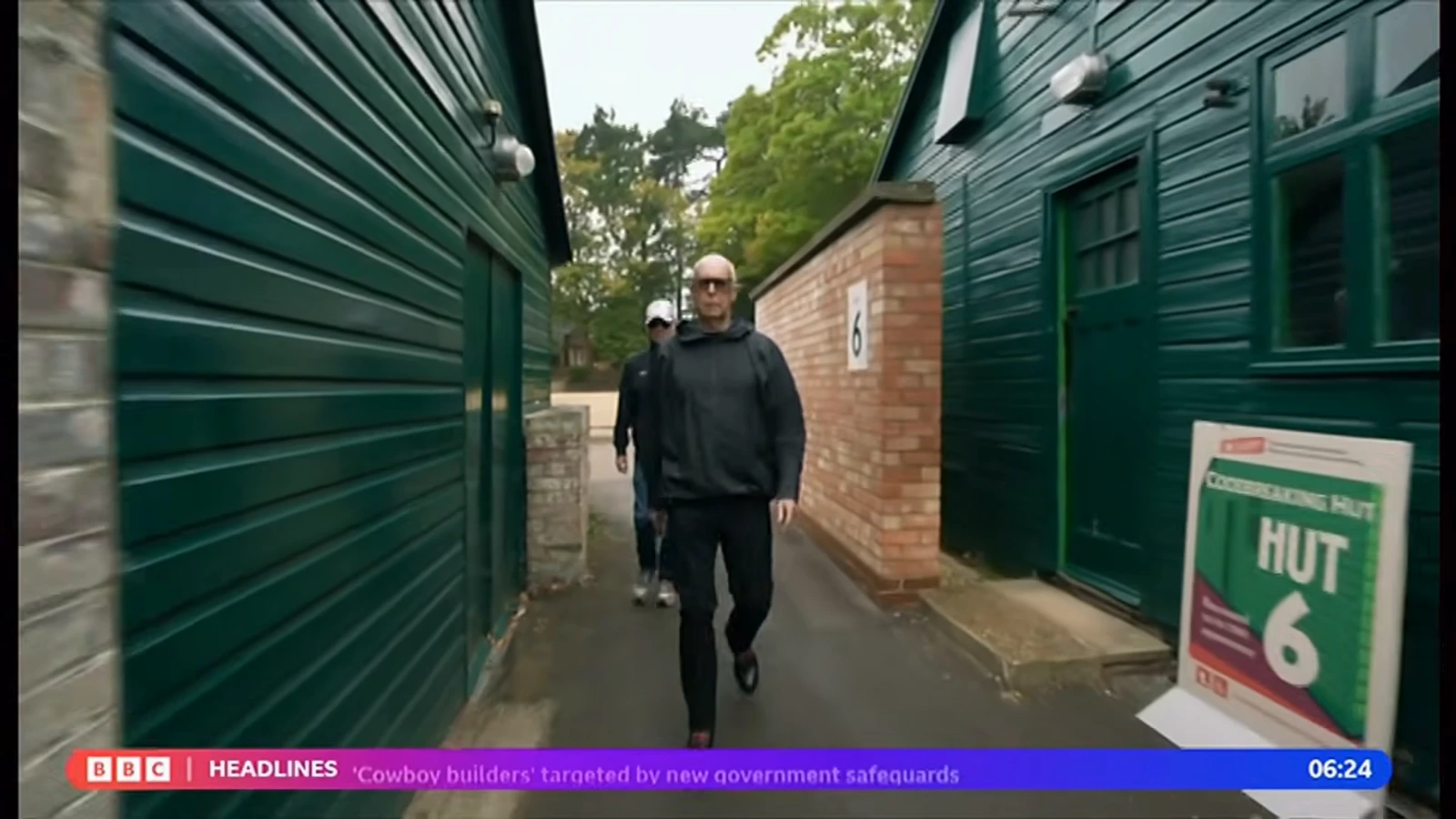
And watching Tennant and Lowe walk through Bletchley Park in a new BBC report makes the project land differently. They are not simply revisiting a famous codebreaker. They are walking through rooms where a man helped change the future — a future that would eventually celebrate his genius while taking far too long to reckon with what was done to him.
Discover More
A Man From the Future
Alan Turing helped change computing, codebreaking and the modern world. Pet Shop Boys are making sure the human story is remembered too.
Some links may be affiliate links. INYIM may earn from qualifying purchases.
Pet Shop Boys Went Back to the Rooms Where the Future Began
BBC entertainment correspondent David Sillito joined Tennant and Lowe at Bletchley Park, including the hut where Turing worked on wartime codebreaking. The first reaction is almost disarmingly simple. The room still feels authentic. Lowe remarks on how it even seems to smell like the 1940s.
But the reason for the pilgrimage is serious. Tennant and Lowe say that when they first began developing the Turing work, his name was not nearly as embedded in popular culture as it is today. What pulled them in was not only the mathematics or the war story, but “the appalling injustice” of what happened afterward.
The personal part of Turing’s life, Lowe says, is what gripped them. Tennant points beyond Turing himself to the thousands of other men whose lives were damaged by laws criminalizing homosexuality. That wider injustice matters here: Turing became the famous name, but he was never the only victim.
Pet Shop Boys Return to Bletchley Park for Alan Turing
Neil Tennant and Chris Lowe revisit Bletchley Park with Turing biographer Andrew Hodges as the BBC looks ahead to the newly revised 2026 recording of A man from the future.
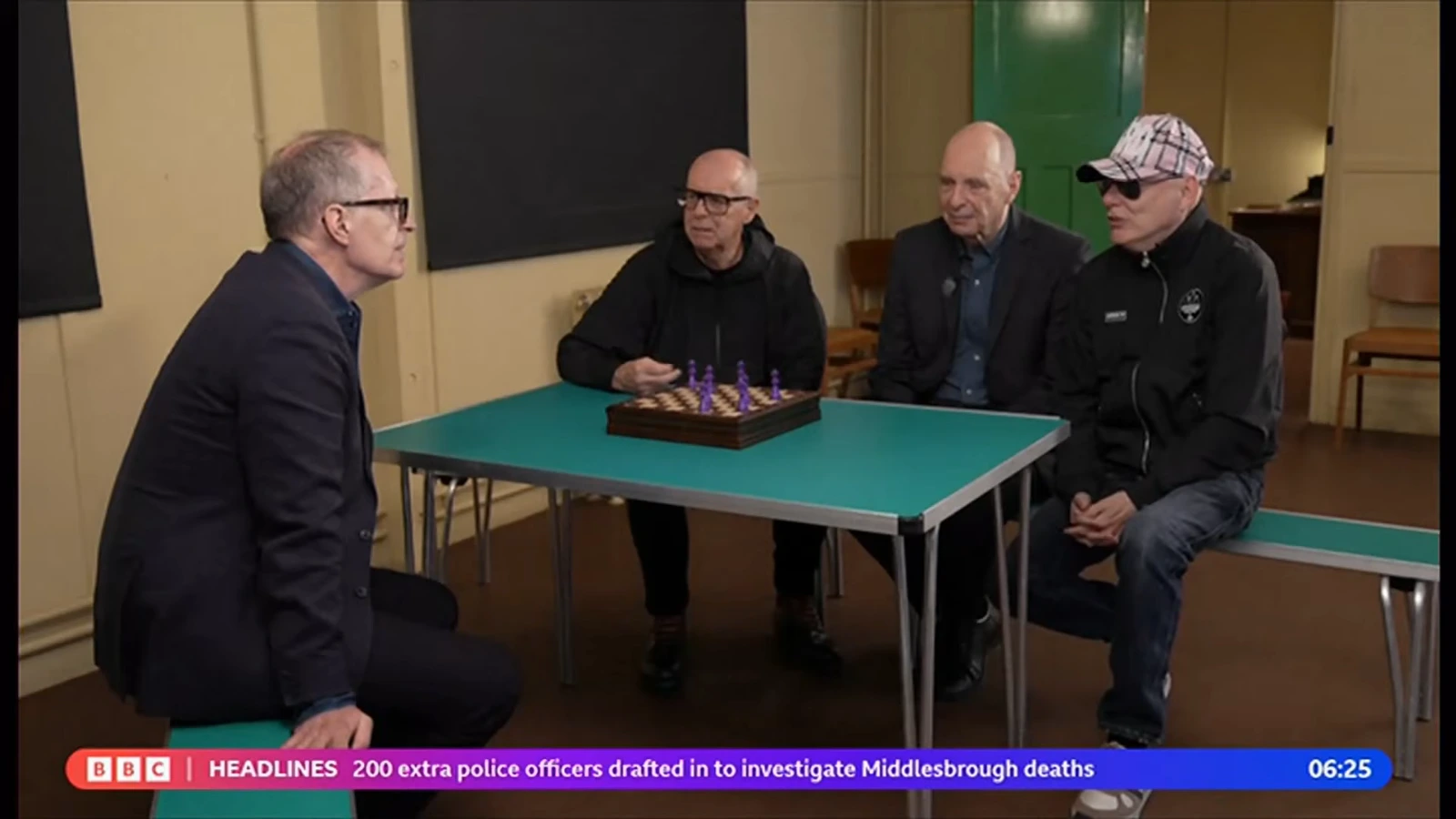
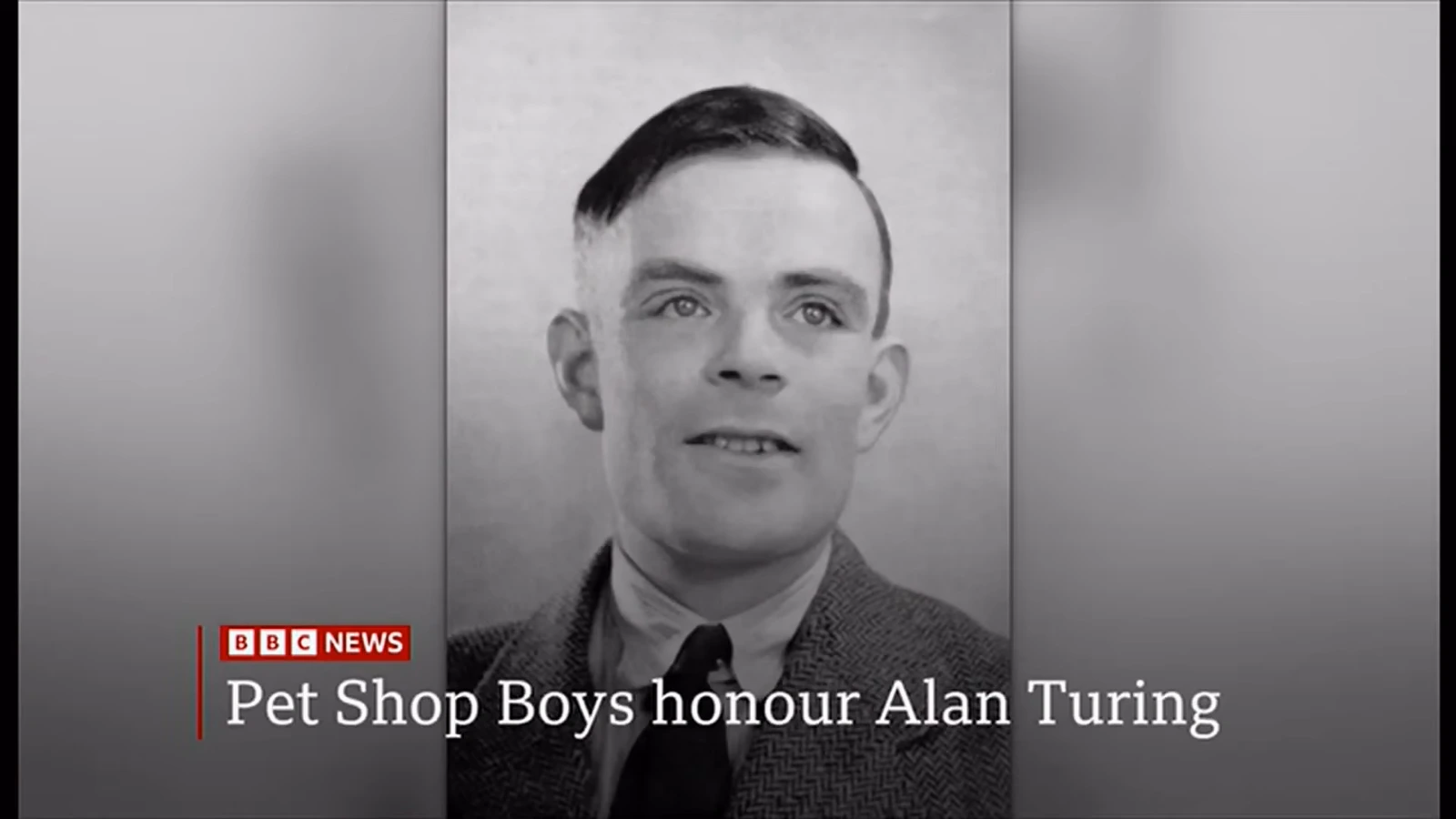
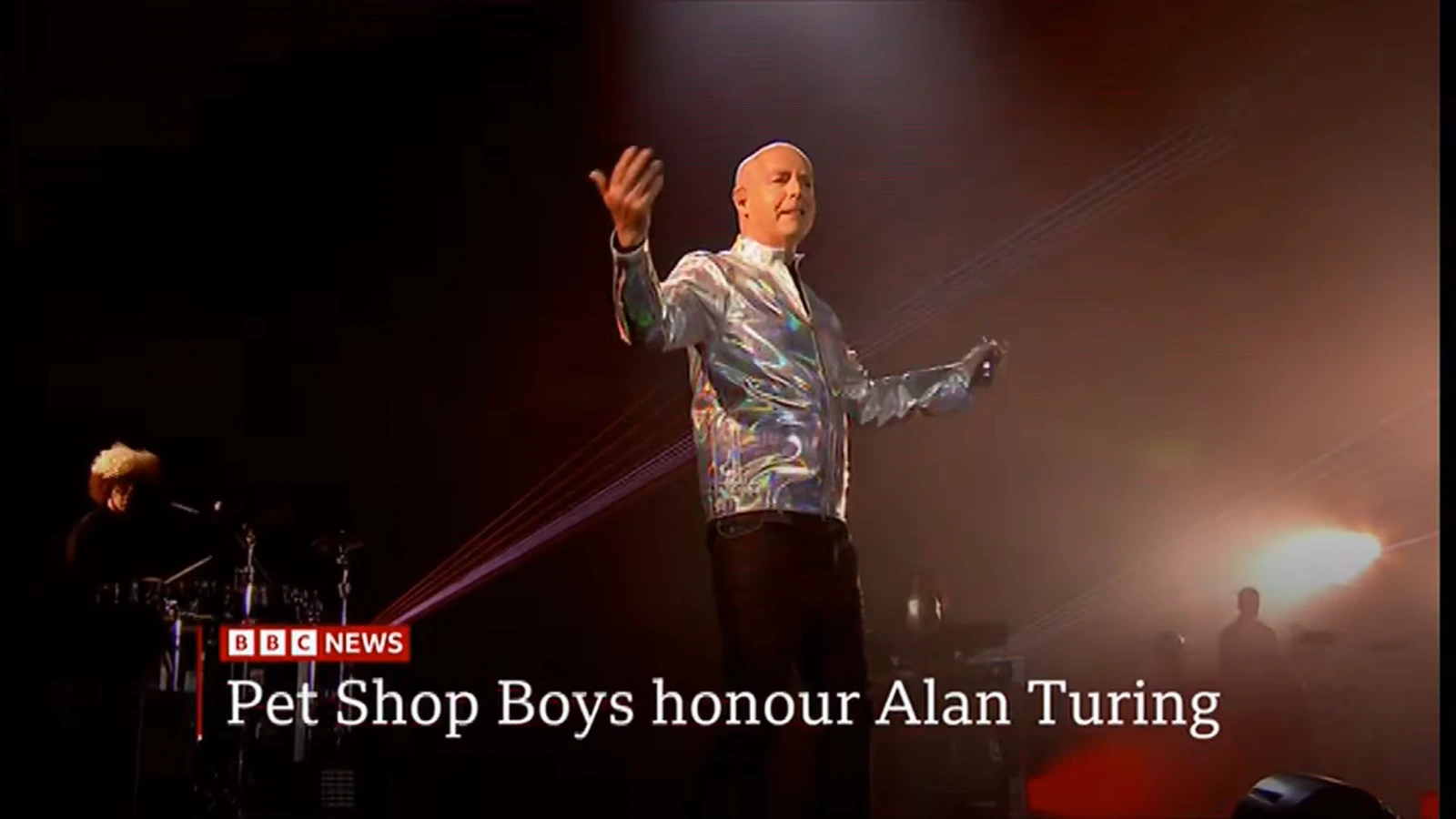
The duo did not attempt the biography alone. They went directly to Professor Andrew Hodges, mathematician and author of the landmark biography Alan Turing: The Enigma. As the BBC piece jokes, Hodges effectively became an honorary Pet Shop Boy.
The collaboration goes all the way back to the original work. Its text drew from Hodges’ biography, edited with Tennant, turning Turing’s life into eight sections for orchestra, choir, electronics and narrator.
Before Bletchley Park, There Was a Boy Who Thought Differently
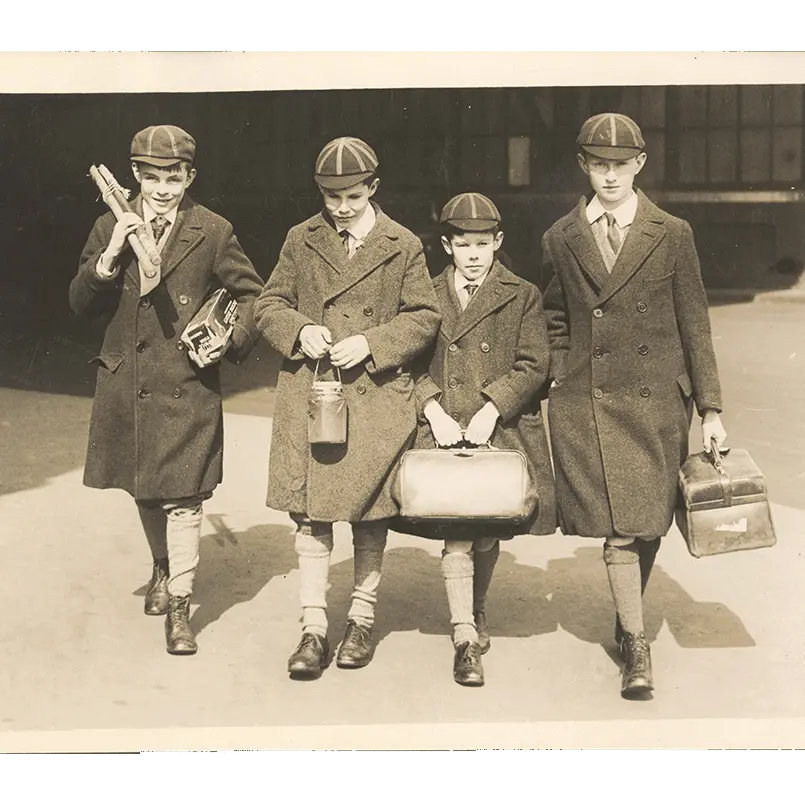
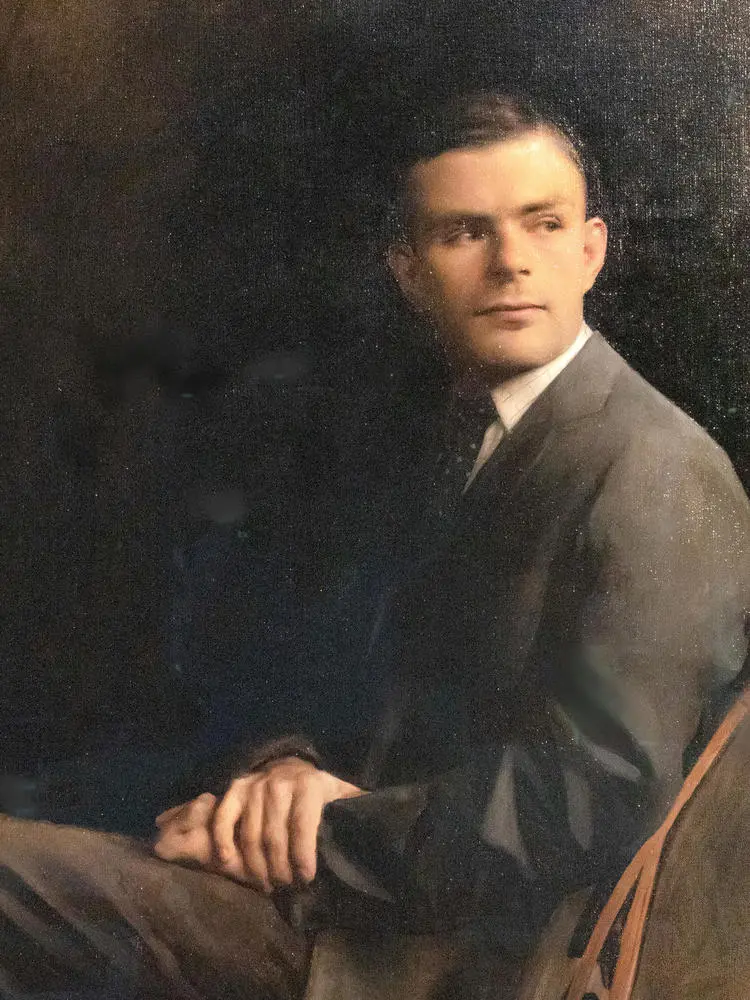
Turing was born in London on June 23, 1912. Mathematics and science fascinated him early, even when the education system around him did not always know what to do with the way his mind worked. At Sherborne School, he was the kind of student who could apparently be caught doing algebra during divinity class.
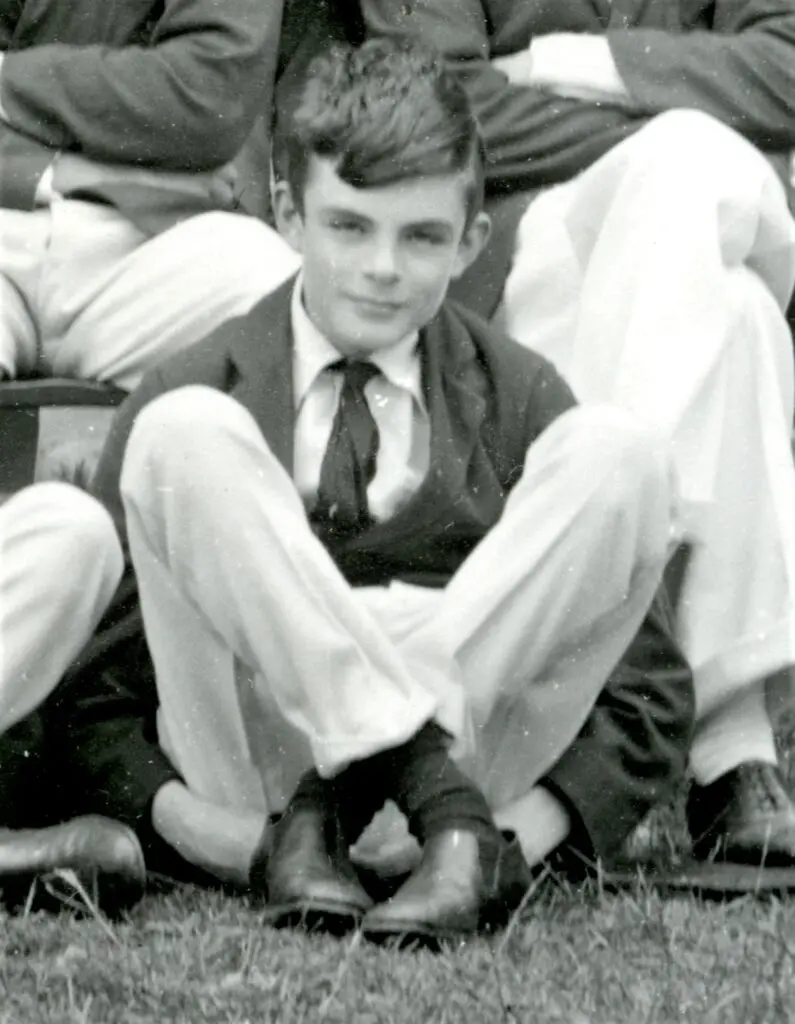
He studied mathematics at King’s College, Cambridge, and then crossed the Atlantic to Princeton University, where he completed his Ph.D. in 1938. By then he had already written the 1936 paper “On Computable Numbers”, introducing the abstract machine now known as the Turing machine and helping establish the theoretical foundations of computer science.
Then war came.
He Helped Break Enigma — But He Did Not Do It Alone
Turing reported to Bletchley Park in September 1939 and became one of the leading cryptanalysts working against German encrypted communications. The popular retelling often reduces this to “Alan Turing broke Enigma,” but the real achievement was collaborative. Polish cryptanalysts had already made crucial breakthroughs, and Turing built on that foundation alongside an extraordinary team of codebreakers, engineers and intelligence workers.
His contributions were nevertheless immense. Turing helped design the British Bombe, the electromechanical machine used to speed the search for Enigma settings, and he led work in Hut 8 against German Naval Enigma — intelligence vital to the Battle of the Atlantic.
After the war, he kept moving forward. He worked on early stored-program computers, mathematical biology and the question that now feels almost absurdly modern: could a machine think? His 1950 paper proposing what became known as the Turing Test helped make artificial intelligence a serious intellectual problem long before AI became a product sitting in millions of people’s pockets.
Then Britain Turned on the Man Who Had Served It
This is where the triumph collapses into cruelty.
In 1952, Turing was prosecuted over a consensual relationship with another man under laws criminalizing homosexual activity. He did not pretend to be somebody else to save himself. After pleading guilty, he was given a choice between imprisonment and probation conditioned on hormonal treatment — the punishment the British government itself would later describe bluntly as chemical castration.
His security clearance was removed. The man who had been trusted with some of Britain’s most sensitive wartime secrets could no longer continue the government intelligence work he had performed after Bletchley Park.
Alan Turing died on June 7, 1954, at just 41 years old — under circumstances that remain hauntingly unresolved. The cause of death itself is not in dispute: Turing died from cyanide poisoning, and the coroner recorded a verdict of suicide. But the complete circumstances have never been known with certainty.
There was no suicide note. Turing had also been carrying out experiments at home using potassium cyanide, including work involving the gold-plating of objects. His mother, Sara Turing, never accepted that her son had deliberately taken his own life and believed an accidental poisoning was possible. King’s College Cambridge, which preserves Turing’s papers and the original post-mortem material, records both the cyanide finding and his mother’s doubts.
Even during the parliamentary debate that preceded his pardon, Britain’s House of Lords acknowledged that “the full circumstances of his death are still not known.” It adds another painful layer to a life already cut brutally short: the man who helped Britain survive a world war, imagined the foundations of modern computing and had so much more work still inside him was gone at only 41 — barely two years after his own country prosecuted him for being gay.
That is the part of the story Pet Shop Boys refuse to let become an uncomfortable footnote after the heroic war chapter. He did extraordinary service for his country, and his country punished him for being gay.
Britain Pardoned Turing Decades After It Was Too Late
The reckoning came slowly. Turing received a posthumous royal pardon in 2013. In 2017, legislation widely known as Turing’s Law posthumously pardoned thousands of gay and bisexual men convicted under abolished laws governing consensual same-sex relationships.
And in one of history’s stranger reversals, the country that once prosecuted Turing now puts his face on its money. The Bank of England’s £50 note has featured Alan Turing since 2021.
Recognition matters. Pardons matter. Memorials matter. But none of them restore the years taken from a human being. That is why Tennant’s observation in the BBC report cuts through: society still has not fully dealt with the fact that thousands and thousands of lives were ruined.
Turing Imagined Intelligent Machines — Now We Live Inside the Question
The most fascinating turn in the BBC visit comes when the conversation stops being purely historical. Standing at Bletchley Park, Hodges agrees that the work done there can reasonably be seen as part of the birth of artificial intelligence.
And suddenly Turing is not a man sealed inside a black-and-white photograph.
The technology he helped imagine now generates language, images, music and misinformation. Tennant and Hodges reflect on a startling contradiction: Turing himself was known for an almost reckless honesty, while the technological world descended from his ideas is forcing society to question what is real, what is generated and what can be trusted.
Alan Turing really was a man from the future. The tragedy is that the society around him was still chained to its past.
Pet Shop Boys Are Rewriting Their Musical Memorial for 2026
The original A Man From The Future premiered at London’s Royal Albert Hall on July 23, 2014 as part of the BBC Proms. Pet Shop Boys performed with the BBC Concert Orchestra and BBC Singers, with Juliet Stevenson narrating. The eight-part work moved from Turing’s childhood and machines through Enigma, his trial, death and legacy. Former Prime Minister Gordon Brown’s voice appeared in the final section.
For 2026, both the text and music have been revised. The new recording is produced by Pet Shop Boys and Sven Helbig, who also arranged the strings. Stevenson returns as narrator, with strings performed by the Manchester Camerata Octet and the Manchester Grammar School choir also taking part.
The BBC will give the recording its world-exclusive broadcast on Sunday, October 4, 2026. BBC Radio 6 Music will air it during Stuart Maconie’s Freak Zone between 8 and 10 p.m., including discussion with Tennant, Lowe and Hodges. BBC Radio 3 follows later that night during Unclassified from 11:30 p.m. to 12:30 a.m. Both programs are set to remain on BBC Sounds for 30 days.
When people asked Pet Shop Boys why they had taken on Turing’s life for the Proms, their answer was beautifully uncomplicated:
“We’ve done it for Alan.”
That was true in 2014. It may be even more necessary in 2026. Because the point is not simply to remember the genius who helped create the future. It is to remember the human being who deserved to live in it.
Watch Pet Shop Boys Revisit Alan Turing at Bletchley Park for BBC News
David Sillito’s BBC report follows Neil Tennant, Chris Lowe and Andrew Hodges through Bletchley Park as they discuss Turing, the injustice of his prosecution and the newly revised A man from the future.
Sources: Pet Shop Boys; GCHQ; UK Ministry of Justice; King’s College Cambridge; UK Parliament / Hansard; Princeton University; Bletchley Park; Sherborne School Archives.