

















Before Apps And Automation, Somebody Had To Do The Weird Stuff
History is packed with bizarre professions that were eventually wiped out by technology, sanitation, automation and changing laws. Some sound almost fictional now, but for the people doing them, they were simply another way to earn a living—or survive the royal workplace.
From human alarm clocks and professional leech collectors to royal toilet attendants, these vanished occupations show just how dramatically the daily grind has changed. Modern work may come with emails, meetings and passwords, but at least most of us are not standing outside someone’s bedroom window with a long stick at dawn.
PAST BLAST
The Daily Grind Was Once Much Stranger
Explore the inventions, trades and forgotten routines that shaped ordinary life before modern technology made entire professions disappear.
Some links may be affiliate links. INYIM may earn from qualifying purchases.
Jobs Replaced By Technology
Knocker-uppers were paid to wake workers before affordable alarm clocks became common. They tapped on bedroom windows with long poles, rattles or pea shooters until the person inside showed signs of life. It was basically a human push notification, except the notification stood in the street and refused to leave.
Telephone switchboard operators physically connected calls by placing plugs into jacks on manual switchboards. The job became one of the defining forms of women’s employment in early telecommunications, and skilled operators were even recruited to handle military communications during World War I. Automated exchanges eventually made most manual switching unnecessary.
Lamplighters walked city streets at dusk to light gas lamps and returned at dawn to extinguish them. Electric street lighting gradually removed the need for someone to personally ignite every corner of the city each night.
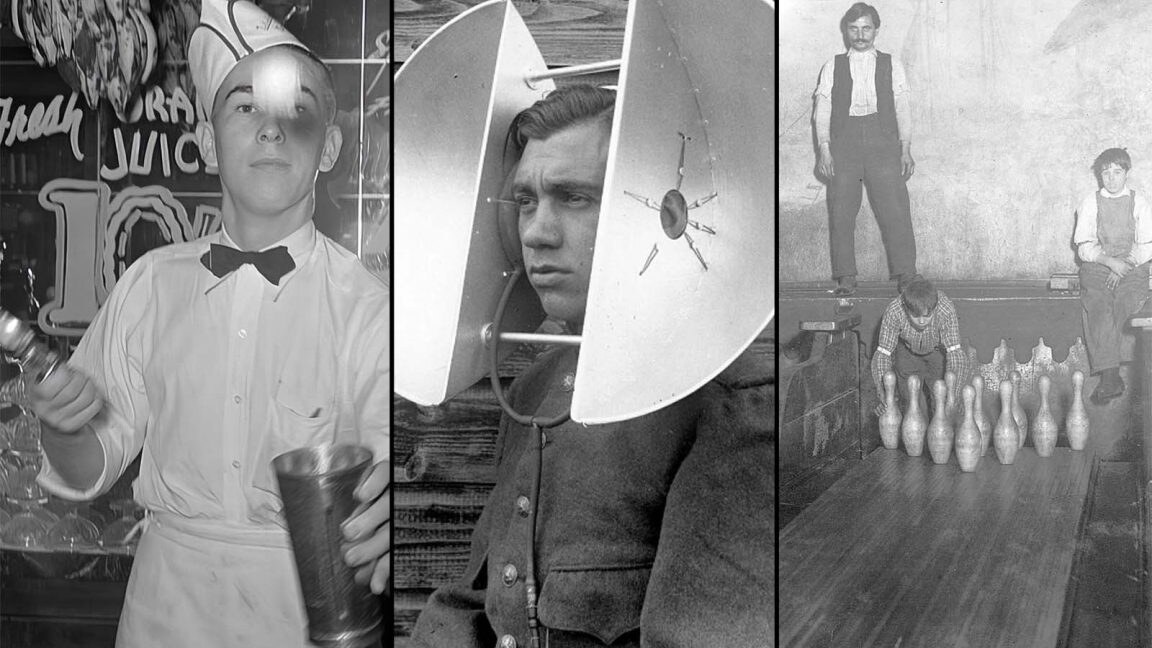
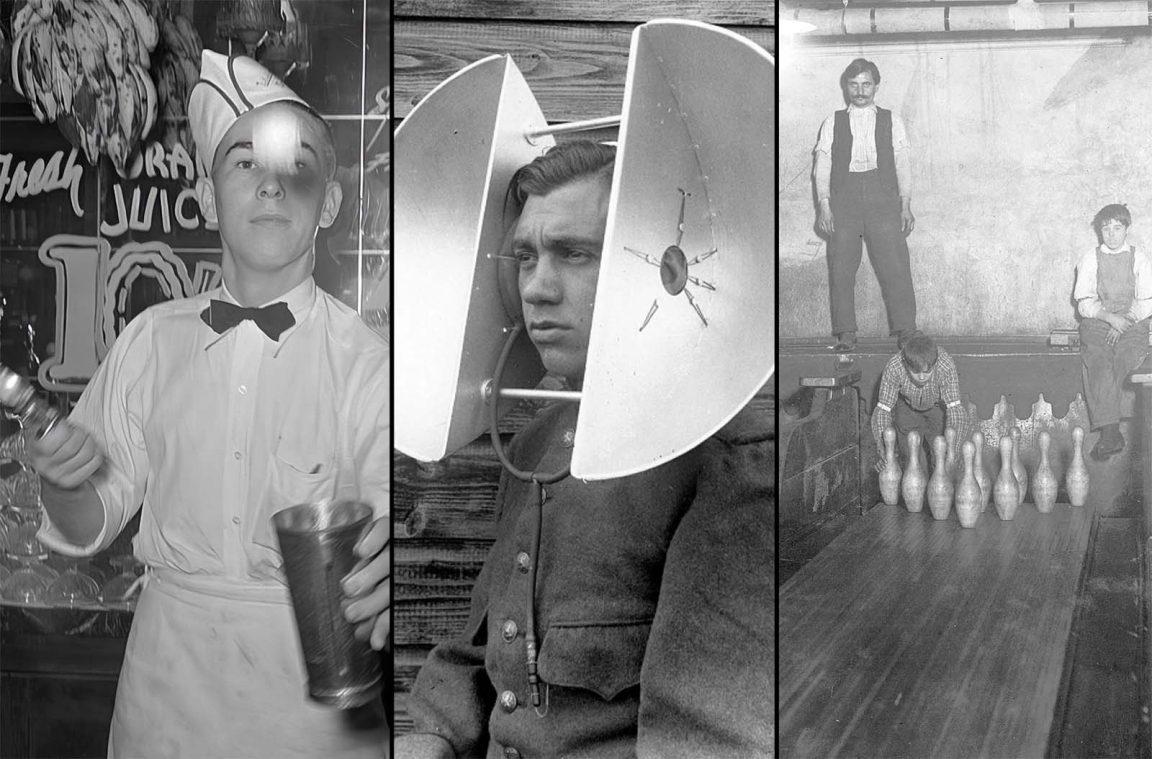
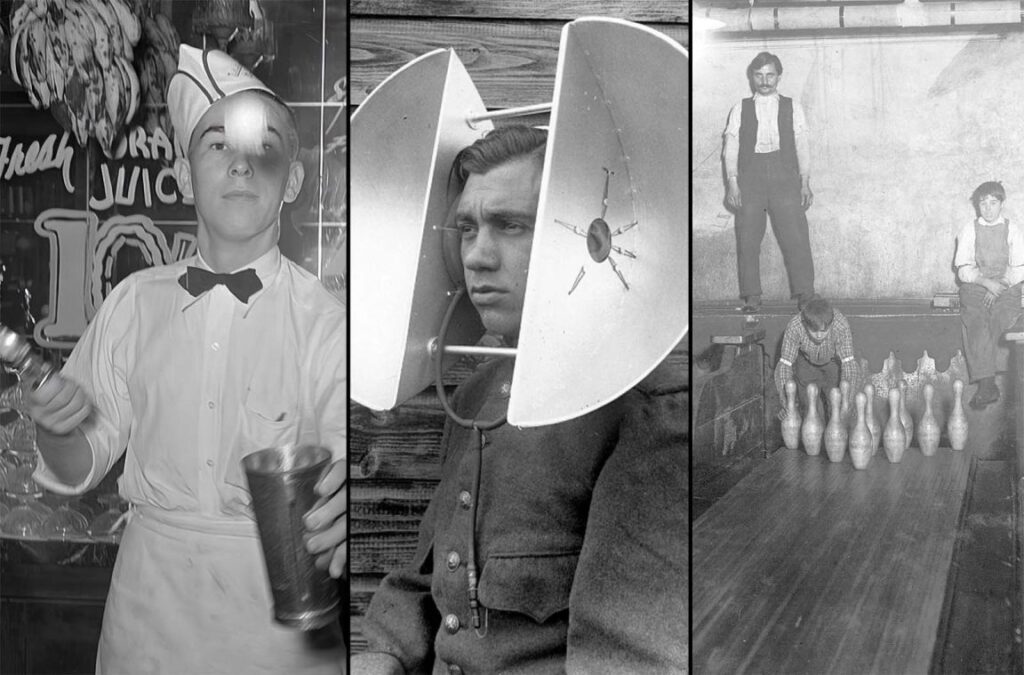
Bowling-alley pinsetters manually cleared fallen pins, reset them and returned bowling balls before mechanical pinsetting machines took over. The work was repetitive, fast and dangerous enough that the machine was not merely convenient—it was a welcome replacement.
Jobs Erased By Modern Health And Sanitation
Leech collectors waded through marshes and ponds gathering medicinal leeches for doctors, hospitals and apothecaries. Some collectors reportedly used their own legs to attract them, which is a level of workplace commitment no team-building seminar could ever reproduce.
Night-soil collectors removed human waste from cesspits and privies before widespread sewer systems and indoor plumbing. The material was sometimes sold as fertilizer. Necessary? Absolutely. Glamorous? Not even after a successful performance review.
Rat catchers were hired by cities, households and businesses to control infestations when sanitation systems were less developed. Pest control still exists, of course, but the image of an independent Victorian rat man roaming the streets with cages and traps belongs to another world.
Jobs That Disappeared With Social Change
The Groom of the Stool was a royal servant who attended to the English monarch’s most private bodily needs. Because the position placed someone physically and politically close to the king, it could carry extraordinary influence despite having perhaps the least dignified job description in court.
Professional mourners were paid to grieve publicly at funerals, helping create the expected display of sorrow and social importance. The practice survives in some cultures, but it has largely disappeared as a mainstream occupation in much of the modern West.
Town criers announced news, proclamations and public notices aloud before newspapers, radio, television and digital alerts made information easier to distribute. Ceremonial criers still appear today, but “shouting the news in the town square” is no longer a reliable full-time media career. We checked.
What makes these jobs fascinating is not simply how strange they sound. Each one solved a real problem. People needed to wake up on time, connect calls, illuminate streets, remove waste, control disease and spread information. When the problem changed—or a machine found a faster solution—the worker disappeared from everyday life.
The result is a reminder that employment is never as permanent as it feels. Today’s ordinary job can become tomorrow’s museum caption, while some current professions may look just as absurd to people a century from now. Somewhere in the future, someone may be laughing at the fact that humans once spent entire days answering emails.
Watch These Wild Jobs That No Longer Exist
Transport back through a collection of unusual historical occupations that vanished as technology, public health and society moved forward.
Source: INYIM Media, Library of Congress and historical reference materials.