



















The Coaster Was Built For Speed—But The Screams Travel Farther
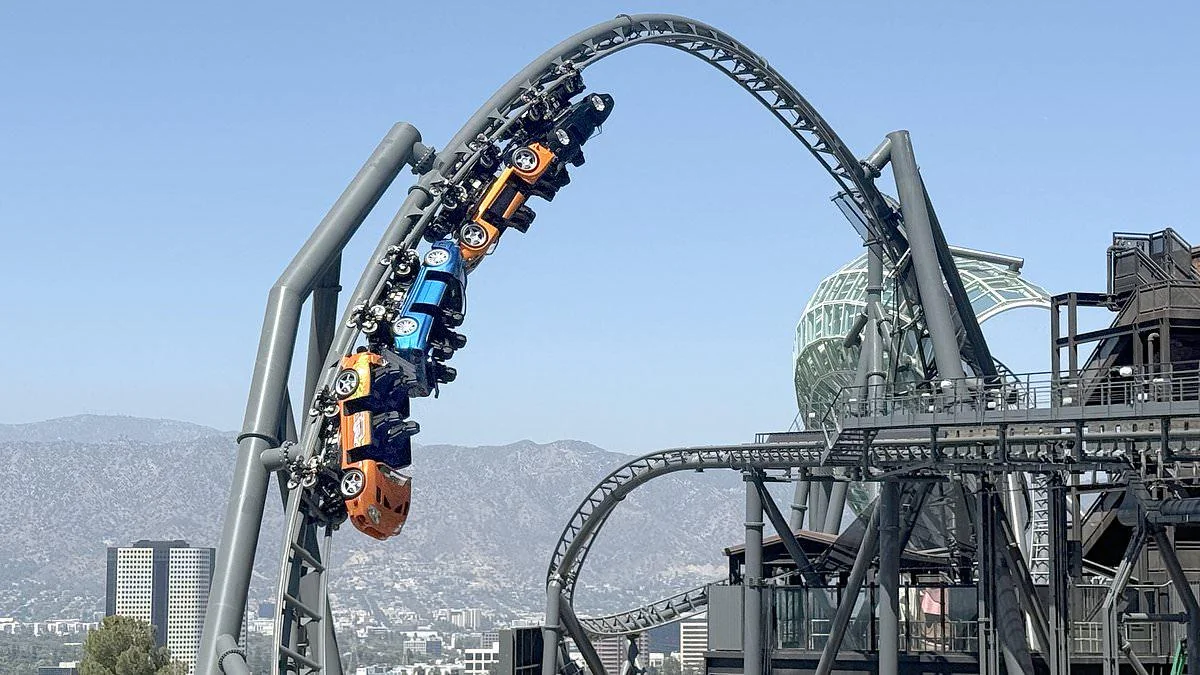
Dig out the latest neighborhood drama surrounding Universal Studios Hollywood, where nearby residents say the new Fast & Furious: Hollywood Drift roller coaster is already producing loud, distracting and downright intolerable noise—even though the attraction has not officially opened to the public.
The high-speed outdoor coaster is currently undergoing testing, and residents around Toluca Lake and the surrounding hills say the most disruptive sound is not necessarily the machinery. It is the repeated wave of human screams carrying beyond the park every time a test train races through the course.
One neighbor told CBS Los Angeles that the screaming can arrive roughly every 40 seconds and continue late into the night during testing. That is a very different kind of soundtrack from the distant theme-park hum locals may have expected when they moved near a working studio and tourist destination.
Discover More
Track The Hollywood Drift Debate
Explore the official source and related picks curated around this story.
Some links may be affiliate links. INYIM may earn from qualifying purchases.
Hollywood Drift is no tiny kiddie loop tucked behind a soundstage. The coaster stretches across roughly 4,100 feet of track, reaches speeds of up to 72 mph and uses rotating ride vehicles designed to create a drifting sensation as riders move through the course.
The attraction also snakes through one of Universal Hollywood’s trickiest pieces of terrain, wrapping around a narrow hillside area and extending above the park’s famous Starway escalators. That compressed layout places a major outdoor thrill ride against steep slopes, working studio property and neighborhoods sitting just beyond the resort boundary.
We here at INYIM Media have been following the coaster’s buildout for quite some time through the Theme Park Obsession YouTube account. In those construction updates, noise-reduction walls and shielding were visibly part of the project well before riders began screaming their way through test runs.
Because the track slinks through such a narrow hillside corridor, those barriers never looked decorative. They appeared to be a deliberate part of squeezing a massive coaster into a complicated location where controlling sound was always going to matter.
Universal has also said publicly that the ride was designed with sound-reduction technology and additional measures intended to limit its impact on the surrounding community. Reported mitigation includes dedicated sound walls near faster sections, vibration-absorbing material around portions of the track and programming intended to angle rotating vehicles away from nearby homes during louder moments.
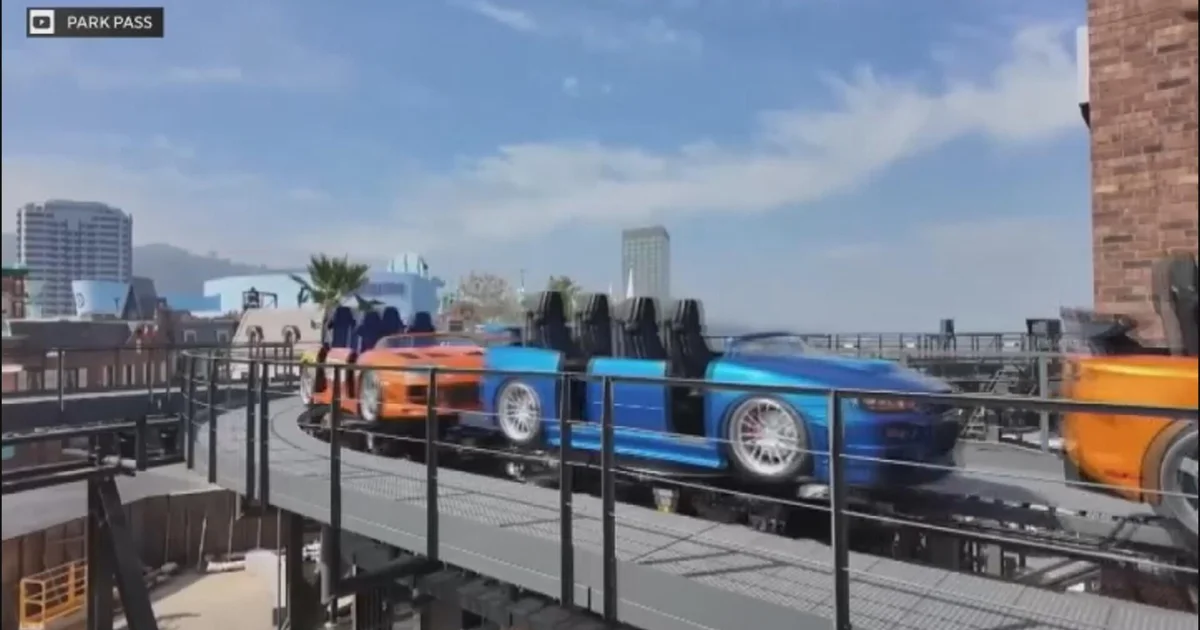
The current complaints do not necessarily mean Universal ignored the issue. They suggest the measures visible during construction may not be enough once human riders are added to the equation. Steel, wheels and vibration can be engineered around; dozens of people screaming on cue every minute are a more unruly sound effect.
There is also an important difference between construction testing and normal park operation. Late-night test sessions may not reflect the attraction’s eventual daily schedule, but residents understandably want firm answers before public operation begins—not after an entire summer of drifting and hollering arrives outside their windows.
Universal Studios Hollywood now has some explaining, measuring and possibly more wall-building to do. The ride is supposed to make guests feel like they are racing through a Fast & Furious movie. The neighbors did not agree to become part of the sound mix.
Watch Neighbors Describe The Hollywood Drift Noise Problem
CBS Los Angeles speaks with residents who say screams from Universal’s ongoing coaster tests are repeatedly carrying into nearby homes.
Source: CBS Los Angeles; Universal Studios Hollywood; Theme Park Obsession.