












R.I.P… Gone But Never-Ever Forgotten: There Was Only One Margaret Kerry, the Model for Tinker Bell.
She was one of Hollywood’s first of firsts—the performer whose movement, curiosity and dancer’s spirit helped Disney’s original Tinker Bell take flight.
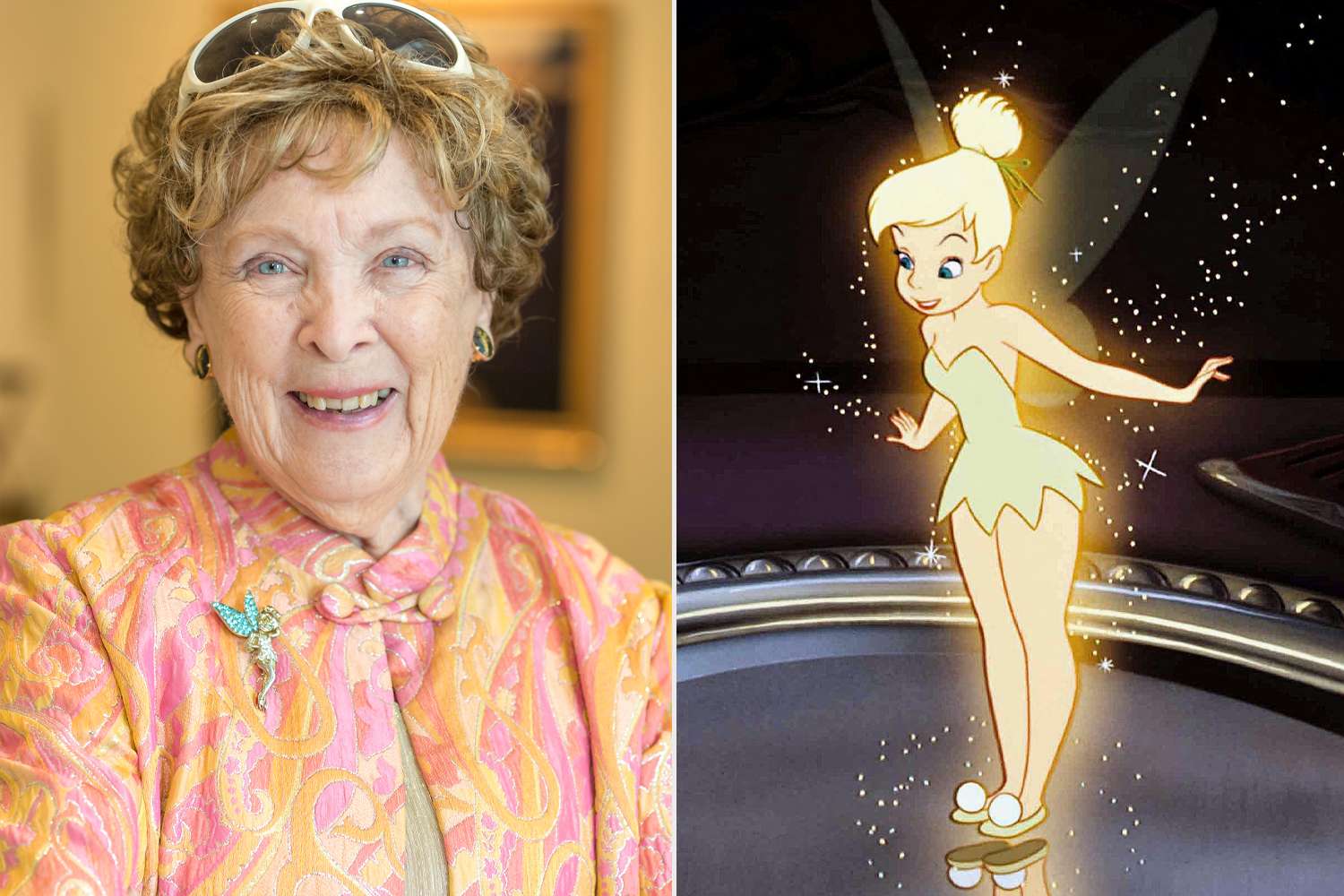
Margaret Kerry, the actress, dancer and live-action reference model who helped animators create Tinker Bell for Disney’s 1953 animated classic Peter Pan, has died at age 97.
Kerry died peacefully on June 11, 2026, in Wilmington, North Carolina, following a battle with lung cancer. Her three children—Ellen, Christina and Eric—were beside her.
Her passing came less than three weeks after the death of her husband, Robert Boeke, on May 24. The pair had first known one another decades earlier before reconnecting in 2019 and marrying on Valentine’s Day in 2020.
Her life contained enough faith, trust, Hollywood history and genuine pixie dust for several lifetimes.
Revisit Margaret Kerry’s remarkable story and the timeless animated classic that carried her performance across generations.
As an Amazon Associate, INYIM Media earns from qualifying purchases.
Margaret Kerry gave Tinker Bell her movement, attitude and curiosity.
Tinker Bell may never speak in Peter Pan, but Kerry supplied the fairy with an entire emotional vocabulary through movement.
Disney filmed Kerry performing the character’s scenes on a mostly empty soundstage using 35mm film. Oversized props—including a giant keyhole and enormous scissors—helped recreate the scale of the animated world around her.
The resulting footage gave animator Marc Davis and his team a live-action reference for Tinker Bell’s gestures, facial reactions, balance and physical comedy.
When Kerry asked Davis what kind of personality he wanted, his direction was beautifully uncomplicated: “We want her to be you.”
A trained dancer, Kerry responded by placing ballet-inspired movement throughout the performance. Tinker Bell’s quick turns, expressive poses and restless need to investigate whatever waited around the next corner carried pieces of Kerry herself.
The fairy was drawn by hand—but part of her spirit came directly from Margaret Kerry.
Her contribution to Peter Pan extended beyond Tinker Bell.
Kerry also provided movement reference and the voice for the red-haired mermaid seen in the Neverland lagoon sequence.
The work was created during an era before computer animation, when performers, cameras, animators and thousands of individual drawings worked together to create movement one frame at a time.
Kerry later recalled that approximately 650,000 individual pieces of artwork were produced for the film, making her live-action contribution one small but essential part of an enormous handmade process.
Over time, Tinker Bell became far more than one character in one movie. She emerged as one of Disney’s most recognizable symbols, appearing across television, theme parks, merchandise and the studio’s visual identity.
Every burst of pixie dust carried an echo of the young dancer who first acted those emotions out on a nearly empty stage.
Margaret Kerry’s career began long before Never Land.
Kerry began working as a child performer under the name Peggy Lynch, appearing in three Our Gang shorts—later known to generations of viewers as The Little Rascals.
She appeared opposite Eddie Cantor in the 1948 musical comedy If You Knew Susie. Cantor believed Peggy Lynch needed a name with more theatrical sparkle and helped rechristen her Margaret Kerry.
Her television work included The Ruggles, one of early network television’s first family sitcoms, and two appearances on The Andy Griffith Show.
Kerry later remembered the warmth Andy Griffith and Don Knotts created for visiting performers, explaining that guest actors were welcomed into the company rather than treated like temporary outsiders.
She also built an extensive voice-over career, contributing characters to Clutch Cargo, Space Angel and The New Three Stooges.
She spent her later years keeping the pixie dust moving.
Kerry remained closely connected to Disney fans, animation historians and convention audiences for decades.
She spoke openly about the handmade process behind Peter Pan, shared stories about working with Walt Disney and Marc Davis, and reminded audiences that Tinker Bell’s famous personality came from performance as much as drawing.
Her 2016 memoir, Tinker Bell Talks: Tales of a Pixie Dusted Life, gathered the stories, photographs and memories of a career that reached back to Hollywood’s earliest sound-era productions.
Even in her nineties, Kerry continued dancing, meeting fans and approaching new projects with the same curiosity she had placed inside Tinker Bell.
She did not simply help create an icon. She spent the rest of her life honoring the people who continued to believe in that icon’s magic.
Second star to the right, shining a little brighter.
Kerry’s family said she was grateful for her extraordinary life and at peace as she prepared for her next journey.
They invited admirers to look toward the second star to the right and imagine it shining a little more brightly in her honor.
There are performers whose faces fill the screen, and others whose work quietly lives inside a character forever. Margaret Kerry belonged to both worlds.
There was only one Margaret Kerry.
We Speak Your Name.
Watch Peter Pan (1953) Behind the Scenes – Tinker Bell Live Action Reference Model.
The archival feature examines the live-action reference process behind Tinker Bell, showing how Margaret Kerry’s pantomime and physical performance helped Disney’s animators shape the silent fairy for Peter Pan.
Sources: People’s obituary for Margaret Kerry provided career and family details; Entertainment Weekly’s memorial coverage provided her date, place and cause of death; The Walt Disney Family Museum provided historical context about her work as Tinker Bell’s live-action reference model; and the archival behind-the-scenes video provided the featured footage.