


















LL Cool J Is More Interested in Relearning Than Coasting
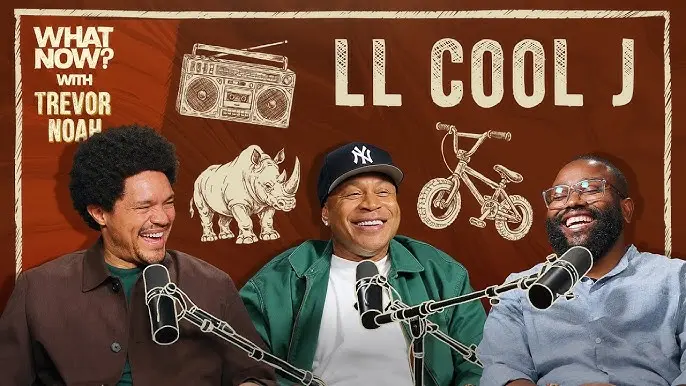
Pioneer LL Cool J visits a brand-new episode of What Now? with Trevor Noah, but the real juice is not another victory lap through four decades of hits. It is hearing one of hip-hop’s original superstars explain why longevity can become a trap if you start treating experience like permission to stop learning.
Yes, the episode gets into the mythology: Michael Jackson, Quincy Jones, Radio, family, fame and the teenage decision that sent LL toward music. But buried inside the nearly two-hour conversation are sharper ideas about age, ego, reinvention and why staying “relevant” may have less to do with chasing youth than refusing to get intellectually lazy.
Discover More
LL Cool J on Staying Sharp
The hip-hop pioneer gets unusually candid about age, ego, relearning his craft and why cynicism can become its own creative dead end.
Some links may be affiliate links. INYIM may earn from qualifying purchases.
One of the best exchanges starts with something surprisingly simple: what do people who actually know LL call him?
Todd. LL says that on sets, at conferences or around people he knows, he often prefers his birth name because being called “LL” can feel like pulling out his own Wikipedia page. The accolades matter to the art, but he does not want to walk around carrying them into every room.
That leads into a line that quietly explains a lot about his career: “Arrogance can be boring.” LL says he could be outrageous, boastful and larger than life on a record, but when the track stopped, that attitude stayed on the track. Living permanently inside your own hype, he argues, eventually shuts the windows. Nothing new gets in.
That distinction matters because the interview keeps returning to curiosity as the thing beneath the longevity. LL is not pretending that four decades of experience disappear. He is saying experience becomes useful only if you remain willing to update it.
Which brings us to perhaps the most interesting part of the whole conversation: LL Cool J says he had to relearn how to rap.
Trevor compares it to Tiger Woods rebuilding his golf swing. Why would someone already considered elite need to relearn the thing that made him elite? LL’s answer is almost annoyingly reasonable: because language changes, techniques advance, artists become more proficient and the culture moves.
His basketball analogy gets right to it. Younger players study the legends and add old moves to their repertoire all the time. So why should an established player be too proud to watch younger talent and incorporate something new? For LL, refusing to do that is usually some combination of arrogance and fear.
And needing to learn, he stresses, should not be confused with lacking confidence. Quite the opposite. You have to be secure enough to admit there is still something you do not know.
LL Cool J on Relearning Rap and Staying Curious
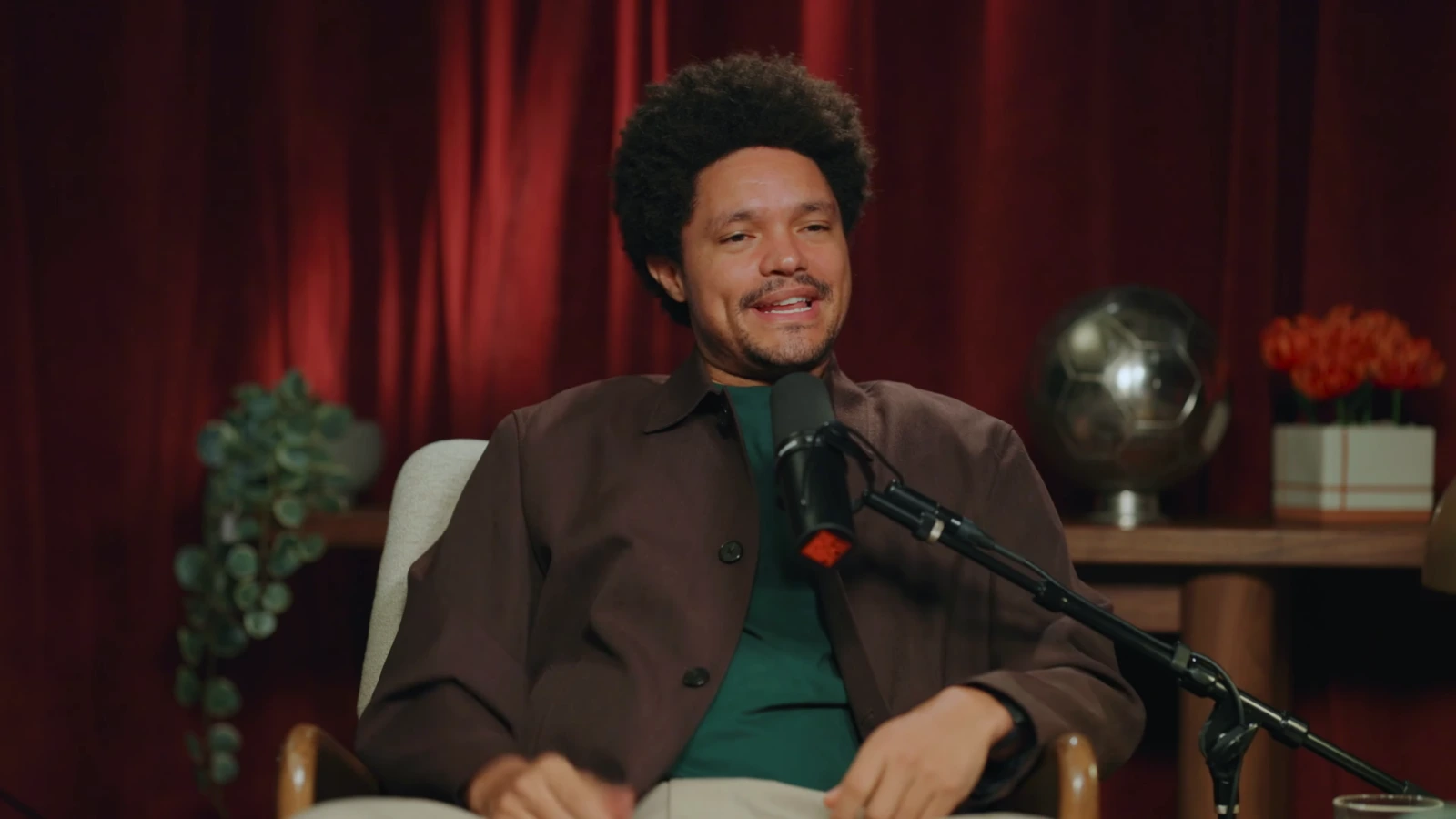

The conversation gets even better when Trevor asks why hip-hop seems obsessed with “longevity” far earlier than rock does. Nobody acts stunned that a 40-something rock musician is still making records, yet a rapper reaching the same age can suddenly be discussed as though they have survived several geological periods.
LL’s explanation is one of those answers that feels obvious only after somebody says it. Hip-hop is still young enough that its founding generations are alive and visible. Jazz and rock already went through the cycle of watching young artists age inside the genre. Hip-hop is living through that process for the first time.
He compares it to being alive alongside the founders of a country. Grandmaster Flash, DJ Kool Herc, Run-DMC, Fab 5 Freddy, LL himself — the people who helped build the language are still here while the culture figures out what aging inside that language even looks like.
That is why LL has little patience for artists declaring that making hot records past a certain age is somehow inappropriate. To him, much of that conversation is fear dressed up as wisdom. Your audience did not evaporate when you got older. The challenge is simply harder now. Own the challenge.
Trevor builds on that with another smart distinction: great art does not necessarily need to be changed for a new audience; sometimes the container needs to change. The food can still be great even if the old restaurant feels dated. Move the chef to a food truck and suddenly a new generation is lined up around the block.
LL agrees. That is the difference between chasing youth and understanding context. The work can stay true while the way you present, frame or approach it evolves.
Another unexpectedly revealing section comes when Trevor clocks something beneath all that stage command: LL is an introvert.
LL confirms it. He loves people and can work a room, but that is not what recharges him. He jokes that he would be perfectly comfortable disappearing into a room with a chair and thousands of books. There is, Trevor laughs, definitely a “where did he go?” factor with LL.
That makes his people-watching habit make more sense too. LL talks about sitting back and observing strangers — walkers, joggers, people negotiating little moments on the street — because people are simply interesting. Trevor points out the comedy in every self-help book telling you nobody is watching while, somewhere, LL Cool J may literally be sitting in a car watching you struggle down the sidewalk.
Then the episode moves into philosophy without announcing that it is doing so.
LL says he believes intuition can be God speaking to you, and he follows that internal signal. A few minutes later he lands on another line worth keeping: cynicism can sound intelligent, but it is often cowardice.
His point is not that everything works out. It is that cynicism is safe. If you expect disappointment every time, you never have to risk hope, belief or possibility. Every now and then the cynic gets proven right and mistakes that occasional confirmation for a worldview.
That may be the through-line of the whole interview. LL is not arguing that confidence means knowing everything. His version of confidence is almost the reverse: knowing enough about yourself to remain open, study the room, change your technique, learn from someone younger and keep going without pretending the past guarantees the future.
There are still plenty of delicious old-school stories. LL remembers walking into rooms where Muhammad Ali was slap-boxing Berry Gordy while Diana Ross watched, or visiting Quincy Jones and finding Marlon Brando sitting there. He also gently corrects the oft-repeated idea that Michael Jackson personally told him Bad was inspired by LL’s own Bigger and Deffer era: LL says Michael did not tell him that directly, but that was the impression coming through Quincy Jones.
And yes, LL confirms there are unreleased recordings from time spent in the studio with Michael somewhere out there — though he is refreshingly unsentimental about them. They were finding their footing, he says, and they were not necessarily their best work.
For a career built partly on one of the most confident personas rap ever produced, that may be the most interesting thing LL says for two hours: the swagger works better when the person underneath it is still willing to learn.
Watch LL Cool J on What Now? with Trevor Noah
The full conversation finds LL Cool J talking reinvention, hip-hop’s relationship with age, relearning how to rap, intuition, cynicism, Michael Jackson, Quincy Jones and the curiosity behind four decades in the spotlight.
Source: What Now? with Trevor Noah / YouTube.