



Dark Mode Light Mode

Monday Muse: Ilene Woods on Cinderella, Walt Disney and the Voice Behind the Magic

For Monday Muse, revisit Ilene Woods as she remembers Walt Disney, the making of Cinderella and how her voice became inseparable from one of animation’s most beloved heroines.
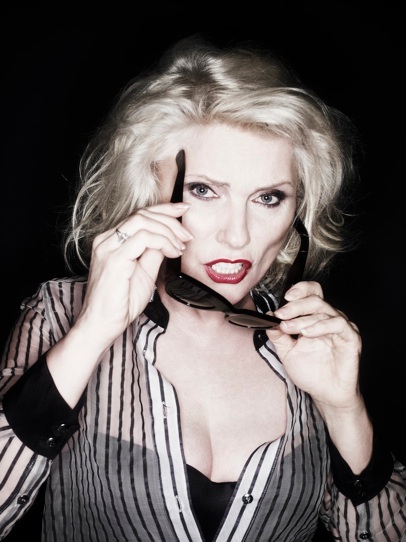
Ilene Woods in a feature about voicing Cinderella for Walt Disney’s 1950 animated film. Ilene Woods in a feature about voicing Cinderella for Walt Disney’s 1950 animated film.

The Voice Behind Cinderella Remembered Walt’s Favorite Kind of Magic

Image accompanying an Ilene Woods feature about Disney’s Cinderella.
Ilene Woods gave Cinderella her original speaking and singing voice in Walt Disney’s 1950 animated classic.

Today’s Monday Muse belongs to the immaculate singer-actress extraordinaire Ilene Woods — thee woman whose voice helped turn Cinderella into one of Walt Disney’s defining animated classics.

And this is not just us getting misty over “A Dream Is a Wish Your Heart Makes.” In archival interview footage shared by The Walt Disney Family Museum, Woods looks back on the making of Cinderella, her relationship with Walt and the very specific reasons the character meant so much to both of them.

Woods had already been working in radio when songwriters Mack David and Jerry Livingston asked her to record demos for songs they were pitching for the film. She was helping friends — not knowingly auditioning for the lead. Walt heard the recordings, liked what he heard, and Woods ultimately became Cinderella after Disney had considered hundreds of possible voices.

MONDAY MUSE

Keep the Cinderella magic going.

Revisit Ilene Woods, Walt Disney’s 1950 classic and the music that made Cinderella one of animation’s most enduring heroines.

Some links may be affiliate links. INYIM may earn from qualifying purchases.

Walt Disney Had a Soft Spot for Cinderella Too

Woods later remembered Walt telling her, “You’re my favorite heroine, you know.” She initially thought he was simply being kind to his Cinderella, but eventually connected his affection for the character to the rags-to-riches shape of his own life and career.

His favorite moment was apparently just as revealing. According to Woods, Walt singled out Cinderella’s transformation into her ball gown as his favorite scene — not only in Cinderella, but among the films he had made. Woods loved the same sequence because it was the moment Cinderella finally broke through the misery surrounding her and got one genuinely happy turn.

That affection matters because the 1950 film arrived at a crucial point for the Disney studio. The Walt Disney Family Museum notes that Cinderella became a major box-office success after a difficult, expensive production period, helping reinforce the emotional storytelling formula Walt believed in: if an audience is going to laugh, somewhere along the way it also needs to feel something.

Watch Ilene Woods Talk Cinderella and Walt Disney

The Walt Disney Family Museum’s archival interview has Woods explaining why she and Walt loved Cinderella and recalling the scene he held especially close.

“Sing, Sweet Nightingale” Was One of Walt’s Cleverest Recording Ideas

Woods’ memories also get into one of the film’s loveliest little technical tricks. During “Sing, Sweet Nightingale,” Cinderella scrubs the floor while reflections of her appear inside floating soap bubbles, each new image adding another layer of harmony.

The idea was Walt’s: have Woods harmonize with herself by recording multiple vocal parts and layering them together. Woods later recalled that hearing one voice become several felt like watching the studio’s particular brand of magic happen in real time.

It is the sort of detail that explains why Woods’ performance still feels so inseparable from the animation. She was not simply laying dialogue over a finished cartoon. Her voice, phrasing, singing and personality were part of the material the filmmakers were shaping around Cinderella.

Ilene Woods Was Cinderella Long Before “Disney Princess” Became a Brand

When Cinderella arrived in 1950, there was no giant Princess franchise, no decades of sequels and merchandise, and no expectation that Woods’ voice would still be instantly recognizable generations later. She was simply the young performer behind a character the studio desperately needed audiences to care about.

They did. Woods’ Cinderella became one of the defining vocal performances of Disney’s classic animation era, and in 2003 she was named a Disney Legend. She died in 2010 at age 81, but she had already spoken warmly about one part of the role that mattered most to her: children who had not even been born yet would still grow up hearing her voice.

That is a pretty extraordinary afterlife for a performance that started because a couple of songwriter friends asked her to make some demos.

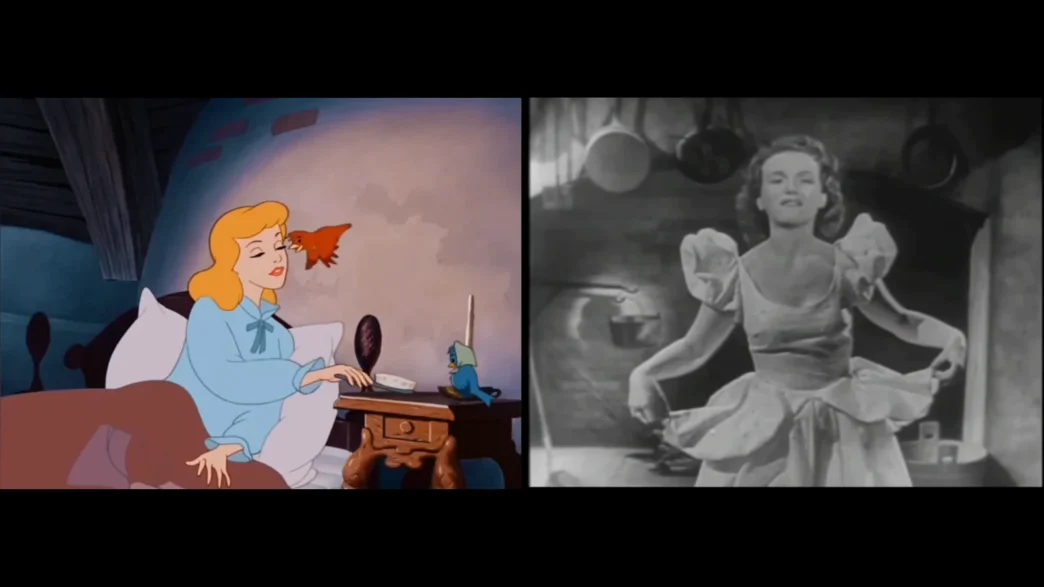
And for today’s Monday Muse, we also get the visual proof of how beautifully the performance and animation fit together.

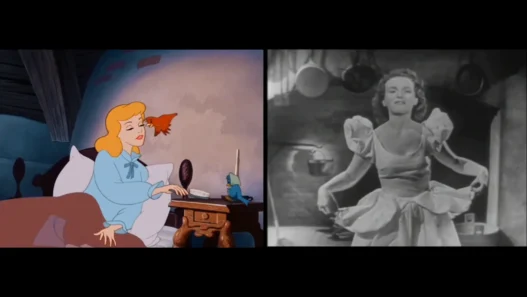
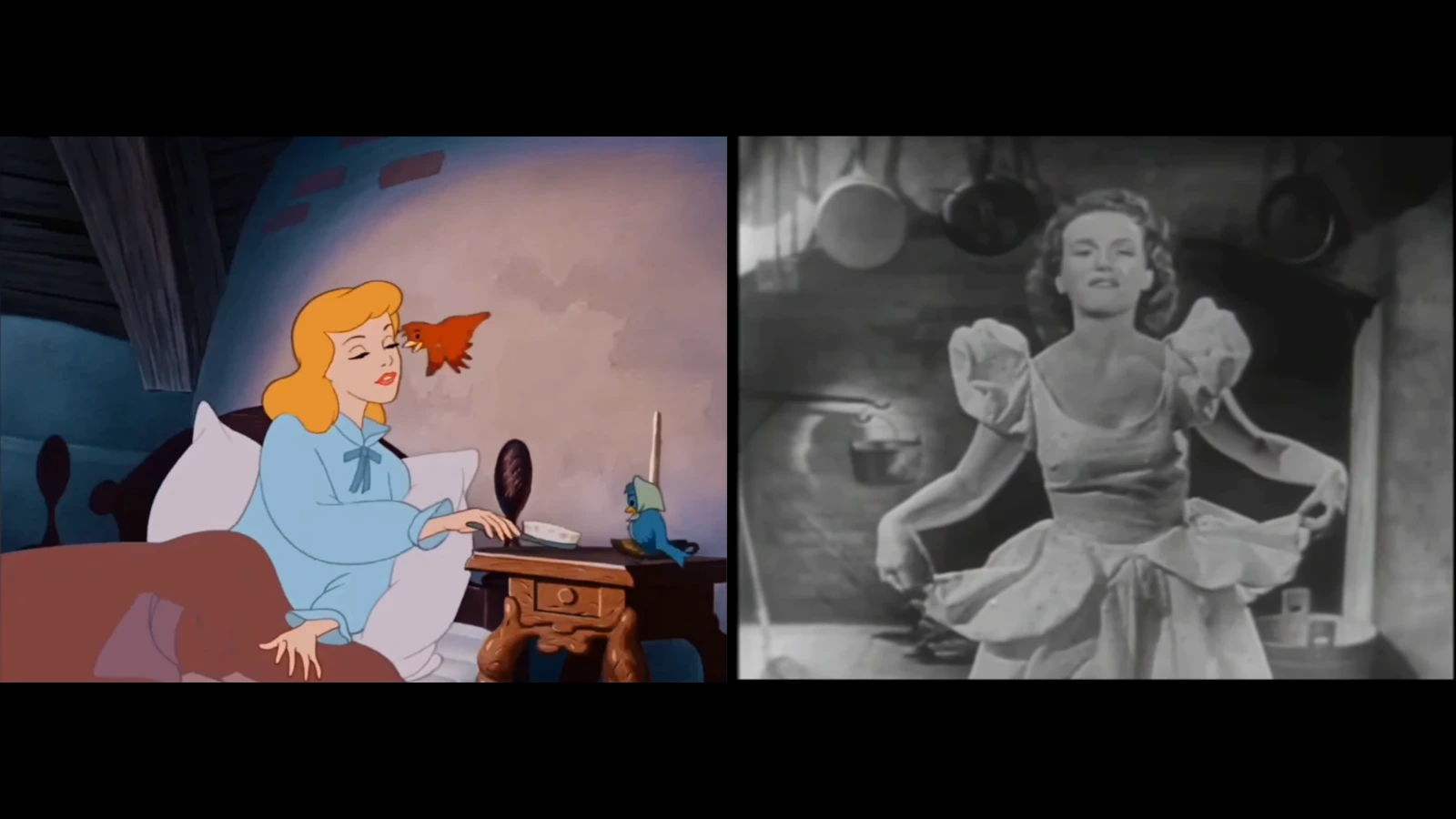
Watch Ilene Woods’ Cinderella Voice Side-by-Side With the Finished Animation

Thomas H. Smith’s 2022 comparison pairs surviving footage of Woods performing Cinderella’s voice with corresponding moments from Disney’s finished 1950 film.

Sources: The Walt Disney Family Museum; D23; The Walt Disney Family Museum / YouTube; Thomas H. Smith / YouTube.

Reader Reactions

What’s Your Reaction?

Tap the response that fits.

Reader Comments Be first Click here to leave a comment
Add a comment Add a comment

Leave a Reply

Your email address will not be published. Required fields are marked *